Recent Articles:

Readers Write: Recapturing the Best Part of Best-of-Breed

October 3, 2018 Readers Write Comments Off on Readers Write: Recapturing the Best Part of Best-of-Breed

Recapturing the Best Part of Best-of-Breed
By Meg Aranow

image

Meg Aranow is CEO of Edaris Health of Boston, MA.

Early on in HIT, departmental systems were the only computer-based clinical and business solutions we had. Often built and sold by teams that came directly out of the operational areas and bringing experiential credibility, these solutions spoke the language of the department leaders who were making the purchasing selections. The more relatable they were, the more significant their market share.

Later, with reputations solidified, these vendors began to capitalize by broadening their horizons into related areas, offering suites of applications to handle adjacent functions, such as all labs sections, not just blood labs, or all finance departments, not just AP/AR.

Then came the perfect storm that really engaged us all in the allure of the enterprise systems. First, computerization became the expected standard and big-budget centralized IT departments took root. Second, the market responded with R&D money and new investment capital. Third, healthcare costs and patient safety became everyday news and the idea of health consumerism grew. As timely, accurate shared data seemed the holy grail for both quality and expense control, the lure of single fully integrated systems became irresistible.

The decisions seemed easier 10 years ago. That was when the primary definition of an enterprise was its physical boundaries. There wasn’t much talk about IDNs and integrating freestanding surgery centers, urgent cares, or SNFs.

Now, even as we seek to integrate the data that ensures quality, safety, and expense control within the walls of our institution, we are simultaneously pushing care outside the walls to be handled in places that have less overhead and are easier for patients to navigate. There’s a tightrope to walk. We can’t trample on the very workflows that have created those higher margins and faster throughput at the lower-cost locations. If we make them behave as the rest of the enterprise does, we may lose the very things that made them attractive business assets and popular care destinations for patients in the first place.

As interoperability standards have become de rigor, there are options of where to draw the perimeter of the enterprise system and where to allow – or even encourage – deep support of site-specific workflows without compromise. That is, workflow support as once delivered by narrowly-focused departmental systems.

Customized workflow support is the new best-of-breed. With mature interoperability standards in place, we do not have to sacrifice tailored, intuitive workflow support for the sake of integrated data, decision support, and analytics. There is no reason not to have it all.

Comments Off on Readers Write: Recapturing the Best Part of Best-of-Breed

HIStalk Interviews Chris Klomp, CEO, Collective Medical

October 3, 2018 Interviews Comments Off on HIStalk Interviews Chris Klomp, CEO, Collective Medical

Chris Klomp is CEO of Collective Medical of Draper, UT.

image

Tell me about yourself and the company.

Collective Medical is a Salt Lake City-based developer of collaboration software. I started working on the company with two of my best friends from Boise, Idaho. We grew up together and we all went to Brigham Young University together. Two of us studied computer science and I was the token business guy. I went off to Bain & Company and then Bain Capital for roughly a decade.

One of our moms, Patti, is a social worker in the emergency department. She had been working on complex patient care coordination, particularly for patients who move across emergency departments. She had hypothesized that not only was this happening, but that a subset of those patients was probably opioid-seeking. Nobody talked about that 15 or 20 years ago, so she was pretty prescient on the ground.

The guys didn’t want to go work for “the man.” Patti, who is a pretty intimidating and awesome lady, told them to “build a computer program” for what she was doing in a circulated Word document and they did. They won a couple of business plan competitions and decide to take it out to the world. It took a lot of years and a lot of bootstrapping, but off we went.

My dad was a physician who told me that healthcare is the highest calling, so that’s what I wanted to do in some form. I had a bit of circuitous path, but I found my way back and we’ve been doing that since.

Collective Medical builds collaborative care networks. We help disparate stakeholders across the continuum — emergency, inpatient, skilled nursing facilities, mental health stakeholders, and even health plans and ACOs with their care managers – become aware when a patient needs them, particularly those vulnerable members who have figuratively fallen. We then unify their records collectively and help pick that person up.

How do you see the company fitting into the interoperability landscape?

We’re attacking from a different direction. I’m not sure I would even classify what we do as carte blanche interoperability. Interoperability is principally concerned with moving data from Point A to Point B. There are a number of pathways by which that’s taking place.

Health information exchange has made tremendous advancements, particularly in the last several years, in linking communities together to unify a care record. There’s a lot more work still to be done, but they’re making great strides. You have the networks like CommonWell and Carequality that are doing that with CCDs and certainly have ambitions to do more. You have platforms like Epic Care Everywhere that are, in some regards, even more advanced in how they link data from Point A to Point B and unify that into a single patient record.

The world is focused on these opportunities for good reason, but it’s a necessary but insufficient condition of driving coordination across an otherwise highly fragmented set of providers in a landscape. We have data silos and we need to unify those. We should have a single patient record that isn’t replicated with duplicative tests or because a patient goes from one site of care to another. However, it’s highly unlikely that the entirety of the country is going to be comprised of organizations like Kaiser, Intermountain, and Geisinger. Even those organizations — and I can say this because Kaiser and Intermountain are among the owners of our company — still have affiliated providers that they don’t own and that aren’t on their same record of care. They still require collaboration and coordination across those disparate providers.

You can either throw a tremendous number of expensive, scarce bodies at the problem, which isn’t scalable, or you can use technology. I’m not talking about mere notifications that an encounter has occurred, which we do, but a deeper level of collaboration. A mental health provider in the emergency department creates a crisis plan for the patient at 3:00 in the morning that involves a primary care provider who is affiliated with a multi-specialty clinic that is not connected to the health system and a Medicaid managed care manager. How do you help those individuals get on the same page and interact with the patient in sequence so that we’re not wasting resources or missing opportunities to help the patient navigate across the continuum, efficiently using the existing technology infrastructure of each organization? That’s the set of problems that we’re focused on.

Notifications are a mechanism to gain provider attention or to nudge them to intervene to mitigate an identified risk. But your phone has 15 notifications an hour popping up and most of that is noise. The more that we can increase the fidelity of those notifications and distill signal from that noise to make them actionable, the better.

Patti’s original work involved competing hospitals sharing her Word document, which was probably shockingly collaborative back then. Is the questionable business case for broad interoperability a non-issue when the addressed problems are overuse of opiates or EDs, which are in nobody’s best interest?

The premise of our business is that bad people don’t go into healthcare. That’s true even with the big, bad health plans that sometimes get painted into a corner. I’m not suggesting that there aren’t disagreements or even mistrust in healthcare and I’m sure there can be tense moments during contract negotiations between a health plan and a health system. But our job is to find the opportunities where there’s an alignment of incentives. When good people are reminded of why they joined up in healthcare and what their true purpose is, those instincts of competition or mistrust that might lead them to not want to share data fall away. When you give them a cause or a reason to collaborate, people will rally.

Let’s say we have a low-income, low-acuity pediatric asthmatic patient who’s bouncing around emergency departments. Nobody’s looking to increase their volume by having that patient coming to their hospital. The health plan, the Medicaid ACO or MCO, and the pediatrician, pediatric pulmonologist, or emergency department physician all have a perfectly aligned set of incentives to get that patient into the most appropriate care channel, stabilize them, and help them lead a healthy life. What level of interoperability and coordination is required to restore that child to a point of health?

How will Virginia’s statewide ED collaboration project work?

Our objective is to connect healthcare at scale. Virginia is a perfect example. You have 130-some hospitals and health systems, hundreds of post-acute operators, and thousands of ambulatory providers across the state, along with Medicaid, Medicare, and commercial health plans. The state’s objective was not only to reach a level of interoperability in terms of data sharing, but even more so, to reach a level of collaboration to manage down medically unnecessary utilization, avoidable friction, or risk.

The state evaluated a number of different paths and vendors and ultimately partnered with us. In five months, we connected 100 percent of the state’s acute care hospitals. We brought on all of the managed Medicaid organizations. In the next wave, we’re onboarding skilled nursing facilities and non-Medicare and other ACOs. We’re beginning to bring on ambulatory providers as well.

The state of Virginia had phenomenal leadership and vision. They didn’t just talk about interoperability that could move data from A to B. They’re goal was real coordination. It’s called the EDCC — Emergency Department Care Coordination — initiative because it starts in the emergency department, the front door of the healthcare continuum for so many vulnerable patients. Virginia is seeking to instantiate workflow broadly out into the rest of the community. Not just through interoperability, but by actually prompting coordinated sequences of engagement of various providers across specific patient archetypes to drive resolution.

Interoperability is the base layer. Then, how do we use data to coordinate human behavior? We make it easier for them by meeting them in their workflow, not making them go look up information. They can understand which of their patients are at a place of need and coordinate with others who can help meet the needs of that individual, to lift them up and catch them before they fall.

How will the company’s momentum or direction change following the large fundraising you completed a year ago?

We bootstrapped the business for most of our history. We aren’t a non-profit, but we’ve effectively run it that way. We don’t dividend out proceeds. The principals haven’t taken raises and draw pretty nominal salaries.

Our goal now is to invest in the platform and to grow networks. Building network effect-enabled platforms is capital intensive because you need to reach critical density in a given geography to create value for the constituents there. We’ve done a pretty good job of that. We’re live in 17 states, not just with one or two hospitals, but penetrated broadly to 100 percent of acute hospitals. We’ve got a bunch more in the hopper.

We realized that while bootstrapping a company gives you tremendous autonomy to do the right thing, it’s a rate limiter to growth. Building a network effects-enabled platform hasn’t been previously done at scale in healthcare. We raised capital to accelerate our growth across the country, to deepen our technical capability with significant R&D dollars, and to gain partners who can help us think through these things since this is our first rodeo.

Our whole point is to act as a rising tide. It’s not to give any individual health system a competitive advantage — which isn’t to say they can’t find it by using our software — but our goal is to help communities lift up their most vulnerable patients. We think about the entire country as that community.

Comments Off on HIStalk Interviews Chris Klomp, CEO, Collective Medical

Morning Headlines 10/3/18

October 2, 2018 Headlines 1 Comment

Waystar to Acquire Transaction Services Business from UPMC’s Ovation, Adding Enhanced Claims Monitoring Capabilities to Platform

RCM vendor Waystar will purchase the transaction services software business of UPMC-owned Ovation Revenue Cycle Services.

Enhanced Patient Matching Is Critical to Achieving Full Promise of Digital Health Records

A new Pew Charitable Trusts report on patient matching offers potential approaches that include unique patient identifiers that incorporate biometrics, placing more onus on the patient through verification via text message, and standardizing data elements.

GE unexpectedly removes its CEO

GE’s board fires Chairman and CEO John Flannery after just over a year on the job, disrupting company plans to spin off GE Healthcare.

Patients’ heavy records cost hospital $11m

Australia’s Royal Adelaide Hospital will spend $7.8 million to extend its paper records storage and delivery service, with the failure of its Allscripts implementation forcing it to store records offsite since the hospital’s floors weren’t designed to handle that much weight.

‘This system has to survive;’ UMass Memorial Health Care, $22 million in the red, plans to focus on virtual healthcare

UMass Memorial’s deficit prompts CEO Eric Dickson, MD to consolidate services and focus on ACOs, minimally invasive surgeries, and virtual healthcare.

News 10/3/18

October 2, 2018 News 10 Comments

Top News

image

A new Pew Charitable Trusts report on patient matching offers these potential approaches:

  • Implement a unique patient identifier, but given the challenges experienced with this approach in other countries, consider powering it with biometrics
  • Give patients a more active role in verifying their identity by sending text verification messages sent to to their phones
  • Standardize the data elements that are used to predict a patient match, such as making email address one of the match criteria
  • Use referential matching that goes beyond name spelling and potentially outdated addresses using third-party data sources such as the US Postal Service

Reader Comments

From Barely Constrained Capitalist: “Re: David Bradshaw of Memorial Hermann. Now working as a contractor for Cerner. Did we ever learn why he was fired from MH?” David’s LinkedIn says he’s working with a “large EMR solution provider” as a population health management advisor, which must pay a lot less than the $1.3 million he made last year. Memorial Hermann just announced plans to merge with Baylor Scott & White to form a massive health system that employs 73,000 people running 68 hospitals from the Gulf to the Oklahoma border. Most of the newco’s named executives are from BSW, so maybe he saw the CIO writing on the wall. Regardless, parting ways at that level is often the result of leadership or strategic changes that are not indicative of personal performance and certainly we don’t know (or need to know) the details of his departure. I think MH uses Cerner and BSW is mostly Epic and Allscripts, not that I would expect them to standardize IT systems. The footnote here might be that big-name CIO jobs are declining in number as their employers frantically merge and affiliate to flex their market power for self-enrichment. Oh, sorry, to deliver the efficiency improvements, reduced costs, and improved care that such mega-mergers always create in their maniacal pursuit of patient-focused excellence.

From Brangelina: “Re: HIMSS. You haven’t commented on their IRS tax filings recently.” I haven’t been able to locate their most recent reports, so I’ve emailed a request for them to send their Form 990 my way.

From Standard Spiel: “Re: clinical mobility poll. Check out these results.” The HIMSS-owned publication writes lengthy analyses of its online polls down to the fractional percentage point, but those typically generate only 100 or so anonymous responses that make any conclusions questionable. I usually get 200-400 poll responses to each week’s HIStalk question and even then I don’t spend a lot of time dissecting the statistically questionable results – it’s just a fun snapshot of what readers think that merits no further analysis.


HIStalk Announcements and Requests

Listening: new from The Sea Within, a new prog supergroup led by Roine Stolt and other members of The Flower Kings.


Webinars

October 30 (Tuesday) 2:00 ET. “How one pediatric CIN aligned culture, technology and the community to transform care.” Presenters: Lisa Henderson, executive director, Dayton Children’s Health Partners; Shehzad Saeed, MD, associate chief medical officer, Dayton Children’s Health Partners; Mason Beard, solutions strategy leader, Philips PHM; Gabe Orthous, value-based care consultant, Himformatics. Dayton Children’s Health Partners, a pediatric clinically integrated network, will describe how it aligned its internal culture, technology partners, and the community around its goal of streamlining care delivery and improving outcomes. Presenters will describe how it recruited network members, negotiated value-based contracts, and implemented a data-driven care management process.

Previous webinars are on our YouTube channel. Contact Lorre for information.


Acquisitions, Funding, Business, and Stock
image

At least GE’s alarming levels of suckitude weren’t limited to its now-abandoned GE Healthcare IT efforts. GE’s board fires Chairman and CEO John Flannery after just over a year on the job, seemingly shocked that he couldn’t dump ballast quickly enough to save the sinking ship he had just inherited. GE names outsider Larry Culp (who?) to replace him as CEO and board chair. Flannery shared GE Healthcare heritage with predecessor and fellow oustee Jeff Immelt, so maybe that’s not the best group to tap for leadership talent. The new guy comes from Danaher, which sells an odd mix of bioscience products (Beckman Coulter, HemoCue, Molecular Devices) and unrelated stuff like the Pantone color matching system. Above is the definitely ugly five-year GE share performance chart, in which it shed 51 percent of value while the Dow was rising 75 percent. The company’s market cap has declined to barely over $100 billion, so hopefully your employer didn’t spend a lot of cash in gifting budding executives with the how-to business books written by Neutron Jack Welch that were all the rage in the 1990s when people still admired the company. GE was among the 12 industrial giants that made up the first Dow Jones Industrial Average in 1896 and was the last of those to drop off the 30-company list in 2018. GE waved goodbye to health IT through the rear window of its submerging dump truck in April of this year, handing that business off to Veritas Capital for $1 billion. It would still like to spin off GE Healthcare, one of its few bright spots, but acquirers and investors don’t love company turmoil.


Sales

  • Thirteen-hospital ProMedica will deploy PeriGen’s PeriWatch Vigilance AI-based maternal-fetal early warning system in all of its hospitals that offer labor and delivery services.
  • Cleveland Area Hospital (OK) chooses Cerner Millennium under the CommunityWorks deployment model.

People

image image

Provation, fresh off its sale by Wolters Kluwer to a private equity firm, hires Tom Monteleone (Ancile Solutions) as CFO and Jim Mullen (Nextech Systems) as SVP of global sales.


Announcements and Implementations

image

Australia’s Royal Adelaide Hospital will spend $7.8 million to extend its offsite paper records storage and delivery service for three years, with the failure of its over-budget, behind-schedule Allscripts implementation forcing it to store records offsite since the new hospital’s floors weren’t designed to handle that much weight. The health minister said this week that an independent committee has ruled out continuing the EPAS rollout, so it will either be overhauled or scrapped. Allscripts was supposed to have gone live four years ago at a cost of $158 million, but costs have swelled to $340 million and the rollout stalled as doctors complained that it was unsafe. The hospital might want to investigate the circumstances leading to the approval of its questionable architectural design, which looks like someone sprayed machine gun fire into an ugly airport terminal.

InterSystems announces IRIS for Health, which provides a FHIR application development framework, support for every national and regional interoperability standard, and a normalized and extensible data model. Its capability will be added to HealthShare and TrakCare products next year.

image

A new KLAS report covering in-home patient monitoring, released in partnership with the American Telemedicine Association, finds that of the small number of organizations surveyed (24) and the small number of patients being monitored, most are happy with their programs despite most of them not achieving key outcomes. The report notes that the line between vendor monitoring and provider outreach is blurred and that most organizations say their program pays its own way under existing capitated and bundled payment models. Legacy vendors include Honeywell Life Care Solutions, Medtronic, and Philips, while more flexible upstarts are Health Recovery Solutions and Vivify Health.

image

Researchers find that laws requiring prescribers or their delegates to check state prescribing databases caused a 7.2 percent reduction in patients with three or more opiate prescribers, but EHR integration is the holy grail. The authors note that interstate data sharing isn’t really necessary since doctor-shopping across state lines seems to be rare.

image

Mitre publishes a guide to medical device cybersecurity incident response that recommends incorporating cybersecurity standards in product selection, creating an asset inventory, defining how incident command systems can support cybersecurity issues, and creating an incident response communications plan that includes external stakeholders. I admit that I glazed over pretty early on, so let me know if you see any buried pearls.

Citrus Valley Health Partners (CA) goes live on Meditech Expanse in its hospice and home care locations, with a full system go-live planed for March 2019.

Ciox launches Smart Chart, an expansion of its HealthSource clinical data exchange and aggregation platform that uses AI and NLP to extract clinical data elements from unstructured sources.

image

Children’s Hospital Colorado, whose IT team is led by friend of HIStalk SVP/CIO Dana Moore, earns an Enterprise HIMSS Davies award.


Government and Politics

VA OIG is reviewing last year’s manual cancellation of 250,000 radiology orders across eight hospitals during a push to remove duplicate and outdated requests, raising concern that some of the studies might have been medically necessary or had been entered as future orders that had not expired. As an example, as many as 10 people under the direction of the radiology managers at the Tampa VA cancelled orders without consulting doctors or patients. The Columbia, SC VA topped the leaderboard with nearly 30,000 outstanding radiology orders, with public outcry pushing VA brass to vow they would clear the backlog (although maybe not in the smartest way).


Privacy and Security

The DEA is installing license plate readers on the back of those highway signs that tell you how fast you’re going, an extension of the 2008 program in which all levels of law enforcement share data from license plate readers and surveillance cameras, some of them using facial recognition technology to identify the driver and passengers. Privacy advocates (shouldn’t that be all of us?) worry that the government could be applying algorithms to the huge database for less-transparent purposes. Genetec, the company that manufactures the license plate readers, has healthcare offerings – video surveillance, access control, and license plate tracking cameras for parking lots that can be installed in access gates or on top of security vehicles to track people parking where they shouldn’t.


Other

image

Members of Connecticut’s Health IT Advisory Council – charged as the exclusive creator of a state HIE – are stunned to learn from a presentation at its September meeting that the Department of Social Services is continuing its previously failed efforts from 2007 to build a similar system that would not cover the whole state. Both organizations have received CMS funding.

An Annals of Internal Medicine article offers ideas to balance under-diagnosis with wasteful, harmful over-diagnosis:

  1. Don’t rely excessively on lab tests, imaging, and specialist referrals to arrive at a diagnosis. Listen to the patient and trust the physical exam.
  2. Acknowledge that precision medicine increases the extent of uncertainty and should not drive less-conservative practices.
  3. Stop chasing symptoms that often defy a medical diagnosis or are self-limiting and instead watch for the usually-missed symptoms of problems caused by mental state, such as depression or anxiety.
  4. Maximize patient-provider trust and continuity.
  5. Make time to listen, observe, discuss, and reflect, which can be supported by practicing top-of-license and redesigning EHRs to support “watchful waiting.”
  6. Link treatments to diagnosis, but be careful about diagnosing a condition that isn’t treatable, whose treatment can be safely deferred, or that involves a treatment that the patient declines.
  7. Consider the potential harm in ordering diagnostic tests and the lack of rigor required to develop and use those tests wisely.
  8. Recognize that ordering more tests may seem like a good idea for reducing diagnostic errors, but it doesn’t always provide the answers that patients and providers are seeking.
  9. Don’t overemphasize early cancer detection through extensive testing that may raise false positives or result in harmful treatment by over-diagnosis.
  10. Recruit specialists and ED doctors to take a stewardship role in reducing overreliance on their services.

image

Health economist Zack Cooper notes that both the newly installed president of the American College of Emergency Physicians and its president-elect work for companies that profit by charging patients for out-of-network services (physician staffing firms TeamHealth and Envision Healthcare, respectively). The key issue of new President Vidor Friedman, MD is to make insurers pay for ED visits as long as the patient thinks it’s an emergency, even if they are wrong. His employer paid $60 million last year to settle a whistleblower lawsuit involving an upcoding scheme and he was previously known for creating a lobbying group for “emergency medicine advocacy” that mostly involved protecting ED doctor payments under ACA.

image

Memorial Sloan Kettering Cancer Center President and CEO Craig Thompson announces that he will give up his board positions at cancer drug maker Merck and drug research company Charles River. A 2015 report found that Thompson was making more than $750,000 annually from the companies and presumably was also granted stock options. That article also observed that while it’s easy to look up which doctors had their $15 lunch paid for by a drug company rep, it’s harder to find such board-level relationships. A 2013 analysis found that 279 university-affiliated employees served on the boards of 442 companies, earning $55 million in compensation and owning 60 million shares of stock. Thompson was sued in 2011 by previous employer University of Pennsylvania, which claimed he used intellectual property from his Penn research to start Agios Pharmaceuticals as a Penn employee in 2007 before he left for MSKCC. Apparently the many millions MSKCC pays him isn’t enough and Big Cancer is happy to use its coffers to make it rain for him and other academic researchers who help them make obscene profits on the backs of people with cancer.


Sponsor Updates

  • Redox offers access to its interoperability platform to healthcare non-profits and public health organizations that provide access to at-risk populations through its Redox Gives program, with the first beneficiary being the Wisconsin Women’s Health Foundation, which provides free health education and support programs to women and their families and will use Redox integration to streamline referrals to the state’s First Breath stop-smoking program.
  • DocuTap and InstaMed partner to improve the patient and provider experience for urgent care centers across the US
  • The National Hospice and Palliative Care Organization will offer its members software and services from Audacious Inquiry.
  • Nordic wins a work-life balance award based on anonymous employee submissions in the large-employer category.
  • Kyruus adds Stephen Kahane, MD, MS to its board.
  • AdvancedMD will host its annual user conference, Evo18, October 3-5 in Salt Lake City.
  • The Advisory Board publishes a new briefing, “5 insights to help you address burnout.”
  • The Business Intelligence Group awards Apixio its 2018 Stratus award for AI.
  • Aprima and CompuGroup Medical will exhibit at AAFP’s annual meeting October 10-12 in New Orleans.
  • Arcadia congratulates its ACO customers on achieving $90 million in MSSP savings in 2017.
  • Greenway Health features AssessURHealth on its podcast, “Putting Possibility into Practice.”
  • Bernoulli Health will present at the Spok Connect annual conference October 9 in Scottsdale, AZ.
  • Datica will present at Techstars Startup Week Seattle October 10.
  • Burwood Group will present at the 2018 Healthcare Facilities Symposium & Expo October 8 in Austin, TX.
  • CarePort Health will exhibit at the AHCA National Convention October 7-10 in San Diego.
  • Providence Ventures Radio features Collective Medical CMO Benjamin Zaniello, MD.
  • CoverMyMeds will exhibit at the Allscripts Client Experience October 3-5 in St. Louis.
  • Crossings Healthcare Solutions and Culbert Healthcare Solutions will exhibit at the Cerner Health Conference October 8-12 in Kansas City, MO.
  • HealthShare Exchange wins the SHIEC 2018 Achievement Award for Quality and Quality Data for its work with Diameter Health to standardize member CCDs.

Blog Posts


Contacts

Mr. H, Lorre, Jenn, Dr. Jayne.
Get HIStalk updates. Send news or rumors.
Contact us.

125x125_2nd_Circle

Morning Headlines 10/2/18

October 1, 2018 Headlines 1 Comment

Advisory council stunned to learn about parallel health information exchange efforts

Tasked with overseeing Connecticut’s latest HIE effort, members of the Health IT Advisory Council express disbelief and frustration when they learn that a separate state-run agency has been developing its own HIE.

DAS Health Announces Record 3 Concurrent Acquisitions

EHR reseller DAS Health acquires M E Computer Systems, MECS Billing Services, and the Aprima business of consulting firm CriticalKey.

MediQuant Receives Significant Growth Investment from Silversmith Capital Partners

Health data archiving company MediQuant promotes Jim Jacobs to CEO, coinciding with an investment from Silversmith Capital Partners.

Audit Highlights Erlanger’s Continued Net Patient Revenue Growth Of 13%; New Ventures Carried Out Despite $124 Million Uncompensated Care Expense

Erlanger Health System (TN) reports positive year-end income despite predicted shortfalls related to the implementation of its $100 million Epic system last year.

Curbside Consult with Dr. Jayne 10/1/18

October 1, 2018 Dr. Jayne 2 Comments

clip_image003 

I occasionally do a little bit of work for a local personal injury attorney. It’s not the big-time expert opinion work you hear about physicians doing on the side, but more of a translation service. Basically, I take hundreds to thousands of pages of printouts from EHRs and try to reconstruct a coherent timeline of what happened and who documented which data, so that the legal team can understand the facts of a case and determine whether they have something they want to take forward. At least the printouts are virtual, and I’m sifting through PDFs rather than dealing with boxes of documents delivered to my door.

I worked on a case over the weekend from a local hospital where I have never been on staff. The most striking part of the assignment was the poor quality of the records.

The case involved a “routine” outpatient surgical procedure that ended in the patient’s death. The entire episode of care lasted barely more than 24 hours, but there were six different PDFs sent, ranging from 20 pages to 370. Although all the notes and entries were electronically signed by the pertinent physicians, it was quickly apparent that the physicians hadn’t really read the notes before authenticating them. Either that, or they read them and just have a passing familiarity with the idea of matching the pronoun to the gender of the patient or ensuring that the note actually makes sense. Especially since this episode of care contained a profound medical misadventure, one would think that the attending physician (who was going to receive attribution for the case) would have made sure the key portions of the record made sense.

The hospital had numbered the PDFs from one to six, and I quickly realized that the numbering was not at all related to what one would expect in a typical chart. Each file contained a mixture of timelines and care locations (pre-operative area, operating room, intensive care) and was so confusing that I actually thought about printing the whole thing out so I could sort it into chronological order. The admission history and physical was in the middle of the third file, and the discharge summary (also known as the death note) was in the middle of the second. It probably would have been better if the discharge summary was at the end of the last file, because after reading it, I was so aggravated that I had to take a break.

Although the document was clearly identified as a death note, it also contained “Home Instructions for the Patient” and a list of “Medications You Should Continue at Home.” I imagined myself as the widow of this patient reading that and how insensitive it must have seemed to her. She had requested the records personally and provided them to the attorney after she was unable to get answers to her questions from the hospital’s risk management team.

I imagined how confused she must have been by the six files, how disjointed they were, and why she felt she needed to ask the hospital for clarification because the records didn’t make sense. I also put on my EHR hat and thought about how easy it would be to have a separate template for the death note that didn’t have those components that only apply if a patient is actually leaving the hospital.

When I finally made it to the physician notes, I noted how poorly the history of present illness (HPI) was written even though it was either dictated or typed as free text. The patient had been transferred from the operating suite to the intensive care unit after being emergently intubated and placed on a ventilator, which the HPI described as “the patient was difficult to breathe.” The patient was referred to twice as “her” and the rest of the time as “him,” the latter of which was appropriate. Another physician note said that the patient had been “electively intubated for the outpatient procedure” which was incorrect, which somewhat makes one question the accuracy of the documentation in general.

The nursing notes were also interesting, with a nurse documenting that a fall risk assessment was performed and “the patient verbalized understanding” despite the patient being paralyzed, sedated, and on a ventilator, with a documented Glasgow Coma Scale of 3 which basically means the patient was nonverbal and unresponsive to verbal or painful stimuli. One can perhaps blame that one on a macro or shortcut being used, but as a healthcare provider I was embarrassed to see it. The patient also had a “weapons assessment” performed upon arriving to the intensive care unit, although I’m not sure how he could have become armed after being assessed similarly in the pre-anesthesia care unit and having been unconscious most of the time. I understand the value of checklists, but it was just one more thing clogging up the notes that didn’t make sense.

I was heartened to see that the hospital was using a virtual sepsis protocol and remote ICU services from a tertiary care center. My enthusiasm was curbed, however, when I reached the laboratory data section, which displayed the data in an extremely hard-to-read grid (above). I can’t imagine that there was much clinical input on or approval of that document before putting it into the system, and if there was, would love to have a conversation with whoever approved it to go into production. I’m sure users are reading the data on a screen with a scalable display in real time, but it’s still important to be able to have a printout that makes sense.

The attorney who sent me the case felt that there was not likely a valid claim, but had asked me to review to help provide answers to the family. Even in that context, I always review to see if there was an element of negligence or substandard care. I wasn’t pleased to see that the consent for surgery document didn’t have the patient’s name filled out or the surgeon’s name completed in the respective blank spaces. It did have a patient sticker and MRN on it, but not using the blanks as designed just makes it feel like either someone was in a hurry or someone didn’t care, neither of which are great when there has been a poor outcome.

The bright spots of the entire chart were the chaplain’s notes. They were free-text narrative, and although I couldn’t tell whether they were dictated or typed, they were cohesive and actually told the story of what had happened to the patient far better than the physician progress notes (each of which was 8-10 pages long because they contained copy-and-paste content from previous notes). The chaplain’s notes also contained detailed summaries of what was discussed with the family and their responses to the information provided. Those chaplain’s notes were probably the most solid piece of documentation in the chart and they illustrated that the clinical team acted within the standard of care after the initial event.

In the healthcare IT world, we think of projects and timelines and budgets and deliverables, but often we struggle to find the time to think about patients and their families and how those individuals would view our efforts. This family probably doesn’t think very much of the quality of records at this institution and I know the attorney doesn’t either.

As a CMIO, a patient, and a family member of patients, I’m appalled by what I saw. We can do better, and our patients deserve it.

I’d like to throw out a challenge to readers. Take a look at the documentation your systems are producing. Find a death note or a discharge summary with an outcome of “deceased” and see what’s in it. Make sure that you are producing documentation that you would want a patient’s widow or child to see. If you’re a vendor, take a look at your document production code and see if you’re contributing to the problem or helping to solve it. I challenge you to find the development budget to make these issues right if you’re the cause.

Do your users read and correct their notes, or just sign them? Leave a comment or email me.

Email Dr. Jayne.

Morning Headlines 10/1/18

September 30, 2018 Headlines Comments Off on Morning Headlines 10/1/18

Facing Crisis, Sloan Kettering Tells Exec to Hand Over Profits From Biotech

Memorial Sloan Kettering Cancer Center tells VP Gregory Raskin, MD to turn over $1.4 million worth of biotech company shares that he personally owns, and promises to revise its commercialization and investment policies so that it will retain any proceeds accruing from the involvement of its executives instead of enriching those execs.

Diagnosing the Orion Health buyout deal: Q&A

Orion Health shareholders approve the company’s plan to sell its only profitable division, which offers the Rhapsody integration engine, to a private equity firm that will run it as a private company.

Health care payments firm wants to merge with Athenahealth

Revenue cycle technology vendor NThrive (the former MedAssets and Precyse) is the previously unnamed strategic bidder that has offered to buy Athenahealth.

SingHealth COI hearing: Former IHiS CEO dismissed staff for ethical breach, didn’t probe alleged vulnerability

The former CEO of SingHealth’s IT services organization IHIS, testifying in hearings about its recent massive IT breach, says she immediately fired an employee who in 2014 discovered a security vulnerability in Allscripts Sunrise Clinical Manager and then emailed Epic to suggest using his information to increase market share.

Comments Off on Morning Headlines 10/1/18

Monday Morning Update 10/1/18

September 30, 2018 News 2 Comments

Top News

image

Memorial Sloan Kettering Cancer Center tells technology commercialization VP Gregory Raskin, MD to turn over $1.4 million worth of biotech company shares that he personally owns to MSKCC.

MSKCC had invested in the cancer drug company — which just went public at a share price that values the health system’s stake at $73 million — and had assigned Raskin as its representative on the board of Y-mAbs Therapeutics, for which the company gave him stock options.

MSKCC says it will change its policies so that it will retain any proceeds accruing from the involvement of its executives instead of enriching those executives.

The new policy will not be retroactively applied to MSKCC’s high-profile involvement with Paige.AI. In addition, MSKCC’s CEO will be allowed (at least for now) to continue serving on the board of cancer drug maker Merck.


HIStalk Announcements and Requests

image

The vast majority of poll respondents don’t want researchers or insurers monitoring their social media activities, no matter how pure their intentions. Also noted in the poll’s comments is that our approval as consumers isn’t really necessary anyway – once you’ve posted your data online, anyone can buy and sell it.

New poll to your right or here: to what extent do you use a smart speaker (such as Amazon Echo or Google Home) at home? I like the Google Home Mini that I bought for $20 last Christmas, but I admit that I haven’t done much with it beyond asking it for the weather and setting timers for cooking (it’s totally worth it for just those two things, however). Add your comment after voting to inspire me with ideas of how I can use my gadget more productively.

image

I’m improbably penning this from the sparse plains of Thackerville, OK. Mrs. HIStalk mysteriously announced last week, “We’re flying to DFW Saturday morning. Pack casual clothes for two days and don’t Google to figure out where we’re going because it’s a surprise for you.” Our destination turned out to be front-row seats at The Roots concert at WinStar Casino. It was as stunning as you might expect – I’m convinced that they’re the most talented, hardest-working band in the US and Black Thought and Questlove are geniuses in several disciplines. I’ll be playing their back catalog and revisiting Black Thought’s epically poetic 10-minute freestyle rap – imagine the talent required to throw out off-the-cuff, rhythmically resonant lines such as, “As babies we went from Similac and Enfamil to Internet and fentanyl.” Kudos for them for increasing the number of things I can stand about Jimmy Fallon to one. Trivia: Questlove’s father was Lee Andrews, singer for the great 1950s doo-wop group Lee Andrews & The Hearts (“Long Lonely Nights.”)


Webinars

None scheduled soon. Previous webinars are on our YouTube channel. Contact Lorre for information.


Acquisitions, Funding, Business, and Stock

image

In New Zealand, Orion Health shareholders unenthusiastically (given the lack of better options) approve the company’s plan to sell its only profitable division, which offers the Rhapsody integration engine, to a private equity firm that will run it as a private company. Orion’s other divisions (population health management and hospital software) are big money-losers and did not attract buyer interest. Orion blames its poor results on cash-strapped US hospitals cancelling orders before the company could develop a cloud-based version of Rhapsody. It also says the former Amalga HIS and RIS/PACS it acquired from Microsoft in 2011, developed by another company at Thailand’s Bumrungrad International Hospital, were more of a mess than it thought.  

image

The New York Post says revenue cycle technology vendor NThrive (the former MedAssets and Precyse) is the previously unnamed strategic bidder that has offered to buy Athenahealth. NThrive CEO Joel Hackney is a former GE colleague of Athenahealth board chair Jeff Immelt and NThrive owner Pamplona Capital Management could fund the deal by taking on debt.


People

image

Konica Minolta Business Solutions USA promotes Joe Cisna, MBA, MHA to global director of vertical solutions and digital marketplace.


Announcements and Implementations

image

National Decision Support Company expands its CareSelect solutions for Cerner users to include decision support for laboratory, blood management, and the ABIM Foundation’s Choosing Wisely. Cerner customers were already widely using its image stewardship program to support Medicare’s upcoming imaging appropriate use criteria.

image

TriNetX announces self-service precision medicine capabilities for its researcher users, adding Patient Journey Analytics, the ability for researchers to apply their own predictive model to patient data, and giving them the capability to create and monitor de-identified patient cohorts.

SNAGHTML2dba7e2e

UNC-affiliated Nash UNC Health Care (NC) goes live on Epic, replacing Cerner to run the same system used by UNC, Duke, and Vidant. The president and CEO says the upfront costs are straining the hospital’s bottom line, but annual costs after Year Three will be the same as it was spending on Cerner.  


Privacy and Security

Michigan Medicine notifies 3,700 patients that a fundraising mailing mistake contained one patient’s name on the label but a different patient’s name on the enclosed letter. The fundraising office says it will begin using windowed envelopes to avoid future mishaps.


Other

The former CEO of SingHealth’s IT services organization IHIS, testifying in hearings about its recent massive IT breach, says she immediately fired an employee who in 2014 discovered a security vulnerability in Allscripts Sunrise Clinical Manager and then emailed Epic to suggest using his information to increase market share. IHIS did not, however, follow up on the vulnerability the employee had discovered, assuming that it was no longer a problem since Sunrise had been upgraded. An Allscripts executive complained to the CEO, who then dismissed the employee who had warned that the SCM flaw “could lead to a serious medical leak or even a national security threat.”

Las Vegas’s University Medical Center has still not changed its practices for using an “internal disaster” alert that tells first responders to send patients elsewhere a year after the Route 91 Harvest Festival shooting, where at least two shooting victims were taken to another hospital instead of UMC, which is the state’s only Level 1 trauma center. The county designed the alert so that hospitals can notify first responders about flooding or power issues, but it has no power to insist that hospitals stop using it when their EDs are at capacity.

The New York Times notes that nursing homes are closing at a rapid rate, plagued with low occupancy, changes in Medicare payment policies that favor home care, and the problem of offering a service that nobody wants until their other options have been exhausted. Medicaid’s long-term care payments have shifted from 90 percent going to nursing homes 30 years ago to 43 percent today. Aging baby boomers may reverse the trend, however, and nursing homes are retooling to chase the higher payments offered by Medicare for short-term rehab.

image

CB Insights perceptively covers the impact of “The Wellness Economy” in which the vague idea of healthy, holistic, experience-driven lifestyles is driving many industries other than healthcare. It predicts the waning of gyms as people (especially Millennials) purse at-home fitness, an increased focus on smart cities, repositioning of nutrition and beauty brands, and an increase in corporate wellness services, providing as evidence the funding and strategic changes companies are adopting to capture new markets.

In India, family members of a man who died during an inpatient stay accuse the private hospital of storing his body for three days afterward so it could bill them for more services.


Sponsor Updates

clip_image001

Blog Posts


Contacts

Mr. H, Lorre, Jenn, Dr. Jayne.
Get HIStalk updates. Send news or rumors.
Contact us.

125x125_2nd_Circle

Weekender 9/28/18

September 28, 2018 Weekender Comments Off on Weekender 9/28/18

weekender


Weekly News Recap

  • VA Secretary Robert Wilkie tells the Senate VA Committee that he and representatives at the DoD are working to create a “single point of authority” for their respective EHR projects with Cerner
  • CNBC reports that two private equity firms and one strategic buyer have expressed interest in acquiring Athenahealth, but at a per-share price that carries no premium
  • Several provider organizations develop Health Record Request Wizard, an online tool that walks patients through submitting a request to providers for electronic copies of their medical records
  • CenTrak acquires the security solutions assets of Elpas Solutions, which include infant protection, wireless call, staff duress, man down, and wander management
  • Memorial Sloan Kettering Cancer Center leadership defends itself to its employees following reports that it gave for-profit AI startup Paige.AI exclusive access to its 25 million pathology slides in return for an equity stake for itself and several MSKCC executives
  • MITRE partners with Intermountain Healthcare, the American Society of Clinical Oncology, and ASCO’s CancerLinq subsidiary to develop a set of cancer data elements culled from EHRs that will help providers make better treatment decisions at the point of care
  • Ochsner Health System (LA) and LSU Health Shreveport will invest in EHR, digital health, and telemedicine enhancements as part of a new joint operations agreement

Best Reader Comments

The influence of social determinants on community wellness is influencing a surge in community-based coalitions. In support of this recognition, we need predictive analytics, patient monitoring approaches that extend beyond care navigation outreach – including all the author calls out above and more, EHR’s that have real estate for care collaboration along the recovery process, and processes in place that will take in patient provided data so that care teams can make timely decisions on treatment plans. (Lauren McDevitt)

Nice to see folks starting to understand the connection between life in general and the 15 minutes the doctor spends with the patient in the clinic. Creating a network of social services that includes the healthcare system is our only hope. We don’t want to alert the doctor! If your AI is really AI, then the machine should be able to alert the person who can take action. This could be the social worker on the care team, the entity who is holding risk on the patient, the minister, etc. You can’t take all the social services needs and dump them on the clinical team – that will just lead to more disaster. (Lee Blanco)

It was always an incorrect extrapolation to assume that because survival of a subgroup with coronary disease improves with aspirin that everybody’s survival does. You’re not pointing out a failure of evidence-based medicine. You’re pointing out a failure of medicine to follow evidence. (Robert D. Lafsky, MD)

I have to guess that most healthcare provider organizations and related EHR vendors still are not aware that in 2008, PDF became an international, OPEN standard (ISO 32000-1, Document Management – Portable Document Format – PDF 1.7). As such, PDF has been recognized worldwide as the most reliable, flexible, and feature-rich document format for information exchange because it supports and manages any type of file format, including structured data, text, graphics, x-rays, and video that are used in the healthcare industry. However, what saddens me is that for the past 10 years, healthcare provider organizations and related EHR vendors still are not familiar with the attributes of the DYNAMIC format of the PDF document (NOT the static format, with which all users are familiar, including the above user and EHR vendor). This is probably one reason why PDF Healthcare, a 2010 Best Practices Guide (BPG) supplemented by an Implementation Guide (IG) (i.e., PDF-H was never a proposed standard) was never accepted by the healthcare information technology industry. (Woodstock Generation)

I applaud your comment of “doing as doctors often do in shooting the EHR vendor messenger without realizing that it wasn’t them who made the workflow decisions” because this is the primary reason that most EHRs are not as “intuitive” or “usable” as we would like. I have frequently seen that the decision of one person or group has deleterious effect on others using the system. I’ve also seen situations where the vendor will speak up and tell the decision-makers that this would not be a good workflow and the decision remains unchanged. (Paulette Fraser)

This MSK-Paige.AI deal seems to be a case of the a total absence of governance and due process. How such a sweet deal for founders, board, and MSK to profit from slides can pass regulators is unfathomable. (AI-Bot)

The AI/ML companies need someone clinical to provide them their training cases, and the executives mistakenly think the data isn’t worth anything since it’s just “sitting there.” Lots of AI/ML companies are getting away with a treasure trove of valuable data very inexpensively. (DrM)


Watercooler Talk Tidbits

SNAGHTML1ced1923 image

Readers funded the DonorsChoose teacher grant request of Ms. B in Mississippi, who asked for telescopes, microscopes, and science experiment kits for her fifth grade Super Scientist project, in which a weekly “Scientist of the Week” takes home resources to complete a project with their family and then reports back to the class. She says, “It has truly been a blessing to teach fifth grade science, and with your help, they can learn so much more at the convenience of their own home. It allows them to share education with their siblings and parents. You can actually see the importance of it and the responsibility they have had with the items from this project. I couldn’t thank you enough and promise you this will bless a child for many years to come.”

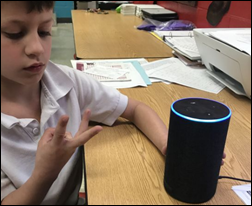
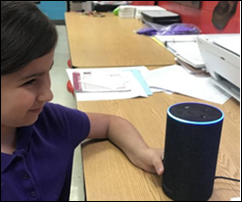
An MIT researcher observes that connected home intelligence devices — such as Amazon Echo and Google Home – seem to be offsetting social isolation that is especially problematic among older adults. He notes that half of people 65 and over surveyed in the UK said their main form of company is the TV, concluding,

In the absence of a warm-blooded alternative, even a brief interaction with a “voice” that serves, interacts, and responds every time, all the time, may someday transform our collective perception of AI from that of a simple tool that “does stuff” around the house to a presence that is a real part of our social self.

Spotify adds a custom playlist generator based on DNA test results from Ancestry, making the dubious claim that ethnic heritage drives musical preferences.

Rural hospital operator LifePoint Health proposes that four of its executives divvy up $120 million in golden parachute money upon completion of its $5.9 billion acquisition by RCCH HealthCare Partners.

image

In the latest “marketing gone mad” example, Weight Watchers renames itself WW, claiming itself to be a “true partner in wellness” that will embrace wellness-related apps, online communities, and integration with Amazon Alexa and Google Assistant. It should come as no surprise that the announcement was made by the company’s “chief brand officer,” who babbled on about the “new articulation of the WW brand” and a new brand identity that  will “come to life across all brand touchpoints and member experiences” as the company emphasizes its expertise in behavioral science . My alternate interpretation is that Americans don’t want to pay a company to remind them they’re fat, so WW will distance itself from that unforgiving metric and instead lay claim to less objectively punitive “health.” Above is the amazingly creative and daring new logo around which all this hubbub orbits. It should be noted that when asked, the company’s president could not explain what WW stands for, and Adweek panned the new “marque” in saying WW is chasing trends from fear of being disrupted.

image

Renaissance man Patrick Soon-Shiong’s NantEnergy (which I hadn’t heard of among all the health-related Nants) says it has developed a low-cost alternative to lithium-ion batteries that has been deployed to several villages and cell tower sites around the world. An expert says “if this is true, it would be great,” but wants to see evidence and a test of how long the batteries will last.

image

In Russia, the father of a deceased 25-year-old woman erects a five-foot tall tombstone that resembles her IPhone, crafted by a company that offers” death accessories.”


In Case You Missed It


Get Involved


125x125_2nd_Circle

Comments Off on Weekender 9/28/18

Morning Headlines 9/28/18

September 27, 2018 Headlines Comments Off on Morning Headlines 9/28/18

Athenahealth fields multiple bids, but offers not much higher than current stock price, sources say

Shares of Athenahealth rise slightly after CNBC reports that two private equity firms and one strategic buyer have expressed interest in acquiring the company for close to $131 a share.

‘State of the VA is better,’ Wilkie says, but not ‘good’ or ‘excellent’

VA Secretary Robert Wilkie tells the Senate VA Committee that he and representatives at the DoD are working to create a “single point of authority” for their respective EHR projects with Cerner.

Dozens more jobs being cut at Adventist Health Bakersfield

Adventist Health Bakersfield (CA) will do away with 60 financial services jobs early next year as part of a billing and collections outsourcing deal with Cerner that has already impacted 175 employees over the last six months.

Wearables pioneer Jawbone is back with a new mission: Warning you about health problems you didn’t know you had

Jawbone founder and CEO Hosain Rahman says the company has pivoted from fitness trackers to a device-agnostic remote patient monitoring business that will act as a health check-engine light for monthly subscribers.

Comments Off on Morning Headlines 9/28/18

News 9/28/18

September 27, 2018 News 2 Comments

Top News

image

Shares of Athenahealth rise slightly after CNBC reports that two private equity firms and one strategic buyer have expressed interest in acquiring the company for close to $131 a share.

The company’s board members are reportedly “motivated to get a deal done.”


Reader Comments

From Former Road Warrior: “Re: HCTec Partners. Checks went out this week to 2,271 current and former consultants who were not paid overtime for working more than 40 hours in one week. The total settlement was $4.5 million.” Unverified since court documents are now almost always unavailable without cost, but I can at least see that the case was settled in July.

From Fall Out Boy: “Re: hackers at Lutheran Hospital. Owner Community Health Systems provides the IT network for spinoff Quorum Health and was infected by malware via QHC’s network. CHS still has several thousand unpatched Windows 2003 servers that include McKesson Horizon applications used at Lutheran. CHS had to shut down those Windows 2003 servers to contain the malware. The upgrade project has been going on for three years now without any results.” Unverified.


HIStalk Announcements and Requests

image

It’s officially fall. Soon it will be the winter holidays and then HIMSS19. That means it’s time for my usual end-of-year deals for new HIStalk sponsors and webinar presenters, whereupon I look away demurely as Lorre offers inducements like a car salesperson anxious to make quota (and to re-stroke my fragile ego with such markers of industry relevance). See what it’s like being one of the cool kids who get a figurative leg up on their less-hip competitors. Now is better since it will get crazy in the less than six weeks between New Year’s Day and HIMSS19.


Webinars

None scheduled soon. Previous webinars are on our YouTube channel. Contact Lorre for information.


Acquisitions, Funding, Business, and Stock

image

Adventist Health Bakersfield (CA) will do away with 60 financial services jobs early next year as part of a billing and collections outsourcing deal with Cerner that has already impacted 175 employees over the last six months. The majority of those were re-hired by Cerner and stayed on at the hospital. Cerner has said it will invite the next wave of laid-off staffers to apply for positions at its Missouri headquarters, though as one angry ex-Adventist employee notes, they’ll be competing with former Adventist employees from other parts of the country.

image

Los Angeles-based Aiva Health, which has developed virtual assistant-based patient engagement and care coordination software, secures funding from the Google Assistant Investment Program and Amazon’s Alexa Fund.

image

Women’s virtual health company Maven raises $27 million, increasing its total to $42 million.

image

Cerner will move into 38,000 square feet of office space in Rosslyn, VA to house employees working on the company’s contracts with the VA and DoD.

image

Jawbone founder and CEO Hosain Rahman tells ReCode that the company has pivoted from fitness trackers to a device-agnostic remote patient monitoring business that will act as a health check-engine light for monthly subscribers. The new Jawbone Health will use Salesforce’s Health Cloud to securely share customer data with providers, who it seems will then weigh in with treatment advice. The company, which has shrunk from 600 to 110 employees, sputtered out in mid-2017 after mounting financial pressures and competition, including a lengthy patent infringement lawsuit against Fitbit.

SNAGHTML1e2d2b20

Signify Research describes four ways EHR vendors can continue their growth as the EHR market matures:

  • Diversify into related areas such as population health management, RCM solutions, and IT outsourcing (Cerner, for example, drives 40 percent of revenue from non-core EHR business)
  • Expand the basic EHR offerings
  • Sell outside the US (only Cerner, Epic, Allscripts, and Meditech have done much of this and even they are having challenges) although it’s hard to displace local vendors, making acquisition attractive
  • Pursue acquisitions that drive market share expansion

Cerner expects its Cerner Health Conference to bring 14,000 attendees to KCMO October 8-11, with the conference theme being “Smarter Care.” CHC will also serve as the coming-out party for Chairman and CEO Brent Shafer as well as the resigned Zane Burke’s semi-replacement, Chief Client Officer John Peterzalek.

image

Virtual coaching vendor Virta Health hired some new executives this week, which wasn’t as interesting as a review of the components of its type 2 diabetes program – physician supervision, an individualized treatment plan, a personal diet and health coach available by chat, and digital health devices that collect readings in an app  (a digital scale, blood pressure cuff, and glucose testing supplies).


People

image

Mandira Singh (Athenahealth) joins Collective Medical as head of product.

image

SnapMD hires Deric Frost (Equality Health) as chief revenue officer.

image

The Chartis Group appoints Mark Krivopal, MD (GE Healthcare Partners) to its Performance Practice leadership team.

image

Nordic begins looking for a new CEO after Bruce Cerullo announces he will transition from the role to chairman of the board.

image

Kristi Ebong (Cedars-Sinai) joins Orbita as SVP of strategy and general manager for healthcare providers.


Sales

  • Pershing Health System (MO) will install Cerner Millenium via CommunityWorks.
  • CHI Franciscan Health (WA) will work with GE Healthcare to develop an AI-powered command center to better coordinate patient stays.
  • Signature Healthcare (MA) selects care coordination and communication software from Medarchon.
  • Cabell Huntington Hospital (WV) will implement Wolters Kluwer’s POC Advisor for sepsis surveillance.
  • Geisinger will deploy Chess Health’s addiction management technology at its Medication Assisted Treatment Centers in Pennsylvania.
  • Three DoD facilities will implement Vecna’s patient check-in solution.

Announcements and Implementations

image

UnityPoint Health–Marshalltown (IA) transitions to Epic as part of a system-wide roll out.

Centric Home Health & Hospice (TX) implements DrFirst’s Backline secure messaging software.

image

Olmsted Medical Center (MN) will go live on Epic this weekend, replacing Cerner CommunityWorks inpatient and McKesson ambulatory.


Government and Politics

image

Health Management Associates pays $260 million to settle whistle blower lawsuits related to allegations that HMA coerced its physicians into unnecessarily admitting ED patients to the hospital. One lawsuit contended that HMA set up admission benchmarks driven by cost projections rather than medical necessity, which resulted in CMS footing the bill for Medicare and Medicaid beneficiaries. Community Health Systems bought HMA in 2013 for $7.6 billion and has struggled to adjust to the acquisition, which left it $14 billion in debt. CHS sold off 40 hospitals and laid off 70 corporate IT employees earlier this year.

After 60 days on the job, VA Secretary Robert Wilkie tells the Senate VA Committee that he and representatives at the DoD are working to create a “single point of authority” for their respective EHR projects with Cerner. Wilkie and his team are also preparing an EHR governance report for Congress. “If we don’t get the front-end of a member’s service right with the electronic health record,” he told the committee, “it really doesn’t help us when that veteran comes into our system. One of my goals is to make sure that the DoD end works.”


Other

image

A survey finds that 72 percent of consumers don’t think insurers should be allowed to use big data to determine insurance policy risk, 55 percent think it’s just as threatening to have insurers accessing private data as Facebook, and 18 percent would allow insurers to test their DNA if they might get lower prices. Startlingly, 8 percent said they would allow a video camera to be installed in their home and 11 percent would be OK with having a biometric tracker installed in their body if it might lower their rates. One in five respondents say no correlation exists between their health and their social and economic situations. As other surveys have found, Americans are strongly pro-privacy until someone offers to pay for their most precious secrets.

image

Brilliant: a Twitter user describes how she used IOS 12’s scripting-like shortcut creation tool to create a Siri-launched Mayday shortcut that sends an “I’m in trouble” text message to friends that includes her latitude, longitude, altitude, and Wi-Fi network name (to help them find her in, including if she’s in a large building or shopping mall); her phone’s battery level; her IP address; and a warning that the phone will automatically go into “do not disturb” and “low power mode” to avoid alerting whoever is threatening her that help is on they way. She just has to say, “Hey, Siri, Mayday” and her IPhone does the rest.

image

The Maryland Health Care Commission launches a “Wear the Cost” campaign to get people talking about and comparing the prices of procedures, which can vary wildly between hospitals. Harvard Medical School professor and pricing transparency expert Ateev Mehrotra, MD (who says he’ll gift the shirts to his health policy friends) believes the campaign may wind up being more about hospital price shaming than encouraging patients to shop around. “To date,” he explains, “price transparency initiatives that have been rigorously assessed have had little to no impact on prices in the health care system. The reason so far is few people are using those websites.”

Memorial Sloan Kettering Cancer Center quickly ditches the AI-focused “Harnessing Big Data” theme of its annual fund-raising campaign following its Paige.AI equity controversy. The campaign, which usually raises around $1 million, will instead emphasize patient care.

image

A radiologist who was transported by helicopter to a trauma center in Texas is left holding a $45,000 bill from national air ambulance Air Evac Lifeteam after his insurer agrees to pay just $12,000 since this particular company is not in its network and bystanders who called for help had no way of knowing that. The air ambulance company and several others are owned by private equity firm Kohlberg Kravis Roberts. Their charges are considered aviation rather than healthcare expenses, so they can (and do) charge whatever they want. The radiologist lost his arm in the accident, soon to be followed by his remaining arm and a leg courtesy of KKR. The industry’s trade group claims each flight costs an air transport company $10,200, but they have no choice but to stick insured patients for higher amounts to cover Medicare, Medicaid, and uninsured patients.


Sponsor Updates

  • Parallon Technology Solutions publishes an e-book titled “7 Key Epic Optimizations Can Have a Direct Impact on Your Bottom Line.”
  • Elsevier Clinical Solutions will exhibit at the American Society Clinical Pathology 2018 Annual Meeting October 3 in Baltimore.
  • EClinicalWorks, Ellkay, Healthfinch, Intelligent Medical Objects, and PMD will exhibit at MGMA September 30-October 2 in Boston.
  • PatientPing selects Amendola Communications to support its growth initiatives.
  • Crossings Healthcare Solution develops Cerner MPage-driven Insulin Management Advisors that provide evidence-based recommendations for IV fluid management, glucose correction, electrolyte replacement, acidosis and anion gap correction, and subcutaneous insulin transition.
  • Healthfinch achieves HITRUST CSF Certification.
  • Healthwise will exhibit at AdvancedMD’s Evo18 conference October 2-6 in Salt Lake City.
  • InterSystems will host its Global Summit 2018 September 30-October 3 in San Antonio.
  • Kyruus announces a panel of leading health system CEOs at its upcoming 2018 Annual Thought Leadership on Access Symposium October 15-17 in Boston.

Blog Posts


Contacts

Mr. H, Lorre, Jenn, Dr. Jayne.
Get HIStalk updates. Send news or rumors.
Contact us.

125x125_2nd_Circle

EPtalk by Dr. Jayne 9/27/18

September 27, 2018 Dr. Jayne Comments Off on EPtalk by Dr. Jayne 9/27/18

The request period for CMS to provide a MIPS Targeted Review is open for less than three weeks. Eligible Providers who participated in the Merit-based Incentive Payment System in 2017 can review their final scores and performance feedback on the QPP website. These scores will determine whether providers receive a positive, negative, or neutral payment adjustment for Medicare-covered services in 2019.

A Targeted Review can be requested if MIPS-eligible clinicians or groups believe that an error has occurred in the payment adjustment calculations. Examples where this applies include data quality issues, eligibility issues (such as being below the low-volume threshold but being assigned a penalty) or not being treated appropriately if qualifying for reweighted scores due to extreme and uncontrollable circumstances. Based on the chatter in the physician lounge, it seems that hardly anyone is reviewing these, so they’ll just be surprised when they find out if they’re getting an incentive or penalty. If you think you should have a review, requests can be made until 8 p.m. ET on October 15.

A group of 29 participants in the CMS Next Generation Accountable Care Organization program is uniting to work with CMS to ensure continuation of the Next Generation ACO program. This is in response to some pushback against the program, which allows organizations to take on greater financial risk in return for expanded flexibility for care coordination and other services. Some organizations feel the promised savings hasn’t appeared as quickly as expected. Participants in the coalition include Dartmouth-Hitchcock Medical Center, Henry Ford Health System, Mission Health, Carillion Clinic, and Trinity Health.

The group members plan to “focus on developing elements of future payment policy, network design, and beneficiary engagement.” They also plan to share best practices and show how risk-bearing arrangements can accelerate transformation in care delivery. Next Generation ACOs were responsible for more than $61 million in savings in 2016, when there were only 18 organizations participating. That number is now up to 51 organizations, which are focusing on chronic care and disease management as well as expansion of primary care services.

Speaking of healthcare savings, a new report from The National Council for Behavioral Health’s Medical Director Institute shows that simply getting patients to take their medications as prescribed could lead to substantial cost savings and improved clinical management. It’s long been quoted that nearly half of people who are prescribed medications don’t take them as instructed. The problem is complex and involves many factors: understanding the need for medication, being able to acquire it (cost or transportation issues), understanding how to take it, and actually taking it at the right time and under the correct circumstances each day.

The institute projects a potential $2 billion yearly savings from reduced hospital costs alone, assuming that a number of its recommendations are adopted over the next five to seven years. Some of the recommendations seem straightforward, such as “better communication between physicians and patients” and improved risk assessments to determine who might not take their medications. However, under our current fractured and stressed system, even something like communication is a challenge, with little time available to actually sit with patients and ensure they understand why they need medication, how to take it, and what to expect.

Of course, technology can help with some of these, such as embedding risk assessments into the EHR or serving them up via a patient portal, but the latter assumes patients have Internet connectivity and a certain degree of health literacy. Data sharing can be used to identify non-adherence – I love the medication history in my EHR that lets me see when patients refill their medications, which can be a proxy for not taking it as directed if the dates aren’t as expected. Other solutions require more cooperation from other parts of the healthcare system, such as expanding use of long-acting injectables as compared to daily oral medications and increasing patient access to pharmacy services.

The institute cites data that one in six Americans take psychiatric drugs and notes the risks to patients not taking medications as directed. I saw this in my practice the other day with a patient who came in for fatigue and lethargy, and it was most likely a medical misadventure with incorrectly administered psychotropic medications. It took me a good 30 minutes to get to the root of the matter, which caused a backup in the clinic and skewed my productivity numbers for the day. Sitting with the family was the right thing to do, but not all clinicians are going to do it (and I doubt my emergency department-trained midlevel providers would have). The patient hasn’t had a psychiatrist for six months due to insurance issues and I ultimately wasn’t able to “fix” the problem, but at least was able to point his family in the right direction.

clip_image001

Most of the news coverage coming out of Washington, DC this week is swirling around the Supreme Court nomination, but I was glad to see that Congress is still at work trying to complete legislation dealing with opioids. A deal reached on Monday includes a measure to allow use of Medicaid funds for inpatient treatment of addiction. The so-called “IMD provision” (Institution for Mental Disease) lifts a ban on using those funds for treatment. The initial ban was put in place because of a concern that scarce funds would be paid to higher-priced inpatient facilities. It’s not like addiction goes away because someone is hospitalized, and since there generally aren’t enough beds to go around already, I don’t think the availability of funds is going to significantly impact utilization. It’s hard to charge for a bed that doesn’t exist. There are also waivers already granted for 15 states with waivers pending for 11 more, but that doesn’t cover everyone which explains why Congress is stepping in.

It’s hard to tell exactly what’s going on in the measure, though, because the final legislative text is not yet publicly available. According to my sources, the Senate bill lifts the ban, and the House version provides for treatment of all addiction, not just restricting it to treatment of opioids and cocaine. There is still some contention around HIPAA and confidentiality rules, with healthcare providers pushing to align the confidentiality rules with HIPAA so that clinicians could share information. It looks like the current law will stay in place, keeping additional protections for records of substance abuse treatment.

The House also blocked changes to the Medicare Part D “donut hole” that were requested by pharma. No one wants to be looking like they’re allowing pharma to benefit while allowing the proposed changes to ride the coat tails of bills targeted at the opioid epidemic. I’m sure we’ll see pharma trying to tack this onto something else as the legislative season continues.

clip_image003

I’ve been struggling this week due to a catastrophic outage at my hosting vendor, whose disaster recovery plan completely unraveled. Apparently it started with a server administrator who was supposed to perform a “file system trim” but mistakenly executed a “block discard” instead. Needless to say, the storage platform immediately dropped all data and crashed everyone. In a serious of unfortunate events preceding that calamity, someone had disabled the snapshot functionality, so there was nothing to use to quickly restore data. Instead, they tried to access the off-site backup server in another state, finding an I/O capacity issue that limited restoration efforts.

I don’t mind my websites being down, but it also took out my email for several days. Although I was able to reach out to key clients and pass along an alternate address, I suspect a number of people think I’m just ignoring them and have no idea what I’ve missed. The outage was long enough that most mail servers would stop trying to redeliver.

Having been on the other side of outages, my heart goes out to the admin who created the problem as well as the company’s leadership who is finding out that “trust but verify” is a lot more important than they thought. As I followed their updates (which were extremely transparent) and the customer forum, I was amazed by the number of fellow customers that had no backup of their sites and no disaster recovery plan of their own. There was talk of how much money they were losing, but no discussion of business continuity insurance or even of disaster planning. There was a lot of screaming in all caps and little realization that flooding the support center with tickets asking them to “FIX THIS MESS NOW!!!!!!” probably wasn’t helpful, especially since they were posting real-time updates to all clients.

It’s a good reminder to make sure that your data is backed up in multiple places (and not just by your vendor, but by you personally) and that also your vendor is testing their backup system and restoration process frequently. Stuff happens, and having a plan makes it a lot less painful, that’s for sure.

When is the last time you tested your disaster recovery plan? Leave a comment or email me.

Email Dr. Jayne.

Comments Off on EPtalk by Dr. Jayne 9/27/18

Morning Headlines 9/27/18

September 26, 2018 Headlines Comments Off on Morning Headlines 9/27/18

Maven Raises $27 Million in Series B Financing to Bridge the Gap Between Working Women and Families and Modern Health Benefits

Women’s virtual health company Maven raises $27 million in a funding round led by Sequoia Capital and Oak HC/FT.

Nordic CEO Bruce Cerullo announces long-term leadership succession plan

Nordic begins looking for a new CEO after Bruce Cerullo announces he will transition from the role to chairman of the board.

Healthcare IT Company Cerner Opening Office in Rosslyn

Cerner leases office space in Rosslyn, VA to house employees working on the company’s contract with the VA and DoD.

Comments Off on Morning Headlines 9/27/18

Readers Write: The Key to Population Health Management: The Convergence of Data, Technology, and Social Determinants of Health

September 26, 2018 Readers Write 3 Comments

The Key to Population Health Management: The Convergence of Data, Technology, and Social Determinants of Health
By Matt Miller, PhD

image

Matt Miller, PhD is vice president of behavior science at StayWell of Yardley, PA.

Advances in technology are having a significant impact on the healthcare individuals receive. Patient DNA is used to personalize treatments with precision medicine. Artificial intelligence (AI) and machine learning are speeding diagnosis and helping providers determine the best courses of action. The Internet of Things (IoT) is enabling a wide range of remote clinical applications, from medication adherence to monitoring vital functions including glucose, heart rate, and blood pressure to configuring and gathering real-time data from medical devices such as pacemakers and defibrillators.

While these technologies are powerful on their own, the combination of these various patient-specific data streams can produce an exponential impact on improving patient outcomes when merged with behavioral and environmental insights. Integration of this diverse data, through electronic health records (EHRs) and other critical healthcare systems, will play an important role in creating an ecosystem that enables providers and patients to get the information they need, when they need it. In turn, this integration of data will support the larger goals of improving population health.

Modern healthcare is well positioned to reap the rewards of recent advances in technology. Silicon and graphene at the chip level and microelectromechanical systems (MEMS) in semiconductors are in devices used every day for diagnoses and treatment, such as CT scanners, X-ray machines, magnetic imaging, ultrasound, and for monitoring blood pressure, glucose levels, and other vital statistics. These components play critical roles in sensing, data processing, and controlling machines used to monitor and treat patients. Add data science – AI and machine learning – to the mix and the industry can begin to explore new frontiers in healthcare by expanding our ability to detect and interpret patterns.

We are beginning to see this convergence of new technologies emerge in targeted use cases. Computer vision and convolutional neural networks are helping radiologists identify malignant tumors, minimizing the pain, inconvenience, and cost of biopsies. Pharmacogenomics and precision medicine are enabling researchers to identify first-line medications for patients based on their genomes and develop therapeutics based on the unique characteristics of the individual and his or her disease.

These applications are just the beginning of innovations that will redefine healthcare in the 21st century. But there may be a simpler example of how today’s data capture technology can make an equally significant impact in improving population health. This approach involves integrating behavioral, environmental, and social data directly into physician’s workflows, so healthcare professionals can have a more robust understanding of a patient’s risk factors and take proactive steps to help patients remain, or become more, healthy.

Social determinants of health (SDOH) are macro-level factors responsible for influencing health risks and health outcomes. SDOH include economic stability, neighborhood and physical environment, level of education, access to healthy food and quality healthcare, available support systems, and stress. These factors contribute to an individual’s life expectancy, mortality, healthcare expenditures, health status, and functional limitations, according to the Henry J. Kaiser Family Foundation.

Research demonstrates the enormous influence of behavior and SDOH on patient outcomes. Clinical interventions impact only 10 to 20 percent of a person’s health outcomes, while socioeconomic and environmental factors determine 80 to 90 percent, according to The National Academy of Medicine.

Consider the possibilities if a physician had access to social and behavioral information alongside lab tests, imaging results, and other background information about the patient. Not only could the doctor see that his 50-year old female patient’s glucose is high and creatinine and hemoglobin are slightly off, he could also evaluate the impact of her adherence to taking prescription medicine, stress level, and the fact that she lives in an urban food desert and doesn’t have access to regular care.

These types of solutions are already coming to fruition, in a variety of forms and functionality. Consider the offering developed by Proteus Digital Health, which combines ingestible sensors, a small wearable sensor patch, and mobile application to monitor patient health patterns and medication adherence behaviors. The objective information collected by the Proteus system enables doctors to initiate, adjust and measure treatment effectiveness, saving patients and payers money while optimizing care and amplifying outcomes.

Johns Hopkins University School of Medicine was also recently awarded a grant to continue research of the Emocha mHealth app, which tracks medication details and care management for individuals with tuberculosis, a diagnosis where strict medication adherence is essential for positive outcomes. The app connects patients and providers for Directly Observed Therapy (DOT), in which patients record themselves taking prescribed medication. The video is uploaded to a telehealth portal, where providers can confirm the medication was taken correctly and collaborate with patients on care management. Early results show that Emocha app boosted medication adherence rates by 94 percent and saved almost $1,400 per patient in treatment costs.

Using multiple data points to triangulate a patient’s condition enables physicians to deliver healthcare with a more holistic perspective. Understanding the gravitational force SDOH has on health outcomes, physicians not only can address the symptoms of disease, but can also respond to variables known to cause and/or exacerbate illness. With these types of insights, they can make more informed decisions around diagnosis, treatment and the continuum of care.

It can be a challenge for physicians to get insights into social and behavioral factors. But the move to EHRs, plus greater integration and effective data exchange through standardization efforts like Fast Healthcare Interoperability Resources (FHIR), are beginning to make these promises a reality. By capturing more data points through EHRs and having access to complete records regardless of where healthcare services are delivered, physicians will have a more comprehensive picture of patients’ background and health, empowering them to provide the care and resources to meet the unique needs of each patient.

Several device manufacturers are already offering remote monitoring tools capable of capturing patient health data at home and uploading it to an EHR for physicians to track.

For example, Boston Scientific’s Latitude Home Monitoring System enables physicians to monitor implanted devices to manage heart conditions. A five-year study of the system showed that there was a 50 percent relative risk reduction of death as compared to patients who only went to the clinic for device checks. Honeywell’s Genesis Touch collects biometric information, such as oxygen saturation, blood pressure, and weight and shares them with physicians. The related mobile app also enables video visits between patients and physicians and offers an interactive teaching tool to demonstrate techniques to manage various conditions and ensure the patient understands the treatment protocols.

Now take this integration a few steps further. Imagine,that through the power of AI and machine learning, a physician could be proactively alerted to key data points about a patient, in real time, outside of a hospital or office visit. Machine learning would identify certain thresholds that trigger the need for the physician to send a message containing educational materials to the patient, change a prescription based on data trends, or even alert emergency services.

Lessons learned from these types of just-in-time, adaptive interventions can be extrapolated to improve population health services by empowering physicians to offer data-driven recommendations to their patients.

For example, many practices may offer a universal stress reduction program to their patients. However, stress can manifest itself in a myriad of ways for different people at different times in their lives. By using the full scope of data available to understand the stressors – physical, social, and behavioral – and other factors impacting each patient, providers can do more than simply and generically “manage stress.” They can develop an intervention that helps specifically manage that patient’s unique stressors.

The future of each individual patient’s outcome is brighter when you combine the nuance and tailoring of personalized medicine with the reach of population health. Advances in science, technology, and use of SDOH brings this future within reach.

Readers Write: Projects and Costs Out of Control? Take a Low-Dose Aspirin

September 26, 2018 Readers Write 3 Comments

Readers Write: Projects and Costs Out of Control? Take a Low-Dose Aspirin
By Frank Poggio

image

Frank Poggio is president and CEO of The Kelzon Group.

A recent announcement in the news about the lack of effectiveness and risk of taking daily low-dose aspirin triggered my re-thinking about the age old question of, “Why is healthcare IT so far behind commercial industry?” or, “Why is healthcare delivery so costly and inefficient?”

“Experts” always say we can improve costs and quality if we practice evidence-based medicine. OK, I can buy that, but what if the evidence keeps changing every few years? I am willing to bet that in about five years some researcher will say that new data shows daily aspirin is good for you, so hope you didn’t stop taking it. How many times have we seen that with other foods like coffee, red wine, etc.?

And what about classic annual diagnostic procedures like Pap smears, mammography, and PSA tests? Or therapies like angioplasty, tonsillectomy, bloodletting, or frontal lobotomy? The list goes on. All deemed good one day in the past, but not so good or maybe deadly soon after.

This obsession with comparing medicine and healthcare to other industries falls apart if you look at a simple example. Say you are washed up and stranded on a large island. As it turns, out there is an abandoned cabin on the island with a motorized boat left at the dock. You also find a set of mechanic’s tools in a storage area, and lucky you, you happen to possess a little mechanical talent from your high school shop class. What you do not have is any documentation covering the boat or engine, but with your cursory experience with cars, you figure out how to start the engine. But alas, it will run only for a few minutes.

You tinker with it for days, but without any owner’s or repair manuals or other specs, everything you do is hit or miss. Of course you take an evidence-based approach, using trial and error and a little creativity. As you fail to make headway and start experiencing severe hunger pains, you take the engine apart to try to get a better understanding of its engineering and how it should function. Put it back together, try again, no luck, apart again, try again, and on and on.

Wouldn’t it easier if you had some documentation, like maybe a troubleshooting guide? Every boat engine that comes off an assembly line has one. If only the original owner had kept it, you could avoid all the time-wasting reverse engineering. And thank heavens the engine isn’t amorphous or biological, which brings us back to the human condition.

When you were born, didn’t the doctor give your mother your owner’s manual, troubleshooting guide, design specs, and of course a warranty? What, you say, you can’t find them, and the frustration is giving you a severe headache? Too bad, maybe try this aromatherapy — it worked for me.

Morning Headlines 9/26/18

September 25, 2018 Headlines Comments Off on Morning Headlines 9/26/18

New Tool Can Help Patients and Family Caregivers Get, Use, and Share Health Records

Several provider organizations develop Health Record Request Wizard, an online tool that walks patients through submitting a request to providers for electronic copies of their medical records.

CenTrak Bolsters Security Solutions through Elpas Acquisition

CenTrak acquires the security solutions assets of Elpas Solutions, which include infant protection, wireless call, staff duress, man down, and wander management.

Google Assistant Investment Program Invests in Aiva Health, First Voice Platform for End-to-End Care

The Google Assistant Investment Program makes its first foray into healthcare with an investment in Aiva Health, which has developed virtual assistant-based patient engagement and care coordination software.

StartUp Health Raises $31M From Novartis, Ping An Group, Chiesi Group, GuideWell and Otsuka

Digital health investment collaborative StartUp Health closes a $31 million fund that it will use to invest in “healthcare moonshots.”

Comments Off on Morning Headlines 9/26/18

News 9/26/18

September 25, 2018 News 2 Comments

Top News

image

Several provider organizations develop Health Record Request Wizard, an online tool that walks patients through submitting a request to providers for electronic copies of their medical records. It extends a previous form developed by AHIMA by adding branching logic.

Despite the headline proclaiming that it helps families obtain and share their records, it doesn’t – it addresses the 2 percent of the work involved in providing a standard user interface for such requests while neatly turfing off the 98 percent of technical integration to EHR vendors who may not see the value in supporting someone else’s front end. Only three health systems and no EHR vendors have pledged to support it.

Plus it doesn’t support the most prevalent and essential healthcare technology – the fax machine.


Reader Comments

image

From HIT Medical Student: “Re: JAMA article. I think your readers will find the author’s conclusion as ridiculous and insulting as his title. How are physicians still using ‘autism’ as a pejorative in professional settings? At what point, if ever, are all physicians going to understand that EMR documentation is a vital part of patient care and population health management?” The JAMA Pediatrics opinion piece titled “The Electronic Health Record and Acquired Physician Autism” was written by Palmetto Health (SC) psychiatrist Peter Loper, Jr., MD. He blames a “fixation on the EHR” for his being “abrupt and crass” with patients, complaining that he had previously refused to use an EHR during encounters and admitting that he was “chronically behind on documentation.” His point is that focus on the EHR during encounters causes doctors to “exhibit the same behaviors that render this disorder so socially incapacitating for those on the autistic spectrum” while failing to note the humanity of the encounter and that the physician-patient relationship is key to disease management. He could have made his point without the autism reference, and had he done that, I would defend him since he’s a child-focused psychiatrist and EHRs (Palmetto uses Cerner) do little to improve his practice over paper other than to get him paid. He also suffers from the ubiquitous misperception that his N-of-one experience is generalizable to the entire medical profession and also fails to consider how his employer chose to configure the EHR and mandate its use, doing as doctors often do in shooting the EHR vendor messenger without realizing that it wasn’t them who made the workflow decisions.  

From Crass is Greener: “Re: Memorial Sloan Kettering and Paige.AI. Your update makes me wonder about its business relationships with IBM and Allscripts looks like, knowing that IBM needs to prove out Watson and Allscripts’ propensity for ‘doing deals’ (see Verity Health).” Hospitals excel at cloaking business deals behind lofty, altruistic proclamations (this is especially common with oncology and pediatrics since everybody is extra empathetic to those patients.) It would be interesting to see MSKCC’s contract with IBM, especially since reports suggest that Watson Oncology is more of a mechanical turk that just sends whatever recommendations MSKCC’s doctors manually offer while disguising it to look like machine-powered insight. I wouldn’t trust any deal involving Patrick Soon-Shiong’s Nant companies, and the apparent enthusiasm with which Allscripts did so suggests desperation on both ends of the transaction, leaving the now-bankrupt Verity in the middle of a Sunrise implementation they didn’t want and their financial Santa Claus moving on to other shiny objects after just one year. My life’s most relevant lesson learned is that people and organizations (including many non-profits and all health systems) do whatever benefits them the most, so follow the money.


HIStalk Announcements and Requests

Listening: new from Badflower, LA kids who can crank out some hard rock. They are touring tiny venues (like bars) right now – they’ll be in Madison, WI on October 12. I’m enjoying their music along with the best manufactured cookie I’ve had in years, Oreo Thins with pistachio (I expect the coconut to be equally wondrous). 


Webinars

September 26 (Wednesday) 12:30 ET. “How to Ensure Patient Records are Always Available.” Sponsor: Goliath Technologies. Presenter: Goliath Technologies engineering staff. This webinar will discuss how an early warning system can help your organization ensure your EHR systems and patient records are always available. You’ll also learn how to proactively anticipate, troubleshoot, prevent, and resolve end user experience issues before users or patients are impacted.

Previous webinars are on our YouTube channel. Contact Lorre for information.


Acquisitions, Funding, Business, and Stock

CenTrak acquires the security solutions assets of Elpas Solutions, which include infant protection, wireless call, staff duress, man down, and wander management.


People

image

Akron Children’s Hospital (OH) promotes pediatric hematologist-oncologist Sarah Rush, MD to CMIO.

image 

Intelerad Medical System hires Paul Lepage (Telus Health) as president/CEO.


Announcements and Implementations

image

Cancer management and patient engagement technology vendor Carevive goes live with its patient care planning software at University of Missouri Health Care’s Ellis Fischel Cancer Center, where it is integrated with Cerner Oncology.

image

I missed this earlier: a Rand report recommends that patients get involved with provider record-matching challenges, with these suggestions:

  • Implement a voluntary universal identifier, managed by an organization that does not store PHI
  • Implement a patient-managed public key
  • Expand the use of government-issued identifiers such as driver license numbers
  • Match records by asking patients to verify their identity by answering “what you know” type security questions
  • Use biometrics with demographics
  • Verify the identity of patients by sending one-time verification codes to their phones
  • Implement consumer-directed exchange
  • Use regional health record banks
  • Give patients a user interface so they can verify record matches themselves
  • Have patients supply their own record location information

SNAGHTML132c3363

In urge-to-merge and marketing provider news, Greenville Health System and Palmetto Health will rename their South Carolina partnership to Prisma Health, while in Florida, Orlando Health and Lakeland Regional will end their affiliation October 1 after just one year due to their “different strategies and distinctive communities served” that were apparently not evident 12 months ago. One might assume it was an uneasy relationship between Orlando and Lakeland since the websites of both systems have been scrubbed of any evidence of the affiliation, including their rosy press releases from last year that predicted improved patient access and clinical quality. And in Maine, Eastern Maine Healthcare Systems (which oddly makes “system” plural) will rename itself Northern Light Health, following the lead of hospitals that have eschewed their confusing “health system” moniker to make a land grab for the “health” label even though hospitals have only a tiny impact on health while taking the lion’s share of healthcare expenditures.


Other

image

Intermountain precision genomics director Lincoln Nadauld, MD, PhD decries EHR-generated PDFs as a crude form of interoperability, noting that a particular patient’s 143-page record could not be searched, viewing it caused it to re-default to 6-point font with each page flip, it could not display CT scan images, and it contained only the first page of genomic testing results. He advocates a patient-controlled, cloud-based, searchable repository, not surprisingly since he wrote the piece for Ciitizen, a pre-beta vendor that will offer such a sharing platform. It sounds a bit like CareSync, which unfortunately couldn’t make a go of offering a stellar service that also included having humans obtain the subscriber’s medical records (my CareSync experience was excellent). I’m ever-skeptical about a business model that expects patients to obtain and upload their own records since they historically won’t bother.

image

An Associated Press analysis finds that despite the White House’s claim in May that drug companies would announce “massive” price cuts almost immediately, 2018 has seen 96 price increases for every one price reduction. HHS Secretary Alex Azar — a former executive of a drug company that dramatically increased insulin prices during his tenure — says he’s not counting on “the altruism of pharma companies lowing their prices.” Drug price hikes are often small but frequent and makers of competing products often raise prices in lockstep.

Former UN Secretary General Ban Ki-moon says the US healthcare system, the world’s most expensive by far, is morally wrong in that “nobody would understand why almost 30 million people are not covered by insurance.” He says drug companies, hospitals, and doctors are using their lobbying power to avoid universal healthcare. 

A Michigan jury awards $130 million to the family of a boy who in 2006, as a two-month-old, developed cerebral palsy that the family’s attorneys claim was due to a botched IV start at Beaumont Hospital. The family’s lawyers say the now-12-year-old is a “charming and beautiful boy” who needs help getting in and out of the bathtub.

image

I’ve lost interest in the heavy-handed and unrealistic medical program “The Resident,” but  its Season 2 premiere this week borrowed an idea from year-old episode of “Grey’s Anatomy” by featuring a cyberhacking story line. The hospital’s drama-filled blackout turns out to be the work of a hacker who got herself admitted to the hospital so she could breach its systems from the inside (Hollywood loves “the call is coming from inside the house” as a shocker) in revenge for high medical bills that forced her to drop out of college. Least believable (and that’s saying a lot for this episode) is that the hacker was admitted for a UTI instead of being streeted with a prescription for antibiotics, and when confronted about the breach, she handed over a thumb drive backup that somehow fixed everything. Not unbelievable is that the hospital fired an uninvolved IT guy over the incident. 


Sponsor Updates

  • Crossings Healthcare Solutions will demonstrate its clinical decision support tools for physicians, nurses, and informaticists at the 11th Annual DV/NJHIMSS Fall Event this week in Atlantic City, NJ and at the Cerner Health Conference October 8-11 in Kansas City, MO.
  • ROI Healthcare Solutions is featured on the TV program “Newswatch.”
  • Kyruus will convene a CEO panel at the Fifth Annual Thought Leadership on Access Symposium in Boston October 15-17.
  • MModal and Enjoin will partner to offer a technology-driven clinical documentation improvement advisory solution to address population health.
  • The Wisconsin State-Journal profiles Nordic Data & Analytics Services Delivery Manager Eric Pennington.
  • Nordic’s managed services division has signed 20 clients and expanded to 100 consultants.
  • Healthwise launches its FHIR app in Epic’s App Orchard.
  • Aprima will offer HIPAA compliance programs from Abyde.
  • Mmodal partners with Enjoin to offer clinical documentation consulting services.
  • ZappRx partners with specialty pharmacy Dunn Meadow to speed up prescription access for oncology and pulmonology patients.
  • FDB publishes a new case study describing how Health First improved medication adherence with FDB’s Meducation in its Allscripts Sunrise EHR.
  • AdvancedMD will exhibit at WebPT’s annual Ascend conference September 28-29 in Phoenix, AZ.
  • Aprima, CoverMyMeds, CTG, Culbert Healthcare Solutions, and Direct Consulting Associates will exhibit at MGMA September 30-October 2 in Boston.
  • CarePort Health will exhibit at ACMA Maryland September 29 in Baltimore.
  • Change Healthcare will host Inspire 2018 September 30 in Phoenix, AZ.
  • Cumberland Consulting Group will exhibit at the MDRP Summit 2018 October 1-3 in Chicago.
  • Dimensional Insight will exhibit at 2018 IntegraTe October 2 in Davie, FL.

Blog Posts


Contacts

Mr. H, Lorre, Jenn, Dr. Jayne.
Get HIStalk updates. Send news or rumors.
Contact us.

125x125_2nd_Circle

Text Ads


RECENT COMMENTS

  1. Re: Dr. Craig Joseph's piece on "physical robots, not chatbots, may hold the key to effective emotional and behavioral support…
  2. All fair points - I think the core issue I’m trying to articulate is really about how markets behave over…

  3. Interesting argument, but I'm not entirely convinced. Customers losing money, that they can in any way blame on an EHR…

  4. That’s fair — and to be equally fair, I’m not arguing that Epic is about to be unseated by some…

Founding Sponsors


Platinum Sponsors


Gold Sponsors


RSS Webinars

  • An error has occurred, which probably means the feed is down. Try again later.