HIStalk Interviews Michael Abramoff, MD, PhD, President, IDx

May 23, 2018 Interviews 1 Comment

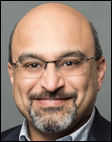
Michael Abramoff, MD, PhD is president, founder, and director of IDx of Coralville, IA and professor of ophthalmology, electrical engineering, computer engineering, and biomedical engineering at University of Iowa Hospitals and Clinics.

image

Tell me about yourself and the company.

I’m an ophthalmologist specializing in retinal surgery. I also studied computer science, did a master’s, and then did a PhD in image analysis years ago. I worked for years in France in the software industry. I worked on neural networks 30 years ago. I’ve been trying to combine IT and medicine for the last 25 years. People have always said it’s a great combination, but it turns out that it’s pretty hard to do. Right now, I’m excited because we are very successful and it’s going somewhere.

The company was founded in 2010. I had been working on algorithms to diagnose disease before then. As you can hear from my accent, I came from Amsterdam in the Netherlands to Iowa now 15 years ago. I had been doing research on these AI algorithms and was getting good results. By the time I founded IDx, I realized that productivity and loss of productivity in healthcare is key if we want to do something about the cost of healthcare.

If you want to make physicians more productive, AI needs to be autonomous, meaning it makes a clinical decision by itself or a therapeutic decision by itself rather than assisting a clinician, because then you don’t really do something about physician productivity. That’s the key.

Since then, we have been working on a number of products, but primarily on diabetic retinopathy, mostly because it’s the most important cause of blindness. It’s very obvious. We know exactly what to do with these patients if we catch them early. But they are not caught early. The patients are in primary care, but historically they needed to be referred to an ophthalmologist like me, an optometrist, or a retinal specialist to examine the retina for signs of disease. Then you can still prevent vision loss and blindness. But that’s not happening.

It’s the lower-hanging fruit in terms of using a well-defined task in analyzing these images and a well-defined task in terms of what happens to the patients. What the diagnosis should be and where it should happen. You take the diagnostic capability that is in me, as a retinal specialist, into primary care, where I’m clearly not. That’s what we set out to do with the clinical trial of the product.

It took seven years of conversations with the FDA to make sure they’re comfortable about how to validate autonomous AI, which makes a clinical decision without physician oversight. Make sure it’s safe — that’s primary. Make sure it’s efficient. That’s what we did with the clinical trial that led to approval last month.

Who pays for your product and who bills for the testing?

It’s moving a specialist’s high-quality diagnosis into primary care, so primary care is billing for it and we get a part of that.

Many companies are suddenly proclaiming that their product uses AI. How would you evaluate their claims?

Artificial intelligence is the frontier of what we do with computer algorithms. Even databases and SQL were called AI 30 years ago. That term is shifting. Right now, it means analyzing clinical data to help make a decision or to actually make a decision.

Instead of saying AI, I’d rather say “autonomous AI.” You have something called “assistive AI,” which is using computer algorithms to assist the physician or specialist who is making a clinical decision or therapeutic decision, or even helping them do surgery. Autonomous AI makes the decision instead of the physician doing it.

It’s a more interesting distinction to say autonomous versus assistive rather than saying, “This is AI and this not,” because that’s a very much a gray zone right now. Like I said, historically, many things have been called AI that no one in their right mind would call AI as of today. I bet you that things like we’re doing, five years or 10 years from now, people will say, “That’s not AI. That’s not the leading edge.” Whatever we’re doing then, we’re thinking about therapeutic applications. They’ll be the leading edge and that will be called AI then.

But the autonomous versus assistive distinction is very important. You see the same with self-driving cars. It’s assistive, meaning it parks for you and it has lane protection. But it doesn’t drive for you. That’s an autonomous car. Similarly, there’s a difference between autonomous in AI and diagnostics in healthcare.

You have pipeline projects for analyzing blood vessels to predict MI, stroke, and other cardiovascular issues. How could that change healthcare?

First, about that pipeline. We have a number of products right now. We’re most prepared for a glaucoma early detection product that will probably go into clinical trials later this year. Like you said, there’s a number of other products, including some outside of the eye, like for the skin or the ear. We’re working on “the AV product,” as we call it, which relates to analysis of the arteries and the veins in the retina. It essentially tells you how the arteries and veins in the brain look. The retina is part of the brain. It’s just easier to look at it than to get a scan or angiography of the brain. It tells you about the micro-circulation in the brain.

We know from many studies done by many other groups — including my group as a research project — that it tells you about the risk of getting a stroke or other cardiovascular events. It is not a certainty. It is not a diagnosis. It just tells you about the risk. We see this product as a risk analysis, like when the patient comes into primary care and blood pressure is measured. That’s just the risk factor. High blood pressure is a risk factor and so is abnormal retinal arteries and veins. It tells the provider that there’s something really wrong with the vessels in the eye and therefore in the brain, and therefore this patient should be analyzed further.

That is how we see that product developing. But right now, it’s not a product. We’re not ready to put it into the clinical trial, like glaucoma and some other products that we’re very near to, hopefully, getting FDA approval soon.

Google is doing similar work in analyzing the eye to detect broad risk factors. Are many groups using AI in this way?

Google did very good research that other groups, including my group, have been doing for years. Looking at retinal images and seeing what associations with other diseases you can find. They’re able to do it on a large scale.

It’s very exciting, but I want to stress that scientific research involves looking for associations that we didn’t know existed. The big step is going from having an interesting association — between something I can measure and something that is happening to the patient — to actually making a diagnostic or therapeutic decision from that. It’s a very different environment. It needs to be safe. You need to be absolutely sure you can explain how it works and why it works. The FDA has big say in that. So you move there from scientific projects, which is really exciting. I’m a physician-scientist myself with a big research group to make a product out of it and put it through a clinical trial.

What is the potential of using AI in the overall spectrum of image analysis and how might it fit into the workflow of a physician?

I’m an immigrant, so I can say that the US healthcare is in many cases the best in the world. But it’s extremely expensive. The challenge is making it more affordable.

That’s why I think that autonomous AI is so very, very important. With assistive AI, you can make a physician better, a specialist better. That’s not always the case. You need very good studies to figure out whether it’s true. But at least you have the potential to make it better. But it’s at least as important to also make it more affordable. Then you go into autonomous AI. For the near future, at least, definitely in terms of more applications of autonomous AI.

There are many things right now that AI cannot do and should not be doing. That may change in the future. With an IT background, you know that the more well- defined the requirements are, the easier it is to automate. The more ill-defined and vaguely defined it is, the harder to automate. But there’s many things that we have protocols for, very good standards for, and physicians know pretty well why they’re doing what they’re doing. There’s a lot of research at the basis of that. Those are the fields where you’ll first see additional autonomous AI.  Both in the retina and other organ systems, you will see the use of autonomous AI for therapeutic decisions.

For robotic surgery, many groups and companies are doing assistive AI surgery, but autonomous surgery is a little bit farther away. You’ll see this incremental autonomous AI developing. Just like with self driving cars – you’ll see the steps being made now that may lead to, sooner or later, self-driving cars.

It’s so crucial that autonomous AI is happening. There is a role for assistive AI to assist clinicians like me to make better diagnoses, but I see the field going to autonomous AI. I also see also the biggest return on investment going there.

Are you getting lot of interest from investors, potential acquirers, or partners since you’ve had just one funding round from several years ago?

It’s so much we can hardly keep up. From big names to smaller funds, growth equity funds, VCs, investment banks. Big names that you would recognize. I don’t want to disclose here. We’re looking at doing a round this year or we have been thinking and talking about an initial public offering. We are prepared for that. The question is, when is the timing right? We’re still mulling it over and seeing when it would happen exactly. But definitely there’s several opportunities for investment in the near future.

Where do you see the company going in the next several years?

The main thing now is rollout. Getting this into every primary care clinic and every retail clinic in the country is what we focusing on right now. We have this product. We have this FDA approval. Now we need to show that it actually benefits patients. We need to reach the maximum number of patients. That’s why I did this. I want to make it better for people with diabetes. That’s what we’re finally able to do now, because FDA said, this is safe. This is a responsible use of AI. Let’s do it.

Once you are in the primary care clinics, it’s relatively easy — I’m not saying it’s really easy, but relatively easy — to have a different AI product to put on top of there. It’s attractive, once you have that imaging platform, to build additional diagnostics on top of it, without any additional effort for either the clinic or the patient. That’s what you will see coming out of us in the next years. Mostly presence everywhere and additional products. First in the eye, like glaucoma, and then later also in other organ systems.

It’s going to be very exciting time for the next few years. We’re the first. We intend to stay ahead. There’s big, very big names following us. That’s exciting and daunting. But we are very good team and very good company. I think we’ll be successful.

News 5/23/18

May 22, 2018 News 8 Comments

Top News

image

A New York Times article says that hospital EHRs are a “medical records mess” that impede research efforts because of incompatible data formats and the reluctance of health systems to share their patient data.

The creator of the Metastatic Breast Cancer Project says that genetic tumor analysis is easy compared to manually reviewing hospital charts that are always delivered as paper copies or faxes. He also noted that health systems ignore the patient-approved medical records requests more than 50 percent of the time.

image

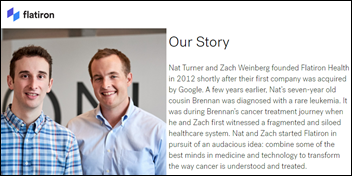
The article notes that six-year-old oncology EHR and data vendor Flatiron Health – sold to drug maker Roche for $1.9 billion early 2018 by its 31- and 32-year old co-founders — has published the de-identified hospital records of 2.2 million cancer patients, but it took 900 nurses and tumor registrars to extract the 50 percent of required data elements that were stored as unstructured text.


Reader Comments

From Martin Shkreli: “Re: blockchain. This article has a good explanation of blockchain and health IT.” The article offers a balanced and easily read overview of blockchain and its potential uses. The author, who is a Bitcoin developer, concludes that the decentralized nature of blockchain comes with high costs and lack of scalability that make the “slow, expensive database” unsuitable for nearly everything except as currency and for feeding hype to investors:

This naturally means that the software or database must not change things around often, if at all. There should be little upside to upgrading and much downside to screwing up or changing the rules. Most industries are not like this. Most industries require new features or upgrades and the freedom to change and expand as necessary. Given that blockchains are hard to upgrade, hard to change, and hard to scale, most industries don’t have much use for a blockchain. The one exception we’ve found is money.


From Tonsorial Advances: “Re: Epic. Judy once hinted during a staff meeting that it would offer billing services. It was followed by a slide showing Cerner’s much higher services revenue. That is probably where the rumor you were sent came from, since an RCM acquisition might make sense.”


Webinars

May 24 (Thursday) 1:00 ET. “Converting Consumers into Patients: Strategies for Creating Engaging Digital Experiences People Demand.” Sponsor: Healthwise. Presenters: Antonia Chappell, director of consumer solutions, Healthwise; Josh Schlaich, senior product manager, Healthwise. Nearly three-quarters of US adults use a digital channel to manage their health and the internet to track down health information. It’s clear that consumers have come to expect online interactions as an integral part of their overall patient experience. In fact, the Internet may be the first way people come in contact with your organization. They have more choice than ever on where to get healthcare services, and their decisions are increasingly influenced by how well organizations connect with them in the digital space. This webinar will show you how to create engaging digital and web experiences that convert casual consumers into patients and keep them satisfied throughout their entire patient journey.

June 5 (Tuesday) 1:00 ET. “Increase Referrals and Patient Satisfaction with a Smarter ‘Find a Doctor’ Web Search.” Sponsors: Phynd Technologies, Healthwise. Presenters: Joseph H. Schneider, MD, MBA, FAAP, retired SVP/CHIO, Indiana University Health; Keith Belton, VP of marketing, Phynd. A recent survey found that 84 percent of patients check a hospital’s website before booking an appointment. However, ‘Find a Doctor’ search functions often frustrate them because their matching functionality is primitive and the provider’s information is incomplete or outdated. Referring physicians need similarly robust tools to find the right specialist and to send the patient to the right location. Attendees of this webinar will learn how taxonomy-driven Provider Information Management improves patient and referrer satisfaction by intelligently incorporating the provider’s location, insurance coverage, specialty and subspecialty, and services offered that can be searched via patient-friendly terms.

Previous webinars are on our YouTube channel. Contact Lorre for information.


Acquisitions, Funding, Business, and Stock

image

Patient communication and appointment management system vendor Luma Health raises $6.3 million in a Series A funding round, increasing its total to $9.7 million.

image

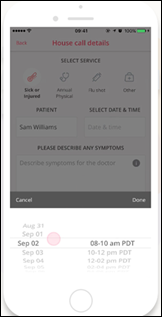
Doctor house call provider Heal raises $20 million in funding, increasing its total to $69 million. The service operates from 8 a.m. to 8 p.m. in parts of California and Washington, DC, with house calls covered by some insurance plans or $99 otherwise. Singer Lionel Richie is a company investor and pitchman.

SNAGHTML5966e5e

Athenahealth’s second-largest shareholder — London-based Janus Henderson Investors, which owns 11.9 percent of the company — urges Athenahealth’s board to put the company up for sale. Meanwhile, Deutsche Bank thinks the company is worth $170 per share, but warns that the company’s suitor, activist investor Elliott Management, takes a long time to close deals. ATHN shares rose slightly Tuesday to around $154.

image

The US Supreme Court sides with Epic and two other companies in finding that mandatory employee arbitration and non-disclosure agreements are enforceable, meaning employees may not organize together to file workplace-related class action lawsuits.


Sales

  • Columbus Regional Healthcare System (NC) chooses Cerner Millennium via the CommunityWorks hosted model.
  • Australia’s NSW Health names Sectra as its preferred RIS/PACS vendor.

People

image

Todd Plesko (Vocera) joins Management Health Solutions as CEO.

image

HHS CTO Bruce Greenstein joins home health provider LHC Group as chief innovation and technology officer.


Announcements and Implementations

image

InstaMed announces Engage, a patient app that allows patients to check in for visits via Bluetooth beacon alerts or text messaging, view benefit information, pay for services with a digital wallet, and enroll in payment plans. 

SNAGHTML59ae995

Adventist Health System joins Florida HIE’s Encounter Notification Service to monitor out-of-network admissions, facilitate transfers, and plan discharges, The services is operated in partnership with Audacious Inquiry.

A Black Book survey of 900 physician organization finds that medical practices are moving to value-based care instead of selling out to health systems, with two-thirds of practices with 10 or more doctors planning to hire consultants in the next year to help them transform their operations. Nearly all respondents say they need outside help with implementing value-based care and population health management as well as choosing new software needed for those efforts.

image

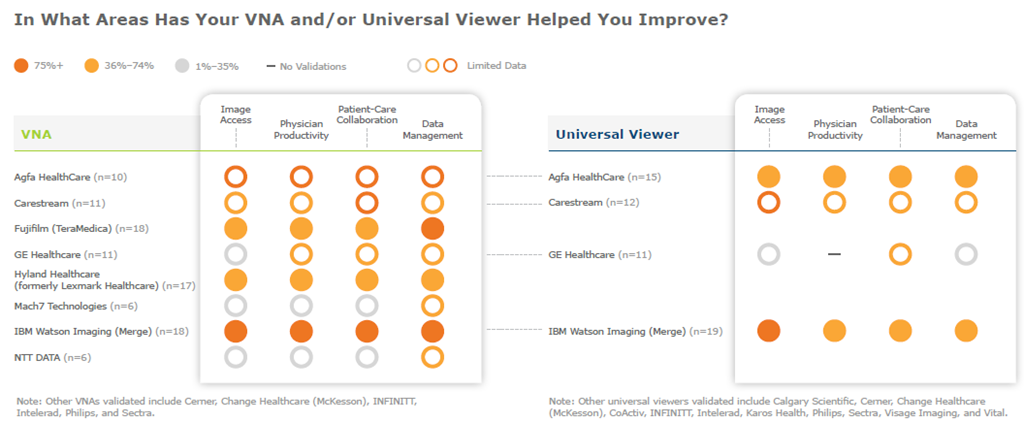
A new KLAS report finds that most organizations are missing at least some elements of a mature enterprise imaging strategy in the categories of IT support and funding, the ability to electronically ingest images, defining an encounter-based imaging strategy, and applying strong governance. Most of those that have deployed a VNA and universal viewer are not fully meeting the four goals of image access, physician productivity, care collaboration, and data management, with customers of IBM Watson (Merge Healthcare) and Agfa performing best.

image

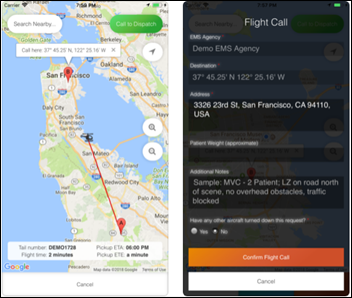
Life Flight Network launches an Uber-like mobile app that allows hospitals and first responders to request its air ambulance transport services.

COPD disease management app vendor HGE Health partners with Change Healthcare to support population health management and improve health plan-provider communication in managing chronic conditions.


Government and Politics

The House passes a bill that would require the VA to provide Congress with regular updates on its Cerner project and to notify lawmakers promptly if it experiences contract or schedule changes, milestone delays, bid protests, or data breaches.

A federal report finds that 40 percent of Americans would have to borrow money or sell something to pay an unexpected $400 expense, which is at least better than 2013’s 50 percent. The report also says that 25 percent of people have zero retirement savings.


Privacy and Security

image

A 28-year-old doctor in Nigeria is arrested for hacking into bank accounts and for creating fake payment notices to car dealers to steal cars, including an $80,000 Porsche. He says Nigerian banks are easy to hack and claims to have targeted actors such as John Travolta.

An investigation by Ireland’s data protection commissioner finds that hospitals are giving patient records to researchers without the patient’s consent. It also notes the presence of employee snooping, lack of computer audit trails, insurance companies being given full access to a patient’s medical history, and patient information being discussed in public areas where it could be overheard.


Other

image

Sutter Health President and CEO Sarah Krevans addresses last week’s system downtime in a video message to employees, deeming it unacceptable that clinical services were impacted “despite all of our planning, our protocols, our investment in technology, despite our emergency systems.” Meanwhile, two anonymous Sutter Medical Center nurses say the hospital, unlike other Sutter facilities, continued to perform elective surgeries even though the surgical team did not have access to the history and physical information of patients.

image

In Australia, an investigation into February’s hospital-wide power outage at Royal Adelaide Hospital finds that its facilities management company ignored erroneous low-fuel warnings from its diesel generators, not realizing that the false alarms prevented the fuel tanks from filling and caused the generators to run out of fuel during system testing.

image

In England, University College London Hospitals partners with an artificial intelligence institute to explore automating ED triage, sending appointment reminders, and analyzing images for research projects.

Marketers from addiction treatment centers, which are making fortunes from treating insured opioid addicts, are joining private Facebook addiction support groups to recruit patients, sometimes posing as concerned strangers. Some have been arrested for taking kickbacks for referring patients to rehab companies. The owner of a marketing company that runs a support website sued a treatment center for unpaid patient recruitment fees totaling $700,000 in 18 months from just that single facility.

Mary Washington Healthcare (VA) reprises its outstanding, “Hamilton”-themed EHR video from last year with a sequel that celebrates its Epic go-live next week.

A Georgia plastic surgeon who refers to herself as “doctor to the stars” and who made 20 YouTube videos of herself singing and dancing over unconscious surgery patients is being sued by several patients for malpractice. Windell Davis-Boutte, MD recently settled a case in which a patient claimed to have been left with permanent brain damage after an eight-hour tummy tuck procedure. Her website claims she’s board certified in both surgery and dermatology, but state records indicate that she is certified only in dermatology.


Sponsor Updates

  • The Texas Hospital Association endorses Collective Medical’s care collaboration network for identifying and supporting complex patient populations and for manage ED usage and ED opioid prescribing.
  • Access releases ESignatures 8.0, which includes a patent-pending handoff function.
  • Meditech associate VP Larry O’Toole joins CommonWell’s board.
  • Black Book names Impact Advisors as a leading cybersecurity consulting firm.
  • Bernoulli Health will exhibit at the 108 IHI/NPSF Patient Safety Congress March 23-25 in Boston.
  • CompuGroup Medical will exhibit at COLA – Symposium for Clinical Laboratories May 30-June 2 in Miami.
  • Collective Medical Clinical Advisory Board Member Anne Zink, MD wins several ACEP awards.
  • Conduent is named to the Fortune 500 list of largest US companies.
  • The 2018 EPA National Adoption Scorecard from CoverMyMeds wins a Stevie Award for Best Annual Report.
  • Dimensional Insight will exhibit at the MUSE International Conference May 29-June 1 in Orlando.

Blog Posts


Contacts

Mr. H, Lorre, Jenn, Dr. Jayne.
Get HIStalk updates. Send news or rumors.
Contact us.

125x125_2nd_Circle

Curbside Consult with Dr. Jayne 5/21/18

May 21, 2018 Dr. Jayne 1 Comment

It’s the time of year when many people are attending graduations for family and friends. The medical school where I’ve been an adjunct faculty member held their commencement exercises, putting one more checkmark on a long list of accomplishments for its students.

Although some of them will be pursuing additional degrees such as an MBA, MHA, or JD, others will be getting ready to receive their first physician paycheck in a few short weeks. Even though they’re officially receiving a paycheck and are finally called “doctor,” there is still much to learn. Residency is completely immersive learning. Regardless of whether you have work hour restrictions or not, whether you get days off or not, or whether the IRS classifies you as a student or an employee, this is where the real work of “becoming a physician” begins.

Similarly, residents who are already in training programs have been taking in-training exams, licensure exams, and completing the requirements that will allow them to be promoted to the next year of training. Traditionally, everyone moves forward on July 1 unless residents have taken time off or there have been other sidetracks to their educational program.

I’ve had the privilege of working with some great students and residents over the last several years, and enjoy continuing as a mentor as they move on in their careers. Over the last two years, I’ve been working with a young woman who I can only describe as a firecracker. She has an uncanny knack for seeing how processes can be improved and galvanizing people around her to make positive change. When her program sent interns onto the wards without the guidance and direction they needed to be successful, she and her intern peers created a “New Intern Survival Guide” to help the intern class that would follow them. They worked to incorporate opportunities for non-traditional rotations (such as clinical informatics and behavioral analytics) for the hospital’s graduate medical education program. They worked with other residents to lobby their program director and the head of resident education for better family leave arrangements and more flexible ways to maintain their own humanity during grueling years of training.

She’s finishing her second year of residency and getting ready to begin her job hunt in earnest so that she’s ready to roll when her training is done in 13 months. If I was still in traditional practice, I would hire her in a second. She’s a quick learner and loves the data-driven approach to clinical care. She also makes a mean martini.

I was surprised when she called me in tears after receiving a recent evaluation from a member of her residency program’s faculty. Like many other types of high-performing students, to a resident seeking competitive opportunities, grades and evaluations are everything. She’s been a straight-A student her entire career, graduated from medical school at the top of her class, and is being considered for selection as chief resident. After receiving her recent evaluation, however, she was in a state of questioning everything about herself and her performance.

Residents in the program are graded across a variety of disciplines on a scale of 1 to 5, ranging from “remediation required” at the low end to “satisfactory” in the middle and “exemplary” at the top. She’s had nearly all fives during her time in the program, so was completely dumbfounded to receive an evaluation that ranked her “satisfactory” across the board. Even more upsetting to her was the sheer lack of narrative feedback from her evaluator. There were no recommendations for what she could do better, what she should work on to improve her fund of knowledge, any gaps in patient care that could be addressed, or anything else actionable. The entirety of the feedback given to her for a four-week rotation on her own program’s family medicine service was “frequently seems dissatisfied.”

I know the faculty member who evaluated her. He has a reputation for not liking change and for wanting to preserve medical education as it was when he went through residency 30 years ago. I asked the resident if she had perhaps ruffled any of this faculty member’s feathers in her or her classmates’ work to move the program forward. She did recall a discussion about the sports medicine rotations, where the faculty member in question was the department advisor. She and her peers had asked about being able to do rotations with sports medicine physicians other than him and were denied. They escalated it to the graduate medical education committee, as there was an opportunity for several of them to work with a sports medicine group that serves a local professional sports team. They were again denied because they couldn’t get the faculty member to sign off on it.

Having seen this young physician in action, I can’t imagine that her performance had somehow slacked off on this rotation or that she had completely changed her way of doing things. I can’t imagine that she delivered anything less than topnotch patient care to the best of her ability, and with compassion and understanding for patients and their families. But somehow, she had gone from “exemplary” to merely “satisfactory” with no tangible feedback she could use to improve herself.

I advised her to make an appointment with her program director to discuss it, and if nothing else, to request a meeting with the evaluator and the program director together so that she could receive formal feedback other than the three words she was given. I didn’t say it, but it sounded to me like retaliation for too much perceived boat-rocking. I encouraged her to seek feedback from other faculty she worked with on the rotation but who were not her named evaluator, as well as other members of the care team such as nurses, therapists, and consultants. I’m confident that having feedback from those other constituencies will help counter some of the psychological damage that this single evaluation was bringing her.

In reflecting on her call, I couldn’t help but think about similar situations I continue to encounter in healthcare. Healthcare providers are immersed in a culture of safety, yet can be questioned when they ask for a time-out if it negatively impacts the surgery schedule or how quickly patients can be moved through the process. We’re asked to be in cycles of continuous quality improvement for our patients, yet those who question bureaucracy may be labeled as “disruptive” or the nebulous “not a team player.” Those who believe we should have less-toxic educational programs are said to have “gotten soft” or they may be “giving in to the snowflakes.”

There are countless sacred cows out there that are protected at all costs and institutions that seem to be preserved only for the sake of tradition. As healthcare leaders, we should be able to do better. The care of our patients and the future of healthcare depends on it.

What’s the biggest sacred cow in your organization? Leave a comment or email me.

Email Dr. Jayne.

HIStalk Interviews William Bartholomew, Founder, HCTec

May 21, 2018 Interviews Comments Off on HIStalk Interviews William Bartholomew, Founder, HCTec

William Bartholomew is the founder of HCTec of Brentwood, TN.

image

Tell me about yourself and the company.

I was born and raised in Nashville, Tennessee. When you grow up here, you get indoctrinated into two things, healthcare and country music. Unfortunately, I do not have any musical talent in my body, so I went the healthcare route.

A group of us founded HCTec in 2010. I’ve been fortunate to be a part of a great group of partners and teammates who have built this business. Today, we’re nearly 1,000 employees spanning the country. We provide healthcare technology workforce solutions. We focus on EMR, ERP, and revenue cycle services, spanning implementation, optimization, and support as well as partial IT outsourcing with our application managed services capabilities.

What is your most requested service?

Without a doubt it has been our application managed services. As we’ve seen clients implement these large EMR systems, their challenge becomes the tension between supporting that system and advancing that system. We have built our service centers and capabilities around assisting clients, supporting their applications so they can focus on the work that’s needed to advance their application so they can drive their business into further digitalization.

The company earned recognition for freeing up the experts at Saint Luke’s Health System in Missouri to do strategic work while HCTec managed the front line support and other day-to-day work. Is that unusual?

It falls under that category of nothing new under the sun. It’s not a new concept, but the investment into these complex EMRs has been forced them to support these systems differently. In healthcare, our approach is unusual in that regard, but it is something that is being used across other industries. That is where we gained some of our lessons learned as we launched.

Debbie Gash, the CIO at Saint Luke’s, is on the cutting edge of a lot of initiatives. Part of the fun and passion I have about our business is getting to work with folks like her. They challenge you, they make you better, and we get to come up with meaningful solutions for her organization.

Does the shortage of Epic-certified consultants still exist?

Overall, yes. With the complexity of the system, the background that you need to have to be an effective consultant in the Epic space — or really any of the others, like Cerner, Meditech, you name it — there’s still a large shortage of that talent pool. Certainly not as limited as it has been in years past, but we still see a marked shortage of those resources.

Your website notes as a differentiator that all of your consultants, whether working onsite or from your offices, are US-based. Do customers find that appealing?

Yes, they do, without a doubt. With the complexities and the skill level you need to have a meaningful impact in these applications, it was to us was never feasible to even consider an offshore component.

Our first partner at HCTec was a company called HCCA International, now called Shearwater Health. These guys have been around since the 1970s. They provide critical staffing and support to hospitals across the US. Their resource base is nurses in the Philippines. They’re very, very good and adept at bringing in that talent pool to the US. It’s certainly a model that we’re very familiar with.

But as we contemplated how to help our clients with application support and be able to reduce their workforce operational expense around supporting a system while increasing their ability to advance the functionality, it just wasn’t viable to do that in an offshore component. There’s still a large resistance among our client base, too. Offshore, you think about the data security issues around that and worst-case scenarios. It made a lot more sense to launch it in the States. We do that work out of Atlanta, Georgia, and out of our office here in Nashville.

Are people still leaving provider jobs after implementing a vendor’s system and then going into consulting? Do they stay in the field, or do they find that it’s not what they thought it would be?

We’re still seeing a lot of it. There’s still a lot of “get through the implementation at my organization and go become a consultant.” There’s a premium paid for those who will travel and can offer their expertise to other clients.

The other trend that we’re seeing – which our application managed services addresses as well — is burnout on the application analyst team within our clients. You think about getting through these huge implementations and the work that they put in — the countless hours, the sleepless nights, all of those descriptors. You go through a go-live, which no matter how well or poorly they go, are always hectic. Then they’re thinking things are slowing down, but then find out that the work has just begun.

We see a lot of turnover within our clients’ analyst teams. That’s something that we incorporated into our model. When we’re working with a client on an application support deal, on average, we’ve seen their internal attrition rate drop significantly for a lot of them, from 15 to 20 percent to the low single digits once we start working with them and start taking on that day-to-day support work for them.

What does it take to keep consultants who travel happy and productive?

We’ve made it easy on them. We’ve invested in the systems, the structure, and the internal processes so that we handle most of the logistical items for them and try to make it easy and less stressful to travel on a weekly basis. All of our employees know that our job is to support them and they have that support system here backing them up.

Culturally, you see some bad stories on the other side, but we’ve tried to put an emphasis at HCTec on our people. At the end of the day, our consultants and our employees are what make this company great. We invest in all of our employees, and consultants in particular, to make sure that they have everything that they need. But they also have a great opportunity for career advancement and continuing education. They understand how much they’re valued, not only by our clients, but also by our team here at the corporate office. We’re always trying to improve what we do for our people. It’s a critical component to building a sustainable business in our industry.

Do you have any final thoughts?

It’s such an exciting time to be in healthcare technology. We’re in a very dynamic place as an industry and that challenge is something that we’ve been excited to embrace.

I’ve got two young kids and one on the way. When I think about what healthcare will look like as they grow up, it’s pretty fun to think about how different things will be five years from now, 10 years from now, as a continued investment in technology improves the way that we deliver care and the way that we receive care as patients.

Overall, we couldn’t be more thrilled to be a part of this journey and to have an impact on the advancement of care.

Monday Morning Update 5/21/18

May 20, 2018 News 3 Comments

Top News

image

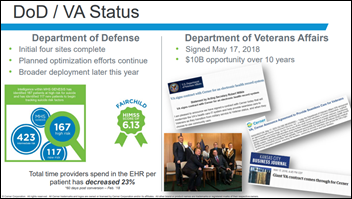
Cerner President Zane Burke blames an unnamed competitor (presumably Epic) for publicizing negative reports about the DoD’s MHS Genesis project, labeling the resulting coverage as “fake news” in Friday’s annual shareholder meeting.

image

Burke said, “If you had an axe to grind with us and wanted to perhaps keep us from getting to a Veterans contract, and you’re one of our competitors, you might want to use some information negatively. There was some negative information out there.”

He didn’t specify whether the “fake news” involved publication of the DoD’s own internal assessment of the project or some other event.

Burke said that just keeping VistA running would have cost more than $20 billion in the next 10 years vs. the $10 billion the VA will spend on Cerner, so it’s a good deal for taxpayers. Chairman and CEO Brent Shafer, ,asked about what issues keep him up at night, answered, “The VA was keeping me up at night until last night. It was a good night last night,” but added that his big issue is retooling the company to move more quickly.

Cerner has posted the audio recording and presentation from the shareholder meeting.


HIStalk Announcements and Requests

image

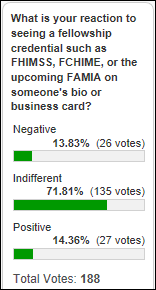
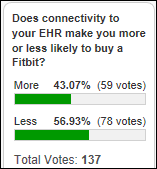
It’s an even split among the minority of respondents who care either way about someone’s use of fellowship credentials such as FHIMSS and FCHIME.

New poll to your right or here: what should the VA have done about an EHR? Show your work by clicking the comments link on the poll after voting and explaining.

image

This week’s “Wish I’d Known” question involves taking the first leap to overseeing the work of others.


Webinars

May 24 (Thursday) 1:00 ET. “Converting Consumers into Patients: Strategies for Creating Engaging Digital Experiences People Demand.” Sponsor: Healthwise. Presenters: Antonia Chappell, director of consumer solutions, Healthwise; Josh Schlaich, senior product manager, Healthwise. Nearly three-quarters of US adults use a digital channel to manage their health and the internet to track down health information. It’s clear that consumers have come to expect online interactions as an integral part of their overall patient experience. In fact, the Internet may be the first way people come in contact with your organization. They have more choice than ever on where to get healthcare services, and their decisions are increasingly influenced by how well organizations connect with them in the digital space. This webinar will show you how to create engaging digital and web experiences that convert casual consumers into patients and keep them satisfied throughout their entire patient journey.

June 5 (Tuesday) 1:00 ET. “Increase Referrals and Patient Satisfaction with a Smarter ‘Find a Doctor’ Web Search.” Sponsors: Phynd Technologies, Healthwise. Presenters: Joseph H. Schneider, MD, MBA, FAAP, retired SVP/CHIO, Indiana University Health; Keith Belton, VP of marketing, Phynd. A recent survey found that 84 percent of patients check a hospital’s website before booking an appointment. However, ‘Find a Doctor’ search functions often frustrate them because their matching functionality is primitive and the provider’s information is incomplete or outdated. Referring physicians need similarly robust tools to find the right specialist and to send the patient to the right location. Attendees of this webinar will learn how taxonomy-driven Provider Information Management improves patient and referrer satisfaction by intelligently incorporating the provider’s location, insurance coverage, specialty and subspecialty, and services offered that can be searched via patient-friendly terms.

Previous webinars are on our YouTube channel. Contact Lorre for information.


Acquisitions, Funding, Business, and Stock

image

Cerner shares rose only 1 percent Friday after the announcement Thursday after the market’s close that the VA had signed its $10 billion contract with the company. CERN shares are down 4 percent in the past year vs. the Nasdaq’s 21 percent gain, while over five years CERN us up 28 percent vs. the Nasdaq’s 113 percent gain.

image

TransUnion will acquire Fort Worth-based Healthcare Payment Specialists, which offers solutions for hospital Medicare reimbursement that include Medicare bad debt review and disproportionate share analysis. 


Decisions

  • Major Health Partners Medical Center (IN) will switch from NextGen Healthcare to a Meditech ambulatory EHR system by the end of 2018.
  • East Carroll Parish Hospital (LA) plans to go live with JumpStock inventory control software.
  • Brooklyn Hospital Center Downtown (NY) will switch from Allscripts to Epic ambulatory EHR in August 2018.

These provider-reported updates are supplied by Definitive Healthcare, which offers a free trial of its powerful intelligence on hospitals, physicians, and healthcare providers.


People

image

RCM vendor Access Healthcare hires Jim Carlough (Cognizant) as SVP of North America operations.

image

David Adams (Revenue Platforms) joins consulting firm Crux Strategies as VP of business development and revenue cycle management.


Government and Politics

image

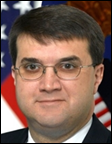
President Trump will nominate acting VA Secretary Robert Wilkie to the permanent position, adding in Friday’s announcement at a prison reform event, “He doesn’t know this yet. I’m sorry that I ruined the surprise.” Wilkie is a former lawyer and White House security advisor.


Other

Eastern Maine Health Systems (ME) ends its addiction treatment partnerships with two cities that named individual physicians – some of them present or former EMHS doctors – in their billion-dollar lawsuits brought against drug manufacturers and distributors. The city councils of Bangor and Portland voted to join the lawsuits, causing the health system to say that it will withdraw from any initiatives involving cities or counties that sue it.

image

I belatedly learned via a tweet that former UPMC CIO Dan Drawbaugh has since 2015 been CEO of orthopedic group The Steadman Clinic and its research institute in Vail, CO.

SNAGHTML310cb5e2

Weird News Andy says there’s “so much wrong” in this story, in which a former hospice executive pleads guilty for her involvement in a $60 million fraud scheme that also involved intentionally killing unprofitable patients as ordered by the hospice’s owners, a CPA and his wife (above). The former operations director says the owners ordered her to falsify EHR entries to admit patients who weren’t eligible for hospice services, fabricated “do not resuscitate” orders to avoid paying for ambulance trips when families called 911, and took patients off medications solely because they weren’t covered by insurance. The FBI’s search warrant says the CPA texted a nurse, “You need to make this patient go bye-bye.”

Medical residents at an hospital in India go on strike to demand better hospital security after the angry family members of a patient who died prior to planned gallbladder surgery beat up two doctors, a nurse, and a visiting relative of another patient who tried to stop the attack. The hospital realized afterward that it had never followed through with installing a security alarm as planned two years ago and says it will get that done.

image

Rainbow City, AL police arrest a doctor for breaking into the office of the medical practice from which he had recently resigned to steal six computers, a server containing patient information, and medical equipment. He opened the practice’s safe, apparently in an effort to make the break-in look like a robbery, but police immediately suspected him because the safe’s contents were intact, including cash and narcotics.


Sponsor Updates

  • HBI Solutions posts a case report titled “Client Success: Improved Transitions of Care at DFD Russell Medical Centers.”
  • The SSI Group will host a regional user group meeting May 22-22 in Scottsdale, AZ.
  • Sunquest will exhibit at the Pathology Informatics Summit May 21-24 in Pittsburgh.
  • TriNetX will exhibit at the ISPOR Annual International Meeting May 19-23 in Baltimore.
  • Wolters Kluwer wins eight Stevie Awards during the 2018 American Business awards.
  • ZappRx CEO Zoe Barry will speak at the Greater Boston Chamber of Commerce’s Executive Forum May 22.
  • ZeOmega will host ZeOmega Connections18 May 21-24 in Plano, TX.

Blog Posts


Contacts

Mr. H, Lorre, Jenn, Dr. Jayne.
Get HIStalk updates. Send news or rumors.
Contact us.

125x125_2nd_Circle

Weekender 5/18/18

May 18, 2018 Weekender Comments Off on Weekender 5/18/18

weekender


Weekly News Recap

  • The VA signs a 10-year, $10 billion contract with Cerner for its new EHR.
  • Sutter Health experiences a 27-hour downtime of Epic and other systems at some of its facilities that was caused by activation of a fire suppression system in one of its data centers.
  • A GAO report finds that providers sometimes overcharge patients for copies of their medical records and patients sometimes struggle to get their own information.
  • Elliott Management complains publicly that Athenahealth has ignored its $7 billion takeover offer and says it might offer even more money if given access to the company’s books.
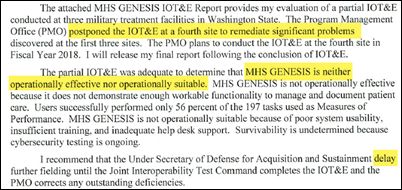
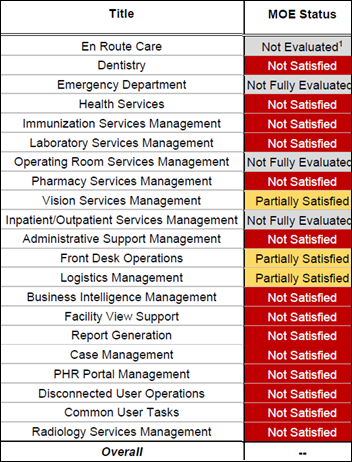
  • A newly declassified April 30 Department of Defense evaluation of the military’s four MHS Genesis pilot sites concludes that the system “is neither operationally effective or operationally suitable” and says it is inadequate for managing and documenting care delivery.

Best Reader Comments

I empathize with providers who negotiate with many many plans, each with their own waivers, to give a price for every procedure/ bundle and therefore price transparency is a non-trivial problem for them. And, I don’t want them to publish their fictitious list price. As a cash-strapped buyer who just wants to know what I will be billed when my PCP orders a dermatology test for a sun spot that I’ve had for 10 years, what am to do? My first inclination is to at least publish the Medicare price. (David)

I absolutely hate when non-clinical people compare healthcare with any other industry. My question – how would this restaurant change its business model if it is mandated that anyone who comes in through a special side door has to be given free burgers? It is not the cost transparency that is causing the problem, it is the cost bloat. The costs are higher than anywhere else. And, let’s not forget the fact that someone’s extra cost/waste is another person’s income, be it pharma industry or doctors. (Restaurant and hospital)

The government actually worsened the opioid crisis by threatening financial penalties to MDs that did not meet patient satisfaction with pain control. The Joint Commission also made similar threats, including their love of the fifth vital sign and recommending the overprescribing of narcotics. So now, they have swung the pendulum fully opposite. Its about time to let MDs be MDs and stop the madness. (meltoots)

With MHS Genesis, I think the majority correctly see the pilot as a test. (Maybe I’m just projecting.) I can’t fathom how any vendor would treat the pilot as anything but their opportunity to put their best foot forward. I think this IS the best foot we’re going to get from these guys. It’s a test and the grade is F. (Vaporware?)

When I was at Epic, this is why I didn’t want Epic to win the DoD bid. There is no way Epic could’ve gotten the level of control they normally have over the project, which is still (unfortunately) necessary to get decent results.(Dodged a Bullet)

We can all bash Cerner as much as we want, and they have earned their fair share of the blame, but the fact is it didn’t matter who won this bid, we still would have had major issues using a commercial product in the Government arena. At its core, the problem isn’t Cerner, Epic, or any of the actual technology vendors. It’s the federal government, an organization that continues to go unchecked. (Associate CIO)

The Big Winner here is Leidos which holds the contracts for the DoD in place systems (CHCS the current EMR, which Leidos/SAIC says it claims proprietary IP rights and won’t let any other company touch) and other third-party applications. Contracts for development, support, and sustainment. So, the Big Whiner is Cerner. Why? Because it’s in Leidos’ best interest to slow play the DoD as long as humanly possible. The MHS Genesis project will run horribly over budget and Cerner will take a black eye and whine about it the whole time. (Big Winner Big Whiner)


Watercooler Talk Tidbits

image image

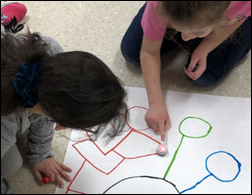
Readers funded the DonorsChoose teacher grant request of Mrs. J in Arkansas, who asked for three programmable robots for her third grade class. She reports, “The Ozobots are amazing! My students have gone crazy over them. They are using color coding markers to manipulate and program the robots, coding them to make different moves and change colors. My students are collaborating, thinking critically, and working together while they experiment and learn to code. All of these skills are critical in preparing them for their future.”

image image

Also checking in was Mrs. M from North Carolina, who asked for 20 Hear Myself Sound Phones for her first graders. She says, “It was a dream of ours that we never thought would be possible. You have made it a reality. They just arrived and the students have already used them. We practiced as a whole group and they could not believe how their voice sounded through the phone. We will use them regularly. It was like they were hearing themselves read for the first time all over again. It was such a joy to watch and we have you to thank for that.”

image

I subscribed to Texture even before Apple bought the “Netflix for magazines” company a few weeks back. Its app offers current plus back editions of 200 magazines, allows downloading issues for offline reading, and presents a cool dashboard of new articles that your reading history suggests that you will like, all for $6.95 per month. It replaces subscriptions I had paid for at one time or another, such as Consumer Reports, National Geographic, Wired, Smithsonian, PC World, and Rolling Stone.

A rehab tech at MacNeal Hospital (IL) is sentenced to 10 years in prison for burglarizing the homes of 18 widowed, female patients he was caring for as inpatients after he confirmed with them that they lived alone. Some of the patients are suing the hospital for failing to protect their information.

image

The Department of Justice charges a Texas rheumatologist with a $240 million fraud scheme in which he falsely diagnosed patients with rheumatoid arthritis so he could bill for drug administration. The doctor had been reprimanded by the state in 2009 for excessive ordering of lab and radiology tests. The photo above is of his patients’ medical records that were stored in “an unsecured and dilapidated barn” where he tried to hide them from Medicare. The DOJ estimates that the doctor made $50 million from the alleged scam, allowing him to buy extensive commercial and residential real estate in the US and Mexico, two Puerto Vallarta penthouses worth $2 million each, an Aspen condo, a Maserati, and a million-dollar private jet. It’s nice that they caught him, but as usual, puzzling that it took so long under CMS’s pay-and-chase model. His practices are in and near McAllen, Texas, the subject of a 2009 article by Atul Gawande in which Gawande noted that the tiny, poor town had the highest medical costs in the US other than Miami, which Texas locals attributed to everything from malpractice costs to overuse to fraud.

image

In another DOJ action, the former CEO, CFO, and executive director of now-bankrupt NJ-based medical billing company Constellation Healthcare are charged with an elaborate $300 million investment fraud scheme. The FBI arrested former CEO Parmjit Parmar — who also runs an investment firm, is an investor in Cancer Treatment Services International, was producer of “Before the Devil Knows You’re Dead,” and is a former fighter pilot with his own fleet of jets and aviation company who claimed to make more than $1 billion per year — near his 39,000 square foot mansion that he apparently was able to keep despite a 2011 foreclosure for the $26 million he still owed on the property. He reported in a 2008 interview that the recession “doesn’t affect me at all,” having just purchased a new Bentley for himself and a BMW for his girlfriend even as he was spending $20 million to build a tiger refuge in Texas.

A former MD Anderson research assistant – now a school nurse – is found by the federal government to have submitted her own falsely labeled blood samples for those of 98 research study participants, requiring the resulting studies to be retracted.


In Case You Missed It


Get Involved


125x125_2nd_Circle

EPtalk by Dr. Jayne 5/17/18

May 17, 2018 Dr. Jayne Comments Off on EPtalk by Dr. Jayne 5/17/18

An opinion piece in the Annals of Internal Medicine provides data on what many refer to as “note bloat” in clinical documentation. Documentation in the US often contains information needed for billing or to meet regulatory requirements that doesn’t materially contribute to the care of the patient. The authors note different attitudes towards EHRs in the US compared to other countries, where physicians may be excited about using them to enhance patient care rather than viewing them as burdensome, and recommend strategies that many of us have been recommending since the dawn of EHRs, such as shifting administrative tasks away from physicians. My favorite quote from the authors: “Although EHRs have great potential to improve care, they may also have perverse effects.”

Alex Azar, Secretary of the US Department of Health & Human Services, spoke this week on drug pricing. He starts out by noting that pharmaceutical manufacturers are “one of the most aggressive industries when it comes to lobbying.” The proposals he highlighted include:

  • Improved competition – positioning the FDA to “stop drug manufacturers from gaming our patent system to block generic competitors.” This includes allowing generic manufacturers to have access to samples of the branded drug so they can perform the testing needed to receive approval for generics. Manufacturers who abuse the system are to be publicly identified.
  • Lower out-of-pocket costs – preventing pharmacy benefit manufacturers from enacting gag clauses with pharmacies, which would allow pharmacists to tell patients when they could get a drug cheaper by paying cash than using insurance.
  • Enhanced negotiation – giving Medicare the ability to negotiate drug prices, starting with certain classes of drugs that are relatively protected under Medicare Part D and also for drugs covered under Medicare Part B which are administered in physician offices. There is also a plan to merge Part B into Part D.
  • Incentives for lower list prices – changing how indicators like the Average Manufacturer Price are used in creating drug pricing. The AMP is inflated compared to what private payers are actually paying, since there are often rebates involved.

He also mentions addressing how drug companies reach out to the public, working to require pricing information when there is direct-to-consumer advertising. He calls on pharmaceutical manufacturers to do this now, including the list price in advertising, before it’s mandatory. I’d go a little farther: let’s stop direct-to-consumer (DTC) advertising altogether. Since DTC advertising started, I can count the beneficial patient-driven conversations I’ve had as a result of advertising on one hand. Conversely, I can’t begin the estimate the number of conversations I’ve had about DTC-marketed drugs not being right for a patient or having significant risks or cost issues.

While we’re at it, let’s create systems to prevent the US Food and Drug Administration from being gamed during the drug approval process. When we have drugs that have been effective for years and cost pennies, such as colchicine, don’t let drug companies play games where they send those drugs through the system again and are allowed to sell them at a tremendous markup (Colcrys), making patients wait years for a generic to return only to see it more expensive than the original generic. Most of the physicians I talked to about the proposals are in the “I’ll believe it when I see it” camp, noting that Azar’s past roles included being a pharma executive and serving on the board of directors of a pharmaceutical / biotechnology industry lobbying organization.

clip_image002

I don’t know who Ron Carucci is, but I think he’s planted listening devices at some of my clients. His excellent piece on how leaders create toxic cultures highlights some phenomena I see more often than I’d like. He calls out “scattered priorities” as a major issue. I see this in nearly every client I engage. Rather than doing a few key initiatives well, leaders overcommit. This tends to result in either under-delivering as they try to move dozens of initiatives an inch at a time or a frantic scramble to try to meet deadlines that were unrealistic to begin with.

Whenever I hear about leaders being double-booked or having to constantly shuffle meetings due to conflicts, there is usually a prioritization problem. This is often manifested through lack of regular leadership meetings and lack of agreement on team priorities. Those teams that do meet may have ineffective meeting dynamics and don’t accomplish much during their time together.

Another issue Carucci identifies is “unhealthy rivalries” and I see this as well, usually when teams have similar goals but may be competing for scarce resources or precious time with end-user champions. I also see it in organizations where one team ends up being rewarded for work that is performed by others. For example, a sales team member who receives a hefty commission for closing a deal with the support of analysts, programmers, and other staff who don’t get to share in the monetary rewards.

Oversharing and the blurring of work/personal lives on social media platforms such as Facebook may exacerbate this. A couple of years ago, I was working with a vendor sales rep who constantly talked on social media about his extensive car collection. It was a hot topic in the office as staffers Googled the value of the cars he owned (well over $1M) and talked about how unappreciative he was towards the workers who helped enable the sales that paid for his hobby. The culture around this rep was positively toxic, yet one of his peers who generated more sales but acted with humility never had his motives questioned.

He also talks about unproductive conflict, which to me extends to mismanagement of conflict. Companies that sweep HR issues or workplace complaints under the rug aren’t doing themselves or their employees any favors. He mentions workers who talk behind one another’s backs, along with holding back on opinions or vetoing decisions after they are made. I’d add the “meeting after the meeting” crowd to this bunch, when people who don’t show up are given the ability to change the course of decisions made by those who made the time to be part of the process. I urge people to think about whether they exhibit some of these traits or whether they’re present in company culture. Many of our organizations have an opportunity to make a change for the better.

clip_image004

I enjoy reading stories about people who selflessly give to help others, and this one definitely merits a mention. An Australian man has been donating blood for over sixty years, with a total of 1,173 donations. His blood contains a rare antibody used to treat hemolytic disease of the newborn and it’s estimated that over 2.4 million babies have received treatments derived from his donations. At 81, he exceeds the maximum donor age and has been officially retired off the Red Cross rolls, but his legacy will live on in the babies treated, including two of his own grandchildren.

Readers Write: Creating Clarity from Confusion: The Importance of Healthcare Price Transparency

May 16, 2018 Readers Write 5 Comments

Creating Clarity from Confusion: The Importance of Healthcare Price Transparency
By Rajesh Voddiraju

Rajesh Voddiraju is founder and CEO of Health IPass of Oak Brook, IL.

image

Picture this. It’s Saturday night and you’ve decided to try a new restaurant. You pick up the menu, only to discover that there are no prices listed for any of the items. When you flag down a member of the wait staff to inquire about the cost of an item to order , their response is to shrug and say, “I’m sorry, but we aren’t authorized to tell you the prices of our menu items. You will have to have to contact the company that prints the menu to to find out about that.”

You have no idea who to call or what to expect. However, you are hungry, so you order a hamburger, which seems like a safe, economical choice, only to be billed $50 for it weeks later. Of course, had you known the hamburger would cost $50, you might have ordered something else or even found a different restaurant, but now you are stuck paying an unexpected bill. How long would a restaurant with these businesses practices stay open? Not very long, that’s for sure.

Yet this is exactly the situation patients face when they enter most healthcare provider offices. There is no menu of medical procedures with prices clearly labeled. Patients are essentially presented with a choice—face the unknown of paying for healthcare or forgo it altogether.

This lack of price transparency is one of the reasons that people avoid regular preventative care, which in turn leads to a higher incidence of preventable disease. The chain reaction goes on from there. The ultimate effects of uncertain healthcare costs are more far-reaching and devastating than most Americans realize, to the detriment of patients, providers, and the healthcare industry as a whole.

The clear loser in land of opaque healthcare pricing is the patient. Just as the aforementioned diner is left feeling frustrated and helpless by a menu without prices, so too is the uninformed healthcare consumer. The main difference between the restaurant scenario mentioned above and the plight of the healthcare consumer is while a restaurant with such questionable practices would undoubtedly go out of business, the lack of price transparency in healthcare has been considered the status quo.

For years, Americans have grown to accept that medical billing and payment was a mysterious and complex process where prices were kept secret and the ability to review and evaluate the cost of care prior to treatment was non-existent. Fortunately, state policymakers have begun to recognize the urgent need for greater price transparency in healthcare and are beginning to enact legislation that mandates medical providers publish their prices for some of the most common procedures and treatments offered.

For example, at the state level, Colorado Senate Bill 65 went into effect January 1, 2018, requiring hospitals to post self-pay prices for their most common procedures and treatments. Health and Human Services (HHS) Secretary Alex Azar is leading the federal charge toward greater healthcare price transparency as evidenced by his comments at the May 2018 World Health Care Congress, which stressed the importance of lowering drug costs, the consideration of new healthcare models, and free-market forces as a determinant for value-based care. If this trend towards price transparency in healthcare continues to gain momentum, American healthcare consumers will be more informed to make smarter decisions about their care and extract the highest amount of value from out-of-pocket expenditures.

With greater healthcare price transparency, patients go from confused and frustrated to supported and empowered. Informed healthcare consumers are better able to plan and budget for major medical expenses. In addition, when patients are aware of costs, they are more likely to meet their healthcare financial responsibilities, meaning less crippling patient medical debt that burdens the entire system and increased revenue for providers, allowing them to keep their doors open.

As the healthcare industry becomes increasingly consumer-driven, increased price transparency has yet another important function for medical providers – it has become a major piece of the patient retention puzzle. Providers build trust when they are upfront about the cost of care, leading to better, more sustainable positive relationships between patients and provider.

Due to factors such as the 24-hour news cycle and the escalating use of social media, Americans have become more aware of healthcare system deficiencies and weaknesses that inhibit the effective and affordable administration of care. As healthcare costs skyrocket, patients and legislators alike are searching for ways to increase the quality of care. The push for greater price transparency into the cost of care is partly grounded in the move towards value-based care that rewards quality rather than the traditional model of fee-for-service that incentivizes providers to call for tests and procedures that may not be necessary. Price transparency plays a key role in the transition to value-based care because the transition relies on patient access to all care-related data, including medical records and costs.

Price transparency has more than just an educational value for the patient. It has the power to actually lower the cost of healthcare. According to the Robert Woods Johnson Foundation, “Health economists and other experts are convinced that significant cost containment cannot occur without widespread and sustained transparency in provider prices.”

The bottom line is that the modern healthcare consumer refuses to remain captive in an enigmatic healthcare system with a seemingly arbitrary cost structure. Just as the restaurant at the beginning of this article is likely doomed to go out of business due to its suspicious business practices, providers who fail to adapt to changing consumer expectations will suffer negative consequences. Changes are on the horizon for all healthcare providers as healthcare policy begins to catch up to public demand. Savvy healthcare providers will see the writing on the wall and implement healthcare price transparency now, before it becomes a mandate.

HIStalk Interviews Raul Villar, CEO, AdvancedMD

May 16, 2018 Interviews Comments Off on HIStalk Interviews Raul Villar, CEO, AdvancedMD

Raul Villar is CEO of AdvancedMD of South Jordan, UT.

image

Tell me about yourself and the company.

I’m the CEO of AdvancedMD. I’ve been with the company for the past seven years. AdvancedMD provides integrated, end-to-end solutions to the ambulatory market.

How would you describe the ambulatory EHR/PM market?

From a market perspective, we focus on independent physicians. We think the market is strong and growing. Some of the things that we’ve seen over the past four or five years are an explosion in mental health and physical therapy providers. Also, we continue to see about 20-25,000 new entrants in traditional primary care physicians.

The market itself is growing. We size the market at about 1.6 million doctors that we think are eligible to be on the AdvancedMD system.

Where does the opportunity come from?

We see the opportunity coming from all segments. When we break it down, there are definitely still new entrants into the market. New entrants are excited about cloud opportunities. They tend to be more open to new technology. There’s a whole bunch of folks who are on existing cloud solutions and we see those as great opportunities.

In the ambulatory space, the largest component of ambulatory is still running on-premise solutions, legacy solutions that they bought decades ago. Ultimately over time, as they look for new solutions, they tend to be great opportunities for companies like us.

How much penetration do cloud-based systems have in independent practices?

I would say cloud today is about 25 percent of the market. Like anything else in our day-to-day lives, we’re all becoming more attuned to leveraging the cloud. whether it be for personal enjoyment, music, TV, movies, banking, and those type of things. As people become more comfortable and familiar with the cloud and cloud technology, it is becoming more acceptable.

As the demographics of physicians change, the newer physicians want new technology. They grew up with it. We’re seeing that. It’s not 100 percent there, obviously. A big bulk of the physicians are in their 50s and 60s. Over time, that transition to technology will continue to evolve. In healthcare, it’s probably slower than anywhere else. I think we would all admit that in healthcare, with the sensitivity of the information and the data, people need to feel comfortable that they’re going to be able to provide service.

We’re seeing fewer and fewer objections to the cloud. It’s more about, how does your work flow help our practice? That has become the question. When I came here seven years ago, it was more about, is the cloud safe? Is my data going to get stolen? Am I going to have service? Am I ever going to be down? Now, it’s more about, tell me about the workflow of your solutions. Tell me how you can help us collect more for our claims and how can you help us with all of the government regulations that continue to pour down on the heads of the independent physicians.

How has usability affected physician EHR acceptance?

I’m kind of in the middle on the topic. The first-generation clinical solutions that we all developed, including AdvancedMD, were built to government regulation, not to physician workflow. It was frustrating to the physician to have to enter a lot of information that didn’t necessarily help patient care or help them with a diagnosis. The second generation of clinical solutions that companies like ours are developing are much more user friendly, easier to use, and enable physicians to create the workflow that works best for them.

No workflow is the same for any physician. Every physician has their nuances. For them to continue to embrace clinical solutions, we have to reduce the number of clicks. We have to clean up the user interface and make it easy for them to document the information and also learn from the information. That’s where the power is. How can they become more effective, because all the data is in one place and they can see it like they used to see with a chart?

Ultimately, we have to make the online clinical solutions as easy as a chart was for them to look at, understand the patient situation, and make the correct diagnosis based on the information provided. Most of the progressive vendors are making those changes in their new-generation clinical solutions. We’ll continue to see better adoption. It will also help with chronic care management and care management in general. That’s the critical component in healthcare. If we can all do a better job of making it easier for the physician to understand the information in an easy and simple format, it will be much more effective.

Is outsourced revenue cycle management growing?

Yes. Everyone is under pressure. We’re asking physicians to do more for less. It’s not a great place to be, from a profession perspective. The new dynamics of doing more for less and more regulatory overhang and more requirements to be reimbursed for what they did is putting a lot more pressure and creating demand for revenue cycle management.

Revenue cycle management though comes in two flavors. There’s software technology like ours that enables people to do it themselves with simple, intuitive tools. Then there’s also that same software wrapped with services. It really depends on the physician and their staff as to which they prefer. Some prefer to do it themselves and manage the ecosystem. Others want you to follow up and make sure that all the denials are resubmitted and they’re maximizing their reimbursements.

There’s interest in general in maximizing reimbursements. It’s done through software and it’s done through services. That’s really a behavioral decision by a physician of what they like. Some people like to do everything in house, some people like to outsource, and some people like to co-source. Our job is to be flexible enough to enable physicians to use any of the models that they feel most comfortable with.

It changes as their staff changes. Sometimes they may have an experienced biller and they want to do it in-house because they know how it works, they know their procedure codes, and they know their insurance companies. They have that dynamic tied down. But then there may be turnover and they’re replaced by someone who’s new and not as sophisticated. At that point, they may want to leverage services to help them follow up on denials. It’s about providing flexibility to the provider and letting them choose what solution they prefer.

How much information exchange do you see happening between your users and health systems?

We see a lot of that, and we’re seeing more and more of it. Our philosophy has been that we have to provide all the information to users so they can export it to whatever health systems or health organization that they want. We haven’t felt like we know what the outcome of healthcare’s going to be, whether it’s ACOs, HIEs, large health systems, or independent providers. There’s a lot of different care settings. Our mantra has been that we have to be able to enable patients and providers to take all their information and be able to port that information to whatever systems they want.

Being in the cloud makes that much easier than if you’re in on an on-premise solution or pen and paper. Ultimately, that’s one of the advantages, that over time, as healthcare becomes more open and data is exchanged more efficiently, it’s only going to help push more people to the cloud because the data’s already in that format. It’s easy for us to share data across systems.

You offer a physician reputation management system. Is that important to medical practices?

Today, it’s an emerging concept. If we think about what’s really going on in the macro environment, as high-deductible health plans continue to increase and the consumer is forced to pay more, then the consumer is going to care more about who they’re meeting with, how much it costs, and then how much they’re going to be reimbursed.

Independent physicians historically have been able to plant the flag where they’re located. They generate their clients within a 10-15 mile radius, depending on the density of the city they live in. That’s changing. People now are willing to go online. We’ve seen it in other industries, such as restaurants with Yelp. People want to go online, get a review, see where they’re located, see what it costs, and see the menu. We’re going to see the same transformation in healthcare. The demand is coming from the patient. As the patient has to pay more, the patient is going to have more questions.

None of us five years ago were that focused on how much an encounter would cost us. It was going to be paid for by someone else. As that share gets pushed to the consumer, they’re going to care more. Our physicians have come to us and said, we would love to be able to have our patients tell us how we’re doing after every encounter. If we’re doing really well, great. If we’re not doing well, we need to know. Sometimes in a practice, the breakdown can happen in the waiting room. It can happen at the front desk. It can happen with the nurse practitioner or medical assistant or it could be with the physician.

There’s a lot of different pain points. There’s a lot of people involved in delivering healthcare. The more information that physicians have, they can help to modify what’s going on in their practice and use it as a tool to attract more patients. We believe that physicians are going to need to compete for patients in the future. Today, it’s more on the come, but we’ve seen that people are extremely interested in it. They’re using it in their personal lives for a lot of different services. This is a very easy transition for independent physicians.

Where do you see the company going in the next five years?

AdvancedMD will continue to expand its product set. We’ll continue to deliver an integrated, end-to-end solution that includes practice management, revenue cycle, clinical solutions, reputation management, and patient engagement tools. We’ll continue to deliver that to independent physicians.

From our perspective, healthcare doesn’t need to be complicated. If we all work together, we can find a way to treat more patients more effectively and more efficiently. We’re just happy to be a very small part of that equation.

Readers Write: Can Appropriate Prescribing Practices Curb the Opioid Crisis?

May 16, 2018 Readers Write 4 Comments

Can Appropriate Prescribing Practices Curb the Opioid Crisis?
By Victor Lee, MD

Victor Lee, MD is VP of clinical informatics at Clinical Architecture of Carmel, IN.

image

According to a 2014 report from the National Institute on Drug Abuse, the misuse and abuse of opioids is associated with a staggering number of emergency department visits, hospitalizations, overdose deaths, and many other adverse outcomes. Altarum estimates the economic impact from 2001 to 2017 to be more than $1 trillion, with a projected $500 billion of additional cost through 2020 at current rates. The White House Council of Economic Advisers estimates a burden of $504 billion in 2015, stating that prior estimates of the economic costs of the opioid crisis undervalue overdose fatalities. On October 26, 2017, The United States Department of Health and Human Services declared the opioid crisis to be a nationwide public health emergency.

There are efforts to combat the opioid crisis at many levels, including government (federal, state, and local), professional societies, health systems, health plans, academic institutions, and health IT vendors. Let’s look at a few selected recent events. The President’s Commission on Combating Drug Addiction and the Opioid Crisis provides a multifaceted set of 56 recommendations across categories that address federal funding, prevention, and treatment of opioid addiction. The Centers for Medicare & Medicaid Services issued a final rule which implements the Comprehensive Addiction and Recovery Act of 2016 and states, “a sponsor can limit at-risk beneficiaries’ access to coverage for frequently abused drugs beginning with the 2019 plan year. CMS will designate opioids and benzodiazepines as frequently abused drugs.” The Institute for Healthcare Improvement summarizes four main drivers to reduce opioid use, one of which is to limit the supply of opioids.

The Role of Opioid Prescribing as a Contributor

Why is it necessary to limit the supply of opioids? There is clear evidence that the prescription of opioids for pain management is a major driving force of the opioid crisis in the United States. A case-cohort study by Bohnert et al (2011) links higher opioid doses with opioid overdose death among US veterans. A retrospective cohort study by Brat et al (2018) shows that compared with opioid dosage, opioid prescription duration is even more strongly associated with misuse and overdose in a general surgery population. Findings from a series of structured interviews by Cicero et al (2017) reveal no qualitative differences in the onset and progression of opioid substance use disorder between medically treated patients and recreational opioid users. A review article by Compton et al (2016) provides further discussion of opioid prescriptions resulting in non-medical opioid and heroin use and cites numerous references.

Perhaps the most comprehensive review of risk factors for prescription drug misuse is provided in a 2017 publication by the Substance Abuse and Mental Health Services Administration. In summary, the body of research on prescription opioids shows a consistent link with resultant substance use disorder. This suggests that the demand side of the opioid crisis is critically important to address.

A Potential Solution

Prescribers of opioid medications are in an excellent position to fight the opioid crisis. While there are numerous evidence-based guidelines, a reasonable starting point would be to follow the “CDC Guideline for Prescribing Opioids for Chronic Pain” for appropriately selected patients. Recognizing that other opioid prescribing guidelines exist, the CDC guidelines are most commonly referred to by numerous organizations as part of a multifaceted approach to mitigating the opioid crisis.

While guidelines, clinical trials, reviews, and other literature may be widely available, they are not always translated into practice when applicable. This is where clinical decision support (CDS) may help. Kawamoto et al (2005) systematically reviewed the literature and found that the automatic provision of CDS as part of clinician workflow is 112.1 times more likely to improve clinical practice as compared with control groups (P< 0.00001).

CDS can lower the barrier to adhering to certain CDC recommendations such as:

  • Calculating morphine milligram equivalents (MME) dosages and justifying decisions to use ≥ 50 MME/day or ≥ 90 MME/day
  • Identifying risk factors for opioid overdose and considering of naloxone as part of an opioid management plan
  • Applying other prescribing best practices from the CDC’s 12 recommendations

We’re In This Together

While there are other ways to address the opioid crisis — such as national legislative / regulatory action, statewide technology implementation of prescription drug monitoring programs, and treatment of substance use disorder — there is also an opportunity to prevent opioid overutilization in the first place. If a bathtub is overflowing, the question is not whether to turn off the water, unplug the drain, or to mop up the water—the question is how to do all of these things in the most expedient way to address the problem.

Similarly, lawmakers, administrators, technologists, clinicians, and patients can work together to contribute their efforts in concert with one another to optimize pain management, minimize opioid overutilization, and to effectively treat substance use disorders.

Readers Write: Five Best Practices for Care Programs for Members

May 16, 2018 Readers Write Comments Off on Readers Write: Five Best Practices for Care Programs for Members

Five Best Practices for Care Programs for Members
By Jessica Schiller, RN, BSN

Jessica Schiller, RN, BSN is director of clinical programs at Wellframe of Boston, MA.

image

What if your members had all of the information they need and wanted? Medication regimen, social / lifestyle support, education for their conditions, access to a care manager — all the critical pieces related to their health and care in one place, right at their fingertips?

In many ways, this vision is becoming a reality as digital member engagement has become a high priority focus for care management. A crucial part of sustained engagement is the information that members receive about their health and that care managers utilize to structure interventions. Embracing a modern approach to engagement demands a new paradigm for care programs altogether — designed for members, delivered digitally, and personalized to meet each individual’s needs through digital and human support.

The application of personalized, interactive, member-facing care programs can amplify the medical risk reduction of care management by putting the right information in members’ hands at the right time, in the right format. With this in mind, let’s examine five best practices for care programs for health plan members.

One of the primary frameworks of care management is the care plan. In parallel to the medical record, the care plan is a collection of each member’s health history, diagnoses, problems, goals, and interventions, which evolves over time. Care plans function as decision support tools designed to help care managers structure interventions and methods for member support, typically delivered over the phone.

While they have been effective to date, the transition to member engagement through mobile and digital channels highlights where care plans are deficient: they are only available to the care team. In the booming digital age, members should be allowed to engage with this information directly.

Multi-channel engagement methods present an opportunity to extend part of the care plan directly and digitally to members in a new format adapted for the audience and the channel. We call this new concept a “care program.”

There are five best practices for effective member-facing care programs. These strategies ensure members receive the information they need to stay on track with their health in a way that aligns with their needs. In addition, well-designed member-facing care programs have proven to dramatically increase care team efficiency by saving clinicians valuable time in relaying information to members.

1. Optimize for mobile

  • Create short, interactive content
  • Stick to 400 words or less for engaging clinical articles
  • Hold attention with under-two-minute video stories from peers or tips from their doctor

2. Meet health literacy standards

  • Deliver content at the lowest reading level possible for broad accessibility
  • Write in short sentences with basic structure and simple words
  • Provide definitions for medical terminology
  • Break complex concepts into digestible pieces

3. Be holistic

  • Support the whole person, not just the chronic condition
  • Give members the support they want for lifestyle factors like weight loss, nutrition and Exercise
  • Provide information on key areas of health maintenance like emotional health, safe alcoholuse, and pneumococcal vaccinations, which also relate to HEDIS metrics

4. Deliver content over time

  • Start with foundational topics and build on them over time
  • Begin with must-know information, like what to do in an emergency, the importance of routine follow-ups, and red flags for the member’s condition
  • Progress to education on complications associated with their condition, what their medications do, and psychosocial / lifestyle factors that can impact their day-to-day

5. Enable personalization

  • Adjust care programs to meet the unique needs of each member
  • Ensure educational components are modular and easy to customize
  • Empower care teams to determine what information to send to members

The Outcome of Application

Adhering to these principles for member-facing care programs will generate a positive feedback loop for member engagement that is particularly feasible, cost-effective, and scalable via mobile, particularly when compared to care managers repeating information many times on the phone.

With health education that is personalized, relevant, and accessible, members will engage more often, feel better supported (satisfied), and learn how to self-manage chronic conditions more effectively.

Further, in the context of a therapeutic relationship with their care team, members’ interaction with the care program provides the kernel of insight around which the relationship is able to thrive: everything the member does with the care plan matters and informs better care. In turn, member-facing care programs advance the goals of care management and quality improvement overall, through effective health education to reduce complications, avoid readmissions, and improve outcomes.

News 5/16/18

May 15, 2018 News 5 Comments

Top News

image

Sutter Health confirms that some of its electronic systems remain down from an unstated problem that started late Monday. Sutter’s Epic system in at least some of its facilities as well as its public website are offline.

Some of the health system’s 24 hospitals have cancelled surgeries and gone back to paper during the downtime, but have access to Epic’s locally stored copy of patient information.

A spokesperson said late Tuesday that the downtime was caused by the activation of a data center fire suppression system.


Reader Comments

From Don’t Understand Investments: “Re: investors. Why don’t they put their money into companies that address problems like social determinants of health, public health, and mental illness? Those are the biggest issues we face.” Here it is in a nutshell:

  • The only goal of investors is to make a profit, preferably quickly with a rapidly scalable offering.
  • The only way a company can make a profit is to find willing customers who believe the benefits of its product or service (tangible or intangible) outweigh its cost.
  • Most health IT products can’t really boost provider profit other than by the nebulous ideas of capturing more market share or increasing productivity measurably (and hospitals are poor at labor management, so that’s a tough sell), so their pitch nearly always involves lowering cost. (An exception would be anything related to revenue cycle, where the massive amount of billing and collections activities makes even a small amount of skim lucrative as long as enough patients have insurance to make collection likely).
  • Lowering cost by reducing volume works for health systems only if they are paid at mostly capitated rates, where spending less means profiting more, or if they can keep non-paying patients out of their facilities. Most hospitals are still paid mostly as fee-for-service, which means they don’t want to reduce their big costs because they would also then be reducing their big revenue from patients who are insured. You don’t see a lot of hospital billboards trying to recruit more charity patients.
  • Other than consumer plays such as telemedicine, that leaves deep-pocketed, for-profit companies as the most likely technology customer – insurers hoping to reduce unnecessary care they have to pay for or drug companies trying to keep a lucrative market share. It’s no coincidence that nearly every startup’s unrealistically optimistic business plan carries the built-in expectation that insurers or drug companies will make it rain and then stick someone else with the newly added cost.
  • Consumers mostly can’t afford healthcare on their own, so their only value as a profitable widget is if they are insured. Charity care is a social construct, not a promising investment for VCs.
  • In summary, like most endeavors that involve societal good without having for-profit fingers stuck in the pie, investors have every reason to invest in something less noble that is more likely to be profitable. You would do the same with your money, then perhaps donate some of your profits to charity to help the many Americans who aren’t as fortunate in their interactions with our healthcare and economic systems.

From Skip Tumalu: “Re: EHR vendors and prescription pricing. I’ve heard that some insurers provide real-time prescription pricing to EHR vendors for physician use in helping patients get their meds filled, but in return they bar those EHR vendors contractually from displaying anyone else’s lower drug prices. That forces patients to buy medications from the payer’s own pharmacy benefits manager. Is this widespread?” Tell me anonymously if you’ve seen one of these contracts, or even better, send me a copy that I will redact.


HIStalk Announcements and Requests

SNAGHTML1cc2f144

Welcome to returning HIStalk Platinum Sponsor Advisory Board, now part of Optum. The best practices firm combines research, technology, and consulting to improve the performance of 4,400 healthcare organizations. It offers research memberships, workforce surveys, consulting (medical group, IT strategy, revenue cycle, and its Clinovations implementation, optimization, and support services). Technology offerings include the Crimson product line (referral patterns, medical group performance, continuum of care, population health, surgical profitability), HealthPost (patient self-scheduling), IRound (real-time hospital experience and service recovery), and Audience Rx (consumer engagement). Consider doing what I’ve done for years in subscribing to the company’s “Daily Briefing,” which is the most information-packed, BS-free daily email healthcare newsletter I’ve seen and actually use to uncover news nuggets worth mentioning on HIStalk. Thanks to Advisory Board for supporting HIStalk.


Webinars

May 16 (Wednesday) 1:00 ET. “You Think You Might Want to Be a Consultant?” Sponsor: HIStalk. Presenter: Frank Poggio, CEO/president, The Kelzon Group. Maybe you just got caught in a big re-org and don’t like where things are headed, or, after almost a year of searching for a better opportunity your buddy says, “You’ve got decades of solid experience and you’re a true professional, you should become a healthcare IT consultant.” Now you start thinking, “This could be my ticket to success. I know the healthcare industry and can show people how to do things right. The sky’s the limit!” Not so fast. Consulting offers many advantages, and many pitfalls. This webinar will discuss both the rewards and the risks of moving into a full-time consulting role, as an independent, or part of a large firm. It will present a checklist you can apply to assess whether consulting is a good fit for you, and present the ground work necessary to be a successful consultant.

May 24 (Thursday) 1:00 ET. “Converting Consumers into Patients: Strategies for Creating Engaging Digital Experiences People Demand.” Sponsor: Healthwise. Presenters: Antonia Chappell, director of consumer solutions, Healthwise; Josh Schlaich, senior product manager, Healthwise. Nearly three-quarters of US adults use a digital channel to manage their health and the internet to track down health information. It’s clear that consumers have come to expect online interactions as an integral part of their overall patient experience. In fact, the Internet may be the first way people come in contact with your organization. They have more choice than ever on where to get healthcare services, and their decisions are increasingly influenced by how well organizations connect with them in the digital space. This webinar will show you how to create engaging digital and web experiences that convert casual consumers into patients and keep them satisfied throughout their entire patient journey.

June 5 (Tuesday) 1:00 ET. “Increase Referrals and Patient Satisfaction with a Smarter ‘Find a Doctor’ Web Search.” Sponsors: Phynd Technologies, Healthwise. Presenters: Joseph H. Schneider, MD, MBA, FAAP, retired SVP/CHIO, Indiana University Health; Keith Belton, VP of marketing, Phynd. A recent survey found that 84 percent of patients check a hospital’s website before booking an appointment. However, ‘Find a Doctor’ search functions often frustrate them because their matching functionality is primitive and the provider’s information is incomplete or outdated. Referring physicians need similarly robust tools to find the right specialist and to send the patient to the right location. Attendees of this webinar will learn how taxonomy-driven Provider Information Management improves patient and referrer satisfaction by intelligently incorporating the provider’s location, insurance coverage, specialty and subspecialty, and services offered that can be searched via patient-friendly terms.

Previous webinars are on our YouTube channel. Contact Lorre for information.


Acquisitions, Funding, Business, and Stock

image

Elliott Management scolds Athenahealth’s board publicly for failing to respond to its $7 billion acquisition offer, adding that it knows Athenahealth has received acquisition interest from other parties as well. Elliott’s offer letter said Athenahealth’s value has been hurt by executive turnover, low margins, product execution, quality of service that fails to meet its “grand vision,” and poor financial forecasting and guidance. It also says former GE Chairman and CEO Jeff Immelt was a poor choice for Athenahealth’s board chair and questions why the company hasn’t hired a full-time president since promising to relieve CEO Jonathan Bush of that additional responsibility nine months ago.

Crowdsource investing platform RedCrow is focusing on early-stage healthcare startups and has partnered with Cleveland Clinic, but that’s not nearly as interesting as this: one of the co-founders is Jerry Harrison, former guitarist of long-defunct band Talking Heads.


Sales

image

Colorado’s CORHIO HIE will use Verato’s patient matching technology.

image

In Bulgaria, Puls Hospital joins TriNetX’s clinical trials research network.


People

image image image

Phynd hires Prashant Gharpure (Xpanxion) as CTO, Cathy Jones (Nuance) as VP of sales operations, and Keith Belton (Belton Strategies) as VP of marketing.

image image

HIMSS hires Charles Alessi, MD (Public Health England) as chief clinical officer of HIMSS International and Bruce Steinbert (Big White Wall) as EVP/managing director of HIMSS International.

image

Retired HIMSS CEO Steve Lieber’s victory lap continues as he joins recruiting firm Quick Leonard Kieffer to assist with executive search in the oddly titled position “of counsel,” of which that company has several.


Announcements and Implementations

Market research firm Kalorama names Cerner as the global EHR market leader with a 17 percent market share, followed by Epic at 9 percent and Allscripts at 6 percent, although: (a) the company doesn’t disclose the methodology behind the $4,000 report; (b) they don’t say what they mean by “market share” (I’m guessing annual sales, which would be a SWAG for privately held companies that don’t release that information and not the same as market penetration or number of beds or providers); and (c) the author’s credibility is questionable given her quote that Epic is “acquiring technology” for physician practices (apparently unaware that Epic has never made an acquisition) and listing Kronos as a EHR vendor (perhaps confusing the labor management systems vendor with actual EHR vendor DrChrono).

LifeImage launches LITE (LifeImage Transfer Exchange), an API-powered interoperability platform for sharing medical images and other clinical information.


Government and Politics

A GAO investigation commissioned under the 21st Century Cures Act finds that patients are sometimes charged more than HIPAA allows for copies of their medical record. Two patients interviewed were charged over $500 for a single request, one had to pay $148 for a PDF copy, two were told they couldn’t get their information unless they paid a subscription fee, and one was charged a retrieval fee by the hospital’s release-of-information vendor, which is explicitly prohibited under HIPAA. Investigators also found that providers were often unaware of the patient’s right to their records or that the federal government limits the allowed fees. GAO asked HHS OCR how it handles patient access complaints and the results are not surprising – providers are basically never penalized but instead are given “technical assistance” that, at least in my personal experience with filing a complaint about a hospital that refused to give me my records electronically in saying they aren’t required to do so, lets the provider off without doing anything.

image

Former VA CIO Roger Baker – now an independent consultant — comments on the military’s report that called out extensive problems with its MHS Genesis pilot sites, saying:

  • The VA will have an even tougher time installing Cerner than the DoD given that VistA is #1 in user satisfaction while the DoD’s AHLTA is dead last.
  • Military physicians have to follow orders, but VA doctors have more autonomy about system changes and are more likely to express dissatisfaction.
  • The firing of former VA Secretary David Shulkin left the VA without a strong Cerner champion who is willing to spend political capital to get the job done.
  • Most big government IT projects fail, with Baker warning, “VA needs to remember that the probability they’re flushing that $16 billion down the toilet is actually greater than 50 percent.”
  • All that aside, Baker thinks the VA has gone too far down the Cerner path to reconsider despite the DoD’s report.

Privacy and Security

A Black Book survey of 680 provider organizations finds that 96 percent of their IT security professionals worry that hackers are outpacing their ability to maintain information security due to flat budgets and lack of staffing. One-third of executives whose organizations recently bought cybersecurity solutions say they did so blindly and 57 percent of IT management respondents say they don’t even know the full extent of available solutions for mobile security, intrusion detection, attack prevention, forensics, and testing. Thirty-two percent of organizations didn’t scan for vulnerabilities before an attack and one-fourth of them haven’t performed measurable cybersecurity assessments.

Sheriff’s deputies arrest an underage high school student for hacking into his high school’s computer system to change grades. He set up a replica of the school’s website, spent five minutes sending a phishing email asking teachers to log in, then used the credentials they entered on his site to log in to the real system himself. Officers tracked him down at his parents’ house by getting a warrant to obtain the IP address of the fake website from his web host, then used an electronics-sniffing dog (who knew?) to find the flash drive he had hidden in a tissue box (a lot of good jokes are awaiting your creative ribaldry).


Other

image

A new KLAS report on interoperability in England’s NHS finds that data-sharing is rarely integrated with physician workflow and the exchange of structured data is uncommon, with one-third of organizations displaying external information via a separate EHR tab and another one-third using a standalone portal. Other challenges include unstructured data, inconsistent formatting, and missing data. The most significant barriers to interoperability are lack of standards, unwillingness to share, vague information governance, and a lack of understanding across care setting. The most widespread sharing is via HIEs, of which InterSystems and Cerner are the top vendors.

image

New York Times-owned Wirecutter looks at online therapy providers and rates Amwell tops, followed by Doctor On Demand. Amwell’s sessions run $59 to $99 for cash-paying customers seeking help for anxiety, OCD, PTSD, depression, or life transitions.

Newly released tax forms indicated that UPMC paid 32 executives $1 million or more and 10 of those more than $2 million in FY17.  I couldn’t find its CIO’s salary in the non-searchable PDF, but it was a large document and I might have missed it.

image

Forbes profiles money-losing ED and anesthesiology outsourcer Envision, which is taking heat for increasing healthcare costs through out-of-network billing (62 percent of its bills vs. a hospital average of 26 percent) that increases cost more than 100 percent in hospitals that hire it. A stock short-seller claims Envision’s business model is a “scam,” claiming that it pays physician groups cash upfront to lock them in at below-market rates for up to 10 years and thus is capitalizing salaries and then using its cash flow to sign up new practices. Envision blames high-deductible insurance plans, inadequate insurer payments to ED doctors, and the fact that EDs have to evaluate all patients regardless of ability to pay.

image

My favorite newfound healthcare expert is Austin Frakt, PhD, a professor and VA policy director who is a fun writer contributes to The New York Times. His latest piece on why healthcare costs took a dramatic upward turn versus other developed countries in 1980 even as life expectancy started declining is getting extensive exposure, but I also like his informal speculation about the cause:

Maybe our health system caters to the wealthy. As their incomes grow, so does their demand for ever more expensive, high-tech care that is only marginally better than what came before. Political and social influence being what it is, they get it, but we all pay for it. The share of our economy going to healthcare grows. But outcomes for the vast majority of the population with lower incomes don’t improve as much, because more high-tech, expensive, low-value healthcare isn’t what they need as badly as they need higher wages, better education, better housing — things provided by other social programs that the healthcare budget is consuming.


Sponsor Updates

  • Change Healthcare releases InterQual 2018, which includes AutoReview automated real-time medical review using EHR data.
  • Formativ Health wins a Silver Stevie Award in the Startup of the Year category at the American Business Awards.
  • TriNetX will present at the ISPOR 2018 annual meeting May 19-23 in Baltimore.
  • Access publishes an e-book titled “7 Signs It’s Time to Upgrade Your EMR.”
  • The Center for Plain Language honors Healthwise with its Grand ClearMark Award.
  • Arcadia will exhibit at the Greater Oregon Behavioral Health Spring Conference May 16-18 in Bend.
  • Meditech EVP Helen Waters is named to Health Data Management’s “Most Powerful Women in Healthcare IT.”
  • Bluetree Network will exhibit at the Minnesota HIMSS Spring Conference May 22 in Minneapolis.
  • CompuGroup Medical will exhibit at the AUCH Annual Primary Care Conference May 17-18 in West Valley City, UT.
  • Columbus CEO features CoverMyMeds CEO Matt Scantland.
  • Culbert Healthcare Solutions will exhibit at the Centricity Live 2018 User Conference May 16-18 in Las Vegas.
  • Cumberland Consulting Group will exhibit at the CBI Medicaid and Government Pricing Congress May 21-23 in Orlando.
  • Elsevier collaborates with the International Association of Forensic Nurses to enhance forensic nursing content.
  • EClinicalWorks will exhibit at the 2018 Star Ratings & Quality Improvement Summit May 21-22 in Championsgate, FL.
  • Hayes Management Consulting and InterSystems will exhibit at Centricity Live 2018 May 16-18 in Las Vegas.
  • Healthwise will present at ZeOmega Connections18 May 23 in Plano, TX.
  • The Chartis Group publishes a white paper titled “Are You Overlooking the Power of Technology to Address Your Mission-Critical Imperatives?”
  • Imprivata’s marketing team receives the SiriusDecisions 2018 ROI Award at the SDSummit for their use of account-based marketing.
  • InstaMed will exhibit at the HFMA Region 1 Annual Conference May 23-24 in Uncasville, CT.
  • Kyruus will present at the Millenium Alliance Patient Experience Transformation May 17-18 in Dove Mountain, AZ.

Blog Posts


    Contacts

    Mr. H, Lorre, Jenn, Dr. Jayne.
    Get HIStalk updates. Send news or rumors.
    Contact us.

    125x125_2nd_Circle

    Curbside Consult with Dr. Jayne 5/14/18

    May 14, 2018 Dr. Jayne Comments Off on Curbside Consult with Dr. Jayne 5/14/18

    clip_image003 

    I had a chance to catch up last week with Jonathan Bush of Athenahealth while he was at the HLTH conference in Las Vegas. He had reached out a while back, after reading my Curbside Consult on burnout and the concept of “moral distress.” After some email tag with his team, we were able to get something on the books. The timing couldn’t have been better since he had been scheduled to present on the topic of physician burnout at the conference.

    As a healthcare technology leader, Bush has a unique opportunity to try to address the fact that more than 70 percent of physicians feel disengaged. They’re pressured to deliver better outcomes while using new systems, sharing information, and trying to keep patients satisfied. I asked him what he thinks is the secret for solving this problem, and in true Jonathan Bush deadpan style, his response was, “Create a top-down mandate with a bunch of complicated metrics.”

    Conversations with him are always fun, and in addition to being knowledgeable about many aspects of healthcare, he’s quick-witted and always has great analogies. In this case, he likened the inertia we face in healthcare to being “like a fused tectonic plate. All we seem to do is type new data all day and we have no new insights.” He’s encouraging healthcare leaders to consider what will happen if they don’t figure out how to re-engage physicians and bring back the joy in practicing medicine. He refers to the need to create “capability,” which constitutes the tools and resources physicians need to get the job done, as well as the organizational latitude to make decisions that can positively impact their situations.

    He wants leaders to engage burnout just like they would engage any other agile project. We need to create a framework and gradually iterate, while over time watching the data to see whether we’re making a difference. We need to look at the resources and tools we are deploying, and how much latitude we are giving the front-line players, and keep tracking it.

    Much of what he promotes aligns with the philosophy of having everyone work to the top of his or her license, where they are doing the work they are uniquely qualified to do rather than doing work that can be done by other members of the care team. He urges organizations to get rid of things that don’t matter, to replace portions of the doctor’s day that are inconsequential, and to help them focus on items that are consequential and where a physician’s judgment is necessary.

    Although this seems straightforward, I continue to find organizations that simply don’t understand this and continue to mire physicians in day-to-day activities such as prescription refills, where a protocol and trained staff could get the job done with reproducible outcomes.

    We chatted a bit about his days as an ambulance driver, where he would look at his run sheet at the end of the day and see how many of his trips truly mattered and how many were an “overpriced taxi service with a lot of paperwork attached.” He mentioned that, “Once in a while, there was a truly consequential run,” but that it was “anxiety-producing to have things that matter mixed in with things that don’t matter.”

    I talked a bit about my time in the emergency department and now in urgent care, seeing similar situations and having some of it being amplified by the consumerism we are seeing in healthcare today. We talked about the good stress that can be “beautiful” when it’s productive and the bad stress that ensues “when it’s an ER shitshow.” For those of you who may think that term is crass, it’s the language of the trenches, and it accurately portrays what it feels like on a bad day.

    That part of the conversation illustrates one of the reasons I am glad he is in healthcare and likes to poke the bear at times. Despite his family background, he’s had some real-world life experiences that resonate with us in the trenches. He knows how to bring the conversation to where you are, which is a big difference from other leaders I’ve talked to who tell stories that somewhat alienate the audience. Talking to Jonathan Bush, you want to believe in what he is selling, and I’m sure it resonates with his customers.

    We talked a bit about telemedicine vs. emergency medicine and the potential of technology to help alleviate the “unfortunate misery cycle” that many providers find themselves in. We then moved on to the newest 1,800+ pages of proposed CMS rulemaking. His take on the regulatory environment is that, “Working on things that don’t matter leads to attrition, not just with physicians, but in healthcare IT as employee engagement goes down.” I agree, as I have seen some of the most brilliant IT people I’ve ever worked with move into non-healthcare jobs because they don’t feel like they’re making a difference despite working hard for good organizations. My two favorite architects have gone to work in the automotive industry and the packaging industry, with a significant decrease in stress and greater job satisfaction because they feel they can actually complete projects and deliver outcomes without a constantly shifting set of requirements and priorities.

    Bush cites the various mandates as creating structures where it’s too hard to change the mold. He likens some of the challenges that organizations face to a nesting doll, where you keep peeling back the layers but find more of the same underneath. He noted that people don’t care about many of the PQRS quality measures and he’s not sure that the people who wrote them even care about them. I had to laugh at that, as I also did when he said that people “need to liposuction things like the Joint Commission out of their lives.” I told him about my practice’s experience opting out of Meaningful Use and MIPS and how we made the decision. He liked the fact that we were able to “break a rock off of that tectonic plate” and that our leadership felt the latitude to do what was effective and engaging for our practice.

    We talked about interoperability and the need to not only connect to everyone who has data, but also to get rid of the “nonsensical” data. Having recently received a 22-page C-CDA that was almost undecipherable, I agree. Even with my EHR’s algorithm to try to de-duplicate the data, I still had a pile of data points to review with very little time on my hands. Bush has a vision of a data lake where EHR data flows and is normalized and rationalized, made relevant by the addition of AI, and fed back to you in ways that are relevant. Until then, though, “EHR is like a bad marriage. You do everything for it and it does nothing for you except ask for more money every year. How about telling me something about my patient that I didn’t type in myself?”

    Hearing a vendor executive say things like that is refreshing. He wasn’t talking about how great his product was, or why it’s the best. He realizes that our current systems have flaws and wants the EHR to be a beautiful virtual assistant that finds out everything about your patient before they arrive and a cool tool that helps you be better. But to get to that point, we need more data science in medicine and need to address the governance around what needs to be reconciled and what can be left as is.

    Although addressing physician burnout is essential to keeping physicians from becoming endangered, we closed by touching on the other benefits of dealing with burnout, namely the economic benefits. Happy physicians are productive physicians and happy physicians don’t have to be replaced, which in my community can result in a cost in excess of $250K for a primary care physician.

    By that point, Bush was getting “the hook” from his team and had to run to his next engagement, but I appreciated his willingness to spend a little time with an anonymous physician. The conversation was engaging and inspired me to keep working to push things forward with the organizations I have the ability to touch. Those of us in healthcare IT need to build a better mousetrap, or at least work to break up those tectonic plates.

    Email Dr. Jayne.

    Health IT from the Investor’s Chair 5/14/18


    HLTH The Future of Healthcare – Convening, Collaborating, and Curating – Or, Do We Really Need Another Conference?

    With over 20 HIMSS conferences, 10 Health Evolution Summits, and somewhere in-between as many times hanging out in Union Square for the JPMorgan Conference under my belt (not to mention eight or nine times to Health 2.0), I really wondered what the point of another event was – especially as I just described part of how I spend each January, February, March, and April. That doesn’t count all the other conferences I occasionally attend, such as ANI, AHIP, or RSNA. Oh, and add in the fact that I felt like I’d already paid my Vegas dues for the year.

    Still, having seen countless ads, been asked if I was attending by over a dozen friends and colleagues, and more importantly, written about most of these events for this column, I decided to head to Vegas to see what HLTH’s inaugural conference was all about.

    In case you somehow missed the online ads or even the billboards (yes, billboards by the highway in San Francisco during and after JP Morgan), HLTH breathlessly states, “We are the hottest, newest, largest, and MOST IMPORTANT HEALTHCARE EVENT.” Its website excitedly adds that it is creating a much-needed dialogue focused on disruptive innovation. It proudly adds that it is backed by more than $5 million in VC funding (why that’s relevant is curious – perhaps they hope like attracts like?)

    All in all, HLTH’s inaugural conference attracted 3,500 attendees, which according to its media briefing, included 600+ founders and CEOs and 1,600 companies. Thirty-eight percent of attendees were from the C-level, 35 percent were from potential purchasers (payers, providers, and employers), 20 percent were investors, and 15 percent were media from such notable outlets as NY Times, Bloomberg, CNBC, and yes, HIStalk (yours truly.) Just to give a sense of scale, HIMSS and JPMorgan “convene” tens of thousands, while Health Evolution Summit admits fewer than 750.

    To answer the “why another conference” question, I asked Nancy Brown, a venture partner at Oak HC/FT (the aforementioned venture fund) and good friend of over 15 years. Oak’s investment in this conference is particularly noteworthy for several reasons. Oak’s managing partner, Annie Lamont, is arguably one of the best healthcare investors ever, with such hits as Athenahealth, Castlight, CareMedic, and more than a few other successes. Annie knows healthcare and how to invest. Next, Nancy Brown’s substantive knowledge of our beloved sector would be hard to overstate as she was a serial entrepreneur (co-founder of Abaton.com, chief growth officer of MedVentive) and developer of Athena’s clinical products in between before going to the venture side. When Nancy told me she had curated the content for HLTH, I had to sit up and take notice. 

    My instincts were correct. Many attendees commented how strong the content was and the breadth of tracks and sessions made for tough choices, a conference rarity. While a sponsoring company’s CEO observed to me that HLTH “had more TED Talks than people there to do business,” that’s not necessarily a bad thing, especially as it helps draw people to the event. Some presentations were more company pitches than substance, but I still give it an A+ for content and I’m a tough grader.

    A banker friend of mine who’s been an operator and investor observed that the sessions “with their common focus on disruption and innovation, were brilliant due to the speakers.” The 375 speakers were either on small panels with multiple views or served as solo speakers. These folks were predominantly CEOs and other C-level executives. Part of the formula was that they were specifically encouraged to make it fresh and interesting rather than reusing their typical pitch or speech and/or to use HLTH to make announcements involving new products, venture funds being launched, and collaborations.

    OK, great content, but that doesn’t say why we need another conference. HLTH’s founders have a track record. Jon Weiner and Anil Aggarwal, who are also venture partners at Oak HC/FT, founded and sold two successful conferences: Money20/20 (fin tech) and Shoptalk (commerce). They seem to have observed how many healthcare conferences exist and the need to consolidate attendance. The goal appears to be to create content that draws people into a setting and further helps both “convene” and encourage good and serious conversation among the participants.

    I think they nailed it. As I’ve written about JPMorgan, it’s not about the conference, it’s about seeing other “attendees.” I use the quotes because not all are even officially attending – they’re hanging around Union Square meeting in coffee shops, hotel suites, or rented conference rooms all day. HLTH, in contrast, deliberately made opportunities for conversation easy.

    How do you attract people? Start by inviting CEOs and leading sector venture investors (speaking slots help – see content above) and then more will follow. Offer hosted buyer meetings to subsidize the attendance costs of provider. I heard there were close to 1,000 buyer meetings, a Funding Founders VC speed-dating event that involved 300 investor meetings, and more, along with one official and countless other parties each night. It’s all part of the formula that has clearly worked – Money20/20 sold for over $100 million (before an earn-out) and Shoptalk seems to be doing wonders. A brief glimpse at those two websites showed a similar look and feel.

    clip_image002

    Speaking of look and feel, HLTH definitely focuses on UI/UX. A great downloadable app (with schedules and attendee messaging capabilities), excellent food, easy registration, and a really spiffy opening video (with all the stats you might want to see) all made it seem hip, cool and easy, although a few attendees I chatted with expressed concerns that this could change with growth (and a venue shift from Aria to MGM Grand excites no one).

    clip_image004

    More importantly, though — and this comes back to the “convening” aspect — where the hoi polloi struggle for meeting space at HIMSS and JPMorgan, here it was easy and intentional. All sponsors and speakers could have space available (for a fee, of course) that ranged from private conference rooms to these company-branded “meeting pods”. Would I negotiate a major deal from within one? Certainly not, but as a place for an easy chat, they were great. I saw them used by a number of leading venture funds as well as vendors of all sizes. Even for those who didn’t have access (like me) there was plenty of comfortable seating with not only USB and AC power for charging, but spiffy branded throw pillows (attendees were welcome to take them home at the end, but I figured neither my airline nor my bride would really have appreciated it.)

    Turning to the exhibit hall, it was a reasonable size, where each booth had a somewhat similar look and feel. Sizes ranged from tabletop to small, i.e. no city blocks like at HIMSS or RSNA. They were there to sell, but it felt more to inform as well – I’d be surprised if folks show up to this conference with checkbooks. Vendors included legacy players like Athenahealth and Change Healthcare; newer yet established ones like Castlight or Teladoc; new entrants like Lyft; quite a number of very early-stage companies seeking to launch; and quite a few of the usual suspects.

    Each time I wandered through the exhibit hall, a decent if not overwhelming number of attendees seemed to be browsing through it. Utility for exhibitors seemed to vary based on their target customers. Chats with some employer- and plan-focused vendors yielded mixed reviews with a slight positive bias. The proof there will obviously be how many sponsors and exhibitors re-up for 2019.

    For vendors, I’d call this a marketing and business development event rather than a sales one. When I asked a few investors if they would encourage a portfolio company to exhibit, the impressions were equally mixed, with a positive bias.

    Bottom Line: What is the Future of “The Future of Healthcare”?

    I confess, having spoken at a few proprietary conferences over the years and been consistently underwhelmed, I was skeptical on my flight to Vegas. That said, I was pleasantly surprised, as were most people I spoke with. More than one attendee compared it favorably to both JPMorgan and HIMSS. “HIMSS is a CIO conference and HIMSS is a noun. This conference is more of a verb,” one thoughtful attendee and loyal HIStalk reader stated in summation.

    I can’t disagree. Where JPMorgan is by its nature exclusive and Health Evolution Summit even more so, HLTH was designed to be open, approachable, and easy to navigate. Quite a few others asked rhetorically, “If I have this, why do I even need the rain and chaos of JPMorgan, especially for smaller companies?”

    Speaking from the Investor’s Chair, I don’t think HLTH will displace JPMorgan as “the Burning Man of Healthcare” any time soon, especially for later stage companies, but I see HLTH as a great addition and have already encouraged a protégé to try to attend next year as a way to broaden their industry exposure and grow their personal brand. That said, it’s not clear how many organizations will pay for their employees to conference-hop the way the C-suite does, although one sponsor I spoke with specifically commented on liking the prevalence of more day-to-day workers vs. CEOs.

    The challenge I see is twofold. First will be keeping the great user experience as HLTH grows, given that the first time out of the gate almost 3,500 people were in attendance. If everyone wants intimacy and everyone wants to attend, those goals ultimately conflict. I’m curious if the formula has an answer to that dilemma. That said, the founders’ other two conferences seem to be going strong.

    Second is competition. HLTH competes with the other conferences I mentioned (to name a few) for the cost and time required for CEOs and investors to attend. From JPMorgan to HIMSS to Health Evolution and now to HLTH is distracting and tiring. Fall might have been better for scheduling purposes. That said, I predict success given the buzz it generated, the quality of folks who attended, and the all-powerful FOMO (Fear of Missing Out) as a go-forward motivator.

    image

    Ben Rooks, to his surprise, has at this point advised companies through ST Advisors longer than he was an equity analyst (10 years) or an investment banker (six years). When not writing for HIStalk, enjoying leisure time, or attending conferences, he actually does real work. He’s grateful to Premier for sponsoring the Headshot Lounge at HLTH (another nice touch) because he wanted a new one.

    HIStalk Interviews Rhonda Collins, RN, DNP, CNO, Vocera

    May 14, 2018 Interviews 1 Comment

    Rhonda Collins, MSN, RN, DNP is chief nursing officer at Vocera of San Jose, CA. She is the founder of The American Nurse Project, which created a book, documentary film, and an interview series to elevate the voice of nurses by capturing their personal stories.

    image

    What was your role with The American Nurse Project?

    I was the founder of the project. I worked for Fresenius-Kabi, which was the sole sponsor of it at the time. I wrote the foreword for the book. I hired Carolyn Johns to take the photographs and do the interviews.

    I’m fully committed to nurses telling their stories. There’s a lot of power in allowing nurses to stand up and say, I am a nurse. This is why I’m a nurse. This is the kind of nursing that I do and the difference that it makes. The project was the opportunity for nurses to tell their stories.

    How has the nursing profession changed in the past few years, especially with regard to education, gender, work setting, and leadership roles?

    I think we’re headed into another significant nursing shortage. The overwhelming challenge to nursing is that we have many more applicants for nursing school than we have faculty. The issue is not that we’re short on schools or that we’re short on folks applying to be a nurse. It’s that we don’t have enough faculty, for various reasons. You have to have a certain degree of licensure to be an instructor. The pay may not be what it is in other areas of nursing.

    But I would say that nursing continues to diversify. If you can imagine it, pretty much we have it in nursing. I’m an example of that. I started out as a labor and delivery nurse. I worked in hospitals for almost 10 years and went through the regular progression of management. I was vice-president of a major medical center in Dallas. I left and went into industry. I have built a career of nursing informatics and working in technology because healthcare is driven by technology like any other industry.

    When you look at how we integrate all these medical devices, how we streamline communications and patient records and everything that we do, the nurse is still at the front line. Nurses have had to pay attention, to be involved in the decision-making about what goes between the patient and the information system.

    Nursing is pivoted toward the technology side and pivoted toward nurses having to understand exactly what they need to do with all of this technology that we’re handed. Stuff that monitors their patients, stuff that they carry, all of those things. That is a significant change to the profession.

    Nurse education requirements have increased from diploma RNs to associate’s degree to now bachelor’s and advanced degrees as hospitals reduced their use of licensed practical nurses. Has that helped create the RN shortage?

    There’s two schools of thought on that. If you look on the professional side of nursing with our professional organizations, they will tell you that entry into practice should be a bachelor’s degree in nursing. I believe that the American Nurses Association and all of our other entities have taken that position and tried to provide opportunities for nurses to either be grandfathered in, especially advanced practice nurses, or to have the opportunity for the education.

    The other side of that is that we are a rural country. Much of our country has vast open spaces with a limited access to healthcare. I live in Texas, which is one of those states. The notion and the support of the advanced practice nurse who does the primary care in clinics is heavily embraced in Texas. Advanced practice nurses have always had to have a master’s degree. Now we’re looking at what it would take to get advanced practice nurses to the doctorate in nursing practice. 

    A nurse never stops educating himself or herself. I’m an example of that — I just finished a doctorate. You just keep going because it’s advancing the profession.

    It’s great that we’re creating these education and leadership opportunities, but I’ve read that the average age of a nurse is around 50 years. Will we have enough nurses working in direct patient care roles as Baby Boomers age?

    The more critical issue about baby boomers aging is that they’re retiring, and they’re retiring out of the nursing profession. The bulk of nurses still practice in bedside care. There’s maybe 5 percent who have the doctorate and maybe 12-15 percent who have master’s degrees. Most nurses are either associate’s degree or bachelor’s degree and are involved in frontline patient care.

    Some of the rural areas like Texas, New Mexico, and other places still use vocational nurses or licensed practical nurses. They have certainly not been phased out. Especially in areas where access to healthcare is scarce, where getting folks recruited to come out to these very rural locations, LPNs are used frequently.

    Do frontline health system nurses enough influence over process, technology, and patient safety?

    It’s an area that hospitals need to continue to work on. Most hospitals have a shared governance model, with decision-making from the bottom up. I do believe that those hospitals are focused on what the bedside nurses want and what is important to them.

    I would also caution that with a looming nursing shortage, I’m already seeing hospitals offering big sign-on bonuses and moving relocation and all of that. We’ve already proven that that is not the answer to the nursing shortage. That’s not a way to retain nurses. Modern Healthcare just had an article about that, maybe two months ago, saying we’re doing something that we’ve done in the past that we know doesn’t really work. What we have discovered and what we understand is that people stay put. They stay in jobs where they feel valued and where they feel like their opinion matters.

    Nurses are leaders. It doesn’t really matter if you have the title “leader” — you’re a leader at the bedside. You’re making independent decisions about how to care for that patient and that family. So whenever a nurse says to me, “I’m just a nurse at the bedside. I don’t really have any power,” I always remind them, you have all the power in the world. You have power to make this patient have a good experience. You have the power to ensure that this patient follows their care plan. You have the power to include the family.

    This is what healthcare is about. For those of us who have been leaders in nursing for a long time, it is in everyone’s best interest for the profession and for those who work at the bedside to step back, look at it, and encourage those nurses at the bedside to step forward to offer their opinion. Then we act on that. We give them the tools that they need.

    There was some research done asking nurses if they like 12-hour shifts or not. Of course it came back that nurses prefer 12-hour shifts. For the last 20 years, we’ve been trying to get nurses to agree that 12-hour shifts are too long. Nurses have been telling us, we don’t mind the 12-hour shift. It’s not the number of hours we work, it’s what happens in that amount of time. If we have the right tools, if we’re staffed properly, if we have the right policies and procedures, and we feel like our work is heard and valued, eight hours or 12 hours is not the issue. Those are the things that those of us who are leaders in healthcare need to take some time to listen to and understand.

    Hospitals struggle with nurse burnout and disrespect or outright harassment. Do those affecting the typical nurse’s workday?

    Absolutely, and have for decades. That is a cultural issue that each individual hospital has to address. I have colleagues that I’ve worked with that created websites to address the issues of nurse bullying. Nurses and physicians deal with violence from patients. They deal with violence from patient families and issues. Then it’s the internal bullying, nurse to nurse or physician to nurse. That is a cultural issue that has to be addressed head on and aggressively.

    How much does the bedside nurse influence hospital patient satisfaction?

    Probably 80 percent of a patient’s satisfaction is the experience they have with the nurse coordinating their care. Although the patient doesn’t always understand that it’s the nurse coordinating their care, the nurse gets the order for physical therapy. The nurse puts in the order and is managing five or six patients. If physical therapy is late arriving, the patient’s perception is that the nurse is late. There is a tremendous amount of coordination, communication, and decision-making by the primary care nurse to determine, when do I need to manage this patient’s pain medication so when PT gets here this patient will be comfortable enough to do their range of motion exercises? Then following that, will they be ready to eat? All of this has to be planned out, and it’s not just for one patient, it could be for four to six patients every day.

    Think about what it takes to order your day. If you’re like me, you live by your Outlook calendar. If it’s not on my Outlook, it doesn’t exist. These nurses have to come in every day and go through these orders. Physicians make changes to the orders and nurses have to be able to reorder that into the patient’s care plan. I truly don’t think families, patients, or anyone — sometimes even other entities in the hospital — understand how much flows through the nurse’s hands to ensure that these patients have a satisfactory experience and leave the hospital with a better prognosis than they had coming in.

    A Black Book survey suggests that nurses are getting more comfortable with technology and are feeling that their IT departments listen when they ask for system changes to improve productivity or patient safety. How has technology has affected nursing workload and job satisfaction? Do nurses  have enough voice in how the technology is chosen or used?

    It is a work in progress. When the clinical end user — the nurse, the physician — is involved in the decision-making with IT, the rollout goes better. The adoption goes better. You achieve the results that you want to achieve. CIOs are understanding more and more that even though a solution may fit into a hospital in a technological way — it sits on the platform or it works within their framework or integration — if it doesn’t work at the bedside, then the chances of those folks using it are pretty slim. I am seeing more and more that nurses and physicians are being involved in the conversations about what technology is used.

    The role of the chief nursing information officer is rising. This role is different from the CIO or the CMIO in that their role is specifically to look at technology and how it works from the IT side of the house to the bedside, the patient. CNIOs work out from the bedside to the technology. That is a huge improvement and will make a difference in those hospitals who employ CNIOs and ensure that whatever the decision made by the hospital works for the nurse at the bedside.

    This challenges patient’s perceptions of technology. It is generational. Nurse adoption of some types of technology, such as mobile technology, is generational as well. It’s what you’re used to. Sometimes we have to advise patients in the mobility world that if you see a nurse on a smart phone, they’re not on social media — they’re actually taking care of you. They’re not ignoring you. This is all to ensure that your experience with us is a positive experience.

    That is changing the relationship between the patient and the nurse, or the physician, as well. We’re taking what we use in our everyday lives, what is ubiquitous to our everyday lives and makes our lives much, much easier, and now it’s coming into the healthcare environment. It’s a cultural shift, because folks on the outside would be perfectly accepting, but inside the hospital they’re like, why are they on their phone? We have to ensure that we verbalize that to the patient and family to understand that this is part of the technology growth for the health system as well.

    Nurses can pursue informatics education, certification, and a specialized career track. How is that affecting the use of technology in health systems?

    The formal education for informatics nurses is outstanding. I think that that’s really where we need to go. In fact, I was just in Orlando, Florida at the American Nursing Informatics Association annual conference. All of the nurses attending are involved in hospital IT in some way to ensure that technology gets to the bedside intact in a way that services the patients and the overall good.

    I think we have a long way to go. Nurses for a long time have surrendered their power to IT because they weren’t comfortable with the language. They don’t really speak the language. Sometimes they feel so ill-informed they don’t even know the right questions to ask. Those of us in this world of informatics nursing have a responsibility to tell two friends, and they tell two friends, and we continue the education to insist that nurse leaders are at the table and learn to speak the language.

    Decisions are being made about technology that are going to last for decades. If we don’t have the nurse’s perspective or the patient perspective in that conversation, we will deeply regret it.

    Monday Morning Update 5/14/18

    May 13, 2018 News 19 Comments

    Top News

    image

    image

    A newly declassified April 30 Department of Defense evaluation of the military’s four MHS Genesis pilot sites concludes that the system “is neither operationally effective or operationally suitable” and says it is inadequate for managing and documenting care delivery.

    The DoD’s Director of Operational Test and Evaluation Robert Behler – a retired major general with executive experience in software engineering and consulting — found that the Cerner-powered MHS Genesis isn’t scalable enough for a full DoD rollout. Pilot sites experienced ongoing response time and downtime problems that worsened as each new site was brought online.

    SNAGHTML124435fc

    Some items from the report, which was published by FCW:

    • 156 critical or severe incident reports were filed.
    • Drop-down selection lists include options from all four pilot sites, requiring users, for example, to search through every provider from all four sites to book an appointment.
    • User were only able to complete 56 percent of the 197 performance measurement tasks, leading the auditors to report that MHS Genesis “does not contain enough functionality to manage and document patient care.”
    • Users questioned the system’s interoperability with medical and peripheral devices.
    • Uses rated the system’s usability at 37 on a 100-point scale, far short of the 70 percent minimum target. They also lowered their scores as they gained experience with the system, the opposite of what would be expected.
    • Seven long downtime events occurred during the three go-lives, with users unable to log in for hours at a time or one pilot site being down for several hours due to another site’s go-live.
    • Help desk personnel were overwhelmed by the 14,000 tickets that were opened from January through November 2017.
    • Testing at the largest of the four pilot sites, Madigan Army Medical Center, was postponed because of poor results from the first three sites.
    • Prescription fill time at pharmacies increased from 15-20 minutes to 45 minutes or longer and pharmacists had to perform manual workarounds due to interface problems. The system does not support the use of NDC drug numbers or NPI provider IDs, requiring pharmacists to perform manual searches to select drugs and prescribers.
    • Providers were unable to review radiology results because radiologists couldn’t match patients to images due to interface problems.
    • The Joint Legacy Viewer did not always display critical MHS Genesis patient data.
    • The report found that, “Essential capabilities were either not working properly or were missing altogether (e.g., referral requests not processing, lab results not showing, oral surgery apps not launching). To compensate for missing functionality, users relied on lengthy and undocumented workarounds (e.g., telephoning to check whether referrals had been received). Additionally, ineffective or non-existent workflows (e.g., the inability to flag certain patient records, insurance eligibility inaccuracies, appointments tracked to the wrong clinic) caused some users to create their own workarounds. Actions that used to take one minute to complete were taking several minutes using MHS GENESIS. Users reported that, even under conditions of proper functionality, actions required up to three times as many mouse clicks than before. User comments accompanying the IRs and user interviews indicate that MHS GENESIS increased patient encounter times to the point that providers were seeing fewer patients per day, despite some providers working overtime. Users also noted operational incidents (e.g., system freezes, lockouts, login errors) that caused mission failure or delay.”

    Politico reports that DoD officials said in a Friday briefing that improvements have been made since the review ended in November, allowing visit and prescription volume to increase significantly. It quotes a White House spokesperson who noted that Senior Advisor Jared Kushner wasn’t involved the DoD’s bidding process but still believes that it’s important for the the VA to use the same system.


    Reader Comments

    From El Mariachi: “Re: fellowships. I was surprised by your comments. My organization’s fellowship does not require extra application fees, extra dues, or mandatory CE.” I don’t know what AMIA will do with its new FAMIA fellowship beyond requiring AMIA membership, peer recommendation, and AMIA involvement, but HIMSS doesn’t charge applicants directly either upfront or ongoing, although previous HIMSS participation is required. CHIME’s fellowship is attainable only if you’re a CHIME lifer since it requires 10 years of membership plus heavy participation in its activities. AHIMA requires 10 years of HIM experience and previous membership and levies a $250 application fee. All of these fellowships are a combination of loyalty points and industry experience. None of these appear to charge renewal fees or impose mandatory education once the credential has been earned, which I think is unlike medical fellowships such as FACOG and FACC. The terminology could be confusing since scholarship-based “fellowship” and the resulting F-letters to a doctor, academic, or researcher means obtaining additional specialty study and practice, which is vastly different than just sending in a reformatted resume to a membership organization and becoming labeled as its loyal fellow in return. Even more confusingly, AMIA already offers FACMI, conferred by simple voting (17 of those fellow designations were awarded in 2017). The “pro” argument from AMIA is that members who work in a hands-on informatics role should have a way to “celebrate their accomplishments” that are “evident in the settings in which they work.”

    From Darth Vader: “Re: EHR vendors. With Elliott making a play for Athenahealth, how long until Optum uses its deep pockets to acquire an EHR vendor?” I would hope that Optum is too smart to spend money buying an EHR vendor in an era of declining product demand, vendor consolidation, and questionable profit potential. It will be interesting to see if Athenahealth sells out to the aggressive (some say ruthless) Elliott Management, stays the course, or entertains new interest from other potential acquirers. Lots of companies have lost fortunes thinking they could crack the code selling EHRs. Probably the biggest financial winner but operational loser in this drama is Jonathan Bush, who owns around $70 million worth of shares (and who would benefit from the company’s change-in-control golden parachute that was enacted in October 2017) but who is in the crosshairs for not making improvements until the activitist investor stepped in and who is now prepared to put his money where his mouth is. Elliott’s challenge would be deciding whether it can leave Bush in charge (he was already stripped of his board chair role because of Elliott’s pressure) since much of the company’s success and identity was the result of his charismatic engagement with Wall Street, customers, and employees. Athenahealth without Bush would be a lot less interesting.

    From Alhambra: “Re: the DoD’s analysis of MHS Genesis. It’s impossible to know whether the two competing teams would have performed better, but Cerner is failing in one of the most important areas – Military Medical Readiness. I hope the pause allows Leidos / Cerner to fix this critical component. As for me, I’m ticked that the DHMS PEO PR machine touted deployment and operational success for months and it turned out to be lies.” The people associated with projects, either on the vendor or user side, have a vested career interested in making their work appear to be successful regardless of reality, but the DoD’s scathing review of MHS Genesis is stunning in the extent of the rollout’s problems, even for a huge project like this one. I don’t know how a review could be much worse. Nor could the report’s timing, which comes out just before the VA is set to sign a White House-pressured, no-bid contract with Cerner, which also contains a massive risk that nobody is talking about – the DoD and VA implementations would be occurring simultaneously and thus would compete for resources and vendor attention, not to mention that Cerner would be the VA’s prime contractor versus its role as a subcontractor under Leidos with the DoD. There’s also the unlikely scenario in which the VA signs a $10 billion Cerner contract and then the DoD bails out (note to VA: get that in the contract). VA and DoD technology implementation projects share the common theme of disappointing outcomes despite wildly high costs, a decades-long trend that won’t end any time soon regardless of whether the software is developed internally, by consulting firms, or by commercial vendors.


    HIStalk Announcements and Requests

    image

    Welcome to new HIStalk Platinum Sponsor Sansoro Health. The Minneapolis-based company’s API solution provides real-time data exchange between EHRs and digital health applications. Its supports chart retrieval (medical records requests, prior authorization, release of information, quality reporting, risk adjustment); advanced analytics; telehealth; surveillance; and clinical workflow that improves user satisfaction and patient outcomes with intuitive, mobile, and voice-driven interfaces. The Emissary real-time RESTful API solution allows information to be exchanged securely across any EHR platform within days rather than months of setup time while avoiding data-mapping exercises and time-consuming maintenance. It eliminates copy/paste and system toggling to provide a better user experience and improve patient outcomes. Co-founder and CEO Jeremy Pierotti is an industry long-timer, having spent time at Leidos Health,  Stanford Health, and Allina. Thanks to Sansoro Health for supporting HIStalk.

    This YouTube explainer video describes Sansoro Health’s Emissary API solution.

    image

    Poll respondents aren’t too interested in connect their Fitbit to an EHR, with comments suggesting a lack of added value and concerns about privacy.

    New poll to your right or here: what is your reaction to seeing a fellowship credential such as FHIMSS, FCHIME, or the upcoming FAMIA on someone’s bio or business card?

    SNAGHTML9b4e8f6

    Responses to last week’s “What I Wish I’d Known Before” question were thoughtful in relaying both good and bad examples of physician participation in technology projects.

    image

    This week’s question is for anyone who has worked for a solo medical practice in any capacity.


    Webinars

    May 16 (Wednesday) 1:00 ET. “You Think You Might Want to Be a Consultant?” Sponsor: HIStalk. Presenter: Frank Poggio, CEO/president, The Kelzon Group. Maybe you just got caught in a big re-org and don’t like where things are headed, or, after almost a year of searching for a better opportunity your buddy says, “You’ve got decades of solid experience and you’re a true professional, you should become a healthcare IT consultant.” Now you start thinking, “This could be my ticket to success. I know the healthcare industry and can show people how to do things right. The sky’s the limit!” Not so fast. Consulting offers many advantages, and many pitfalls. This webinar will discuss both the rewards and the risks of moving into a full-time consulting role, as an independent, or part of a large firm. It will present a checklist you can apply to assess whether consulting is a good fit for you, and present the ground work necessary to be a successful consultant.

    May 24 (Thursday) 1:00 ET. “Converting Consumers into Patients: Strategies for Creating Engaging Digital Experiences People Demand.” Sponsor: Healthwise. Presenters: Antonia Chappell, director of consumer solutions, Healthwise; Josh Schlaich, senior product manager, Healthwise. Nearly three-quarters of US adults use a digital channel to manage their health and the internet to track down health information. It’s clear that consumers have come to expect online interactions as an integral part of their overall patient experience. In fact, the Internet may be the first way people come in contact with your organization. They have more choice than ever on where to get healthcare services, and their decisions are increasingly influenced by how well organizations connect with them in the digital space. This webinar will show you how to create engaging digital and web experiences that convert casual consumers into patients and keep them satisfied throughout their entire patient journey.

    June 5 (Tuesday) 1:00 ET. “Increase Referrals and Patient Satisfaction with a Smarter ‘Find a Doctor’ Web Search.” Sponsors: Phynd Technologies, Healthwise. Presenters: Joseph H. Schneider, MD, MBA, FAAP, retired SVP/CHIO, Indiana University Health; Keith Belton, VP of marketing, Phynd. A recent survey found that 84 percent of patients check a hospital’s website before booking an appointment. However, ‘Find a Doctor’ search functions often frustrate them because their matching functionality is primitive and the provider’s information is incomplete or outdated. Referring physicians need similarly robust tools to find the right specialist and to send the patient to the right location. Attendees of this webinar will learn how taxonomy-driven Provider Information Management improves patient and referrer satisfaction by intelligently incorporating the provider’s location, insurance coverage, specialty and subspecialty, and services offered that can be searched via patient-friendly terms.

    Previous webinars are on our YouTube channel. Contact Lorre for information.


    Acquisitions, Funding, Business, and Stock

    image

    Spartanburg, SC-based retail pharmacy technology vendor QS/1 lays off around 30 employees in a restructuring.

    image

    Meditech reports Q1 results: revenue up 4.5 percent, EPS $0.08 vs. $0.39. Product revenue jumped 17 percent quarter over quarter. Accounting changes involving unrealized marketable securities makes comparisons to previous quarters mostly irrelevant – the company’s operating income actually increased by 19 percent quarter over quarter but net income took a major hit due to the $18 million expense entry. 

    image

    Cumberland Consulting Group acquires EHR-focused managed services firm LinkEHR, expanding its consulting and services offerings into Epic-focused help desk, application break-fix, maintenance, physician concierge support, and build / optimization.

    image

    Vision insurer VSP Global makes an unspecified investment in PokitDok. VSP’s innovation lab has been testing PokitDok’s blockchain solution and says blockchain technology will be implemented quickly in healthcare for claims adjudication, supply chain management, and interoperability with EHRs.

    image

    Venture capitalist and early Theranos investor Tim Draper says founder and CEO Elizabeth Holmes was “bullied into submission,” adding that he is “thrilled at what she has done” despite SEC charges that the company was a massive fraud from the beginning. Draper previously called for the Wall Street Journal to fire reporter John Carreyrou, whose investigative reporting (“like a hyena going after her”) triggered CMS investigations and sanctions. He also blamed worried competitors and the federal government for causing the company’s problems, saying last week, “I think it was a great mission and she did a great job … We have taken down another great icon.”


    Decisions

    • Johnson Memorial Hospital (IN) went live with Cerner supply chain management software in August 2017.
    • Sagecrest Hospital-Grapevine (TX) will change from a long-term acute care hospital to a short-term acute care hospital by the end of 2018 and plans to construct surgical suites.
    • Matheny Medical and Educational Center (NJ) will go live with a Yasasii healthcare information system in May 2018.

    These provider-reported updates are supplied by Definitive Healthcare, which offers a free trial of its powerful intelligence on hospitals, physicians, and healthcare providers.


    People

    image

    T-System hires Steve DeCosta (Research Now) as CFO.

    image

    Cedars Sinai hires Anne Wellington (Techstars) as managing director of its accelerator program.


    Announcements and Implementations

    image

    Intensivists at Western Australia’s Royal Perth hospital will monitor the ICU patients of Emory Healthcare (GA) overnight, exploiting the 12-hour time difference by using Philips eICU remote monitoring.


    Privacy and Security

    Two California hospitals announce that the information of 900 patients was inappropriately viewed by a former employee of its medical transcription vendor Nuance.


    Other

    A coroner in Australia urges medical providers to stop using “antiquated technology” after a hospital faxed a patient’s lab results that suggested chemotherapy complications to the wrong number. Without the information the second hospital gave the patient another round of chemo. He died four days after. The coroner couldn’t say for sure that the lack of communication killed the patient, but said it was “difficult to understand why such an antiquated and unreliable means of communication (faxes) exist at all in the medical profession.”

    image

    In England, an 88-year-old computer programmer creates Doctor Tick-Tack, an Android app that helps doctors communicate with patients who don’t speak the same language.

    image

    A Hong Kong man credits his Apple Watch with saving his life after it warns him of an elevated heart rate, sending him immediately to the ED where doctors diagnosed him with coronary artery blockage that required angioplasty. I’m not sure that the diagnostic power of non-baseline, first-episode, asymptomatic tachycardia is good enough to warrant emergency medical evaluation in every case, but it worked out for him.

    image

    GeekWire profiles Seattle-based MultiScale, a joint venture between Providence St. Joseph Health and a life sciences computing vendor whose product extracts EHR data into a secure cloud to allow building apps, creating dashboards, performing analytics, and sharing data with third parties.

    Google’s new AI-powered Duplex voice system for making appointments is so realistic that it has raised ethical concerns, forcing the company to add a notice to the call recipient that they are in fact talking to a computer.

    image

    In England, chain bookstore operator WHSmith blames a computer glitch and apologizes for pricing Colgate toothpaste at $11 in one of its 129 hospital outlets, more than triple the price it charges at its other stores. A 2015 BBC investigation caught the company marking hospital prices up heavily on items ranging from bottled water to notepads, reports of which led to government pressure that forced the company to lower prices in its hospital locations.


    Sponsor Updates

    • Liaison’s Alloy Platform now exceeds GDPR compliance standards.
    • National Decision Support Co. will exhibit at the Society for Pediatric Radiology Annual Meeting May 15-19 in Nashville.
    • Netsmart will exhibit at the MHCA Spring Conference May 15 in Savannah.
    • Clinical Computer Systems, developer of the Obix Perinatal Data System, will exhibit at the NOHIMSS Spring Conference May 18 in Warrensville Heights, OH.
    • The Technology Association of Georgia recognizes Patientco with its 2018 Advance Award.
    • Pivot Point Consulting will exhibit at the Oregon Chapter of HIMSS 2018 Annual Conference May 17 in Portland.
    • Surescripts will exhibit at Centricity Live 2018 May 16-18 in Las Vegas.

    Blog Posts


    Contacts

    Mr. H, Lorre, Jenn, Dr. Jayne.
    Get HIStalk updates. Send news or rumors.
    Contact us.

    125x125_2nd_Circle

    Readers Write: HLTH 2018 Recap: A Transformation in Talking about Healthcare Transportation

    May 11, 2018 Readers Write 1 Comment

    HLTH 2018 Recap: A Transformation in Talking about Healthcare Transportation
    By Travis Good, MD

    Travis Good, MD is co-founder, CEO, and chief privacy officer of Datica of Madison, WI.

    image

    The premiere, sold-out HLTH conference ended last week in Las Vegas with a generally positive impression on its new style of healthcare conference. I, along with 3,500 attendees, laughed with Jonathan Bush, CEO of Athenahealth, as he entertained us with statements like, “All we do, all of us, is fail… And then we die!” We sat in stunned silence as Harold Paz, MD, executive vice-president and chief medical officer at Aetna shared the disturbing facts of the opioid crisis — facts like 116 people die every day in America, where we consume more opioids than any other country on Earth, and that more Americans will die this year than died through the entire AIDS epidemic or the Vietnam War.

    HLTH was different than many healthcare conferences I’ve attended with its rapid-fire panel discussions, where the panelists didn’t waste time explaining high-level concepts like Blockchain, but instead jumped right in to describing the details of the emerging technology details. Numerous announcements and visionary ideas were also presented. The slick nature of the well-orchestrated HLTH event, likely made possible by the $5 million garnered in venture money, left an overwhelming impression for a first-time event.

    The HLTH organizers did have one major miss: lack of strong representation of female healthcare leaders. Evidence of that agenda oversight gained audience criticism in social media and questions to panelists (including me) on why they thought few women graced the stage.

    Two general themes prevailed throughout the conference. One centered on transforming the current healthcare business model to improve everything from interoperability, costs, and patient outcomes to physician burnout. The second theme that emerged throughout the conference focused on the exploration of entirely new business models that could transform the healthcare industry.

    Announcements ranged from the splashy — like former CMS Acting Administrator Andy Slavitt’s launch of Town Hall Ventures, his shift from the government to investing in technologies that facilitate real change in our communities, and Change Healthcare teaming up with Adobe and Microsoft to orchestrate better patient engagement — to the mundane, like Marcus Osborne, VP of healthcare transformation at Walmart announcing, “Walmart isn’t going to stand for this” in describing the poor quality of care their associates have had to endure and Walmart’s push toward an evidence-based approach that ends physician’s entitlements.

    Topics around blockchain, genomics, artificial intelligence (AI) and machine learning, cloud, augmented reality, and interoperability prevailed. During a lively panel, the so-called “unicorns of healthcare” shared their predictions of the next generation of unicorns. Anne Wojcicki, CEO and co-founder at 23andMe, predicted that the next unicorn will be in AI or chatbots. Frank Williams, CEO at Evolent Health, says precision medicine. Jonathan Bush thinks they’ll be new reimbursement models or therapeutics.

    One theme woven throughout conference presentations is the idea that caring for health needs should extend beyond the walls of a treatment room and out into the community. On the first evening of the conference, David Feinberg, Geisinger president and CEO, described his vision of a new direction for healthcare for the communities Geisinger serves. The vision included not only traditional healthcare, but also feeding and housing people who need it.

    Later in the conference, Lauren Steingold, head of strategy at Uber Health, described the company’s innovative new patient transportation offering that could help eliminate the $150B yearly cost to the healthcare industry resulting from 3.6 billion Americans who miss appointments due to transportation issues. Steingold described her vision of expanding that model to encompass telemedicine patients who need a ride to the pharmacy or even surgery patients who need a ride home.

    My favorite quote from the conference, which pretty much sums up the current state of healthcare transformation, came from Anne Wojcicki. “What happens in healthcare is you have people who really want to do the right thing, but the ships are pointed in the wrong direction.”

    All in all, the conference left attendees more informed and energized. Now HLTH organizers are taking what they learned from the first conference and planning for expansion next year.

    Text Ads


    RECENT COMMENTS

    1. Challenger exploded on lift-off when the O-rings failed. Columbia disintegrated on reentry after one of the heat shield tiles were…

    Founding Sponsors


    Platinum Sponsors


    Gold Sponsors


    RSS Webinars

    • An error has occurred, which probably means the feed is down. Try again later.