Recent Articles:

Readers Write: Why Healthcare Providers Need AI That Thinks, Not Just Repeats

March 10, 2025 Readers Write Comments Off on Readers Write: Why Healthcare Providers Need AI That Thinks, Not Just Repeats

Why Healthcare Providers Need AI That Thinks, Not Just Repeats
By Jaideep Tandon

Jaideep Tandon, MS is CEO of Infinx.

image

For years, automation has been the go-to fix for revenue cycle inefficiencies. Healthcare providers rolled out robotic process automation (RPA) to handle tedious tasks like eligibility checks, claim submissions, and payment posting. It was a game-changer — until it wasn’t.

RPA works like a hyper-efficient intern. It’s great at following instructions, but completely lost when something unexpected happens. Need to reprocess a claim after a payer changes the rules? Sorry, that’s not in the bot’s programming.

With payer guidelines constantly shifting, denials on the rise, and administrative burdens growing, healthcare providers need more than automation. They need intelligence.

Why Traditional Automation Falls Short

RPA has its place, but it’s not built for the complexity of modern revenue cycle management (RCM). Its biggest weaknesses?

  • Zero adaptability. If a payer updates claim submission requirements, RPA bots don’t adjust — they just fail.
  • No contextual awareness. RPA doesn’t know why a claim was denied or what’s likely to happen next. It just moves data from one place to another.
  • No learning curve. AI improves over time, but RPA remains frozen in time unless someone reprograms it.
  • Can’t problem-solve. RPA won’t notice payer trends, optimize claim prioritization, or proactively prevent denials.

In short, RPA does what it’s told. AI figures out what needs to be done.

AI, the Next Step in Revenue Cycle Management

AI takes automation a step further. It doesn’t just complete tasks, it makes smarter decisions. Here’s how AI is reshaping revenue cycle management:

  • Accurate patient demographics. Patient name, date of birth, and insurance details must be correct from the start to prevent denials. AI-powered document capture extracts and validates this data automatically, reducing errors and ensuring that claims are submitted with accurate information.
  • Smarter prior authorizations. Prior auth delays are the worst. RPA can submit requests faster, but it can’t anticipate what payers need or adjust to shifting criteria. AI detects patterns, flags missing information in advance, and even suggests the best way to avoid follow-ups.
  • AI-powered coding audits. Billing rules are a moving target. AI-driven audits ensure claims are coded correctly the first time, preventing costly denials and compliance issues.
  • Intelligent A/R prioritization. Most revenue cycle teams treat all outstanding claims equally or assign rules arbitrarily, but not all claims have the same likelihood of getting paid. AI predicts which claims should be prioritized based on payer behavior, patient payment history, and contract terms, helping providers maximize revenue with less effort.
  • Denial prevention: catch issues before they happen. Instead of reacting to denials, AI predicts them. By analyzing payer trends and historical data, AI can flag risky claims before submission, reducing rework and accelerating reimbursements.

What Healthcare IT Leaders Should Consider

AI is only as good as its implementation. Before rolling out AI-powered RCM, healthcare CIOs should focus on:

  • Seamless integration. AI should complement, not replace, existing EHR and RCM systems.
  • Meaningful success metrics. AI’s impact should be measured by claim accuracy, denial reductions, and A/R improvements, not just automation rates.
  • AI + human collaboration. AI isn’t here to replace revenue cycle teams. It’s here to free them from repetitive tasks so they can focus on complex problem-solving.

Final Thought: The Future is AI (But Not the AI You’re Thinking Of)

Healthcare doesn’t need AI that just automates. It needs AI that thinks.

The future of revenue cycle management won’t be about simply working faster. It will be about working smarter. AI-powered decision-making will reshape how healthcare providers manage revenue, shifting from reactive firefighting to proactive optimization.

The question isn’t whether AI will transform RCM. The question is,: will you be ahead of the curve, or struggling to catch up?

Comments Off on Readers Write: Why Healthcare Providers Need AI That Thinks, Not Just Repeats

Curbside Consult with Dr. Jayne 3/10/25

March 10, 2025 Dr. Jayne 5 Comments

As a primary care physician and CMIO, I understand the importance of measuring things. We measure quality metrics, efficiency metrics, and various other factors to improve healthcare

During the early days of EHR adoption, long before the Meaningful Use years, I would encounter physicians who were against expanding the use of metrics in our physician group. We only had a small number of things we were measuring at that point – antimicrobial stewardship, appropriate testing for strep throat, patient satisfaction score, and a couple of other things. No more than five or six. However, physicians were concerned that we would start measuring a host of other things that would make their lives difficult, arguing that their patients were sicker and that having to demonstrate quality would detract from the care of those complex patients.

Fast forward a few years to the Meaningful Use days. The whole country was incentivized (or forced, depending on how you look at it) to start measuring many more elements. Fortunately, our EHR was long established and we were already delivering high quality care, so it was fairly straightforward to add a few metrics here and there to meet the regulatory requirements. We made sure as many processes were embedded in the workflows as possible and offloaded the vast majority of data capture to support staff so that our physicians didn’t become data entry clerks.

“I’ve seen the consequences when clinicians apply clinical guidelines to patients for whom they don’t make sense.. As we developed EHR training documents for upgrades and updates, I always made sure that we reinforced how clinicians can exempt patients or exclude patients from certain measures. Following the appropriate process in the EHR makes sure that providers aren’t penalized in the numbers for doing the right thing for a patient even though it sounds like it’s contrary to the guidelines. Usually, providers indicate a reason for the exclusion, which quality folks and researchers can use to understand why people aren’t being included in the measurements.

People ask how quality guidelines can be hurtful, so I’ll give an example. If you’re a patient who has had cancer, and who has had the offending body part removed, you need to be excluded from future screenings of that body part. If you no longer have a colon, you do not need a colonoscopy. I’ve been in enough patient support group meetings to hear stories that no one should ever have to hear, especially when there’s an easy way to make sure they don’t get reminder messages that add to their trauma.

This is important for organizations to understand when they are designing the reports that generate these reminders. There are ways to not only look at the exclusions, but also to look at elements of the patient’s history to reduce the risk that you’re prompting patients for services or tests they don’t need.

Guidelines that are applied too strictly can also cause patient harm in other ways. I was visiting an elderly relative today at her independent living community to drop off a prescription that was missed by her usual delivery service. She mentioned that she had been eating her meals in her apartment, which is a departure from her usual pattern of going to the main dining room in the evenings. She has had intermittent issues with social isolation since being widowed, so I wanted to find out more about what was keeping her from going to eat with her friends.

It turns out that her primary care physician doubled one of her diabetes medications, resulting in some digestive distress that’s worrisome enough to keep her in her apartment. I asked what her diabetes numbers looked like and we took a trip into her patient portal, where I confirmed that her hemoglobin A1c had indeed gone up, representing higher average blood sugar levels over the last few months.

Her last visit note, which was clearly captured using ambient documentation, noted the fact that she had consumed a three-pound jar of peanut M&Ms between Thanksgiving and Christmas, likely leading to elevated blood sugars. Bonus points to the ambient solution for capturing many of the details, as my relative is certainly a talker.

However, the note also contained what I would describe as a mini-lecture about “the importance of tight glucose control in preventing the 10-year complications of diabetes.” I thought that was funny, because this patient is just a few years shy of 100 and has had negligible complications of her diabetes, which is of fairly recent onset. She’s as healthy as a proverbial horse from a physical standpoint, but she’s at real risk for worsening depression, which has made her nearly housebound in the past.

I know her primary care physician personally, having trained him on his first EHR a decade ago, but it made me wonder a bit about what he is thinking with her care. Is he just following algorithms to drive that hemoglobin A1c to goal come hell or high water? Or does he not have a lot of experience with nearly 100-year-old patients who have different risk/benefit profiles than younger patients? Does he know that driving blood sugars too low is a much bigger risk in her age group? Does he not see depression as a risk factor in the same way that her family does? Does he see patient values and preferences as part of the decision-making process? And if they had a risk/benefit conversation and she declined to take the higher dose of medication, would he know how to adjust things in the EHR so that his paycheck won’t be impacted by her lack of tight glucose control? Having worked in the same system for years, I know how to do the exclusion, but suspect he might just be running a bit on autopilot.

My relative and I worked together to send a patient portal message to the care team outlining her symptoms and the fact that she’s been essentially isolated since the medication change. I’m glad that I’ll be able to follow along with any replies and adjustments in the portal. We joked about the situation with the peanut M&Ms, and I suggested that maybe she should fill a separate pill box with her daily ration of treats so that she can enjoy them, but not overdo it. I hope that I’m doing as well as she is if I make it to her age, but it’s important for her to be able to enjoy every day since the next one isn’t always promised.

If you make it into your 90s, what food would you use to treat yourself regularly? Leave a comment or email me.

Email Dr. Jayne.

Morning Headlines 3/10/25

March 9, 2025 Headlines Comments Off on Morning Headlines 3/10/25

Adageis Secures $2M Seed Funding to Expand AI-Driven Healthcare Solutions

Revenue and clinical analytics startup Adageis announces $2 million in seed funding.

Gem Health Secures $7 Million Series A to Scale Transformative Virtual Sleep Care

Virtual sleep apnea diagnosis and treatment provider Gem Health raises $7 million in a Series A funding round led by LFE Capital and HealthTrend Capital.

Hims & Hers to shut down dermatology business Apostrophe

Hims & Hers shuts down Apostrophe, an online dermatology company it acquired in 2021 for $190 million.

Ataraxis AI to Transform Precision Medicine in Cancer Care with $20.4 Million Series A 

Oncology-focused precision medicine startup Ataraxis AI secures $20.4 million in new funding.

Comments Off on Morning Headlines 3/10/25

Monday Morning Update 3/10/25

March 9, 2025 News 7 Comments

Top News

image

The VA will expand its 2026 Oracle Health rollout from four sites to 13.

The VA has faced recent criticism from both Congress and Oracle Health for its slow go-live pace, which it acknowledges will prevent full implementation by the contract’s expiration in May 2028. The EHR won’t be completely deployed until 2031 even with the accelerated schedule.

The announcement’s timing was not optimal as the VA was just coming off a nationwide Oracle Health outage. They are also determining how to lay off 80,000 employees per White House orders.

The VA’s most recent go-live, other than at jointly operated Lovell FHCC, was in June 2022. Further go-lives were paused as the VA addressed system and operational issues that impacted patient safety and staff productivity.


Reader Comments

From Omnibusboy: “Re: Oracle Health. I think Madison VAMC is one of the sites the VA added to its accelerated deployment schedule. Right in Ms. Faulkner’s back yard. It used to be a very well-run hospital, but with few patients. We’d joke the secretaries were MBAs because of all the educated people in Madison competing for jobs. It’s a pretty aggressive move by VA leadership and a huge risk to accelerate deployment with a system so disliked by VA docs, not to mention pushback from a RIF-rattled workforce.” I haven’t seen an announcement of which nine VA sites are being added for 2026 go-lives. I wouldn’t expect Madison VAMC’s location to intersect with anything specific to Epic, but a lot of clinicians there use Epic almost entirely.

From Rucksack: “Re: HIMSS25. Attendance was down again, even after it was sold to Informa. Is it in a long decline?” HIMSS25 drew 28,000 attendees, down from 30,000 in 2024, 35,000 in 2023, and 43,000 pre-COVID in 2019. As Spinal Tap’s manager might optimistically say, “Their appeal is becoming more selective.” Some of the decline likely stems from the HIMSS20 refund fiasco and the infamous no-carpet exhibit hall of 2023, but I would bet that the bigger culprits are ViVE’s steady presence (they’re stingy with numbers, but attendance seemed flat from 2024 to 2025), tighter provider budgets, lackluster keynotes, Las Vegas fatigue, and the lack of federal participation this year. The AI boom probably softened the blow. HIMSS initially reacted to ViVE’s competition by copying its strengths (hosted buyer program, expanded networking), but it probably realized that differentiation is the smarter strategy, especially being the bigger and more broadly focused player that is attached to a membership non-profit. HIMSS has a stronger international presence, deeper coverage and participation of interoperability and health system IT management, and a history of drawing attendees who have buying authority.

From Bebop: “Re: Epic. Deep in its HIMSS press release was a note that they are developing an ERP system, with full integration as a talking point. What do health system readers think of this?” I invite readers to tell me. Building an industry-specific ERP system must be a huge project that, if successful, would expand Epic’s orbit. It would also create new competition with Oracle.


HIStalk Announcements and Requests
image

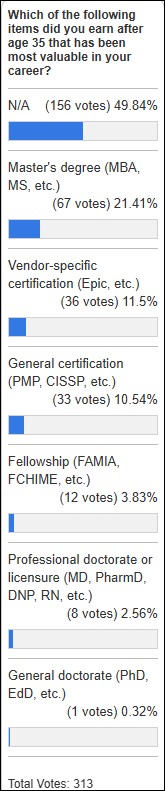
Attention over 35ers – your best option to enhance your health tech career is to earn a master’s degree if you don’t already have one. So say poll respondents, who also credited earning vendor-specific and general certifications for supporting their success. 

New poll to your right or here: How are your employer’s 2025 business prospects looking compared to 2024? You earn bonus karma for leaving a poll comment that explains further.

image

Please join my democracy of dysfunction by spending maybe two minutes on my reader survey. Your anonymous wisdom helps me understand who’s out there. Nearly every improvement I’ve made over the years came from a good citizen who took the time to weigh in. You won’t get an “I Voted” sticker, but you will have earned my appreciation and the right to complain later.

Reminder: “EST” is hibernating until November – it’s “EDT” because we have all agreed to fool ourselves into thinking that clock tampering creates more hours of daylight. Folks in Arizona and Hawaii saw through the nonsense and will continue to enjoy their sunny days on standard time. Spring officially kicks in the morning of March 20, although meteorologists make it easy by proclaiming that March, April, and May are spring months because of weather rather than astronomy. Meanwhile, those who are south of the equator are about to officially hit autumn.
image

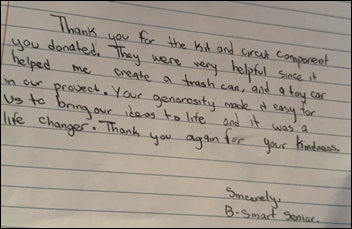
Readers funded the DonorsChoose teach grant request of Mr. P in Brooklyn, who asked for help with a project for his Brooklyn, NY high school physics and robotics classes. He said when he received the materials in November, “It’s hard to put into words how grateful I am for your donation to my project. I am committed to providing students with a relevant STEM curriculum that develops lifelong skills, and it is inspiring to see so many others that share my vision for education. The tools that you have funded will enable students to engage in engineering process and see their CAD designs come to life. Students are incredibly excited to begin the project.“ Which they did, as the above note from a student reports.


image

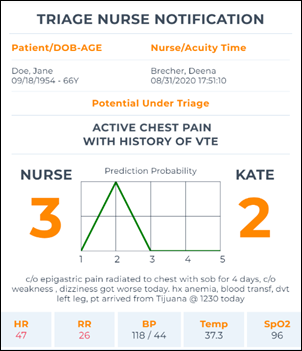
Welcome to new HIStalk Platinum Sponsor Mednition. KATE is an EHR-integrated AI solution that provides 24/7 real-time clinical risk guidance, starting at triage in the emergency room. KATE significantly improves capacity, which reduces wait times, saves lives, and supports a strong 10x ROI, while empowering emergency nurses to optimize patient flow from the point of entry without adding to their workload. KATE Triage serves as a second set of eyes at triage by automatically identifying, prioritizing, and notifying on high-risk patients, with zero workflow changes. KATE Sepsis identifies more patients with sepsis at your front door (up to 2x greater than current standards and before ordering labs), making an immediate and meaningful impact on patient outcomes. Clinical Data Engine provides real-time analytics and research platform for clinicians to search millions of EHR records in seconds, including dynamic free text search. Thanks to Mednition for supporting HIStalk.


Sponsored Events and Resources

Live Webinar: March 20 (Thursday) noon ET. “Enhancing Patient Experience: Digital Accessibility Legal Requirements in Healthcare.” Sponsor: TPGi. Presenters: Mark Miller, director of sales, TPGi; David Sloan, PhD, MSc, chief accessibility officer, TPGi; Kristina Launey, JD, labor and employment litigation and counseling partner, Seyfarth Shaw LLP. For patients with disabilities, inaccessible technology can mean the difference between timely, effective care and unmet healthcare needs. This could include accessible patient portals, telehealth services, and payment platforms. Despite a new presidential administration, requirements for Section 1557 of the Affordable Care Act (ACA) have not changed. While enforcement may unclear moving forward, healthcare organizations still have an obligation to their patients for digital accessibility. In our webinar session, TPGi’s accessibility experts and Seyfarth Shaw’s legal professionals will help you understand ACA Section 1557 requirements, its future under the Trump administration, and offer strategies to help you create inclusive experiences.

Live Webinar: March 27 (Thursday) noon ET. “How to Improve Clinical Workflows with AI Chart Summaries and Risk Predictions.” Sponsor: Health Data Analytics Institute. Presenters: Scott Cullen, MD, senior advisor, Health Data Analytics Institute; David Clain, chief product officer, Health Data Analytics Institute. Learn how the EHR-embedded HDAIAssist tool is transforming the ability of clinicians to pull insights out the mountains of data that have accumulated in the EHR, quickly, accurately, and cost-effectively. HDAlAssist, which is part of HealthVision, the intelligent health management system, combines AI chart summaries and granular risk predictions to quickly inform care planning decisions, especially for the most complex, high-risk patients.

Contact Lorre to have your resource listed.


Acquisitions, Funding, Business, and Stock
image

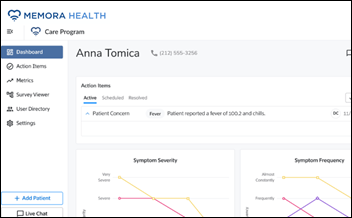
Axios investigates last December’s sale of patient navigation company Memora Health to Commure. It concludes that Memora unloaded at a $30 million fire sale price versus a claimed $430 million valuation, likely because CEO Manav Sevak reportedly had inflated annual revenue of less than $2 million to $20 million. He started the company in 2018 at 21 years old, so he’s still in his late 20s. 


Announcements and Implementations
image

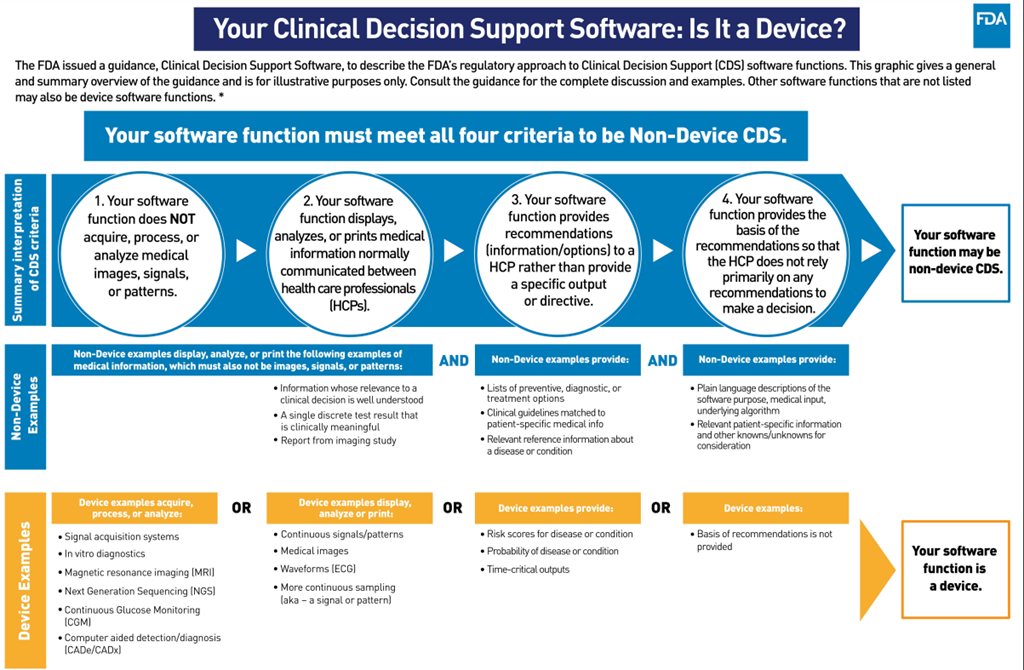
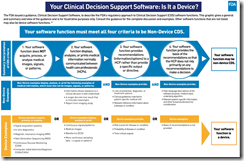
Researchers warn that large language models will readily generate clinical decision support that resembles the output of a medical device even though they don’t have FDA approval. They also found that the output was clinically appropriate. Click the graphic for FDA’s guidance on when clinical decision support software is functioning as a medical device that requires FDA review.


Government and Politics

image

Oregon Health & Science University will pay a $200,000 HHS OCR penalty for taking 16 months to fulfill a patient’s medical records request. OHSU was previously non-compliant with an OCR “technical assistance” warning and tried to blame a business associate, Diversified Business Services, Inc.


Sponsor Updates

  • Elsevier Health launches the HESI Clinical Practice Readiness Assessment, the first standardized, objective, and reliable assessment for faculty to assess the clinical judgment and practice readiness of nursing students.
  • Nordic releases a new episode of its “Designing for Health” podcast featuring Stefanie Simmons, MD.
  • Nym publishes a new case study, “Health System Reduces Costs, Improves Revenue Capture, and Stabilizes DNFB with Autonomous Coding.”
  • Redox releases a new episode of its “Shut the Backdoor” podcast titled “A Hacker’s Welcome – Benefiting from the Bug Bounty.”
  • RLDatix will present at the ACHE Congress March 25 in Houston.

Blog Posts


Contacts

Mr. H, Lorre, Jenn, Dr. Jayne.
Get HIStalk updates.
Send news or rumors.
Follow on X, Bluesky, and LinkedIn.
Contact us.

Morning Headlines 3/7/25

March 6, 2025 Headlines 5 Comments

Oracle’s Federal Electronic Health Record experienced a nation-wide outage

The VA clarifies that an EHR outage earlier this week impacted all federal EHR users, including the VA, DoD, US Coast Guard, and the National Oceanic and Atmospheric Administration.

Lumata Health Secures $23 Million Series B to Expand Access and Adherence to Vision-Saving Care

Eye care management vendor Lumata Health raises $23 million in Series B funding, bringing its total raised to $36 million.

HHS Office for Civil Rights Imposes a $200,000 Penalty Against Oregon Health & Science University for Failure to Provide Timely Access to Patient Records

Oregon Health & Science University will pay a $200,000 penalty for taking over a year to provide a patient with her requested medical records.

VA to complete Federal EHR deployment at nine additional sites in 2026

The VA will implement its Oracle Health-based EHR at nine additional sites next year, bringing the total expected to go live in 2026 to 13.

News 3/7/25

March 6, 2025 News Comments Off on News 3/7/25

Top News

image

Walgreens reaches an agreement to sell itself to private equity firm Sycamore Partners for $10 billion.

Sycamore is expected to keep the core US retail business and then either spin off or sell segments such as the British drugstore chain Boots and its VillageMD primary care business.

The market value of the 120-year-old Walgreens peaked in 2015 at $100 billion.


Reader Comments

From MrCernerPizzaDriver: “Re: Oracle Health. Appears to be having a nationwide outage today [Wednesday] of the OCI Cloud starting around 2:30 PST. Clients are unable to utilize system functionality that converted to the cloud, including scheduling appointments. Cloud is still down as of 4:45 PST.” The downtime was apparently regional rather than national and systems were restored shortly after. The VA says that all six of its medical centers and 26 community clinics that are live on Oracle Health were affected. Online chatter suggests that the problem was related to the installation of a security certificate. Techies, did Oracle Cloud Infrastructure and Autonomous Database save the day here by limiting the impact?


HIStalk Announcements and Requests

image

Welcome to new HIStalk Platinum Sponsor Conduce Health. Conduce leverages the power of AI and advanced data science to provide the tools that health systems and risk-bearing entities need to deliver value-based specialty care. Conduce’s platform uses a proprietary patient cohorting model to predict and identify patient needs and match patients with the right specialty care intervention or specialist at the right time. Conduce also helps its partners build high-performant and aligned specialty networks, or optimize their existing networks with enhanced access to top-performing specialists. Working with accountable care organizations, value-based primary care, health plans, and health systems, Conduce’s novel approach incentivizes value-based alignment, facilitates care coordination, and ensures timely access to high-quality personalized, and affordable specialty care. Thanks to Conduce Health for supporting HIStalk.


image

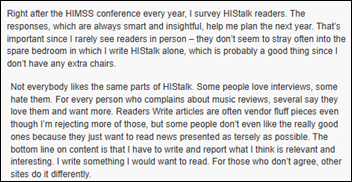
Please complete my quick reader survey, from which I always get ideas for making HIStalk more useful. I’ll post a summary of the results and comments afterward, as I did in the snippet above from a long-ago wrap-up.

Today I learned about the Dead Internet Theory, which claims that most online content is AI-generated, bot-driven, or corporate-controlled to manipulate perception and maximize ad revenue. I would thus propose the Dead Conference Theory, where nobody learns anything at educational conferences because they’re too busy thrusting microphones and cameras at each other, trolling for party invitations, and buffing personal brand.


Sponsored Events and Resources

Live Webinar: March 20 (Thursday) noon ET. “Enhancing Patient Experience: Digital Accessibility Legal Requirements in Healthcare.” Sponsor: TPGi. Presenters: Mark Miller, director of sales, TPGi; David Sloan, PhD, MSc, chief accessibility officer, TPGi; Kristina Launey, JD, labor and employment litigation and counseling partner, Seyfarth Shaw LLP. For patients with disabilities, inaccessible technology can mean the difference between timely, effective care and unmet healthcare needs. This could include accessible patient portals, telehealth services, and payment platforms. Despite a new presidential administration, requirements for Section 1557 of the Affordable Care Act (ACA) have not changed. While enforcement may unclear moving forward, healthcare organizations still have an obligation to their patients for digital accessibility. In our webinar session, TPGi’s accessibility experts and Seyfarth Shaw’s legal professionals will help you understand ACA Section 1557 requirements, its future under the Trump administration, and offer strategies to help you create inclusive experiences.

Live Webinar: March 27 (Thursday) noon ET. “How to Improve Clinical Workflows with AI Chart Summaries and Risk Predictions.” Sponsor: Health Data Analytics Institute. Presenters: Scott Cullen, MD, senior advisor, Health Data Analytics Institute; David Clain, chief product officer, Health Data Analytics Institute. Learn how the EHR-embedded HDAIAssist tool is transforming the ability of clinicians to pull insights out the mountains of data that have accumulated in the EHR, quickly, accurately, and cost-effectively. HDAlAssist, which is part of HealthVision, the intelligent health management system, combines AI chart summaries and granular risk predictions to quickly inform care planning decisions, especially for the most complex, high-risk patients.

Contact Lorre to have your resource listed.


Acquisitions, Funding, Business, and Stock

image

Freed raises $30 million in a Series A funding round. Individual licenses for its ambulatory scribing and documentation solution cost $99 per month and the company offers a live online demo and free trial.

Investment firm General Catalyst loses three managing directors as it expands beyond traditional venture capital and considers an IPO. The company manages $32 billion in assets and is moving into non-venture activities such as acquiring the non-profit health system Summa Health for $485 million. 


Sales

  • Honor Health chooses Five9 as the cloud contact center provider for the patient access center’s move from its legacy on-premise solution.

People

image

Columbus Regional Health (IN) promotes Steve Baker, MBA to president and CEO. He joined the health system as chief technology and information officer in 2016 after holding IT leadership roles at other hospitals, including serving as VP/CIO of East Jefferson General Hospital.

image

Healthlink Advisors promotes Amber Olsen to VP of Epic services.


Announcements and Implementations

Altera Digital Health announces new solutions at HIMSS25 that include ambient documentation for Sunrise, Paragon Denali, and TouchWorks EHR; the Sunrise CarePath patient portal; and Sunrise Health Record HIM solution for integrating unstructured content.

A Vyne Medical survey of 1,000 US adults finds that 29% of experienced prescription delays due to prior authorization, 33% prefer to sign documents that are sent via email or text instead of in person, and 79% have some concerns about using AI to automate healthcare tasks.

image

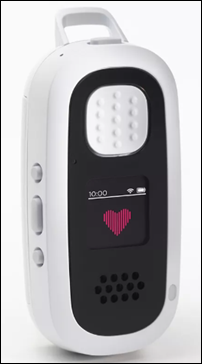
Baxter International-owned Voalte announces a voice-activated badge for care teams.


Government and Politics

Florida’s insurance regulator demands that pharmacy benefit managers submit detailed prescription data, including patient names, birth dates, and doctors visited. The Florida Office of Insurance Regulation requested the information in January to verify PBM compliance with a state drug pricing law. However, privacy experts question whether it really needs fully identifiable patient data and why it wants data about prescriptions that were paid for by federal programs such as Medicare.

image

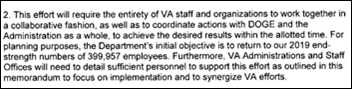
The VA is planning a reorganization that could cut 80,000 jobs in a White House mandate to return headcount its 2019 level.


Other

The post-HIMSS25 comments on LinkedIn of Innsena CEO Leslie Kirk that she titled “Is HIMSS Back?” resonated with me:

  • Everyone has picked a side between ViVE and HIMSS in a rivalry that few care about.
  • Hosted buyer programs, where attendees get in free by agreeing to exhibitor sales pitches, add little value since “none of these people are going to buy, and faking a warm lead is dumb.”’
  • New executive attendees at HIMSS25 enjoyed the parties but found the conference overwhelming and too time-consuming to prepare for, with most planning to opt for smaller events instead.
  • The exhibit hall layout, divided by a sky bridge, likely hurt booth traffic for companies positioned on the far side.

Meanwhile, HIMSS25 attendees, send me your thoughts – best part, worst part, trends that changed since HIMSS24, the impact of not having federal employees involved, and the good rumors or scandalous gossip that your heard.


Sponsor Updates

A group of men holding bags

AI-generated content may be incorrect.

  • Healthcare IT Leaders staff work with United Way of Southern Maine to prepare food for distribution through school pantry programs.
  • Altera Digital Health publishes a new client story, “Phoenix Children’s Hospital extends its reach of care with Altera Digital Health.”
  • FinThrive publishes a new case study, “How a Large Massachusetts Health System Streamlined EHR Consolidation and Claims Management.”
  • Health Data Movers names Aimee Steel (Nordic) recruiter and Abbi Haering (TEKsystems) account manager.
  • Healthcare Growth Partners advises Compliatric on its sale to Ntracts.

Blog Posts


Contacts

Mr. H, Lorre, Jenn, Dr. Jayne.
Get HIStalk updates.
Send news or rumors.
Follow on X, Bluesky, and LinkedIn.
Contact us.

Comments Off on News 3/7/25

Morning Headlines 3/6/25

March 5, 2025 Headlines 1 Comment

Freed Raises $30 Million to Free Clinicians

AI medical scribe startup Freed announces $30 million in Series A funding.

Walgreens Nears Roughly $10 Billion Deal to Go Private

Walgreens inches closer to a take-private deal with Sycamore Partners, with sources saying the acquisition could be announced as soon as tomorrow.

Spokane VA Hospital’s health record outage prompts investigation

Oracle Health investigates yesterday’s system outage at six VA medical centers and 26 clinics.

Healthcare AI News 3/5/25

March 5, 2025 Healthcare AI News Comments Off on Healthcare AI News 3/5/25

News

Microsoft announces Dragon Copilot, a voice assistant that is designed for ambient documentation, task automation, information retrieval from trusted medical sources, and AI-powered document generation.

image

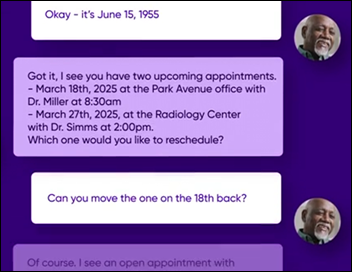
Talkdesk announces AI-powered healthcare contact center agents that can schedule appointments, verify benefits and prior authorizations, and manage prescription refills, all in any language.

image

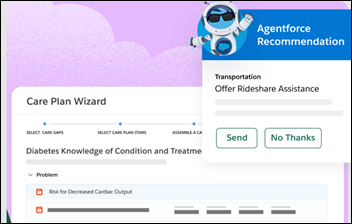
Salesforce announces pre-built healthcare AI agents that include provider search and scheduling, care coordination, benefits verification, and customer service.

image

Google Cloud enhances its Vertex AI Search for healthcare to allow searching tables, charts, and diagrams. Meditech is using Vertex AI Search in Expanse and will implement the new capability.

Mednition develops an AI-powered sepsis detection model with 95% sensitivity and 96% specificity. The company’s AI platform has received FDA Breakthrough Device designation.


Research

Researchers suggest that clinical AI systems should replicate the collaborative approach of multidisciplinary medical teams to enhance trust. They note that clinicians focus on high-level concepts rather than data details when communicating, such as a dermatologist who talks about mole characteristics rather than image pixels. 


Other

Health authorities in China’s Hunan province ban telehealth doctors from using AI to generate prescriptions. Online providers must connect to the province’s electronic prescribing system and verify their identities to document that they are delivering their services personally.


Contacts

Mr. H, Lorre, Jenn, Dr. Jayne.
Get HIStalk updates.
Send news or rumors.
Follow on X, Bluesky, and LinkedIn.
Contact us.

Comments Off on Healthcare AI News 3/5/25

From HIMSS with Dr. Jayne 3/4/25

March 5, 2025 Dr. Jayne Comments Off on From HIMSS with Dr. Jayne 3/4/25

Although Monday had been overcast, Tuesday dawned clear and cool but without the winds of the weekend. After declining the $14 croissant at my hotel, I found a nearby Dunkin where I could satisfy my sweet tooth via a donut with spring-themed sprinkles. It was a quick walk to the convention center, and from what I understand, that took about half the time that it took to arrive on the HIMSS-sponsored shuttles.

image

I had a chance to visit with Edifecs #2451about their #WhatIRun campaign. This year’s shirts feature Audrey Hepburn. I enjoyed hearing about the company’s efforts to empower women in the workplace and around the world. They’re a friendly bunch and great to talk to, so be sure to drop by.

From there, I was off to meetings with clients and prospects. I made a few key introductions that will hopefully turn into future engagements. Although organizations have been fairly conservative in their spending lately, they are realizing that optimization and adoption projects have value, and if they are able to keep physicians from burning out, the cost savings can be enormous. As a boutique consultancy, I’m significantly more cost-effective than the big firms, so hopefully that will resonate as well.

image

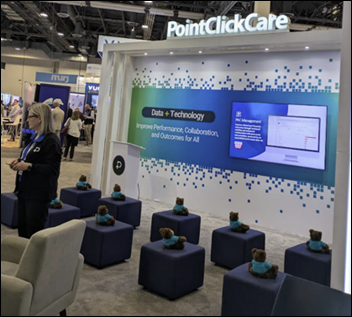
The day was also full of booth visits. I thoroughly enjoyed my visit at PointClick Care #3454. Their rep, Tasha, is an emergency department nurse who clearly gets it as far as understanding how their solution can play a role in healthcare. The demo data they were using sent me right back to the days when I was working in the ER. She also was able to banter back and forth with my physician colleague even though we took her well off script, which is refreshing to see. Their demo data was great with a realistic portrayal of the patient journey, rather than a sanitized one, and I was glad to see their level of detail. It’s a slick solution to help clinicians understand where their patients might be seeking care other than with them. If you’re in the market for a tool that can bridge across disparate EHRs and other data sources to help you get a single picture of the patient, it’s worth a look.

If you’re less interested in tracking your patients outside of the hospital and more interested in knowing where they are within your brick and mortar establishment, I enjoyed learning about Kontakt.io #2250. They have what I can only describe as an RTLS on steroids, with the ability to track patients, staff, equipment, or any other assets using a variety of disposable or durable sensors. It made me reminisce about my days performing hospital rounds, when you could never guarantee the patient would be in their room and sometimes had to go back multiple times during the day to try to find them. The idea of using AI to take that RTLS data and do things like creating intelligent rounding lists has huge potential. Props also to the booth team that was clear, concise, and hospitable as they invited us to step out of the aisle and onto their plus carpet, which was much appreciated since we were well into a long day.

image

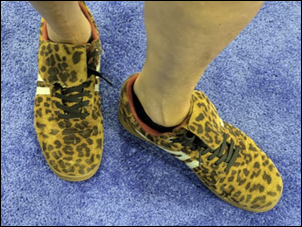
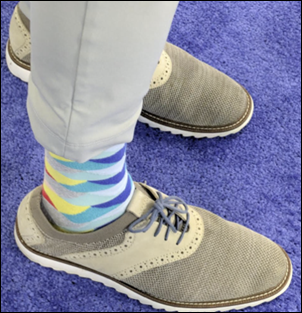
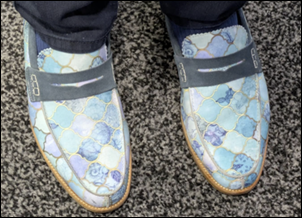
The footwear game was strong in the exhibit hall. I was envious of these animal print kicks.

image

Lightbeam Health had new corporate hosiery.

image

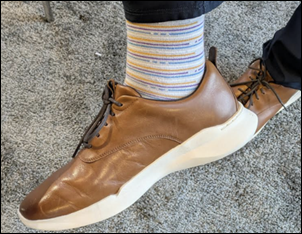
Relatient snuck in with a sharp shoe/sock combo.

image

Ultimately, however, the team from IMO won the day with this amazing entry.

image

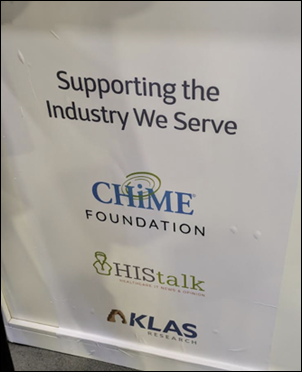
I was happy to see sponsor CTG showing off their HIStalk credentials.

image

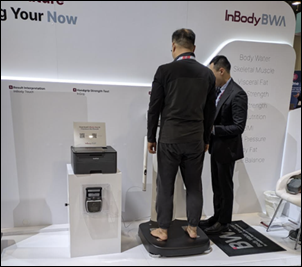
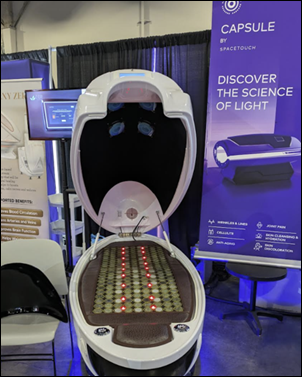
I found a corner of the exhibit hall that had edgier clinical solutions than I’m used to seeing at HIMSS. I declined the offer to stand barefoot on the body water analysis sensors even though they were being wiped down between patrons.

image

This vibrating light therapy cocoon was enticing, but I again took a pass.

image

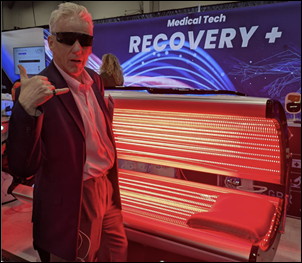
Dr. Nick van Terheyden @drNic1 was brave and took the plunge in a red light therapy bed. He and I had a great time strolling through the booths looking at things like smart medication boxes to better enable remote patient monitoring, and of course, all things AI.

image

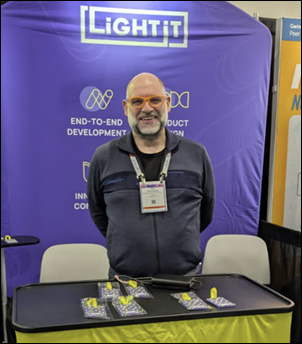
We were both impressed by the rep from Lightit.io, who engaged us and drew us into a conversation. It’s good to see sales pros on the floor. I liked their kicky luggage tags, which was the only piece of swag I picked up today.

image

The best booth of the day, however, was this one that was populated only by a screaming fax machine. It was attention-grabbing and nostalgic at the same time.

The day ended with some in-booth happy hours, and after that, I was ready for rest. Hopefully the rest of the trip to HIMSS will be as productive as Tuesday was.

Comments Off on From HIMSS with Dr. Jayne 3/4/25

Morning Headlines 3/5/25

March 4, 2025 Headlines Comments Off on Morning Headlines 3/5/25

23andMe rejects CEO’s second take-private offer

The board of 23andMe rejects the take-private proposal of CEO Anne Wojcicki, who had reduced her proposed price from last month by 84%.

Ntracts Acquires Compliatric, Expands Capability to Support Administrative Compliance Needs in Healthcare

Ntracts, a healthcare contract lifecycle management company based in Tennessee, acquires healthcare regulatory, accreditation, and compliance management technology vendor Compliatric.

Bluebird Kids Health Raises $31.5M to Transform Value-based Pediatric Care

Tech-enabled pediatric practice Bluebird Kids Health (FL) announces $31.5 million in new funding.

Familiar face in the tech policy office

HHS/ASTP appoints Steven Posnack, MS, MHS as acting head of ASTP/ONC.

Comments Off on Morning Headlines 3/5/25

News 3/5/25

March 4, 2025 News Comments Off on News 3/5/25

Top News

image

Clearlake Capital acquires a majority stake in specialty-focused health IT vendor ModMed from Warburg Pincus in a deal that values the company at $5.3 billion.

Warburg Pincus first invested in ModMed eight years ago and considered selling its stake in 2022, the same year in which the vendor paid $45 million to settle a 2017 whistleblower lawsuit.


Reader Comments

From Joyful Noise: “Re: HIMSS25. Hal Wolf reports 28,600 in attendance, 11,000 of them non-vendors.”

From Dr. Anton Phibes: “Re: health stations. Here we go again. Is anybody making money off these or improve patient access or care?” Predictmedix AI launches Smart Health AI Stations for the US market, hiring an outside marketing firm to sell devices that don’t yet exist while hoping to generate interest in demos of the 10 units it apparently hasn’t yet built (thus no photos, even a mock-up). The company seems too busy to post product details — or even its own press release — on its website. Its marketing partner, best known for car fleet management, has also dabbled in COVID-19 disinfection tech and pharmacogenomic testing for seniors. The market has repeatedly expressed its lack of interest in these health telephone booths, even when sold by companies with far better odds than this one.

image

From No HIMSS For Me: “Re: HIMSS25. The federal government has cancelled all travel, and by extension, participation in HIMSS. This follows the abrupt ‘retirement’ of the DHA director that was announced the same day.” Army Lt. Gen. Telita Crosland, MD, MPH, MS, the top official in the Defense Health Agency, retired (reportedly not voluntarily) after 32 years in Army Medicine. She oversaw the MHS Genesis rollout.


HIStalk Announcements and Requests

Please take a couple of minutes to fill out my anonymous HIStalk Reader Survey. It’s the only way I can understand my audience, plus I always get good content ideas from the ideas of respondents.

Get in touch: become a sponsor, receive email updates, or contact Mr. H.


Sponsored Events and Resources

Live Webinar: March 20 (Thursday) noon ET. “Enhancing Patient Experience: Digital Accessibility Legal Requirements in Healthcare.” Sponsor: TPGi. Presenters: Mark Miller, director of sales, TPGi; David Sloan, PhD, MSc, chief accessibility officer, TPGi; Kristina Launey, JD, labor and employment litigation and counseling partner, Seyfarth Shaw LLP. For patients with disabilities, inaccessible technology can mean the difference between timely, effective care and unmet healthcare needs. This could include accessible patient portals, telehealth services, and payment platforms. Despite a new presidential administration, requirements for Section 1557 of the Affordable Care Act (ACA) have not changed. While enforcement may unclear moving forward, healthcare organizations still have an obligation to their patients for digital accessibility. In our webinar session, TPGi’s accessibility experts and Seyfarth Shaw’s legal professionals will help you understand ACA Section 1557 requirements, its future under the Trump administration, and offer strategies to help you create inclusive experiences.

Live Webinar: March 27 (Thursday) noon ET. “How to Improve Clinical Workflows with AI Chart Summaries and Risk Predictions.” Sponsor: Health Data Analytics Institute. Presenter Scott Cullen, MD, senior advisor, Health Data Analytics Institute. Learn how the EHR-embedded HDAIAssist tool is transforming the ability of clinicians to pull insights out the mountains of data that have accumulated in the EHR, quickly, accurately, and cost-effectively. HDAlAssist, which is part of HealthVision, the intelligent health management system, combines AI chart summaries and granular risk predictions to quickly inform care planning decisions, especially for the most complex, high-risk patients.

Contact Lorre to have your resource listed.


Acquisitions, Funding, Business, and Stock

The board of 23andMe rejects the take-private proposal of CEO Anne Wojcicki, who had reduced her proposed price from last month by 84%. Shares dropped hard on the news,taking the company’s market cap down to $37 million.

CareCloud acquires Mesa Billing as it restarts its acquisition strategy for aggressive expansion.


Sales

  • Summa Health (OH) will adopt Clearsense’s 1Clearsense data-enablement platform.
  • League will add longitudinal patient data from Arcadia to its healthcare consumer experience platform.
  • Signature Healthcare (MA) selects Health Catalyst’s Ignite data and analytics software.
  • LucidHealth (OH) will replace its legacy PACS system with Visage Imaging’s Visage 7 Enterprise Imaging Platform.
  • Suki will incorporate Wolters Kluwer Health’s UpToDate clinical decision support capabilities into its ambient clinical documentation assistant.
  • Emory Healthcare chooses Atropos Health to generate evidence from real-world data.

People

image

Ellkay promotes President Ajay Kapare, MBA to the additional role of CEO.

image

Volpara Health Chief Customer and Financial Officer Craig Hadfield will become CEO April 1.

image

Dan Zamansky, MBA (Amazon) joins Amwell as chief product and technology officer.

image

EHealth Technologies names Ken Wolf as chief commercial officer.

image

DirectTrust names Lisa Nelson, MS, MBA (ADVault) chief technical officer.

image

Inovalon names Adam Kansler, JD (S&P Global) CEO.

image

HHS/ASTP appoints Steven Posnack, MS, MHS as acting head of ASTP/ONC.

image

Augusta Health (VA) promotes Leigh Williams, MHIIM to VP/CIO.


Announcements and Implementations

image

Beginning next week, NYU Langone Health patients will be able to verify their identity upon check-in using Amazon One palm-scanning technology integrated with the hospital’s Epic software. The health system is the first healthcare organization to deploy the technology. It plans to implement the feature across its facilities by the end of the year.

Harmony Healthcare IT announces GA of ClearWay, an AI-based solution that automates the abstraction and submission of clinical registry data.

Microsoft launches Microsoft Dragon Copilot, a clinical workflow assistant that combines the capabilities of Dragon Medical One and DAX Copilot. Capabilities include ambient note creation, AI-powered medical information searches, and automation of tasks such as referral letters and after-visit summaries.

Stryker announces a badge communication device for care team members. The company acquired Vocera for $3 billion in early 2022.

Emory Healthcare (GA) pilots Atropos Health’s evidence-generation platform as part of a new clinical decision-making tool.

image

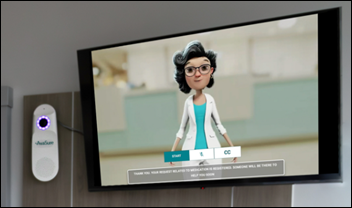
AvaSure launches Virtual Care Assistant, which receives and routes inpatient requests for assistance.

Cisco will integrate Webex Contact Center with Epic.

InterSystems launches IntelliCare, which brings AI capabilities to its TrakCare EHR that is sold outside the US.


Government and Politics

image

The Advanced Research Projects Agency-Health (ARPA-H) selects Planned Systems International to support the design of a new electric vehicle-based care delivery platform that incorporate networked medical devices and virtual care capabilities to improve healthcare access for rural patients.


Sponsor Updates

  • Waystar launches Auth Accelerate to automate the authorization submission process.
  • CliniComp wins a Platinum Pinnacle Award in the trailblazer in healthcare technology category.
  • Meditech introduces new intelligent workflows to its Traverse Exchange interoperability network.
  • A new FinThrive survey highlights the top three actions that healthcare organizations are taking in light of an escalation in industry cyberattacks.
  • Symplr launches its SymplrAI Evidence Analysis chatbot as a part of its new Operations Platform.
  • Frost & Sullivan honors DrFirst with its Enabling Technology Leadership Award.
  • Meditech collaborates with Google Cloud to bring the latest advancements in multimodal AI to its Expanse EHR.
  • Surescripts publishes its “2024 Annual Impact Report,” noting that it exchanged patient clinical and benefit information 27.2 billion times, a 14.2% increase over the prior year.
  • Capital Rx releases a new episode of “The Astonishing Healthcare Podcast” titled “Medicare Star Ratings: Updates, How Judi Helps, and More, with Angela Kalantarova, PharmD.”
  • Philips Capsule Surveillance wins a User Experience Design – IF Design Award.
  • Clearwater will sponsor McDermott Will & Emery’s HPE Miami 2025 March 5-6.
  • CloudWave announces it is using Google Security Operations to enhance its managed Cybersecurity as a Service and Medical Device Security offerings.
  • Elsevier announces enhancements to ClinicalKey AI clinical decision support solution, including new integrations with Epic and DrFirst’s IPrescribe software.

Blog Posts


Contacts

Mr. H, Lorre, Jenn, Dr. Jayne.
Get HIStalk updates.
Send news or rumors.
Follow on X, Bluesky, and LinkedIn.
Contact us.

Comments Off on News 3/5/25

From HIMSS with Dr. Jayne 3/3/25

March 4, 2025 Dr. Jayne Comments Off on From HIMSS with Dr. Jayne 3/3/25

 image

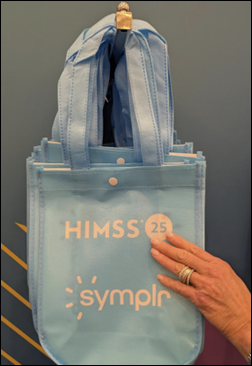
It was a chilly opening day at HIMSS, punctuated by high winds and a splash or two of rain. The check-in process was smooth for those of us who had our barcodes at the ready. This year’s conference bag is definitely on the smaller side, with my hand model noting that it would probably make a good lunch bag.

Temperatures were in the low 60s, and people were fairly bundled up for the outdoor opening reception. HIMSS is under new management and the opening event wasn’t its finest effort from a food and beverage standpoint. Offerings were minimal (sliders, spring rolls, hummus cups with vegetables that weren’t long enough to scoop the hummus) and ran out early. Napkins and utensils were nonexistent.

Lines were long and the buffets frequently ran out of food, waiting for staff to bring more trays. Having worked as a “cater waiter” in a past life, it’s easier to work an indoor conference space because there are usually access hallways that let you replenish food from multiple points. In this arrangement, staff had to wade through the crowds to bring food to the buffets and could only do so from one side of the venue.

The entertainment consisted of circus-type acts and a band, which was good but so loud you couldn’t have any kind of sustained conversation despite the outdoor location. The hula hooping dancer was good, as was the performer in the mirrored suit balancing on a giant ball that he rolled throughout the venue.

As the evening unfolded, it became apparent that there weren’t enough trash receptacles or bus trays for people to drop off their plates, so they were piling them up underneath serving tables and on lighting stanchions. It felt more like a trip to the ballpark than a professional networking event. It’s a good thing the entertainment was solid because that distracted people from the fact that the food serving tables were broken down before the reception was even over.

Overall, I give the event space (which was basically a large concrete patio adjacent to the High Roller observation wheel) a B-minus and the food and beverage a solid C.

 image

A reader shared this pic from inside the exhibit hall during setup. It looks like Epic’s iconic hanging butterfly artworks travel in style. I’ve been backstage at other trade shows but never at HIMSS, and from what I understand it’s a mammoth effort to get it all together. Can’t wait to see it in person tomorrow!

Email Dr. Jayne.

Comments Off on From HIMSS with Dr. Jayne 3/3/25

Morning Headlines 3/4/25

March 3, 2025 Headlines Comments Off on Morning Headlines 3/4/25

CareCloud Reignites Acquisition Strategy with MesaBilling Acquisition

Ambulatory health IT vendor CareCloud acquires MesaBilling as part of a renewed acquisition push.

Amazon One introduced at NYU Langone Health facilities to improve check-in for its millions of patients

NYU Langone Health patients will soon be able to check in using Amazon One palm scanning technology integrated with the hospital’s Epic system.

Accelerating Rural Access to Distributed and InteGrated Medical Care (PARADIGM) program to Develop Revolutionary Mobile Healthcare Solution

The Advanced Research Projects Agency-Health selects Planned Systems International to support the design of a new mobile care delivery platform incorporating networked medical devices and virtual care capabilities to improve healthcare access for rural patients.

Comments Off on Morning Headlines 3/4/25

Curbside Consult with Dr. Jayne 3/3/25

March 3, 2025 Dr. Jayne 3 Comments

One of my areas of focus this year is trying to be more mindful of the time that I spend online. It has been a challenging goal, because as a healthcare IT consultant, staying up to date on the industry is a major part of my job.

With that in mind, it’s more about using resources effectively and not being sucked into clickbait headlines or stories that aren’t going to somehow contribute to projects that I’m working on or knowledge I need to obtain. I spend a great deal of time following developments in AI since that’s a key topic for my clients. Still, it’s hard to keep up on everything even with search alerts and my own AI tools in support of those efforts.

I’ll admit I missed the introduction of HR 238, the Healthy Technology Act of 2025 that was introduced at the beginning of January. The bill was referred to the House Committee on Energy and Commerce, and if passed, it would amend the Food, Drug and Cosmetic Act to pave the way for artificial intelligence solutions to serve as practitioners, prescribing medications as long as states authorize the practice and it is approved by the US Food and Drug Administration.

Although there are AI solutions out there that are looking at delivering diagnosis information based on a clinical picture, and those that can suggest appropriate prescriptions based on drug data, I haven’t seen anything that pulls it all together in a cohesive fashion even at a base level. I definitely haven’t seen anything that also pulls in data on drug pricing, patient values, habits, and preferences, or any of the other dozen or so things that physicians regularly consider when we’re deciding which potential treatments to discuss with our patients.

Even if we had great AI tools that could cut through all of the data and noise that are out there, there’s also the human element of creating a therapeutic alliance with a patient and understanding how various comorbid conditions might impact a treatment that we’re suggesting.

Let’s take a simple example, like recommending that a woman over a certain age gets a certain amount of calcium every day. That’s a very simple recommendation that most EHRs can prompt us to do based on simple rules. First we need to assess the patient and determine if they’re already at goal, which may require teaching them about calcium in their diet and how to track it, plus motivating them to do so. If you have a motivated patient, they might track it for a week or two, but most tend to taper off.

Now let’s think about a patient who isn’t motivated to be concerned about their calcium intake. Maybe it’s a patient who is grappling with depression, anxiety, or worries that they’re going to lose their job. They might also have other health issues that are higher priority, such as the need to follow up on an abnormal cervical cancer screening test or to address high blood pressure that puts them at risk for heart disease. Add in the fact that they have a high-deductible insurance plan with crummy coverage that makes it difficult for them to afford the care they need and you have a recipe for a low likelihood to actually drive a change with that patient.

These are the situations that AI really isn’t equipped to address and that make up a good part of what many of us consider the “art” part of practicing medicine. Another important element of clinical care is managing the next steps after a recommendation fails.

Let’s take our calcium recommendation as our example again. Assuming we have a motivated patient who has tracked her diet, figured out she needs a supplement, and buys one after asking friends for recommendations. After a week of trying it, she’s having daily nausea and wants to talk to someone about strategies to either make it more tolerable for her to take the supplement or about recommendations for a different supplement. Is AI going to be ready to field those follow up questions, or will it be one more thing for a busy primary care physician to follow up on, but this time without the benefit of context and conversation at the time the medication was initially prescribed, like we have now?

Of course, this is just a very simple example, involving an over-the-counter dietary supplement and not even a prescription medication, but if we don’t have solutions that can handle straightforward clinical scenarios, we’re certainly not ready to be discussing actual prescriptive authority.

If we think that there is a shortage of people who can prescribe, there are other options out there that have good data behind them, such as expanded prescriptive authority for pharmacists who are managing specific conditions that range from smoking cessation to anticoagulation management. It’s tempting to just throw AI solutions at problems when we forget that there are already options that we haven’t taken advantage of, which helps remind us that we’re all likely suffering a bit from so-called “shiny object syndrome.” Not to mention that when one has a hammer, everything tends to look like a nail. Similarly, when people are dumping millions into AI solutions, it’s tempting to try to deploy them in places they don’t belong.

As for this particular bill, I don’t personally see it going anywhere anytime soon, based on some of the other priorities in government at the moment.

Speaking of priorities, I’m making my last-minute plans for HIMSS and trying to decide what makes the cut for my packing list, since temperatures are looking a little cooler than I had hoped. Still, it will be better than the freezing weather we’ve had in the Midwest for the last several weeks, so I’ll take the mid-40s to mid-60s any day. I’m looking forward to getting some much-needed sunshine (albeit through the screen of my usual SPF 50) as well as being out and about during the day rather than having to stay close to my desk for meetings and calls. I can’t wait to see my favorite HIMSS booth crawl buddies and to see what the wild and wacky world of healthcare IT has to offer us this year.

What are you looking forward to at HIMSS? Or are you happy to be at home while others brave the smoky casinos and hustlers handing out stripper cards? Leave a comment or email me.

Email Dr. Jayne.

Readers Write: From “Make It Work” to “It Actually Works”: App Rationalization as a Bridge to the Technologies of Tomorrow

March 3, 2025 Readers Write Comments Off on Readers Write: From “Make It Work” to “It Actually Works”: App Rationalization as a Bridge to the Technologies of Tomorrow

From “Make It Work” to “It Actually Works”: App Rationalization as a Bridge to the Technologies of Tomorrow
By  Wes Gattis, RN

Wes Gattis, RN is director of health informatics solutions at Cordea Consulting.

image

Healthcare IT has long been a patchwork of legacy systems, quick fixes, and digital duct tape. Over time, hospitals and health systems accumulate an overwhelming number of applications, each added with the best intentions but rarely assessed holistically. The result? Bloated tech stacks, hidden security risks, and skyrocketing maintenance costs.

App rationalization isn’t just a cleanup exercise. It’s a strategic approach to aligning IT investments with healthcare organizations’ business and clinical goals. By evaluating, consolidating, and modernizing applications, CIOs can unlock efficiencies, enhance security, and redirect budgets toward innovation.

Why App Rationalization Matters in Healthcare

Hospitals and health systems often inherit an unwieldy IT environment through years of incremental purchases, mergers, and regulatory shifts. This creates significant challenges:

  •  Excessive IT costs. Licensing, maintenance, and support costs add up quickly when hospitals run redundant or outdated applications.
  • Cybersecurity risks. Legacy systems often lack modern security protocols, making them prime targets for ransomware and data breaches.
  • Operational inefficiencies. Poorly integrated applications lead to fragmented workflows, duplicated efforts, and user frustration.
  • Lack of interoperability. When systems can’t communicate, it hinders data sharing and coordinated patient care.
  • Regulatory compliance risks. Outdated applications may not comply with evolving HIPAA, CMS, and ONC requirements.

App rationalization addresses these pain points by eliminating redundancy, improving system performance, and ensuring that T investments align with clinical and operational priorities.

Key Benefits of App Rationalization

Hospitals and health systems can realize several critical advantages through a five-step structured app rationalization effort:

  • Cost savings. Reducing redundant applications lowers licensing fees, support costs, and infrastructure expenses.
  • Improved performance. Optimized IT environments improve response times, uptime, and overall system reliability.
  • Stronger security and compliance. Eliminating obsolete applications minimizes vulnerabilities and enhances regulatory adherence.
  • Better user experience. Clinicians and administrative staff benefit from streamlined workflows, reducing frustration and inefficiencies.
  • Scalability and innovation. Freeing up budget and IT resources allows organizations to invest in forward-looking initiatives such as AI, cloud computing, and population health analytics.

A Step-by-Step Guide to App Rationalization

A successful app rationalization effort follows a structured approach:

  1. Inventory and categorize applications. Start by creating a comprehensive inventory of all applications used across the organization. Document key details such as application owner, user base, licensing costs, usage frequency, and integration dependencies.
  2. Assess business and clinical value. Evaluate each application based on its contribution to clinical workflows, operational efficiency, and alignment with organizational goals. Rank applications using a simple framework. Keep high-value applications that are essential to operations. Replace outdated but necessary applications requiring upgrades. Consolidate redundant applications that can be merged. Retire obsolete applications that no longer provide value.
  3. Analyze costs and security risks. Perform a total cost of ownership (TCO) analysis, factoring in licensing, maintenance, and infrastructure costs. Assess security risks that are associated with legacy applications, especially those that are no longer receiving vendor support.
  4. Develop a future state architecture. Map out a streamlined IT environment that eliminates redundancies, enhances interoperability, and aligns with strategic objectives. Establish technology standards, cloud strategies, and integration frameworks.
  5. Implement and optimize. Execute the rationalization plan in phases to minimize disruption. Prioritize applications that pose the highest security risks or yield the greatest cost savings. Continuously monitor system performance and user satisfaction.

Best Practices for App Rationalization Success

App rationalization best practices include:

  • Engage key stakeholders early. Seek input from clinicians, administrators, and IT leaders to ensure that rationalization efforts support real-world workflows.
  • Leverage data-driven decision-making. Use analytics to assess application utilization, costs, and user feedback.
  • Prioritize interoperability. Ensure that remaining applications integrate seamlessly to support coordinated care and data exchange.
  • Review regularly. Reassess the IT environment at least annually to prevent future system bloat and inefficiencies.

A Special Note About Organizational Change Management

Organizational change management (OCM) is often overlooked in an application rationalization effort, but its impact on the effort’s success can’t be overstated. A well-planned OCM strategy ensures that key stakeholders, from IT teams to clinicians and administrative staff, are engaged from the outset, understand the rationale behind changes, and receive necessary support throughout the transition.

Resistance to change is a major hurdle in any IT initiative, and proactive communication, training, and leadership alignment are essential to overcoming it. By embedding OCM practices early in the process, organizations can increase adoption, minimize disruptions, and maximize the benefits of their rationalization efforts.

Moving Forward: Beyond “Make It Work”

Healthcare IT can no longer afford to operate under the “just make it work” mentality. The shift toward value-based care, digital transformation, and patient-centric models requires IT environments that are lean, secure, and adaptable.

Through application rationalization, hospitals and health systems can shed unnecessary complexity, enhance security, and redirect valuable resources toward technologies that drive better patient outcomes. It’s time to build IT ecosystems that actually work.

Comments Off on Readers Write: From “Make It Work” to “It Actually Works”: App Rationalization as a Bridge to the Technologies of Tomorrow

Morning Headlines 3/3/25

March 2, 2025 Headlines Comments Off on Morning Headlines 3/3/25

Clearlake to buy majority stake in ModMed that values it at $5.3bn

Clearlake Capital is reportedly preparing to acquire specialty-focused health IT vendor ModMed from Warburg Pincus.

Minister Carroll MacNeill launches the new HSE Health App

Ireland’s Health Service Executive launches a health app that allows patients to maintain a medical list, store health-related ID cards, access vaccination records, and search for HSE services.

The next chapter: Moving from Skype to Microsoft Teams

Microsoft encourages Skype users to transition to Microsoft Teams before it retires the video call application in May.

Comments Off on Morning Headlines 3/3/25

Monday Morning Update 3/3/25

March 2, 2025 News 7 Comments

Top News

image

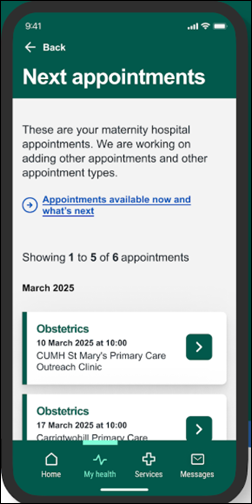
Ireland’s Health Service Executive launches a health app that allows patients maintain a medical list, store health-related ID cards, access vaccination records, and search for HSE services.

Planned enhancements for this year include appointment scheduling and checking referrals and wait times.


HIStalk Announcements and Requests

image

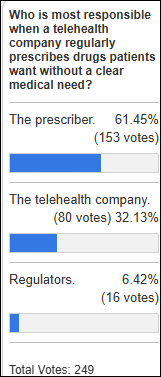
The majority of poll respondents say that prescribers, regardless of the terms under which they earn a telehealth paycheck, are most to blame for irresponsible prescribing. I’m finishing the Pulitzer-winning novel “Demon Copperhead” and its depiction of opioid overprescribing and harm in Appalachia – not to mention that of the foster care system – supports the “people suck” argument.

New poll to your right or here: Which of the following items did you earn after age 35 that has been most valuable in your career? It’s perfectly fine to choose the “N/A” option if you didn’t earn one of the listed choices. I’ll run a variation next week titled, “Which of your credentials has provided the least career benefit relative to the time and effort required?”

It’s HIMSS25 week, where the official tagline of “where visionaries unite to revolutionize healthcare” translates to “I would stay home if it wasn’t for the parties and personal networking that my employer pays for;” AI will once again fix everything; and meaningful improvements in cost and outcomes are, like “free beer tomorrow,” always a year away. Attendees, half of whom will be hosting or guesting in a podcast or video, will see highs in the low 60s, lows in the mid-40s, and zero rain (because, desert). Peruse my guide for HIStalk sponsor presentations, parties, and private meeting options. Last year’s event pulled in 26,800 registrants and 971 exhibitors, and my rough exhibitor count for HIMSS25 is 940. I wish you safe travels and achievement of whatever HIMSS25 goals you are pursuing.

Expect a minimal dribble of news items Monday (and now, in fact) as vendors sit on their announcements until the HIMSS exhibit hall opens on Tuesday.


Sponsored Events and Resources

Live Webinar: March 4 (Tuesday) noon ET. “Securing a competitive edge in value-based care with AI: Data-driven strategies for enhancing returns across MA, ACO and Commercial programs.” Sponsors: Navina, AMGA. Presenters: Dana McCalley, MBA, VP of value-based care, Navina; Ron Rockwood, executive director of value-based care, Jefferson City Medical Group; Jonathan Meyers, CEO, Seldon Health Advisors. As value-based care models evolve, healthcare organizations must leverage AI to stay competitive and drive better financial and clinical outcomes. This webinar offers data-driven strategies for improving risk adjustment accuracy, optimizing risk stratification, and streamlining clinical and administrative workflows. You’ll walk away with proven techniques for measuring and quantifying the impact of your value-based care initiatives across your organization

Live Webinar: March 20 (Thursday) noon ET. “Enhancing Patient Experience: Digital Accessibility Legal Requirements in Healthcare.” Sponsor: TPGi. Presenters: Mark Miller, director of sales, TPGi; David Sloan, PhD, MSc, chief accessibility officer, TPGi; Kristina Launey, JD, labor and employment litigation and counseling partner, Seyfarth Shaw LLP. For patients with disabilities, inaccessible technology can mean the difference between timely, effective care and unmet healthcare needs. This could include accessible patient portals, telehealth services, and payment platforms. Despite a new presidential administration, requirements for Section 1557 of the Affordable Care Act (ACA) have not changed. While enforcement may unclear moving forward, healthcare organizations still have an obligation to their patients for digital accessibility. In our webinar session, TPGi’s accessibility experts and Seyfarth Shaw’s legal professionals will help you understand ACA Section 1557 requirements, its future under the Trump administration, and offer strategies to help you create inclusive experiences.

Contact Lorre to have your resource listed.


Acquisitions, Funding, Business, and Stock

image

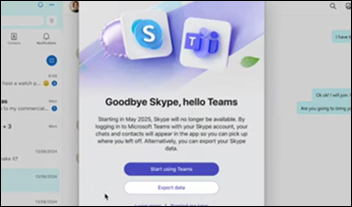
Microsoft will retire Skype in May. Skype users can log in to Microsoft Teams for free using their Skype login, which will import their Skype chats and contacts. Skype usage peaked in 2016 with 300 million users, but 90% of those have since moved on. Hopefully the Teams switchover will be smooth for any remaining providers who have been using Skype to deliver virtual visits.


Sales

  • AdventHealth will implement Hellocare.ai for in-room virtual care.
  • Alaska Behavioral Health chooses Netsmart CareFabric and will adopt its Bells AI ambient documentation solution.

People

image

Jackson Hospital and Clinic (AL), which filed Chapter 11 bankruptcy last week, names Maureen Gaffney , DHSc, MS, RN (Gaffney Consulting Group) as CIO.

image

SureTest promotes Phillip Furukawa to chief revenue officer.


Announcements and Implementations

image

Epic will hold a one-day Open@Epic conference on its Verona campus on September 25. Anyone who wants to connect an app or service to Epic is invited. Sessions will cover FHIR, standards, and an overview of Epic’s interoperability programs and roadmap.

image

HIMSS recognizes Mednition’s KATE AI’s nurse-empowering patient flow solution as “Best in Show” in its hospital capacity innovation challenge.

Preventive health and diagnostics clinic Biograph launches, offering a range of diagnostic and longevity-focused tests. Core members pay $7,500 annually for lipid testing, body composition analysis, hereditary screenings, and neurocognitive assessments. The $15,000 Black membership adds dementia risk assessment, sleep apnea screening, coronary angiography, and personalized exercise and nutrition coaching.

image

Salesforce announces pre-built healthcare AI agents that include provider search and scheduling, care coordination, benefits verification, and customer service.


Privacy and Security

Canada’s Island Health is investigating an hour-long outage of its Oracle Health-hosted EHR on Tuesday. Oracle Health was recently named in a leaked chat log of a Russian ransomware hacker group.


Other

image

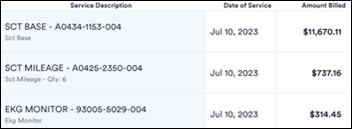
Hospital ED doctors tell a San Francisco man who had been in a biking accident that he needs to be checked out by a trauma center, which requires a six-mile ambulance ride. Trauma doctors found no need for further treatment and sent him home. He was billed $13,000 for the out-of-network ride from AMR, which is owned by a private equity-backed parent company that runs ambulance, fire, and air transport services. Complaints and media attention led to his share of the cost being waived, but the article notes that the federal No Surprises Act excludes ground ambulances.


Sponsor Updates

  • Inovalon announces that its Patient Payment Management and Patient Statement Management solutions are now available on the PointClickCare Marketplace.
  • Nym becomes a sponsor of the Tennessee Health Information Management Association.
  • Optimum Healthcare IT expands its CareerPath program into Canada.
  • Redox releases a new episode of its “Shut the Back Door” podcast titled “The final logoff: Streamlining secure departures.”
  • Rhapsody secures HITRUST e1 certification.
  • TrustCommerce, a Sphere Company, offers a new e-book, “Why Tokenization is Essential for Protecting Patient Payment Information.”
  • Waystar will exhibit at Experity Urgent Care Connect March 3-6 in Louisville.

Blog Posts


Contacts

Mr. H, Lorre, Jenn, Dr. Jayne.
Get HIStalk updates.
Send news or rumors.
Follow on X, Bluesky, and LinkedIn.
Contact us.

Text Ads


RECENT COMMENTS

  1. "A valid concern..." Oh please. Everyone picks the software they like and the origin of that software is an afterthought.…

  2. I don't disagree with you completely, but to take the counterpoint: there is plenty of precedent for saying "this *entire…

  3. Teens will certainly find a way to use their social media apps of choice. I'm not in favor of the…

  4. I've been in this business a long time. Choosing the "right" technology product is fraught, especially when it comes to…

  5. EHRMusing - You make a lot of accurate statements about key factors in the selection process but the comment about…

Founding Sponsors


Platinum Sponsors


Gold Sponsors


RSS Industry Events

  • An error has occurred, which probably means the feed is down. Try again later.

RSS Webinars

  • An error has occurred, which probably means the feed is down. Try again later.