Healthcare AI News 2/25/26

February 25, 2026 Healthcare AI News Comments Off on Healthcare AI News 2/25/26

News


Anthropic introduces workflow plugins for Claude Cowork that allow users to connect to enterprise software, develop private plugin marketplaces, and deploy AI agents. New connectors include Google Workspace, Docusign, WordPress. New plugins support HR, design, operations, brand voice, financial analysis, and equity research.

image

An NVIDIA survey of 600 healthcare and life sciences executives and AI practitioners finds that 70% of organizations are actively using AI, with medical technology and drug companies reporting return on investment and nearly half deploying agentic AI. The most common use case is data analytics and data science. Among management respondents, 85% say that AI has increased revenue, and 80% say that it has reduced costs.


Business

image

Anthropic announces that its Claude Code tool can modernize COBOL programs, sending IBM shares down 13% in their biggest one-day drop since 2000 and wiping out $40 billion in market value. IBM responds that COBOL modernization has been a solved problem for years and that the real issue is cost and return on investment. Analysts say that Anthropic could take some market share from IBM’s tooling, which they believe provides minimal revenue. IBM shares have rebounded slightly, but have lost 9% in the past 12 months.

image

Publicly traded business software vendor UiPath announces agentic AI solutions for healthcare that include medical record summarization, claims denial prevention and resolution, and prior authorization support.

image

B. well Connected Health launches a white-label health AI assistant that it says can be deployed by app developers in just a few weeks.

image

Ardent Health will deploy Hellocare.ai’s AI-assisted virtual clinician and patient observation platform in 2,000 patient rooms.


Research

A study finds that ChatGPT Health failed to recommend emergency care in more than half of serious cases compared to physicians. In some instances, the tool appeared to recognize a serious condition but still offered reassuring guidance, prompting researchers to conclude that a disconnect exists between its clinical understanding and its recommendations. The authors also report that the tool performed inconsistently in directing users with suicide risk to a crisis hotline.


Other

image

A hospital and medical school in Thailand deploy AI-powered robots to support the care of patients with thyroid cancer and tuberculosis.


Contacts

Mr. H, Lorre, Jenn, Dr. Jayne.
Get HIStalk updates.
Send news or rumors.
Follow on X, Bluesky, and LinkedIn.
Sponsorship information.
Contact us.

This Week in Health Tech 2/25/26

February 25, 2026 This Week in Health Tech Comments Off on This Week in Health Tech 2/25/26
LinkedIn weekly 22526 - Copy

Curbside Consult with Dr. Jayne 2/23/26

February 23, 2026 Dr. Jayne Comments Off on Curbside Consult with Dr. Jayne 2/23/26

It’s clear that AI is here to stay. I’ve spent quite a bit of time looking at studies that seem to be either proving its value or dismissing it on the basis of inaccuracy and risk.

Healthcare people tend to look at it with a specific lens. I reached out to contacts in other industries to better understand how they are approaching it, and whether their professional organizations have produced policies or recommendations around its use.

The first person who responded to my query is in the field of law. The initial portion of his response addressed the high-profile problems with AI that have surfaced in the legal world. A number of cases involved attorneys who used AI to construct briefs, but failed to catch that the AI fabricated citations for cases that didn’t exist.

Similar to what we encounter in healthcare, issues exist with the content on which AI systems are trained. Attorney-client confidentiality must not be compromised by becoming part of a data set. Similar risks involve algorithmic bias and discrimination. Attorneys have been sanctioned for misusing AI, with some being fined for fictitious citations.

The legal community is discussing accountability for the use of AI. Ethics experts agree that attorneys are ultimately responsible for the accuracy of matters that are being handled in their name.

My attorney friend shared his opinion that even the best AI isn’t as good as some of his most seasoned paralegals and researchers. His firm tends to proceed with caution, although it does not have a formal policy on the use of the technology. He thinks about about using AI to create documents similarly to having a summer legal intern do it. He reads everything with a critical eye in case it misses the mark, just like interns sometimes do.

We chatted a bit about the idea that AI probably isn’t as good as a law student at the top of their class, but might be better than a student at the bottom of their class. This has parallels with medical education. It is different asking a fourth-year sub-intern to present a case than to ask a third-year student who is on their first clinical rotation to do the same.

We agreed that the idea of blind trust in AI is risky, especially when professional licensure is on the line.

The American Bar Association issued its first guidance on the ethics of AI use in 2024. It specifically noted the need to ensure that legal billings are appropriate for tasks that are conducted using generative AI tools.

The attorney in question is also a commercial pilot. He had a few things to say about the use of AI in the aviation space. Airlines have been using it for operations functions, including maintenance optimization and the modeling of passenger behaviors such as their likelihood to check bags or buy additional services and amenities. Consumer-facing AI includes support chatbots and booking and ticketing systems.

On the maintenance side, AI can help with troubleshooting complex airframes that generate sensor data. Mechanics also use it for maintenance documentation.

He mentioned incorporating AI into flight simulator systems. It uses real-world cases and events to create realistic emergency scenarios that might go beyond the experience of a human simulator operator or operational handbooks.

I must have posed my question at just the right time, because he mentioned a recent announcement about the US Air Force’s Flying Training Center of Excellence. It is developing an AI-based “Instructor Pilot GPT” that is designed to interact with students who are undergoing pilot training. The tool will be trained on flight manuals and aviation documentation. It will help student pilots assess their performance and will provide rapid access to reference procedures. Similar to the commercial side, they hope to use the technology in flight simulators.

The Air Force uses a closed training environment that contains documents such as military protocols, federal guidance, and flight-related publications. I chuckled when I read a quote from one of the people who is involved with the project, who referred to the subset of information as a “data pond.”

Another comment in the article sounded a lot like the conversations that we are having regularly in medical education. Students are on their phones using LLMs every day, so they will expect it as they move forward in training.

The article also notes important concerns that I hadn’t considered in healthcare, such as cybersecurity risks. What happens when your fighter jet GPT gets hacked and harmful information is injected? The same thing could happen to a healthcare system, which would provide the ultimate example of medical misinformation.

As far as professional organizations or regulations, the Federal Aviation Administration issued a formal notice on the use of generative AI tools and services in March 2025. The first page of the document highlights the need to ensure that generative AI use “is conducted in an ethical and responsible manner.”

The notice applies only to FAA’s employees and contractors, but it includes policy elements that are similar to what I see in hospitals and care delivery organizations. These include a requirement to request approval for using generative AI software, the ability to request support for specific use cases that have already been identified, and the need to ensure that AI tools that are found on the internet have been approved by the organization.

The FAA also cautions about the risks of AI infringing on intellectual property, the need to review AI-generated content for accuracy, the need to be transparent about where AI tools are being used, and the principle that it shouldn’t be used to “perform or facilitate illegal or malicious activities.”

I am waiting to hear back from contacts in other industries and will share if I receive compelling insights. If you or your organization does crossover work in areas other than healthcare, how are those industries tackling the use of generative AI? Leave a comment or email me.

Email Dr. Jayne.

Readers Write: Lessons from the ChatGPT Health Debate

February 23, 2026 Readers Write Comments Off on Readers Write: Lessons from the ChatGPT Health Debate

Lessons from the ChatGPT Health Debate
By Robert Stewart

By Robert Stewart is CTO of Arbital Health.

image

A recent column by Geoffrey Fowler in The Washington Post that describes his disappointing experience with ChatGPT Health sparked discussion in the health IT community. While many remain optimistic about the long-term potential of platforms such as ChatGPT Health and Claude for Healthcare, Fowler’s piece highlights issues that healthcare leaders, clinicians, and technologists should examine carefully.

Variability and inaccuracy are not unique to large language model (LLM)-based systems. Many clinical diagnostics have known false-positive rates, and repeat testing is routine when results are unexpected. Clinicians themselves may reach different conclusions when presented with the same clinical information months later. Medicine has always operated within a probabilistic framework.

What is different with LLM-driven systems is their non-deterministic behavior when given the same input repeatedly. Identical prompts can generate materially different responses. Fowler demonstrated this when ChatGPT assigned his cardiac health scores ranging from a B to an F using the same underlying data. That level of variability can cause confusion or anxiety when applied to personal health interpretation.

Many consumer health AI tools are built on retrieval-augmented generation (RAG) architectures, in which the model is grounded using user-specific information such as medical records or wearable device data. Even when anchored to structured inputs, however, the LLM’s narrative interpretation can still vary, reinforcing the need for clinician oversight and appropriate guardrails when deploying these tools in consumer health settings.

It’s also important to recognize the potential psychological impact of these tools. Researchers such as Eric Topol caution against indiscriminate screening of asymptomatic individuals because it often produces “incidentalomas,”(findings that lead to unnecessary follow-up testing or treatment without improving outcomes. Consumer AI health scoring systems risk amplifying this phenomenon by continuously surfacing probabilistic interpretations in the absence of appropriate clinical context.

Wearable Data Challenges

Wearable device data introduces another layer of complexity. Anyone who works with longitudinal wearable datasets understands that the signal-to-noise ratio is inconsistent. Devices are removed for charging, replaced every few years, or switched across vendors that have different calibration baselines. Environmental and behavioral factors such as travel, altitude changes, illness, stress, or sleep disruption can produce statistically significant physiological changes that an AI system may misinterpret without broader context.

Jessilyn Dunn, PhD and her lab at Duke University have conducted extensive research that uses machine learning and statistics to extract valuable insights from consumer wearables, but the work remains challenging. Even highly targeted machine learning applications, such as arrhythmia detection platforms developed by companies like AliveCor, still operate with non-trivial false-positive rates. Wrapping a general-purpose LLM around wearable data without similarly rigorous modeling layers is unlikely to deliver clinically reliable outputs.

Security and Privacy Considerations

As consumer AI health tools evolve, security becomes increasingly important. Anyone who uses ChatGPT, particularly those who are sharing sensitive health information, should enable multi-factor authentication (MFA), which is one of the most effective controls for reducing account compromise risk.

Users should also recognize an important regulatory distinction. Information that is entered into consumer AI services is generally not protected under HIPAA. OpenAI’s enterprise offering, ChatGPT for Healthcare, is designed for HIPAA-covered environments and supports Business Associate Agreements (BAAs), but consumer versions operate under different legal frameworks.

The Takeaway for Health IT Leaders

The lesson from Fowler’s experience is not that consumer health AI lacks value, but that context, governance, and clinical integration matter. Non-deterministic systems that interpret noisy consumer data can easily generate variable outputs that users may misunderstand as clinical conclusions rather than probabilistic insights.

For health systems, payers, and digital health innovators, the near-term opportunity lies in combining LLM interfaces with validated predictive models, strong clinical workflow integration, and transparent communication about uncertainty. Without those guardrails, even well-intentioned consumer health AI tools risk creating confusion rather than clarity.

Readers Write: Doing Everything For the Patient, Not To the Patient

February 23, 2026 Readers Write Comments Off on Readers Write: Doing Everything For the Patient, Not To the Patient

Doing Everything For the Patient, Not To the Patient
By Nassib Chamoun

Nassib Chamoun, MS is founder, president, and CEO of Health Data Analytics Institute.

image

“Do as much as possible for the patient and as little as possible to the patient.”

That single sentence, written by Bernard Lown, MD in “The Lost Art of Healing,” should serve as a universal guide to thinking about medicine, caregiving, and what it truly means to heal. Dr. Lown was my mentor beginning in my early 20s and remained a close friend until his death in 2021 at age 99, He was decades ahead of his time. He believed that medicine should integrate scientific rigor with moral imagination, and that clinical excellence without compassion is incomplete care.

Today, his words feel less like a reflection and more like a challenge. Our population is aging rapidly. Older adults are the fastest-growing consumers of healthcare services.

As more patients approach the later stages of life, the central question facing clinicians, health systems, and policymakers is not whether we can do more, but rather if doing more truly serves the patient. Increasingly, the evidence suggests that quality of life, not simply quantity of life, must be the defining outcome.

This is not a new conversation. In 1974, Balfour Mount, MD, who is widely regarded as the father of palliative care in North America, established the first hospital-based palliative care unit at Montreal’s Royal Victoria Hospital. Since then, the field has grown steadily. Decades of research demonstrate improvements in symptom control, patient and family satisfaction, alignment of care with patient goals, and, in many cases, lower healthcare utilization and costs.

More recently, the World Health Organization issued a call-to-action urging health systems to expand palliative care access. Not only for humanitarian reasons, but also as a sustainable response to the use of our healthcare resources.

Organizations such as the Center to Advance Palliative Care (CAPC) have worked to standardize best practices and train clinicians to deliver high-quality, interdisciplinary palliative care across settings. Leading physician researchers and ethicists have published extensively in peer-reviewed journals, academic texts, and mainstream media.

Despite this robust evidence base, many patients and families still experience end-of-life care as a stark binary: aggressive inpatient interventions on one side, or hospice and “giving up” on the other. Why does this false choice persist?

For me, this question is no longer theoretical. It is deeply personal. As my parents age, I have watched them navigate serious illness, both at home and in the hospital. Again and again, I have seen a system that is reflexively oriented toward intervention — more procedures, more monitoring, and more escalation.

The intent is usually good. But too often the outcome is suffering, including physical discomfort, emotional distress, and a loss of agency at precisely the moment when patients need it most. Where is palliative care in these situations?

End-of-life care should not be an either-or proposition. It should not require patients to choose between life-prolonging treatment that may diminish quality of life or dying at home without support.

Palliative care belongs alongside disease-directed treatment, especially during hospitalizations, where it can provide expert symptom management, clarify goals of care, support families, and guide thoughtful transitions home when appropriate.

I have seen the power of this model first hand. Palliative-focused hospitalizations can be transformative, not only for patients who experience relief from pain and fear, but also for caregivers who gain reassurance, guidance, and partnership. This approach preserves dignity, respects patient values, expands hospital capacity and access, and makes more responsible use of limited healthcare resources. Most importantly, it restores humanity to care.

For me, the conclusion is clear. When possible, our loved ones should not die in hospitals. They also should not have to forgo care, comfort, or hope.

To palliative care clinicians, healthcare leaders, policymakers, advocates, and anyone who has walked this path with someone they love, let us build a healthcare system that truly does everything for the patient, not to the patient. Compassion and evidence are not competing priorities. Together, they form the highest standard of care.

Readers Write: What a Modern Application Managed Services Model Should Deliver

February 23, 2026 Readers Write Comments Off on Readers Write: What a Modern Application Managed Services Model Should Deliver

What a Modern Application Managed Services Model Should Deliver
By Scott Gildea

Scott Gildea, MBA is EVP of client delivery for Optimum Healthcare IT.

image

For years, application managed services in healthcare has been treated as a singular staffing solution. When teams were short-handed or roles went unfilled, organizations added overseas resources to keep systems running. That approach worked until the environment changed.

Today’s healthcare landscape is more complex than ever. EHRs, ERPs, and enterprise platforms are deeply connected to patient care, revenue, and operations. Downtime is no longer just an inconvenience, it is a risk. At the same time, IT teams are burned out and being asked to support transformation while maintaining stability.

In this environment, application managed services cannot be about coverage alone. They must deliver accountability, consistency, and operational confidence.

This is the Moment for Application Managed Services

As a whole, healthcare organizations are at a dramatic inflection point in healthcare IT. Some of the biggest reasons for this include:

  • Mounting pressure surrounding increasing costs, stagnant budgets. and fluctuating reimbursement rates.
  • Socioeconomic pressures, such as increasing prices.
  • Downward pressure from health system executives to be more efficient and forward-thinking.

Application managed services must keep pace with the expedited evolution of technology in healthcare. Change is here for most organizations, whether it takes the shape of AI, the mergers and acquisitions, or the increasing socioeconomic pressures. 

Health systems are no longer asking whether they need managed services. They are asking which models will actually support their organizations over the long term. The answer lies in delivery models that are built specifically for healthcare, designed for accountability, and focused on the people who keep these systems running every day.

What a Modern Application Managed Services Model Should Deliver

Health systems are not looking for another vendor. They are looking for a delivery model that they can rely on every day, not just during go-lives or major initiatives. Traditional approaches often fall short.

What organizations need now is a managed services model that is explicitly built for healthcare enterprise applications, operates as a valid extension of the internal team. and has clear ownership and shared accountability.

A modern application managed services solution should answer a few basic questions:

  • Who owns the day-to-day operations?
  • How are issues identified before they become incidents?
  • How is performance measured and improved over time?
  • How does the model scale without disrupting internal teams?
  • Will this allow us to keep up with the ever-changing landscape of health IT, including EHR updates, AI advancements, and more?

When managed services are designed well, they reduce operational noise. Leaders spend less time reacting and more time planning. Internal teams stay focused on strategy and improvement instead of constant firefighting. That does not happen by accident. It requires healthcare-specific experience, disciplined delivery, and a model that is built for complex enterprise environments.

Monday Morning Update 2/23/26

February 22, 2026 News 1 Comment

Top News

 image

Healthcare payment solutions vendor RevSpring acquires TrustCommerce, an integrated payment platform vendor.

RevSpring acquired Kyruus Health in September 2025 and Loyale Healthcare in early 2020.

RevSpring was acquired by investment firm Frazier Healthcare Partners in May 2024.


Reader Comments

From BoothWeary: “Re: exhibiting at ViVE and HIMSS. We spend mid six figures on booth, travel, advertising, and private events. I can’t tie any of that to booked revenue. Are we fooling ourselves?” You are fooling yourself if you expect badge scans and foot traffic to turn directly into leads. Value comes from using the booth as a landing zone and meeting hub rather than a lead farm. Exhibiting can even save money if you can book meetings with prospects and existing customers without separate travel costs. Show up with a list of the top 10 accounts that you hope to influence and try to get your executives face time with theirs. ROI is generated in back-of-hall private meeting rooms, not the carpeted glad-handing area that is populated mostly by nondecision-makers. Still, be nice, since they might have been charged as underlings to scout and report back to their big boss.

From Seeking Answers: “Re: HIMSS26. The keynote speaker list is wacky, maybe trying to match the celebrity appeal of ViVE.” On the list is Jon McNeill (who quit as a Telsa sales exec, then lasted just 18 months as COO of Lyft); actor and snowcat casualty Jeremy Renner; and streetwear mogul Daymond John of “Shark Tank.” You will need to squint to see any connection to healthcare or health tech. The one keynoter who might be fun is the coach of the Savanna Bananas, although I wouldn’t stick around for his last-day slot.

image

From Bonecrusher: “Re: the Alliance for Advancing Rural Healthcare. Isn’t this, and others like it, just a thinly veiled sales opportunity for the vendors involved? Seems like a gussied up consulting push to take advantage of those with fresh influxes of federal cash.” SAIC forms the newly announced AARH to “help state governments … execute the Rural Health Transformation program.” SAIC’s sudden interest in rural healthcare coincides with the federal government’s plan to plow $50 billion into it. SAIC earns $7.5 billion in revenue selling mostly to the federal government, so it is approaching AARH like a prime contractor:

  • Form an “alliance” to exclude competitors as states issue RFPs.
  • Capture some of the revenue that each partner generates by locking in its own implementation, infrastructure, and integration services..
  • Build a long sales runway with the multi-year program.
  • Create the perception of turnkey execution and the appearance of aligning with federal goals.

HIStalk Announcements and Requests

image

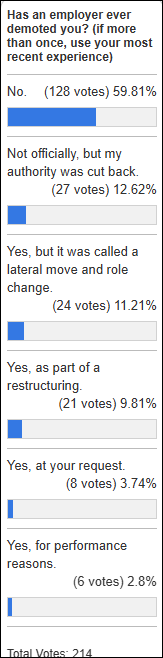
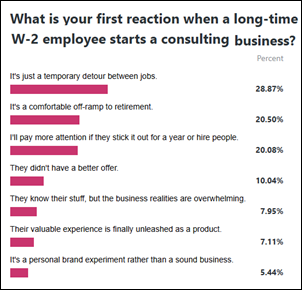
Around 30% of poll respondents have been demoted at some point in their careers. I have seen variations that involve losing all direct reports, such as being moved to special projects, tapped as an advisor, or assigned to formulate strategy. All of those are compliments. Organizations are smart to let a high-performing executive who doesn’t manage people well the chance to focus on their strengths. Value shouldn’t always be measured by headcount or budget.

New poll to your right or here: For exhibitors at ViVE and/or HIMSS, what is the #1 benefit received? What one thing keeps your company coming back, and has that changed?

Attending ViVE? Your updates, photos, and rumors are welcome and I won’t name you unless you ask. Tell me.


Sponsored Events and Resources

Publication: HIStalk’s Guide to ViVE 2026 lists the activities of sponsors at the conference.

Contact Lorre to have your resource listed.


Acquisitions, Funding, Business, and Stock

image

Waystar reports Q4 results: revenue up 24%, EPS $0.10 versus $0.11, beating revenue expectations but falling short on earnings. WAY shares have lost 39% in the past 12 months, valuing the company at $4.8 billion. CEO Matt Hawkins talked up AI in the earnings call, saying that 50 of the company’s solutions use AI, 40% of its revenue is generated by AI-embedded tools, and 30% of bookings were attributed to AI capabilities. He added that its Altitude AI prevented $15 billion in claims denials, reduced appeal time by 90%, and drove double-digit increases in denial overturn rates.

image

From a Veradigm update call:

  • CEO Don Trigg emphasized the company’s ongoing “Reset, Recover, and Reignite” plan to stabilize operations and refocus strategy.
  • The company will discontinue six unnamed low-revenue products.
  • Veradigm’s preliminary 2025 results show flat revenue and a significant decline in cash due to debt financing and share repurchases.
  • Trigg says that the company is making progress toward becoming current on its SEC filings but provided no specifics. It will file 2023 and 2024 information in a Super 10-K, which is a single annual report that includes data that would have been included in overdue previous reports.
  • The company has established Pune, India and Raleigh, NC as its hubs. It closed three locations in 2025, will close two more in 2026, and will vacate its Chicago headquarters in 2027.
  • Veradigm eliminated 15% of its workforce in 2025.
  • Trigg says that Veradigm was previously run as “a holding company as opposed to an operating company,” but will now focus on growth and market impact.

Sales

  • Mayo Clinic implements the productivity platform of Dock Health in cardiovascular, e-consult, and specialty contract programs.

Announcements and Implementations

Belgium-based cardiologist Michal Nedoszytko, MD, PhD creates Postvisit.ai, an agentic AI post-visit companion for patients. The tool, which he developed in Claude Code in seven days as a hackathon entry, helps patients understand and follow up on their treatment by using a “reverse AI scribe.”

image

Element Biosciences introduces a high-throughput benchtop sequencing system that can generate a whole genome sequence for $100.


Other

A Fierce Healthcare report says that the Coalition for Health AI has shelved its flagship plan to create a national network of independent AI assurance labs and shifted its focus to other initiatives. CHAI, which was founded in 2024 with several health systems as founding members, has drawn scrutiny from Republican lawmakers who question whether CHAI’s work overlaps FDA responsibilities and whether participation by large technology companies creates potential conflicts of interest. HHS Secretary Robert F. Kennedy Jr. went further, calling CHAI a “cartel” while backing the department’s position that private groups should not receive implicit government endorsement or taxpayer support for assurance labs. Founding members Amazon and Microsoft resigned after the White House signaled its broader opposition to the group and to AI regulation generally. CHAI says that the change in direction reflects stakeholder feedback, particularly stronger interest in post-deployment monitoring over upfront certification.

image

The Wall Street Journal reports early testing of an “underwear-able” flatulence monitoring system and tracker for studying diet-related gas and bloating. The top 3% of studied gas-passers in the study cohort will earn a “Prodigious Hydrogen Producer” plaque. Hat tip to my favorite medical research explainer @EricTopol for headlining this piece with “you gotta be kidding me,” which was also my initial reaction as I quickly verified that it wasn’t April 1.


Sponsor Updates

  • RLDatix releases the results of the “2026 Leadership Pulse Survey from the College of Healthcare Information Management Executives.”
  • TruBridge and Arcadia join the new Alliance for Advancing Rural Healthcare.
  • Afga HealthCare lists its new US installations, included an expended rollout of enterprise imaging at Tampa General Hospital.
  • Waystar’s AI capabilities deliver industry-leading outcomes and earn client accolades.
  • Optimum Healthcare IT publishes a new white paper titled “Your Ultimate Checklist for a Successful Healthcare CMMS Migration.”
  • Nordic releases a new “Designing for Health” podcast featuring Becket Mahnke, MD.
  • Optimum Healthcare IT opens a managed services center of excellence in Costa Rica. 
  • SlicedHealth releases a new episode of its “Substance Over Form” podcast titled “Your 2026 Guide to Price Transparency.”
  • WellSky will expand its clinical coding and documentation advisory services to additional Adoration Home Health locations.

Blog Posts


Contacts

Mr. H, Lorre, Jenn, Dr. Jayne.
Get HIStalk updates.
Send news or rumors.
Follow on X, Bluesky, and LinkedIn.
Sponsorship information.
Contact us.

News 2/20/26

February 19, 2026 News 1 Comment

Top News

image

University of Mississippi Medical Center closes all of its clinics following a Thursday cyberattack that kept users out of Epic and other systems.


HIStalk Announcements and Requests

Here’s a two-question quiz: (a) is your company participating in HIMSS26?; and (b) does it sponsor HIStalk? If both answers are yes, then complete this form to describe your participation and I’ll include it in my online guide. If B is a no, then contact Lorre because you are spending three expensive HIMSS days wooing non-decision-makers who are trolling for swag ands soiree invitations, but you’re missing the inexpensive opportunity to catch the attention of the actual decision-makers who frequent HIStalk all year.


Dr. Jayne’s latest post references this earworm of a song, which now has me hooked. I also learned that  longtime HIStalkapalooza contributor Bonny Roberts recently joined the company, CognomIQ, as VP of customer success.


Sponsored Events and Resources

Publication: HIStalk’s Guide to ViVE 2026 lists the activities of sponsors at the conference.

Contact Lorre to have your resource listed.


Acquisitions, Funding, Business, and Stock

A Boston Globe article calls the former Steward Health Care hospitals that other systems acquired “the fixer-upper from hell,” as new owners discover hidden financial problems, deteriorating facilities, and deeper-than-expected operating losses. Boston Medical Center will spend $80 million to replace Steward’s EHR, which it says is so dysfunctional that it struggles to get paid, while Brown University Health spent “tens of millions of dollars” just to operate the system and prepare to replace it. Steward implemented Meditech Expanse in 18 hospitals in 2022 and used Athenahealth for ambulatory care.

Investment firm Exa Capital acquires clinical workforce management software vendor StaffReady. The buy-and-hold enterprise software company also owns human service EHR vendor PrecisionCare.

image

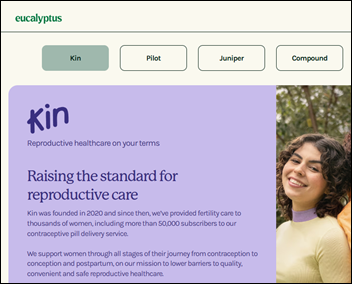
Hims & Hers will acquire Australia-based online clinic operator Eucalyptus for $1.15 billion.


People

image

Healthmonix hires Pierre Menard (Trella Health) as CTO.


Announcements and Implementations

HIMSS President and CEO Hal Wolf appears on the short-form, pay-to-play TV program “Viewpoint with Dennis Quaid” to promote AI in what comes across as a self-congratulatory infomercial. Past episodes have highlighted wineries, a cruise line, and casinos. The show wins awards, at least the kind where you attach your check to your self-nomination with full expectation of “winning.” Quaid delivered the keynote at HIMSS09, speaking about patient safety after a Cedars-Sinai medication error nearly killed his newborn twins. He later settled with Cedars and Baxter, which sold the 10,000-unit heparin vial and 100-unit Hep-Lock that hospital staff mixed up because they violated hospital policy that requires pharmacist verification. HIMSS gave a $10,000 donation to Quaid’s patient safety foundation, which accomplished nothing as far as I can tell, merged with another organization within a year, and was later sold to a for-profit college.


Government and Politics

An Indiana otolaryngologist is sentenced to 97 months in federal prison for billing Medicare and private insurance $50 million for balloon sinuplasty procedures that she hadn’t actually performed, which netted her $20 million that she now has to repay.


Sponsor Updates

  • AdvancedMD launches a new release that includes an ambient listening tool, presenting suggested action items from patient transcripts, managing PBM requests, enhanced appointment scheduling and cancellation, and AI-driven analysis.
  • Tegria releases a new report titled “The Access-Driven Enterprise: How Health Systems Are Defining, Enabling, and Advancing Access Strategy.”
  • Findhelp publishes a new case study titled “How Essentia Health Increased Patient Trust by 66% with Findhelp.”
  • Jason Peterson, MBA, MS (Tegria) joins Canopii Collaborative as AVP of client partnerships.
  • The Validation Institute names Judi Health a Health Value Award winner in Pharmacy Benefit Management.
  • Medicomp Systems releases a new “Tell Me Where HIT Hurts” podcast episode featuring Civitas Networks for Health CEO Jolie Ritzo.
  • Fortified Health Security announces TPRM with VendorIQ, a third-party risk management solution that helps healthcare organizations assess and track vendor cybersecurity risk.
  • Meditech congratulates customer Ontario Shores Centre for Mental Health Sciences on winning its second HIMSS Davies Award.

Blog Posts


Contacts

Mr. H, Lorre, Jenn, Dr. Jayne.
Get HIStalk updates.
Send news or rumors.
Follow on X, Bluesky, and LinkedIn.
Sponsorship information.
Contact us.

EPtalk by Dr. Jayne 2/19/26

February 19, 2026 Dr. Jayne 4 Comments

Clinical Informatics is a broad specialty. But depending on our job roles, we sometimes only get to work in a handful of its domains.

I’ve always enjoyed public health informatics work and being able to identify opportunities where we can make changes that help thousands of patients and families. Pregnancy continues to carry higher risks in the US than in other developed countries. I recently ran across the Baby2Home app that is designed as “a one-stop platform supporting perinatal families through an evidence-based collaborative care model.”

The tool includes mental health screening, access to stress management resources, and connectivity to care managers for support. It also offers the ability to track infant-related parameters such as feeding, sleeping, diaper changes, growth, and vaccinations.

Researchers tested the tool during a multi-year study that ended in 2025, with 642 first-time parents randomized to receive either typical postpartum care or typical care plus the app. Members of the intervention group had improved mental and physical health scores and were more confident in their parenting skills compared to those in the control group. The data was presented at the Society for Maternal-Fetal Medicine meeting on February 11. Although the tool is currently investigational, I found it compelling and will be watching to see what happens next.

Speaking of companies I’m following, I was delighted to see a recent LinkedIn post containing a video from the folks at CognomIQ. The peppy beat perfectly channels their call for organizations to “Drain that stagnant swamp of a 1990s data lake.” The post says, “We’re not mincing words or hiding behind flowery rhetoric.” They weren’t kidding, since they call out several prominent vendors by name.

The snappy chorus of “Healthcare data sucks, you can’t dress it up” had me rolling. So did, “We build the board a house of glass and pray the question’s never asked.” All of us have been there, but few are willing to become a lightning rod by saying it out loud. Props to the team that created this campaign. I’ll see you on the dance floor.

From Captain Incredulous: “Re: LinkedIn. In a moment of weakness, I accepted a LinkedIn request from a friend of a friend. Within 24 hours, my new connection emailed me at my work address. He asked me to introduce him to a well-known CEO in my network and advocate for a partnership meeting. He even went as far as to suggest a draft email for me to use. He has now sent three emails about this issue.”

The reader shared the email thread, and it is certainly presumptuous. Additionally, I found some irony that the reader failed to notice: the draft email included mentions of how the author’s company could help the CEO at his previous employer rather than his current one. Putting myself in the reader’s shoes and knowing the CEO in question, I would definitely mention it to him, if only for a chuckle.

My inbox is bursting with cold email outreach efforts asking to connect at ViVE next week. Colleagues are receiving similar messages from startups that are desperate to meet. Most use words like synergy, partnership, and collaboration. Of those in my inbox, many include the salutation “Hey.” I know ViVE is the hip cool cousin of the conference scene, but it still feels unprofessional to me.

My favorite request just said, “I will be attending VIBE and connecting with people across the healthcare space” without stating the requester’s company or why it might be relevant to me. The misspelling of the conference name captured my attention, but I’m still not going to book a meeting.

image  

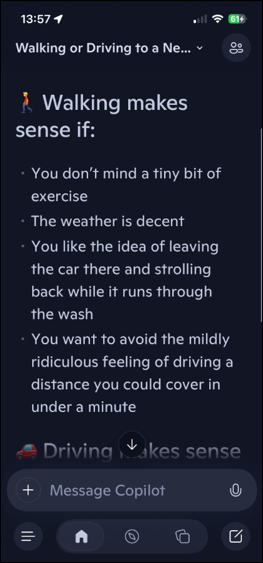
From Jimmy the Greek: “Re: AI answers that are obviously incorrect. Check out this thread, where I asked whether I should walk or drive to the car wash.” AI recommended walking if the user didn’t mind exercise and if the weather was decent. It suggested driving if short on time or if the route isn’t pedestrian friendly. It completely missed out on the fact that the car would not be at the car wash if the user walked. It confidently stated that “walking is the more elegant move,” unless the car wash was of a certain configuration. It concluded by asking the user to specify what kind of car wash was involved so it could “pick the smoothest plan.”

image

The average healthcare IT team consumes a large volume of caffeinated beverages, so this article in the Journal of the American Medical Association caught my eye. The authors investigated whether long-term consumption of coffee and tea is associated with dementia risk and cognitive function. The study was large, with 132,000 participants and up to 43 years of follow up. The findings showed that, “Greater consumption of caffeinated coffee and tea was associated with lower risk of dementia and modestly better cognitive function, with the most pronounced association at moderate intake levels.” No similar association was observed with decaffeinated coffee.

Study participants were healthcare workers. Females were drawn from the Nurses’ Health Study and males from the Health Professionals Follow-up Study. Data was collected every two to four years using a food frequency questionnaire.

As we all know, correlation does not imply causation. One should also be cautious about extrapolating these findings to non-healthcare workers since many of us have other behaviors that might not be typical. A shout-out to all the emergency department workers out there who have disordered eating habits, disrupted sleep, and fond memories of colleagues sneaking out through the ED doors to smoke cigarettes before returning upstairs to counsel patients about smoking cessation.

I’m a stickler for starting meetings on time to be respectful of those who are punctual. I’ve been fortunate to work in organizations that use the 25/55 meeting scheduling paradigm, which gives people five minutes to transition between calls or meetings. I’ve seen how it can help more meetings start on time.

Even without a back-to-back meeting schedule, some people are habitually late. During a recent discussion on meeting management, a colleague shared an article about people who arrive late and the causes. Although some people may be overscheduled or previous meetings might end late, there is also the phenomenon of “time blindness,” in which people are unable to identify how long an activity might take or to understand how much time has passed.

People might also arrive late if they don’t want to engage in pre-meeting banter. I’ll admit that I haven’t thought much about that. Starting on time reduces the available time for small talk, but it’s something to think about the next time I’m on someone else’s meeting and they’re “just waiting a few more minutes for people to arrive.”

How does your organization support on-time meetings? Are agendas and timekeepers a must or something only found on the wish list? Leave a comment or email me.

Email Dr. Jayne.

Healthcare AI News 2/18/26

February 18, 2026 Healthcare AI News Comments Off on Healthcare AI News 2/18/26

News

image

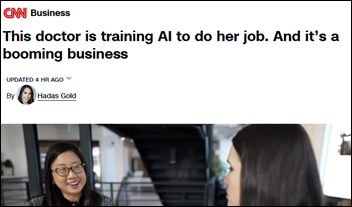
CNN reports that AI training firm Mercor is paying subject-matter experts, including physicians, hundreds of dollars per hour to validate and refine the commercial AI models of other companies. Mercor, which was founded in 2023 by three 19-year-old college dropouts who are now billionaires, generates $500 million in annual revenue and carries a $10 billion valuation. The company says that the most in-demand expertise is in software engineering, finance, medicine, and law.

In India, the chief minister of Andhra Pradesh proposes that every resident be assigned an AI-powered personal doctor to track health data and offer advice on diet, lifestyle, and preventive care. He met with Bill Gates this week to discuss integrating the state’s digital health records with other platforms.

image

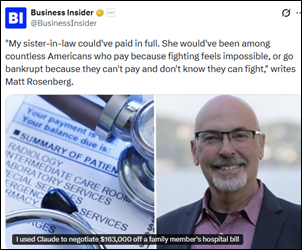
A man says that he used Anthropic’s Claude AI to negotiate a $163,000 reduction of a hospital’s $195,000 bill for four hours of ED care that his uninsured brother-in-law received before dying of a heart attack. He asked Claude to create a worksheet that listed each billed CPT code and the corresponding Medicare payment, which totaled $29,000 for the same services. He offered that amount to the hospital, arguing that its original bill included improper unbundling, mutually exclusive services, and an inpatient procedure billed as outpatient. The hospital countered at $37,000, the parties agreed to split the difference, and they executed a settlement agreement that Claude drafted.

The United Arab Emirates launches Amal, an AI-powered physician assistant that conducts pre-visit interviews with patients, creates medical summaries for physicians, and answers post-visit patient questions. The system was developed by Boston Health AI, which offers a live, interactive online demo.


Business

Elsevier expands ClinicalKey AI clinical decision support tool with a full-text, copyright-cleared knowledge base of 1,000 journals and major guidelines, adding real-time citation traceability, daily updates, workflow APIs, and enhanced security to strengthen trust and point-of-care usability.

image

Mental health AI startup Kintsugi shuts down after raising $30 million and places its technology in the public domain. Its product analyzes the journal recordings of users to detect signs of anxiety or depression. CEO Grace Chang says that it is not financially viable for startups to build healthcare AI applications because investors expect rapid annual recurring revenue growth while FDA regulatory clearance takes significant time.


Research

A survey of 50 health system executives by Guidehouse and HIMSS finds that while 78% have AI projects in progress, only half feel ready to implement them. Major concerns include cybersecurity, competing financial priorities, data quality, and lack of internal expertise.


Other

Cleveland Clinic pilots an AI tool that it developed with startup Piramidal Inc. to detect seizures from 24-hour ICU EEGs, monitoring 120 patients daily whose studies would otherwise require about two hours of technician review each.

AI systems are increasingly embedded in clinical workflows to generate alerts and automate tasks, yet their unreliable outputs still require nurses to interpret and manage them in real time. Nurses recognize AI’s potential to improve documentation and monitoring, but they call for stronger testing, greater transparency, and meaningful frontline involvement in development.


Contacts

Mr. H, Lorre, Jenn, Dr. Jayne.
Get HIStalk updates.
Send news or rumors.
Follow on X, Bluesky, and LinkedIn.
Sponsorship information.
Contact us.

This Week in Health Tech 2/18/26

February 18, 2026 This Week in Health Tech Comments Off on This Week in Health Tech 2/18/26
LinkedIn weekly 21826 - Copy

Curbside Consult with Dr. Jayne 2/16/26

February 16, 2026 Dr. Jayne 3 Comments

I met up with some clinical informatics friends over the weekend. Our conversations focused on a few key themes. One was how much time we’ve spent in the field, as we realized that the most junior member of the group just hit the 20-year mark.

None of us set out to specifically look for technology-related roles, but each of us found our way to the field as we identified gaps in what was happening around us and stepped in. The most senior of the group got involved because he had an engineering background and saw what was going on elsewhere in the country with respect to electronic charting. He wanted to see his institution be a leader in the field rather than a follower, and worked with a big tech company to build a clinical repository for the organization.

It initially compiled data from just one hospital, but as more hospitals joined the system through mergers and acquisitions, the repository became more complex. The team that supported it needed clinical expertise to handle issues like normalization of laboratory values and standardization of test orders. He had some great stories about how the repository grew and became integrated with electronic medical records. It lasted for more than two decades before being retired in favor of a half-billion-dollar investment to move everyone to a single platform.

My colleague still refers to the systems clinicians use as EMRs. That led to a discussion of EMR versus EHR. One member admitted that he uses the terms EMR and EHR interchangeably because he keeps getting loaner computers from his IT department and hates having to go into all the different dictionaries to prevent the system from autocorrecting EHR to HER.

That admission led to a discussion about how the Microsoft Office suite and Office 365 applications handle such things, which bafflingly makes the setting device-specific rather than defaulting from the user profile. I’m no expert, but I know that it’s annoying every time I get a new laptop. I usually end up consulting Google because finding it in the application settings isn’t intuitive.

Quite a bit of back and forth ensued around the merits of EMR versus EHR. I was surprised by how passionate some of the people are about one or the other. We all agreed that “health record” is more comprehensive than “medical record.” One of the group felt that the latter sounded more serious since “health” is often linked with “wellness,” which often includes non-evidence-based and consumer-oriented services.

People pulled out their phones to look for articles for and against each term. I was surprised that the first response that popped up in my EMR versus EHR query was that “EMRs are mainly used by clinicians for diagnosis and treatment, while EHRs are designed to be shared and accessed by the patient. EMRs are less susceptible to cybersecurity issues, since they are not being shared with patients, but are securely managed by the practice.”

That got us rolling, since none of us has encountered a cybersecurity issue related to patient use, but we’ve seen plenty of times where trained employees and hospital medical staff fell victim to phishing schemes. An ASTP/ONC blog addresses the topic, but it’s from 2011. Some of its language is identical to what I found in that first response, which leads me to suspect that the vendor had done some copying and paraphrasing from ASTP.

Most of us agreed that now it’s kind of a stylistic thing and we aren’t bothered when vendor folks use the words interchangeably. I’ve worked with vendor organizations whose style guide spells out which term to use when referring to their products, but not everyone has one of those. I remember reaching out to Epic a few years ago to ask if it had an official position one way or the other and was told that it doesn’t. If that has changed, feel free to drop a comment and let me know the current state.

That conversation led us into a whole “words have meaning” discussion. That immediately drew me in because the industry is plagued by people who use words that don’t make sense. Maybe it’s a phrase they learned during a corporate training class, or perhaps they saw it in an article. When they come to me as a CMIO and start spouting words that don’t completely work together, it makes my attention go zinging off elsewhere.

One colleague, who is a doctor of osteopathic medicine, noted that nothing turns him off more than using “MD” as shorthand for “doctor.” Both have the same number of syllables, so it’s not like saying MD is faster or easier. It’s not worth it to use it in a way that alienates a subset of physicians.

One of the group brought up a recent position paper in Annals of Internal Medicine that addresses “The Ethical Significance of Names in Health Care.” It’s an analysis of the physician versus provider debate, referring to the latter term as contributing to “deprofessionalization.” The authors felt that their examination was unique because it looks at the situation from an ethics perspective.

I popped up the article while we were talking and was excited to see a Shakespeare quote in the first screenful of text. The article includes a review of the origins of care-related words, including patient, physician, doctor, and compassion.

One might have expected that the article would recommend simply not lumping physicians in with other kinds of heath care providers, but it went further to suggest that we get rid of the word “provider” entirely: “Language in health care has ethical and practical implications. Physicians should be referred to as physicians, not providers. Also, when describing professionals with varied credentials who care for patients, the terms clinicians or health care professionals, should be used.”

I’ve been a fan of the word clinician for a long time. It’s shorter than the recommended alternative. I plan to stick with it.

Not surprisingly, we stumbled into a discussion of clinical informatics versus medical informatics, and even a debate about informaticist versus informatician. There’s actually a paper from 2024 called “Informaticist or Informatician? A Literary Perspective”  that goes deep into the history of the two. My colleague quickly sent me a link.

It is a fascinating read. The authors close with a clinical informatics spin on a classic Shakespeare quote, which made me smile. They also received a chuckle with their line, “Whether you are an informaticist or an informatician, may you collaborate better than the Montagues and Capulets.”

Even though the conversation was all over the place, it’s always good to catch up with colleagues who have fought the same battles and who have made it through the same topsy-turvy changes within the industry. They are not only knowledgeable, but are generally a fun bunch. I feel privileged to have them on my phone-a-friend list when times get tough.

Is your company in EMR or EHR mode? What phrases, taglines, or buzzwords make you cringe? Leave a comment or email me.

Email Dr. Jayne.

Readers Write: Medicare Goes All In on Value-Based Care

February 16, 2026 Readers Write Comments Off on Readers Write: Medicare Goes All In on Value-Based Care

Medicare Goes All In on Value-Based Care
By Eugene Gonsiorek, PhD

Eugene Gonsiorek, PhD is VP of clinical regulatory standards for PointClickCare.

image

If there were any doubts about Medicare’s commitment to value-based care, there shouldn’t be any longer.

Abandoning its former model of rolling out value-based care (VBC) programs one at a time, the Centers for Medicare and Medicaid Services (CMS) between March and December 2025 announced nine new or proposed programs and modifications to five existing programs – an unprecedented pace.

The rush of new programs and the concentrated timing is CMS announcing it is aligning Medicare around VBC to a greater degree than ever before. This is good news for organizations that have been working toward this end and a prompt for those who haven’t made as much progress.

The New Medicare Programs

Let’s take a closer look at the new and proposed programs. 

  • ACCESS (Advancing Chronic Care with Effective, Scalable Solutions). A voluntary, 10-year model testing outcome-aligned payments for measurable clinical improvements using technology-supported care for chronic conditions such as hypertension, diabetes, musculoskeletal pain, and behavioral health.
  • WISeR (Wasteful and Inappropriate Service Reduction). Launched in mid-2025, this model tests ways to reduce unnecessary services and accelerate prior authorization while safeguarding patients and taxpayers against low-value care.
  • GUARD (Global/Universal Accountability in Drug Pricing) and GLOBE (Global Outcomes in Benchmarking and Equity). Proposed mandatory models that aim to test international benchmark-based adjustments to Medicare Part D and Part B drug rebate and pricing systems to help address high drug costs.
  • Ambulatory Specialty Model (ASM). Finalized as a mandatory model beginning in 2027 that holds certain specialists accountable for quality, cost, and care coordination outcomes.
  • LEAD (Long-term Enhanced ACO Design). Announced as the next generation of accountable care organization models, a 10-year design intended to better support small, independent, and rural providers following ACO REACH (Accountable Care Organization Realizing Equity, Access, and Community Health).
  • BALANCE (Better Approaches to Lifestyle & Nutrition). Announced alongside GUARD and GLOBE, this voluntary model is intended to align manufacturers, state Medicaid agencies, and Part D plans to improve metabolic health through GLP-1 access plus lifestyle support, with testing concluded by 2031.

Across these models, several common design features stand out. Time horizons are longer, often extending eight to 10 years. Payment is increasingly tied to measurable outcomes rather than process compliance. Accountability extends beyond primary care into specialty care and pharmaceuticals. In select areas, CMS is requiring mandatory participation to achieve broad system impact.

The ACCESS model illustrates how CMS expectations are evolving. A voluntary 10-year initiative, ACCESS ties payment to demonstrable improvement in chronic conditions such as hypertension, diabetes, musculoskeletal pain, and behavioral health. The focus is no longer service volume or short-term utilization metrics, but sustained clinical outcomes.

Similarly, the WISeR model reframes inappropriate utilization as both a quality failure and a fiscal risk. By targeting low-value services and streamlining prior authorization, WISeR signals CMS’s growing willingness to intervene earlier in care decisions. The goal is not simply to manage spending after it occurs, but to prevent waste before it happens.

Together, these models reflect a clear shift from utilization-based proxies toward explicit accountability for results.

Specialty Care and Pharmaceuticals Move to the Center

Perhaps the clearest departure from earlier value-based care efforts is CMS’s expansion of accountability into specialty care and drug pricing, areas historically insulated from performance-based payment.

The finalized ASM, set to begin in 2027, makes participation mandatory for selected specialists and holds them accountable for quality, total cost of care, and care coordination. This challenges the long-held assumption that VBC is fundamentally a primary care endeavor. It also elevates downstream utilization, including post-acute care, from a secondary concern to a central performance variable.

At the same time, the proposed GUARD and GLOBE models are CMS’s most direct effort to apply value-based principles to pharmaceutical spending. By testing international benchmarking approaches in Medicare Parts B and D, CMS is extending accountability into pricing structures that have traditionally been governed by statute rather than performance expectations.

Long-Term Accountable Care and Prevention as Structural Bets

The LEAD model underscores CMS’s recognition that accountable care requires stability, not churn. By extending participation horizons to 10 years and focusing on small, independent, and rural providers, LEAD acknowledges that organizational transformation and sustained downside risk cannot be achieved on short timelines.

In parallel, the BALANCE model reflects CMS’s growing emphasis on prevention and upstream investment. By aligning manufacturers, state Medicaid agencies, and Part D plans around GLP-1 access combined with lifestyle and nutrition support, BALANCE tests whether earlier intervention in metabolic disease can produce durable improvements in outcomes and spending. By pairing pharmaceutical access with behavioral support, CMS is testing integrated solutions rather than isolated interventions.

The Effects on Patients and Providers

These models collectively raise the bar for providers. Financial accountability is more robust. Timelines are longer. Expectations for care coordination and performance improvement are higher. Independent practices, rural providers, and specialists, groups historically less exposed to mandatory value-based arrangements, are now central to CMS’s policy design.

For patients, CMS’s stated objectives are clear: earlier intervention, fewer unnecessary services, better chronic disease control, and lower drug costs. Whether these outcomes are realized will depend less on policy intent than on execution, particularly provider engagement and the ability to manage care across settings.

From Experimentation to System Design

Taken together, the new model announcements signal that CMS is moving beyond experimentation toward system design. The concentration of releases, the expanded mandatory participation, and the consistent emphasis on outcomes and cost containment all point in the same direction.

CMS is no longer asking whether VBC works. It is redesigning Medicare on the assumption that it must.

As these models move from proposal to implementation, they will shape payment policy, care delivery structures, and provider participation in Medicare well into the next decade. Organizations should prepare themselves for a system in which value-based accountability is no longer optional, but the norm.

Readers Write: Open Access in Healthcare: What TEFCA Got Right, Where It’s Stuck, and What Comes Next

February 16, 2026 Readers Write Comments Off on Readers Write: Open Access in Healthcare: What TEFCA Got Right, Where It’s Stuck, and What Comes Next

Open Access in Healthcare: What TEFCA Got Right, Where It’s Stuck, and What Comes Next
By Robin Monks

Robin Monks is CTO at Praia Health.

image

If you’ve ever moved to a new city and tried to get your medical records transferred to a new provider, you already understand the problem that the Trusted Exchange Framework and Common Agreement (TEFCA) is trying to solve. In theory, health data should follow you. In practice, it often doesn’t.

TEFCA is the federal government’s most ambitious attempt to date at fixing nationwide health information exchange. Mandated by the 21st Century Cures Act and formally launched in late 2023 when the first Qualified Health Information Networks (QHINs) were designated, TEFCA aims to be the “interstate highway system” for health data, allowing providers, payers, and patients to share information regardless of which network they are on.

After two years of operation, there’s a lot to like about what TEFCA has accomplished. More than 70,000 healthcare locations are now connected through TEFCA, and Epic reported that 1,000 hospital customers have transitioned to TEFCA. Carequality, a framework connecting over 50 networks, 600,000 care providers, and 4,200 hospitals, is actively aligning its policies with TEFCA.

The framework has also expanded beyond its initial treatment-focused exchange. TEFCA now supports data exchange for payment, healthcare operations, government benefits determination, individual access, and public health purposes.

Perhaps most importantly, TEFCA is creating a universal floor for interoperability. Before TEFCA, a health system that wanted to exchange data nationally had to join multiple networks and maintain dozens of point-to-point connections. TEFCA simplifies that into a single participation model. For smaller practices and rural hospitals that couldn’t afford the overhead of managing multiple network memberships, this is a meaningful reduction in cost and complexity.

But TEFCA’s scale means that providers are now responding to queries from organizations they’ve never interacted with before. When a requester says they’re querying for treatment purposes and the responder disagrees that the request qualifies as “treatment” under HIPAA, you get what the ASTP calls an “information exchange impasse.”

This lack of trust means that providers are easily talked into not automatically replying to TEFCA requests, even to an individual access request with a verified identity attached. Information blocking remains a persistent and thorny issue. TEFCA participants who interfere with QHIN choice now risk violating the federal information blocking rule, with potential Medicare payment disincentives, but the cultural shift from “default deny” to “default share” is slow.

Then there’s the FHIR question. TEFCA launched using IHE-based document exchange, a 1990s-era architecture that predates smartphones and modern web standards. This was a pragmatic choice to minimize disruption and build on the existing exchange infrastructure (IHE-based exchange still represents enormous transaction volume annually).

But it means that the initial TEFCA experience is document-centric, returning C-CDA documents rather than discrete, FHIR-based data. The HTI-5 proposed rule from December 2025 signals a strong push toward FHIR-based APIs, but the gap between where TEFCA is today and where modern application developers need it to be is real. Companies that build on FHIR and OIDC are watching this closely.

The regulatory environment is also in flux. That same HTI-5 proposed rule would remove the TEFCA manner exception, a provision that allowed TEFCA participants to limit data exchange to only through TEFCA. The administration is signaling that using information blocking exceptions to incentivize TEFCA participation may be unnecessary, which is an interesting stance that simultaneously shows confidence in TEFCA’s trajectory and a desire to not disadvantage non-TEFCA exchange networks.

TEFCA has achieved enough adoption to be taken seriously, but not enough to be taken for granted. Here’s what needs to happen for it to reach its potential:

  • FHIR needs to be a first-class citizen, not a roadmap item. The healthcare technology ecosystem has moved to FHIR. App developers, patient-facing platforms, and clinical decision support tools all expect FHIR APIs. Until TEFCA’s QHIN-to-QHIN exchange natively supports FHIR alongside IHE, there will be a gap between what TEFCA enables at the network level and what the market needs at the application level.
  • Trust needs to be engineered, not assumed. The interpretive disagreements around treatment definitions and provider qualifications aren’t going to resolve themselves through goodwill alone. TEFCA’s governance needs to produce clear, specific guidance that participating organizations can implement without extensive legal review. The SOP updates from January 2026 are a step in the right direction, but there’s more work to be done.
  • Patient transparency and choice must be central. Individual Access Services (IAS), the mechanism by which patients can access their own data through TEFCA, is likely to be one of the fastest-growing use cases. The patient access market is forecast to reach $4.16 billion by 2032. But IAS also carries the highest risk of information blocking complaints, because patients have the right to choose any IAS provider, regardless of their provider’s QHIN. Making this work requires a level of patient-facing transparency that healthcare hasn’t historically been great at. We also need to expand this to not only reading data, but performing actions with target EHRs.
  • Enforcement has to be real. TEFCA operated for its first year as an entirely voluntary framework. The increasing enforcement posture around information blocking and the integration of TEFCA obligations into Medicare compliance programs is changing the calculus. But voluntary frameworks succeed when the incentives to participate outweigh the friction. Right now, the friction is still high for many organizations, particularly smaller ones. Last year we were promised that we would start seeing strict enforcement on information blocking, but so far we’re not seeing examples of enforcement from CMS.

TEFCA is doing something genuinely important. It is establishing the principle that health data should be exchangeable at a national scale, with a common set of rules, as a baseline expectation rather than a special achievement. For health systems that are thinking about their consumer experience strategy, and all should be, the ability to access data from across a patient’s entire care journey is critical.

The dream of open access in healthcare is within reach, but getting from good-intentioned definitions to it running and working where patients need is slow.

Readers Write: AI in Healthcare Revenue Cycle: Linking Automation to Financial Stability

February 16, 2026 Readers Write Comments Off on Readers Write: AI in Healthcare Revenue Cycle: Linking Automation to Financial Stability

AI in Healthcare Revenue Cycle: Linking Automation to Financial Stability
By Inger Sivanthi

Inger Sivanthi, MBA is founder and CEO of Droidal.

image

Five or six years ago, revenue cycle performance was discussed mostly in operational terms. Leaders reviewed denial rates, days in accounts receivable, and staffing productivity. If those indicators were steady, the assumption was that the organization was financially sound. The work was seen as administrative execution rather than financial strategy.

That framing feels incomplete now. Reimbursement patterns have become less predictable. Payer interpretations vary, even within the same plan category. Documentation standards evolve quietly, and what cleared last quarter may stall this quarter. Nothing feels catastrophic, yet the margin for error has narrowed.

When timing becomes inconsistent, finance feels it quickly. Forecast models widen. Cash flow conversations become more cautious. Growth initiatives are evaluated with an extra layer of scrutiny. Revenue cycle management is no longer operating in the background. It is influencing financial confidence.

Automation Solved the Obvious Friction

Healthcare organizations did not stand still over the past decade. Eligibility workflows were automated. Coding tools became more sophisticated. Electronic remittance reduced manual posting errors. These investments improved speed and removed visible inefficiencies.

Yet the deeper issue remained. Denials continued for reasons that were not always procedural. Appeals absorbed experienced staff time. Forecasting models leaned on historical trends that assumed payer behavior would remain relatively stable. That assumption is harder to defend today.

Automation follows instructions. It does not interpret shifts. It executes rules consistently, but does not recognize when those rules are interacting differently in a changing environment.

Earlier Pattern Recognition Is Changing the Dynamic

Artificial intelligence brings a different capability. By reviewing documentation details, coding sequences, authorization timing, and payer response history together, it begins to surface combinations that tend to struggle. Those combinations are not always obvious. They emerge through repetition.

When risk is identified before submission, teams can intervene before delay becomes inevitable. Preventing a denial is financially different from correcting one. The time saved compounds quietly. Over several quarters, even modest improvements in first-pass acceptance begin to influence working capital stability.

The benefit is not perfection. Healthcare reimbursement will never be perfectly predictable. The benefit is fewer unexpected swings and tighter confidence intervals around cash timing.

The Small Variations That Shape Margin

Revenue loss is rarely dramatic. It builds slowly. A modifier applied differently between departments. A service level coded conservatively out of habit. Contract language interpreted with slight variation across facilities. Individually, these instances appear manageable. In aggregate, they influence performance more than most teams realize.

AI systems reviewing documentation and billing data together can detect these repeated inconsistencies more consistently than manual review alone. This does not remove the need for experienced revenue leaders. It simply directs their attention toward areas where exposure is concentrated.

That shift in focus strengthens margin discipline without creating additional administrative layers.

From Reporting History to Informing Strategy

Traditional dashboards tell organizations what has already happened. They summarize billed charges, denials, and collections. That information is necessary, but it is reactive by design. By the time a pattern appears clearly in retrospective reporting, the financial impact has already occurred.

Predictive modeling changes that posture. When internal performance data is combined with payer response behavior, reimbursement timing becomes easier to estimate within a reasonable range. Forecasts still require judgment, but the range narrows. Leadership discussions feel less defensive and more deliberate.

Revenue cycle management begins influencing forward planning rather than simply documenting past outcomes.

Operating Within Real Workforce Limits

Revenue cycle staffing remains tight across the industry. Seasoned revenue professionals are hard to come by. Even when you hire, the ramp-up period slows momentum. For many teams, expanding staff just isn’t practical right now.

Intelligent prioritization helps address this reality. When higher-risk claims surface earlier and larger-dollar exposures are flagged sooner, teams allocate effort more intentionally. The objective is not workforce reduction, but resource precision. Protecting margin increasingly depends on where attention is placed, not simply how many people are assigned.

The Shift Has Been Gradual, Not Dramatic

There was no single moment when artificial intelligence transformed revenue operations. The change has been incremental. Organizations recognized that efficiency alone did not insulate them from variability. Earlier visibility, more focused intervention, and steadier forecasting gradually reshaped how revenue risk is managed.

Healthcare reimbursement will continue to evolve, and complexity will remain part of the system. Artificial intelligence does not remove that complexity. It improves how quickly patterns are recognized and how steadily leadership responds. In that sense, revenue cycle management has moved closer to financial strategy, and predictability has become as valuable as productivity.

HIStalk Interviews Nathalie McCaughley, President, Agfa HealthCare

February 16, 2026 Interviews Comments Off on HIStalk Interviews Nathalie McCaughley, President, Agfa HealthCare

Nathalie McCaughley, MA, MBA is president of Agfa HealthCare.

image

Tell me about yourself and the company.

I have 25 years in healthcare IT leadership roles, including 20 years with GE Healthcare globally. I have been with Agfa HealthCare for four years. I am French American and have been in the US for 23 years.

From a professional standpoint, I have held positions globally across pretty much all functions. I would describe myself as a growth leader who is focused on growing a business strategically, leading to tangible outcomes and a high potential to scale. Taking over businesses that are in need of new strategy and a new takeoff, which is exactly what happened with Agfa HealthCare.  

Agfa HealthCare is part of a broader group, Agfa-Gevaert. Our division is in a very different industry than the rest of the group. I was asked to take over the business in 2022, with the full mandate of the board and the group CEO to reshape the company and reposition it for growth, from both a financial and customer recognition standpoint.

How has enterprise imaging changed in the past five or 10 years, and what are its strongest areas of growth?

The healthcare industry has gone through a pretty intense era of consolidation among hospitals and outpatient centers. Over the past five or six years, we have seen an emergence of high-scale, very large health systems.

Everybody knows PACS, and enterprise imaging is often confused with PACS. PACS is a vertical, departmental-only solution. Enterprise imaging spans the entire health system across all “ologies.” When you connect this with the era of consolidation, where you have hospitals that are now health systems that are 10, 20, even 30 times the size, it becomes impossible to manage 30 different systems across the health system. The need arose to have a single, central platform to manage all imaging needs, such as storage and acquisition. That is enterprise imaging.

We come as a single solution, sitting over all of those individual PACS and managing the imaging health records for patients the same way an EMR is managing electronic medical records. We work alongside the EMR. That’s how enterprise imaging emerged from a needs standpoint. The consolidation and the scale of health systems is not slowing down due to financial and demographic reasons.

We anticipate, driven pretty clearly by those external factors, that enterprise imaging is not only here to stay, but will be the way that we work moving forward. That was the opportunity to bring a solution with strong relevance to healthcare and customer needs, plus an extensive runway to answer critical current and future challenges.

With that consolidation, how have expectations changed for being able to read images from any location on consumer-grade devices?

The bigger change in expectation is that you used to look at technology vendors. In the past, even our own company was selling an IT solution and software. This is no longer the case. We established and committed to being end user driven and clinician-first as a decision framework that guides our product design, cloud strategy, AI integration, and service delivery.

Technology is not meant to add complexity. It is not meant to be added work for a clinician. It is meant to make their life easier. Enterprise imaging adapts to the clinician and doesn’t force them to adapt to the technology. A true clinician-driven technology that is created for the clinician protects the clinical focus and confidence rather than competing with it. Everything has to be clinically driven, make an impact, make things easier, increase diagnostic accuracy, increase speed to diagnosis, and eventually serve patients. In the past, technology was separated from those priorities.

When a health system acquires a hospital, do they usually try to replace an existing system with a corporate standard?

They do it when they can. That is definitely a next step. Coexistence might be done at the beginning, but in the long term, it is not manageable and it is very costly. We have health systems that have more than 300 locations, which means that if everybody has their own system, they have as many IT teams, data server rooms, and so on. This is not sustainable from a management, security, and cost standpoint moving forward. Eventually, consolidation is required.

You are seeing it with Epic in the EMR world. We attach to Epic very well, but the number one startup discussion that we have with our customers is that they have 15 hospitals and 15 different paths. That doesn’t work, and they cannot afford this any more. Enterprise imaging comes in with standardization that creates efficiency not only financially, but from a productivity standpoint by simplifying processes. Backing the clinician first and improving workflows to benefit patient diagnostic and the speed to it.

How far along is the move to cloud and what possibilities does it offer?

I would refer again to demographic, financial, and operational factors. We talked about the consolidation of hospitals. Financial margin erosion is among the top three challenges for health systems. They see their margin eroding and they can no longer sustain what they were doing in the past, meaning acquiring an on-premise solution and maintaining a farm of servers in their back yard. The upfront investment was so substantial that it is no longer part of what they can do financially. They are challenged to do things better.

This has probably triggered not only cloud deployment, but also a subscription-based type of business with those health systems. Health systems are accelerating cloud adoption for a number of reasons, such as resilience, scalability, speed, and cost efficiency. We are focusing our strategy on being able to offer successful enterprise-wide cloud transformation with the right governance, security, and operational discipline.

How will you incorporate AI into your products?

AI is a big part of what we do. Workflow-embedded AI is critically important. We believe that it supports decision making without increasing the cognitive burden. AI is fully part of our solution, but fully embedded, not creating an additional click, an additional screen, or an additional platform.

This is how we see the growth of AI in enterprise imaging, as a fully embedded solution. The role of AI, at least in our space, is to enhance consistency, efficiency, and diagnostic confidence while keeping the clinician in control. The question we often hear is, will AI replace radiologists? No. This is not what we are doing. We are making things better. We are making them more productive, more accurate, and eliminating waste of effort, but keeping clinician in control.

AI will not replace radiologists. Radiologists will be replaced by radiologists who use AI. A health system may have 300 radiologists, and among that population, we’re seeing some that are resisting it and some that are embracing it. The future is made up of radiologists leveraging or using AI, not the other way.

What are the important elements in the company’s strategy over the next few years?

We have been focusing on the clinician first, so security has become a big part of our innovation strategy. Enterprise imaging, in its native role, sits at the intersection of clinical care, data governance, and cybersecurity. A strong security and compliance framework enables innovation, cloud adoption, and AI integration in full confidence for our customers. 

When you adopt a software solution, the number one thing that you have to acquire from your customers is trust. We establish trust as a prerequisite for the long-term partnership with these health systems and healthcare organizations. It is foundational. As we’ve seen in the news, a cybersecurity event can bring down an entire ecosystem.

Our ability to develop the right partnership, being fully embedded in our customers’ strategy, is important. When you engage in a cloud transformation for enterprise imaging, for instance, this is not a one- or two-year journey. This is a long-term marriage. Developing those partnerships on the right foundation is critical.

We have seen the need for enterprise imaging and we are committed to it. What is truly unique about enterprise imaging is that compared to some other areas of healthcare, we are not a commodity. This is an existing need, a growing need. We are fully invested in rapidly increasing our clinical relevance as a solution for our health systems.


Monday Morning Update 2/16/26

February 15, 2026 News 5 Comments

Top News

image

HHS’s DOGE team posts a freely downloadable database of aggregated provider-level Medicaid claims data.


Reader Comments

image

From GLance: “Re: Script Corner. Web mentions of this major initiative from Surescripts and GoodRx have been scrubbed. Why?” I’ve emailed the Surescripts media contact. Script Corner sends patients a text message when a new prescription is received that includes a link to pricing details for local pharmacies and GoodRx. The companies announced a launch in Illinois and Texas in late January. UPDATE: A Surescripts spokesperson provides this response:

Surescripts is committed to working across the healthcare industry to create a more transparent and empowering patient care experience. We have received enough concerning feedback that we have decided to stop our patient price transparency pilot and refrain from taking further steps to bring the product to market. We are continuing to focus on delivering high integrity, clinically aligned solutions that inform and accelerate decisions to help keep patient care on track. We believe that technology can help address cost concerns, boost adherence and improve patient satisfaction.


HIStalk Announcements and Requests

image

Most poll respondents assume that an employee’s transition to independent consultant is transitory, voluntarily or otherwise.

New poll to your right or here: Has an employer ever demoted you? In my health system experience, demotions are often a well-intentioned acknowledgment that someone may have Peter Principled up one level too far, such as from technical lead to management, or from director to C-level. The demoted employee immediately feels insulted and begins looking elsewhere, but often stays after their resentment cools and the job search drags on. The optimal outcome, at least for the unmotivated among us, is a demotion that doesn’t involve a pay cut.


image

Welcome to new HIStalk Gold Sponsor KeyCare. KeyCare is an Epic-based virtual care partner designed to improve access and quality by expanding virtual care options for patients. KeyCare enables health systems to easily augment care teams and widen their digital front doors by offering access to an independent, nationwide network of primary care, urgent care, and behavioral health providers. This provides coordinated and seamless virtual care to patients without health systems having to buy and install additional software or hire more clinicians. KeyCare offers always-on acute care access with 24/7 on-demand video visits and E-visits, primary care extension and preventative services including overflow and bridge care in addition to preventative and wellness visits, chronic care management for high-risk patient programs, and payer and employer programs. Thanks to KeyCare for supporting HIStalk.


Thanks to these companies that recently supported HIStalk. Click a logo to learn more about them.

image
image
image
image
image
image
image
image
image
image
image
image
image
image
image
image
image


Sponsored Events and Resources

Live Webinar: February 18 (Wednesday) 2 ET. “From Blind Spots to Insights: Gaining Real-Time Visibility into Healthcare Risk.” Sponsor: CloudWave. Presenters: Jacob Wheeler, MBA, director of sales engineering, CloudWave; Mike Donahue, chief operating officer, CloudWave. Resilience starts with the ability to see clearly, across every endpoint, cloud workload, user, and clinical system. Join CloudWave’s cybersecurity leaders for an in-depth session on how real-time visibility transforms your ability to detect threats early, respond decisively, and strengthen resilience across the care ecosystem. Attendees will learn the practical steps that hospitals can take to move from reactive defense to resilient action.

Publication: HIStalk’s Guide to ViVE 2026 lists the activities of sponsors at the conference.

Contact Lorre to have your resource listed.


Acquisitions, Funding, Business, and Stock

image

Healthcare Triangle conducts a 1-for-60 reverse stock split to remain listed on the Nasdaq Capital Market. HCTI shares have lost 99.9% of their value in the past 12 months, valuing the company at $1.5 million.

Solace Health receives $130 million in Series C funding, valuing the digital healthcare navigation and advocacy company at over $1 billion.


Sales

  • Ireland’s three-hospital Blackrock Health will implement RLDatix’s offline and downtime system for Meditech.
  • Sutter Health will implement OpenEvidence to allow clinicians to retrieve clinical evidence and guidelines with Epic integration.

People

image

Loma Linda Medical Center CIO Mark Zirkelbach died last month. He was 68.


Announcements and Implementations

Wolters Kluwer Health announces Medi-Span Expert AI, a Model Context Protocol server that will allow AI application and agent developers to connect to Medi-Span’s medication data.

Medical University of South Carolina will establish an AI Center for Health Innovation and Informatics, which will lead MUSC’s AI strategy, governance, innovation incubation, and workforce development.


Government and Politics

Oura is spending $1 million per year on lobbyists who hope to convince the FDA to relax regulation of non-diagnostic wellness devices. A TechRadar report notes that the Finland-based company’s largest customer is the Department of War and that it has a contract with Palantir to provide monitoring of military personnel.



Sponsor Updates

  • NBC4 Washington partners with Findhelp as part of its Working for You initiative.
  • Impact Advisors celebrates its 19th anniversary.
  • Praia Health wins “Best in Show” at the HIMSS26 Emerge Pitch Competition, winning in the Health Systems – Address Hospital Capacity Crisis category.
  • Rhapsody releases its “State of Interoperability” report.
  • Switchboard Health wins the AI Lab Challenge at the American Hospital Association Rural Health Leadership Conference.

Blog Posts


Contacts

Mr. H, Lorre, Jenn, Dr. Jayne.
Get HIStalk updates.
Send news or rumors.
Follow on X, Bluesky, and LinkedIn.
Sponsorship information.
Contact us.

Text Ads


RECENT COMMENTS

  1. RE the AI GLP1 company, Washington Post has an article today by someone who used one of those compounded products,…

  2. Re: A chief health AI transformation officer (CHAITO) I predict a position evolution along the following lines. "We have too…

  3. To take the counterpoint to the "don't just schedule more visits" argument - it depends on if you're looking at…

  4. Aaand, 4th to last graf, 1st sentence, not a distance, so you would go further, not farther.

Founding Sponsors


Platinum Sponsors


Gold Sponsors


RSS Webinars

  • An error has occurred, which probably means the feed is down. Try again later.