Does your organization have a solid change management system in place? Hopefully for most, the answer is yes. In large-scale IT projects, it is essential that a well-constructed system of checks and balances for each system-affecting change be in place, as well as a forum for the discussion of each change that has a material effect on other pieces of the project.
However, due to overhyped fears of errant build moves, change management often becomes an organizational behemoth, larger and more threatening than the worst government bureaucracy and capable of effectively killing the desire of any analyst to make any change.
When the change control warps to such a state that analysts dread getting up and going to work because they know that every software improvement they make will cost them an exorbitant amount of time in the approval process, the project runs the risk of losing talented staff (if not in body, then in mind).
Having worked on a variety of EMR projects over the years, I have seen everything from no change control to a change ticket process that required a PhD to navigate the nuances and still left no one feeling fulfilled when the update in question eventually reached the live environment. Many times it isn’t just the process — it’s the outdated change management software that is used at these organizations, which causes the confusion and lengthy timelines. I’m not going to name names but anyone who has worked in these projects knows what I am talking about. These ancient enterprise change management software suites make the worst-performing EMR seem user-friendly.
The real loser in this dreaded combination of micromanagement and crappy software is the loss of productivity and creativity. If an analyst spends more time getting a change through than building it, that is not necessarily bad. Some simple changes require lots of analysis to see the broader system impact.
However, if every change requires a time effort 1.5 times or greater than the time spent to perform the actual configuration, that is a serious issue. You are effectively sacrificing productivity out of a fear of your analyst being incompetent or too short-sighted to see/think through the effect of their change. In effect, your organizational policy is stating, “We trust you to make changes in the system, but no we do not think you have any degree of comprehension of what these changes mean.”
Therefore, as organizations stabilize and try to determine how to get the best work from their full-time teams, I would highly suggest taking a look at your change management process and change management software vendor and see if the process and software really align with the other organizational initiatives you promote within your IT team.
Here are a few suggestions for moving forward:
Simplify. Cut down the change management process and software to the most necessary components. For example, do you really need to have seven different fields where a description is entered? Do the technical specifications ever need to be entered more than once? How long do these meetings need to be and do all changes need to be presented in such a forum? How many people need to attend? Trim the digital and process components. Every step whether in the software or in the change meeting/presentation process is like the dreaded extra click for the provider. Eliminate documentation processes that are redundant, in addition to required fields that do not serve a purpose.
As you simplify the governing structures, try giving analysts more control and in doing so see how little processes you actually need in place to maintain order. If analysts have the mental capacity to perform build tasks, they can probably handle taking on a degree of higher level organizational thinking regarding the impact of their change.
Do not allow the change control process to be constantly updated unless those changes are removing redundancies or irrelevant steps. Adding additional rules and processes often confuses analysts and these updates rarely serve their intended purpose.
Eliminate the standalone change control team altogether and make a committee formed from actual team members. It is OK to have a PM if the organization mandates such a structure. However, analysts who solely sit in a change control cube and who are not building in the system can never have a real world view of the software. These team members are essentially reactive (which means that in order to feel they have a purpose, they need to make the jobs of others more difficult, for better or worse). It may be a stretch to say that a change control team is a form of featherbedding, but the roles within it should be looked at with care as to the greater purpose they serve and their need to be full time.
Finally, if you can, scrap the medieval change control software and use the most minimally time invasive platform to document and present change and keep a record for the future. An Excel document may be enough. If the change control is linked to the help desk ticketing software this may not be possible without getting a new help desk software, but add this to the analysis.
Reducing change control staff and processes may not be pleasant. However, the long-term gains in efficiency and creativity that you will see in return from your analysts will benefit the end users of the software far more than the negatives of a temporary overhaul.
Tyler Smith is a consultant with TJPS Consulting of Atlanta, GA.
McKesson will divest its Technology Solutions business into a new joint venture company that it will co-own with Change Healthcare (the former Emdeon), with plans to take the new company public sometime in 2017. McKesson will own 70 percent of the new company and Change Healthcare will own 30 percent.
McKesson will retain its RelayHealth Pharmacy business as well as its Enterprise Information Solutions division, but will “explore strategic alternatives” for the latter, which includes its remaining go-forward hospital information system Paragon along with less-attractive products like Star, HealthQuest, and OneContent. McKesson seems to have lost most of its Horizon customers to Epic or Cerner after they declined to move to Paragon under McKesson’s Better Health 2020 program, so this latest move will likely cause more defections.
The new company will take on up to $6.1 billion in debt to fund the transaction.
Blackstone Group bought publicly traded Emdeon, which operated under the WebMD name through 2005, for $3 billion in 2011 and took it private in a leveraged buyout. It renamed the company Change Healthcare in September 2015 after January 2015 plans for a $5 billion IPO never materialized.
McKesson struggled from the beginning with its $14.5 billion acquisition of HBOC in 1998, dogged by a massive accounting scandal, the resultant firing of several executives who were involved, aging product lines, and a lack of corporate focus. The company, like several before it, dabbled in health IT dispassionately but with the added baggage of having wildly overpaid for an immediately impaired asset. MCK share price dropped and didn’t recover for 12 years under John Hammergren, who was quickly promoted to co-CEO in the leadership void in 1999, eventually becoming the country’s highest-earning CEO.
This transaction, along with the eventual disposition of Enterprise Information Solutions, will once again remove McKesson from the software business.
… but not the day after the transaction closes.
Your trivia questions for today:
Who was named as Hammergren’s co-CEO in the 1999 announcement that McKesson Chairman Charlie McCall and CEO Mark Pulido had been fired over HBOC’s accounting irregularities?
What was the name of McKesson’s short-lived online business that was launched in the heady dot-com days of 2000 and led by Hammergren’s former co-CEO, giving Hammergren full control?
What accounting company failed to detect widespread fraud as the auditor of both McKesson and Enron?
Reader Comments
From ProGoogler: “Re: Change Healthcare. Blackstone finally dumps Healtheon / WebMD / Emdeon / Change onto McKesson? Surprising that Change would dump all assets into a company they’ll only have a 30 percent stake in. HIStalk followers–what’s the take on this?”
From Silly Boy: “Re: McKesson and Change. Throwing their trash into a doomed-to-fail company, ridding themselves of all liability, and getting $1.5 billion each in cash out of it? Wow.” You forget to mention the advantageous tax accounting McKesson will use to walk away.
From Robert Higgins: “Re: dress while traveling. See this LinkedIn post, which says everybody should dress up while traveling on business because they represent the company and you should be extraordinary rather than ordinary.” I can’t imagine anything more mind-numbingly ordinary than a bunch of mid-level company hotshots wearing suits everywhere they go hoping to impress strangers who apparently value cloth over character. Real power players wear whatever they want (see: Mark Zuckerberg, Steve Jobs, etc.) while their un-creative, lemming-like underlings choke on ties. I’ve attended venture capital sessions at the HIMSS conference and my biggest takeaway was that the real money guys looked like they had just dropped by after a family cookout, while back at work my fellow IT management team members would illogically don their always-handy suck-up jackets for internal meetings or restroom trips.
HIStalk Announcements and Requests
The Tennessee elementary school students of Mrs. Jones have shown “amazing growth” in benchmark assessments, she reports, after practicing reading and math on the the three Kindle Fires we provided in funding her DonorsChoose grant request.
I don’t really do anything with LinkedIn except look up people’s job histories, but you are welcome to join the 2,477 people who have connected with me there, of which 351 have written me really nice recommendations. There’s also the HIStalk Fan Club created by Dann many years ago, now up to 3,617 members, many of them CEOs, CIOs, CMIOs, etc. I might tell my mom about it just to see her puzzled double take since surely she views me fondly and accurately as her low-profile ne’er-do-well.
Webinars
July 13 (Wednesday) 1:00 ET. “Why Risk It? Readmissions Before They Happen.” Sponsored by Medicity. Presenter: Adam Bell, RN, senior clinical consultant, Medicity. Readmissions generate a staggering $41.3 billion in additional hospital costs each year, and many occur for reasons that could have been avoided. Without a clear way to proactively identify admitted patients with the highest risk of readmission, hospitals face major revenue losses and CMS penalties. Join this webinar to discover how to unlock the potential of patient data with intelligence to predict which admitted patients are at high risk for readmission.
Contact Lorre for webinar services. Past webinars are on our HIStalk webinars YouTube channel. Ask Lorre about her “Summer Doldrums Special” sale.
This Tuesday’s webinar by West Healthcare Practice drew nearly 500 registrants and will no doubt generate many YouTube page views after the fact. I always give my first-pass critique of our webinars and rarely have any change suggestions for West. Lots of readers are apparently interested in what Henry Ford is doing with contact centers (including me).
Acquisitions, Funding, Business, and Stock
Allscripts acquires RealCost.io — a decision support company founded by former EPSi executives Tim Rutledge, Ralph Keiser, and John Gragg – and will put the three men back on the Allscripts EPSi financial planning product line to serve as chief product architect, CEO, and COO of Allscripts EPSi, respectively. Eclipsys acquired EPSi in 2008 for $53 million in cash, followed by the acquisition of Eclipsys by Allscripts for $1.3 billion in 2010. All three left Allscripts from 2008 to 2011.
VistA vendor Medsphere and ambulatory PM/EHR vendor ChartLogic will merge.
EHR data sharing vendor Medal raises $3.8 million. Co-founder and CEO Lonnie Rae Kurlander is a 27-year-old medical student at Boston University.
MedAssets-Precyse renames itself nThrive. Pamplona Capital Management bought MedAssets for $2.7 billion in November 2015 and combined its RCM business with Precyse, another of its recent acquisitions.
Sales
Mercy Technology Services adds three clients: Riverview Health (IN) for Epic hosting, McLeod Health (SC) for data analytics, and Peninsula Regional Medical Center (MD) for Epic implementation support.
People
Medical informaticist Harris Stutman, MD (MemorialCare Health System) returns as “Jeopardy” champion Tuesday night following his wins on the Friday and Monday programs that earned him $39,700.
Premier promotes Leigh Anderson to SVP/CIO, replacing the departing Keith Figlioli.
Microsoft promotes Simon Kos, MBBS to chief medical officer. It appears he went to work for industry (InterSystems, then Cerner) directly out of residency without actually practicing medicine.
Announcements and Implementations
Analysis by TransUnion Healthcare finds that patients experienced a 13 percent increase in their deductible and out-of-pocket maximum costs in 2015 at $1,278 and $3,470, respectively. “Patients are becoming the new payer,” the report concludes.
Vital IMages launches its application-neutral archive that connects proprietary data sets for interoperability and workflow.
Government and Politics
In England, Health Secretary and “Remain” supporter Jeremy Hunt calls for additional Brexit referendum votes or other “democratic endorsement of the terms” by which the UK will extricate itself from the European Union. He is considering running for Conservative leadership as prime minister, urging full trading access but with immigration restrictions. Hunt said previously that NHS would face budget cuts and staff shortages should the UK exit from the European Union, a statement pro-Brexit supporters characterized as fear-mongering. Meanwhile, “Leave” campaigners appear to be backtracking on their assertion that withdrawing will free up $467 million each week, of which they had promised that a large portion would be sent directly to NHS to improve healthcare services.
Privacy and Security
A hacker offers for sale the records of 655,000 patients from three unnamed US provider databases and reports that some of the information in them has already been sold. DeepDarkOverlord says he or she exploited an unstated vulnerability in RDP (remote desktop protocol) to take control of the provider computers and steal their patient data, after which he or she offered to return the data for a ransom that the providers elected not to pay. The prices range from $100,000 to $411,000 for each of the three databases:
An Access database of 48,000 patients from an unnamed healthcare organization in Farmington, MO.
A plain text database of 210,000 patient records stolen from a Midwestern provider
A plain text database of 397,000 patient records retrieved from an unnamed Georgia provider.
Apparently one of the hacked providers uses the SRS EHR, based on the hacker’s screen shot of him or her taking over a Windows 2008 server at the unnamed Georgia site.
The same hacker is also offering a 9.3 million patient record database from an unnamed insurance company, stolen using the same RDP exploit. Security researchers tested sample data and believe it’s an old database since many of the telephone numbers and email addresses it contains are no longer valid.
Technology
Comcast Business creates its largest Eastern US network in providing 100 Gbps Ethernet connectivity between the campus of Penn State Health Milton S. Hershey Medical Center (PA) and the university’s data center.
Other
A survey finds that EHR-using physicians are less satisfied and more burned out, with physician satisfaction low for performing both EHR documentation duties and CPOE. Family medicine, ED, and orthopedic surgery are big trouble spots, while surgeons and ever-affable pediatricians are happier. Interestingly, the method of documentation didn’t affect the burnout rate much – it was about the same for dictation, voice recognition, handwriting or typing, and using scribes. Only 36 percent of respondents said the EHR has improved patient care and just 23 percent said it has increased their efficiency.
Bob Wachter, MD cashes in on the success of his book “The Digital Doctor” in hiring himself out as a thought leader and video star to malpractice insurer The Doctors Company, a role he describes as, “My partnership with The Doctors Company will provide its 78,000 members and other physicians nationwide with the tools and information needed to thrive in today’s rapidly changing digital landscape.”
Sponsor Updates
FormFast publishes a new white paper, “Delivering ROI: The Case for Electronically Capturing Patient Signatures.”
FujiFilm will exhibit its Synapse product line at SIIM 2016 June 29-July 1 in Portland.
A study finds that hospitals that use Nuance’s clinical documentation improvement solutions score better in patient mortality ratings.
Meditech held its Nurse and Home Care Forum June 15-17 in Foxborough, MA.
Glendora Community Hospital (CA) goes live on electronic forms from Access and signature pads from Wacom in the ED and admission areas.
Bernoulli CIO John Zaleski will speak at the IEEE Chase 2016 Conference on Connected Health June 29 in Arlington, VA.
Besler Consulting wins a B2B Marketer Award for Best Contribution to Sales Account-Based Marketing.
Carevive Systems shares its latest poster presentation, “Implementation of Survivorship Care in a Network Hospital Setting.”
CTG and Catholic Health Systems will co-host a symposium, “Exploring the Impact of Security Threats: Is Your Organization Prepared,” June 29 at CTG headquarters in Buffalo, NY.
McKesson announced this morning that it will move its Technology Solutions business into a new company that it will co-own with Change Healthcare (the former Emdeon), with plans to take the new company public sometime in 2017.
McKesson Chairman and CEO John Hammergren said in statement, “This is a bold, innovative transaction that creates a company with an enhanced ability to help customers address their increasingly complex financial and clinical challenges. The new company will establish a more efficient suite of end-to-end payment and claims solutions, as well as clinical capabilities, while unlocking the value of our MTS businesses in a tax-efficient manner. We look forward to partnering with Change Healthcare’s management team and employees to create this new enterprise and to help customers reduce complexity, lower costs, and ultimately provide better care.”
McKesson will receive cash proceeds of $1.25 billion and will own 70 percent of the separate company. Change Healthcare, which is contributing all of its assets except for some minor pharmacy components to the new company, will get $1.75 billion in cash and a 30 percent ownership stake.
McKesson will retain its RelayHealth Pharmacy business. It will also keep its Enterprise Information Solutions division, but will “explore strategic alternatives” for that product line. That means that McKesson’s go-forward hospital information system, Paragon, is up for grabs.
McKesson’s John Hammergren will serve as chairman of the new company, while Change Healthcare President and CEO Neil de Crescenzo will become CEO.
The new company will take on $6.1 billion in debt to fund the transaction, of which $2.7 billion will be used to pay down existing Change Healthcare debt.
I’m having a little bit of professional déjà vu this week. I originally started working in healthcare informatics somewhat by coincidence. I was working for a group that wanted someone to test-drive an electronic health record for the practice, and since I was relatively new and didn’t have a large patient backlog, I volunteered. Little did I know that it would eventually grow into a full-time career in informatics.
After my time piloting the EHR (which turned out to be a total mess of a system), I was asked to participate in the search process for a replacement. When they selected a system and were looking for a medical director to oversee the EHR project from a clinical perspective, I threw my hat into the ring.
It started as a half-day a week, which was compatible with managing a full-time practice. As the project ramped up, it became a full day a week, which was still doable, but once they wanted me on the EHR project half time, I knew I would have to do something different about my office practice. I contracted with a nurse practitioner to help me co-manage my patient panel.
That worked for a while until the informatics work began to take even more of my time. Eventually I was only in the office one day a week, which created an unsatisfying situation for everyone. Patients weren’t happy that they couldn’t get in to see me. Since I had previously run an open access practice, they were used to same-day attention.
Some of the patients resented the involvement of the nurse practitioner since, in my part of the country, this was well before the concept of “team-based care” started taking root. Those patients felt that if they didn’t get to see the physician, they were somehow being shortchanged. It didn’t seem to matter whether it was an acute visit or whether it was a chronic condition that we were managing through a comprehensive plan of care. The bottom line was that they weren’t getting to see me, and eventually it reached a point where I felt like I was unable to give good care.
At that point, I went to informatics full time, cobbling together enough clinical work to keep the licensing folks convinced that I was in “continuous practice” as required in my state. It’s not entirely clear what happens when you have a lapse in practice, but I wasn’t willing to find out.
Sometimes I covered my former clinical partners in the office when someone was out, seeing acute visits or functioning in a locum tenens capacity. It was a little unpredictable, so I started doing more locum type work and working with some other groups, eventually working my way towards emergency and urgent care practice.
I’ve been in that space (with the occasional stint in a “traditional” primary care setting) for nearly a decade now. While staying on with the health system, I worked in their emergency departments both as an employee and as a contractor. After some changes in their clinical staffing, I bounced around a little until I wound up in my current clinical situation.
I’ve been working with this group for over a year and it’s been an interesting journey. The group is growing by leaps and bounds. The managing partners know that clinical informatics is my full-time gig, so they’re flexible with my work assignments, which is good.
I only had one near-miss with my consulting travel when I had a serious flight delay and wasn’t sure I’d be home to work my shift, but my colleagues were very understanding and were ready to back me up if I didn’t make it. It was a nice feeling since being a part-timer sometimes doesn’t lead to those kinds of relationships. Maybe it’s because they’re just nice people, or maybe it’s because I work a fair number of “undesirable” shifts (weekends and holidays) and they’re grateful. The rest of the physicians and staff know that I have a full-time job elsewhere and are always interested to hear my tales from the consulting trenches.
It’s been a little odd, though, because I have no real leadership or management role and I’m used to working in that capacity. They’ve tried to get me to move into a more permanent role a couple of times, but I haven’t been ready to just yet. Part of the reason is that I’ve been trying to build my consulting practice, but part of it is that I simply am not a fan of 12-hour clinical shifts and that was part of the role.
Recently, though, as the practice has grown, they’ve shown more interest in having someone with a solid informatics background take over that part of the administrative tasks. When they came to me recently with an ask to devote “just a half-day a week” to the EHR and its related operational and clinical impacts, I found myself unable to say no.
Although the pay is less than I’d typically make consulting, it’s nice to have 10 percent of your work hours accounted for without having to try too hard. Not having to write project proposals, do accounting and hours tracking, and deal with the payroll and task aspects balances out the relative loss of income. There’s also the intangible feeling of knowing that my work is making a difference in the grand scheme of things rather than just being an informaticist for hire. They’re willing to be flexible on the hours I spend with them given my travel schedule. Knowing the personalities of my employers, though, I can’t help but think that four hours a week is going to turn into something more.
One of my favorite books to read to my nephew involves a mouse who wants a cookie. When he gets it, he asks for a glass of milk. When he gets the milk, he’ll probably want a straw, and then a napkin, and so on. If you give a clinical informaticist four hours a week…. You never know what might happen. I do hope it involves cookies, though.
June 27, 2016InterviewsComments Off on HIStalk Interviews Steven Liu, MD, Chief Medical Officer, Ingenious Med
Steven Liu, MD is founder and chief medical officer of Ingenious Med of Atlanta, GA.
Tell me about yourself and the company.
I’m the chief medical officer and founder of Ingenious Med, going back to 1999. I’m also a practicing physician. I started the company as a solution to help me as a clinician manage the practice and to capture charges and data.
Since we last talked in our interview four years ago, we’ve gotten way bigger and moved toward what we call the Right Side of Healthcare. We’re focused on helping clinicians change their behavior. We’re focused on cost reduction.
Describe the day in the life of a physician interacting with your system.
The platform is cloud- and mobile-based. We’ve moved outside of just physicians, which used to be our bread and butter. Now it’s physicians and the care team members who surround them — nurses, case managers, pharmacy, whoever. We have a heavy emphasis on the acute care space, the hospital space, where there’s a large part of cost.
The world is different these days. Clinicians have wear two hats. They have to put on the hat for their practice. But then they put on a second hat after they take care of the practice and do pro fees and work capture if they’re at risk. Then they focus on those other incentives to line up with their healthcare system — hospital throughput, transition, reducing readmission, and reducing avoidable days. All of those cost and quality things that weren’t front and center in traditional reimbursement schemes.
At the point of care, they use us on every single patient. We whisper back information, things that will change their behavior and make the entire acute care process more efficient. The results we’re getting are driving a lot of our growth these days.
People who work in academic medical centers sometimes forget that most of the non-hospitalist doctors in community hospitals work in their own practices and spend minimal time in hospitals, sometimes in more than one hospital using more than one information system. How hard is it to integrate those doctors with hospital-based care teams?
That’s part of our secret sauce. Because of our roots from way back when the majority of clinicians were affiliated — the employed drive hadn’t really taken off in the early 2000s — we grew our bones on affiliated private practice physicians. That’s how we got a great footprint. About five years ago, we started to become involved with enterprise enterprise rollouts with employed as well as affiliated physicians. The system was designed and being used by affiliated physicians.
You can think of us as a bridge. Alignment is a big focus of our company. The alignment is focused on the employed physicians, obviously, but the nice thing about it is that we’ve got the affiliated doctors.
I probably shouldn’t say this in this interview, but when we released our coordinated platform two years ago, I was trying to come up with brief wording on what to call it. I was saying, “It’s a clinician risk alignment platform” until someone pointed out that the acronym for that is CRAP. [laughs] I swear I didn’t catch that.
Still, that’s what it is. We’re agnostic to the EMR, sites, locations, and the employment model. We can change behavior.
It’s hard to get doctors to use something that doesn’t benefit them directly. What’s the “what’s in it for me” story for users?
Times are changing. A lot of people looked at us strangely when we said we can’t wait for MACRA, MIPS, and the drivers that are coming next year and in 2019.
As incentives change and people start to feel the pain, they have to align. Private physicians can’t keep their heads down and think of themselves as separate entities. To survive, especially for standalone practices, they’ve got to deliver on cost reductions and quality. Part of our platform is maximizing the revenue portion, but the other part addresses those other things like cost and bed days.
The conversations we’re having with clients or prospective clients are very much all about preparing for the new world of risk value-based reimbursement. All of our large enterprise deals are for what we do now, but also as they take on more risk contracts, all the stuff we’re doing with coordinate. They’re all preparing, although the industry is still moving slowly despite all this government push.
What is the low-hanging fruit of care team coordination?
One is alignment of incentives. If the hospital employs their physicians or if they have affiliations with practices, just based off their relationships with those physicians, the alignment incentives or reimbursement models that they have with those clinicians. If they’re not aligned and it’s straight, traditional fee-for-service, they’re not going to get the benefit. As long as the clinicians are aligned on reducing costs, being efficient, and having high quality, that’s a big, big one. It’s hard. It’s really hard.
Secondly, in the acute care space — even though that’s not where we primarily practice these days – it’s collaboration between disciplines. I’m not talking physician disciplines, but all the care team members. It’s still back in the Stone Age. When we go on site, sometimes there’s just no incentive for the physician to call up the case manager and spend an extra five minutes collaborating so they can get someone out safely that day as opposed to two days later.
There’s so much fat within the acute care space. A lot of people don’t realize it’s not a sunk cost. It really is a tremendous amount of inefficiency there that could be turned around.
You’ve had a long run with the company with changing technologies, getting funding, and bringing in new management. What are the top two or three lessons you’ve learned?
As the original founder, one learning point is that as the company grows, you need to grow with it. A lot of folks will be a little slow on the transition to bringing in senior talent, or in my case, bringing in a CEO to replace me, which I’ve done. We scaled and grew faster because we were able to split duties as we each focused on the important parts of the business that were critical to our success. That was one big one. If you can balance your ego for the bigger picture of the company, it’s so much more successful. You can grow faster and you have a broader talent base to execute.
Things change. The market changes. There’s a great saying: “If you’re coasting, you’re going downhill.” It’s so true. Innovation is a huge, huge part of being able to still kill it 15 or 16 years later.
It was probably right around when we had our last interview when we kicked off our next stage of innovation of, “How do we prepare for where the hockey puck is going?‘’ If it hadn’t been for that, we’d be in trouble. We would have a solution that was great that had great returns in the here and now, but wasn’t something that could also take the company to the next level as the world turned into value-based reform.
A constant focus on innovation and keeping an eye out for that. Innovation is hard. It’s not something that you can just pull out of the air and make happen. It is that right time, right place, and right mindset. Luck as well. We got lucky in a way and came up with a really wonderful solution.
You have health systems as investors. What value are health systems getting from creating their own venture funds or working with accelerators?
It makes sense. If you went to JP Morgan this year, every PowerPoint slide was about the incubators and investments the health systems are doing. It was more than I had ever seen. It’s a great idea. It helps them invest in technology they’re already interested in or are rolling out and to have an ability to influence it.
We went through a majority recapitalization in October 2014 with North Bridge Growth Equity, but we ended up bringing in three other strategic investors — Ascension Health, Heritage Partners in Nashville, and Kaiser Ventures. What’s neat about it for companies is that you get to work with industry leaders. With the portfolio companies within those four investors, seven of the top 10 largest healthcare systems are investors within our company. We get to build for the nation’s largest healthcare systems.
It’s great for us. Obviously you get contacts and many of them were already our clients, but it’s a great way for the healthcare systems that are investing to get exposed to transformative technologies that will help them pave their path to the new world, where it is a Wild West of technologies out there.
Do you have any final thoughts?
Our company has done well. We’ve really grown. We are used on one in five hospital admissions across the nation, so 20 percent of the nation’s hospitalized patients go through our system. It’s exciting to me because we’re whispering in the clinician’s ear at the point of care and influencing their behavior. It’s a responsibility, but also an opportunity to move the dial, change their behavior, and reduce cost.
I’m excited by the opportunity that I never imagined we would be given. We’re focused on all the things we could be doing to influence care. There’s nothing like being able to tell your employees that you might be able to change healthcare across the nation. It’s a fun and very stirring thing to be able to do. That’s what’s most exciting for me.
HHS considers running an ethical hacking program to identify cybersecurity vulnerabilities, encouraged by results from the Pentagon’s recent pilot program. The concerns of such a program are that, (a) hackers would by definition be encouraged to seek exposed confidential patient information, and (b) they are likely to find a lot of it, thus requiring someone to take action.
“Hack the Pentagon” was the first bug bounty program run by the US government. It drew 1,410 participants this past April and May and paid $71,200 in bounties, or an average of $588 for each verified vulnerability. Most of the reported vulnerabilities involved cross-site scripting, but one participant discovered a significant SQL injection bug.
The DoD used the HackerOne bug bounty program that provides hacker invitations, a leaderboard, hacker messaging, payments, and workflow.
Reader Comments
From Venus de Milo: “Re: Epic’s new product name. Userweb shows a whole treat titled, ‘We are excited to announce Caboodle as the new name for Epic’s enterprise data warehouse.’” It’s a quirky name, but I like it. At least they don’t use eye-rollingly unoriginal names like Insight.
From Brownian Movement: “Re: Epic. The company forces the individual employees of consulting firms sign a non-compete directly with Epic. If you work for a consulting firm and have access to an Epic client’s system, you can’t work in software or sales for an Epic competitor for one year after leaving the consulting firm.” The non-compete agreement that Epic requires its own employees (and those of its customers) to sign is almost certainly not legally defensible, so it’s even more likely that such agreements signed by the employees of other companies couldn’t withstand a legal challenge. However, Epic’s industry clout and legendary legal firepower cause everybody to sign the paper anyway. Most of the griping happens only when someone wants to change jobs, but the sit-out period would be over before any expensive legal challenge could be completed. Think about Epic’s heavy-handed control – Epic’s new customers are required to let the company administer tests to their employees who want to work on their Epic project. Epic scores the tests secretly, providing only a hire/no hire recommendation. If you score well, you get to work on the Epic project team and thus get to retain your job. Score less well (by whatever standards Epic uses) and you’ll be banished to the legacy maintenance team with all the other rejects, thus assured of losing your job once Epic is live and your legacy system babysitting skills are no longer needed. It is reasonable to expect companies to stack the deck in favor of their own interests unless someone musters a challenge.
From Follow the Money: “Re: DOJ’s bust for a measly $900 million in Medicare fraudulent billing. Reminds me of a poem by James Roche.”
The Net Of Law
The net of law is spread so wide, No sinner from its sweep may hide. Its meshes are so fine and strong, They take in every child of wrong. O wondrous web of mystery! Big fish alone escape from thee!
From Stiffie: “Re: healthcare IT writers and reporters. I looked up their lightweight credentials and made you a table of who is out there dispensing analysis and advice.” I don’t necessarily agree since most publications simply rewrite press releases to resemble original reporting, so it would be a waste for them to hire someone with actual industry experience. If these folks can find and keep an executive-level audience, more power to them because it’s not easy.
HIStalk Announcements and Requests
Two-thirds of poll respondents disagree with the AMA’s opinion that technology reduces the efficiency of care delivery. Some of those respondents correctly noted that “efficiency” is in the eye of the beholder, whose personal data capture efforts might – like paying income taxes — detract from their own performance in deference to the greater good. New poll to your right or here: how would you characterize McKesson’s contribution to health IT?
Mrs. Riley’s Maryland second graders are using the 25 sets of headphones we provided in funding her DonorsChoose grant request to access Internet tools and educational games. They are less distracted by the noise of what other students are doing and she can differentiate the simultaneous activities being pursued by her special education subgroups.
My WiFi range extender was performing erratically, so I replaced it with the $30 Netgear N300. You just plug it into a wall jack near the end of the wireless coverage range of your router, connect your smartphone or tablet to the newly created network (whose name, unless you change it, is your existing network’s name plus _EXT at the end), then enter the network password on the setup page. I’m getting five bars and high speeds far from the router and it’s never hiccupped even once in several weeks. It’s a great solution for coverage problems (distant bedrooms, garage, workshop, or patio) or if you want to stream Netflix from a spot where coverage is too weak to support a high-quality picture. The little gadget even has an Ethernet port if you need to hardwire something.
Listening: Eye Empire, an apparently defunct band that offered the compelling combination of alt metal chops with understandable vocals rather than screaming and grunting, not that there’s anything wrong with that. For an even harder edge with a biker bar vibe (since they love featuring strippers in their videos), there’s always Southern hard rockers Texas Hippie Coalition, which sounds and looks like Charlie Daniels fronting Pantera.
Last Week’s Most Interesting News
The newly installed president of the American Medical Association says his practice doesn’t use an EHR, preferring to pay the penalty rather than participate in Meaningful Use.
An HHS OIG analysis finds that one-third of Medicare recipients were prescribed potentially addictive opioids last year at a cost of $4.1 billion.
HHS credits analytics for helping it identify the 301 people it arrested for Medicare fraud.
The VA continued its hints about eventually de-emphasizing or replacing of VistA in favor of a commercial product.
McKesson is reportedly trying to sell its health IT business to Change Healthcare (the former Emdeon).
A federal report recommends national quality reporting, real-time data sharing, use of best practices, and civilian-military cooperation in reducing 30,000 unnecessary trauma patient deaths each year.
Webinars
June 28 (Tuesday) 2:00 ET. “Your Call Is Very Important.” Sponsored by West Healthcare Practice. Presenters: Cyndy Orrys, contact center director, Henry Ford Health System; Brian Cooper, SVP, West Interactive. The contact center is a key hub of patient engagement and a strategic lever for driving competitive advantage. Cyndy will share how her organization’s call center is using technologies and approaches that create effortless patient experiences in connecting them to the right information or resource. Brian will describe five key characteristics of a modern call center and suggest how to get started.
Contact Lorre for webinar services. Past webinars are on our HIStalk webinars YouTube channel. Ask Lorre about her “Summer Doldrums Special” sale.
Acquisitions, Funding, Business, and Stock
How health IT stocks performed in Friday’s Brexit-triggered selloff, which I expect to be reversed Monday as investors realize that several mechanisms exist to reverse the UK’s decision and that the timeline is long in any case:
Dow: down 3.4 percent Nasdaq: down 4.1 percent S&P 500: down 3.6 percent Allscripts: down 2.7 percent Athenahealth: down 0.8 percent Cerner: down 3.1 percent McKesson: down 3.8 percent Quality Systems: down 3.1 percent
People
Paula McCann, VP/CIO of East Texas Medical Center Regional Healthcare System, is appointed to the Texas Health Services Authority board.
Rosanna Morris, RN, MBA, chief nursing officer and Epic EHR implementation co-leader of Nebraska Medicine, is named CEO of Beaumont Hospital (MI).
Announcements and Implementations
IDC Health releases yet another worthless health IT vendor revenue ranking with methodology unspecified. Assuming its information is correct – which I don’t when privately held companies are involved – I don’t know exactly what anyone would do with that information other than, (a) the PR people in companies named to the list who brag on the bestowment of questionable awards; and (b) the uncritical health IT rags that milked this anemic “news” for several paragraphs of slightly reworded press release text. As a customer, I wouldn’t necessarily be delighted that my vendor has more revenue than its competitors, especially if the portion I contributed wasn’t worth what I received in return. Bigger is definitely not associated with better. Perhaps it is appropriate that IDC in text messaging parlance stands for “I don’t care.”
Austin-based revenue cycle technology vendor DaVincian Healthcare, which has raised $50 million in funding, wins a contest for using Amazon’s Alexa to solve financial payments problems. The winning system allows patients to receive prescription refill reminders, ask questions about their prescriptions, and send messages to their providers. I think a lot of people are like me, though – I bought Alexa but never use it since the benefit is unclear if you’re already near a phone and I don’t really know what all it does since Amazon is cool like Apple in not providing a manual. It seems to be best suited for ordering even more stuff from Amazon. The video features a robotic phony doctor decked out in the obligatory scrubs, white coat, and the doctor ego elevation tool (a stethoscope) sitting in what looks like a spare bedroom in front of a desk full of books puzzlingly turned around backwards (they probably didn’t have any actual medical books handy). In fact, the windows in the doctor’s office look exactly like the ones in the patient’s living room and in his daughter’s house, so perhaps they all live together in Alexa-powered health IT communal bliss. Fun aside, it’s a nicely done video and the product is interesting if someone can validate the extent to which Alexa customers have integrated it into their daily lives.
Government and Politics
HHS names Aaron Miri, CIO and VP of government relations of Imprivata, as the privacy and security representative of the HIT Policy Committee. Appointed to the HIT Standards Committee are new members:
Rajesh Dash, MD (Duke University School of Medicine)
Kay Eron (Intel)
Peter Johnson (retired)
Kyle Meadors (Drummond Group)
Terrence O’Malley, MD (Massachusetts General Hospital)
Andrey Ostrovsky, MD (Care at Hand)
Wanmei Ou (Oracle)
Larry Wolf (Strategic Health Network)
In Australia, the CIO of Queensland Health and CEO of eHealth Queensland resigns after just seven months on the job to take a private sector position. He was placed under investigation three weeks after taking the job following a nepotism complaint. He was hired by his wife, a Queensland Health executive.
China uses the death of a student from treatments he found from Internet searches to tighten the government’s control over the Internet, requiring search providers to censor “rumors, obscenities, pornography, violence, murder, terrorism, and other illegal information” along with limiting the display of paid ads. That won’t affect Google, at least for the moment, since the Great Firewall has blocked it almost continuously in the years after the company declined to censor search results.
A Vermont citizen advocate wants to know, “What does Vermont have to show for its $50 million investment in VITL?” in referring to Vermont Information Technology Leaders. He questions why patients don’t own their data and claims that VITL’s contract with its technology vendor Medicity requires it to transfer all of its intellectual property and patient information to the company.
Privacy and Security
A newly signed Illinois law requires covered entities that report a data breach to OCR to also notify the state’s attorney general even if the incident doesn’t meet the state’s definition of a breach.
Technology
Here’s your “Jeopardy” question for the week. The answer is, “A study surprisingly finds that you really can go blind from playing with this in the dark.” The correct question: “What is a smartphone?”
Other
A Peer60 medical image sharing report finds that McKesson is leading in installations and recommendation scores, with LifeImage leading the pack by a wide margin among vendors being considered by first-time adopters. The least-desirable image sharing technology is, thankfully, CDs, while cloud networks toped the list and site-to-site sharing came in #2. The highest-risk vendors for replacement are Sectra and Philips, with their biggest threat being customers who are pursuing a single-vendor strategy and superior technology.
PBS covers the ordeal of a heart bypass patient who verified that the hospital and surgeon accept his insurance, only to get stuck with a $2,200 bill from an ICU doctor who doesn’t. The patient asks reasonable questions of an unreasonable healthcare non-system: “Out of nowhere, somebody who you never heard of, I don’t remember meeting, sends a bill. Why is he not accepting the insurance? Why is he out of network?” The answer isn’t so simple, of course – hospitals take hundreds of insurances whose coverage varies widely, with the real problem being that hospital bills aren’t all-inclusive even though you might logically wonder why not. The article profiles another patient who was left on the hook for a $5,000 out-of-network plastic surgeon’s bill after rushing to the ED with deep ankle cuts. The hospital answered the reporter’s inquiry with a dry, concise response: “The current system is not optimal.”
Sponsor Updates
Sunquest will host the Tucson Cancer Regional Moonshot Summit on July 29.
Craneware will exhibit at the HFMA ANI conference in Las Vegas this week and will co-present a session about pharmacy revenue integrity.
Optimum Healthcare IT joins CHIME as a foundation partner.
T-System celebrates 20 years of advancing care delivery and financial outcomes for EDs, freestanding emergency centers, and urgent care.
ZDoggMD will make an appearance at TeleTracking’s annual conference, October 9-12 in Naples, FL.
TierPoint is recognized in Gartner’s June 2016 “Magic Quadrant for Disaster Recovery as a Service” report.
The Justice Department charges 301 people (including 61 doctors, nurses, and other licensed professionals) with $900 million worth of Medicare fraud, with many of the cases involving prescription fraud and compounding pharmacies. HHS OIG credits its use of real-time billing data and analytics to identify outliers to investigate.
Reader Comments
From Caboodler: “Re: Epic. Just announced that their data warehouse product will be renamed from Star to Caboodle. This has got to be a new low in their ‘cute and clever’ naming convention.” Unverified, but I’ll be on the lookout for an accompanying product named Kit.
HIStalk Announcements and Requests
Mrs. Hendrickson says her Ohio middle school students are using the voice recorders we provided in funding her DonorsChoose grant request during “read to self” improvement time. She’s also sending the recordings home for the parents to review. She adds, “My students who struggled most seem to have made the most growth with the recorders.”
This week on HIStalk Practice: HHS announces $100 million in funding to help small practices with MACRA. Doctors Care becomes the first urgent care chain in South Carolina to offer telemedicine. American Well expands, welcomes new executive. PediaQ raises $4.5 million. FQHCs in West Virginia partner with Aledade to form a first-of-its-kind ACO. Eye Care Leaders Group gets into consulting. The Maryland Health Care Commission awards telemedicine grants to independent practices. Yard work inspires Dr. Gregg to coin the phrase “EHR litter.”
This week on HIStalk Connect: Samsung unveils its vision for Human-Centered IoT. Digital health insurance startup League raises $25 million. MassChallenge announces the $25.8 million Massachusetts Innovation Catalyst Fund. Online therapy provider Talkspace raises $15 million. Burner unveils a witty break-up app.
Webinars
June 28 (Tuesday) 2:00 ET. “Your Call Is Very Important.” Sponsored by West Healthcare Practice. Presenters: Cyndy Orrys, contact center director, Henry Ford Health System; Brian Cooper, SVP, West Interactive. The contact center is a key hub of patient engagement and a strategic lever for driving competitive advantage. Cyndy will share how her organization’s call center is using technologies and approaches that create effortless patient experiences in connecting them to the right information or resource. Brian will describe five key characteristics of a modern call center and suggest how to get started.
Contact Lorre for webinar services. Past webinars are on our HIStalk webinars YouTube channel. Ask Lorre about her “Summer Doldrums Special” sale.
Acquisitions, Funding, Business, and Stock
Reflexion Health, which offers Microsoft Kinect-powered tele-rehabilitation software, raises $18 million in a Series B funding round, increasing its total to $30 million. It seems pretty cool, although basing a company on a consumer electronics gadget is risky, as those startups that built their business around Google Glass can attest.
Shares in Quality Systems (NextGen) hit their five-year low this week. Above is the one-year share price chart for QSII (blue, down 73 percent) vs. the Nasdaq (red, up 73 percent), with the company’s market cap at $726 million.
Sales
Eos Healthcare chooses the iTraycer medical device inventory management system from Jacksonville, FL-based Medical Tracking Solutions.
Vital Images launches Version 7 of its Vitrea advanced visualization software that includes scalable deployment options, personalization, and standardized user interface across all modalities. Vitrea can also turn patient scans into 3D printing-ready files.
Visage Imaging releases new versions of its mobile apps for its enterprise imaging platform with enhancements that include barcode scanning, Touch ID fingerprint authentication, and multitasking views.
Six Sutter Health and Alameda Health hospitals in Northern California implement PreManage ED from Collective Medical Technologies to flag ED frequent flyer patients across their facilities. The Salt Lake City-based company’s real-time EDIE (Emergency Department Information Exchange) system has also been used in Oregon and Washington to reduce unnecessary ED visits.
Cedars-Sinai will offer discharged patients a ride home via HomeHero, a startup in the Cedars technology accelerator that claims to be “the #1 rated healthcare startup in the country.” HomeHero offers non-medical transportation and home assessments for $22 per hour, offering a customer app that allows choosing a provider and booking services in Los Angeles, San Francisco, and San Diego. The CEO’s failed previous venture was Flowtab, an app that connected bar patrons with the bartender for ordering and paying for drinks.
Experian Health announces new products that include Denials Workflow Manager, Compliance Manager, and Patient Financial Clearance.
Government and Politics
Medicare spent $4.1 billion last year to provide 12 million of its beneficiaries (one-third of Medicare recipients) with opioids such as OxyContin and fentanyl, with those patients averaging five such prescriptions filled. The AMA’s righteous indignation toward “digital snake oil” should perhaps be refocused on the free-wheeling prescribing of its members that is addicting and killing a lot more people than lame consumer apps.
Department of Veterans Affairs Under Secretary for Health David Shulkin MD says Wednesday in testimony to the Senate Committee on Veterans Affairs that the VA’s proposed digital health platform “is not dependent on any particular EHR” and that its VistA Evolution funding will deliver value “regardless of whether our path forward is to continue with VistA, a shift to a commercial EHR platform as DoD is doing, or some combination of both.” He adds that the Joint Legacy Viewer is a read-only connection between the VA and DoD systems, but eHMP (Enterprise Health Management Platform) will replace the 20-year-old CPRS as a provider point-of-care tool in 2017.
Other
An study finds that state-run prescription drug monitoring programs reduce opioid-related overdose deaths by 1.12 per 100,000 population. The authors note that West Virginia is the nation’s major outlier – despite implementing such a program in 2002, its overdose death rate is nearly twice as high as the next-highest state.
An interesting article by Mike Klag, MD, MPH, dean of the Johns Hopkins Bloomberg School of Public Health, observes the correlation between the decline in health of US citizens with their stagnant incomes in which the top 1 percent of earners have increased their annual wages 138 percent since 1979 while the bottom 90 percent had only a 15 percent increase in those 37 years, which is associated with an alarming disparity in survival. As is the case with most health measures, the US lags pitifully behind other high-income countries, coming in #43 in deaths of children under 5.
The European Union considers a law that would require companies to pay “electronic persons” social security taxes for robots they use. Governments are worried that such automation will raise unemployment, increase wealth inequality, and undermine employment-based social security programs.
The new president of the AMA says his orthopedic hand surgery practice doesn’t use an EHR, explaining that “I just take the [Meaningful Use] penalties.” I don’t see a website for his practice, either. As an orthopod, he’s probably not amused by the hilarious video above, although I shouldn’t generalize since the orthopedic surgeons I’ve known are among the most prolific jokesters about their profession.
Lots of readers have written with their favorite travel stories in response to my recent post. Long lines at security checkpoints continue to lead the tales, with at least two readers noting trips where the TSA PreCheck lines were longer than the regular ones. Lots of people are frustrated with the summer surge in travelers, many of whom aren’t used to packing their liquids appropriately or getting rid of their drinks before trying to go through the scanners.
I have one friend with a pilot’s license who flies himself to jobs. I went with him once and have to say there’s something to be said about boarding at the local general aviation terminal and heading on your way. His company pays for the trips as long as they’re equivalent to the cost of a commercial ticket, but they did have to get a special waiver for insurance reasons.
I’m still waiting for my red-light ticket, which I imagine will come in four to six weeks once it makes its way through the rental car company data trail. I have a little bit of a bet with my partner, who thinks it will come much faster. Considering the wager, I’m optimistic that he’ll be reconciling the travel expenses this quarter instead of me. There’s always a chance I’ll get stuck with it again as well as having to pay the ticket, but where’s the fun in not taking advantage of a friendly wager?
It’s been a fairly low-key week and I’ve been glad to be working from my home office. It’s nice to have a 20-foot commute and be able to work in shorts and flip flops for a change. It’s also probably been good from a career preservation perspective since I’ve been on a lot of calls where had I been there in person, my facial leakage would probably have gotten me fired. Sometimes it’s the little things that just make you smirk uncontrollably. One of my consulting offerings is around conducting effective meetings and I’ve not only identified some candidates for additional services, but added some examples to my teaching arsenal.
I’ve mentioned before that I typically schedule 25- or 55-minute meetings rather than 30- or 60-minute meetings. This allows people to reset and recharge before the next meeting as well as clear the room and get organized. Of course, not everyone subscribes to that strategy which often leads to overlapping conference calls. It’s always awkward to come on the line in the middle of a call in progress, especially when all you were trying to do was arrive early so you would be prepared.
On one call this week, I arrived to find the moderator saying that, “It sounds like a couple of people here have a hard stop, so we’ll have to go ahead and end the meeting.” Yes, when your meeting time is up, it’s a good idea to end it regardless of whether everyone has a hard stop or not. Just because some people are willing to stay over doesn’t make it acceptable.
I also had so many calls that didn’t start on time that I started keeping a tally. The worst was a call that actually started 22 minutes into its allotted time. Although I hate wasting people’s time and money, as a consultant sometimes it’s my job to stay on the call until the client dismisses me. This one was particularly painful because it was scheduled to allow a prospective vendor to present its solution to my client. I had been engaged to help the client evaluate the solution since they’re a small practice and don’t have a lot of experience in this particular area. I’m certainly not impressed by a vendor that shows up late and isn’t prepared. I understand that sometimes inevitable things happen, but those are situations where one wants to call or text or do something to let people know you’re not just standing them up.
My other favorite is when people feel the need to make sure they say that the group is pausing for a “bio break” or a “coffee dump” or some other description of bodily functions. When did it stop being OK to simply say, “Let’s take a 10-minute break?” Do we have to discuss exactly what people are going to do during the intermission?
One of my calls this week was an all-day strategy meeting, which had several examples of restroom-related euphemisms. I was grateful, though, that it had a formal lunch break rather than a working lunch. Although my headset has enough range to get to the kitchen and make a sandwich or reheat some leftovers, I always worry that I will forget to put myself on mute. I was jealous though of the outstanding Texas barbecue that I knew was being eaten on the other end of the conference call. I had to be content with my chicken salad sandwich, but that’s how it goes.
I spent all day Tuesday creating recorded training materials for a client. They’re getting ready to migrate to a different EHR and ran out of steam in getting ready to train their end users. I long ago made my peace with Adobe Captivate and don’t mind doing the recordings, especially when it means not having to travel. They can be tedious at times, but fortunately the client realized that it’s still more efficient to hire someone to do it who has done hundreds of them rather than struggling trying to create them on their own. Fortunately, they had created most of the scripts and I just had to do some minimal polishing before digging in.
I also had the chance to attend a couple of educational webinars, which is a rare treat. They’re nice because I don’t have to present and can actually absorb information. Sometimes if I’m lucky and can plan enough in advance, I’ll hit the treadmill while I tune in, but that’s a rarity. This week I was able to catch up on some laundry folding and pack my suitcase while reinforcing my knowledge of MACRA and MIPS.
I’m back on the road in the morning for a quick proposal presentation to a prospective client, and as long as the travel gods are smiling, I’ll be home by dinner time. I hope they end up accepting it because they seem to be a really cool medical group that is already moving in the right direction but just needs a little boost. Those are my favorite kinds of clients, and the fact that they’re in a cool city doesn’t hurt.
What are your thoughts about the summer travel season? Where is your next great trip? Email me.
The views and opinions expressed in this blog are mine personally and are not necessarily representative of current or former employers.
Pay Equality
As the election slugfest begins, we are going to hear more about gender issues, some related to compensation. Gender-based pay inequity is a fact in our culture. It is no different in the health IT world.
Findings from the HIMSS 2015 Compensation Survey and the 27th Annual Leadership Survey suggest that pay inequity exists. In analyzing the data several ways, we can see that women earn less than their male counterparts. Findings also conclude that women are harmed by many retention and recruitment practices and in fact are under-represented in healthcare IT executive and senior management roles.
I am not advocating that everyone be paid the same. Nor am I advocating that we take this on as a social justice issue. I am a believer in pay-for-performance and fair retention and recruitment practices. I don’t care about sexual orientation, race, or religion. What I do care about are values-based, data-driven results. That is what we must reward.
While I do not believe in reparations to cover for the sins of our fathers, it is the responsibility of leaders to ensure pay equality. Here are three things we must do to close the gap and eliminate the problem.
Human resource collaboration. Start with your HR leadership and conduct research on your own staff. Ascertain the data to determine if inequity exists. If so, measure the gap and execute strategies to close it and ensure it stays shut. HR will also ensure compliance with all legal aspects.
Evidence-based hiring and promotion. Ensure all hires and promotions are compensated commensurate with the position, not the gender. HR can help you monitor and look for any trends that can identify problem areas. Leveraging data provides an unbiased monitoring tool and makes it hard to hide the facts.
Evidence-based adjustments. HR can run reports that can indicate if gender inequity exists with your current team. Again, I am not advocating paying everyone the same. There will be legitimate deviations based on tenure and performance and you can allow for this. An evidence-based data rich approach will remove a significant amount of bias and pushback. If you find a gap, you need to adjust salary to close the gap. Simple.
None of these steps will completely eliminate inequality in a hostile environment. If such an environment exists, you need to use the data to make leadership changes in your own ranks. I understand the gap is not always perfectly clear even with data, but you have to start somewhere. Data is a very good place to begin.
I will never understand why anyone would purposefully pay one gender more than the other when all things are equal. Real leaders will want to surround themselves with the strongest people possible and reward them according to performance, not genetics.
Ed encourages your interaction by clicking the comments link below. You can also connect with Ed directly on LinkedIn and Facebook and follow him on Twitter.
HIStalk gauges industry reaction to the HHS patient bill design challenge, which aims to highlight the need for easier-to-understand statements and more patient-centered engagement. By @JennHIStalk
Medical bills, especially traditional paper statements, are not known for being easy reads. More often than not, they are a mixture of codes, abbreviations, dates, and — if a patient is lucky — breakdowns of services and supplies rendered.
The eyes of most patients stray immediately to the balance due, the derivation of which is typically shrouded in mystery. What makes perfect sense to a provider’s or payer’s accounting department causes sticker shock in patients, who feel helpless because they don’t understand what they’re being charged for. The bill inevitably sits unpaid for several weeks while patients wait for some sort of “deux ex machina” that never comes.
It is this frustrating fiscal conundrum that HHS is looking to address with its “A Bill You Can Understand” design and innovation challenge. Announced in early May, the challenge –which “seeks to draw attention to the complexity of medical billing and how patients are impacted” — has two components. One prize will be given to a participant that designs the easiest-to-understand bill. Another will be given for creating the best transformational, patient-centered approach to improving the medical billing system. Earning either prize will be no small feat.
Stop the Insanity
HIStalk readers have wasted no time in sharing their withering opinions of the challenge. Frank Poggio, founder and CEO of The Kelzon Group, got straight to the heart of the matter:
This is the height of hypocrisy. Does CMS think providers on their own created the insane billing requirements and processes? It started with Medicare Part A, then B, then D. Co-payments, deductibles, out of network, referral approvals, contractual allowances, UC charges, and on and on. Next, billing systems will have to deal with VBP, P4P, bundled payments, MACRs, and more. Providers never asked or suggested any of these — they just have to figure out how to carve up charges/costs and services and put it all on a one-page bill. A 1995 analysis found that the Federal Register contains 11,000 pages dealing with an IRS 1040 submission, but hospital billing required 55,000 pages to describe. If CMS really wants to simplify the patient bill, they need to go to a single-payer system. Until they do that (not likely), the patient bill will continue to be the mess it has been for the last 50 years. Who do I call to collect my $5k?
Poggio has a point, of course, but that doesn’t mean attempts shouldn’t be made to streamline the patient billing process, especially when recent studies have found that the most significant patient payment challenges include a patient’s inability to pay or pay on time and the need to educate them about their financial responsibility.
While the challenge hopes to address the education piece, it also opens a Pandora’s Box of questions related to price transparency and consumer empowerment. How can patients become savvy healthcare shoppers if the cost of services they ultimately select aren’t properly explained to them, not to mention agreed upon by all parties involved ahead of time?
A Step in the Right Direction
Ten healthcare organizations, including Cambia Health Solutions, have signed on to test and implement solutions submitted to the challenge. It’s an apt fit for Cambia given its history of focusing on improving transparency within its regional health plans and direct health companies, plus its emphasis on incubating transparency innovation within its collaborative Cambia Grove space.
“At Cambia, we are relentlessly focused on creating a healthcare system that removes confusion, mystery, and pain that it creates for consumers – a system built to engage with and flawlessly serve individuals and their families with respect at every turn and in every encounter,” says CHS President and CEO Mark Ganz. “Producing a medical bill that is simple, straightforward, transparent – and therefore truly accountable to patients – is a huge step in the right direction.”
HFMA Director Sandy Wolfskill echoes Ganz’s comments, adding that, “This new HHS challenge is focused on the medical bill for the patient, so receiving a standardized, understandable bill from all healthcare providers should help patients immediately understand what they owe and why they owe it. There is a very realistic chance that bills will be resolved more quickly.”
Wolfskill also believes that a truly understandable bill will ultimately help patients feel more in control of their care. “As patients, especially those with high-deductible health plans, begin to exercise their options to shop for more affordable, quality care,” she explains, “they will begin to expect that providers are transparent around price and quality, and can explain prices in a way that allows patients to compare providers.”
Ignorance Isn’t Bliss
When it comes to challenge detractors, Wolfskill advises HIStalk readers to remember that “HHS is challenging providers to produce an understandable bill for what the patient owes for the service – and assembling that information is totally in the hands of the providers. Yes, there are multiple stakeholders, but at the end of the day, the provider has all of the information needed, including the impact of the provider’s financial assistance policies, to communicate effectively with the patient about the financial responsibility involved.”
“Rather than ignore this challenge from HHS,” she adds, “providers should realize that this medical billing challenge is simply another step in the transparency journey. HFMA has publicized industry guidance and best practices around price transparency and patient financial communications, and sees this HHS initiative as another component in developing a high-quality, comprehensive financial care approach for patients to compliment the high-quality clinical care already being provided.”
Billing’s Bottom Line
While steps in the right direction and forward momentum on the transparency journey are positives for patients, the challenge and its results may be more of a marketing exercise than a truly game-changing attempt to create an industry standard.
“I think the challenge is a great exercise, but there are ultimately too many competing interests,” explains Patientco founder and CEO Bird Blitch, adding that there will be technological challenges for those providers who use different inpatient and outpatient billing systems. “I think everyone is passionate. People have to think objectively about the payment piece and not just about sending the bill. Payment is what we need to be thinking about, not billing. If we focus on that, then we’ll be answering the right question of how to bill better.”
Blitch brings up a good point. While many providers are beginning to think about patient bill design from a marketing and patient satisfaction perspective, the bottom line of patient billing is still payments received. Patient satisfaction scores could improve in tandem with bill design, but the success of any design standards adopted as a result of the challenge will ultimately be measured in lower provider billing costs related to more timely patient payments.
Better Bills Start with Consumer Friendliness
“If you’re building it to increase patient satisfaction, great,” Blitch says. “Then, you’ve got to understand patient dissatisfaction. I think the biggest thing I might look at from a billing perspective is that it’s written from the standpoint of an accountant. If you look at a lot of these bills, they’re columns, debits, and credits. Most consumers don’t have accounting majors, and so when we look at designing the bill, we look at how consumers are understanding and consuming Web content. We look at not only color psychology, but iconography, even the actual user experience. How do their eyes track? Eye motion up, down, and around the bill happens within split seconds of opening the letter, and that matters. I don’t think providers are looking at it that way yet. They’re still looking at it from the accountant’s viewpoint. The challenge’s stance is that you’ve got to tear your current design down and start over.”
“We all need to be thinking about this from the consumer’s standpoint, but I think we also need to ask, ‘Why are we doing this?’ This is not a bunch of snake oil,” he emphasizes. “We’ve all had terrible billing experiences. Change will happen when it is driven by consumers, or when it is driven from the bottom up. No one thought that the banking industry could be disrupted, but online bill pay did. No one thought that Walmart could be disrupted, but Amazon has done it. No one thought that Blockbuster could be disrupted, but Netflix did it. When you empower the consumer, when industry gets out of the way and lets them choose and gives them freedom to understand, they will respond accordingly.”
(Dis)Satisfaction will Lead to Savvy Shopping
As Blitch mentioned, healthcare’s many stakeholders are passionate about this topic. Whether it’s patient satisfaction or payments received (and it’s becoming increasingly difficult to separate the two), the medical bill of the future will be a key component of a patient’s healthcare journey – perhaps even the deciding factor when the question of follow-up care arises.
The HHS design challenge has at the very least placed a spotlight on the need for more patient-friendly billing, and that’s no small thing given that 47 percent of consumers are paying more attention to their healthcare bills than they did a year ago. That figure will likely increase as premiums and deductibles continue to soar, hopefully making savvier healthcare shoppers of us all.
Reuters reports that McKesson is discussing a merger of its Technology Solutions IT business with Change Healthcare (the former Emdeon) as MCK sheds its non-pharmaceutical business lines in trying to prop up its share price, which has dropped 24 percent in the past year.
It’s not likely MCK will get anywhere near the $14.5 billion it massively overpaid for book-cooking HBOC in 1998 since most of HBOC’s original product lines are dead or dying, customers were alienated by the poorly devised and executed Better Health 2020 program in 2011, and there’s not much new to crow about other than RelayHealth. But getting out of the IT business should at least temporarily buy time of the “unlock shareholder value” type.
The industry will once again relearn the oft-told lesson that health IT toe-dippers who earn most of their money in unrelated sectors will always bail out for greener pastures while shafting the customers who believed the lofty predictions and promises made by executives who have long since left for greener pastures themselves. I’ll wait patiently while you ponder your answer to, “Name something amazing McKesson has done in its 18 years in health IT.”
Reader Comments
From Lou: “Re: LinkedIn recommendation. I left this for you." That made my day – thanks.
From Able Bodied: “Re: Presence Health (the merger of Resurrection Health and Provena Health). Has decided to go all Epic. Provena uses Meditech. Interesting considering the cost of Epic and that Presence Health bonds have been downgraded by Moody’s to nearly junk status because of poor financial performance and a questionable outlook for the next 18 months. Can you say a merger with a larger system? Word on the street is that they are talking to Ascension.” Unverified. New management at Presence has taken a lot of write-downs, laid off hundreds of people, and had to borrow more than $500 million at the end of May after losing $186 million last year. Resurrection moved from McKesson Horizon to Epic in 2011.
HIStalk Announcements and Requests
I spent quite a bit of time Monday resolving a hack on my AT&T cell phone account. I called the company immediately after receiving $2,300 in emailed payment updates. A hacker had somehow added himself as an authorized user of my account, bought two iPhones on contract, then paid the contracts off in a Washington Apple store. AT&T telephone support backed out the charges, but I had to go to the AT&T store to have the SIM card replaced. I also changed my password to a stronger one (I admit that my years-old one was weak) and added a second-level security challenge of a four-digit PIN. It’s interesting that my credit card wasn’t compromised since nobody – including AT&T employees – can see the actual credit card number, only the last four digits, but once you’re in the account you can make purchases using it. I was thankful yet again that I use the magnificent LastPass to manage all my passwords for a princely $12 per year, meaning I log on seamlessly to all sites despite having created strong passwords like my new AT&T one.
My overused word of the week: “seasoned,” a meaningless adjective peppered (pun intended) throughout LinkedIn by executives who describe themselves as such instead of allowing the reader to simply peruse their past experience and decide for themselves. I’m also occasionally annoyed by LinkedIn profiles written in the third person or that don’t contain complete sentences and thus give the appearance of being written by a Godcam-like observer instead of the profile holder, such as, “Proven track record of consistently increasing business performance.” If you want to stand out on LinkedIn, be yourself instead of spitting out inflated, boring bullet lists extolling personal greatness. Also, invest in a professional headshot instead of cropping the grainy image of your head from a family photo (or inexcusably not including a photo at all, suggesting body image issues).
I received an email link to the HIMSS member survey today and, as happens every year, bailed out after wading through three dense pages of questions with no end in sight. They just can’t seem to understand that (a) the time requirement should be reduced and clearly stated in the email; (b) the survey should show a progress meter; and (c) making every answer required instead of just assuming the don’t know/not applicable choice as the default is annoying. It looks like a survey designed by a committee of people who don’t know much about surveys.
Mr. Weber (who is a Teach for America teacher) reports that his Hawaii middle schoolers are using the two Chromebooks and assorted supplies we provided in funding his DonorsChoose grant request to dig deeper into math and to perform college readiness work during his advisory time. He adds, “My students were thankful for everything. They wondered who could donate so much to our school without even knowing them. They sincerely appreciated the generosity of strangers, and I think it made them think about ways that they could contribute to society in the future.”
Webinars
June 28 (Tuesday) 2:00 ET. “Your Call Is Very Important.” Sponsored by West Healthcare Practice. Presenters: Cyndy Orrys, contact center director, Henry Ford Health System; Brian Cooper, SVP, West Interactive. The contact center is a key hub of patient engagement and a strategic lever for driving competitive advantage. Cyndy will share how her organization’s call center is using technologies and approaches that create effortless patient experiences in connecting them to the right information or resource. Brian will describe five key characteristics of a modern call center and suggest how to get started.
Contact Lorre for webinar services. Past webinars are on our HIStalk webinars YouTube channel. Lorre’s getting bored because of the industry slowdown that kicks in every year right about now, so ask her nicely for her “Summer Doldrums Special” that we always run through Labor Day and you’ll get a great deal.
Acquisitions, Funding, Business, and Stock
Pharmacy restocking software vendor Kit Check raises $15 million in a Series C round, increasing its total to $37 million.
The New York Times profiles the struggling Oscar Health, a self-proclaimed insurance disruptor that uses technology to offer consumer-friendly policies. The company, which has raised $728 million and is starting a New York health center to deliver care itself, is losing money because:
It sells policies only on insurance exchanges, which have enrolled fewer people than expected.
It’s getting stuck with sicker patients with expensive pre-existing conditions whose coverage is guaranteed by ACA.
All insurers are realizing that they priced their exchange policies too low to break even, although Oscar’s competitors have the advantage of being able to make up their losses elsewhere.
Philips acquires Northern Ireland-based digital pathology software vendor PathXL.
Sales
The Koble-MN HIE, health data intermediary, and health information organization chooses Orion Health’s Amadeus precision medicine platform.
People
Release-of-information systems vendor Verisma names Marty McKenna (Allscripts Analytics) as president and CEO.
Paul Boemer (FIS Healthcare Solutions) joins PatientPay as EVP.
Announcements and Implementations
Denver Health (CO) goes live on Bernoulli’s Nuvon VEGA medical device integration.
A new Peer60 revenue cycle report finds that about two-thirds of hospitals don’t plan to participate in value-based payment programs, with those under 500 beds being more hesitant to change. They worry about getting stuck with non-compliant patients as competitors cherry-pick the patients that show higher levels of value and thus generate more revenue. Interestingly, the second-most reported expected impact of value-based payment is eliminating IT vendors who can’t demonstrate solid return on investment, with hospitals apparently happy to give them a pass until money gets tight.
The US Patient and Trademark Office issues Aventura its eighth patent, this one covering how the company’s Sympatica situational awareness platform updates virtual resources and applications based on user location in managing roaming computing sessions.
Quintiles opens a healthcare technology and apps accelerator in Research Triangle Park, NC, staffing it with simulation analysts, wearables experts, and user interface designers.
C.L. Brumback Primary Care Clinics (FL) goes live with Forward Health Group’s PopulationManager and The Guideline Advantage.
Scottsdale Institute publishes a report describing the IT challenges involved in creating clinically integrated networks.
Government and Politics
California auditors find that CalVet, the state’s VA operation, has wasted $28 million since 2007 on a since-cancelled EHR contract for veterans homes. The auditors blame CalVet for poor project oversight. CalVet had decided to replace Meditech because veteran histories could not be viewed across facilities, choosing SolutionsWest Consulting (later Brekken Technology) as a replacement even though it was not Meaningful Use certified.
Medicare finally realizes that its fraud-incenting “pay and chase” practice of paying providers first then asking questions later doesn’t make sense as it tests a program in five fraud-famous states (IL, FL, MI, MA, and TX) in which home care providers will have their claims reviewed in advance before CMS pays for those services. CMS previously found that 60 percent of the home care claims it paid were “improper.”
The VA won’t fast-track executive firings now that the Justice Department has ruled that VA employees have the right to appeal their termination to the Merit Systems Protection Board. Rep. Jeff Miller (R-FL), chair of the House veterans panel, said of the VA’s decision not to use the authority given it by Congress in response to the wait times scandal, “Everyone knows VA isn’t very good at disciplining employees, but this decision calls into question whether department leaders are even interested in doing so."
Other
Oncologist and informaticist Robert Miller, MD, medical director of the American Society of Clinical Oncology’s CancerLinQ cancer big data project, describes how the “learning system for oncology” works. CancerLinQ, built on SAP’s HANA platform, extracts data from oncologist EHRs via several methods and standardizes the information with a terminology rules engine and natural language processing. Doctors can query the identifiable information of their own practice’s patients, while de-identified analytics reports are provided by the CancerLinQ team. CancerLinQ provides real-time practice performance analysis against standard quality measures and gives oncologists observational data to support clinical decisions. The article concludes with an excerpt from a journal editorial:
However, how is an individual clinician to proceed when faced with a patient in the exam room with a rare tumor for which evidence-based clinical practice guidelines do not exist, and the patient is not a candidate for a trial? Or a patient with a common malignancy like breast cancer coexisting with a myelodysplastic syndrome with del[5q]? Or the much more common scenario of a patient with compromised renal function faced with the decision as to the advisability of potentially nephrotoxic, but curative adjuvant chemotherapy? The availability of a powerful tool like, CancerLinQ, that can provide insights into the real world outcomes of similar patients, when combined with existing trial-generated evidence and full patient consent, may be transformative to the practice of the art of medicine in these difficult situations.
UCSD Health CIO Chris Longhurst, MD, MS tweeted out this photo from the CHIME/AMDIS CMIO Boot Camp, held this past Sunday through Tuesday in Ojai, CA.
A study finds that doctors who accept inexpensive drug company-paid lunches prescribe more of the brand-name drugs the company sells to their Medicare patients. Perhaps the AMA could look into this instead of chasing imaginary “digital snake oil” or maybe CMS should just buy every doctor a fast food lunch to get on their good side about MACRA. My experience with doctors is this: while maybe a fourth of them apply quid pro quo in intentionally returning the drug company favor by altering their prescribing habits, most of them instead simply overestimate their own objectivity and intelligence in being able to distinguish drug company propaganda from rigorous scientific review. In other words, they actually think they were educated rather than sold to. Drug reps love playing to a doctor’s inflated ego in getting them to do their bidding.
CNBC profiles a former Microsoft designer who was paralyzed by a medical mistake at Overlake Hospital Medical Center (WA). He received a $20 million settlement and a seat at the table as Overlake reviews what went wrong in his case and how systems design work might prevent other errors.
The 66-year-old bass player of Foghat (“Slow Ride”) is left unable to play music due to the side effects of lung cancer chemotherapy. A 2012 CT scan revealed a lung mass and the suggestion “to exclude the possibility of a primary lung neoplasm,” but he wasn’t notified of the finding and nobody followed up. The tiny growth has since spread, is inoperable, and carries just a 4 percent survival likelihood. He’s suing.
Sponsor Updates
AirStrip is featured in an Ultera Digital podcast on health IT marketing.
GetWellNetwork Founder and CEO Michael O’Neil is named EY Entrepreneur of the Year for 2016 in the health category in the Mid-Atlantic region.
Besler Consulting releases a new podcast, “Healthcare Retrospect Part 1: All Americans Were Uninsured.”
Strata Decision Technology receives “Peer Reviewed by HFMA” designation for the second time.
Boston Software Systems releases a new podcast, “Migrating Legacy Systems to Epic.”
Optimum Healthcare IT hires Larry Kaiser as director of marketing.
Impact Advisors publishes a white paper, “Cutover Plan: The Missing Link to a Successful Go-Live.”
Divurgent will exhibit at HFMA’s ANI Conference June 26-29 in Las Vegas.
E-MDs will host its annual User Conference & Symposium June 23-25 in Austin, TX.
HealthGrid will deliver patient education content from Healthwise via its patient engagement solution.
EClinicalWorks will exhibit at 2016 Optometry’s Meeting June 30-July 2 in Boston.
Glytec’s Glucommander and EGlycemic Management System are featured in five studies presented at the American Diabetes Association scientific sessions.
Greencastle Associate Consulting’s Jim Blanchet earns PMP certification from The Product Management Institute.
HCS will exhibit at the Texas Hospital Association Behavioral Health Conference June 23-24 in Austin, TX.
CMS sent an email notifying people that it will be making updates to the portion of the CMS website covering HIPAA administrative simplification. Although users might be looking forward to “streamlined content and easier navigation,” nothing says “administrative simplification” quite like creating a new URL and making tens of thousands of users across the country update their bookmarks.
Unfortunately, this is just the tip of the iceberg with CMS and all the other federal bodies that have a say in regulating how we practice medicine and how our EHR vendors should support us.
A physician friend of mine works for a vendor. We had the opportunity to get together over the weekend and commiserate about what medicine has become and what MIPS/MACRA is going to do to our respective customers. He’s completely frustrated by some of the clinical quality measures that he is expected to bake into his application. Some of them aren’t really ambulatory measures and would require a lot of manual abstracting of hospital data into the ambulatory chart. There are another group of measures that impact few patients unless you’re in a narrow subspecialty, which makes it difficult for EHR vendors that are trying to support all possible specialties.
Others require use of screening tools that his company doesn’t already have rights to use. This process can take months (plus a fair amount of cash) to get legal agreements in place allowing software vendors to use proprietary screening tools. In the spirit of interoperability, shouldn’t our federal and regulatory “partners” be selecting the open-source equivalent for the content they are specifying? I know there may not always be a non-proprietary option, but if there isn’t, maybe they can use their development dollars to create initiatives and competitions to create that content so everyone can use it.
Every time we get into a regulatory update cycle, vendors’ attention is diverted from providing the content that their users want and need to providing what they are required to provide, regardless of whether their users plan to use it or not. My consulting firm is involved in a fairly deep way with three vendors, all of which are in the same pinch whether they’re privately owned or publicly traded. Of course some vendors are more nimble than others and they have it a bit easier as far as creating content and distributing it to their respective client bases. Like physicians, though, they’re all having to focus on checking the box. This means that they’re not necessarily as focused on innovation as they otherwise could be.
Vendors are not entirely without blame in this game, though. One that I work with frequently recently made a decision that defied logic: they changed the provider home page to remove the instant messaging portion that had previously been embedded at the top of the screen. Now, physicians have to go to a separate screen to address their messages, which not only adds clicks, but increases the possibility that something will be missed.
Since they didn’t use the real estate for anything else, it boggles the mind why they would have thought this was a good idea. I can’t imagine they did usability testing on this before releasing it to the client base, and if they did, I’d be interested to talk to the people who thought it was a good idea so they can explain it to me because I’m missing it.
As with so many things in healthcare today, it feels like we’re focusing on the wrong things. Case in point: precision medicine. Don’t get me wrong, I think technology is sexy. The idea of being able to look at someone’s genetic makeup and use that information to diagnose disease before it happens is extremely sexy. But it’s expensive. Given the need for research, development, etc. it has a long lead time, so that makes it feel a bit like we’re pouring money into something that’s not going to provide benefit to everyone, and not for a long time. That’s my perception from the trenches and I’m sure the perception from academia or industry is likely to be different.
It might feel different it we were also pouring money into proven but un-sexy solutions like public health. Obesity prevention, anyone? Getting the number of obese people in our country down under 20 percent again is going to save more lives and provide more quality of life in the intermediate to short term than precision medicine will. But it’s not sexy.
I was on a webinar the other day for family physicians where the speaker was telling us we’re supposed to be referring our patients to community gardens and organic food pantries as ways to combat obesity and food insecurity. Yet another thing for primary care physicians to do while they’re trying to keep all the plates spinning and coordinate care in an increasingly fragmented environment.
Where’s the funding to promote these solutions? Can I get an embedded care coordinator to reach out to those patients and have the conversation about community gardens? Can I get someone to pay for the custom reporting I’ll need to identify eligible patients by diagnosis and ZIP code? Guess what, there’s no funding for that. And even if you have an EHR that can do it and a population health system that can do the outreach, there’s no recognition of the fact that it’s additional work on the practice.
Of course if the dreams of advanced payment models and whatnot come true and we start to see additional reimbursement for this additional work, it might all balance out. But that’s not the reality that most of my primary care clients are living in today. I’m watching my colleagues retire or move to non-continuity practices like urgent care or cosmetic medicine in droves.
Although I find issues like this to be exasperating, it’s a good reminder of why I’m in consulting. Many of my clients are small practices that can’t navigate this world on their own and rely on my partner and me to get it done. We’re their first line of education and sometimes the last line of defense at keeping their practices afloat. They trust us to help them, and by extension, their patients. When it all works out, it can be very satisfying. But most days it just feels like a grind.
What do you think about the tension between high-tech and public health fieldwork? Email me.
June 20, 2016Readers WriteComments Off on Readers Write: Patient Privacy — A New Way Forward
Patient Privacy — A New Way Forward By Robert Lord
Health data security and patient privacy are in a state of crisis. Electronic health records (EHRs) are in the process of being ubiquitously rolled out, providing access to as much patient data as possible, to as many users as possible, in as little time as possible. As a consequence, hundreds of millions of patient records have been made easily accessible to millions of health system employees and affiliates, with essentially no oversight of who is viewing what patient data in the EHR and if that access is appropriate.
However, this isn’t because of health system negligence – it’s about a collective lack of accountability among several key stakeholders. Due to the sheer volume and complexity of patient records accessed each day, it is impossible for privacy and security officers to efficiently detect breaches without new and practical solutions and standards.
Something needs to change. Despite promises of role-based access controls, training programs, and security templates, the problem just isn’t being solved, and HIPAA violations continue to affect hospitals on a daily basis. That critical human layer of access is the root of these problems, and that doesn’t have an easy solution.
A new report from the Brookings Institution details that the majority of recent healthcare data breaches are caused by theft or unauthorized access. Research also shows it takes more than 200 days to detect an insider threat, if it is detected at all. And the in-depth report from ProPublica last December helped bring into focus that small-scale violations of medical privacy — like the Walgreens pharmacist who snooped in the prescription records of her boyfriend’s ex — often cause the most harm.
We are now at an inflection point that will decide the future of patient privacy. The actions and decisions of four key stakeholders and their collective will to collaborate through an independent fifth apparatus will significantly advance or stall patient privacy protection and next-generation health data security.
Patient privacy technology vendors need to invest in their teams and products to take advantage of the significant advances made in big data analytics, clinical informatics, and cybersecurity. These advances have changed many other fields, but cybersecurity and compliance solutions built for non-healthcare industries are rarely effective in the complex and idiosyncratic healthcare environment.
Furthermore, the big data environments that define many modern hospitals also require big data solutions that are at the cutting-edge of technological possibility. Critically, vendors need to better listen to their customers to create clinically-aware, healthcare-first solutions that address patient privacy. Health systems cannot purchase what does not exist and rarely have the in-house bandwidth to create production-ready systems.
Hospitals and health systems are working hard to protect patient privacy, but their security and privacy teams are stuck in a reactive mode, having to put out fires with limited resources. It’s clear that CISOs and chief privacy officers need a seat at the boardroom table and their roles need to give them the breathing room to see into the future rather than just to react to challenges as they occur.
Furthermore, compliance and bare-minimum standards are no longer enough. To truly protect patient data, a close relationship between hospital security and privacy groups must be formed. This partnership must be augmented by the technology necessary to detect and remediate threats and their collective mission must be aligned with the board. Fundamentally, resources and C-suite support must be allocated to tackle the next generation of privacy and security challenges, as current efforts aren’t on the right trajectory.
The federal government, with privacy protection authorities like the Office of Civil Rights and standard-setting bodies like ONC, want very earnestly to protect vulnerable populations and help hospitals protect patient data, and I have always been impressed by my interactions with them. However, there is no denying that they are under-resourced and limited in the amount of time they can spend looking into better solutions that could serve as next-generation patient privacy platforms. As a result, they are not able to offer much substantive guidance on what hospitals should and shouldn’t do to keep patient data secure. While distance must be maintained between vendors and regulators, greater public-private partnerships, like those in national security, are critical.
All of us as patients are an important but (amazingly) often overlooked constituency when it comes to advancing the protection of health data. Just as we wouldn’t keep our money in a bank that didn’t use passwords for online accounts or locks on their vaults, patients should expect and ask for more details about a hospital’s security posture. When hospitals ask you to sign forms that let them use your data, we should request that our providers detail how they’re protecting our information. A basic set of criteria about data encryption, proactive patient privacy monitoring, dual-factor authentication, network security, and whether or not a CISO/CPO are part of the team can tell you a huge amount about a hospital’s stewardship of patient data. We are all patients and I’m just as guilty of signing a HIPAA release form without thinking as anyone else. But if we’re to drive change, we have to think hard about what’s truly important to us and take a stand.
Ultimately, each of the above stakeholders has its own incentives, and I would contend, its own set of responsibilities and roles with respect to bringing about a new standard of patient privacy. In addition, while industry partnerships and bodies like the NH-ISAC are steps in the right direction in unifying these stakeholders, we need collective accountability and transparency regarding insider threats and HIPAA breaches beyond HHS’s “wall of shame.” Only through creating central, practical, collaborative bodies that bring all of these stakeholders to the table will we be able to move patient privacy forward and set a new standard for protecting our patients’ data.
Robert Lord is co-founder and CEO of Protenus in Baltimore, MD.
Mapping Out a Big-Picture Strategy to Drive Smarter Healthcare Decisions By Nancy Ham
Analytics are like a GPS navigation system for healthcare. With a full view of your route, they give you step-by-step directions for exactly where you need to go. By aggregating data from electronic medical records (EMRs), claims, health risk assessments, admission / discharge / transfer (ADT) systems, and other sources, analytics can create 360-degree views of individual patients and entire populations. This holistic approach drives smarter decisions and better outcomes.
When providers can see which patients are not following treatment guidelines, visiting out-of-network specialists, or are at risk for readmission, they can deliver more impactful interventions, close gaps in care, and improve quality. In a recent survey, 82 percent of healthcare decision makers say analytics have helped to improve patient care at their hospital or health system and 63 percent say analytics helped to reduce readmission rates.
With the right technology and strategies in place, health systems can drive change and shift value-based care initiatives into high gear.
Strategy #1: Keep patients in-network
When patient care falls outside of a health system’s network, it can lead to gaps in care, administrative referral headaches, and lost revenue opportunities. However, keeping patients in-network is a challenge, especially in today’s competitive healthcare market. Having the right data to even know who is going out of network and why compounds the problem.
Yet studies estimate that only 35-45 percent of adult inpatient care stays in network. For one accountable care organization with 27,000 lives, out-of-network services resulted in lost data, missed care coordination opportunities, and increased costs. Patients seeking treatment for hip/knee replacements saw a:
10 percent increase in radiology services
32 percent increase in emergency and medical visits
25 percent increase in physical therapy sessions
Advanced analytics with drill-down capabilities can help. It allows users to tap into claims and clinical data so they can identify out-of-network drivers by service line and provider. These systems even allow users to see how much they are losing by diagnosis code.
From there, health systems can find ways to close gaps in services and create a strategy to keep patients in-network. For example, health systems may find opportunities to improve retention by expanding their cancer service line or adding a new service such as electrophysiology. As a result, out-of-network referrals are reduced, in-network retention improves, and the health system finds new revenue opportunities.
With this detailed level of insight, it’s also possible for health systems to pinpoint network leakage down to the provider level and use this information to educate providers about their referral patterns. When doctors and other caregivers see the impact of their referral processes on overall network performance, it’s easier to have collaborative conversations and work towards improving retention.
Strategy #2: Coordinate care to reduce readmissions
Patient data resides in a number of different sources across the continuum of care, including ambulatory EMRs, community health records, and hospital information systems. By aggregating and analyzing this data and applying predictive algorithms, it’s possible to create readmission risk scores for admitted patients so they can be proactively flagged for intervention or special consideration upon discharge.
Capabilities like these are critical for improving outcomes, particularly when it comes to managing the five percent of patients who drive more than 40 percent of our healthcare costs. When this type of information is presented as part of the clinical workflow, providers can review discharge data, anticipate potential roadblocks, take action quickly and efficiently, and reduce readmission rates.
Strategy #3: Leverage actionable intelligence and analytics
Data and analytics can help providers to gain a clearer picture of all of the populations they serve. With data from multiple sources in one central location, it’s possible to layer and visualize this information in new ways. Much like how a GPS presents directions differently based on whether you are walking, driving, or taking public transit, these tools offer users flexibility on how to view and analyze data.
By looking at clinical and claims data in a new light, providers can better understand a patient’s complete profile, including lab tests, self-reported data, health conditions, co-morbidities, lifestyle risk factors, and gaps in care. As a result, it’s possible to better stratify risk, match patients to the right interventions, and address high-risk conditions before they lead to costly treatment. Providers can then prioritize the appropriate interventions and determine a complete care plan that includes support, such as personalized patient education and coaching.
Having a comprehensive, 360-degree view of a patient or population—much like the one a GPS navigational system would provide—can ensure your journey is a successful one. With this perspective, you can reach your destination of high-quality, cost-effective care by following these key takeaways:
Concentrate on keeping patients in-network to improve quality care, capture vital performance metrics, and retain service revenue
Strengthen care coordination to reduce readmissions
Visualize data in new and different ways through enhanced analytic capabilities to promote better clinical and financial performance
Providers need a full picture of their patients and populations to deliver high-quality, impactful care. By harnessing a wide range of data and actionable insights, healthcare organizations can make smarter decisions that better engage patients and clinicians, reduce duplicative services, mitigate risk, and improve quality.
A government report estimates that 30,000 US patients die unnecessarily from trauma each year since trauma center death rates vary widely such that “where you are injured my determine whether you survive.” It urges creation of a national trauma system driven by best practices that includes both military and civilian systems and pre-hospital providers such as ambulance services.
The leading cause of death among people under 46 years old is trauma (motor vehicle accidents, gunshots, and falls).
The report from the National Academies of Sciences, Engineering, and Medicine recommends that trauma centers create real-time access to patient-level data that would also be used in a national quality improvement program.
Reader Comments
From Former Westminster, CO Employee: “Re: McKesson. I worked on Horizon for 15 years. Upper management refused to listen to QA, support, implementation, and development and would demand that change requests be closed with known software bugs shipped to clients to meet project deadlines. Hospitals would then report the bug, which would be re-opened as a Hot Fix Solution as the cycle repeated. Management was more concerned about running a tight ship and laid off many critical people. Paragon will suffer the same because the management culture has not changed.” Unverified.
HIStalk Announcements and Requests
Most poll respondents would struggle to pay an unexpected medical bill of $5,000 to $25,000, which is a lot better than the 47 percent of Americans that a federal study found would struggle to pay a $400 emergency bill. New poll to your right or here: do digital tools reduce the efficiency of care delivery as the AMA contends?
Here’s a fun enhancement idea for the new iPhone patient data EHR query: let the app automatically file an HHS data-blocking complaint for unsuccessful requests.
Mr. Martinez is using the document camera we provided in funding his DonorsChoose grant request to record his live presentations so that students in his California high school classroom can review portions they missed or to keep up when they’re absent. He’s recording additional examples and placing them on his website so that students can follow along on their own time.
Also checking in is Mrs. Evans from Florida, who says many of her elementary school’s students had never used a tablet until we provided six of them for her gifted class.
Listening: new from Radiohead, slower and more melodic (some might say “wimpier”) than previous masterworks like “OK Computer,” but sometimes you have to let good bands evolve and give their new stuff a multiple-play chance to grow on you.
Last Week’s Most Interesting News
Apple adds C-CDA records import capability to iOS 10, giving iPhone-using consumers the theoretical ability to request and capture their basic medical information from provider EHRs.
AMA passes a resolution supporting creation of an ONC-administered health IT safety center.
Doctors in Australia demand that patient update access to their own medical records be revoked, saying they can’t trust the information.
The AMA’s EVP/CEO lashes out at “digital snake oil,” broadly panning the health-related software that is available to doctors and consumers.
Webinars
June 28 (Tuesday) 2:00 ET. “Your Call Is Very Important.” Sponsored by West Healthcare Practice. Presenters: Cyndy Orrys, contact center director, Henry Ford Health System; Brian Cooper, SVP, West Interactive. The contact center is a key hub of patient engagement and a strategic lever for driving competitive advantage. Cyndy will share how her organization’s call center is using technologies and approaches that create effortless patient experiences in connecting them to the right information or resource. Brian will describe five key characteristics of a modern call center and suggest how to get started.
Contact Lorre for webinar services. Past webinars are on our HIStalk webinars YouTube channel. Lorre’s getting bored because of the industry slowdown that kicks in every year right about now, so ask her nicely for her “Summer Doldrums Special” that we always run through Labor Day and you’ll get a great deal.
Acquisitions, Funding, Business, and Stock
TransUnion acquires Auditz, which offers point-of-service patient revenue products.
Cerner shares continue their recent slide, closing at prices not seen since July 2014. Above is the one-year price chart of CERN (blue, down 22 percent) vs. the Nasdaq (red, down 6 percent).
Announcements and Implementations
LeadingAge Center for Aging Services Technologies creates an EHR adoption model for long-term and post-acute care providers.
Government and Politics
The government of South Australia continues its years-long legal pleading to software vendor Work Systems, whose 1990s-era, DOS-based patient records system is still being used by 64 of South Australia’s health sites. The vendor demands that state government stop using its software since its license for a retired version has expired, but the government argues that forcing it to stop using the system would endanger patients. South Australia is in a bind because its Allscripts-powered EPAS project is behind schedule and over budget with only three sites live amidst widespread doctor protests that the system endangers patients.
Karen DeSalvo, MD, MPH and her HHS team wore blue to support Men’s Health Week last week.
An independent analysis finds Healthcare.gov to be the second-most secure consumer website.
The VA engages Underwriters Laboratories to help improve the cybersecurity of its medical devices.
Other
It’s been said that “a true test of a man’s character is what he does when no one is watching,” which is an apt summary of a new study that finds increased rates of hospital hand-washing when clinicians know they are being observed. Easy-to-spot infection prevention nurses saw a 57 percent rate of hand-washing compliance, while less-recognized volunteers saw staff washing their hands when they should only 22 percent of the time.
An excellent analysis by Arcadia Healthcare Solutions that I hadn’t previously noticed until NPR ran a story on it finds that the cost of care provided to dying patients in their final 30 days varies widely by where they die. Patients who expire in a hospital consume $32,000 worth of services, while those who pass away in nursing homes, hospices, and at home cost $21,000, $18,000, and $5,000 respectively. Saddest of all is that 40 percent of patients died in a hospital, something that few people want. The company offers several interesting dataset visualizations on its site.
I also missed this New York Times op-ed piece from a few weeks back in which a University of Oslo professor pans the idea of a “cancer moonshot,” saying the Catch-22 of cancer is that it can’t be cured and thus keeping people alive longer means they’re more likely to get cancer again. He recalls that President Nixon called for a cancer moonshot of his own in 1971 and the National Cancer Institute has spent $90 billion since then even as cancer rates increased. He concludes that the effort wasn’t wasted, however: “We’re a lot better at fighting cancer. We just can’t cure it,” but warns of “the rhetorical spin that drives the cancer enterprise.” He urges that doctors save lives via the “boring stuff” of getting patients to stop smoking, use sunscreen, eat better, and exercise, saying that will do more good than “promising the moon.”
Sponsor Updates
Vital Images will exhibit at SCCT 2016 June 23-26 in Orlando.
Apple’s iOS 10 will allow users to request copies of their medical records from their smartphones, provided their provider’s EHR can export a Continuity of Care Document. Users can also import records from Safari and Mail. The translated medical summary can be stored directly in Health.
Reader Comments
From Meltoots: “Re: CMS and EHR vendor snake oil. MU was an unmitigated disaster for safety, security, usability, efficiency, and physician burden, yet it continues with a new name. Everyone wants to move away from fee-for-service, yet we have no idea how to attribute quality care from multiple doctors to a single patient. This is a not-so-secret CMS push to put providers into large practices so they can crank down on payments. Providers have had enough.” The other concept at work is that hospitals, which have performed so pitifully and indifferently in coordinating patient care and managing populations, are figuring out how to reap the lion’s share of the money that will be spent to improve it. It’s also interest that just as it’s hard to detect Medicare fraud because providers work under the NPI of other providers in group settings, it’s equally hard to determine using billing data which of them is individually responsible for wise or unwise care decisions.
From Gray Sky: “Re: Medhost. Has had outages for the past two weeks for all hosted applications. Inside information points to a storage information where customer data has been erased. The company continues to investigate options to restore the data to a reasonable point in time.” I ran this rumor Tuesday with the vendor name omitted pending the company’s response, which Medhost has provided:
Medhost supports software applications in over 1,100 facilities across the United States, Canada, and Puerto Rico. Over the past several weeks we have experienced system outages impacting a total of three hosted facilities. In one instance, the outage was extended for several days. Medhost utilized both system vendors and consultants as well as its internal resources to determine the cause of these outages and to act to prevent any future outages. The extended outage was due to failure of the operating system. Medhost applications were not a contributing factor to this system outage and no customer data was lost. All customer systems have been restored and are working as designed. While we view any outage as unacceptable, we will use this as an opportunity to improve availability and resiliency of the Medhost systems. Medhost Direct historical uptime availability exceeds 99.99 percent, and no hosted facility has experienced an outage of more than 14 hours in over two years.
From Credenza Cowboy: “Re: Martha Jefferson’s errant EHR click that mistakenly labeled the patient as deceased. They aren’t live on Epic yet.” I didn’t realize that, although I attended a years-ago Cerner user meeting at which their IT director was present, so maybe they are on Cerner. Either way, it’s an interesting tip-of-the-iceberg type user error that fortunately, in this case anyway, had no clinical impact. Sentara bought the Charlottesville, VA hospital in 2010.
From Pensive Moment: “Re: digital snake oil. Do you agree with the AMA?” Mostly no. The AMA’s solution to all problems is to put doctors in charge of everything despite their poor track record of following evidence-based guidelines, delivering whole-person health, and serving as patient advocates without bias toward their personal incomes. They have also demonstrated their own snake-oil gullibility in letting drug and medical device companies dictate their clinical behavior via shady but effective sales tactics that sometimes result in sub-optimal or even dangerous medical decisions. You will notice minimal reference to care teams in the AMA’s impassioned stand that, as usual, assumes the “Doctor as God” position in excluding all other clinicians and in pushing AMA’s commercial interests. The AMA is right that many apps (especially the consumer-facing ones) are of questionable value and that doctors have been shafted in being expected to document everything for the benefit of bureaucrats. They’re also correct that much of what doctors don’t like was handed down to them from insurance companies and the government (whose checks they don’t mind cashing, however, as evidenced by their continued participation). The AMA’s bloviating is what you get when each clinical profession has its own membership organization looking out for the interests of its dues payers while claiming to represent patients who are – along with the 80 percent or so of US doctors who aren’t AMA members, including a bunch who quit after AMA endorsed passage of the Affordable Care Act — invariably absent from its proceedings. All of the solutions offered by the AMA for “digital dystophia” involve AMA-led products and services, so from now on, let’s blame them.
From Limelight Seeker: “Re: our event. Please promote the upcoming tweetchat, webinar, or video I’m involved with.” I will say only this: quite a few overexposed pontificators — especially social media self-gratifiers and cheap-seats observers — are short on credentials to be educating the rest of us. My accomplishment-driven twit filter is powered by LinkedIn.
HIStalk Announcements and Requests
Welcome to new HIStalk Gold Sponsor Catalyst Healthcare Advisors. The eight-year-old company offers consulting services in strategy, finance, operations, and technology (IT strategy, system selection, contract negotiation, and system implementation, optimization, and integration). The company led Yale-New Haven’s expense reduction project in helping the health system save $350 million annually. Among its other 200 clients are Baylor, Indiana University Health, Community Health Network, and Good Samaritan Hospital. You may know founder and CEO Steve Furry, who has been in healthcare consulting for 35 years, and senior advisor Parker Hinshaw, who founded maxIT. The company just announced the hiring of two new sales executives covering the West and Midwest. Thanks to Catalyst Healthcare Advisors for supporting HIStalk.
Ms. Marlowe says her North Carolina kindergarten class is benefitting greatly from the Chromebook we provided in funding her DonorsChoose grant request, with the students specifically enjoying listening to stories online.
Listening: reader-recommended Richmond-based singer-songwriter Lucy Dacus, an up-and-comer who sings thoughtful and warm indie folk music that reminders the reader of the magnificent Cowboy Junkies and me of Kristin Hersh of Throwing Muses.
This week on HIStalk Practice: CMS announces $10 million in grants to help practices transition to new payment models. Midwest Orthopaedic Consultants goes with care coordination tech from PinpointCare. AMA adopts long-awaited ethical guidelines for telemedicine practice. CureMD adds Izenda business intelligence tool to its PM software. Emergency Care Specialists launches joint venture with Answer Health Telemedicine. Facebook develops suicide prevention tools and protocols. Culbert Healthcare Solutions VP Randy Jones equates revenue cycle KPIs to “the ritual of the snipe hunt.”
Webinars
June 28 (Tuesday) 2:00 ET. “Your Call Is Very Important.” Sponsored by West Healthcare Practice. Presenters: Cyndy Orrys, contact center director, Henry Ford Health System; Brian Cooper, SVP, West Interactive. The contact center is a key hub of patient engagement and a strategic lever for driving competitive advantage. Cyndy will share how her organization’s call center is using technologies and approaches that create effortless patient experiences in connecting them to the right information or resource. Brian will describe five key characteristics of a modern call center and suggest how to get started.
Contact Lorre for webinar services. Past webinars are on our HIStalk webinars YouTube channel.
Acquisitions, Funding, Business, and Stock
As I mentioned in an update to Monday night’s post following a response to my inquiry to Navicure, Bain Capital Private Equity makes an unstated strategic investment (presumably taking a majority interest that meets the definition of an acquisition) in the company. Among the sellers is JMI Equity, which took a minority position in Navicure in 2009. JMI bears the initials of John Moores Inc., whose other accomplishments (beyond being an IBM programmer) include founding BMC Software, serving as lead financier of Peregrine Systems and ServiceNow, and formerly owning of the San Diego Padres.
Sales
The soon-to-open Sacred Oak Medical Center (TX) chooses Medsphere’s OpenVista EHR.
In Scotland, NHS Fife chooses InterSystems TrakCare, the twelfth Scottish Health Board to do so.
People
Clinical rules modeling vendor Applied Pathways hires Steve Lefar (Sg2) as CEO. Founder and CEO John Feldman will continue as board chair.
Madhu Sasidhar, MD (Cleveland Clinic) joins consumer engagement platform vendor Envera Health as CMIO.
Announcements and Implementations
Congratulations to the HIStalk sponsors who took 40 spots in the 2016 HCI 100:
The local paper notes that FHN Memorial Hospital (IL) is testing Meditech 6.1 in its $8 million OurFHN project, expecting an October go-live.
Government and Politics
The American Medical Association approves a policy supporting the creating of an ONC-administered National Health IT Safety Center. The policy proposal was submitted by Matt Murray, MD, chair of the Texas Medical Association’s IT committee, driven in part by work done by Texas-based health IT researchers Dean Sittig, PhD and Hardeep Singh, MD, MPH.
The US Supreme Court rules that the VA must always give exclusive preference to veteran-owned small businesses when issuing contracts, overriding the VA’s argument that it is only required to meet specific annual contracting goals. The court says the VA must show preference to veteran-owned bidders as long as the competition meets the Rule of Two (at least two bidders are expected to submit offers and the amount of those bids is expected to be reasonable).
New York’s attorney general forces legal website Law360 to stop requiring employees to sign non-compete agreements unless the employee has insider knowledge of trade secrets. Law360’s terms required all employees, even those fresh out of college, to sit out a year before taking another job in the same industry. The attorney general of Illinois is also upset that the non-compete clause in the employment agreement of sandwich chain Jimmy John’s prohibits employees from taking a job with another sub sandwich company for two years after quitting.
Privacy and Security
A former IT employee sues Aspen Valley Hospital (CO) and its privacy officer, claiming that the hospital’s HR director/privacy officer disclosed the employee’s HIV status over cocktails with the hospital’s HR recruiter at a conference after noting a large medical claim for his antiviral medications. The employee filed a complaint with the hospital and then HHS as a HIPAA violation, after which he says he was disciplined, demoted, and then fired after 11 years at the hospital.
Other
The Australian Medical Association calls for the capability of patients to manage their own medical records to be removed, saying that doctors don’t participate in the national My Health Record data-sharing program because they can’t rely on patient-provided information. The AMA wants patients locked out of making changes to core set of database elements that includes the meds list, allergies, discharge summaries, pathology and imaging results, weight, height, blood pressure, and advance directives. They also want eventual restriction of patient changes to ECG results, blood type, vaccination history, infectious disease status, surgery history, and even the patient’s chosen emergency contact. The AMA says the changes will increase trust and therefore physician usage of the system, which is nearly non-existent.
A Nielsen survey finds that 89 percent of PCPs claim they often remind patients about preventive screenings, but only 14 percent of patients say they receive them. Only 5 percent of the two-thirds of Americans who are overweight say their doctors suggested a weight loss program. Half of patients aren’t seeing doctors who can view their history via an EHR. Only one in four patients can contact their doctor by email or patient portal question submission, with older people more likely to avoid use of available technology.
This has a small amount of health IT relevance: the mold-breaking YouTube teen vlog series “lonelygirl15” is being re-launched after 10 years by its creators, which include Miles Beckett, MD, CEO of electronic credentialing vendor Silversheet. I interviewed him in April 2016.
Theranos CEO Elizabeth Holmes will present at the American Association for Clinical Chemistry’s annual conference in August, with her submitted abstract suggesting that her talk will be long on defensive self-promotion and short on offering the definitive clinical validation data that scientists long to see. I’m not clear about why a college dropout should be presenting at a clinical conference or why the education committee would accept a presentation titled “Theranos Science & Technology: the miniaturization of lab testing,” but it will probably be an overflow session. I will be disappointed if the attendees don’t boo her off the stage.
In China, a hospital janitor is arrested hiring friends to direct out-of-towners looking for the hospital to a specific room he had rented inside it, where he delivered ineffective but expensive treatments. The health department has closed the hospital as a result. That type of scam is common in China, where hospitals routinely rent out rooms to anyone willing to pay.
Sponsor Updates
InstaMed releases its annual report on trends in healthcare payments.
Liaison Technologies wins a Stevie Award for Favorite New Product from the American Business Awards.
Visage Imaging validates the interoperability capabilities of its Visage 7 Enterprise Imaging Platform at the IHE Connectathon 2016 held in Bochum, Germany.
MedData will host a job fair June 22 in Grand Rapids, MI.
The HIMSS SIIM Enterprise Imagine Workgroup publishes its second white paper.
Validic and Omnicom Health Group will partner to counsel healthcare companies on connected health.
Netsmart will exhibit at the Washington Behavioral Health Conference June 22 in Yakima, WA.
It’s weeks like this that make me want to hang up my consulting shoes for sure. Storms have intermittently snarled air traffic in the Midwest, making it hard for my partner and me to get to clients. Fortunately, since we work for ourselves, we have the ultimate authority as far as rebooking and rerouting and can decide whether we want to absorb the cost of a new ticket or stick it out.
On Monday, I was surrounded by business travelers who weren’t as lucky as I overheard several frantically calling travel agencies or seeking management approval to reroute their flights. As the week progressed, I did my fair share of sitting on the tarmac and also had one round of going back to the gate. Early summer travel is always dicey (especially if you have to go through Chicago) and my plans to avoid it never seem to actually happen.
I was optimistic yesterday morning, as I found a seat on an evening flight that would allow me to avoid leaving my hotel at 4 a.m. to catch a 6 a.m. flight to the next client. The only wrinkle was that I had to arrive at a different airport than originally planned, but that seemed OK since the client is halfway between two major airports and the drive time from each is about the same. I could arrive at my destination airport at 10 p.m., hop in my rental, drive for an hour and a half, and still get a good night’s sleep. My friends at my favorite hotel chain were happy to waive any early check-out penalty because I was booking the night at another hotel in the chain.
Little did I know that the travel gods were going to make up for my seemingly good decision in a multitude of ways. I arrived at the rental car vendor to find that there were no cars. Seriously, none. The staff was kind and offered bottled water while we waited for vehicles to be brought around. There were six of us who had come off the shuttle bus from my flight, all of us had reservations, and our flight was on time, so I’m not sure why it was a problem. Since I wanted to get to my hotel to crash, I took the first car available and headed for the exit.
All was smooth until exited the airport proper and immediately got nabbed running a red light. It was a large intersection and the light turned yellow right as I entered it, but it went red while I was in the middle of it. I’d chalk it up to bad luck, but there were three other cars that also got caught so I think it’s a timing issue on the lights. Regardless, I’ll be looking forward to a ticket in the mail in a couple of weeks and really didn’t need to add that to my to-do list.
I finally made it to the highway and settled in. I knew that I was going to have to be on toll roads, so I came prepared with cash. What I didn’t know is that the toll roads were coin-only, unattended. At the first one, I didn’t have the right change but made note of the website where I can supposedly go online and pay later. At the second booth, there was an attendant, but I was so flustered by the previous incidents that I forgot to get a receipt. Depending on who you work for, there’s no reimbursement without a receipt. I’m not going to quibble about a couple of dollars, but was just annoyed at forgetting it. At the third booth, I remembered to get a receipt, so thought victory was just around the corner. Sure enough, a fourth booth (again, unattended and coin-only) loomed.
I had planned ahead at the previous attended toll booths by making sure I got my change in quarters, so I was ready. There was a car in front of me whose driver was clearly digging through the console for change. He’d come up with a coin, throw it in the basket, and start digging again. I had my window down ready to throw my quarters in when it was my turn and could hear when he started cursing and yelling. Apparently he had thrown in enough change and it still wasn’t changing his status from “Stop!” to “Thank You” and he was getting agitated. He was reaching out and punching the toll basket. The yelling was getting louder and at one point half his body was out the window. His car was shaking from side to side because he was a big guy and he was getting really, really agitated. Needless to say I put my window up – there’s nothing quite like being trapped in a line of cars with someone acting strangely near you and you know you can’t get away. Given our current times, I wasn’t sure if he was going to end up shooting the toll station or what. He finally drove through.
I confidently tossed my coins in the basket and waited for my “Thank You” and never got it either. By now it was well past midnight, I was tired and agitated, and I just drove through, thinking I’ll sort it out on the website later. Clearly the booth wasn’t functioning correctly, but what can you do at that point? I thought back to my exit from the rental car lot – they didn’t even offer the magic toll pass option, but I promise if I ever have to rent a car in this city again, I’m definitely asking for one.
I arrived at my hotel well after midnight, but luckily check-in was uneventful. The travel gods did finally reward me, though, with the best hotel water pressure I’ve had in a long time. People without long hair don’t always appreciate the value of ridiculously high shower water pressure, and people who aren’t on the road day in and day out may not understand the value of the little things when you’re away from home. When I got to my room, I found dozens of emails waiting for me and am now addressing them intermittently while I eat breakfast and get dressed.
For those organizations who work with consultants, it’s good to understand what your hired help might have been through to get there. If they look less than rested, there’s a reasonable likelihood that they had a hard day of travel rather than staying up watching Netflix and surfing the net. (Of course I’ve had the latter kind of days too, but they’re extremely rare.) So offer them a cup of coffee and a comfortable chair (my current one at the hotel doesn’t adjust up enough to reach the desk correctly, so I’m getting tingly nerves as I type this) and let them get to work. Don’t assume their travel has been glamorous and ask them to tell you about it. You might just get more than you bargained for.




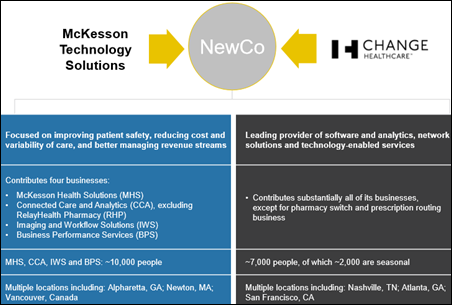








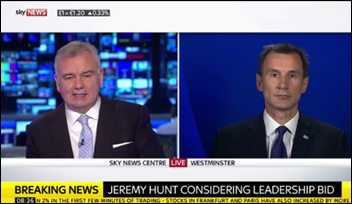


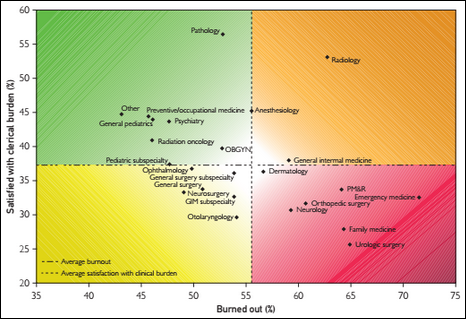







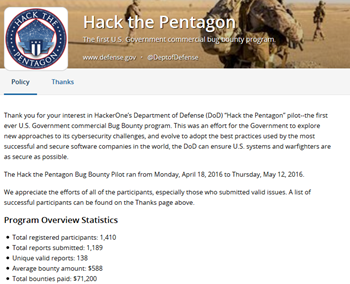
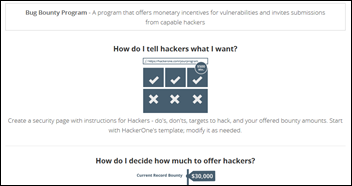
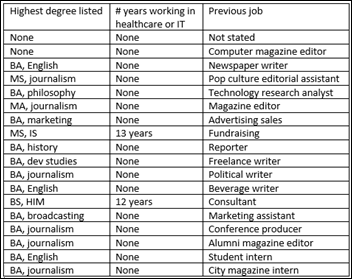
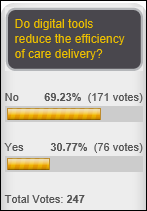


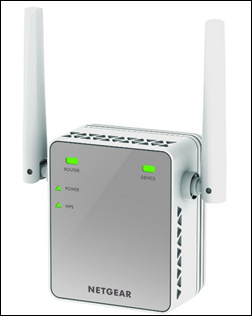


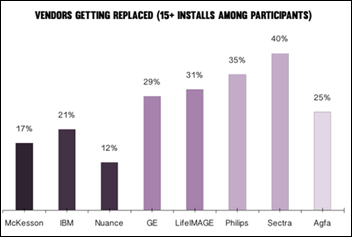



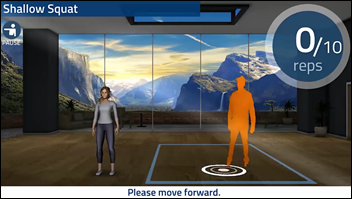
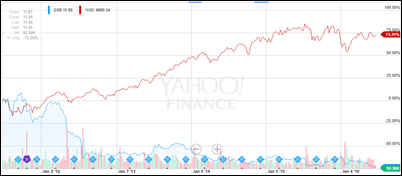
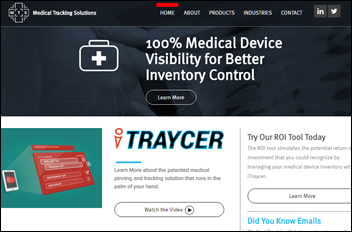


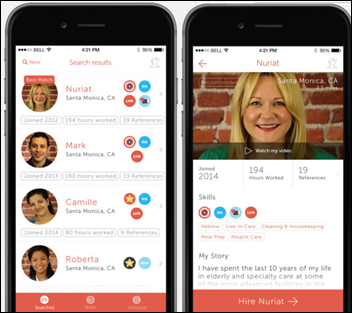
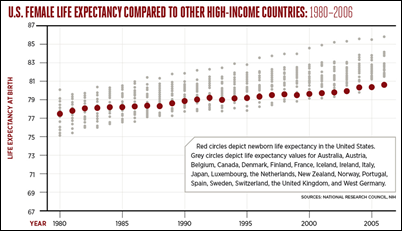


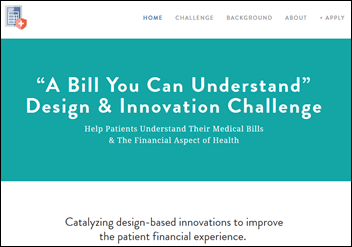



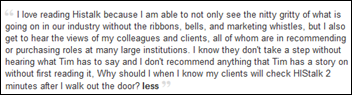

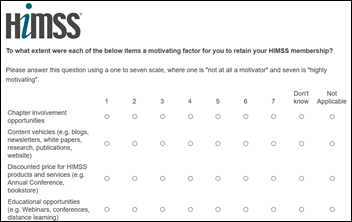



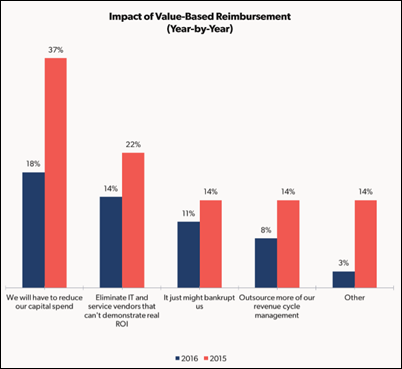

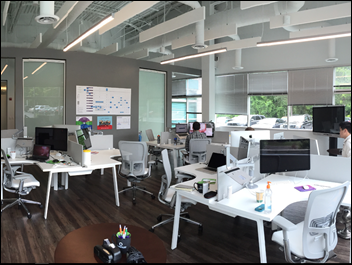

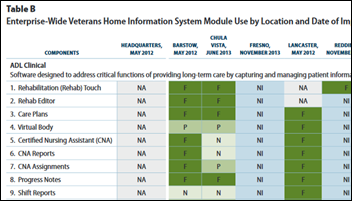



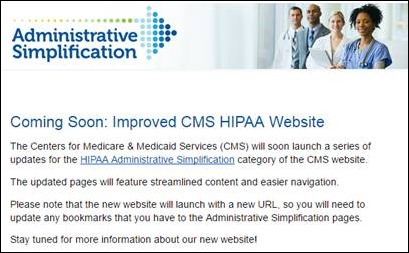


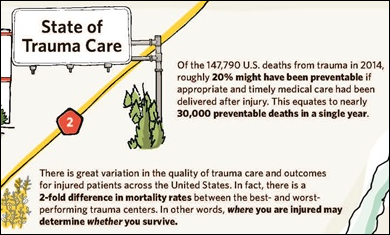

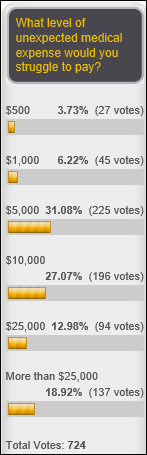




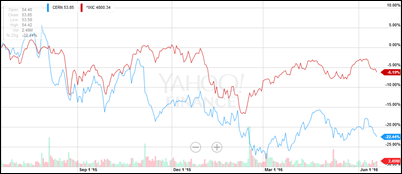
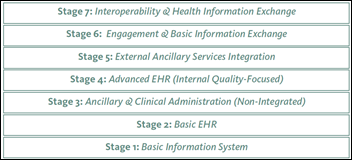

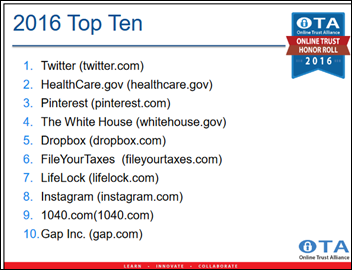
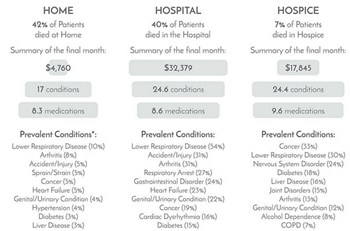
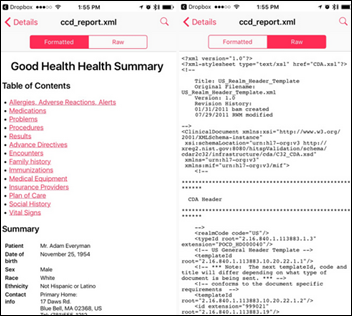







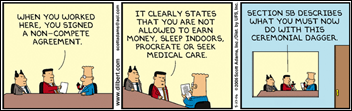

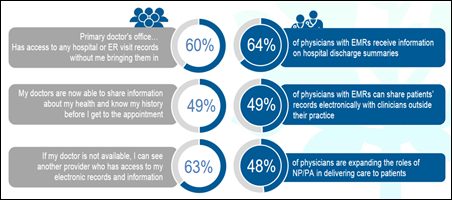


Re: Deliberately Faked Academic Papers in Nature See, this doesn't surprise me at all. Of course AI quotes these bogus…