
Recent Articles:

HIStalk Interviews Steve Malik, Founder and CEO, Medfusion/Intuit Health

August 27, 2013 Interviews 2 Comments

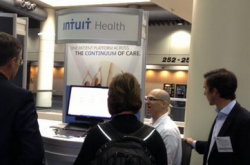
Stephen Malik of Cary, NC founded patient portal vendor Medfusion, sold it to Intuit in 2010 to create Intuit Health where he served as president until June 2013 , and announced last week that he has purchased his former company back.

8-27-2013 2-44-04 PM


You’ve said you were looking for healthcare IT investments and decided that your former business was the best one. Having looked around, what other kinds of business in healthcare IT did you find that really were or really weren’t appealing?

I’m a limited partner in multiple funds. I’ve got an opportunity to look at both entry-level, growth stage, and a little more advanced than that. Of course, a number of these VCs are looking to do more in health IT. As you know, it’s a hot area these days. About time, right? Especially around here. Pharma has been so hot, so it’s nice to have HIT take the lead flag.

I’ve looked at a lot of them and had some support from analysts. It’s been great. Inevitably in these meetings 30 minutes in, they all want to start talking about patient engagement strategy, how critical that is to Obamacare working and ACOs, etc. I agree with them that it’s critical and the next wave of opportunity to help improve people’s health and reduce cost.

At the same time, their traction was in most cases 13-14 years behind where we were with Intuit Health. I’ve been on that journey. I know how hard it is to change behavior, both for the staff of the physician’s practice and also for patients.

Having developed a secret sauce over a long period of time that’s working well here, I was concerned for them, in many cases, that both gaining adoption as well as the challenges of selling in the medical space, even though there’s a lot of consolidation these days with hospitals buying practices … You’ve been in the space a long time. You know there’s still an awful lot of five-doc and under practices that require a huge effort to get them to adopt IT in terms of the initial sales and marketing efforts you have to put into it. Distribution has been the biggest challenge for most of them.

That’s why for me, being able to get the old Medfusion — currently Intuit Health — back and take advantage of 8 million-plus patients and 100,000 secure communications a day plus … that engine that’s already going is a great distribution channel to use startup-type methodologies to put solutions on our platform and see how the market responds to them, to build an agnostic solution that goes beyond just the tethered portals that are mostly the checkbox that a lot of folks in the industry are choosing right now. I get that. It’s an easy answer. It comes with their EHR/PM.

But frankly, when we look forward, as we look at the larger community type plays that are becoming more and more predominant, all of them have multiple IT systems. Being able to have an agnostic solution that can work across various ambulatory, acute, pharma, lab, etc. solutions in places where a consumer actually wants their data, and being able to leverage on top of that applications and innovation that is teeming in the space right now. Then pick the winners and go in a little deeper with them in terms of what’s available with integration. We think that’s a winning strategy.

To answer your question, if I was going to put X millions of dollars into some startup, to be able to build a platform that’s robust enough to allow them to have distribution seemed like a really good opportunity for me to apply the relationships I’ve built over all these years in the space. Also to invest, but to make a broader bet than just individual potentials that could turn into something.


Usually when someone buys their old business back from an acquirer, it signifies some difference in opinion of how the acquirer ran the business and often involves paying a fire-sale price to restore it to its former glory after the big business has decided it wants to move on to something else. What are your thoughts on the business moving from Medfusion to Intuit and now back to you?

I have nothing but praise for Intuit. I learned a tremendous amount being involved with a Silicon Valley software giant. It’s plenty of hard work and process that goes into making their products delightful. Anyone who’s used TurboTax, Quicken, or QuickBooks knows it works great for them. They get the value of out of there and they solve problems. To be able to add that knowledge and experience base to my previous history, I’m thankful for that, thankful for the contacts, thankful for the training, and thankful for the investment.

They put a tremendous amount of money into our product to focus on scalability, reliability, privacy and security. It’s the kind of investment you make when you own TurboTax because you can’t afford to have problems in that arena with a smaller BU. All of that puts us in a great position to move forward.

Surely there are some parts of the larger organization that don’t move as quickly. Even my first week back, I’m reveling in the ability to make decisions a little more quickly without bringing in as many people. Thankfully I think that what they did was give is a great platform to move forward. We’ll be a lot more entrepreneurial and focus on innovation moving forward. I’m looking forward to that.

I’m happy not to be flying to California at the rate I was and participating as a corporate officer. Certainly running a BU requires some participation in corporation events that while important to the team you’re playing on, don’t allow you to spend as much focus on your own business unit. I’m glad to be freed of those responsibilities.

All in all, I think they set us up well for success moving forward.


Intuit wrote down $46 million when Allscripts bought Jardogs. What could Medfusion or Intuit Health done to be less reliant on a single customer that was large enough to at any point buy or build their own portal product and finally did?

They acquired someone, so yes, versus building it. I wouldn’t say we’re as reliant on Allscripts as people would like to think. We’ve done very well in other segments.

There are a number of EHRs that have more flexibility and openness in being able to write to their APIs or to integrate with them. Look at Jardogs. They were successful without Allscripts’ help in doing a guerrilla-type integration. Our ability to execute in the marketplace, while Allscripts continues to be a good partner … as of the moment, we’re officially their preferred solution. We have a tremendous number of doctors that are mutual clients. We’re very strong in the areas where they’re very strong. I don’t see that necessarily going away all that quickly. They have such a large base, it’s going to take many, many years for them to bring those solutions up to speed and be able to handle those kinds of volumes.

A big part of our experience is that when we started to put a lot of utilization through the system. That’s where the kind of investment that Intuit made really benefitted us. Keeping up a multi-tenant, SaaS-based solution that has tremendous volumes going through it is an engineering challenge that goes beyond having snazzy features.

I think it’s a good business move for PMs and EHRs to have their own solution, but the large market trends are definitely in favor of an agnostic solution. When we go out and look at larger communities — the ones that are doing the acquiring and growing and eventually the ones that will be ACOs — on average, they have over 45 different IT systems. I’m willing to bet, obviously, that patients don’t want to go to 50 different portals. To be able to provide a consolidated, easy-to-use experience for the patient across any doctor that they go to, I think plays a different role than just a tethered solution to an ambulatory answer, for instance.


What do you see as the long-term future for patient portals?

Obviously I’m making my bet on the fact that I think the community is going to want to have their website with their brand that they’re able to consolidate and allow a patient and family … most families have one person who manages the healthcare for the family. If they’re a nuclear family, they’d like their kids, their spouse, and any other care they’re doing all consolidated. I think the future is all about “do it for me.” One of the big challenges with the solutions that only work for one doctor is that you’re still entering information a lot. In today’s rapidly more and more digitized world, it makes a huge difference for a patient to be able to get a chart summary, to have all of their history there, and then be able to consolidate that across all their doctors.

You asked me about interesting companies that I looked at. There are a plethora of very interesting solutions around discharge management, care coordination, disease management, etc. I think they’re part of that future. I think what’s going to happen is that innovation is going to come into our space like it has in financial services and others that have digitized before us, and I believe the consumer is going to want one place to go for all their health information. They’ll want it portable. They’ll want to leverage the trusted relationship they have with their doctor. I think docs are going to say, OK, you have diabetes, this is my preferred diabetes app. I’d like to essentially prescribe that app.

From a “do it for me” perspective, folks like us will add value to those applications with one place you log in, tying into sensors and other kind of data that’s going, and then consolidating that information and sending the pertinent information with alerts back to the providers on the back end. We’ve seen that kind of innovation in other spaces. To be frank with you, I don’t know if that’s 2020 or 2016, but what I’m going to try to do is make that happen sooner rather than later.


Are you going to use the Medfusion name?

We’re having a contest with our employees and with customers. We’re going to evaluate the right name for the direction that we’re heading into. I’ve said a couple of times that I love the name Medfusion, and for all I know it may be the one that bubbles to the top, but I’m going to use this opportunity to make sure we’re appropriately branding ourselves for the direction we’re heading. I’d love to have an answer for you right this minute. You were right, I’m not really answering. [laughs]


Any final thoughts?

I gave you such verbose answers I probably answered one or two of the questions you were going to ask [laughs]. I appreciate the opportunity to talk to you. You’ve got a site that everybody in our space looks at. You’ve done a great job with that. It’s certainly one I check out on a pretty regular basis.

I think we’re going to have more news for you. I wouldn’t have come back to do something little. I’m intending to really try to accelerate the business and stay ahead of some of the trends that are out there.
Morning Headlines 8/27/13

August 26, 2013 Headlines 4 Comments

Q&A: OSEHRA CEO Seong Mun on iEHR, future of open source

Leading up to the 3rd annual OSHERA summit, CEO Seong Mun answers questions on unifying VistA under a standard codebase and the odds of VistA coming out on top in the DoD EHR vendor search.

Data Triage for the Boston Bombing: How Beth Israel Deaconess Protected Patient Records From Hackers, Journalists, and Curious Doctors

FastCompany interviews John Halamka, MD, CIO of Beth Israel Deaconess on the IT security protocols used to thwart hackers and journalists from accessing victim’s medical records in the post-marathon bombing hours while its staff treated both bombing victims, and then later that week bombing suspect Dzhokhar Tsarnaev.

Tony Abbott eager to overhaul e-health system

Leading up to federal elections in Australia, Opposition leader Tony Abbott vows to overhaul the struggling patient-controlled electronic health record program if elected. The PCEHR program has been widely criticized due to cost overruns and dismal patient engagement.

Readers Write: Natural Language Processing: Putting Big Data to Work to Drive Efficiencies and Improve Patient Outcomes

August 26, 2013 Readers Write 1 Comment

Natural Language Processing: Putting Big Data to Work to Drive Efficiencies and Improve Patient Outcomes
By Dan Riskin, MD

8-26-2013 6-26-06 PM

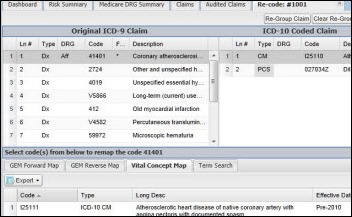
Natural language processing (NLP) is increasingly discussed in healthcare, but often in reference to different technologies such as speech recognition, computer-assisted coding (CAC), and analytics. NLP is an enabling technology that allows computers to derive meaning from human, or natural language input.

For example, a physician’s note may state that a patient “has poorly controlled diabetes complicated by peripheral neuropathy.” When notes are analyzed through an NLP system, coded features are returned that can:

  • Suggest codes such as ICD-9 or ICD-10 that may feed a CAC billing application;
  • Classify a patient according to applicable quality measures such as poorly controlled diabetes mellitus, to support a reporting tool;
  • Populate a data warehouse;
  • Feed analytics applications to support descriptive or predictive modeling, such as the likelihood of a patient being readmitted to a hospital within 30 days of discharge.

Healthcare is data intensive from both clinical and business perspectives. While the industry’s transition to electronic data collection and storage in recent years has increased significantly, this has not actually forced physicians to code the majority of meaningful content. Eighty percent of meaningful clinical data remains within the unstructured text, as it does in most industries. This means that it remains in a format that cannot be easily searched or accessed electronically.

NLP can be leveraged to drive improvements in financial, clinical, and operational aspects of healthcare workflow:

For financial processes, automating data extraction for claims, financial auditing, and revenue cycle analytics can impact the top line. NLP can automatically extract underlying data, making claims more efficient and offering the potential for revenue analytics.

For clinical processes, automatically extracting key quality measures can support downstream systems for reporting and analytics. NLP can infer whether a patient meets a quality measure rather than requiring individuals to manually document each measure for each patient.

For operational processes, descriptive and predictive modeling can support more effective and efficient operations. NLP can extract hundreds of data elements per patient rather than the 2-4 codes listed in claims, producing better models and supporting business insight and diversion of resources to high risk patients.

So, NLP is a powerful enabling technology, but it is not an end user application. It is not speech recognition or revenue cycle management or analytics. It can, however, enable all of these.

There is a battle underway that is increasingly recognized in the healthcare space. Individual hospital divisions seek turnkey solutions and frequently purchase NLP-enabled products. But at a broader level, health systems as a whole do not want to pay repeatedly for similar technology. They seek best-of-breed infrastructure, wanting a combination of electronic health records, data warehouses, NLP, and analytics.

This battle will increasingly highlight best-of-breed data warehouses, data integration vendors, and natural language processing technologies as health systems search for a scalable, affordable, and flexible healthcare infrastructure to feed a suite of clinical, operational, and financial applications.

Dan Riskin, MD is CEO of Health Fidelity of Palo Alto, CA.

Readers Write: Bridging the Divide: Can Clinicians and CFOs Speak the Same Language?

August 26, 2013 Readers Write Comments Off on Readers Write: Bridging the Divide: Can Clinicians and CFOs Speak the Same Language?

Bridging the Divide: Can Clinicians and CFOs Speak the Same Language?
By Nick van Terheyden, MBBS

Pity poor Henry the VIII. Historians still argue over his medical records. Though his was the most scrupulously documented medical history of his age, burning questions remain. Did he suffer from syphilis as believed for centuries? More likely he had familial diabetes, which better explains his symptoms – including his well-documented inability to heal from wounds.

Imagine if Henry’s physicians were also tasked with assigning codes and complying with the clinical documentation requirements of today. The Tudor dynasty might have had some reimbursement issues. Heads would have rolled.

Sure, bloodletting is no longer an accepted therapeutic modality. But have we really come that far in bridging the divide between the clinician’s responsibility for care and the CFO’s responsibility for financial performance? Or do finance and quality continue to be involved in a forced marriage of sorts?

Clinicians are focused on their patients. While they understand the importance of billing, they need to put their energies into diagnosing and treating patients to ensure positive outcomes. And they’re overwhelmed with data – patient test results, clinical studies, guidelines, protocols – much of which they have to sift through to find relevant, critical information. Add to that, they have the burden of learning the new coding requirements under ICD-10, with the deadline approaching around the corner.

CFOs, of course, are also focused on quality but, at the same time, must juggle that priority with issues related to reimbursement, their bottom-line and ever-changing and expanding compliance requirements. They’re continually seeking out and analyzing solutions that may be able to improve both patient health and revenue performance. At the same time, they also recognize that without physician buy-in, they cannot meet any of these goals; therefore, they are looking for meaningful ways to bring them along, without disrupting their workflows.

Information that’s deemed crucial for the clinician may not be deemed useful by the CFO, and vice-versa.

Yet finding ways to break through this language barrier between the clinical and financial perspectives will be a critical success factor for healthcare organizations in the years ahead. It’s more than just a communications issue. It’s a strategic imperative aimed at translating the narrative of care into an actionable piece of information that aids in care coordination, while also ensuring appropriate reimbursement and minimizing the potential revenue leakages that keep most hospital CFOs up at night.

Clinical documentation is at the heart of plugging these revenue leakages while also meeting quality standards. Instead of finding one-stop solutions to prevent leakages across the revenue cycle, it is much easier to build accuracy from the start rather than trying to fix the problem after the train has left the station and the process is in motion.

Regardless of the tools used, clinical documentation addresses the most important concern for both physicians and CFOs: ensuring that the most useful information is captured accurately and is made readily accessible to the decision makers (and systems) who need it. At the end of the day, we all know that quality leads to a win for all.

Nick van Terheyden, MBBS is CMIO of Nuance.

Comments Off on Readers Write: Bridging the Divide: Can Clinicians and CFOs Speak the Same Language?

Curbside Consult with Dr. Jayne 8/26/13

August 26, 2013 Dr. Jayne Comments Off on Curbside Consult with Dr. Jayne 8/26/13

clip_image002

Mr. HIStalk ran a Time Capsule piece about electronic timekeeping systems earlier this week. Due to being on staff at several hospitals as well as working as a consultant and as a CMIO, I’ve been through more time and attendance projects than I can count. And definitely more than I’d like to remember.

Most hospitals I’ve worked at embrace two different flavors of timekeeping systems. The first type is the time, attendance and payroll system, used to track time worked for hourly employees as well as vacation, sick, and other time off for both hourly and salaried employees. The second type is the project-based time system, which allows for tracking time spent on various initiatives. Some IT organizations use this type of system for charge-backs to the departments utilizing IT services as well.

Our nurses complain bitterly about the rules that have been implemented around time and attendance tracking. They’re expected to clock in early enough to make it to their work area on time, but not too early or they will be penalized. When the emergency department nurses have to work through their designated lunch break (which happens more often than anyone would like) the procedures they have to go through to clock a “no lunch” and avoid having a break automatically deducted are akin to hopping on one foot while turning in circles and whistling the score from “Les Miserables.”

It’s so complicated that even though the system allows for nurses to bid on days off based on a request queue that looks at their seniority, work status, and previous holiday and weekend work schedules, many of the charge nurses schedule on paper because they have difficulty “seeing” the schedule and how it’s going to work out. Maybe it’s the user interface, maybe it was the training, or maybe it’s just the product in general, but either way people dislike and distrust the system.

Our department has a mix of salaried and hourly employees. We all use the same system, although our department isn’t configured with the capability to request days off. We still have to fill out a paper form and obtain a wet signature from our supervisor. Our shared administrative assistant keys in our time off once it’s approved. Even though I’m a salaried employee, I have to electronically approve my 40 hours each week and submit it to the administrative assistant to approve. I’d love to be able to go in and modify it to reflect the hours I actually work, but unfortunately that functionality would be an enhancement.

As if dealing with the time and attendance system isn’t bad enough, many of us have to work in project tracking systems as well. One hospital for which I did some consulting work tried to interface the project system to the payroll and attendance system. I’m glad I was not an employee (and also that I was not on that project) because it was a disaster. It was pretty easy to tell that whatever user validation testing was done was inadequate or nonexistent. The project system was only configured to track billable time and when employees didn’t have 40 hours on their project card, it automatically deducted the difference as vacation.

Apparently no one noticed that the project system didn’t have categories for the rest of the things that happen in a hospital IT department – drafting proposals, responding to customer inquiries, reading general emails, team meetings, collaboration at the water cooler, etc. Although it was easily fixed by adding all those tracking categories, the rollout left the teams with a bad taste that took more than a year to erase.

Whether time is billable or not, there is a great deal of data in project accounting systems. Many managers don’t know how to leverage it to determine if their teams are productive or not. It’s rare that I see managers compare hours among team members working the same projects or even spend time thinking about whether the time clocked is reasonable based on the nature of the project. It seems like people don’t realize their teams aren’t working as efficiently as needed until the overall project metrics show that staffing is over budget.

I’ve worked with a couple of managers who are really good at this, though. The best was an inpatient pharmacy project manager dealing with a large and complex build. She looked not only at how much time people were spending on comparable tasks, but was able to reference it to their weekly status reports and determine that some team members had as much as 50 percent more throughput than others. After doing some one-on-one assessments to make sure everyone was adequately trained and had the same level of competency (as manifested by error rates) she called the team together.

I was able to watch as the meeting unfolded because she asked me to be the neutral facilitator. Knowing what she had planned, I think it was also so she could have a witness in case the team tried to go over the table at her. She started innocently enough asking them to come up with a consensus response for a variety of questions about how long it takes to do various build tasks. Everyone was very open in the discussion. She took her time waiting for them to all agree on what was reasonable.

What they didn’t realize that she had all the project time and productivity numbers pre-built on a spreadsheet which she modified as she started asking the questions. By the end of the meeting, she had some interesting data that painted a pretty damning picture of how some team members were performing compared to what they all had just agreed was reasonable. At the same time, she had also created a road map for the rest of the project and let the team know she’d be holding them to the productivity parameters they had just defined themselves. Needless to say, they were speechless. They never saw it coming.

I kept a close eye on her team the rest of the build. Fortunately they handled themselves as professionals and I didn’t hear a lot of complaining or see a change in error rates. Maybe they were either embarrassed that they had just been caught sandbagging or were motivated to meet the goals set by the team – we’ll never know. They’ve been live for quite some time and they still use those same time estimates when scoping upgrades and revisions to the pharmacy database.

I have to admit I pirated her approach. I’ve used it to help novice physician leaders who have been told by their tech teams that it will take too long to build customizations that would make the physicians’ lives easier. The physicians can work through the average time needed to do x, y, and z tasks and compare it to the time that would be saved for end users or the quantifiable improvement in patient safety. I’ve used it with tech managers who are being held hostage by programmers who don’t want to exert themselves. I’ve also used it in the clinical office prior to doing time and motion studies.

I’m always interested in ways to better use the data at hand rather than having to implement new systems or use manual processes. Do you have creative uses for data from your time tracking systems? Email me.

Print

E-mail Dr. Jayne.

Comments Off on Curbside Consult with Dr. Jayne 8/26/13

Morning Headlines 8/26/13

August 25, 2013 News 1 Comment

The CIO: Healthcare’s New Million Dollar Man

SSi Search surveys 178 healthcare CIOs on changes to their roles and responsibilities post-HITECH and compares that with associated salary increases. 23 percent of respondents reported a 50 – 75 percent increase in responsibility since HITECH was passed, but reported receiving less a 10 percent salary increase over the same period.

Kaiser Permanente Opens New Information Technology Center in Greenwood Village

Kaiser Permanente opens a five-story, 350-person IT office in Greenwood Village, CO which it estimates will house 700 employees by 2015.

NYC Macroscope Puts Data at the Fingertips of City Officials

New York City public health workers are developing a big-data surveillance program that promises real-time population health monitoring of the city. The program will rely on EHR data aggregated into a surveillance tool that will drive public health decisions.

Class 2 Recall Picis EDIS PulseCheck

Picis recalls its PulseCheck EDIS due to problems with prescription comments being dropped from electronic prescriptions when filed or printed.

Monday Morning Update 8/26/13

August 25, 2013 News 1 Comment

From Todd: “Re: FDA security guidance. FDA has published radio frequency guidance for wireless medical devices that includes information about authentication and encryption to prevent hackers from gaining control. FDA has a draft out for comment that includes a requirement that vendors develop a plan to apply operating system updates and patches to address security flaws.” It’s strange (or typical government efficiency) that a document that went to draft in January 2007 finally gets published years afterward. The cybersecurity draft came out in June.

From Digital Bean Counter: “Re: Optimity Advisors. Anyone have experience working with them?”

From Keith: “Re: EHRs. If they aren’t medical devices, why is the vendor reporting to the FDA and recalling its care controlling system?” Picis announces a Class 2 recall of its ED PulseCheck emergency department information system due to a problem printing entered notes along with prescriptions. My guess is that Picis (part of OptumInsight) commendably reports through FDA even though they aren’t required to since I’ve seen their entries in the MAUDE database over the years. Demands for FDA oversight would be reduced to almost nothing if vendors reported and tracked software defects with the same enthusiasm as they do unpaid invoices.

Most poll respondents don’t think the FDASIA report will improve IT-related patient safety since it limits its scope to a user reporting mechanism and other forms of post-marketing surveillance. New poll to your right: when a vendor requires you to register before downloading a white paper you want to see, what do you do? I will, as the poll maker, unprofessionally expose my bias in stating that I think hiding advertising material behind a lead-gathering signup form is both stupid and insulting. We hospital people are smart enough to figure out how to contact you if your material inspires us to further action; we aren’t fans of being cold called as punishment for being willing to give your material a look. Do the sales and marketing people a favor and ignore their faulty advice. I always sign up with phony information, inserting the vendor’s own phone number in the required slot.

I  ran a reader’s question in Friday’s news asking for hospitals that have switched from Cerner to Epic. Readers provided these: Aurora, Legacy Health Portland, Children’s Dallas, University of Utah (underway), Rex Healthcare, Loma Linda, and Lucile Packard (underway). I appreciate the information, which then led me to another question as it often does: have any hospitals voluntarily switched from Epic to Cerner?

XIFIN, which offers revenue cycle solutions for laboratories, radiology,  and pain management, acquires PathCentral, a vendor of cloud-based digital anatomic pathology vendor with big-name customers such as Johns Hopkins, Mass General, and University of Southern California.

A medical assistant / IT administrator at an orthopedics practice is arrested for stealing a pre-signed blank prescription form from the the practice’s EMR and writing himself a prescription for Percocet.

The Washington Post profiles Altruista Health, a 75-employee Reston, VA company that offers predictive algorithms that identify a provider’s highest-risk patients. I ran a Readers Write article by CEO Ashish Kachru in December 2012.

URAC and the Leapfrog Group announce the second annual Hospital Website Transparency Awards, which recognizes websites that portray quality measures honestly and contain information that’s actually useful instead of the far more common marketing BS (stock photo photogenic doctors, community chest-puffing, and unsubstantiated claims that locals are incredibly lucky to have a world-renowned medical facility in a town too small to even have a mall.)

Wisconsin Statewide Health Information Network says it will go live soon, running on the Medicity platform.

A 178-respondent CIO survey performed by SSi-SEARCH finds that the average CIO makes $286K, but despite greatly increasing workload and responsibility, receives single-digit annual salary increases. Still, almost 60 percent of respondents say their pay is satisfactory. They report that people- and team-related issues are both their biggest challenge and their biggest accomplishment. Only 11 percent of the CIOs aspire to a non-IT role, but those who do are interested in a COO position despite responses indicating that it’s tough for a CIO to be recognized as a strategic leader outside the IT realm.

An Allscripts promotional video filmed at Sarasota Memorial Hospital (FL) celebrates the hospital’s 15 years on Sunrise and features VP/CIO Denis Baker.

New York City is piloting NYC Macroscope, which aggregates EHR data into a public health surveillance database that will allow city officials to monitor the health of the population in near real time. Their only concern is that its data is, by definition, limited to those patients who receive medical care, so the city will still need to conduct traditional survey-based surveillance. Data exchange has been established with 3,200 providers in the NYC Primary Care Information Project, which uses eClinicalWorks and distributes queries through the Hub Population Health System.

Advocate Medical Group (IL) announces that four unencrypted desktop computers were stolen in a July 15 burglary that contained basic patient information and Social Security numbers on 4 million patients.

Bats Global Markets, the nation’s third-largest stock exchange with $101 million in 2012 earnings, is discussing a merger with another exchange that would make it larger than Nasdaq. Bats was started by former Cerner employee Dave Cummings in 2005 as an electronic trading company. The company was supposed to go public in 2012 by being listed on its own exchange, but a software bug froze its systems seconds after its executives rang the trading bell, causing Bats to cancel its IPO as the word spread and underwriters feared a steep share selloff. Cummings may have learned email etiquette from his former boss Neal Patterson as he immediately sent a scathing ready-fire-aim internal email cancelling all bonuses.

Texas Health Resources names Luis Saldaña, MD as CMIO of the 25-hospital system.

Two executives of Eastern Connecticut Health Network, including VP/CIO Charlie Covin, leave the organization abruptly as it prepares to sell itself to for-profit Vanguard Health Systems.

Kaiser Permanente opens an IT center in Greenwood Village, CO, with the current 350 employees working there expected to double by 2015.

The accounting department of University of Mississippi Medical Center accidentally sends an email to 190 students Wednesday evening with an attached worksheet containing the Social Security numbers, GPAs, and other personal information of all 2,300 of its students. It frantically tried to recall and then purge the message, but 115 of the students had already opened it and three had forwarded it to an external email address.

The Roanoke newspaper reports that the former president and CEO of Carilion Clinic (VA) received $6.2 million in final compensation when he left in 2011.  Another Carilion CEO who retired in 2001 received a $7.4 million lump sum payout that was only one of two installments he earned for honoring his non-compete agreement.

A former employee of MedCentral Health System (OH) files a lawsuit against his former employer, claiming that he was unjustly fired after complaining that Open Systems, a Cleveland-based technology vendor, was bribing the hospital’s IT department to buy its overpriced computer equipment with travel, sports tickets, and food. The employee says he complained to the former IT director, who told him he would be running the department some day and should just mind his own business.

Microsoft CEO Steve Ballmer announces his retirement as CEO, causing shares to jump 7 percent Friday, ironically raising Ballmer’s personal fortune of $15 billion by another $800 million by his own departure. A Reuters article summarizes his many mistakes with a quote: “That is the most expensive phone in the world and it doesn’t appeal to business customers,” Ballmer laughed in a TV interview after the launch of Apple’s iPhone in 2007. Five years later, iPhone sales alone were greater than Microsoft’s overall revenue.” The article also mentioned the infamous “Monkey Boy” video, in which Ballmer leaps and screams all over a sales meeting stage hoping to generate enthusiasm that the company’s performance couldn’t.
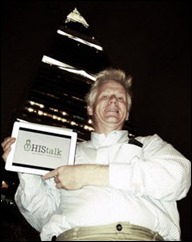
Vince Ciotti says this device might entice older doctors to use an EMR.

Robert Wood Johnson Foundation says the use of patient-shared medical visit notes (OpenNotes) is spreading, with Beth Israel Deaconess Medical Center rolling it out now with similar plans by the VA, Group Health Cooperative, Geisinger, Cleveland Clinic, and Mayo Clinic. RWJF will issue a $2.1 million grant to share lessons learned and to help health systems implement it.

Weird News Andy perhaps inevitably title this article “Sh*t for Brains.” California’s Department of Public Health fines three UC Davis Medical Center doctors who injected fecal bacteria into the brains of three cancer patients as an experiment, hoping to kill tumor cells. Instead, the resulting infections trigger septicemia-induced seizures, with one patient dying shortly after. The doctors admitted that they had no plan to address problems that might have developed and couldn’t explain why they chose those particular patients.


Contacts

Mr. H, Inga, Dr. Jayne, Dr. Gregg, Lt. Dan, Dr. Travis.

More news: HIStalk Practice, HIStalk Connect.

Time Capsule: Time Won’t Let Me: Everybody Hates Filling Out Timesheets, But It Beats Being Laid Off

August 23, 2013 Time Capsule 2 Comments

I wrote weekly editorials for a boutique industry newsletter for several years, anxious for both audience and income. I learned a lot about coming up with ideas for the weekly grind, trying to be simultaneously opinionated and entertaining in a few hundred words, and not sleeping much because I was working all the time. They’re fun to read as a look back at what was important then (and often still important now).
I wrote this piece in May 2009.

Time Won’t Let Me: Everybody Hates Filling Out Timesheets, But It Beats Being Laid Off
By Mr. HIStalk

125x125_2nd_Circle

One of the least-popular yet most useful things I’ve done in IT management was to implement an electronic timesheet system. I thought it would add a defensible layer of transparency and accountability to our otherwise black hole of IT projects and maintenance activities (it did), but I didn’t expect the staff to resist (they did).

It was for their benefit, after all. Executives were complaining about IT costs because they had no idea what we were working on (coddling those same PC-illiterate honchos armed with the highest-powered laptops and cool PDAs that never got used except to mess them up was a lot of what we did). They couldn’t figure out why we kept needing more people (forgetting all the cool new applications they went out and bought without allocating operating funds to keep them running). They figured we must be screwing around since we rarely emerged from our IT hole to encroach on the rarefied air of their windowed, couched, and conference tabled offices (because we were trying to keep outdated servers and applications running on a shoestring instead of chatting on our couches).

I pictured the day when, under snotty cost pressure from the bean counters, I would triumphantly wave a slickly printed labor allocation pie chart and proclaim, “Sure, we can cut IT costs. Which of your financial applications would you like to shut down?” (it actually did kind of work out that way).
Employees still resented the “getting into my business” aspect of accounting for their time. They made it clear with eye-rolling and begrudged compliance that the whole timesheet thing was invading their personal, company-paid space.

I’ve done this twice. The arguments are always the same:

  • I’m too busy to track everything I do (suck-ups)
  • I multi-task, so it’s impossible to record time accurately (excuse-makers)
  • I don’t want to have to drop everything just to record a two-minute phone call (whiners)
  • I would need at least 200 time codes to fully represent my broad contributions to the enterprise (opportunistic night shift computer operators)

Here’s a given. At the meeting where the timesheet idea is first floated (carefully masked under the working title “effort tracking,” which fools no one) and employee resistance first rears its ugly head, someone who considers themselves a master of cynical wit will invariably say, “How do I record the time it takes to record my time?” Ha ha, that never ceases to amuse even after hearing it 100 times.

Everybody hates recording their time. Software is often old and clunky (I see somebody has modified Twitter into a timekeeping system – you Tweet when you change activities and it records the elapsed time. That must really tear at the soul of Twittering geeks who still hate having their time tracked).

But the thing is, it works beautifully. Even given the inevitable fudging and one-upmanship involved (did you really work 112 hours this week?), it’s amazing to find out where employees really spend their time. You find out how long it takes to upgrade the payroll system, develop a new CPOE order set, and apply the latest server patches. You can then plan for next time.

The faint Big Brother overtones help, too. Folks who don’t mind goofing off but are too honest to lie on a timesheet might work a little harder rather than perjuring themselves.

And at least it’s not the Soviet-inspired problem tracking system, which forces employees to stop co-workers mid-sentence to announce, “I can’t talk to you until you open a ticket.”

This Week in HIT 8/23/13

August 23, 2013 This Week in HIT 1 Comment

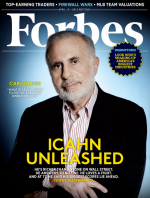
Nuance Recognizes Icahn’s Voice as Hostile

8-23-2013 9-57-59 AM

Facts and Background

The board of speech recognition giant Nuance Communications, alarmed by the rapid accumulation of its shares by billionaire investor and corporate raider Carl Icahn, adopted Tuesday a shareholder rights plan (aka “poison pill”) that prevents any outside investor from holding more than 20 percent of the company’s shares.

Opinion

With Nuance shares up only 22 percent in five years and considerably lagging the Nasdaq after some company stumbles this year, are Nuance’s board members protecting the interests of shareholders or their own?

Musings

  • It’s at least flattering to attract Icahn’s financial interest. At the moment he’s pursing Dell and his August 13 announcement that he’s buying Apple stock sent shares up 5 percent.
  • Icahn owns 16 percent of the outstanding shares of NUAN.
  • Ican is worth $20 billion, mostly made by buying downtrodden companies and selling them off in pieces.
  • Healthcare (Dragon, eScription, transcription services) is Nuance’s bread and butter at about 50 percent of revenue, even though the company is mostly known outside of the industry as providing the technology behind Apple’s Siri and voice-powered appliances.
  • Icahn’s tactics after he gains control of a company involve replacing the board, then breaking the company up if the share price doesn’t respond.
  • Historically, shareholders receive significant benefit if the companies Icahn controls either are taken private or are acquired, but suffer if they remain independent.

We’re Not Intuit Any More: Medfusion’s Founder Buys it Back

8-23-2013 10-49-31 AM

Facts and Background

Steve Malik, who founded patient portal vendor Medfusion in 2000 and sold it to Intuit in 2010 for $91 million, confirmed Tuesday that he has bought his former company back.

Opinion

Intuit joins Misys and Sage as examples of why nobody benefits when financial software firms decide to dabble in industries they know nothing about, especially ones involving patients.

Musings

  • Cary, NC-based Medfusion had taken in only $2.2 million in outside investment when Intuit bought it, so Malik must have made a fortune back in 2000.
  • Malik bought Intuit Health back at an unannounced price, likely a lot less than $91 million since its revenue was declining despite increasing physician adoption.
  • Malik says he hasn’t decided whether to revive the Medfusion name.
  • Intuit announced that it was seeking a buyer on August 1, when it announced unimpressive quarterly results.
  • Intuit wrote down an astounding $46 million in May 2013 after Allscripts, its biggest customer, bought portal vendor Jardogs in March 2013 after years of being stuck with its earlier (dumb) decision to market rather than build a patient portal to complement its EHRs.

Greenway’s Subscription Wasn’t Delivered in Q4

8-23-2013 11-19-49 AM

Facts and Background

Greenway announced a wider than expected loss and decreased revenue in its earnings report Monday, blaming its shift toward a recurring revenue model.

Opinion

Competition, the HITECH slowdown, and regulatory development costs are making it tough to meet lofty expectations in the ambulatory EHR world.

Musings

  • Like all software companies, Greenway is trying to wean itself off sales-driven revenue and move toward a recurring revenue model involving maintenance fees, training fees, and add-on services such as revenue cycle management. Like most software companies, they aren’t finding it easy, especially while doing it under the watchful eyes of Wall Street.
  • Sales to Walgreens boosted revenue, but at reduced margins.
  • The company says it expects system sales to drop 50-60 percent as it moves to subscription pricing.
  • Tee Green said in the earnings call that Meaningful Use Stage1 created market “carnage” that will benefit the company in the form of more astute prospects.
  • GWAY shares are up slightly on the week.
  • The report wasn’t great overall, but GWAY is a work in progress having gone public only 18 months ago and share price unchanged since.

More Parking Lots for Neal to Watch: Cerner Plans a $4 Billion Campus

8-23-2013 11-49-19 AM

Facts and Background

Cerner’s planned development of a 251-acre abandoned mall site will be the biggest office development in Kansas City history, eventually housing 15,000 employees.

Opinion

Campus projects are a good indicator of company optimism, and even though taxpayers will be on the hook to give Cerner $1.2 billion in tax incentives for a 70-30 private-public split, a capital project of this magnitude indicates a lot of confidence about the future for a company whose market cap is $16 billion.

Musings

  • Cerner will put $8 million into a fund intended to improve the seed neighborhood that surrounds the abandoned mall.
  • Cerner employs 9,000 in the Kansas City area.
  • Cerner will buy 221 acres of the property from co-founders Neal Patterson and Cliff Illig.
  • The former Bannister Mall closed in 2007 due to suburban flight and rising neighborhood crime drove customers away. It was torn down in 2009.
  • The site is near Cerner’s Innovation Campus.

Contacts

Mr. H, Inga, Dr. Jayne, Dr. Gregg, Lt. Dan, Dr. Travis.

More news: HIStalk Practice, HIStalk Connect.

Morning Headlines 8/23/13

August 22, 2013 Headlines Comments Off on Morning Headlines 8/23/13

Move Over, Richard Kiley. Here’s Why We Want to Combine Public Health Data with Health Care Data

The Robert Wood Johnson Foundation announces a $100,000 prize as part of the foundations latest public health challenge. The contest is seeking innovative ways of combine public health data with medical data to improve community health.

Nuance plan could fend off Carl Icahn

In an effort to prevent activist investor and billionaire Carl Icahn from increasing his stake in the company, Nuance enacts a "poison pill" defense which effectively prevents any outside investor from gaining 20 percent ownership of the firm.

Total cost of that axed NHS IT FIASCO to taxpayers: £10.1bn

In England, the final cost of the failed NPfIT program has been tallied at $16 billion. The program launched in 2002 and was formally suspended in September 2011 when government leaders acknowledged that there were fundamental weaknesses with a " top-down, centrally-imposed IT system."

UMass Medical Center settles fraud charges

UMass Memorial Medical Center pays $66,000 to settle fraud charges stemming from a whistle blower case claiming that the hospital mailed unpaid bills to homeless shelters so that they could then submit the bills to a state program for payment.

Comments Off on Morning Headlines 8/23/13

News 8/23/13

August 22, 2013 News 12 Comments

Top News

8-22-2013 7-46-29 PM

Steve Malik, the Cary, NC entrepreneur who sold his Medfusion patient portal startup to Intuit in 2010 for $91 million, acknowledges that he has bought the business back from Intuit, which had announced its intention to divest Intuit Health Group to focus on its core tax and financial software business. Intuit wrote down $46 million earlier this year when partner Allscripts decided to look elsewhere for a portal solution. Revenue was down to $16 million in 2013. Malik says he looked at healthcare IT startups before realizing that his former company held the highest potential. Malik, the sole owner of the company, says he hasn’t decided whether he will revive the Medfusion name (my vote and expectation would be yes even thought the name isn’t descriptive.)


Reader Comments

From Boy Wonder: “Cerner and Epic. Are you aware of any health systems that have switched or are in the process of switching from Cerner to Epic? Just wondering.” I was thinking that Aurora had done so. I assume the specific interest would be those that switched voluntarily rather than being forced by acquisition. Readers?

From Vendor Venting: “Re: McKesson Horizon. As a customer, we have noticed that support and services have steadily declined since the ‘Better Health 2020’ announcement in December 2012. The average tenure of support employees supporting us has dropped severely with resignations. We have to run a gauntlet of triage and bottom-tier support before most of our issues are escalated to a rare senior resource. They are exerting pressure for us to migrate to Paragon while failing in their commitment to support us on Horizon. In the BH 2020 announcement, we were assured that there would continue to be a commitment to Horizon customers, but the executives who made those commitments have moved on. Actions speak louder than words and customers have been left to deal with the fallout.” Unverified. I would be interested in speaking to a customer that has moved from Horizon to Paragon since those mentioned by the company seem to be happy.

8-22-2013 7-05-11 PM

From CDiff: “Re: ICD-10 codes for High Life in the ER. Wondering if Weird News Andy has reported the need for five ICD-10 codes for beer?” A Johns Hopkins Hospital study of the one-third of ED visits that are alcohol-related finds that the beer brands most often involved are those most appropriately consumed from a paper bag koozie rather than a tulip glass: Budweiser, Steel Reserve, Colt 45, Bud Ice, and Bud Light. They’re planning to extend the study to see if it’s just a Bal’more thing.

From Pacific Girl: “Re: CIO Unplugged 8/12/13. Mr. HIStalk, that is by far the most moving post I’ve read from your site, and it couldn’t have come at a better time. Thank you, thank you, thank you.” I think people sometimes underestimate how hard it must be for Ed Marx to write soul-baring articles like “Falling from Grace” and post them publicly for his peers with his name on them, opening himself up to criticism from folks who enjoy the benefit of anonymity. Ed doesn’t seem to mind as long as he makes them think.

From Boston Beans: “Re: John Halamka. Why do people feel the need to run him down? He’s doing his job at BIDMC or they wouldn’t keep him.” Long-time readers may recall that I was unflaggingly cynical about him years ago given his ubiquity, but that changed when I met people who know him and then met him myself (as me, not Mr. H) He’s the real deal and I detected no self-serving agenda at all. He won’t take money for doing work external to BIDMC because he considers his time paid for by them, he is patient in explaining what he knows when I’m sure I wouldn’t be, and I think he really cares about patients more than anything else. I interviewed him in 2010 and was impressed at his lack of pretension or ego. I may or may not agree with every IT decision he’s made and he’s got some biases unique to Harvard and Boston, but he’s a good guy. Folks who say he isn’t usually haven’t actually met him. If you’re looking for egotistical douchebag CIOs or executives, you have many more deserving choices.


HIStalk Announcements and Requests

inga_small Some HIStalk Practice highlights from the last week include: MGMA urges HHS to not penalize physicians who have met Stage 1 MU requirements but may miss the Stage 2 deadline. The Air Force’s 62nd Air Division highlights its use of RelayHealth’s secure messaging platform. An AHRQ report concludes that the use of HIT in ambulatory care settings has a positive impact on care delivery and provider satisfaction. Physicians can expect an average salary increase of 2.4 percent in 2014. Thanks for reading.

8-22-2013 7-21-49 PM

Inga needed a new laptop and asked me if this one from Office Depot was OK (Toshiba Satellite C55-A5286). I was shocked that an Intel-powered 8GB memory Windows 8 laptop with a memory card reader, USB 3.0, a decent screen, and a DVD drive could be bought for $380 after rebate, to the point that I joined Inga in buying one and so did our newest HIStalk colleague. I’m extremely happy with it after doing the usual setup tasks: opening Internet Explorer long enough to download Firefox and Chrome, de-installing all of the bloatware that the manufacturer gets paid to include, and installing a utility that bypasses the new (and confusing) Metro interface in favor of the old Win 7 start menu.

Listening: the entire catalog of Portland-based indie band The Thermals. Also, new Superchunk.

Ed has updated his CIO Unplugged “Falling from Grace” post with a response to the comments left by readers.


Acquisitions, Funding, Business, and Stock

8-22-2013 6-22-10 AM

Bottomline Technologies reports Q4 earnings: revenue up 5.86 percent, adjusted EPS $0.32 vs. $0.26, beating analyst estimates of $0.29.

8-22-2013 8-50-54 PM

Nuance adopts a poison pill defense, hoping to prevent investor Carl Icahn from taking control of the company and selling it off in pieces.

Orange Health acquires the software assets of ExtendMD, which offers patient-physician communications technology.

8-22-2013 4-07-55 PM

Connecticut Innovations, which provides funding for Connecticut technology startups, extends a $200,000 follow-on funding commitment to tablet computer sterilizer manufacturer ReadyDock.


Sales

8-22-2013 9-04-42 PM

The Lott AQ Group, a healthcare IT quality assurance and consulting firm, will use VitalWare’s VitalSigns auditing and financial risk assessment tool for ICD-10 testing.


People

8-22-2013 4-09-51 PM

Jim Jirjis, MD (Vanderbilt University Medical Center ) is named chief health information officer for HCA.

8-22-2013 10-51-54 AM

St. John’s Riverside Hospital (NY) appoints Daniel Morreale (Kingsbrook Health System) VP/CIO.

8-22-2013 8-20-20 PM

Denis Connaghan (etrials) joins clinical trials network provider Clinverse as CEO.

The San Francisco Department of Public Health names Bill Kim (Dignity Health) to the newly created position of CIO.


Announcements and Implementations

EHNAC releases updated and final 2013 criteria for the electronic exchange of clinical data.

8-22-2013 1-11-44 PM

The Southeast Michigan Beacon Community names Quest Diagnostics its first provider of diagnostic information services for its HIE, BeaconLink2Health.

8-22-2013 4-12-57 PM

Allscripts names healthfinch the grand prize winner of its Open Apps Challenge for its automated prescription renewal request app. We interviewed healthfinch CEO and Co-Founder Jonathan Baran on HIStalk Connect last year.

8-22-2013 8-34-10 PM

AirStrip and Vivify Health will develop a remote care platform for the AT&T mHealth Platform.


Innovation and Research

8-22-2013 8-54-28 PM

Robert Wood Johnson Foundation offers $100,000 in prizes for entrants who combine healthcare with public health data to improve community health.


Other

8-22-2013 4-25-49 PM

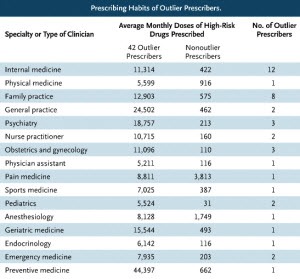
The CVS drugstore chain notifies 36 prescribers that it will no longer fill their controlled substances prescriptions after an analysis of its million-prescriber database indicates a high likelihood of improper prescribing.

8-22-2013 8-46-32 PM

In England, the final tab for the failed NPfIT project is tallied at nearly $16 billion, having delivered an estimated $4 billion in benefits.

8-22-2013 5-54-23 PM

Meditech announced to employees this week that it has acquired a six-story, 108,500-square-foot office building from Adobe Systems in Waltham, MA on Route 128. The company will fully occupy the 400-seat, three-year-old LEED Certified Platinum building when existing tenant leases expire in late 2015.

8-22-2013 5-18-53 PM|8-22-2013 5-20-11 PM

Peer60, which offers customer intelligence tools, has put together a pretty funny downloadable e-book called “Executives Are Idiots,” which pokes fun at getting executive feedback.

8-22-2013 6-27-11 PM

A major national health system work group studying copy-and-paste issues in EMRs recommends monitoring the practice within existing documentation audits, according to an internal PowerPoint presentation forwarded by a reader.

8-22-2013 7-36-14 PM

Dubai Health Authority orders 3,000 Android tablets, vowing to provide one for every patient bed toward its plan to use “the latest IT technology to enhance customer service experience.” The hospitals will roll out their EMR in the next 2-3 years.

UMass Memorial Medical Center (MA) pays $66,000 to settle fraud charges in which it was accused by a whistleblower of intentionally mailing bills to a homeless shelter so it could then bill the state for the unpaid amounts.

8-22-2013 6-33-29 PM

Weird News Andy says of the story headlined German Doctors Remove Tumours From Liver Using an iPad that he would have used a scalpel instead since it’s sharper.

WNA also likes this story, which he titles “Herniating Money.” A man is told by a hospital that his hernia surgery will cost $20,000 upfront with his insurance company covering the rest. Instead, he heads over to another hospital and has the surgery done the next day for a total price of $3,000 without using his insurance at all. The surgeon who penned the article concludes, “It was clear to both of us that the only way to make health care more affordable is to diminish the role of third-party payers. Let consumers and providers interact through market forces to drive down prices and drive up quality, like we do when we buy groceries, clothing, cars, computers, etc. Drop the focus on prepaid health plans and return to the days of real health insurance—that covers major, unforeseen events, leaving the everyday expenses to the consumer—just like auto and homeowners’ insurance.”

8-22-2013 8-56-15 PM

In England, a patient dies after employees omit the an apostrophe in her last name while looking up her electronic records, causing them to miss her history of depression. She was discharged and killed herself with a sleeping pill overdose shortly after.


Sponsor Updates

8-22-2013 5-50-15 PM

  • Sunquest held its annual Executive Summit last week in Scottsdale, AZ at the beginning of its SUG annual user group conference.
  • Emdat releases a video highlighting the advantages of using its medical documentation system within an EHR.
  • LG Electronics will integrate Imprivata’s OneSign authentication solution into its V-Series zero client systems.
  • Zirmed partners with Catch Data Systems to provide GE Centricity customers integration with ZirMed’s RCM, clinical communications, and analytics solutions.
  • The Washington State Hospital Association endorses Besler’s Transfer DRG and IME revenue recovery services.
  • Vitera Healthcare Solutions announces details of its VIBE 2013 user conference, to be held September 10-13 in Orlando.
  • Forbes features Xerox in an article about 3-D printing in healthcare.
  • Two KishHealth System hospitals advance their EHR initiatives with the implementation of Access’s e-form on demand solution.
  • Care Team Connect hosts an October 8 Webinar highlighting the implications of Medicaid expansion on care management.
  • Greenway Medical adds Krames Staywell’s Integrated Patient Education solution to its online Marketplace as a certified API.
  • T-System CMIO Robert Hitchcock, MD discusses an all-in enterprise model for data needs.
  • Sunrise Women’s Medical Group (CA) shares how its use of ADP AdvancedMD PM/EHR improved workflow and coding and billing.
  • Cornerstone Advisors is named to Inc. 500’s 2103 Fastest Growing Companies in America. Also on the list is Intellect Resources.
  • Direct Recruiters made the Inc. 5000 list announced this week.

EPtalk by Dr. Jayne

clip_image001

I’ve heard a lot of complaining recently about the Medicare Physician Compare website. The AMA and other physician advocacy organizations have complained about the redesigned site and its errors, which include problems identifying physician location, hospital affiliations, board certification, and other practice information. I searched for myself and even broadened the criteria to a 100-mile radius around my hospital but still can’t get myself to display, so yes, I would agree it’s inaccurate.

I seem to be running into more and more physicians who are integrating scribes into their practices. Some cite EHR as the reason, feeling like it has turned them into data entry clerks. Others see the scribe as a key partner in team care, freeing up the physician to perform cognitive work rather than data gathering and results tracking. I found this nice document from the American Academy of Family Physicians that outlines the potential duties of a scribe (which they expand on using the concept of a clinical assistant) during a routine office visit.

Having implemented EHR with several hundred physicians, I know the importance of helping physicians realize that the support staff is a great asset in prepping both the chart and the patient for the office visit. The document points out the staff role in collecting any recent lab/diagnostic test results and updating preventive care information before the physician ever sees the patient. Whether you use scribes or not, seeing patients in the age of Accountable Care, Pay for Performance, and Meaningful Use definitely takes a village.

AAFP also offers its Family Practice Management Toolbox, which was one of my favorite sites when I was in traditional primary care. Check out their section on practice improvement tools for some interesting practice assessment and improvement worksheets.

clip_image002

The American College of Emergency Physicians will be hosting its annual Scientific Assembly this October in Seattle. I had hoped to attend, but I have an unavoidable conflict that week. I don’t see a huge number of ED physicians in the informatics realm, but I am interested in what products ED docs think are hot and which are not. Ever thought of seeking fame and fortune as a roving reporter? If you’re a HIStalk reader and planning to attend, I’d love to hear from you.

clip_image003

Speaking of the emergency department, quite a few of you reached out to offer your condolences after I wrote about the closing of the quick care unit at one of the facilities where I was seeing patients. I’m happy to report that another facility has offered me a part-time position, although I’m not sure how much inspiration it will provide for writing since its physicians document on paper. Going electronic isn’t an impossible dream, however, as our paper system is provided by HIStalk sponsor T-System. I was happy to see the smoking doc logo on their website.

My email inbox is always deluged with invitations to various webinars, symposia, and conference calls. Some are from vendors and others are from professional organizations, but nearly all suffer from lack of lead time. Some arrive less than two days before the event being promoted. Word to the wise, marketing people — if you’re really trying to reach CMIOs or other C-levels, you should allow at least two weeks notice. Happily Mr. H advertises our HIStalk webinars well in advance – I’ll be listening in on the ICD-10 webinar on September 12. Hope to see you there!


Contacts

Mr. H, Inga, Dr. Jayne, Dr. Gregg, Lt. Dan, Dr. Travis.

More news: HIStalk Practice, HIStalk Connect.

125x125_2nd_Circle

Morning Headlines 8/22/13

August 21, 2013 Headlines 2 Comments

Allscripts Announces Winners of the Open App Challenge

Allscripts announces the launch of the Allscripts App Store along with the winners of its Open App Challenge during Wednesday’s kickoff of the 2013 Allscripts Client Experience. The contest challenged developers to create a revolutionary app that integrates with the Allscripts EHR. The winning app is healthfinch Refillwizard, which automates prescription renewal requests.

The Highway to Better Healthcare is Open: Missouri Health Connection Rolls-Out Statewide Health Information Network

Missouri launches its statewide health information exchange network, providing services to more than 7,000 physicians, 62 hospitals, and 350 clinics. Missouri contracted with InterSystems in July 2012 to design and deploy the network.

Emergency Clearance: Public Information Collection Requirements Submitted to the Office of Management and Budget

A Federal Register post by CMS calls for an emergency review of its recently proposed rule that would require breach reporting for health information exchanges to be capped at a one-hour limit between the time an HIE breach is discovered and the time it is reported, stating that the proposed rule is essential to public security and failing to approve it quickly would likely result in public harm.

Readers Write: Fund Healthcare Modernization and Innovation – Retire Legacy Applications

August 21, 2013 Readers Write 7 Comments

Fund Healthcare Modernization and Innovation – Retire Legacy Applications
By Julie Lockner

8-21-2013 6-36-17 PM

The American Recovery and Reinvestment Act of 2009 (ARRA) provided the healthcare industry incentives for the adoption and modernization of point-of-care computing solutions including electronic medical and health records (EMRs/EHRs). Now that these funds have been allocated and invested in new information systems, hospital and patient care provider CFOs are checking in on the return on those investments. Many are coming up short.

clip_image002

These mega EMR/EHR applications are taking longer than planned to implement leaving a number of legacy applications running in parallel. In addition to hardware and software maintenance costs for both environments, costly resources with skills to maintain aging technology platforms drain IT budgets – funds needed to support new systems.

This challenge is not unique to the healthcare industry. A recent survey [1] of companies with over 50 IT staff shows that on average, 70 percent of the IT budget is spent on existing systems. If half of the applications are redundant, this represents a major opportunity for cost savings or reinvestment.

Why are so many legacy systems still running? An industry research report [2] indicates the #1 reason is that users still want to access data. As creatures of habit, many hospital staff continue to use familiar systems to look up patient information and records out of convenience. Unfortunately, this comes at a cost.

Another reason is because entire legacy data sets are not always migrated to new systems. Data with assigned records retention schedules require collaboration between stakeholders and compliance teams. Without a programmatic approach, application retirement projects can be significantly hampered.

Many providers have overcome these hurdles and successfully implemented an application retirement strategy while migrating to a new system saving millions.

For example, the nation’s largest children’s hospital expects to save $1.8 million annually from retiring legacy applications. Their IT modernization program replaced applications running on aging platforms such as HP Turbo Image, SQL Server, Oracle, and MUMPS with an EPIC implementation. Patient clinical data needed to be retained for compliance reasons, so they deployed an application retirement strategy that allowed them to keep that data and eliminate dependencies on legacy systems and applications. Hospital staff was given online, convenient access to data in a secure archive and compliance teams could track retention.

Key to success, they claim, includes a platform with the following capabilities:

  • Archive support for a variety of data types, systems and platforms
  • Automated validation to confirm data had been completely and correctly archived
  • Ability to assign retention policies during or after the archive process
  • Automate data purge workflow when retention periods expires with legal hold support
  • Mask sensitive data in case a clinical trial is reopened

[1] NCC survey companies with over 50 IT staff

[2] Enterprise Strategy Group Research Report, Application Retirement Trends, October, 2011


Julie Lockner is vice president of product marketing for
Informatica.

Readers Write: Good Product Design is Preventive Medicine for your Software

August 21, 2013 Readers Write Comments Off on Readers Write: Good Product Design is Preventive Medicine for your Software

Good Product Design is Preventive Medicine for your Software
By Ryan Secan, MD, MPH

As a practicing hospitalist physician, I see many patients with untreatable or difficult-to-treat disease that could have been prevented with care before their illness took root. From the lifelong smoker with emphysema who might have quit smoking to the patient with end-stage colon cancer who should have had a screening colonoscopy, dealing with the issue before it started would have potentially prevented their problem.

As a practicing informaticist, I also see parallels between the preventive situations described above and common issues that I’ve faced in healthcare IT. When it comes to healthcare IT, it seems that like patients, too many companies are ignoring preventive care for their product.

As an employed physician, I have limited to no choice regarding what software I use for clinical care. Even as an informaticist, I have inherited my share of decisions regarding software that took place before I had a chance to offer input. Often these software choices that my colleagues and I are forced to use appear to be designed without ever considering the workflows of the clinicians who would use them. It just doesn’t seem possible that any physician involved in product development would allow something this difficult for a clinician to use to be rolled out.

One simple example involves ordering medications in an unnamed product. After typing in a medication name, clicking on it to select it, clicking on a prepopulated order string, and clicking OK (already too many clicks), the pop-up window cycle starts. A click to confirm that I understand that the medication requires dosing based on kidney function, a click to confirm that I know that the kidney function is X (or unable to be calculated), and another click to confirm that the appropriate dose for this level of kidney function is Y (it remains unclear why all of these notations couldn’t be in one window).

Worst of all, if the correct dose is different from what I’ve ordered, it doesn’t offer to change the order or allow me to cancel my already entered order. I need to cancel the old order and order the medication again, remembering the correct dose, and once again going through the multiple windows telling me that the medication must be dosed for kidney function, etc. This is a completely absurd process and a missed opportunity.

Instead of having unhappy customers and trying to repair the damage after the fact, HIT companies need to invest the time and effort in product design. Seek advice from experts (you know, the people who will be using your product) and make sure your product fits into your clients’ workflow. Build customization into your product so it can be adapted to the particular workflows of your individual clients, and make the customization more than just cosmetic. When you get feedback from one client regarding problems, make changes for all of your clients so your entire user base can benefit from each other’s experience.

This preventive medicine will prevent difficult (or impossible) to fix problems down the road.

Ryan Secan, MD, MPH is chief medical officer of MedAptus.

Comments Off on Readers Write: Good Product Design is Preventive Medicine for your Software

CIO Unplugged 8/21/13

August 21, 2013 Ed Marx 27 Comments
The views and opinions expressed in this blog are mine personally and are not necessarily representative of current or former employers.

Falling from Grace

If you read Unplugged, you know I practice transparency, perhaps to a fault. This post is the deepest view into my soul yet. I believe intense introspection is the way to exponential growth. Yet as I write, my conscience fears what it will discover. The truth will come out.

I recently received an endearing card from my godson that sparked my self-examination. I’ll share excerpts first, and then I will answer him publicly because I believe it matters.

8-21-2013 6-24-20 PM

“Uncle Ed. Thank you for being such great, if not the best examples of a Christian . . . of a marriage . . . of a man . . . you motivate me and my brothers to be the best we can in athletics, faith and relationships . . .”

Dear Josh,

I received your thank you card yesterday. As your Godfather, I am proud of you. First and foremost, you are a man of great character. You love God. You are accomplished. In high school, you worked diligently to attain Eagle Scout while earning the standing of class valedictorian. Your recent election as student body President pro Tempore at the University of Denver did not surprise me. All of this made the admonitions you wrote about me so special, and they truly made my year! However, your extravagant praise and your interpretation of my external “face” have pushed me to reexamine my life from the inside. As a husband, father, executive, and (former) army officer, there are covenants and codes of conduct I have to put into practice. Combined, these rules and responsibilities have weighed heavily upon me.

…to be continued.

Each week, the headlines highlight how so-and-so leader has fallen from grace. I am scared to be next. No leaders start out purposing to do something that will land them in trouble. The politician never thought he would be sexting. The pastor did not go through seminary aspiring to have an adulterous affair. What executive ever dreamed of climbing the corporate ladder and becoming an alcoholic? The clinician didn’t expect to take meds to quiet his own pain. No accountant ever thought to embezzle through slight of numbers nor did the businessperson ever think she would entertain a bribe in exchange for wealth.

What is the trigger that leads a leader down this path? I suspect it’s a gradual slide, and if unchecked, this slide will get too steep to catch ourselves.

As our careers grow, natural barriers of protection fall away. An increase in disposable income opens the door to accessibility on the path. We come to expect perks. Rules no longer apply to us. Success can become a drug, and we begin to think, “I am invincible!” We take advantage of options that allow us to elude accountability.

Success can become a vice in itself that creates an unquenchable thirst for more. We lose touch with reality in a gradual process that goes undetected. Before long, we’re overconfident and no longer count the costs of our indiscretion. We take our base for granted, assuming they will catch us when we fall.

8-21-2013 6-25-34 PM

Continued . . .

So Josh, my blessed Godson, thanks for the reminder of why I need to live a life beyond reproach. To you and your brothers, I offer the following wisdom:

Shore up home base. Ensure your home life is solid; build a foundation strong enough to withstand the storms and temptations.

Engage a counselor. Asking for help is a sign of strength, not weakness. The best ball players all have coaches.

Aggressively secure an accountability partner. Find someone who will speak truth to you and not let you get away with crap. Someone willing to put their friendship on the line if needed to keep you living right.

Live humbly. Pride comes before a fall.

Spiritual. Let your faith be your source of strength, comfort, and significance. Seek purity of mind, body, and soul.

Embrace fear. Healthy fear initiates boundaries. It’s a great motivator. (I recently listened to Magic Johnson recount the story of confessing to his pregnant wife that he had AIDS. Heart-wrenching. Don’t do things you’ll later regret.)

Live transparently. No secret email addresses, phone numbers, or bank accounts.

Set boundaries. Don’t mentor the opposite sex. Sounds draconian, but it protects both sides. Where appropriate, meet in public places or invite others to join you. Don’t go to bars if you are prone to drink too much.

Reality rocks. Ground yourself in reality. Shake yourself out of the fantasy by mentally carrying out your actions to their logical conclusion. (You will eventually get caught).

Resistance. Some will find this advice offensive and poke fun. That is OK. I have watched lives get ruined and I’ve cried with those who’ve fallen. Do whatever it takes to protect yourself.

To my leader friends. Are you climbing the slippery slope? I am.

Step off. Tell someone. Get help. Cut the ties that are pulling you down.

Don’t be next.

Update 8/22/13

Someone asked for the definition of the slippery slope. The slippery slope: a leader’s circumstances and (usually) stature helps define their slope. No accountability = slope. Rocky home base = slope. Pride = slope. Secret b-accounts/addresses (etc.) = slope. Ignoring need for intervention = slope.

Put these all together and you’re probably already sliding. Ask someone you trust how you’re doing.

I stand by my personal conviction on mentoring. If you have read my posts on mentoring, you know this is a very formal (contractual) relationship outside of the typical office environment.  I am not talking about a leader’s responsibility to develop leaders of all kinds. I am talking about an intimate and transparent relationship, often with individuals outside of your workplace.

I won’t go there with everyone. That is my choice. There are plenty of wonderful mentors out there for everyone, yet less than 5 percent of people have one. Those who know me understand that my primary focus as a leader has always been to develop others. If you read my posts, this is self-evident.

I am proud of all the different people I have had the honor to serve with and see grow. I don’t care about gender, orientation, religion, or whatever. I invest equally in the workplace. 

Ed Marx is a CIO currently working for a large integrated health system. Ed encourages your interaction through this blog. Add a comment by clicking the link at the bottom of this post. You can also connect with him directly through his profile pages on social networking sites LinkedIn and Facebook and you can follow him via Twitter — user name marxists.

Morning Headlines 8/21/13

August 20, 2013 Headlines Comments Off on Morning Headlines 8/21/13

First Databank Acquires Design Clinicals

First Databank announces the acquisition of Seattle-based Design Clinicals, the developers of a clinician-friendly medication reconciliation software.

Intuit sells Intuit Health Group back to Raleigh entrepreneur Steve Malik

Intuit Health Group, which went by Medfusion before being acquired by Intuit in 2011, has been sold back to its original founder Steve Malik for an undisclosed sum.

Say Hi To Oscar: The New Kid That May Change Health Insurance

New York City-based health insurance startup Oscar is trying to re-engineer the relationship between insurance companies and patients. Oscar’s goal is to leverage technology, like telehealth visits, patient portals, and mobile wellness apps, to be such a value adding insurance company that patients chose them before they chose a doctor. Oscar will formally launch when New York’s health insurance exchange launches on October 1st.

Allscripts Introduces Population Health Analytics

Allscripts launches its new population health management solution which provides point of care interventions to reduce readmission rates and help control costs associated with chronic disease management.

Comments Off on Morning Headlines 8/21/13

News 8/21/13

August 20, 2013 News Comments Off on News 8/21/13

Top News

8-20-2013 9-42-53 PM

8-20-2013 9-18-45 PM

From Left Tackle: “Re: Intuit Health Group. Was bought back Monday by Stephen Malik, who founded Medfusion and sold it to Intuit in the first place.” Verified. He was saying just a few weeks ago that he had no interest in buying back the Cary, NC-based company he sold to Intuit for $91 million in 2010. That probably means the asking price and/or the number of interested suitors dropped since then.


Reader Comments

8-20-2013 3-52-16 PM

From MoJo: “Re: Allscripts reorg. Allscripts made an internal announcement of (yet another) reorganize to ‘further improve accountability, performance.’” Some of the changes noted in a company memo: the addition of new business units (international, Sunrise, and enterprise); the hiring of Greg White (Cerner) and Ricker Berner (Caradigm) to head the enterprise and international segments, respectively; the addition of new client sales regions and changes to leadership; and the realignment of the client advocate and solutions management teams.

8-20-2013 1-32-02 PM

From Partner: “ACE. Dozens of companies are spending big marketing dollars to exhibit at ACE.” The Allscripts annual conference kicked off Tuesday in Chicago. Attendance hasn’t been announced, but the exhibitor directory includes at least 50 vendors.

From Broadway Joe: “Re: North Shore LIJ. Buying a stake in Allscripts.” Unverified.

8-20-2013 5-50-50 PM

From Turk: “Re: Rose Harr. Interesting news about the CEO of BlueWare, a small imaging system that claims to be an EHR.” The former Brevard County, Florida Clerk of Court is arrested on a variety of corruption charges that include approving $8.52 million in county scanning contracts with BlueWare for personal financial gain. State law enforcement agents say that BlueWare didn’t own any scanning equipment at the time and 75 percent of the records they were paid to scan could have been discarded without scanning. BlueWare CEO Harr turned herself in was arrested for bribery and bid tampering, but is out on bond. She has an interesting LinkedIn profile that includes running companies that are flipping properties, making a cartoon about Boston Terriers, and selling big imaging deals to NHS hospitals in England.

From I’m Not Creative: “Re: Siemens Soarian customers. Only getting six weeks to upgrade from version 3.3 to 3.4 due to the number of clients who need to get upgraded to meet MU2 requirements. Talk about feeling the burn.” Unverified.

8-20-2013 6-02-15 PM

From TexasHeart: “Re: ONC Blue Button announcements. Is this smoke and mirrors because state HIEs are failing and most docs, include a fourth of them in Epic, don’t want to trade? Why would people use Blue Button as a portal? Will docs even accept records sent by a patient?”

From Escapade: “Re: CIOs. You should do some CIO interviews and leave them anonymous so they can be brutally honest and vent. “ That’s a brilliant idea. I would happily do that, as well as running anonymous blog posts (either one-time or ongoing) by CIOs who want provide uncensored opinion without fear of reprisal.  Contact me if you’re a CIO who likes the idea as much as I do.  The anonymous interview would be a super easy and great fun.


HIStalk Webinars

8-20-2013 5-29-31 PM 8-20-2013 5-37-34 PM

Beacon Partners will present “The Transition to ICD-10: Building the Bridge as You Walk on It” on Thursday, September 12 at 2:00 Eastern. With the transition to ICD-10 only 15 months away, healthcare organizations will have to find inventive ways to create their roadmap and execute on their plans. Rather than taking valuable time to complete a gap analysis and then create the plan, leaders and project managers should consider how to do these tasks concurrently. Examples from healthcare organizations will provide ideas for choosing the right partners, defining program strategies, and incorporating ICD-10 work into already existing teams. Even if you assemble the plane as you fly it – or build the bridge as you walk on it – it’s time to move forward and make the ICD-10 transition a reality. The target audience for this presentation is mid-senior level financial, clinical and IT, CFO, COO, CIO, ICD-10 program manager, and ICD-10 team leads. The speaker will be Chris Kalish, national practice director in the Strategic Advisory Group. One of my reviewers summarized, “With approximately only one year to go and a lot of work still to be done, this Webinar provides hospitals with strategies to prepare for ICD-10 if the hospitals are late starters.”

8-20-2013 5-40-37 PM

Speaking of Webinars, there’s a list of those upcoming in the column to your right. Clicking on one brings up the full calendar.


Acquisitions, Funding, Business, and Stock

8-20-2013 3-56-55 PM

Summit Partners invests $14 million in specialty EMR provider Modernizing Medicine.

8-20-2013 9-31-30 PM

Champion Medical Technologies, which sells tracking software for implanted medical devices, receives an unspecified investment from Jump Capital.

8-20-2013 3-55-57 PM

The SSI Group acquires Medtelligence, dba Medibis, a provider of analytic, dashboard, and mobile applications.

8-20-2013 9-52-04 PM

Greenway reports Q4 earnings: revenue down 2.34 percent, adjusted EPS -$0.08 vs. $0.10, missing analysts’ estimates of -$0.02. Shares rose 3 percent Tuesday after Monday’s announcement. CEO Tee Green notes that the results reflect the company’s continued transition from a one-time system sales and training model to a recurring revenue model. From the earnings call:

  • Greenway is live with CCD exchange at Epic and Cerner sites
  • Up to 80 percent of new customers are choosing cloud solutions paid for via the subscription model, which is driving training revenue down
  • Only 10 percent of users are using the company’s mobile EHR access app
  • The company’s growth is expected to be driven by EDI and services
  • Greenway says it expects to lose $5-6 million in FY14, with system sales down 50-60 percent

8-20-2013 4-02-05 PM

Above is the one-year GWAY stock chart, with Greenway in blue, Allscripts in red, athenahealth in green, and the Nasdaq composite index in brown.

8-20-2013 4-39-46 PM

Teleheath software provider SnapMD raises $600,000 in a seed round led by Shea Venture and Whittier Trust.

8-20-2013 9-46-36 PM

First Databank acquires medication reconciliation software vendor Design Clinicals. More information and thoughts from Design Clinicals CEO Dewey Howell, MD, PhD are available in the Tuesday morning announcement on HIStalk.


Sales

8-20-2013 1-46-47 PM

Wahiawa General Hospital (HI) will implement MEDHOST’s EDIS.

The Healthcare Access San Antonio HIE will offer consumers access to a portal developed by Intellica Corp.

The Defense Logistics Agency awards McKesson a $29.9 million medical imaging technology contract.

Community Health Information Collaborative (MN) selects Orion Health to power its statewide HIE.

Arcadia Solutions selects the Compuware Application Performance Management platform for EHR infrastructure performance optimization.


People

8-20-2013 4-45-49 PM

AHRQ names Richard Kronick (HHS) director, replacing the retiring Carolyn Clancy, MD.

Lisa Stump is promoted to VP/associate CIO of Yale-New Haven Health System.

EBSCO Information Services hires Elizabeth Jones (American Medical News) as VP of medical product management and chief content officer.


Announcements and Implementations

UnitedHealthcare adds online electronic bill payment services to its plan participant portal via the InstaMed payment network.

The Liverpool Heart and Chest Hospital (UK) and Robinson Memorial Hospital (OH) go live with integrated OnBase ECM and Allscripts EMR solutions.

8-20-2013 5-09-19 PM

Qstream announces new clients for its mobile healthcare education platform that include Boston Children’s Hospital, Partners HealthCare, Mayo Clinic, and Baylor College of Medicine.

Vivature EHR chooses Liaison Healthcare for connecting its Oracle-based EHR to more than 120 labs and imaging departments via Liaison’s EMR-Link hub.

HCA says in an entrepreneur workshop that it likes doing business with Boston-area companies that have an MIT or other academic connection, including Meditech, PatientKeeper, eClinicalWorks, and EMC.


Government and Politics

8-20-2013 6-27-45 PM

Florida Senator Arthenia Joyner introduces a bill that would force insurers to pay for telehealth visits. Critics say the bill is flawed because the state’s Board of Medicine allows telemedicine consultations only when a patient relationship has already been established and it also would require insurers to pay the same amount for a telemedicine visit as an in-office visit. Similar bills have failed previously.


Innovation and Research

Via @cascadia:  Intermountain Healthcare looks at the “Personalized Patient Room,” including an in-room camera; a server to support teleconsultations by pharmacists and interpreters; and video chat for bringing in remote family members to participate in the patient’s care. They’re also considering using touchscreens instead of pillow speakers for pushing educational content, entertainment, and information in languages other than English.

Three entrepreneurs form Oscar, a technology-powered insurance company that hopes to reform healthcare via the PPACA-mandated health insurance exchanges. Users of its application can enter their symptoms and click a button that will let them find nearby providers or speak live to a doctor through a partnership with TeleDoc. Patients can request prescription refills through a Twitter-like timeline. The company is analyzing large data sets to guide patients through rational medical decisions. They’ve raised $40 million in funding and will launch in 2014.


Technology

Greenway Medical launches PrimePATIENT, a patient portal integrated with PrimeSUITE.

Allscripts introduces Population Health Analytics, a real-time chronic disease management solution that provides comparative analytics at the point of care. Allscripts also announces the GA of its native iPad app Wand 2.0 for Enterprise EHR.


Other

8-20-2013 9-48-52 PM

Virtual Radiologic and its NightHawk Radiology subsidiary file a lawsuit claiming patent infringement by Tandem Radiology related to its teleradiology and order creation technologies.

Mayo Clinic’s Center for Innovation offers $89 Web stream access to its Rochester, MN-based Transform 2013 conference September 8-10.

An Oracle survey finds that 84 percent of CFOs are working more closely with their CIO peers as technology becomes their second-highest focus area, placing behind only industry knowledge.

inga_small A Nebraska woman lands in the ER after a post-baby shower brawl in which another woman stabs her in the face with her own six-inch stiletto heel. Police said the altercation resulted from the stabber’s “relationship with the father of the victim’s child.” Once again I am reminded how mundane my life is.

8-20-2013 6-05-49 PM

Weird News Andy urges, “EMT, heal thyself.” A Detroit EMT performing in-transit CPR on a patient has a heart attack himself, ending up recovering three hospital beds over from his patient after both receive identical stents.


Sponsor Updates

  • iHT2 releases details of its August 21-22 Health IT Summit in Seattle.
  • A Triple Tree report, ACOs: The Accountable Care Opportunity, says the organization was impressed by population management and clinical analytics solutions from Forward Health Group.
  • Jennifer Dennard of Billian is appointed to the board of the Technology Association of Georgia.
  • The Massachusetts eHealth Institute awards eClinicalWorks a $150,000 grant to advance the use of EHRs with the state’s HIE.
  • Helix Health Solutions will distribute Wolters Kluwer Health’s Provation Medical software to healthcare organizations outside of North America.
  • Greenway Medical adds Seamless Medical Systems to its online Marketplace as a value-added partner.
  • The Truven Health Advantage Suite healthcare data and analytics platform version 5 achieves Oracle Exadata Ready status through Oracle PartnerNetwork.
  • Laura Kreofsky, principal advisor with Impact Advisors, discusses Stage 2 MU challenges.
  • HIStalk sponsors named to the 2013 Inc. 5000 list of fastest growing companies in America include Beacon Partners, Clinovations, Cornerstone Advisors, CoverMyMeds, CSI, Culbert Healthcare Solutions, Cumberland Consulting Group, DIVURGENT, eClinicalWorks, Enovate, ESD, eTransmedia Technology, Forward Health, Iatric Systems, Impact Advisors, iSirona, Intellect Resources, Kareo, Kony, Santa Rosa Consulting, SRSsoft, Strata Decision Technology, and Virtelligence.
  • Clinical Architecture introduces Symedical Content Portal, which acquires and maintains clinical and administrative vocabulary files.
  • PatientKeeper hosts a September 24 webinar explaining how to make the ICD-10 transition a non-event for physicians. (sent to us)
  • T-System CMO Tom Ward, MD discusses ICD-10 compliance in the ED.

Contacts

Mr. H, Inga, Dr. Jayne, Dr. Gregg, Lt. Dan, Dr. Travis.

More news: HIStalk Practice, HIStalk Connect.

125x125_2nd_Circle

Comments Off on News 8/21/13

Text Ads


RECENT COMMENTS

  1. That, or we see if Judy will announce Epic's new Aviation module (probably called Kitty Hawk) that has integrated Cruise…

  2. The $50 billion Rural Health payout is welcome. In context, it's less than the total cost of the F22 raptor…

  3. RE NEJM piece: He shouldn’t future-conditional with “they can retreat, which might mean abdicating medicine’s broad public role, perhaps in…

  4. The sentence was "most people just go to Epic UGM" - that's people going to Epic's annual user conference and…

Founding Sponsors


Platinum Sponsors


Gold Sponsors


RSS Webinars

  • An error has occurred, which probably means the feed is down. Try again later.