October 17, 2016Dr. JayneComments Off on Curbside Consult with Dr. Jayne 10/17/16
Everyone in informatics circles has been buzzing about the release of the MACRA Final Rule. As is typical for CMS, it came out on a Friday afternoon. I know a lot of people were hunkered down reading it, me included. I did what I could with it Friday, but on Saturday I had a previous commitment to teach some team-building sessions as part of a local outdoor classroom program.
The type of change that MACRA is trying to drive and the stresses it is going to place on healthcare delivery organizations will require that organizations have high-functioning teams. They’re also going to require intense project management and active management of resources and outcomes. Although many organizations have already figured this out and have robust programs in place (or have hired consultants to do the dirty work), there are numerous organizations that are just trying to figure out what their first steps should be.
When you place stress on teams like these MACRA-related projects are certain to do, teams will either rise to the occasion or they will fall apart. Although some people throw their hands up and just watch things devolve, there are active ways to manage team dynamics and to get your people in the right place so they’re well prepared to take on new challenges.
The program I staffed this weekend brought out many of the types of issues that organizations need to be thinking about as they evaluate how they will handle MACRA-related tasks and who will be responsible for executing them.
Our program brings together people from different backgrounds and throws them into a situation that is unfamiliar for most of them. This year’s group had about 50 participants from all different disciplines – healthcare, manufacturing, communications, technology, and a couple of college students. Even if we have participants coming from the same organization, we mix them up so they’re not working together.
They’re placed in group of five to eight with people they’ve never met and they have to handle a variety of objectives. It’s outdoor classroom with camping and survival skills. Some of the participants may not have done so much as roasting a s’more, so we provide several coaches for each group to help them through the process.
The course starts with an indoor session with a few outdoor elements where they practice basic team skills, and then we follow up with the actual outdoor weekend portion. Their first task was to come up with a team name and motto. We use a variety of exercises to work them through the stages of team development – forming, storming, norming, and performing.
My team definitely had some forming issues because only two of them had arrived by the time the session started. The ability to get to meetings on time continues to be a major issue for a lot of people, which makes it challenging to be a high-performing team. Once the rest arrived, we had some rehashing and revising of the team name, but the team was able to eventually move forward once the late arrivals understood that they couldn’t complain about decisions that were made when they failed to perform.
The teams learned some basics of outdoor cooking and assigned members to roles, identifying leaders and supporting members. When you’re headed out into the woods for a weekend, it’s key to know who is responsible for what. Just like complying with federal regulations, if someone drops the ball, everyone suffers, and having clear chain of command and documented responsibilities makes things easier. The teams are provided with a series of tasks that they have to complete prior to the outdoor portion, and I thought I lucked out when I had someone who immediately volunteered to set up conference calls and meetings to get everything taken care of in the interim.
They met once by phone and once in person during the two-week gap, learning some important lessons on logistics when only half the group showed up in person. The other half was at another meeting place, because leadership failed to recognize that “meet at the XX restaurant by the mall” wasn’t specific enough since there were four different locations of the chain in close proximity, including one actually in the mall. How many times do we have situations like this in healthcare IT? The team thinks they have a clear plan and everyone voices understanding, but it turns out there were multiple ideas about how things were actually going to happen. Although it wasn’t that big of a deal when you’re just dealing with a voluntary team-building program, it’s a huge deal when you have miscommunications around federal requirements and regulations.
There was some last-minute planning, but it appeared they had everything figured out prior to their arrival for the weekend. Unfortunately, one-third of their team was late, leading to delayed setup since people were bringing different pieces of equipment. Across the meadow, the other team I was cross-coaching had arrived and began to set up in a disciplined fashion. Their only glitch was not having their team tee shirts done on time, which they remediated with some ad-hoc spray painting. I was doubtful when they pulled out the cans as to how well it would work, but when they pulled out a drop cloth, rubber gloves, and pre-cut stencils, my doubts were laid to rest. It may have been last-minute, but it was well planned and well executed.
In working with both teams, it was clear that one was more successful. In trying to dissect the reasons behind that success, the major factor was that they put the good of the team beyond their individual needs. They were up early each morning to take care of team tasks, where my team had issues getting out of their tents. I definitely earned my coaching stripes this time around since I had to roust grown adults out of their tents two mornings in a row. I also had to pull out some camping magic when my team failed to follow some of the cooking instructions and their dinner was in jeopardy. Luckily my other team had prepared extra charcoal and had extra supplies, which I was able to borrow to bail my team out. Again, in most of our organizations, we’re running so lean we can’t count on a bail-out. We have to be organized and in command of the situation.
I was hoping that my primary team would see what was going on with the other team and rise to the occasion. Although some team members started to get the message and get with the program, others either didn’t see the possibilities in front of them or maybe just didn’t care. Sometimes we see that, when organizations have enrolled wary participants. Hopefully those that didn’t fully embrace the program learned something along the way and can find elements of the program to take back to their home organizations. I know I learn something every time I put on this program and there are always different challenges to be overcome and different personalities to work with. I come back to my work energized with new tricks and techniques to try to motive my teams.
We’re definitely going to need energy and motivation to make it through MACRA-related reforms and all the sub-projects that will entail. Although I was tired from a couple of nights of sleeping on the ground and herding cats, I’m ready to tackle the rest of the Final Rule.
What kinds of strategies do you use for team-building? Email me.
October 17, 2016Readers WriteComments Off on Readers Write: Ready or Not, ASC X12 275 Attachment EDI Transaction Is Coming
Ready or Not, ASC X12 275 Attachment EDI Transaction Is Coming By Lindy Benton
As electronic as we are in many aspects of business – and life in general – oftentimes healthcare providers and payers are still using paper for claim attachment requests and responses. With the ASC X12 275 attachment electronic data interchange on the horizon, the need for utilizing secure, electronic transactions will soon be here.
Let’s look at the claim attachment process.
A claim attachment arises when a payer requests additional information from a provider to adjudicate a claim. This attachment is intended to provide additional information or answer additional questions or information not included in the original claim.
In many instances, the process for sending and receiving attachments is still largely done via a manual, paper-based format.
Paper-based transactions are slow, inefficient, and can bog down the revenue cycle. Additionally, paper transactions are prone to getting lost in transit and are difficult if not impossible to track.
The ASC X12 275 transaction has been proposed as a secure, electronic (EDI) method of managing the attachment request while making it uniform across all providers and payers.
The ASC X12 275 can be sent either solicited or unsolicited. When solicited, it will be when the claim is subjected to medical or utilization review during the adjudication process. The payer then requests specific information to supplement or support the providers request for payment of the services. The payer’s request for additional information may be service specific or apply to the entire claim, the 275 is used to transmit the request. The provider uses the 275 to respond to the previously mentioned request in the specified time from the payer.
Both HIPAA and the Affordable Care Act are driving the adoption of these secure, electronic transaction standards. HIPAA requires the establishment of national standards for electronic healthcare transactions and national identifiers for providers, health insurance plans, and employers. In Section 1104(b)(2) of the ACA, Congress required the adoption of operating rules for the healthcare industry and directed the secretary of Health and Human Services to “adopt a single set of operating rules for each transaction” with the goal of creating as much uniformity in the implementation of the electronic standards as possible.
Providers and payers will be required to adopt these standards at some point and it will happen sooner rather than later, so it’s time to be prepared.
The final specifications and detail for the EDI 275 transaction were supposed to be finalized in January 2016, but that has yet to happen. Both the American Health Association and American Medical Association have urged the Department of Health and Human Services to finalize and adopt the latest 275 standard, so with that kind of backing, it’s only a matter of time until the 275 transaction standard gains momentum and comes to fruition.
EDI 275 is coming. The question is, will you be ready?
Lindy Benton is president and CEO of Vyne of Dunwoody, GA.
Comments Off on Readers Write: Ready or Not, ASC X12 275 Attachment EDI Transaction Is Coming
Exploring the EMR Debate: Onus On Analytics Companies to Deliver Insights By Leonard D’Avolio, PhD
Late last month, a great op-ed published in The Wall Street Journal called “Turn Off the Computer and Listen to the Patient” brought a critical healthcare issue to the forefront of the national discussion. The physician authors, Caleb Gardner, MD and John Levinson, MD, describe the frustrations physicians experience with poor design, federal incentives, and the “one-size-fits-all rules for medical practice” implemented in today’s electronic medical records (EMRs).
From the start, the counter to any criticism of the EMR was that the collection of digital health data will finally make it possible to discover opportunities to improve the quality of care, prevent error, and steer resources to where they are needed most. This is, after all, the story of nearly every other industry post-digitization.
However, many organizations are learning the hard way that the business intelligence tools that were so successful in helping other industries learn from their quantified and reliable sales, inventory, and finance data can be limited in trying to make sense of healthcare’s unstructured, sparse, and often inaccurate clinical data.
Data warehouses and reporting tools — the foundation for understanding quantified and reliable sales, inventory, and finance data of other industries – are useful for required reporting of process measures for CMS, ACO, AQC, and who knows what mandates are next. However, it should be made clear that these multi-year, multi-million dollar investments are designed to address the concerns of fee-for-service care: what happened, to whom, and when. They will not begin to answer the questions most critical to value-based care: what is likely to happen, to whom, and what should be done about it.
Rapidly advancing analytic approaches are well suited for healthcare data and designed to answer the questions of value-based care. Unfortunately, journalists and vendors alike have done a terrible job in communicating the value, potential, and nature of these approaches.
Hidden beneath a veneer of buzzwords including artificial intelligence, big data, cognitive computing, data science, data mining, and machine learning is a set of methods that have proven capable of answering the “what’s next” questions of value-based care across clinical domains including cardiothoracic surgery, urology, orthopedic surgery, plastic surgery, otolaryngology, general surgery, transplant, trauma, and neurosurgery, cancer prediction and prognosis, and intensive care unit morbidity. Despite 20+ years of empirical evidence demonstrating superior predictive performance, these approaches have remained the nearly exclusive property of academics.
The rhetoric surrounding these methods is bimodal and not particularly helpful. Either big data will cure cancer in just a few years or clinicians proudly list the reasons they will not be replaced by virtual AI versions of themselves. Both are fun reads, but neither address the immediate opportunity to capitalize on the painstakingly entered data to deliver care more efficiently today.
More productive is a framing of machine learning as what it actually is — an emerging tool. Like all tools, machine learning has inherent pros and cons that should be considered.
In the pro column is the ability of these methods to consider many more data points than traditional risk score or rules-based approaches. Also important for medicine is the fact that machine learning-based approaches don’t require that data be well formatted or standardized in order to learn from it. Combined with natural language processing, machine learning can consider the free text impressions of clinicians or case managers in predicting which patient is most likely to benefit from attention sooner. Like clinical care, these approaches learn with new experience, allowing insights to evolve based on the ever-changing dynamics of care delivery.
To illustrate, the organization I work with was recently enlisted to identify members of a health plan most likely to dis-enroll after one year of membership. This is a particularly sensitive loss for organizations that take on the financial responsibility of delivering care, as considerable investments are made in Year 1 stabilizing and maintaining the health of the member.
Using software designed to employ these methods, we consumed 30 file types, from case management notes, to claims, to call center transcripts. Comparing all of the data of members that dis-enrolled after one year versus those that stayed in the plan, we learned the patterns that most highly correlate with disenrollment. Our partner uses these insights to proactively call members before they dis-enroll. As their call center employs strategies to reduce specific causes of dissatisfaction, members’ reasons for wanting to leave change. So, too do the patterns emerging from the software.
The result is greater member satisfaction, record low dis-enrollment rates, and a more proactive approach to addressing member concerns. It’s not the cure for cancer, but it is one of a growing number of questions that require addressing when the success of an organization is dependent on using resources efficiently.
The greatest limitation of machine learning to date has been inaccessibility. Like the mainframe before it, this new technology has remained the exclusive domain of experts. In most applications, each model is developed over the course of months using tools designed for data scientists. The results are delivered as recommendations, not HIPAA-compliant software ready to be plugged in when and where needed. Like the evolution of computing, all of that’s about to change.
Just hours after reading the Gardner and Levinson op-ed, I sat across from a primary care doc friend as she ended a long day of practice by charting out the last few patients. Her frustration was palpable as she fought her way through screen after screen of diabetes-related reporting requirements having “nothing to do with keeping [her] patients healthy.” Her thoughts on the benefits of using her organization’s industry-leading EMR were less measured than Drs. Gardner and Levinson: “I’d rather poke my eyes out.”
I agree fully with Drs. Gardner and Levinson. The answer isn’t abandoning electronic systems, but rather striking a balance between EMR usability and the valuable information that they provide. But I’ve been in healthcare long enough to know clinicians won’t be enjoying well-designed EMRs any time soon. In the meantime, it’s nice to know we don’t need to wait to begin generating returns from all their hard work.
Leonard D’Avolio, PhD is assistant professor at Harvard Medical School CEO and co-founder of Cyft of Cambridge, MA.
ECM for Healthcare Advances to HCM (Healthcare Content Management) by Amie Teske
Industry analysts project healthy market growth for enterprise content management (ECM) solutions across all industry sectors. Gartner’s 2016 Hype Cycle for Real-Time Health System Technologies places ECM squarely along the “plateau of productivity” at the far, right-hand side of the hype cycle curve. This essentially means that ECM software has succeeded the breakthrough in the market and is being actively adopted by healthcare providers.
This is good news for ECM users and technology suppliers, but what’s next for ECM in healthcare? To remain competitive and leading edge, ECM solutions at the plateau must evolve for the sake of customers and the marketplace in order to maintain business success. There is more good news here in that ECM solutions are evolving to keep pace with healthcare changes and demands.
Up to 70 percent of the data needed for effective and comprehensive patient care management and decision-making exists in an unstructured format. This implies the existence of a large chasm between resources and effort expended by healthcare delivery organizations (HDOs) on EHR technology to manage discrete data and the work yet to be done to effectively automate and provide access to the remaining content. ECM solutions are evolving in a new direction that offers HDOs an opportunity to strategically build a bridge to this outstanding content.
Healthcare content management (HCM) is a new term that represents the evolution of ECM for healthcare providers. It is the modern, intelligent approach to managing all unstructured document and image content. The biggest obstacle we must overcome in this journey is the tendency to fall back on traditional thinking, which drives health IT purchases toward siloed, non-integrated systems. Traditional methods for managing patient content have a diminishing role in the future of healthcare. It’s time to set a new course.
An HCM Primer
HCM = documents + medical images (photos and video. too).
The 70 percent of patient content outside the EHR is primarily unstructured in nature, existing as objects that include not only DICOM (CT, MRI) but also tiff, pdf, mpg, etc.
ECM has proven effective for managing tiff, pdf and a variety of other file formats. It is not, however, a technology built to handle DICOM images, which represent the largest and most numerous of the disconnected patient objects in question.
Enterprise imaging (EI) technologies have traditionally been responsible for DICOM-based content. These include vendor neutral archives (VNA), enterprise/universal viewers, and worklist and connectivity solutions that are unique to medical image and video capture.
Leveraging a single architecture to intentionally integrate ECM and EI technologies — enabling HDOs to effectively capture, manage, access and share all of this content within a common ecosystem — is referred to as healthcare content management or HCM.
Although the market is ready for HCM and many HDOs are already moving in this direction, it is important to know what to look for.
Critical Elements of HCM
Although it is the logical first step, HCM encompasses much more than simply unifying ECM and EI technologies together into a single architecture to enable shared storage and a single viewing experience for all unstructured content, DICOM and non-DICOM. Just as important is workflow and how all document and image content is orchestrated and handled prior to storage and access. This is essentially the secret sauce and the most difficult aspect of an HCM initiative.
ECM for healthcare workflow is geared to handle back office and clinical workflows associated with health information management, patient finance, accounts payable, and human resources, for example. The intricacies of these workflows must continue to cater to specific regulations around PHI, release of information, etc. All this to say that the workflow component of ECM is critical and must remain intact when converging ECM with EI technologies.
The same goes for workflows for enterprise imaging. EI workflow is optimized to handle image orchestration from many modalities to the core VNA or various PACS systems, medical image tag mapping/morphing to ensure image neutrality and downtime situations, for example.
These workflow features should not be taken lightly as health systems endeavor to establish a true HCM strategy. Do not overlook the need for these capabilities to ease the complexities inherently involved and to fully capitalize on any investment made.
Guidance for HCM Planning
Consider the following recommendations as you plan an HCM approach and evaluate prospective vendors:
Be wary of an archive-only strategy. A clinical content management (CCM) approach is primarily an archive and access strategy. The critical element of workflow is fully or partly missing. A word of caution to diligent buyers to ask the right questions about workflow and governance of unstructured document and image content before, during, and after storage and access.
Always require neutrality. Changing standards is a given in the healthcare industry. HCM should be in alignment with the new standards to ensure all document and image content can be captured, managed, accessed, shared, and migrated without additional cost due to proprietary antics by your vendor. An HCM framework must have a commitment to true neutrality and interoperability.
Think strategically. A deliberate HCM framework offered by any healthcare IT vendor should be modular in nature but also able to be executed incrementally and with the end in mind. Beginning with the end in mind is slightly more difficult. The modularity of your HCM approach should allow you to attack your biggest pain points first, solving niche challenges while preserving your budget and showing incremental success in your journey toward the end state.
Consider total cost of ownership (TCO). If a common architecture and its associated cost efficiencies are important in wrangling your outstanding 70 percent of disconnected patient content, you cannot afford to take a niche approach. It may seem easier and cheaper to select a group of products from multiple niche vendors to try and solve your most pervasive siloed document and image management problems. Take a careful look at the TCO over the life of these solutions. It is likely the TCO will be higher due to factors which include the number of unique skillsets and FTEs required for a niche strategy.
Demand solution flexibility and options. Your HCM approach should provide extensive flexibility and a range of options and alternatives that are adaptable to your unique needs. Software functionality is important, but not the only criterion.
Your HCM approach for strategically managing all unstructured patient content should allow you to:
Start small or go big, solving one challenge or many.
Establish a common architecture with a unified content platform and viewing strategy for all document and imaging content.
Enable unique ECM and EI workflows, not simply storage and access.
Hold one technology partner responsible – “one throat to choke” – for easier overall performance management and administration.
Providers of all shapes and sizes must take a thoughtful and deliberate approach when evaluating document and image management solutions. There is much more involved than simply capture and access. Because this category of technology can enable up to 70 percent of your disconnected patient and business information, you cannot afford to make a decision without carefully considering the impact of HCM on your healthcare enterprise, immediately and over time.
Amie Teske is director of global healthcare industry and product marketing for Lexmark Healthcare.
Substandard patient identification procedures at St Vincent Hospital (MA) are being blamed after surgeons accidently remove the wrong kidney from a cancer patient receiving treatment at the hospital.
A local paper covering the DoD’s Cerner rollout at a hospital on Fairchild Air Force Base notes that Cerner will interface with, rather than replace, many of the legacy systems currently in use.
HHS publishes the final MACRA rule (2,204 pages, although much of it is draft comments with responses) with a 24-page executive summary (provided the executive in question understands a lot of jargon in sentences such as, “We are finalizing the method to calculate and disburse the lump-sum APM Incentive Payments to QPs, and we are finalizing a specific approach for calculating the APM Incentive Payment when a QP also receives non-fee-for-service payments or has received payment adjustments through the Medicare EHR Incentive Program, PQRS, VM, or MIPS during the prior period used for determining the APM Incentive Payment”) and a website explaining it.
CMS Acting Administrator Andy Slavitt summarizes the rule:
Other than a 0.5 percent fee schedule update in 2017 and 2018, there are very few changes when the program first begins in 2017. If you already participate in an Advanced APM, your participation stays the same. If you aren’t in an Advanced APM, but are interested, more options are becoming available. If you participate in the standard Medicare quality reporting and Electronic Health Records (EHR) incentive programs, you will find MIPS simpler. And, if you see Medicare patients, but have never participated in a Medicare quality program, there are paths to choose from to get started. The first couple of years are aimed at getting physicians gradually more experienced with the program and vendors more capable of supporting physicians. We have finalized this policy with a comment period so that we can continue to improve the program based on your feedback.
Like every other notable EHR-related legislation, the final rule came out on a Friday. Industry groups seemed mostly happy with it.
Reader Comments
From The Hurricane: “Re: [vendor name omitted]. Laying off half its employees and being folded into of the parent corporation’s entities.” Unverified. I’ll keep my eye out.
HIStalk Announcements and Requests
Nearly 60 percent of poll respondents spend little to no time in their workday talking about patients and their needs. New poll to your right or here: How much work is your organization doing to prepare for Medicare’s 2019 issuance of new ID numbers to replace SSN?
Last Week’s Most Interesting News
The Department of Defense moves back its first Project Genesis Cerner go-live from December 2016 to February 2017 and says it will involve only one Washington hospital rather than the originally planned two, although the project’s 2022 completion date remains unchanged.
A hedge fund operator and $100 million Theranos investor sues the company for securities fraud.
A court orders Parkview Hospital (IN) to release its chargemaster prices and insurance company discounts after an uninsured patient says his bill, which the hospital sent off to collections, is unreasonable because insurers don’t pay the full price he’s being sued over.
Webinars
October 25 (Tuesday) 1:30 ET. “Data Privacy/Insider Threat Mitigation: What Hospitals Can Learn From Other Industries.” Sponsored by HIStalk. Presenters: Robert Kuller, chief commercial officer, Haystack Informatics; Mitchell Parker, CISSP, executive director of information security and compliance, Indiana University Health. Cybersecurity insurers believe that hospitals are too focused on perimeter threats, ransomware, and the threat of OCR audits instead of insider threats, which are far more common but less likely to earn media attention. Attendees will learn how behavior analytics is being used to profile insiders and detect unusual behaviors proactively and to place privacy/insider risk within the risk management matrix.
November 8 (Tuesday) 1:00 ET. “A CMIO’s Perspective on the Successful 25 Hospital Rollout of Electronic Physician Documentation.” Sponsored by Crossings Healthcare. Presenter: Ori Lotan, MD, CMIO, Universal Health Services. UHS rolled out Cerner Millennium’s electronic physician documentation to its 6,000 active medical staff members — 95 percent of them independent practitioners who also work in competitor facilities — across 25 acute care hospitals. UHS’s clinical informatics team used Cerner’s MPage development toolkit to improve the usability, efficiency, communications capability, and quality metric performance of Dynamic Documentation, embedding clinical decision support and also using Nuance’s cloud-based speech recognition product for the narrative bookends of physician notes. This CMIO-led webinar will describe how UHS achieved 70 percent voluntary physician adoption within one month of go-live, saved $3 million in annual transcription expense, and raised EHR satisfaction to 75 percent. It will include a short demonstration of the software that UHS developed to optimize the physician experience.
November 9 (Wednesday) 1:00 ET. “How to Create Healthcare Apps That Get Used and Maybe Even Loved.” Sponsored by MedData. Presenter: Jeff Harper, founder and CEO, Duet Health. Patients, clinicians, and hospital employees are also consumers who manage many aspects of their non-medical lives on their mobile devices. Don’t crush their high technology expectations with poorly designed, seldom used apps that tarnish your carefully protected image. Your app represents your brand and carries high expectations on both sides. This webinar will describe how to build a mobile healthcare app that puts the user first, meets their needs (which are often different from their wants), creates “stickiness,” and delivers the expected benefits to everyone involved.
Contact Lorre for webinar services. View previous webinars on our HIStalk webinars YouTube channel.
Decisions
Southwest General Hospital (TX) will switch from McKesson to Cerner in July 2017.
Central Peninsula General Hospital (AK) went live with an Infor Lawson human resources system in October 2016 and will follow with time and attendance and payroll go-lives in November.
Fisherman’s Hospital (FL) will go live with a Paycom Human Resources System in October 2016.
These provider-reported updates are provided by Definitive Healthcare, which offers powerful intelligence on hospitals, physicians, and healthcare provider
Government and Politics
A military-focused reporter’s article on the delay in the initial rollout of MHS Project Genesis at Fairchild Air Force Base (WA) says the DoD’s new Cerner system will be interfaced to legacy systems that include AHLTA, the ancillary department systems of CHCS, and CliniComp’s Essentris. It doesn’t indicate how or when those systems will be phased out by Cerner.
Intuit and CMS release Benefit Assist, open source software that determines eligibility for income-based government benefits.
The Russians that hacked into the Democratic National Convention servers used a phony Gmail security update message that lured users to reset their passwords, then sent them to a phony log-on page that stole their credentials.
The Vermont Health Connect insurance marketplace exposes the information of 700 users due to a payment contractor’s mistake.
Vermont’s attorney general reaches a settlement with software vendor Entrinsik to provide more explicit instructions for its business intelligence tool, which when users run reports from their browsers, sometimes creates temporary files that are not automatically erased and fails to warn users of their existence.
Innovation and Research
CB Insights publishes a list of digital hospital technology vendors.
A UK psychiatric hospital pilots Oxehealth, which analyzes streaming video to monitor vital signs with no attached sensors and alerts staff if a patient appears to be at risk.
Other
Surgeons at St. Vincent Hospital (MA) remove the healthy rather than the cancerous kidney of a patient after a mix-up with another patient’s CT results. Investigators also found several problems with patient ID bracelets, with a patient’s son receiving his father’s bracelet and another observed being taken to X-ray without any bracelet at all. They also noted that one patient had been registered with another patient’s name and was assigned two medical record numbers.
Texas authorities free the convicted murderer of a four-year-old boy because the county can’t afford to pay his medical bills. The inmate spent 967 days in incarceration in running up $19,000 in medical expenses, nearly 20 percent of the prison’s total annual medical budget. A local resident weighs in with the opinion that he should be just allowed to die untreated in jail as a cost for committing a crime.
Hospitals spent 40 percent more on inpatient drug costs in 2015 than they did in 2013, a change attributed to rising drug prices, rather than an increase in patient volume.
In England, St George’s University Hospitals NHS Foundation Trust freezes all ongoing software installs after aging computers and unreliable core software systems, like Microsoft XP, lead to a system-wide network outage.
A physicist turned entrepreneur launches a birth control app that tracks the daily temperature of users with the impressive result of helping women avoid pregnancy 99.5 percent of the time, making it as effective as the pill or condoms.
ONC updates its HIPAA Security Risk Assessment Tool, offering a 156-item questionnaire that evaluates HIPAA compliance by walking users through a series of questions about typical organizational activities.
The Department of Defense announces that the first go-live of its MHS Genesis implementation of Cerner is scheduled for February 2017 at Fairchild Air Force Base (WA), moved back from the originally planned December 2016 date that involved two test sites. Three other Washington military hospitals will follow no earlier than June 2017.
The DoD says it pushed the schedule back to give it more time to develop interfaces to legacy systems and for system testing, as well as to allow implementing speech recognition and transfusion management. The project’s budget and planned completion date of 2022 have not changed.
Reader Comments
From Redacted: “Re: Epic certification. Users are now required to complete proctored exams every five years for each application they’re certified in. As a consultant, it’s not the worst thing in the world for them to remove other certified people from the pond, but I have 10 certs and their time estimate is 6-8 hours for each (doubled between the assessment and booster training). Seems like a huge pain.” Unverified, although the forwarded document above appears genuine.
From Boy Blunder: “Re: Epic‘s 2016 release. My TS contact says there was a two-month period in early 2016 where the entire development division pivoted to fixing issues with the 2015 release, delaying 2016 projects. She tells me we should not upgrade to 2016 for a while because the key features won’t be added until months after the initial release, delaying the discovery and fixing of the kinks we usually find.” Unverified.
From Booster: “Re: Epic’s Boost program. It’s an attempt by Epic to provide consulting services to customers deploying new functionality or optimizing their systems. The concept has been around for years, but was only recently formalized. Boosters tend to be less available and are rarely around for more than a short engagement, with most of them on their way out of the company and working somewhere other than Madison (less than one year). It’s good in theory, but cannot get off the ground because Epic employees have such short half-lives and aren’t compensated competitively to retain them.” Unverified.
From Little David: “Re: Hillary Clinton’s HIMSS14 speech. Did we get $225K of value?” It appears that the Secretary’s rack rate was $225K per speech, so HIMSS paid the same as everybody else. On the question of value, I’ll side with readers who observe that while we claim we want to hear selfless keynotes from patients, the size of the HIMSS crowd is always directly proportional to the fame of the presenter and Hillary (and Bill the year before) packed the house. I didn’t attend her presentation since I was tired of being at the conference before her Wednesday keynote slot, but I summarized it back then as:
I didn’t hear much about Hillary’s Wednesday keynote other than (a) it was extremely short; (b) like any skilled politician, she didn’t really say anything other than predictably lauding the work of the crowd that brought her there and kissing up to HIMSS. I would have been mad about waiting an hour or two to squeeze into the huge room for her talk given its lack of substance. Hillary’s rumored minimum speaking fee is $200K plus expenses, so she took home a big paycheck in addition to potentially impressing would-be Presidential voters who were apparently happy just to bask in her celebrity.
HIStalk Announcements and Requests
Welcome to new HIStalk Platinum Sponsor Healthlink Advisors. The St. Petersburg, FL-based consulting firm was founded by industry long-timer and former SVP/CIO Lindsey Jarrell, who hand-picks the people he (and the company’s client base) wants to work with based on their experience, passion, integrity, accountability, and commitment to social responsibility. Areas of practice include IT operations performance acceleration (leadership coaching, interim management, contract negotiation, application and technology rationalization, roadmaps); engagement (IT governance, system selection, program management, product and sales strategy development); and transformation (future state definition, consumer and digital engagement). I’m fascinated that one of the company’s core values that employees make healthy choices, which it supports by offering healthy foods at meetings, holding meetings while walking, requiring mandatory vacation time away from work, and insisting that no emails being sent after 10 p.m. or while the employee is on vacation. I also liked this insightful nugget in its “have fun” core value – “people leave managers, they don’t leave companies.” Thanks to Healthlink Advisors for supporting HIStalk.
This week on HIStalk Practice: Chinese Community Health Care Association moves forward with enterprise master patient index tech. Telemedicine companies offer free consults to victims of Hurricane Matthew. NextGen’s Cherie Holmes-Henry and Charles Kaplan offer advice on “Readying the Revenue Cycle for MACRA.” GMed develops patient check-in software for gastroenterologists. AmeriGroup partners with LiveHealth Online for telemedicine services in New Jersey. Health Fidelity co-founder Anand Shroff helps physicians understand the implications of risk adjustment. Zoom+ launches chat-based telemedicine app. Encompass Medical Partners gets into the IT maintenance and security game.
This week on HIStalk Connect: Pager raises $5.2 million. Proposal deadlines loom for the Stanford Medicine X | Withings Precision Research Challenge. Eccrine Systems closes $5.5 million in Series A financing. Bill Evans joins Rock Health. Charlie Rose focuses on artificial intelligence.
Webinars
October 25 (Tuesday) 1:30 ET. “Data Privacy/Insider Threat Mitigation: What Hospitals Can Learn From Other Industries.” Sponsored by HIStalk. Presenters: Robert Kuller, chief commercial officer, Haystack Informatics; Mitchell Parker, CISSP, executive director of information security and compliance, Indiana University Health. Cybersecurity insurers believe that hospitals are too focused on perimeter threats, ransomware, and the threat of OCR audits instead of insider threats, which are far more common but less likely to earn media attention. Attendees will learn how behavior analytics is being used to profile insiders and detect unusual behaviors proactively and to place privacy/insider risk within the risk management matrix.
November 8 (Tuesday) 1:00 ET. “A CMIO’s Perspective on the Successful 25 Hospital Rollout of Electronic Physician Documentation.” Sponsored by Crossings Healthcare. Presenter: Ori Lotan, MD, CMIO, Universal Health Services. UHS rolled out Cerner Millennium’s electronic physician documentation to its 6,000 active medical staff members — 95 percent of them independent practitioners who also work in competitor facilities — across 25 acute care hospitals. UHS’s clinical informatics team used Cerner’s MPage development toolkit to improve the usability, efficiency, communications capability, and quality metric performance of Dynamic Documentation, embedding clinical decision support and also using Nuance’s cloud-based speech recognition product for the narrative bookends of physician notes. This CMIO-led webinar will describe how UHS achieved 70 percent voluntary physician adoption within one month of go-live, saved $3 million in annual transcription expense, and raised EHR satisfaction to 75 percent. It will include a short demonstration of the software that UHS developed to optimize the physician experience.
November 9 (Wednesday) 1:00 ET. “How to Create Healthcare Apps That Get Used and Maybe Even Loved.” Sponsored by MedData. Presenter: Jeff Harper, founder and CEO, Duet Health. Patients, clinicians, and hospital employees are also consumers who manage many aspects of their non-medical lives on their mobile devices. Don’t crush their high technology expectations with poorly designed, seldom used apps that tarnish your carefully protected image. Your app represents your brand and carries high expectations on both sides. This webinar will describe how to build a mobile healthcare app that puts the user first, meets their needs (which are often different from their wants), creates “stickiness,” and delivers the expected benefits to everyone involved.
Contact Lorre for webinar services. View previous webinars on our HIStalk webinars YouTube channel.
Acquisitions, Funding, Business, and Stock
Axial Healthcare, which mines a database of 100 million patient cases to give insurers insight into risky pain care practices, raises $16.5 million in a Series B funding round, increasing its total to $26 million.
Nordic completes a minority recapitalization and announces plans to offer equity participation to all employees starting in 2017.
Sales
Providence Health & Services chooses LogicStream Health’s Clinical Process Measurement.
Meditech customer Hays Medical Center (KS) will implement the company’s Web EHR.
Cerner customer Olathe Health System (KS) will add Millennium Revenue Cycle and the RxStation automated drug dispensing system.
Insurer Highmark will implement Welltok’s CafeWell Rewards program for its Medicare Advantage policyholders.
People
Family medicine practitioner Doug Spotts, MD takes a full-time role as chief health information officer at Evangelical Community Hospital (PA).
Ascension SVP Mike Schatzlein, MD will resign effective December 31, 2016 to focus on his role as chair for the Nashville-based Center for Medical Interoperability. The non-profit was formed in 2015 with a $10 million grant from the Gary and Mary West Foundation, with membership focused on hospitals.
Population health management technology vendor Altruista Health hires Munish Khaneja, MD, MPH (EmblemHealth) as chief medical officer.
Zillion hires Cheryl Morrison Deutsch (Kronos) as chief experience officer.
Announcements and Implementations
T-System announces EVolvED, a low-cost, quickly implemented ED documentation system that combines T-Sheets paper documentation with a best-of-breed technology solution.
Adventist Health System goes live on Imprivata’s PatientSecure palm vein biometric identification system.
InstaMed achieves PCI SSC Point-to-Point Encryption Standard version 2.0 validation for protecting credit card payment data, the first company in healthcare to earn that recognition.
Portland, OR-based clinic model insurer Zoom+ launches a free medical chat service for its members that provides advice, diagnosis, treatment, prescriptions, and visit scheduling, with the chat transcript being added automatically to the EHR. I’m not sure if the apparently missing “with” in the “chat our doctors for free” page above is a mistake or intentional hipster wit.
National Decision Support Company will debut its CareSelect Imaging decision support solution at RSNA, offering expanded Appropriate Use Criteria.
Government and Politics
ONC and HHS OCR update their HIPAA Security Risk Assessment tool.
CMS will review MACRA-required documentation and hold regional meetings with practices in trying to reduce the clinician administrative burdens involved.
Privacy and Security
Canada-based online medical advice startup Ask The Doctor becomes the first healthcare company to accept Bitcoin, providing users with extra privacy over charging services on their credit card. I can’t find any mention of how much the company charges to answer questions.
Innovation and Research
Women who avoid having sex on the days a physicist’s temperature tracking app says they are fertile avoid pregnancy 99.5 percent of the time, offering the same reliability rate as oral contraceptives and condoms and much better than the 75 percent success rate of the rhythm method alone. The company is in Sweden, which is probably a good thing since its claims might otherwise interest the FDA and the lawyers of unexpectedly pregnant women.
Other
A study of mobile health apps finds a crowded market in which downloads are limited and declining, users aren’t willing to pay, newcomers have saturated the market, and 78 percent of publishers make less than $100,000 per year from their entire healthcare app business. Most app-related revenue comes from sales of sensors or other required hardware. Features seen as easiest to implement that have the highest user impact are personalized messages, dashboards, and the delivery of educational content. Publishers see their best hope of success as addressing users with chronic illnesses, but insurance companies haven’t shown much interest in getting them involved. Still, it’s a growing market even if it’s more competitive and selective.
In England, St. George’s University Hospitals NHS Foundation Trust freezes all software rollouts following a June 6 infrastructure failure in which its Cerner-provided downtime system didn’t work. The trust is out of storage capacity, can’t perform backups, runs Windows XP on 2,000 PCs, and has network stability problems.
An American Hospital Association report finds that hospitals spent nearly 40 percent more on drugs for each inpatient inpatient in 2015 than they did in 2013 due to higher drug prices rather than increased volume, saying that the price jumps “appear to be random, inconsistent, and unpredictable.” Prices increased from 52 percent to 3,263 percent for the 10 drugs on which hospitals spent the most money, with even the journeyman drug acetaminophen recording a 135 percent price increase from 2013 to 2015. It’s interesting to me that a couple of decades ago, the field of pharmacoeconomics was created to make sure drugs delivered outcomes commensurate with their cost, which turned on a light bulb over the heads of drug companies that realized they could price based on those same outcomes rather than simply defend a markup based on their research and manufacturing costs. These top 10 drugs are all old, work inarguably well for mostly specific uses, and have little competition. The pharmacoeconomics model then supports high prices and thus high drug company profits.
The local paper covers the November 1 Epic go-live at Vernon Memorial Healthcare (WI), which is working with Gundersen Health System (just writing that even with a different spelling makes me think of the police chief in “Fargo” or The Swede in “Hell on Wheels,” yah).
I ran across an article that mentioned Twine Health, which I’ve written about a couple of times. The company’s team-based coaching and primary care app offers shared action planning among patients, coaches, and clinicians; secure messaging; real-time population monitoring; and analytics. Practices can use its system for $1 per patient per month for up to 1,000 patients. The company has raised $6.75 million in a single December 2015 funding round. The founders are serial entrepreneur and former MIT professor Frank Moss, PhD and John Moore, MD, PhD.
A UCSF hospital medicine professor makes his case for “clinician data scientists” to analyze complex and sometimes inconsistently entered EHR patient information. He suggests training in clinical systems, data extraction, report writing, and statistical methods.
Cerner can honestly say that the company sits at the intersection of “Health Care” and “Information Technology” as it names the streets of its new campus. Other avenues are named after medical scientists and computing pioneers.
Eighty volunteers from HCA’s IT division participated in a 36-hour “Hack the Community” hackathon in Nashville this week, supporting local non-profits with limited technology resources.
Sponsor Updates
Florida State University recognizes Vyne CEO Lindy Benton with its 2016 Distinguished Alumni Award.
Forward Health Group COO Subbu Ravi will serve on panel discussing Wisconsin state health IT initiatives at a Wisconsin Technology Council innovation lunch in Madison on October 18.
Iatric Systems will exhibit at the Hospital & Healthcare IT Fall Reverse Expo October 19-21 in Chicago.
Momentum Partners includes ID Experts in its list of top 10 private cybersecurity companies to watch in Q3 2016.
Impact Advisors will exhibit at the Scottsdale Institute CIO Summit October 13-14 in Scottsdale, AZ.
Optimum Healthcare IT posts a white paper titled “The Problem (and Solution) With Data Governance.”
Kyruus will exhibit at the HMA Fall Forums October 19-22 in Laguna Beach, CA.
MedData will exhibit at the ACEP Scientific Assembly 2016 October 16-19 in Las Vegas.
Meditech Senior Manager Corinne Proctor Boudreau will speak at the Western Pennsylvania Healthcare Summit October 14 in Pittsburgh.
Nordic will sponsor Piedmont Healthcare’s Southeast User Group Meeting October 18 in Atlanta.
NTT Data announces its return to Chip Ganassi Racing Teams.
Obix Perinatal Data System will exhibit at the ACOG Annual District II Meeting October 21 in New York City.
Recondo Technology will present at the Michigan HFMA Fall Conference October 17 in Plymouth.
Experian Health will present at NEHAM October 17-18 in Providence, RI.
Red Hat accepts speaking proposals for Red Hat Summit 2017 through December 2.
The SSI Group will exhibit at the AHCA/NCAL Annual Convention & Expo October 16-19 in Nashville.
Sunquest Information Systems will exhibit at ASHG 2016 October 18-22 in Vancouver.
Sutherland Healthcare Solutions VP and Global Health of RCMS Healthcare Tina Eller will speak at the Region 2 HFMA Fall Institute Conference October 20 in Verona, NY.
October 13, 2016Dr. JayneComments Off on EPtalk by Dr. Jayne 10/13/16
Several of my clients applied for the CMS Comprehensive Primary Care Plus initiative. One reached out to me after receiving a letter from CMS that required a response in an extremely short time frame. It sounds like practices that offer services other than just straight primary care may have been flagged in the application process to provide additional information. CMS was concerned about whether they could isolate their primary care providers and data if they were selected to participate in the program.
I understand the need to make sure applicants can meet the requirements, but the short turnaround time and unexpectedness of the letter created a lot of stress for my client. We were able to gather the required information for the response, but it was a good example to remind them that if they’re selected, they will be even more at the beck and call of CMS.
Speaking of CMS, a friend of mine who works for a vendor mentioned her concerns about the Social Security Number Removal Initiative. This is a big deal for people who are worried about identity theft since Medicare patients have long been identified with their Social Security Numbers. During 2019, Medicare will issue new identification cards to all beneficiaries. This also means that vendors have to adjust their systems to accommodate the new numbers while preserving the old numbers for historical purposes, rebilling, etc. Depending on the timeframe for mailing the new cards and what portion of a practice’s payer mix is made of Medicare patients, we could see some serious check-in delays and billing issues. I’m not sure if contractors have been selected to deliver the cards, but I hope it goes better than Healthcare.gov did.
Pet peeve of the week: I had mentioned previously that people who try to share Web addresses verbally (unless they’re really short, like “Amazon.com” or “CMS.gov”) drive me crazy. I was on a conference call this week where the panelist not only read enormous Web addresses aloud, but also didn’t know the difference between slash and backslash. I hope the people who were on audio-only connections wait for the slide deck to be distributed before they try to reach any of those sites.
The Wall Street Journal a piece this week about physicians “deprescribing” when patients are taking too many medications or risky combinations. For all the pressures on physicians and other healthcare providers to cut costs, this is an often overlooked solution.
There are many cultural factors at play with individuals preferring to take a pill to making the effort to change their habits and lifestyle. Patients don’t want to believe that they have a virus that will take 10 to 14 days to run its course — they want it cured now. Some of our love of pharmaceuticals is also generational, with older patients who came of age with the advent of penicillin and other lifesaving medications believing that pharmaceutical advances are heaven sent.
Unfortunately, there are too many people who are overmedicated. My grandparents, who are almost 90 years old, are on multiple medications for diabetes prescribed by a physician who advocates tight blood sugar control even in their age group and even with newer literature saying this might not be a good idea. It doesn’t make sense medically and they could certainly benefit from a reduced prescription bill each month, but they don’t believe in questioning their doctor.
Speaking of technology advances, there have been tremendous strides in caring for premature infants over the last several decades. A friend of mine who works for Proctor & Gamble clued me in to the recent release of a new diaper for micro-preemies who often weigh in close to 500g. That’s roughly one pound. Years ago I laughed when my friend, who is a mechanical engineer, took his job at P&G right out of school and told me enthusiastically, “You would never believe what goes into a diaper.” Having changed quite a few, I thought that was funny at the time.
It’s definitely true of the new release. The P-3 diaper is three sizes smaller than the regular newborn size and was created after three years and 10,000 hours of research, including input from over 100 neonatal intensive care unit nurses. Sometimes it’s good to be reminded that often technology and innovation brings us new problems that we never even thought of and that require solutions that are outside of our expertise.
Pet peeve, part 2: I was on a call this week waiting for key attendees to arrive. One participant announced that another would be “at least 30, maybe 40” minutes late for the meeting, which was only scheduled for an hour. I appreciate that the delayed participant called someone to say she was going to be late, but since she was the CIO and this was an executive briefing, it would have been helpful for her to indicate whether she wanted us to go ahead without her, wait for her, or reschedule. Instead, we were left guessing and trying to reach her by phone, which went straight to voice mail.
From Nurse Engineer: “Thanks for the heads up on the Healthcare Data Analytics course (Free!!) through OHSU. I am through four modules and thoroughly enjoying the class. I went into informatics way before it was chic – so far it has been a good review with very timeline information. I hope to complete the course next week before work travel interferes.” I appreciate the way they have it formatted. You can either watch the videos or read from a transcript, which allows people who learn in different ways to leverage the content in the way that most meets their needs. It also lets students make progress while traveling on flights with abysmal Wi-Fi.
One of the joys of being a consultant is experiencing life in different parts of the country. Sometimes that involves trying new foods (cheese curds anyone? Nashville hot chicken?) and sometimes it involves trying to translate the local vernacular. My Texas client shocked me this week by mentioning that in their city, “You can’t swing a dead cat without hitting a barbecue place.” I must have had a horrified expression on my face because they asked me if I was OK while I sat there trying to figure out if I really just heard what I thought I heard or whether I was on Candid Camera or being set up by PETA or something like that. I’ve traveled a lot but somehow missed that phrase before now. There are various theories on its origin and my client spent the next ten minutes schooling me on other colorful expressions they felt I needed to know. My thoughts go out to any cats, real or imaginary, who might have been swung.
What’s your favorite local or regional expression? Email me.
Cerner renames the roads on its Kansas City Three Trails campus, honoring Jonas Salk, Alexander Fleming, Marie Curie, Louis Pasteur and other notable researchers in medicine. The two main roads through campus have been named Health Care and Information Technology.
A KLAS survey on interoperability notes that only six percent of providers report that information accessed through an exchange from a different EHR vendor is being delivered in a way that facilitates improvement to patient care.
An emergency physician describes an event in which an intern using a CPOE system they were unfamiliar with ordered a CT scan of the abdomen and pelvis with contrast, and then separately ordered oral contrast, the combination of which resulted in contrast nephropathy.
Epic responds to a recent Jonathan Bush interview during which he suggests that achieving interoperability with Epic sites was difficult until recently.
Hedge fund operator Partner Fund Management sues Theranos for securities fraud, saying Theranos and CEO Elizabeth Holmes told “a series of lies” about its lab testing capabilities and prospects in soliciting a $100 million investment.
Above is Holmes holding the company’s remaining credibility.
Reader Comments
From Ken Bone: “Re: Athenahealth. JB got Trumped.” Epic posts a fact check for a recent interview with Athenahealth’s Jonathan Bush. Thankfully, JB’s brother Billy was not available to facilitate an uncomfortable Judy-JB hug.
From Looming Presence: “Re: HIStalkapalooza. Here’s video of Jonathan Bush doing his Donald Trump imitation at HIStalkapalooza earlier this year.” I had forgotten about that. JB, the most politically connected person in health IT, has said that he can’t support his Republican party’s nominee in calling him “a clinical narcissist” and “a wack job,” but says he’ll vote Libertarian instead of Democratic, explaining, “Why going for the nut on the right or the nut on the left when you can have the Johnson?” Bush downplayed his own political aspirations a few weeks ago by saying, “We need another Bush like I need a hole in my head,” although technically speaking, all of us need a hole in our head, just not another one that isn’t a mouth, nose, eyes, or ears (or in cases of emergency, a surgical trepanation).
From PitViper: “Re: blockchain conference in Nashville last week. Humana’s CIO gave the keynote and his team participated in many of the breakout sessions. Nothing is production-ready and vendors themselves admit the technology is immature, but the ideas are interesting and if there’s truly a common trusted data layer in our future, it will address a lot of the issues we face.”
HIStalk Announcements and Requests
Welcome to new HIStalk Platinum Sponsor Agfa HealthCare. The company, which provides eHealth and digital imaging solutions to half the world’s hospitals, offers Care You Can See, an enterprise-wide approach to medical imaging that provides a single patient record within a single EHR view. Its product line includes enterprise imaging (VNA, universal viewer, ECM, image exchange, patient portal, scheduling, business intelligence and clinical apps); integrated care (data aggregation for multiple sites, patient engagement); and digital radiography. The company focuses its radiology commitment to maximize the value of medical images within an interoperable ecosystem to support collaboration and the availability of image to all caregivers under value-based care. Its Engage suite provides a first step toward an integrated care model, offering patient-centric views and actions, native mobile functionality, support for clinical networks, and integration with third-party systems. The company is the #1-recommended image sharing vendor in a recent Peer60 report. Thanks to Agfa HealthCare for supporting HIStalk.
Here’s an Agfa HealthCare intro video I found on YouTube.
Webinars
October 13 (Thursday) 2:00 ET. “Glycemic Control During Therapeutic Hypothermia.” Sponsored by Monarch Medical Technologies. Presenter: Tracey Melhuish, RN, MSN, clinical practice specialist, Holy Cross Hospital (FL). Using therapeutic hypothermia (TH) as a method of care can present risks of hyperglycemia, hypoglycemia, and blood glucose variability. Maintaining safe glucose levels during the cooling and rewarming phases of TH reduces the risks of adverse events. Tracey Melhuish, author of “Linking Hypothermia and Hyperglycemia,” will share best practices for optimal glucose control during TH and the success Holy Cross Hospital sees while using a computerized glucose management software.
October 25 (Tuesday) 1:30 ET. “Data Privacy/Insider Threat Mitigation: What Hospitals Can Learn From Other Industries.” Sponsored by HIStalk. Presenters: Robert Kuller, chief commercial officer, Haystack Informatics; Mitchell Parker, CISSP, executive director of information security and compliance, Indiana University Health. Cybersecurity insurers believe that hospitals are too focused on perimeter threats, ransomware, and the threat of OCR audits instead of insider threats, which are far more common but less likely to earn media attention. Attendees will learn how behavior analytics is being used to profile insiders and detect unusual behaviors proactively and to place privacy/insider risk within the risk management matrix.
November 8 (Tuesday) 1:00 ET. “A CMIO’s Perspective on the Successful 25 Hospital Rollout of Electronic Physician Documentation.” Sponsored by Crossings Healthcare. Presenter: Ori Lotan, MD, CMIO, Universal Health Services. UHS rolled out Cerner Millennium’s electronic physician documentation to its 6,000 active medical staff members — 95 percent of them independent practitioners who also work in competitor facilities — across 25 acute care hospitals. UHS’s clinical informatics team used Cerner’s MPage development toolkit to improve the usability, efficiency, communications capability, and quality metric performance of Dynamic Documentation, embedding clinical decision support and also using Nuance’s cloud-based speech recognition product for the narrative bookends of physician notes. This CMIO-led webinar will describe how UHS achieved 70 percent voluntary physician adoption within one month of go-live, saved $3 million in annual transcription expense, and raised EHR satisfaction to 75 percent. It will include a short demonstration of the software that UHS developed to optimize the physician experience.
November 9 (Wednesday) 1:00 ET. “How to Create Healthcare Apps That Get Used and Maybe Even Loved.” Sponsored by MedData. Presenter: Jeff Harper, founder and CEO, Duet Health. Patients, clinicians, and hospital employees are also consumers who manage many aspects of their non-medical lives on their mobile devices. Don’t crush their high technology expectations with poorly designed, seldom used apps that tarnish your carefully protected image. Your app represents your brand and carries high expectations on both sides. This webinar will describe how to build a mobile healthcare app that puts the user first, meets their needs (which are often different from their wants), creates "stickiness," and delivers the expected benefits to everyone involved.
Contact Lorre for webinar services. View previous webinars on our HIStalk webinars YouTube channel.
Acquisitions, Funding, Business, and Stock
Siemens Healthineers will resell IBM Watson Health’s population health management solutions. The companies will also work together to create new solutions in a five-year strategic alliance.
3M Health Information Systems and Verily Life Sciences will work together to analyze population-level datasets into usable quality measures for complications, readmissions and mortality, and cost.
Pharmacy software vendors Rx30 and Computer-Rx announce their merger.
People
AMN Healthcare-owned contingent workforce management systems vendor ShiftWise names Steven Rodriguez (Asure Software) as president.
Outpatient rehabilitation therapy technology vendor Clinicient hires T. Kent Rowe (ZirMed) as CEO.
CTG promotes Rick Sullivan to VP of strategic staffing services.
Announcements and Implementations
HIMSS Europe is conducting a “Women in Health IT” survey whose results it will use to tailor future female-focused offerings.
Privacy and Security
In India, Chennai city police have filed 43 cases against people they say have spread rumors about the health of the chief minister of Tamil Nadu, who has been hospitalized since September 22. The latest two arrests are of a website manager who published audio claiming to be from an Apollo Hospitals employee and an IT engineer who they said posted false information on Facebook. They’re charged under a law prohibiting statements intended to cause public panic.
The incarcerated human rights activist who coordinated an Anonymous-led denial-of-service attack against Boston Children’s Hospital in April 2014 to protest the involuntary commitment of a teenager stages a hunger strike to protest behavior modification programs for non-adults.
Technology
China-based search engine Baidu launches Melody, a smartphone chatbot app that asks consumers AI-generated questions in performing basic triage before sending the information to a doctor to take over. The company says it’s talking to US healthcare companies as a potential market.
London-based, Google-owned DeepMind has doubled its team to 40 employees since its February 2016 launch, hiring experts in artificial intelligence and from the NHS to help develop its products.
Other
The Wall Street Journal says apps that help migraine sufferers predict their attacks or identify their triggering factors hold promise, but they struggle to distinguish triggers (causation) from warning signs (correlation).
CMS Acting Administrator Andy Slavitt is one of my favorite tweeters, with refreshing recent examples above.
Family physician, CMIO, and AAFP board member Carl Olden, MD says that EHRs provide important benefits despite the extra work they require of doctors. He suggests that documentation responsibilities be spread to non-physician care team members and that payment reform “get us off the E/M treadmill.”
An emergency medicine professor blames CPOE for an error in which an intern ordered “CT Abdomen and Pelvis with contrast” and somehow thought she would need to order oral contrast separately, which she did in sending the patient into contrast nephropathy when both agents were administered. I disagree with blaming CPOE for these reasons:
The intern ordered an item without understanding it.
The same error would likely have occurred with paper-based ordering, especially if the hospital was equally sloppy in how it phrased the orderable’s description on paper.
All the other doctors appeared to have understood and used this orderable without problems.
Receiving a non-paper, non-verbal order does not eliminate the responsibility of the employees acting on it to review it for mistakes, electronic or otherwise.
It’s hard to understand how an undertrained intern’s one-off mistake – without the author’s seeing even basic evidence, such as how the hospital built the pick list in question — provides sufficient rationale to throw CPOE under the bus.
I agree with only one point of the article – system administrators should monitor cancelled or replaced orders to help them understand where there system setup might be confusing users.
Kaiser Permanente CEO Bernard Tyson says in a conference presentation that 52 percent of KP’s 2015 physician-member interactions were conducted via technology rather than face-to-face visits. The article’s author calls those encounters “virtual visits,” but I would bet that the huge number is mostly portal text messages, refill requests, and lab test communication. KP has turned in those big numbers going back to at least 2014, so this is really not news.
Canada-based drugmaker Valeant, known for acquiring old drugs and then jacking up their price, does it again with a drug for lead poisoning it bought in 2013, raising its price from $950 to $27,000. The company’s excuses (short shelf life, low sales volume) don’t hold much water since they haven’t changed since the previous owner was presumably making a nice profit at $950.
An expert criticizes vendor-operated company wellness programs, saying that data from the program that was recently chosen as the industry’s best suggests that employees were actually harmed rather than helped. He also cites the 2015 winner McKesson, who claimed savings despite no change in employee biometric risk factors.
In India, illegible doctor handwriting forces medical examiners to switch to computer-completed autopsy forms that police and juries can more easily read.
The Atlantic profiles Tristan Harris, a former Google employee who created an advocacy group called Time Well Spent that is trying to convince app developers to take a Hippocratic Oath that they won’t turn their users into slot machine-like tech addicts by exploiting their psychological vulnerabilities. He says app developers are like junk food vendors in introducing the digital version of sugar, salt, and fat into their apps to profitably satisfy user craving in earning “likes” and impressive LinkedIn connections via pointless yet hypnotic auto-play videos and clickbait stories. He’s thinking about developing an app to measure app usage vs. user-reported benefit in calling out apps that create addiction without satisfaction. Harris responds to the magazine’s reporter who expresses anxiety at trying not to check his cell phone during their interview:
Our generation relies on our phones for our moment-to-moment choices about who we’re hanging out with, what we should be thinking about, who we owe a response to, and what’s important in our lives. If that’s the thing that you’ll outsource your thoughts to, forget the brain implant. That is the brain implant. You refer to it all the time.
Sponsor Updates
AHIMA will add Meditech’s EHR to its Virtual Lab for HIM student training.
Haystack Informatics publishes a white paper on insider data breaches.
Aprima will exhibit at the Texas Association of Community Health Centers meeting October 17-18 in Dallas.
Arcadia Healthcare Solutions CMO Rich Park, MD will present at the inaugural meeting of the American Association of Strategic Regional Organizations October 17 in Philadelphia.
Bernoulli will exhibit at AARC16 October 15-18 in San Antonio.
MedScape includes E-MDs as a leading vendor for usability and customer satisfaction in its latest EHR report.
Elsevier Clinical Solutions features predictions from Geeta Nayyar, MD in its celebration of 100 years of medical clinics.
EClinicalWorks will exhibit at the AOAO Annual Meeting October 13-15 in Washington, DC.
HCS will exhibit at the NASL annual meeting October 16-18 in Nashville.Healthgrades will exhibit at the Built in Colorado Fall Startup Showcase October 13 in Denver.
Kaiser Permanente CEO Bernard Tyson reports that last year, 52 percent of the health systems 110 million patient interactions were done via smartphone, videoconference, kiosk, or other technology tool.
San Francisco-based hedge fund Partner Fund Management sues Theranos, arguing that Elizabeth Holmes lied in order to secure nearly $100 million in investments from the firm.
Joseph Kvedar, MD discusses common health data privacy concerns raised by the public and argues that providers need to address these concerns with patients because the potential benefits of data sharing outweighs the risks.
I picked up an additional clinical shift this weekend to help out one of my partners whose travel was interrupted by Hurricane Matthew. Weekends in the urgent care world are always busy, especially on Sundays when people who have put off care earlier in the week decide they can’t wait until Monday to try to get an appointment with their regular physician. Others don’t have a regular physician and just see us when they’re sick. Another subgroup of patients tries to use us as their primary care home even though we’re really not equipped to do so.
When you’ve seen 40 patients in the first six hours of a shift, that’s a bad sign. Even with a scribe I couldn’t keep up, so we had to send up the bat signal and try to get more reinforcements. Flu season is moving into high gear, overlapping with a bad run of hand/foot/mouth disease for kids in our area. Most of our patients were acutely ill and we always try to move patients into exam rooms rapidly so that they’re not cross-contaminating each other in the waiting room.
For a while, things were backed up, though. Looking at the roster of patients in the waiting room, I couldn’t help but think that telemedicine would have been a good option for quite a few of them.
There are many conditions we treat regularly that can be diagnosed with accuracy based on the patient’s history and some targeted questions. Important data points are the duration of the illness, the specific symptoms, anything that has made it better or worse, and the patient’s health status and other existing conditions. Although the physical exam can confirm a working diagnosis, it usually doesn’t make a difference in the treatment plan for these patients.
Offering telemedicine services would have keep these patients at home where they could be recovering rather than potentially exposing them to other communicable diseases. In my area, however, insurance doesn’t cover telemedicine services, so they’re not being offered.
Assuming insurance would cover the services, our EHR isn’t equipped to handle telemedicine. It’s not just this system, though. The last three platforms I have used for patient care wouldn’t have supported it very well, either. The closest workflow they could offer was to couple the documentation pathway for a telephone call with some of the elements of a standard office visit. It certainly wasn’t a streamlined workflow and there wasn’t a good way to include video links or patient-provided pictures of rashes or other findings.
Although the new federal programs seem to encourage these types of alternative visits, it seems to me that many EHR vendors are just trying to keep up with all the reporting requirements and specifications of the new certification scheme and don’t have many development resources to shift into these kinds of nice-to-have workflows.
Some of the cases I saw today really made me think about how our country is addressing (or not addressing) healthcare delivery. We’re so focused on cost reform that we’re missing other significant factors that influence care-seeking behavior.
Many of our patients come to the urgent care due to access issues – they can’t get a timely appointment with their primary care physician or they can’t leave work during the hours the office is open. Although many employees have sick time benefits from their employers, the reality for many of the patients we see (as well as many of my friends and colleagues) is that it’s often difficult to use that sick time.
Employers put a variety of strategies in place to keep people from abusing the benefit, but those strategies can also function as a barrier to care. The rise of high-deductible health plans is also a barrier to care, and we sometimes see people with serious illnesses who have deferred coming to care because they can’t afford the deductible. It’s not an overall cost savings if the patient has to have an amputation because they didn’t have a $90 visit that could have mitigated the condition weeks ago.
We try to engage our patients and encourage them to follow up with a continuity physician, providing them View/Download/Transmit access to their note as soon as the physician completes it. We also have nearly-real-time surveys of patient satisfaction, which can be a bit unnerving when you receive an email with your rating before the patient is even out of the parking lot. It’s definitely a different world than what I thought I was getting into when I went into medicine.
I’m not sure how many patients actually engage via a records download, though. Although we can accept and consume inbound records, I’ve not seen any in the two years I’ve been working with this organization. I have had a couple of patients who have personal health records that they access on their phones during the visit and many who have accessed their pharmacy records to tell me about previous treatments if I can’t download them via our EHR’s pharmacy management link. But I’ve never seen a C-CDA and I’m betting that my staff would be confused if one turned up.
Our organization is growing steadily. We’ve doubled in size in the last two years. Although it’s great from a business perspective, when you really think about it, it’s terrible from a patient care strategy standpoint. Although patients come to us because it’s convenient and we’re fast and economical, we’re not a primary care office and we don’t handle preventive screenings or other universally recommended services.
I firmly believe that patients do best when they’re cared for by a physician and/or care team that knows them well and can manage their issues over time, looking for trends or linked events. This is what old-school family physicians used to do, before insurance companies pushed patients into networks based on costs and contracts. When I was in solo practice, I had patients who were forced to change primary physicians every year or two because their employer would change insurance plans or the insurance plan would change their roster of contracted physicians.
With the rise of the medical home movement in the last decade, you’d think this trend would be somewhat reversed, but we’re not seeing as much change as we need to solve the healthcare delivery problem. Physicians are stressed and don’t want to provide after-hours services without additional compensation and patients don’t want to pay for it.
We’ve thrown billions of dollars of technology at it, but it doesn’t feel like we’re much better off than we were before. Physician practices have been disrupted. Once they settle in, there is a tremendous opportunity to harness the technology, but now we’re seeing a second wave of disruption as providers and organizations change EHR vendors, often sending provider workflows back into chaos.
Programs such as the Comprehensive Primary Care Initiative and its successor CPC+ are trying to shift care delivery to the medical home model through additional payments and support, but it’s still tremendously difficult for organizations to make these changes, especially since they’re already coping with additional federal and payer regulations.
I’m not sure what the answer is, but it feels like we’re reaching the breaking point. Is anyone building the killer app that will help providers and care delivery organizations truly transform how we care for patients in the 21st century? Or will the regulators just keep tightening the screws? As we sit here on the edge of our chairs waiting for the next Final Rule, it feels more like the latter.
What do you think is the answer to truly reforming healthcare delivery? Email me.
Parkview Hospital (IN) has been ordered to release its chargemaster prices and insurance discounts after an uninsured patient that was charged $625,000 for his care sues the hospital, arguing that the bill is inflated and unreasonable since insured patients receive the same care at a significant discount.
In Australia, Health Minister Sussan Ley apologizes at the annual conference of the Royal Australian College of General Physicians after the health department inadvertently published confidential data from three million patients.
A pilot study finds that EMS documentation improves significantly if body-worn cameras are used so that EMS staff can review events after care is delivered.
The legal effort by Parkview Hospital (IN) to keep its chargemaster prices and insurance discounts secret fails, forcing it to provide the information demanded by an uninsured patient who sued the hospital after receiving a bill for $625,000 for a three-month stay after a car accident. The patient says the bill isn’t reasonable since the hospital discounts its services to insurance companies while charging uninsured patients list price. The state’s Hospital Lien Act allows patients to negotiate bills when a hospital files a collection lien against them.
The hospital’s attorney argues that insurers are given discounts because of the patient volume they provide and that the patient’s guardian signed a an admission agreement that included a 35-word “agreement to pay” paragraph. “We don’t think a person who is not a member of the club should get the benefits of the club,” he said. Other healthcare lawyers say hospitals don’t have a choice in offering discounts because insurers won’t sign a contract with them otherwise.
Legal experts say that if their debt collection practices are questioned by a ruling for the plaintiff in this case, hospitals will probably switch tactics to instead use breach of contract lawsuits, which have favorable legal precedents in Indiana.
A billing expert hired by the patient concludes that the reasonable value of the services he received was $247,000, which would represent a 60 percent discount to billed amount.
Reader Comments
From Stick and Rudder Man: “Re: Epic. Does its Boost program even exist? Our experience from making requests is that no one is ever available. Recent networking with other clients suggests that our experience is not unique.” I’m not familiar with that program and found no references to it on Epic’s site, so I’ll ask knowledgeable readers to comment.
From Golan Heights: “Re: MedCPU. Looks like leadership change.” I didn’t see an announcement, but comparing old vs. new versions of the company’s executive page calls out the removal of the company’s two co-founders, promotion of the CFO to the CEO position, and the departure of two other executives. MedCPU has raised $51 million, $35 million of it in May 2016.
From Block and Tackle: “Re: HIStalk. It’s being blocked in the Middle East countries, which I experienced when traveling to Bahrain and Dubai over the past two weeks. Not sure if you care much about getting traffic from there, although given the level of IT activities and the global nature of your sponsorship base, it could be an expansion opportunity. Not getting our weekly dose of HIStalk news causes a lot of anguish!” I’ve heard that before, although reports were inconsistent.
HIStalk Announcements and Requests
Attention speakers and Webinar presenters: people hate it when you: (a) read from your slides; (b) place your pitch ahead of the educational needs of your attendees; (c) cram too much material on your slides; and (d) talk too much about yourself and your employer. I’ll side with the majority: PowerPoint, when used by unskilled presenters as a Teleprompter instead of as a visual aid to complement their enthusiastic and not overly rehearsed verbal narrative, is pure evil.
New poll to your right or here: how much of your work day involves talking about patients and their needs?
Thanks to the following sponsors, new and renewing, that recently supported HIStalk, HIStalk Practice, and HIStalk Connect. Click a logo for more information.
Thanks to the IT department of Centura Health (CO), which raised $1,500 for my DonorsChoose project, doubling last year’s total. I applied matching funds in fulfilling these STEM-related grant requests Friday and have already received grateful emails from all of the teachers. Classroom photos will follow once the students begin using their new materials.
Genetics kits (plant lights and seeds) for Ms. T’s high school class in Juneau, WI
A document camera and wireless keyboard for Ms. N’s third grade class in Lugoff, SC
Math games for Ms. L’s kindergarten class in Chicago, IL
A math gaming system for Mrs. S’s second grade class in Virginia Beach, VA
A media studio for producing a daily school news show for Ms. C’s middle school class in Citrus Heights, CA
Multimedia teaching technology for Ms. C’s high school class in Philadelphia, PA
Math manipulatives for Ms. R’s elementary school class in New York, NY
Six tablets for Mrs. P’s kindergarten class in Dry Ridge, KY
I also received a donation from Mark and Tammy, which provided programmable robots for Mrs. E’s elementary school class in Greenwood, SC.
Welcome to new HIStalk Platinum Sponsor Black Book. The Tampa, FL-based company offers unbiased, transparently collected, survey-powered research services such as Black Book Rankings, vendor comparisons, customer satisfaction, and market and competitive intelligence. It measures image, attitudes, opinions, awareness, and market share. Users are invited to participate in its user satisfaction and loyalty surveys via its app, with their responses validated using sophisticated data quality tools to ensure accurate, authentic results. Kudos to the company for recently fine-tuning its methodology after noticing and fixing questionable results caused by hospitals completing surveys on behalf of their EHR affiliates, which it likened to a salesperson rating their own merchandise. Here’s the best part: nobody at Black Book has a financial interest in a vendor; the company doesn’t allow companies to pay to participate; and vendors don’t get to review the results until they’re published for the whole world to see. Thanks to Black Book for supporting HIStalk.
I’ve worked in hospitals affected by hurricanes. I would be interested in hearing about your experience with Hurricane Matthew. People might forget that while they’re being urged to evacuate or stay home, hospitals are being staffed by people who are protecting someone else’s family instead of their own.
Last Week’s Most Interesting News
Theranos exits the laboratory business, laying off 40 percent of its staff to focus on commercializing its MiniLab testing machine.
A single Brigham and Women’s researcher gets a $75 million, five-year grant to analyze study participant data, including that generated by wearables, hoping to find early predictors of heart disease.
Warburg Pincus Private Equity files FTC documents indicating that it will acquire Intelligent Medical Objects.
Evolent Health completes its acquisition of Valence Health for $219 million.
Cerner tells the local newspaper that it will aggressively expand its revenue cycle business.
Webinars
October 13 (Thursday) 2:00 ET. “Glycemic Control During Therapeutic Hypothermia.” Sponsored by Monarch Medical Technologies. Presenter: Tracey Melhuish, RN, MSN, clinical practice specialist, Holy Cross Hospital (FL). Using therapeutic hypothermia (TH) as a method of care can present risks of hyperglycemia, hypoglycemia, and blood glucose variability. Maintaining safe glucose levels during the cooling and rewarming phases of TH reduces the risks of adverse events. Tracey Melhuish, author of “Linking Hypothermia and Hyperglycemia,” will share best practices for optimal glucose control during TH and the success Holy Cross Hospital sees while using a computerized glucose management software.
October 25 (Tuesday) 1:30 ET. “Data Privacy/Insider Threat Mitigation: What Hospitals Can Learn From Other Industries.” Sponsored by HIStalk. Presenters: Robert Kuller, chief commercial officer, Haystack Informatics; Mitchell Parker, CISSP, executive director of information security and compliance, Indiana University Health. Cybersecurity insurers believe that hospitals are too focused on perimeter threats, ransomware, and the threat of OCR audits instead of insider threats, which are far more common but less likely to earn media attention. Attendees will learn how behavior analytics is being used to profile insiders and detect unusual behaviors proactively and to place privacy/insider risk within the risk management matrix.
November 9 (Wednesday) 1:00 ET. “How to Create Healthcare Apps That Get Used and Maybe Even Loved.” Sponsored by MedData. Presenter: Jeff Harper, founder and CEO, Duet Health. Patients, clinicians, and hospital employees are also consumers who manage many aspects of their non-medical lives on their mobile devices. Don’t crush their high technology expectations with poorly designed, seldom used apps that tarnish your carefully protected image. Your app represents your brand and carries high expectations on both sides. This webinar will describe how to build a mobile healthcare app that puts the user first, meets their needs (which are often different from their wants), creates "stickiness," and delivers the expected benefits to everyone involved.
Contact Lorre for webinar services. View previous webinars on our HIStalk webinars YouTube channel.
Decisions
Logan County Hospital (KS) will go live on Athenahealth’s RCM system in January 2017.
Bayhealth (DE) switched from McKesson Horizon to Epic in August 2016.
Franciscan Missionaries of Our Lady Health System (LA) will replace Cerner with Epic.
These provider-reported updates are provided by Definitive Healthcare, which offers powerful intelligence on hospitals, physicians, and healthcare providers.
People
Kyruus hires John Downey (McKesson Health Solutions) as SVP of sales.
Announcements and Implementations
Peer60 publishes “The Physician’s Take on EHR Suppliers 2016,” which surveyed around 1,000 doctors (75 percent of them in ambulatory practice) about EHRs. Adoption was 85 percent, with the most common systems being those from Epic, Cerner, and Allscripts. Most respondents say they aren’t planning to replace their current systems. Top-ranked Epic joined its competitors in scoring low in Net Promoter Score, but few of Epic’s users reported specific problems or plans to replace it. Usability topped the list of user concerns for all systems, while first-time adopters say cost is what’s holding them back. As Peer60 points out, the market seems to violate Economics 101 in that users are nearly universally unsatisfied with their systems, but don’t see more attractive alternatives.
Privacy and Security
The health minister of Australia apologizes to doctors for publishing a file of de-identified claims data covering 10 percent of the country’s population that was quickly re-identified by researchers who matched the records with other publicly available datasets.
Technology
A small study finds that paramedic documentation improves significantly when they are equipped with body-work video cameras that allow them to review their work afterward.
Other
The Green Beret brother of Maggie Stack, who played the lead role in the Epic UGM production of “Alice in Wonderland” two weeks ago, was killed by an IED while on patrol in Afghanistan last week. Staff Sgt. Adam S. Thomas of the 10th Special Forces Group (Airborne), 31, had earned several Army medals in deployments to Iraq and Afghanistan. ISIS has claimed responsibility for his death.
Vince and Elise close out their “Rating the Ratings” series with ideas on a “do it yourself” rating.
Sponsor Updates
Nordic is recognized in “Best Places to Work in Healthcare” for the third straight year.
T-System and Wellsoft will exhibit at ACEP16 Scientific Assembly October 15-18 in Las Vegas.
TierPoint completes a $12 million TekPark data center expansion.
Valence Health will exhibit at TAHP Annual Conference October 14-16 in Dallas.
Huron offices across the country donate over 4,000 backpacks to local nonprofit organizations.
ZeOmega will exhibit at Washington State Hospital Association’s annual meeting October 12-14 in Seattle.
Zynx Health will exhibit at the 2016 Meditech Physician and CIO Forum October 20-21 in Foxborough, MA.
Theranos announces that it will close all of its clinical labs and wellness centers, and layoff the employees that work there, to focus its efforts on securing FDA clearance of its MiniLab.
In England, NHS Digital COO Rob Shaw discussed a situation in which hackers crafted a personalized phishing attack against an NHS employee, using his LinkedIn profile to learn about his background, and creating a fake email account in the name of one of his past colleagues. The extra effort paid off and the hackers managed to infiltrate the hospital’s network undetected for two weeks.
In England, 430-bed Chelsea and Westminster Hospital NHS Foundation Trust will implement Cerner in partnership with fellow NHS trust Imperial College Healthcare.







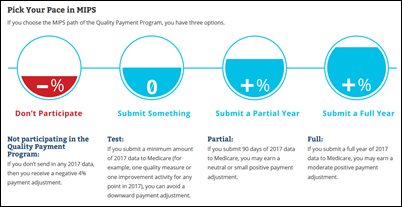
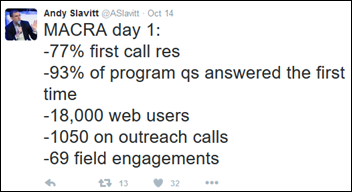

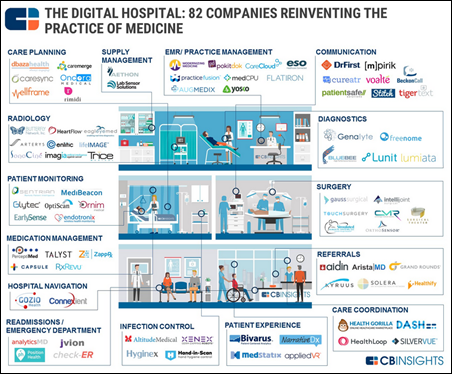


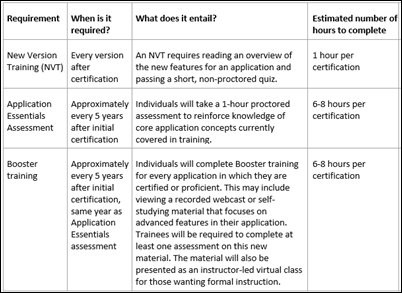
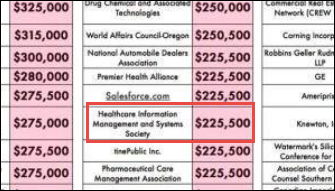
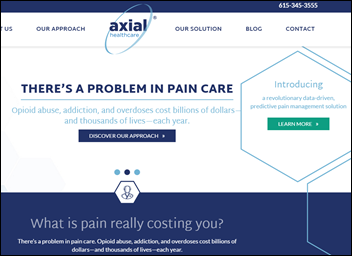
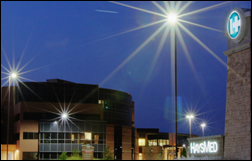
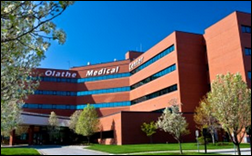



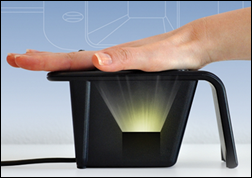
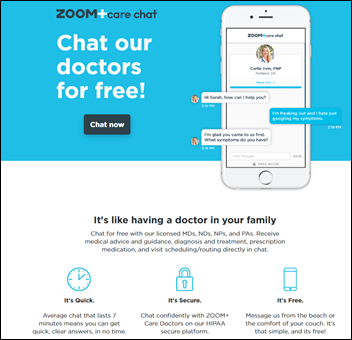
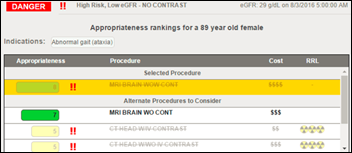
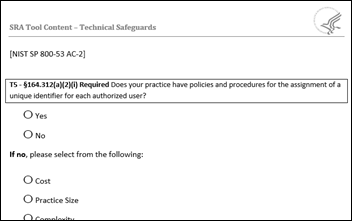
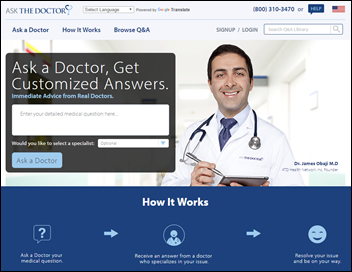
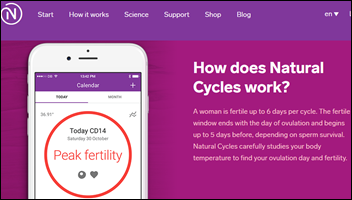
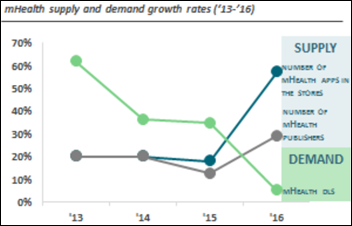
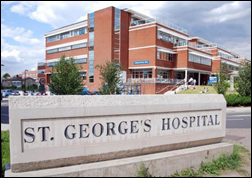
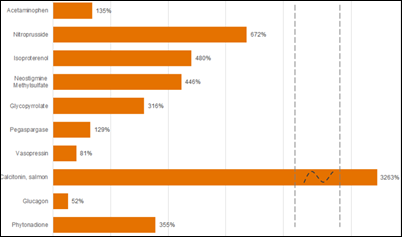
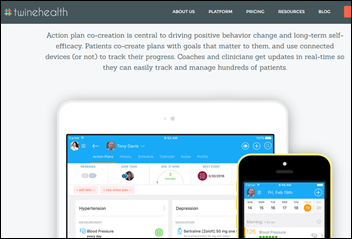
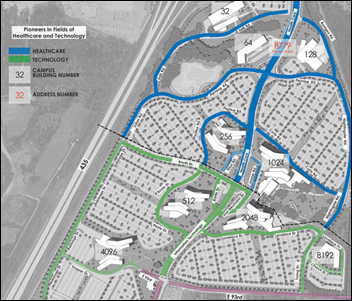

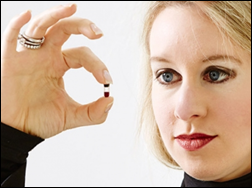
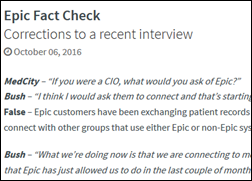


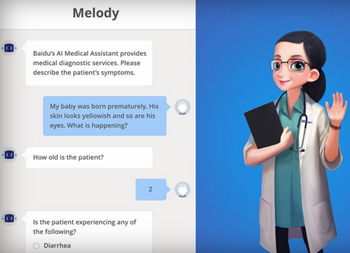
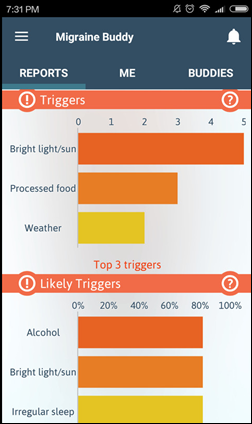
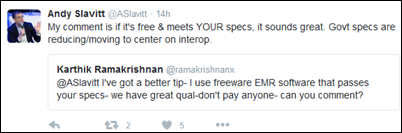
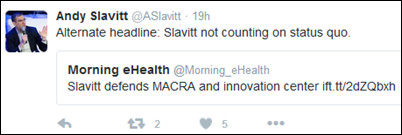

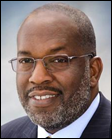

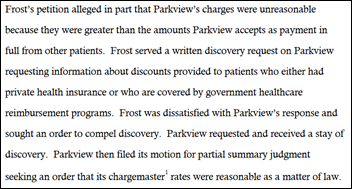
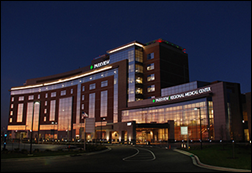
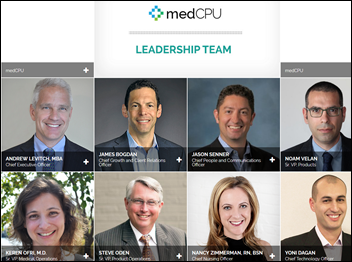















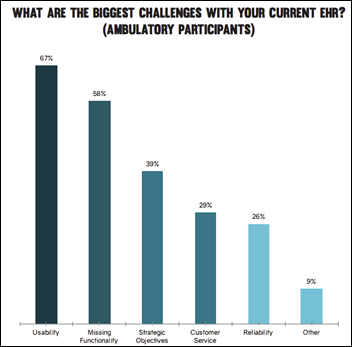

Traditionally Professional Courtesy is something that physicians gave each other - but we had to be careful with it when…