October 13, 2016Dr. JayneComments Off on EPtalk by Dr. Jayne 10/13/16
Several of my clients applied for the CMS Comprehensive Primary Care Plus initiative. One reached out to me after receiving a letter from CMS that required a response in an extremely short time frame. It sounds like practices that offer services other than just straight primary care may have been flagged in the application process to provide additional information. CMS was concerned about whether they could isolate their primary care providers and data if they were selected to participate in the program.
I understand the need to make sure applicants can meet the requirements, but the short turnaround time and unexpectedness of the letter created a lot of stress for my client. We were able to gather the required information for the response, but it was a good example to remind them that if they’re selected, they will be even more at the beck and call of CMS.
Speaking of CMS, a friend of mine who works for a vendor mentioned her concerns about the Social Security Number Removal Initiative. This is a big deal for people who are worried about identity theft since Medicare patients have long been identified with their Social Security Numbers. During 2019, Medicare will issue new identification cards to all beneficiaries. This also means that vendors have to adjust their systems to accommodate the new numbers while preserving the old numbers for historical purposes, rebilling, etc. Depending on the timeframe for mailing the new cards and what portion of a practice’s payer mix is made of Medicare patients, we could see some serious check-in delays and billing issues. I’m not sure if contractors have been selected to deliver the cards, but I hope it goes better than Healthcare.gov did.
Pet peeve of the week: I had mentioned previously that people who try to share Web addresses verbally (unless they’re really short, like “Amazon.com” or “CMS.gov”) drive me crazy. I was on a conference call this week where the panelist not only read enormous Web addresses aloud, but also didn’t know the difference between slash and backslash. I hope the people who were on audio-only connections wait for the slide deck to be distributed before they try to reach any of those sites.
The Wall Street Journal a piece this week about physicians “deprescribing” when patients are taking too many medications or risky combinations. For all the pressures on physicians and other healthcare providers to cut costs, this is an often overlooked solution.
There are many cultural factors at play with individuals preferring to take a pill to making the effort to change their habits and lifestyle. Patients don’t want to believe that they have a virus that will take 10 to 14 days to run its course — they want it cured now. Some of our love of pharmaceuticals is also generational, with older patients who came of age with the advent of penicillin and other lifesaving medications believing that pharmaceutical advances are heaven sent.
Unfortunately, there are too many people who are overmedicated. My grandparents, who are almost 90 years old, are on multiple medications for diabetes prescribed by a physician who advocates tight blood sugar control even in their age group and even with newer literature saying this might not be a good idea. It doesn’t make sense medically and they could certainly benefit from a reduced prescription bill each month, but they don’t believe in questioning their doctor.
Speaking of technology advances, there have been tremendous strides in caring for premature infants over the last several decades. A friend of mine who works for Proctor & Gamble clued me in to the recent release of a new diaper for micro-preemies who often weigh in close to 500g. That’s roughly one pound. Years ago I laughed when my friend, who is a mechanical engineer, took his job at P&G right out of school and told me enthusiastically, “You would never believe what goes into a diaper.” Having changed quite a few, I thought that was funny at the time.
It’s definitely true of the new release. The P-3 diaper is three sizes smaller than the regular newborn size and was created after three years and 10,000 hours of research, including input from over 100 neonatal intensive care unit nurses. Sometimes it’s good to be reminded that often technology and innovation brings us new problems that we never even thought of and that require solutions that are outside of our expertise.
Pet peeve, part 2: I was on a call this week waiting for key attendees to arrive. One participant announced that another would be “at least 30, maybe 40” minutes late for the meeting, which was only scheduled for an hour. I appreciate that the delayed participant called someone to say she was going to be late, but since she was the CIO and this was an executive briefing, it would have been helpful for her to indicate whether she wanted us to go ahead without her, wait for her, or reschedule. Instead, we were left guessing and trying to reach her by phone, which went straight to voice mail.
From Nurse Engineer: “Thanks for the heads up on the Healthcare Data Analytics course (Free!!) through OHSU. I am through four modules and thoroughly enjoying the class. I went into informatics way before it was chic – so far it has been a good review with very timeline information. I hope to complete the course next week before work travel interferes.” I appreciate the way they have it formatted. You can either watch the videos or read from a transcript, which allows people who learn in different ways to leverage the content in the way that most meets their needs. It also lets students make progress while traveling on flights with abysmal Wi-Fi.
One of the joys of being a consultant is experiencing life in different parts of the country. Sometimes that involves trying new foods (cheese curds anyone? Nashville hot chicken?) and sometimes it involves trying to translate the local vernacular. My Texas client shocked me this week by mentioning that in their city, “You can’t swing a dead cat without hitting a barbecue place.” I must have had a horrified expression on my face because they asked me if I was OK while I sat there trying to figure out if I really just heard what I thought I heard or whether I was on Candid Camera or being set up by PETA or something like that. I’ve traveled a lot but somehow missed that phrase before now. There are various theories on its origin and my client spent the next ten minutes schooling me on other colorful expressions they felt I needed to know. My thoughts go out to any cats, real or imaginary, who might have been swung.
What’s your favorite local or regional expression? Email me.
Hedge fund operator Partner Fund Management sues Theranos for securities fraud, saying Theranos and CEO Elizabeth Holmes told “a series of lies” about its lab testing capabilities and prospects in soliciting a $100 million investment.
Above is Holmes holding the company’s remaining credibility.
Reader Comments
From Ken Bone: “Re: Athenahealth. JB got Trumped.” Epic posts a fact check for a recent interview with Athenahealth’s Jonathan Bush. Thankfully, JB’s brother Billy was not available to facilitate an uncomfortable Judy-JB hug.
From Looming Presence: “Re: HIStalkapalooza. Here’s video of Jonathan Bush doing his Donald Trump imitation at HIStalkapalooza earlier this year.” I had forgotten about that. JB, the most politically connected person in health IT, has said that he can’t support his Republican party’s nominee in calling him “a clinical narcissist” and “a wack job,” but says he’ll vote Libertarian instead of Democratic, explaining, “Why going for the nut on the right or the nut on the left when you can have the Johnson?” Bush downplayed his own political aspirations a few weeks ago by saying, “We need another Bush like I need a hole in my head,” although technically speaking, all of us need a hole in our head, just not another one that isn’t a mouth, nose, eyes, or ears (or in cases of emergency, a surgical trepanation).
From PitViper: “Re: blockchain conference in Nashville last week. Humana’s CIO gave the keynote and his team participated in many of the breakout sessions. Nothing is production-ready and vendors themselves admit the technology is immature, but the ideas are interesting and if there’s truly a common trusted data layer in our future, it will address a lot of the issues we face.”
HIStalk Announcements and Requests
Welcome to new HIStalk Platinum Sponsor Agfa HealthCare. The company, which provides eHealth and digital imaging solutions to half the world’s hospitals, offers Care You Can See, an enterprise-wide approach to medical imaging that provides a single patient record within a single EHR view. Its product line includes enterprise imaging (VNA, universal viewer, ECM, image exchange, patient portal, scheduling, business intelligence and clinical apps); integrated care (data aggregation for multiple sites, patient engagement); and digital radiography. The company focuses its radiology commitment to maximize the value of medical images within an interoperable ecosystem to support collaboration and the availability of image to all caregivers under value-based care. Its Engage suite provides a first step toward an integrated care model, offering patient-centric views and actions, native mobile functionality, support for clinical networks, and integration with third-party systems. The company is the #1-recommended image sharing vendor in a recent Peer60 report. Thanks to Agfa HealthCare for supporting HIStalk.
Here’s an Agfa HealthCare intro video I found on YouTube.
Webinars
October 13 (Thursday) 2:00 ET. “Glycemic Control During Therapeutic Hypothermia.” Sponsored by Monarch Medical Technologies. Presenter: Tracey Melhuish, RN, MSN, clinical practice specialist, Holy Cross Hospital (FL). Using therapeutic hypothermia (TH) as a method of care can present risks of hyperglycemia, hypoglycemia, and blood glucose variability. Maintaining safe glucose levels during the cooling and rewarming phases of TH reduces the risks of adverse events. Tracey Melhuish, author of “Linking Hypothermia and Hyperglycemia,” will share best practices for optimal glucose control during TH and the success Holy Cross Hospital sees while using a computerized glucose management software.
October 25 (Tuesday) 1:30 ET. “Data Privacy/Insider Threat Mitigation: What Hospitals Can Learn From Other Industries.” Sponsored by HIStalk. Presenters: Robert Kuller, chief commercial officer, Haystack Informatics; Mitchell Parker, CISSP, executive director of information security and compliance, Indiana University Health. Cybersecurity insurers believe that hospitals are too focused on perimeter threats, ransomware, and the threat of OCR audits instead of insider threats, which are far more common but less likely to earn media attention. Attendees will learn how behavior analytics is being used to profile insiders and detect unusual behaviors proactively and to place privacy/insider risk within the risk management matrix.
November 8 (Tuesday) 1:00 ET. “A CMIO’s Perspective on the Successful 25 Hospital Rollout of Electronic Physician Documentation.” Sponsored by Crossings Healthcare. Presenter: Ori Lotan, MD, CMIO, Universal Health Services. UHS rolled out Cerner Millennium’s electronic physician documentation to its 6,000 active medical staff members — 95 percent of them independent practitioners who also work in competitor facilities — across 25 acute care hospitals. UHS’s clinical informatics team used Cerner’s MPage development toolkit to improve the usability, efficiency, communications capability, and quality metric performance of Dynamic Documentation, embedding clinical decision support and also using Nuance’s cloud-based speech recognition product for the narrative bookends of physician notes. This CMIO-led webinar will describe how UHS achieved 70 percent voluntary physician adoption within one month of go-live, saved $3 million in annual transcription expense, and raised EHR satisfaction to 75 percent. It will include a short demonstration of the software that UHS developed to optimize the physician experience.
November 9 (Wednesday) 1:00 ET. “How to Create Healthcare Apps That Get Used and Maybe Even Loved.” Sponsored by MedData. Presenter: Jeff Harper, founder and CEO, Duet Health. Patients, clinicians, and hospital employees are also consumers who manage many aspects of their non-medical lives on their mobile devices. Don’t crush their high technology expectations with poorly designed, seldom used apps that tarnish your carefully protected image. Your app represents your brand and carries high expectations on both sides. This webinar will describe how to build a mobile healthcare app that puts the user first, meets their needs (which are often different from their wants), creates "stickiness," and delivers the expected benefits to everyone involved.
Contact Lorre for webinar services. View previous webinars on our HIStalk webinars YouTube channel.
Acquisitions, Funding, Business, and Stock
Siemens Healthineers will resell IBM Watson Health’s population health management solutions. The companies will also work together to create new solutions in a five-year strategic alliance.
3M Health Information Systems and Verily Life Sciences will work together to analyze population-level datasets into usable quality measures for complications, readmissions and mortality, and cost.
Pharmacy software vendors Rx30 and Computer-Rx announce their merger.
People
AMN Healthcare-owned contingent workforce management systems vendor ShiftWise names Steven Rodriguez (Asure Software) as president.
Outpatient rehabilitation therapy technology vendor Clinicient hires T. Kent Rowe (ZirMed) as CEO.
CTG promotes Rick Sullivan to VP of strategic staffing services.
Announcements and Implementations
HIMSS Europe is conducting a “Women in Health IT” survey whose results it will use to tailor future female-focused offerings.
Privacy and Security
In India, Chennai city police have filed 43 cases against people they say have spread rumors about the health of the chief minister of Tamil Nadu, who has been hospitalized since September 22. The latest two arrests are of a website manager who published audio claiming to be from an Apollo Hospitals employee and an IT engineer who they said posted false information on Facebook. They’re charged under a law prohibiting statements intended to cause public panic.
The incarcerated human rights activist who coordinated an Anonymous-led denial-of-service attack against Boston Children’s Hospital in April 2014 to protest the involuntary commitment of a teenager stages a hunger strike to protest behavior modification programs for non-adults.
Technology
China-based search engine Baidu launches Melody, a smartphone chatbot app that asks consumers AI-generated questions in performing basic triage before sending the information to a doctor to take over. The company says it’s talking to US healthcare companies as a potential market.
London-based, Google-owned DeepMind has doubled its team to 40 employees since its February 2016 launch, hiring experts in artificial intelligence and from the NHS to help develop its products.
Other
The Wall Street Journal says apps that help migraine sufferers predict their attacks or identify their triggering factors hold promise, but they struggle to distinguish triggers (causation) from warning signs (correlation).
CMS Acting Administrator Andy Slavitt is one of my favorite tweeters, with refreshing recent examples above.
Family physician, CMIO, and AAFP board member Carl Olden, MD says that EHRs provide important benefits despite the extra work they require of doctors. He suggests that documentation responsibilities be spread to non-physician care team members and that payment reform “get us off the E/M treadmill.”
An emergency medicine professor blames CPOE for an error in which an intern ordered “CT Abdomen and Pelvis with contrast” and somehow thought she would need to order oral contrast separately, which she did in sending the patient into contrast nephropathy when both agents were administered. I disagree with blaming CPOE for these reasons:
The intern ordered an item without understanding it.
The same error would likely have occurred with paper-based ordering, especially if the hospital was equally sloppy in how it phrased the orderable’s description on paper.
All the other doctors appeared to have understood and used this orderable without problems.
Receiving a non-paper, non-verbal order does not eliminate the responsibility of the employees acting on it to review it for mistakes, electronic or otherwise.
It’s hard to understand how an undertrained intern’s one-off mistake – without the author’s seeing even basic evidence, such as how the hospital built the pick list in question — provides sufficient rationale to throw CPOE under the bus.
I agree with only one point of the article – system administrators should monitor cancelled or replaced orders to help them understand where there system setup might be confusing users.
Kaiser Permanente CEO Bernard Tyson says in a conference presentation that 52 percent of KP’s 2015 physician-member interactions were conducted via technology rather than face-to-face visits. The article’s author calls those encounters “virtual visits,” but I would bet that the huge number is mostly portal text messages, refill requests, and lab test communication. KP has turned in those big numbers going back to at least 2014, so this is really not news.
Canada-based drugmaker Valeant, known for acquiring old drugs and then jacking up their price, does it again with a drug for lead poisoning it bought in 2013, raising its price from $950 to $27,000. The company’s excuses (short shelf life, low sales volume) don’t hold much water since they haven’t changed since the previous owner was presumably making a nice profit at $950.
An expert criticizes vendor-operated company wellness programs, saying that data from the program that was recently chosen as the industry’s best suggests that employees were actually harmed rather than helped. He also cites the 2015 winner McKesson, who claimed savings despite no change in employee biometric risk factors.
In India, illegible doctor handwriting forces medical examiners to switch to computer-completed autopsy forms that police and juries can more easily read.
The Atlantic profiles Tristan Harris, a former Google employee who created an advocacy group called Time Well Spent that is trying to convince app developers to take a Hippocratic Oath that they won’t turn their users into slot machine-like tech addicts by exploiting their psychological vulnerabilities. He says app developers are like junk food vendors in introducing the digital version of sugar, salt, and fat into their apps to profitably satisfy user craving in earning “likes” and impressive LinkedIn connections via pointless yet hypnotic auto-play videos and clickbait stories. He’s thinking about developing an app to measure app usage vs. user-reported benefit in calling out apps that create addiction without satisfaction. Harris responds to the magazine’s reporter who expresses anxiety at trying not to check his cell phone during their interview:
Our generation relies on our phones for our moment-to-moment choices about who we’re hanging out with, what we should be thinking about, who we owe a response to, and what’s important in our lives. If that’s the thing that you’ll outsource your thoughts to, forget the brain implant. That is the brain implant. You refer to it all the time.
Sponsor Updates
AHIMA will add Meditech’s EHR to its Virtual Lab for HIM student training.
Haystack Informatics publishes a white paper on insider data breaches.
Aprima will exhibit at the Texas Association of Community Health Centers meeting October 17-18 in Dallas.
Arcadia Healthcare Solutions CMO Rich Park, MD will present at the inaugural meeting of the American Association of Strategic Regional Organizations October 17 in Philadelphia.
Bernoulli will exhibit at AARC16 October 15-18 in San Antonio.
MedScape includes E-MDs as a leading vendor for usability and customer satisfaction in its latest EHR report.
Elsevier Clinical Solutions features predictions from Geeta Nayyar, MD in its celebration of 100 years of medical clinics.
EClinicalWorks will exhibit at the AOAO Annual Meeting October 13-15 in Washington, DC.
HCS will exhibit at the NASL annual meeting October 16-18 in Nashville.Healthgrades will exhibit at the Built in Colorado Fall Startup Showcase October 13 in Denver.
I picked up an additional clinical shift this weekend to help out one of my partners whose travel was interrupted by Hurricane Matthew. Weekends in the urgent care world are always busy, especially on Sundays when people who have put off care earlier in the week decide they can’t wait until Monday to try to get an appointment with their regular physician. Others don’t have a regular physician and just see us when they’re sick. Another subgroup of patients tries to use us as their primary care home even though we’re really not equipped to do so.
When you’ve seen 40 patients in the first six hours of a shift, that’s a bad sign. Even with a scribe I couldn’t keep up, so we had to send up the bat signal and try to get more reinforcements. Flu season is moving into high gear, overlapping with a bad run of hand/foot/mouth disease for kids in our area. Most of our patients were acutely ill and we always try to move patients into exam rooms rapidly so that they’re not cross-contaminating each other in the waiting room.
For a while, things were backed up, though. Looking at the roster of patients in the waiting room, I couldn’t help but think that telemedicine would have been a good option for quite a few of them.
There are many conditions we treat regularly that can be diagnosed with accuracy based on the patient’s history and some targeted questions. Important data points are the duration of the illness, the specific symptoms, anything that has made it better or worse, and the patient’s health status and other existing conditions. Although the physical exam can confirm a working diagnosis, it usually doesn’t make a difference in the treatment plan for these patients.
Offering telemedicine services would have keep these patients at home where they could be recovering rather than potentially exposing them to other communicable diseases. In my area, however, insurance doesn’t cover telemedicine services, so they’re not being offered.
Assuming insurance would cover the services, our EHR isn’t equipped to handle telemedicine. It’s not just this system, though. The last three platforms I have used for patient care wouldn’t have supported it very well, either. The closest workflow they could offer was to couple the documentation pathway for a telephone call with some of the elements of a standard office visit. It certainly wasn’t a streamlined workflow and there wasn’t a good way to include video links or patient-provided pictures of rashes or other findings.
Although the new federal programs seem to encourage these types of alternative visits, it seems to me that many EHR vendors are just trying to keep up with all the reporting requirements and specifications of the new certification scheme and don’t have many development resources to shift into these kinds of nice-to-have workflows.
Some of the cases I saw today really made me think about how our country is addressing (or not addressing) healthcare delivery. We’re so focused on cost reform that we’re missing other significant factors that influence care-seeking behavior.
Many of our patients come to the urgent care due to access issues – they can’t get a timely appointment with their primary care physician or they can’t leave work during the hours the office is open. Although many employees have sick time benefits from their employers, the reality for many of the patients we see (as well as many of my friends and colleagues) is that it’s often difficult to use that sick time.
Employers put a variety of strategies in place to keep people from abusing the benefit, but those strategies can also function as a barrier to care. The rise of high-deductible health plans is also a barrier to care, and we sometimes see people with serious illnesses who have deferred coming to care because they can’t afford the deductible. It’s not an overall cost savings if the patient has to have an amputation because they didn’t have a $90 visit that could have mitigated the condition weeks ago.
We try to engage our patients and encourage them to follow up with a continuity physician, providing them View/Download/Transmit access to their note as soon as the physician completes it. We also have nearly-real-time surveys of patient satisfaction, which can be a bit unnerving when you receive an email with your rating before the patient is even out of the parking lot. It’s definitely a different world than what I thought I was getting into when I went into medicine.
I’m not sure how many patients actually engage via a records download, though. Although we can accept and consume inbound records, I’ve not seen any in the two years I’ve been working with this organization. I have had a couple of patients who have personal health records that they access on their phones during the visit and many who have accessed their pharmacy records to tell me about previous treatments if I can’t download them via our EHR’s pharmacy management link. But I’ve never seen a C-CDA and I’m betting that my staff would be confused if one turned up.
Our organization is growing steadily. We’ve doubled in size in the last two years. Although it’s great from a business perspective, when you really think about it, it’s terrible from a patient care strategy standpoint. Although patients come to us because it’s convenient and we’re fast and economical, we’re not a primary care office and we don’t handle preventive screenings or other universally recommended services.
I firmly believe that patients do best when they’re cared for by a physician and/or care team that knows them well and can manage their issues over time, looking for trends or linked events. This is what old-school family physicians used to do, before insurance companies pushed patients into networks based on costs and contracts. When I was in solo practice, I had patients who were forced to change primary physicians every year or two because their employer would change insurance plans or the insurance plan would change their roster of contracted physicians.
With the rise of the medical home movement in the last decade, you’d think this trend would be somewhat reversed, but we’re not seeing as much change as we need to solve the healthcare delivery problem. Physicians are stressed and don’t want to provide after-hours services without additional compensation and patients don’t want to pay for it.
We’ve thrown billions of dollars of technology at it, but it doesn’t feel like we’re much better off than we were before. Physician practices have been disrupted. Once they settle in, there is a tremendous opportunity to harness the technology, but now we’re seeing a second wave of disruption as providers and organizations change EHR vendors, often sending provider workflows back into chaos.
Programs such as the Comprehensive Primary Care Initiative and its successor CPC+ are trying to shift care delivery to the medical home model through additional payments and support, but it’s still tremendously difficult for organizations to make these changes, especially since they’re already coping with additional federal and payer regulations.
I’m not sure what the answer is, but it feels like we’re reaching the breaking point. Is anyone building the killer app that will help providers and care delivery organizations truly transform how we care for patients in the 21st century? Or will the regulators just keep tightening the screws? As we sit here on the edge of our chairs waiting for the next Final Rule, it feels more like the latter.
What do you think is the answer to truly reforming healthcare delivery? Email me.
The legal effort by Parkview Hospital (IN) to keep its chargemaster prices and insurance discounts secret fails, forcing it to provide the information demanded by an uninsured patient who sued the hospital after receiving a bill for $625,000 for a three-month stay after a car accident. The patient says the bill isn’t reasonable since the hospital discounts its services to insurance companies while charging uninsured patients list price. The state’s Hospital Lien Act allows patients to negotiate bills when a hospital files a collection lien against them.
The hospital’s attorney argues that insurers are given discounts because of the patient volume they provide and that the patient’s guardian signed a an admission agreement that included a 35-word “agreement to pay” paragraph. “We don’t think a person who is not a member of the club should get the benefits of the club,” he said. Other healthcare lawyers say hospitals don’t have a choice in offering discounts because insurers won’t sign a contract with them otherwise.
Legal experts say that if their debt collection practices are questioned by a ruling for the plaintiff in this case, hospitals will probably switch tactics to instead use breach of contract lawsuits, which have favorable legal precedents in Indiana.
A billing expert hired by the patient concludes that the reasonable value of the services he received was $247,000, which would represent a 60 percent discount to billed amount.
Reader Comments
From Stick and Rudder Man: “Re: Epic. Does its Boost program even exist? Our experience from making requests is that no one is ever available. Recent networking with other clients suggests that our experience is not unique.” I’m not familiar with that program and found no references to it on Epic’s site, so I’ll ask knowledgeable readers to comment.
From Golan Heights: “Re: MedCPU. Looks like leadership change.” I didn’t see an announcement, but comparing old vs. new versions of the company’s executive page calls out the removal of the company’s two co-founders, promotion of the CFO to the CEO position, and the departure of two other executives. MedCPU has raised $51 million, $35 million of it in May 2016.
From Block and Tackle: “Re: HIStalk. It’s being blocked in the Middle East countries, which I experienced when traveling to Bahrain and Dubai over the past two weeks. Not sure if you care much about getting traffic from there, although given the level of IT activities and the global nature of your sponsorship base, it could be an expansion opportunity. Not getting our weekly dose of HIStalk news causes a lot of anguish!” I’ve heard that before, although reports were inconsistent.
HIStalk Announcements and Requests
Attention speakers and Webinar presenters: people hate it when you: (a) read from your slides; (b) place your pitch ahead of the educational needs of your attendees; (c) cram too much material on your slides; and (d) talk too much about yourself and your employer. I’ll side with the majority: PowerPoint, when used by unskilled presenters as a Teleprompter instead of as a visual aid to complement their enthusiastic and not overly rehearsed verbal narrative, is pure evil.
New poll to your right or here: how much of your work day involves talking about patients and their needs?
Thanks to the following sponsors, new and renewing, that recently supported HIStalk, HIStalk Practice, and HIStalk Connect. Click a logo for more information.
Thanks to the IT department of Centura Health (CO), which raised $1,500 for my DonorsChoose project, doubling last year’s total. I applied matching funds in fulfilling these STEM-related grant requests Friday and have already received grateful emails from all of the teachers. Classroom photos will follow once the students begin using their new materials.
Genetics kits (plant lights and seeds) for Ms. T’s high school class in Juneau, WI
A document camera and wireless keyboard for Ms. N’s third grade class in Lugoff, SC
Math games for Ms. L’s kindergarten class in Chicago, IL
A math gaming system for Mrs. S’s second grade class in Virginia Beach, VA
A media studio for producing a daily school news show for Ms. C’s middle school class in Citrus Heights, CA
Multimedia teaching technology for Ms. C’s high school class in Philadelphia, PA
Math manipulatives for Ms. R’s elementary school class in New York, NY
Six tablets for Mrs. P’s kindergarten class in Dry Ridge, KY
I also received a donation from Mark and Tammy, which provided programmable robots for Mrs. E’s elementary school class in Greenwood, SC.
Welcome to new HIStalk Platinum Sponsor Black Book. The Tampa, FL-based company offers unbiased, transparently collected, survey-powered research services such as Black Book Rankings, vendor comparisons, customer satisfaction, and market and competitive intelligence. It measures image, attitudes, opinions, awareness, and market share. Users are invited to participate in its user satisfaction and loyalty surveys via its app, with their responses validated using sophisticated data quality tools to ensure accurate, authentic results. Kudos to the company for recently fine-tuning its methodology after noticing and fixing questionable results caused by hospitals completing surveys on behalf of their EHR affiliates, which it likened to a salesperson rating their own merchandise. Here’s the best part: nobody at Black Book has a financial interest in a vendor; the company doesn’t allow companies to pay to participate; and vendors don’t get to review the results until they’re published for the whole world to see. Thanks to Black Book for supporting HIStalk.
I’ve worked in hospitals affected by hurricanes. I would be interested in hearing about your experience with Hurricane Matthew. People might forget that while they’re being urged to evacuate or stay home, hospitals are being staffed by people who are protecting someone else’s family instead of their own.
Last Week’s Most Interesting News
Theranos exits the laboratory business, laying off 40 percent of its staff to focus on commercializing its MiniLab testing machine.
A single Brigham and Women’s researcher gets a $75 million, five-year grant to analyze study participant data, including that generated by wearables, hoping to find early predictors of heart disease.
Warburg Pincus Private Equity files FTC documents indicating that it will acquire Intelligent Medical Objects.
Evolent Health completes its acquisition of Valence Health for $219 million.
Cerner tells the local newspaper that it will aggressively expand its revenue cycle business.
Webinars
October 13 (Thursday) 2:00 ET. “Glycemic Control During Therapeutic Hypothermia.” Sponsored by Monarch Medical Technologies. Presenter: Tracey Melhuish, RN, MSN, clinical practice specialist, Holy Cross Hospital (FL). Using therapeutic hypothermia (TH) as a method of care can present risks of hyperglycemia, hypoglycemia, and blood glucose variability. Maintaining safe glucose levels during the cooling and rewarming phases of TH reduces the risks of adverse events. Tracey Melhuish, author of “Linking Hypothermia and Hyperglycemia,” will share best practices for optimal glucose control during TH and the success Holy Cross Hospital sees while using a computerized glucose management software.
October 25 (Tuesday) 1:30 ET. “Data Privacy/Insider Threat Mitigation: What Hospitals Can Learn From Other Industries.” Sponsored by HIStalk. Presenters: Robert Kuller, chief commercial officer, Haystack Informatics; Mitchell Parker, CISSP, executive director of information security and compliance, Indiana University Health. Cybersecurity insurers believe that hospitals are too focused on perimeter threats, ransomware, and the threat of OCR audits instead of insider threats, which are far more common but less likely to earn media attention. Attendees will learn how behavior analytics is being used to profile insiders and detect unusual behaviors proactively and to place privacy/insider risk within the risk management matrix.
November 9 (Wednesday) 1:00 ET. “How to Create Healthcare Apps That Get Used and Maybe Even Loved.” Sponsored by MedData. Presenter: Jeff Harper, founder and CEO, Duet Health. Patients, clinicians, and hospital employees are also consumers who manage many aspects of their non-medical lives on their mobile devices. Don’t crush their high technology expectations with poorly designed, seldom used apps that tarnish your carefully protected image. Your app represents your brand and carries high expectations on both sides. This webinar will describe how to build a mobile healthcare app that puts the user first, meets their needs (which are often different from their wants), creates "stickiness," and delivers the expected benefits to everyone involved.
Contact Lorre for webinar services. View previous webinars on our HIStalk webinars YouTube channel.
Decisions
Logan County Hospital (KS) will go live on Athenahealth’s RCM system in January 2017.
Bayhealth (DE) switched from McKesson Horizon to Epic in August 2016.
Franciscan Missionaries of Our Lady Health System (LA) will replace Cerner with Epic.
These provider-reported updates are provided by Definitive Healthcare, which offers powerful intelligence on hospitals, physicians, and healthcare providers.
People
Kyruus hires John Downey (McKesson Health Solutions) as SVP of sales.
Announcements and Implementations
Peer60 publishes “The Physician’s Take on EHR Suppliers 2016,” which surveyed around 1,000 doctors (75 percent of them in ambulatory practice) about EHRs. Adoption was 85 percent, with the most common systems being those from Epic, Cerner, and Allscripts. Most respondents say they aren’t planning to replace their current systems. Top-ranked Epic joined its competitors in scoring low in Net Promoter Score, but few of Epic’s users reported specific problems or plans to replace it. Usability topped the list of user concerns for all systems, while first-time adopters say cost is what’s holding them back. As Peer60 points out, the market seems to violate Economics 101 in that users are nearly universally unsatisfied with their systems, but don’t see more attractive alternatives.
Privacy and Security
The health minister of Australia apologizes to doctors for publishing a file of de-identified claims data covering 10 percent of the country’s population that was quickly re-identified by researchers who matched the records with other publicly available datasets.
Technology
A small study finds that paramedic documentation improves significantly when they are equipped with body-work video cameras that allow them to review their work afterward.
Other
The Green Beret brother of Maggie Stack, who played the lead role in the Epic UGM production of “Alice in Wonderland” two weeks ago, was killed by an IED while on patrol in Afghanistan last week. Staff Sgt. Adam S. Thomas of the 10th Special Forces Group (Airborne), 31, had earned several Army medals in deployments to Iraq and Afghanistan. ISIS has claimed responsibility for his death.
Vince and Elise close out their “Rating the Ratings” series with ideas on a “do it yourself” rating.
Sponsor Updates
Nordic is recognized in “Best Places to Work in Healthcare” for the third straight year.
T-System and Wellsoft will exhibit at ACEP16 Scientific Assembly October 15-18 in Las Vegas.
TierPoint completes a $12 million TekPark data center expansion.
Valence Health will exhibit at TAHP Annual Conference October 14-16 in Dallas.
Huron offices across the country donate over 4,000 backpacks to local nonprofit organizations.
ZeOmega will exhibit at Washington State Hospital Association’s annual meeting October 12-14 in Seattle.
Zynx Health will exhibit at the 2016 Meditech Physician and CIO Forum October 20-21 in Foxborough, MA.
Theranos CEO Elizabeth Holmes announces that the company will close all its clinical labs and wellness centers and lay off nearly half of its employees to focus exclusively on trying to commercialize its MiniLab testing platform.
Theranos investors continue their high level of cluelessness by inexplicably keeping Holmes as CEO, although at this point her train wreck behavior is about all that remains interesting about the former high flyer.
My bet: Theranos will bleed out all its remaining investor cash before it can get its machine through the FDA to market, and even if the company is successful, nobody’s going to buy a MiniLab given the company’s historical lack of transparency and shady business practices (would you really want to buy diagnostic equipment from someone who is federally banned from all lab involvement?)
Reader Comments
From Tripp the Lite Fantastic: “Re: Drummond Group. A shakeup after it was sold – President Kyle Meadors has left.” Unverified. He’s still showing on the certification company’s executive page (which lists only two people), but his LinkedIn profile shows that he left the company in July. He took the job in November 2015 after the two co-founders stepped aside. I don’t recall that I knew (or cared) that the company was acquired. Drummond and CCHIT were named by ONC as the first authorized testing bodies for EHRs in 2010.
From Nasty Parts: “Re: NextGen. There’s a sales book on the street, according to contact there. The only insiders who will benefit are the Cardinal hires brought over by CEO Rusty Frantz, such as the new CFO whose package included 75,000 restricted stock units.” Unverified.
HIStalk Announcements and Requests
Sixteen companies have joined my little HIStalk sponsor family in the past handful of weeks, motivated in part by the fall new sponsor special offer that throws in the rest of 2016 free for a full-year 2017 sponsorship. Contact Lorre to join them.
Welcome to new HIStalk Platinum Sponsor Learn on Demand Systems. The company’s OneLearn training management system allows organizations of all sizes to deliver experience-based training, software demos, and performance-based assessments in managing programs, instructors, classrooms, schedules, and metrics. Its OneLearn lab-on-demand platform automates the delivery of hands-on labs and product demonstrations, using the hospital’s custom EMR instance (a mirror image, not a simulation) to deliver an Interactive Digital Lab with testing to identify those departments that are (or aren’t) ready for an implementation or upgrade go-live. Everybody gets a sandbox to play in whenever their schedule allows – no more marathon classroom sessions. You can try a live preview of a training lab – I did and it’s very cool (scroll down on the page to launch a sample environment with no sign-up required). The company has reached users in 145 countries, launched 10 million labs, and trained 5 million students for customers that include Google, Microsoft, Citrix, and Caradigm. Thanks to Learn on Demand Systems for supporting HIStalk.
Here’s a screenshot of my playing around with a live preview of Learn on Demand Systems. It presented an exam on the right with links to resources such as a network diagram while in the middle of the screen was a virtual live session of Windows NT (browser based, no setup required), allowing the student to work on a live server while completing a test on how to configure user e-mail accounts.
We provided math games for the third-grade class of Ms. Burkett in Missouri in funding her DonorsChoose grant request. She says her students get excited about math every day because the activities are fun and allow them to work together to solve problems.
The industry’s most talked-about HIMSS party is on. Would your company like to help me pay for it since I’m otherwise personally on the hook for the rather shocking price tag in entertaining 800 or so industry notables? Contact Lorre for sponsorship options that can range from small to blow-out.
This week on HIStalk Practice: Central Virginia Coalition of Healthcare Providers selects CCM software from Smartlink. CityMD partners with Par80 for referral management. Survey shows patients want pricing up front, but providers aren’t prepared to comply. Internet icon advocates for an "NIH for Cybersecurity." AMA unveils new MACRA tools for physician prep. MTBC acquires MediGain and Millenium Practice Management. NHHIO ED Jeff Loughlin helps New Hampshire providers set up a centralized data repository now that they’ve gotten over the EHR implementation hump.
Webinars
October 13 (Thursday) 2:00 ET. “Glycemic Control During Therapeutic Hypothermia.” Sponsored by Monarch Medical Technologies. Presenter: Tracey Melhuish, RN, MSN, clinical practice specialist, Holy Cross Hospital (FL). Using therapeutic hypothermia (TH) as a method of care can present risks of hyperglycemia, hypoglycemia, and blood glucose variability. Maintaining safe glucose levels during the cooling and rewarming phases of TH reduces the risks of adverse events. Tracey Melhuish, author of “Linking Hypothermia and Hyperglycemia,” will share best practices for optimal glucose control during TH and the success Holy Cross Hospital sees while using a computerized glucose management software.
October 25 (Tuesday) 1:30 ET. “Data Privacy/Insider Threat Mitigation: What Hospitals Can Learn From Other Industries.” Sponsored by HIStalk. Presenters: Robert Kuller, chief commercial officer, Haystack Informatics; Mitchell Parker, CISSP, executive director of information security and compliance, Indiana University Health. Cybersecurity insurers believe that hospitals are too focused on perimeter threats, ransomware, and the threat of OCR audits instead of insider threats, which are far more common but less likely to earn media attention. Attendees will learn how behavior analytics is being used to profile insiders and detect unusual behaviors proactively and to place privacy/insider risk within the risk management matrix.
November 9 (Wednesday) 1:00 ET. “How to Create Healthcare Apps That Get Used and Maybe Even Loved.” Sponsored by MedData. Presenter: Jeff Harper, founder and CEO, Duet Health. Patients, clinicians, and hospital employees are also consumers who manage many aspects of their non-medical lives on their mobile devices. Don’t crush their high technology expectations with poorly designed, seldom used apps that tarnish your carefully protected image. Your app represents your brand and carries high expectations on both sides. This webinar will describe how to build a mobile healthcare app that puts the user first, meets their needs (which are often different from their wants), creates "stickiness," and delivers the expected benefits to everyone involved.
Contact Lorre for webinar services. View previous webinars on our HIStalk webinars YouTube channel.
Acquisitions, Funding, Business, and Stock
ICU surveillance monitoring technology vendor Sotera Wireless, which offers the ViSi Mobile wireless sensor, files for Chapter 11 bankruptcy. The company had raised $84 million in nine funding rounds, but none since early 2014.
Consumer wellness software vendor Welltok raises $33.7 million in a Series E funding round, increasing its total to $164 million.
In an unpleasant health IT flashback special, Vista Equity Partners will take England-based Misys public again on the London Stock Exchange, valuing the company at $7 billion in England’s largest IPO of 2016. Vista bought the company for $1.6 billion in 2012, five years after the banking software company sold off its Sunquest and CPR product lines as well as its majority stake in Allscripts in its hasty exit from the healthcare market (they’ve since added “financial software” to their logo to remind themselves of their unsuccessful sector unfaithfulness). I remain amused even now that two British banking software vendors – Misys and Sage – nearly simultaneously made a major mess in their pathetic and fortunately short-lived attempts to milk a US healthcare IT market that they clearly didn’t understand.
Evolent Health completes its acquisition of Valence Health, paying $219 million rather than the originally announced $145 million since the sale price was tied to Evolent’s share price. Evolent says Valence will generate revenue of around $85 million this year.
UPMC Enterprises makes an unspecified investment in RxAnte, a UPMC vendor that uses analytics to predict medication adherence. The company reports $4.6 million in fundraising, all of it in 2012.
Xerox, preparing to split itself into two publicly traded companies, names its business process services segment (which includes healthcare) Conduent. You’ll either be inspired or appalled by the lengthy, marketing-heavy explanation of what every aspect of the made-up word and logo signifies other than that they let creative types run expensively amok (“A bold typeface conveys stability and complements the symbol while acknowledging a 30-year history supporting the critical operations of businesses and governments. A connection between the ‘N’ and the ‘T’ in the typeface of ‘Conduent’ reinforces that the constituent is at the core of the company’s business model. The connected letters also draw the reader’s eye to this unique pronunciation of the coined name.”) Apparently the most important factor in the new company’s eventual success is allowing those last two letters to touch.
Sales
Harrison Memorial Hospital (KY) chooses Santa Rosa Consulting’s InfoPartners subsidiary as its Meditech 6.1 Ready implementation partner.
In England, Chelsea and Westminster Hospital NHS Foundation Trust selects Cerner, sharing its implementation with Imperial College Healthcare NHS Trust.
In Canada, William Osler Health System will implement Extension Engage for unified clinical communications and collaboration.
Choosing Wellsoft’s EDIS are Angleton ER (TX) and the third freestanding emergency center of Cypress Creek ER (TX).
People
Harry Greenspun, MD (Deloitte) joins Korn Ferry as chief medical officer and managing director of its KF Health Solutions business.
PM/EHR vendor InSync Healthcare Solutions promotes Roland Therriault to president, replacing Tom Wilson.
Gregg Waldon (RedBrick Health) joins Kareo as CFO.
Government and Politics
CMS discloses that it (meaning we taxpayers) paid over $1 billion per year for the past five years buying Mylan’s EpiPens for Medicare and Medicaid patients. The government also claims that Mylan misclassified the allergy injection as a generic drug –which earns CMS only a 13 percent rebate– instead of a brand name product for which CMS would have received at least a 23 percent discount. CMS indignantly tells the press that it has repeatedly warned Mylan that they were mischaracterizing the drug, but doesn’t explain why it kept paying the inflated price anyway.
CMS Acting Administrator Andy Slavitt describes the state of healthcare insurance marketplaces in a Wednesday speech:
We’ve chosen to address the need to transform in most traditional American way possible– through the private sector. Which means we’re relying on innovation and competition to serve consumers best … If anyone’s premise was that by passing one law, we would fix the affordability of health care all at once, that’s just not how it works. We’re here because the law sets a path in motion … Particularly if you see churn in your book– as people move in and out of jobs and struggle with affordability, how do you build loyalty? Are you building on-boarding processes, monthly touch points, and other initiatives that create “stickiness?” Remember, consumers don’t like churning any more than you do … do you have your first tier hospitals contracted to manage aggressive ER utilization so people can get care in the right setting? Have you set up telemedicine, nurse lines, and other convenient forms of both coaching and steerage? Is there free primary care and other incentives to detect health concerns early?
CMS opens a search for a replacement for former CIO David Nelson, who was brought on to save Healthcare.gov before moving to the Nuclear Regulatory Commission in August.
CMS adds hospice payment information to its publicly available datasets.
Privacy and Security
In England, an NHS security official provides a specific example of how far hackers will go to penetrate a hospital. They targeted an employee, looked up his background on LinkedIn to find that he played college rugby, spoofed an email account using the name of the team captain he played with, and included an attachment claiming to be an old team photo of the two of them together. The victim clicked on the attachment, clicked OK to allow it to open, and in doing so permitted the installation of Trojan spyware that probed the network for two weeks until it was discovered. NHS’s particular problem is that 15 percent of its PCs still run the insecure Windows XP either because old apps and devices require it or that money is too tight to upgrade everything.
Innovation and Research
The American Heart Association, Verily Life Sciences (Google), and drugmaker AstraZeneca award a $75 million, five-year grant to Calum MacRae, MD, PhD, chief of cardiovascular medicine at Brigham and Women’s Hospital (MA), for a big data-powered study in which he will apply engineering, computing, and genomics expertise to the data of heart study participants to look for early markers for heart disease. His team will use data from wearables and patient-reported information in attempting to answer the question of why so many patients get heart disease despite having none of the currently known risk factors.
Technology
The RWJF-funded project The Mood Challenge names the finalists of its competition to use Apple’s ResearchKit to assess mood and its relationship to PTSD. BiAffect tracks and predicts mood episodes by the speed and accuracy of the user’s typing, while Aware Study administers weekly surveys and two daily tasks.
Other
In Australia, doctors at Cairns Hospital request an independent review of its Cerner rollout after learning that 48 mislabeled blood specimens have been identified this year vs. nine in all of 2013. Employees say the specimen collection workflow is convoluted and that printing tube labels for multiple patients on a single printer has caused mixed-ups.
The AMA publishes new MACRA tools for doctors: a calculator to predict the impact of payment changes on a given practice, new MACRA tools for its STEPS Forward practice redesign program, and a podcast series.
Internet pioneer and venture capitalist Marc Andreessen says in an interview that rising-cost sectors (mostly healthcare and education) are dragging down the economy in canceling out the benefits and lower prices created by technology, leading to stagnant incomes, loss of jobs, and a bigger chunk of personal income spent on those sectors:
You have the sectors in which prices are rapidly rising: healthcare, education, construction, prescription drugs, elder care, and child care. Here there’s very little technological innovation. Those are sectors with insufficient productivity growth, innovation, and disruption. You’ve got monopolies, oligopolies, cartels, government-run markets, price-fixing — all the dysfunctional behaviors that lead to rapid increase in prices. The government injects more subsidies into those markets, but because those are inelastic markets, the subsidies just cause prices to go up further … The problem is insufficient technological adoption, innovation, and disruption in these high-escalating price sectors of the economy. My thesis is that we’re not in a tech bubble — we’re in a tech bust. Our problem isn’t too much technology or people being too excited about technology. The problem is we don’t have nearly enough technology. These cartel-like legacy industries are way too hard to disrupt.
Odd: a closed Ohio bridal shop sues a Texas Health Resources hospital for $1 million, saying it lost hundreds of thousands of dollars after one of the two THR nurses who contracted Ebola in 2014 tried on dresses there before she knew she was infected, after which the stigma of being known as “the Ebola store” caused the store’s failure.
I would say drug pricing and profits are way too complicated when I can’t even understand a dumbed-down graphic of where prescription money goes. I do understand, however, that despite the title that suggests middlemen are raking it in, the last line shows that the brand-name manufacturer still keeps 75 percent of whatever made-up price they choose (thus encouraging them to price accordingly).
A writer whose 34-year-old wife died in CHA Cambridge Hospital (MA) pens a moving letter to the ICU employees who cared for her:
When I needed to use a computer for an emergency email, you made it happen. When I smuggled in a very special visitor, our tuxedo cat, Cola, for one final lick of Laura’s face, you “didn’t see a thing.” And one special evening you gave me full control to usher into the ICU more than 50 people in Laura’s life, from friends to co-workers to college alums to family members. It was an outpouring of love that included guitar playing and opera singing and dancing and new revelations to me about just how deeply my wife touched people. It was the last great night of our marriage together, for both of us, and it wouldn’t have happened without your support.
Sponsor Updates
VMware shares its vision for intelligent analytics from VMware AirWatch.
Impact Advisors volunteers with SCARCE DuPage as part of its annual Operations Team meeting.
Catalyst’s HITRUST CSF certification is extended to customers using Microsoft Azure.
HCI Group will exhibit at the Ministry of Health & HIMSS Middle East conference in Riyadh, Saudi Arabia next week.
Glytec is named an innovation award finalist for its diabetes management solution.
John Yurkschatt of Direct Conulting Associates is named to “2016 Millennials in Staffing.”
MedData will exhibit at the ACEP Scientific Assembly October 16-19 in Las Vegas.
A Spok survey finds that most hospitals are formalizing their mobile strategy, often with the help of outside experts, but are challenged by deficiencies in Wi-Fi and cellular coverage.
Meditech celebrates October’s health literacy heroes.
Wellsoft will exhibit at ACEP October 16-18 in Las Vegas.
Medicity President of HDMS Analytics Patrice Wolfe will keynote the New Jersey & Metro Philly HFMA Annual Institute taking place this week in Atlantic City.
Obix Perinatal Data System will exhibit at the Tennessee State AWHONN Conference October 7-8 in Memphis.
Experian Health will exhibit at the HFMA SoCal/Imperial Chapters Fall Conference October 9-11 in Newport Beach.
Red Hat will host its North America Partner Technical Exchange October 10 in Chicago.
At my clinical practice, we frequently use scribes to document in the EHR while we focus on patients. While most of our scribes are cross-trained emergency medical technicians or medical assistants, some are college or graduate students who are looking for experience in the field while they apply to medical school.
My favorite scribe was recently admitted to medical school. Since he doesn’t have any family in town, he invited me to sit in for his family at his school’s white coat ceremony. We didn’t have that ceremony when I went to medical school, but quite a few schools have them now. Often in their first year of training, students are presented with the traditional white coat and may take an oath.
Schools have gotten away from the traditional Hippocratic Oath (mine used the Declaration of Geneva), but his school encourages each class to write their own oath. It was quite moving to see the students promise to keep the patient at the center of care and to deliver care equitably regardless of gender, race, religion, or sexual orientation. I didn’t hear anything about sacrificing patient care time to address burdensome regulations and reporting requirements, but they’ll be learning about those aspects of medicine soon enough.
October is Health Literacy Month, aimed at helping promote the importance of understandable health information. Greater health literacy can lead to improved health status and may be more of a contributor than other factors such as race, ethnicity, or socioeconomic status. Although many EHR vendors try to increase health literacy by making sure their patient education materials are at an accessible reading level, there are other factors at play. The National Patient Safety Foundation is promoting its “Ask Me 3” program that encourages patients to ask three questions to better understand their health: 1) What is my main problem?; 2) What do I need to do?; and 3) Why is it important for me to do this? I’d love to see more EHR-generated patient plan documents that address these questions in a readable format rather than just spitting out codes and canned phrases that may not make sense for patients.
The rising cost of health care and subsequent attempts at reform are impacting care delivery across the country. My local school board just voted to investigate the possibility of onsite health clinics for employees and their families. They’re not ready to address health clinics for students, but the employee clinics are seen as a possible way to not only get employees back to work more quickly, but to control costs. We perform similar corporate health services at my clinical practice and can generally get patients treated and back to work with their medications in under 45 minutes. I’ll be interested to see how it turns out and whether the promise of efficiency and cost-control outweighs any privacy concerns.
Nearly 180 members of the House of Representatives sent a letter to CMS claiming that recent payment reforms announced by the Center for Medicare and Medicaid Innovation (CMMI) exceed the authority of CMS and are therefore illegal. The legislators contend that voluntary programs are acceptable, but mandatory participation in programs such as bundled payment programs can “commandeer clinical decision making and dramatically alter the delivery of care.” They go on to “insist CMMI stop experimenting with Americans’ health.” I’ve spoken with many of my peers who feel that MU and other programs are out of control experiments with no requirement for institutional review board approval. It remains to be seen if using financial incentives against providers will really drive the needle on patient outcomes.
I wrote earlier this week about some downtime/disaster recovery adventures I had with one of my clients. A reader commented on my mention that “since crossing to the IT dark side, I’ve had more late night phone calls for database disasters than I’ve had for patient care issues, but the steps are surprisingly similar,” wanting to know more.
Getting to the root cause of an information technology misadventure can be a lot like trying to diagnose a patient who presents with vague symptoms or a complex condition.
Like a person with a stroke, it’s important to know when was the last time that the system was normal, what the presenting symptoms were, and how quickly it progressed.
Similar to a person having a heart attack, you have to act quickly within a limited time frame so that more extensive damage doesn’t happen.
You have to assimilate data from a variety of sources and try to put it all together in the hopes of figuring out what happened, what is currently going on, and how you can identify the best intervention.
Sometimes you try maneuvers that are both diagnostic and therapeutic. They may or may not work depending on the status of the patient/system.
It’s important to have a skilled team that can work well together and has common goals.
When we teach CPR and advanced cardiac life support, we talk about closed-loop communication and following algorithms for prescribed interventions. Both of those apply to downtime and disaster recovery situations.
Not unlike medicine, sometimes you lose a patient. But when you make a save, it’s extremely gratifying.
Mr. H recently polled the reader base on desirable qualities for sales team members. He mentioned that military service ranks #1 on his list. I work with numerous veterans and have to say they’re high on my list of desirable employees and co-workers as well. I recently finished reading a book called CONUS Battle Drills by Louis J. Fernandez. Subtitled “A guide for combat veterans to corporate life, parenthood, and caging the beast inside” it also offers good perspective for those of us who hire or work with people who have been through situations we can barely imagine. I’m grateful for all the men and women who have served and who have continued to serve and look forward to having them on my team.
I’m going to put my physician hat on for a minute and remind everyone to get a flu vaccine. There was some buzz earlier this year about whether receiving the vaccine too early can reduce its effectiveness, which may have led some people to wait. Although some think the flu is no big deal, it kills nearly 24,000 people in the US every year, including 100 children. It can also cause life-threatening complications. The vaccine used to be recommended only for high risk patients, but now vaccination is universally recommended for everyone over six months of age. Let’s roll up our sleeves and get the herd immunity going.
Does your employer mandate flu vaccinations? Email me.
October 5, 2016Readers WriteComments Off on Readers Write: Guaranteeing MACRA Compliance at the Point of Care
Guaranteeing MACRA Compliance at the Point of Care By David Lareau
MACRA will affect every physician and every clinical encounter. Current systems have been designed to produce transactions to be billed. MACRA will require that clinical conditions have been addressed and documented in accordance with quality care guidelines. The only way to ensure that happens is to do it at the point of care.
The challenge is that physicians need to address all conditions, not just those covered by a MACRA requirement. One approach is to just add another set of things to do, slowing doctors down and getting in their way. This is the transactional approach — just another task.
Most current systems have different tabs that list problems, medications, labs, etc. Users must switch back and forth looking for data. The data cannot be organized by problem since the systems lack any method for correlating information based on clinical condition. Adding another set of disconnected information to satisfy quality measures will only make it worse for users.
A better approach is to integrate quality care requirements for any condition with all the other issues the physician needs to address for a specific patient and to work it into a physician’s typical workflow. A well-designed EHR should have a process running in the background that keeps track of all applicable quality measures and guidelines for the patient being seen. The status of all quality measures must be available at any point in the encounter in a format that ties all information together for any clinical issue.
This requires actionable, problem-oriented views of clinical data, where all information for any clinical issue is available instantly. Physicians need to be able to view, react to, and document clinical information for every problem or issue addressed with the patient. This includes history and physical documentation, review of results, clinical assessments, and treatment plans as well as compliance with quality measures.
Guaranteeing MACRA compliance at the point of care can be accomplished by using a clinical knowledge engine that presents all relevant information for any clinical issue so that MACRA quality measures are seamlessly included as part of the patient’s overall clinical picture, not as just another task to be added on to the already burdensome workflows of current systems.
Readers Write: Telemedicine Is Just Medicine By Teri Thomas
Telemedicine. MHealth. Remote healthcare. What’s the best term for a given use case? A large portion of my job is focused on it, yet my answer is, “I don’t much care what term you use.”
Well, I guess I care a little if I see confusion getting in the way of progress. Don’t get me wrong — I’m glad that nobody has been saying “mMedicine” yet (would that be like, “mmm…medicine” or “em-medicine?”) I don’t love “virtual health” as it makes me wonder if I watch lots of exercise shows and raw food infomercials, could I get virtually healthy?
Defining telemedicine as a subset of telehealth related to direct care at a distance vs. provision of healthcare-related services at a distance, while correct—who cares? Consider if when indoor plumbing was new, people discussed “s-water” (out of a stream), vs. “i-water” (from in the home). I guess i-water would be better than p-water from pipes (it’s OK to giggle a little — be a middle-schooler for a minute). We care about perhaps three factors:
Is it modified/sparkling/flavored?
Do we have to pay for it (bottled water vs. tap water)?
Is it clean enough to drink?
Medicine is medicine. Healthcare is healthcare. It’s care: good, bad, and a ton in the middle. Yet I hear murmurs like, “Telemedicine isn’t good quality healthcare.” That’s like saying tap water isn’t good enough to drink because you’ve spent time in Flint.
Good quality care isn’t determined by the location of the provider or patient. Care can be done very well without requiring the patient and the clinician to be in the same room. It can also be done very poorly. Probably the majority of it — just like when the doctor and patient are together in a room — is not perfect, not bad, and mostly OK.
Not every type of visit is appropriate over video, but many types are. In dermatology, providers have been using photos for decades. Camera cost and image resolution have dramatically improved so that even inexpensive systems can provide more image detail than a physician with the sharpest of vision. Stethoscopes, lights, cameras, video connections, telephones—all are tools to help us practice medicine better. Sometimes the tools work great and are helpful and sometimes not.
If the Internet connection is slow or the battery dies, quality is impacted. But think for a minute about the impact on quality of care for the physician who had an extra-complex first appointment and is running an hour or more behind. The patients are stacking up and getting upset about their wait times. The clinic day is lengthening. The pressure to catch up mounts. Finally, consider the patient taking off work, driving to a clinic, parking, sitting in a waiting room with Sally Pink Eye, feeling at bored at best and anxious and angry at worst about their wait times.
How high of quality will that encounter be compared to the patient connecting with the provider from home or work? The patient didn’t have to drive, and even if waiting, likely they were in a more comfortable environment with other things to do.
Keep in mind that if the patient were physically there in the dermatology office and the lights went out or the dermatologist’s glasses were suddenly broken, it would be very hard to provide a quality exam. For a remote derm visit, if you can ensure reliable “tool” quality (history from the patient and/or GP, high enough resolution video/images, clear audio), why should there be a care quality concern? Yet these kinds of “visits” — heavily image-focused encounters — are still traditionally accomplished by asking a patient come to the provider.
Thank you to Kaiser and other telemedicine leaders for providing us with the validating data: remote visits can be done with high quality, lower costs, and positive quality care and patient satisfaction outcomes. On behalf of patients who are increasing expecting more convenient care, healthcare providers who are hesitant — please invest in video visit technology and seek opportunities to provide more convenient care for your patients. Payers, please recognize that this is in everyone’s best interest and start financially rewarding those providers.
Teri Thomas is director of innovation for an academic medical center.
October 5, 2016Readers WriteComments Off on Readers Write: What Hospitals Can Learn from the Insurance Industry About Privacy/Insider Threat Risk Mitigation
What Hospitals Can Learn from the Insurance Industry About Privacy/Insider Threat Risk Mitigation By Robert B. Kuller
The drumbeat of hospital PHI breaches marches on. Every day there seems to be another news article on a hospital being hit with a ransomware attack. Hospital CEOs and bards are placing ever-increasing demands on their CIOs to pour technology and resources into preventing these perimeter attacks.
Who can blame them? They don’t want to have to appear before the media and explain why the attack wasn’t prevented given the current high threat environment, how many patients records were affected, and how they will deal with the aftermath of the breach.
Even though these perimeter attacks are no doubt high profile, there is a larger threat that is not being given high enough attention by CEOs or their boards and certainly not the same level of technology and resources to deal with it — privacy and insider-borne threats. According to a recent study by Clearswift, 58 percent of all security incidents can be attributed to insider threats (employees, ex-employees, and trusted partners).
The primary causative factors were identified as inadvertent human error and lack of awareness or understanding. Only 26 percent of organizations are confident they can accurately determine the source of the incident. There are plenty more statistics to throw around, but suffice to say, insider threat is a major problem and represents a large part of hospital breaches even though they do not routinely get the same level of media coverage.
Let’s take a quick review of what the hospital landscape looks like in terms of dealing with insider threat today. Most privacy staff are very small, usually about two people. They are charged with identifying potential breaches; investigating those identified potential breaches to determine actual breaches; interfacing with department heads; internal, and regulatory reporting on actual breaches; putting together a breach reaction plan; assisting with staff education; and preventing future breaches. With a typical 400-bed hospital exceeding five million EHR transactions per day — all of which need to be reviewed — any reasonable person would conclude that is a very high set of expectations for such a small staff.
The vast majority of hospitals continue to use inferior, outdated technology because of severe budget limitations that are applied to the privacy function, while tens of millions of dollars are spent on perimeter defenses. The capabilities of these systems are very limited and basically dump tens of thousands of audit logs entries into Excel spreadsheets that need to be reviewed by the privacy staff. Cutting edge, behaviorally-based systems with advanced search engines, deep insight visualization, and proactive monitoring capabilities are available, but not regularly adopted.
Privacy/insider threat is primarily viewed as a compliance issue. Many hospital CEOs and boards justify giving low priority and resources to this area by looking at the potential fines that OCR will levy if their hospital’s PHI is breached. In fact, the fines are relatively low; breaches have to break the 500-record threshold (although OCR recently announced an effort to delve into breaches below this threshold); you have to be found guilty of not doing reasonable due diligence; and you are given multiple chances at correcting bad practices prior to fines being assessed. Combine this with an overreliance on cyber risk insurance and you have a potential for disaster.
The actual risk profile should start first and foremost with loss of hospital reputation. A hospital brand takes years and millions of dollars to build. One privacy breach can leave it in ruins. The second risk is patient loss and the associated costs of replacing those patients. A recent poll by Transunion showed that nearly seven in 10 respondents would avoid healthcare providers that had a privacy breach. The third major risk is lawsuits, legal costs, and settlements. Settlement costs are large and juries generally rule against institutions and for the damaged plaintiff. Fourth would be compliance.
There also seems to be a misunderstanding of cyber risk insurance. Like other insurance, it will not reward bad practices or flawed due diligence on behalf of the policyholder. Insurers will do a pre-audit to make sure that the risk they are undertaking is understood, that proper prevention technologies are in place, and that best practices are being documented and followed. Once a breach has been claimed, they will generally send out another team of investigators to determine if the items mentioned above were in place and best efforts were maintained during the breach. If they weren’t, this could lead to a denial or at least a prolonged negotiating process. Premium costs will also be reflective of level of preparedness and payouts generally do not cover anywhere near the full costs of the breach.
Prior to coming back to the hospital industry, I spent six years in the disability insurance industry, where top management and Boards take both insider threat and the actual risk matrix of PHI breach very seriously. I believe the hospital industry can learn a valuable lesson from the disability industry. This lesson can be summarized as
Take the real risk matrix seriously.
Put the proper amount of technological and human resources in place in alignment with the actual risk profile.
Buy the best technology available, update it as frequently as possible, and get proactive rather than reactive.
Educate and remind your staff constantly of proper behavior and the consequences of improper behavior (up to and including being terminated).
Don’t overly rely on cyber risk insurance.
Review the CISO’s reporting structure (avoid natural conflicts of interest with the CIO) and have them report to the board for an independent assessment of privacy/insider threat status on a regular basis.
As difficult and expensive as hospital data security is, it is both mandatory to protect patients and part of the price of admission to the market. Although we are in a constant battle to stay one step ahead of the bad guy, we often find ourselves one step behind. That, I’m afraid, is the nature of the beast.
Let’s place privacy/insider threat on an equal footing with the real risks associated with it. It simply makes sense to do so, from the patient, risk, financial, and fiduciary perspectives.
Robert B. Kuller is chief commercial officer for Haystack Informatics of Philadelphia, PA.
Private equity firm Warburg Pincus will acquire Intelligent Medical Objects, according to an FTC pre-merger filing.
Reader Comments
From The Truth: “Re: lying on contracts. I know a major EMR vendor who does it.” Only one? However, allow me to take the other side of the argument: a client who rightly insists on a properly detailed set of terms and conditions with appropriate non-performance penalties makes vendor lying pointless. My experience is that while salespeople might on occasion embellish the truth, skate to where the puck is going in describing offerings that technically might not actually exist, and sometimes speak in soothing but non-binding generalities, wise customers include everything they expect in their contracts. Hospital people are often so exhausted by their product selection process and so loath to restart it that they subconsciously align themselves with their vendor in treating the contract as a relief-inducing ceremonial formality than what it really is – the only tangible manifestation of all that prep work and the sole protection against an undesirable future state. Don’t be that football player who spikes the ball and commences a showily choreographed celebratory dance before the ball has actually crossed the plane of the goal line.
From In the Know: “Re: eClinical Works. Has lost two huge customers in their own back yard that are switching to Epic – the physician networks of Boston Children’s Hospital and Mount Auburn Hospital.” Unverified.
From Twice Bitten: “Re: Streamline Health. Laid off half its financial management and scheduling team (the 13 year in a row KLAS winner).” Unverified. Streamline Health acquired patient scheduling system vendor Unibased Systems Architecture in early 2014. USA’s product has always ranked high in KLAS but is pretty low profile, both in terms of existing customers and in STRM’s promotional material.
From Freddie Kroger: “Re: [publication name omitted]. They just gave a big splash to their EHR satisfaction results. Note the small print: they received only 340 responses.” That didn’t stop them from running a bunch of brashly written articles that tried to sound authoritative but were embarrassing given the complete lack of statistically defensible methodology. They got even fewer responses than the 400 last year that fueled a ridiculous salvo of pointless articles and overly cute graphics. The survey also seems to confuse inpatient and ambulatory EHRs and fails to distinguish among multiple EHRs offered by a single vendor. It’s a worthless survey other than for fueling clickbait. I ended my critique of last year’s version by listing factors to ponder in deciding whether to trust a survey’s results:
How did you choose your pool of potential survey respondents? Was random sampling of a known population used?
How did you invite participation?
What was your survey’s sample size and response rate?
What were the characteristics of your survey’s non-respondents?
What is the motivation of those who responded? (unsatisfied people are more likely to respond in most cases).
What were the demographics of your respondents?
How did you prevent ballot box stuffing?
What did your survey instrument look like? Were your questions clear, unbiased, and appropriate for those surveyed? Did the sponsoring organization create bias (unintentional or otherwise) in the choice and wording of questions?
Does your survey report include raw data that prove its conclusions? What type of statistical methods did you apply in analyzing the responses?
Do your conclusions overreach the underlying data in trying to gain publicity with catchy headlines and graphics that aren’t supported? Do your published results state the limitations of the survey?
HIStalk Announcements and Requests
Thanks to Jenn for covering for me as I took a few days off. I’m happy nobody missed me so I could enjoy my little vacation without feeling too guilty. I love traveling with my Chromebook for instant-on connections with a fantastic keyboard instead of an on-screen one. It has fully replaced my tablet and laptop for traveling, other than using the tablet as a Kindle reader on planes.
I was unfortunately imprecise in last week’s poll question, where I was interested in learning how providers view the resumes of salespeople, but my poor wording suggested I was also cultivating the opinions of those in a sales hiring role. Nonetheless, I’ll go with the most important salesperson attributes as voted: (a) a lifetime career in health IT; (b) a healthcare professional degree; and (c) consulting experience. Since earning a non-healthcare graduate degree ranked low, nothing important on my list is easily undertaken by someone already in sales who wants to make a better LinkedIn first impression, which means that professionalism, honesty, and interpersonal skills rule the day. I’m an outlier in that military service ranks #1 on my list, especially if the person either graduated from one of the service academies, served as an officer, or deployed overseas.
New poll to your right or here: what speaker tendency annoys you the most when attending a conference session or webinar? Early returns suggest the same problems that we vigorously coach against when we help people make their planned webinar better.
Welcome to new HIStalk Platinum Sponsor Dimensional Insight. The Burlington, MA-based data analytics and business intelligence solutions vendor offers the award-winning (Best in KLAS in BI/Analytics for five years) Diver Platform, an end-to-end enterprise reporting and analytics system that provides actionable, role-based business intelligence. Capabilities include diabetes management, MU compliance, quality reporting, population health, payroll analysis, product line analysis, reimbursement management, asset utilization, EHR reporting, staffing requirements forecasting, and strategic planning. Specific solutions include Physician Performance Advisor, which brings all KPIs into a single application; Surgery Advisor for OR management; Meaningful Use Advisor that allows measuring, analyzing, and attesting from a single app; and GL Advisor for allowing finance departments to answer their own questions using data integrated from multiple systems such as accounting, payroll, and time and attendance. See the case studies. Thanks to Dimensional Insight for supporting HIStalk.
I found this just-published Dimensional Insight customer testimonial from Henry Mayo Hospital (CA) on YouTube.
Welcome to new HIStalk Gold Sponsor Kyruus. I like the company’s description of what it does as “precise demand-supply matching,” which advocates that as an alternative to standardizing medical practices into a one-size-fits-all model, we should instead “understand, measure, and embrace the heterogeneity” in identifying patient outliers and matching them with doctors who are best at managing their condition. I had marginally fond, acetone-fumed memories of organic chemistry classes in reading the origins of the company’s name, which is derived from the word “chiral” and features two U’s to represent using big data to unleash physician potential. The company’s ProviderMatch helps access centers and networks (and even patients themselves) connect patients with the right doctor, taking into account doctor expertise, insurance acceptance, locations, availability, demographics, and business rules to enable real-time provider search, scheduling, and referral instead of the creaky and nearly worthless “doctor finder” webpages offered by most hospitals. The company’s executive roster boasts folks with impressive backgrounds. Customers include Beaumont, Keck Medicine of USC, MedStar Health, MercyHealth, Partners HealthCare, Providence and Swedish. Thanks to Kyruus for not only supporting HIStalk, but for putting up an interesting and passionate website.
I found this Kyruus video called “The Patient Access Journey” on YouTube.
Listening: new from Metallica, which sounds just like Metallica. They aren’t the most musically amazing group and aren’t likely to extend their loyal fan base with this offering, but they stick to their Flying-V knitting nicely and remain intense on stage.
Webinars
October 13 (Thursday) 2:00 ET. “Glycemic Control During Therapeutic Hypothermia.” Sponsored by Monarch Medical Technologies. Presenter: Tracey Melhuish, RN, MSN, clinical practice specialist, Holy Cross Hospital (FL). Using therapeutic hypothermia (TH) as a method of care can present risks of hyperglycemia, hypoglycemia, and blood glucose variability. Maintaining safe glucose levels during the cooling and rewarming phases of TH reduces the risks of adverse events. Tracey Melhuish, author of “Linking Hypothermia and Hyperglycemia,” will share best practices for optimal glucose control during TH and the success Holy Cross Hospital sees while using a computerized glucose management software.
October 25 (Tuesday) 1:30 ET. “Data Privacy/Insider Threat Mitigation: What Hospitals Can Learn From Other Industries.” Sponsored by HIStalk. Presenters: Robert Kuller, chief commercial officer, Haystack Informatics; Mitchell Parker, CISSP, executive director of information security and compliance, Indiana University Health. Cybersecurity insurers believe that hospitals are too focused on perimeter threats, ransomware, and the threat of OCR audits instead of insider threats, which are far more common but less likely to earn media attention. Attendees will learn how behavior analytics is being used to profile insiders and detect unusual behaviors proactively and to place privacy/insider risk within the risk management matrix.
October 26 (Wednesday) 1:00 ET. “How to Create Healthcare Apps That Get Used and Maybe Even Loved.” Sponsored by MedData. Presenter: Jeff Harper, Founder and CEO, Duet Health. Patients, clinicians, and hospital employees are also consumers who manage many aspects of their non-medical lives on their mobile devices. Don’t crush their high technology expectations with poorly designed, seldom used apps that tarnish your carefully protected image. Your app represents your brand and carries high expectations on both sides. This webinar will describe how to build a mobile healthcare app that puts the user first, meets their needs (which are often different from their wants), creates "stickiness," and delivers the expected benefits to everyone involved.
Contact Lorre for webinar services. View previous webinars on our HIStalk webinars YouTube channel.
Acquisitions, Funding, Business, and Stock
Infor systems integrator Avaap acquires Falcon Consulting, which offers Epic consulting services that are ranked #1 in KLAS.
Consumer health site Sharecare, founded by TV huckster Dr. Oz, acquires BioLucid, which offers the You 3D human body simulator. The product might even accurately depict that portion of Dr. Oz’s anatomy from which his medical claims originate (it’s conveniently located right next to his wallet).
Wolters Kluwer will acquire patient engagement systems vendor Emmi Solutions for $170 million.
The innovations group of the ProMedica health system (OH) partners with app development technology vendor Kaonsoft to form Kapios health, which will apparently commercialize apps developed by ProMedica.
Cerner tells the Kansas City business paper that it will expand its revenue cycle management business “aggressively.”
Decisions
Cooperstown Medical Center (ND) will go live on Epic on November 2016 under the Community Connect program of Altru Health System.
Keefe Memorial Hospital (CO) went live on CPSI’s EHR and revenue cycle systems in June 2016, replacing systems from CPSI-acquired Healthland.
University Medical Center of Southern Nevada will replace McKesson Horizon with Epic in 2017.
These provider-reported updates are provided by Definitive Healthcare, which offers powerful intelligence on hospitals, physicians, and healthcare providers.
Spok hires Andrew Mellin, MD, MBA (RedBrick Health) as chief medical officer.
Announcements and Implementations
In Africa, the World Health Organization is completing development of a phone-based app that will help non-specialists manage pregnancies, hoping to reduce child and maternal death by applying the knowledge gleaned from the hospital records of 10,000 pregnant women in a “patients like me” model.
Varian Medical Systems releases its 360 Oncology care management platform that supports virtual tumor board meetings, care coordination, trials management, and patient engagement.
Providence Hospital North Houston (TX) goes live on Wellsoft’s EHR. It’s a micro-hospital, a small facility that offers full services but with only a handful of inpatient beds intended for short stay, often built by a large health system that can’t justify developing a full-sized hospital in an otherwise attractive geographic area. Advisory Board has a nice overview of the concept, which is pretty fascinating. That handful of beds might be enough even for larger areas if hospitals can ever be financially convinced to manage the health of the populations they claim to serve instead of feeding their never-ending edifice complex.
FormFast launches Connect, which guides patients through their healthcare experience by making sure they read and complete forms and checklists before and after each care event, such as for pre-admissions or post care follow up.
VMware adds smart glasses management features to AirWatch, the first unified endpoint management solution to extend into wearables.
Carevive Systems will offer a CME/CNE-accredited symposium on applying the IOM care management plan to patients with non-small cell lung cancer on October 26 in Philadelphia.
Government and Politics
Non-profit Maryland insurer Evergreen Health switches to a for-profit company as it brings in private equity investors to avoid its imminent shutdown, leaving intact only five of the 23 non-profit insurance co-ops funded by the Affordable Care Act. The insurer blames ACA’s risk adjustment program, which resulted in the company’s receiving a $23 million bill for not having as many expensive patients as other insurance companies. Its website (and perhaps its mission) might need an update since it continues to declare that, “for far too long, health insurance carriers have put profits ahead of people.”
Former President and would-be First Gentleman Bill Clinton, stumping on behalf of his wife, calls the Affordable Care Act “the craziest thing in the world” that has provided insurance for 25 million more people, but with premiums doubled and coverage halved because those individuals have no leverage with insurers since they aren’t part of a big risk pool. He advocates Hillary Clinton’s proposal to allow middle-class consumers who aren’t eligible for federal insurance subsidies to buy into Medicare and Medicaid.
Meanwhile, UnitedHealth Group’s startup Harken Health, which offered relationship-based, lower-cost ACA insurance plans and healthcare services, pulls all of its offerings from the marketplace and fires its founding CEO, citing huge losses due to – like even the less-hip insurance companies — unexpectedly older and sicker enrollees.
The DEA will require opiate drug manufacturers to decrease production by 25 percent next year, with the federal government trying yet again to impose a war on drugs by limiting the supply instead of the demand. The main result will be to drive up the street price and shift more addicts to impure street products that will in many cases kill them.
The US Surgeon General warns the 6,600 medical professionals of the Public Health Service that their information has been accessed by hackers.
An illegally operating medical marijuana dispensary in Canada exposes the identities of 500 of its customers when a now-fired employee uses CC: instead of BCC: in sending them a mass email.
Johnson & Johnson warns users of its Animas OneTouch Ping insulin pump, which the user controls via a Wi-Fi remote control, is susceptible to hacking, assuming the would-be hacker can get within 25 feet of it.
Innovation and Research
A UK-based project is studying 100,000 people in matching their brain imaging results to their demographic and medical history to identify early markers of age-related brain problems
Other
A fifth Texas man pleads guilty for his involvement in a scam in which the co-conspirators created a company called Cerner LLC and sold Summit Medical Center (OK) a new MRI machine. You might wonder how a surgery center’s due diligence could be insufficient to the point of not being aware that Cerner doesn’t sell MRI machines.
The mainstream press is amused that a hospital charged a father $39.95 to hold his newborn. They should be outraged that if he was a cash-paying customer, he would have been stuck with a $13,000 bill since he wouldn’t get the $5,600 discount extended to his insurance company.
In case you didn’t know, non-profit healthcare is a pretty big business.
Here’s some nicely dry wit from Acting CMS Administrator Andy Slavitt.
Medicomp Systems is hosting a sold-out training program in Bangkok, Thailand this week in which customers will learn how to integrate the company’s Quippe documentation tools into their EHRs.
Healthegy names Health Catalyst as its Digital Healthcare Innovator of the Year.
Optimum Healthcare IT launches a new website and branding.
Aprima will exhibit at the Patient-Centered Medical Home Congress October 7 in Chicago.
Audacious Inquiry releases a new video on “How to Reduce Hospital Readmissions.”
CompuGroup Medical releases a newly rewritten version of its Labdaq Teleios laboratory information system that includes best practices rules, an interactive performance dashboard, and an interface monitoring tool.
Bernoulli will exhibit at the American Association for Respiratory Care Congress 2016 October 15-18 in San Antonio.
Besler Consulting releases a new podcast, “Revenue recovery opportunities from class action settlements.”
CapsuleTech will exhibit at HIMSS Middle East October 12-13 in Riyadh, Saudi Arabia.
CTG’s Angela Rivera is featured in the San Diego Business Journal.
Cumberland Consulting Group Principal Taylor Ramsey speaks at the South Carolina HFMA Women’s Leadership Conference.
EClinicalWorks will exhibit at IPHCA’s 2016 Leadership Conference October 5-7 in St. Louis.
The Connecticut Technology Council and Marcum name Evariant to the Marcum Tech Top 40 list.
Two locations of Sutherland Healthcare Solutions earn URAC Credentials Verification Organization Accreditation, recognizing the company’s commitment to quality and best practices in the areas of credentialing, provider data management, claims administration, and population health solutions.
GE Healthcare creates a Centricity Partner Program.
A Journal of Diabetes Science and Technology study demonstrates Glytec’s superiority in meeting ADA guidelines.
HCS will exhibit at the NJ HFMA Annual Institute October 5-7 in Atlantic City.
Healthwise will exhibit at AdvancedMD Evo16 October 11-12 in Salt Lake City.
The last 43 hours has been some of the most agonizing time I’ve spent in the IT trenches in recent memory. I’ve been working with a client on a small CMIO augmentation project, mostly helping them get organized from a governance and change control standpoint. It’s a mid-sized medical group, roughly 80 physicians, but none of them want to take time away from patient care to handle the clinical informatics duties. I suspect that this is because they’re mostly subspecialists and there’s no way the group would be willing to compensate them for the time they would miss from their procedural pursuits.
Until I arrived on the scene, the IT resources would just build whatever the physicians wanted, regardless of whether it made sense for everyone. This in turn led to a whole host of issues that is impacting their ability to take the upgrades they need to continue participating in various federal and payer programs.
I’ve been spending eight hours a week or so with them, mostly on conference calls as they work through a change control process. Much of my work has been in soothing various ruffled feathers and in trying to achieve consensus on issues that have to happen regardless, but I hope to get them in a good place where they can be well positioned for the challenges of shifting to value-based care. Nothing at their site has been on fire from an operational standpoint, and other than telling the IT team to stop building whatever people ask for, I haven’t had much interaction with them.
I stayed up late Saturday night working on a craft project (curse you, Pinterest), so I was awake when they called me in the wee hours of Sunday morning. It was the IT director. I could immediately tell he was in a panic. It took several minutes to calm him down. I was able to figure out that something had gone very, very wrong with their ICD code update.
Hospitals and providers have to update their codes every October 1 to make sure they have valid codes that can actually be sent out to billers. Most cloud-based vendors do the updates themselves and push it out to their clients, while non-cloud vendors that I have worked with provide a utility that allows the client to update their systems. Usually it’s no big deal, except for the vendors who are habitually late sending out their update packages and whose clients are cringing on September 30.
This particular client is on a non-cloud format and had planned to run the utility on their own. Although they had a solid plan with a lead resource and a backup resource, they never really anticipated having to use the backup resource. On the evening of the 30th, the lead resource became seriously ill and wasn’t able to do his duties. They decided to wait it out a day since they weren’t open on the weekend and see if he could handle it later in the weekend. When he was admitted to the hospital with appendicitis, it was clear that they would have to engage Plan B.
Although the backup resource had gone through the documentation, he had never run the utility or even seen it run. Apparently there was some confusion with a downtime playbook. Users were supposed to be dropped from the system before the backup cycle started and then were to be allowed back on the system after the code update was complete.
Somehow the users weren’t forced to exit and ended up being on the system while the backups started. Once the analyst realized users were still on the system, he attempted to halt the backups, but instead, the ICD update was started. I’m not sure what happened next, but the bottom line is that the database became unresponsive and no one was sure what was going on. To make matters worse, the fail-over process failed and they couldn’t connect to secondary/backup database either.
A couple of analysts had tried to work on it for a while and couldn’t get things moving, so they tried to reach the IT director, who didn’t answer. I can’t blame him since it was now somewhere near 1:00 a.m. After working their way through the department phone list, somehow I got the call. I’m not a DBA or an infrastructure expert, but I’ve been through enough disaster recovery situations to know how to keep a cool head and to work through the steps to figure out what happened. Since crossing to the IT dark side, I’ve had more late night phone calls for database disasters than I’ve had for patient care issues, but the steps are surprisingly similar.
Things were a bit worse than I expected since they couldn’t tell if the transaction logs had been going to the secondary database since we couldn’t connect to it. Even worse, I looked at the log of users who were on the system when it crashed and the senior medical director had been in, potentially documenting patient visits for the day. It took me at least 20 minutes to talk people down and get them calm before we could make a plan. The next several hours were spent working through various steps trying to get access to the secondary database to preserve patient safety. It was starting to look like a network switch might also have given up the ghost.
What surprised me the most was that they really didn’t have a disaster recovery plan. There were bits and pieces that had clearly been thought through, but other parts of the process were a blank canvas. Although there are plenty of clinical informatics professionals who are highly technical, it’s never a good sign when the physician consultant is calling the shots on your disaster recovery.
We engaged multiple vendors throughout the early morning as we continued troubleshooting issues. The IT director finally responded to our messages around 8:00 a.m. I realize it was Sunday morning, but he was supposed to be on call for issues due to the ICD code update and he frankly didn’t respond.
By 4:00 p.m. things were under control, with both the primary and recovery systems up and appearing healthy. My client created a fresh backup and decided to go ahead with the ICD code update. We weren’t sure how much of it had actually run given the aborted process from the night before. It appeared to be running OK initially, but after a while, it appeared that the process was hung. By this point, the team was stressed out and at the end of their proverbial ropes and there wasn’t any additional bench to draw from.
I finally persuaded them to contact the EHR vendor, thinking they would have had resources available since this was the prime weekend for ICD code updates even though my client was now more than a day late. It took several hours to get a resource to contact us back and then we had to work through the various tiers of support. Eventually midnight rolled around again and things still weren’t ready, increasing the anxiety as the team knew they’d have billing office users trying to access the system starting at 5:00 a.m.
Once we arrived at the correct vendor support tier (aka, someone who knew something), the team was run through checklist after checklist trying to figure out what was going on and whether we should continue to let it run or whether we should try to stop it.
The IT director finally made the decision at 6:00 a.m. that the practices should start the day on downtime procedures, and thank goodness they had a solid plan for that part of the disaster recovery game. The practices were given access to the secondary database in a read-only capacity for patient safety purposes and each site was said to have a “lockbox” with downtime forms. The group subscribes to a downtime solution that creates patient schedules, so they were quickly printed in the patient care locations along with key data for the patients who were already on the books for the day. Anyone who presented as a walk-in could be accessed through the secondary database.
At least on downtime procedures, users weren’t assigning any ICD codes to the patient charts since the utility hadn’t completed yet. It was restarted a couple of times and finally got its act together, completing around 4:00 p.m. Monday. After an hour or so of testing, we were able to let users back in the primary system to start catching up on critical data entry and billing.
Most of the day, though, was extremely stressful, not only for the IT team, but for everyone in the patient care trenches. It was also stressful for the patients since the group has a high level of patient portal adoption and there is no backup patient portal. Anyone who sent messages or refill requests or tried to pay their bills today was simply out of luck.
When an event like this hits your organization, all you want to do is just get through it. That’s not the hard part, though – the challenge is just beginning with the post-event review and attempts to determine the root cause of various breakdowns. It usually takes at least a couple of days to untangle everything and the work is not yet over. I’m happy to report that the analyst with the appendicitis did well in surgery and was discharged home before the EHR system was back online. I’m not sure having the primary analyst would have made a difference in this situation. I hope he continues to make a speedy recovery.
You never know when something like this is going to happen in your organization, and if you haven’t prepared for it or practiced you plan, you need to do so soon if not today. Similar to the practice of medicine, sometimes the most routine events can have significant complications.
Are you ready for a downtime? Is your disaster recovery plan solid? Email me.
October 3, 2016InterviewsComments Off on HIStalk Interviews Michael Poling, SVP/GM, Infor Healthcare
Mike Poling is SVP/GM of healthcare for Infor of New York, NY.
Tell me about yourself and the company.
I’m general manager of healthcare at Infor. We’re a $3 billion software company. Healthcare is about $500 million of that. I came from Lawson Software and was previously at Siemens. My entire career has been in the healthcare IT industry.
As a vendor of an integration solution, what are the opportunities and challenges in an era where everybody wants interoperability?
In the world of acute care consolidation as well as extending care outside the walls of a hospital, data itself and the integration of data becomes mission critical in terms of analyzing patient outcomes married to cost. Everybody wants to understand what their cost is relative to delivering care as well as the satisfaction ratings that are wrapped around it. Data becomes the center of importance.
Does a new level of sophistication exist where health systems are aware of the incremental cost involved with delivering a particular service or a product?
Yes. There’s a need for healthcare to report on lines of business — both in terms of profitability, revenue as well as cost — because of where the industry is in terms of the switch from fee-for-service to more of a bundled fee for delivering care. It’s mission critical for my customers to understand where they’re making money and where they’re not. Line-of-business reporting has become mission critical for them.
What are the staffing, recruiting, and productivity challenges that health systems are dealing with given that a high percentage of their cost involves labor?
Going back to what I said before around the lines of business, you want to make sure that you’re focusing the right talent and the right job to perform the right service. That, married along with where a hospital can continue to remain profitable, is very important. It takes certain skills. If you take it to a specialty hospital, like a children’s hospital as an example, nurses and doctors who deal with children have a certain skill set, a certain mental approach, and a certain soft skill. That goes across the board, depending on what type of care that you’re delivering.
Specializing and understanding what certain behaviors are relative to delivering care and making sure that since 60 to 70 percent of the hospital’s expenses are related to labor, you want to make sure that you’re hiring the right people, that you’re onboarding them, that you’re keeping them for a long period of time to reduce those expenses.
Is the idea of clinical staffing based on patient acuity still controversial?
The industry is still hanging on to the idea. I would say that nobody’s mastered that. Having the right person at the right bedside with the right supplies and with the right skill, but also then maximizing your workforce productivity — that’s still nirvana or utopia.
There are products in the market that help with that, but getting to the point where you enter things in like seasonality as well as population health and population management to predict hospital inpatient stays as well as outpatient care delivery needs — that’s where we still need some assistance in the healthcare industry.
Floating nurses to cover other areas based on workload needs appeared to worsen patient outcomes because they weren’t as familiar with the workflows and relationships in those areas. Have hospitals improved that situation to give them more workforce flexibility?
It’s the reason that you’re seeing the world of the minute clinics and delivering care in mall settings as well as in the retail space. There’s a need to push those types of resources out to the population. That trend is going to continue, where you have more skilled labor outside of the acute care setting and putting them in those remote settings.
There’s a balance to that as well. You need to have people that continue to deliver family practice medicine, but specialize in some of the things that you’re talking about. The US is going to continue to have the need to push services out into the population. Balancing that with the costs that we’ve been talking about is the real challenge.
Do hospitals have the necessary expertise to run freestanding EDs, urgent care clinics, and population health management programs?
That’s a very good question. What I see is that there are more executives who are coming outside of healthcare into the healthcare world, as well as more physicians who are getting into IT-related services. The reason for that is that if you come from a manufacturing or retail world and understand things like distribution, workforce management, and the distribution channel, that’s different from somebody who has been in healthcare their entire career.
If you layer on top of that the care delivery path aspects that a doctor or nurse understands, that adds that layer of knowledge as well as flow to what needs to be delivered to remote locations that are delivering care.
How do hospitals use technology to help them continue to offer money-losing services by funding them from profitable lines of business?
There’s certainly a technology aspect to what you’re talking about. What I see is that there are more referral networks that are being built through affiliations, through relationships, through of course ownership and consolidation. You make decisions as a hospital what you can and you can’t do. Then you build affiliations around things that you need to deliver.
Labor and delivery is a good example of that. Heart would be another good example of that. If you have somebody who needs critical care related to a heart condition, you want to have an affiliation, a brother or sister hospital that you can send that person to given the time available to do that. I see that as driving the need for technology.
Building the referral network drives the need to then share information between those facilities to get integration. Certainly resource sharing as well as supply sharing. Twenty or 25 percent of a hospital’s expenses are supply related, so you have to make sure you’re maximizing those as well. The technology is needed to accomplish the things I talked about.
Some hospitals choked in the late 1990s and early 2000s by trying to implement SAP, which was then mostly known as an enterprise resource planning system for manufacturing. What’s the status of ERP in healthcare and how has that evolved from yesterday’s materials management systems?
I laughed when you said SAP. I had a couple of personal friends who left Lawson when I was there to go run the SAP healthcare practice. I know exactly what those challenges were.
What ERP is turning into for healthcare specifically is sitting adjacent to the electronic health record and enabling a healthcare institution to be able to capture the cost components that we’ve been talking about. Analyzing that and looking at lines of business reporting.
ERP has become the need to start to drive the analytic, which we believe starts right with setting up the general ledger and setting up how you’re going to look at the lines of business and then reporting from those. Controlling labor, controlling cost, as well as measuring the cost. ERP in healthcare has become a central strategy to being able to do those things.
The pendulum swung hard to the left to implement EHR systems in the past. It’s now swinging back to the right. Once those EHR systems are implemented, now you need to implement and maximize the other side, which is where an ERP system comes into play.
Do hospitals expect their EHR and ERP vendors to share information bi-directionally?
Absolutely. They’re looking for plug-in integration points. From my side, they want my system to immediately talk to Cerner, Epic, or Allscripts. Give me something that’s going to plug right in where I don’t have to build point-to-point integrations, because we know what integrations need to happen. We know where the data needs to reside and where it needs to get to. That’s what we’re being asked to do and what we’re delivering.
There’s a push for hospitals to implement customer relationship management systems for both business and population health management purposes. How are hospitals addressing that need?
Most of the time when we get into that conversation with a customer, we drop the “C” part of CRM and talk about relationship management, which seems to resonate. Their relationships with their patients …you immediately go there with population management, measuring customer satisfaction or patient satisfaction, making sure that you’re engaging the patient on an ongoing basis. Once they’re discharged, make sure that they’re following their instructions for their medications, those types of things. That relationship that you have with the patient certainly is important.
The other relationships that are important … I talked before about the referral network. The physician referral process and physician referral relationship is extremely important. One physician referring to another physician that’s in the network of the hospital that has built, either through acquisition or through affiliation, this network that they want to continue to feed. The relationships between the physicians become strategic and important as well to making sure that you’re keeping the patients inside of your health network.
We see those two huge needs as relationship management going forward. Of course then you can take the relationship management to the population health to that next step, being able to look at recurring patterns in your population for certain patients and patient outcomes via that relationship management.
Facebook founder Mark Zuckerberg and his wife Priscilla Chan, MD will donate $3 billion to “cure, prevent, or manage all diseases by the end of the century.” Zuckerberg noted that we spend 50 times more on disease treatment than prevention and says the couple’s donation will bring scientists and engineers together to build research tools and technologies.
The first project funded by the donation will be the $600 million Chan Zuckerberg Biohub, which will bring together scientists and engineers from Stanford, UCSF, and Berkeley. Its first two efforts involve infectious disease (developing a universal diagnostic test, using gene editing tools to create new drugs and monoclonal antibodies, using machine learning to mine clinical trials data for vaccine development, and deploying a rapid response team during disease outbreaks) and mapping all human cells to create the Cell Atlas for research.
It’s an impressive donation, but still only one-tenth of what the NIH spends on research in a single year. It’s trendy for tech companies (IBM, Google, Microsoft, etc.) to arrogantly think they can “solve” disease. I’m a bigger fan of Michael Bloomberg’s donations that involve public health or those efforts that involve personal responsibility or uncontrolled healthcare costs rather than chasing elusive magic bullets. At least these first projects commendably blend technology with developing a baseline of intelligence than can be built upon over the years.
Reader Comments
From Considering Further Education: “Re: your observation that salespeople typically don’t have advanced degrees. As a salesperson, how much more credible would I be with an MBA or other advanced degree? I’m young and motivated, but wondering if it would pay off.” My observation was that salespeople (and thus CEOs promoted from sales roles, as is often the case) often have no degree at all or unrelated bachelor’s degrees from universities not on anyone’s top lists, with my assumption being that they were so confident in their career path that they didn’t expect to be competing for jobs on the basis of educational credentials. I would place zero value on a salesperson having an advanced degree, but I’ll ask experienced readers to weigh in, especially as it pertains to moving from sales to executive positions.
I should mention that every time I talk about advanced degrees, I get a bunch of emails from indignant folks who don’t have them describing their personal success in a world of less-competent, less-motivated degree holders in thusly assuming they hold no value for anyone. I suspect that everyone’s ideal credentials are their own, with any more education being worthless paper-hanging and any less education failing to clear the slippery educational slope (if you don’t need a master’s, do you need a bachelor’s? What about a high school diploma?) Degrees don’t matter if you work for yourself, start Facebook, or land a CEO position, but for most people, they will elicit some reaction and affect employment opportunities at least indirectly.
From Ascetic Acid: “Re: integration report. What do you make of this gaffe?” Looks like bad strategery.
HIStalk Announcements and Requests
Welcome to new HIStalk Platinum Sponsor Sutherland Healthcare Solutions. The Clifton, NJ-based company is a leading provider of consulting, BPO, ITO, and analytics services to providers, payers, government, and ACOs, with 5,000 employees working from 15 sites around the world. It offers claims administration and adjudication, coding, technology services, end-to-end RCM, analytics, patient experience consulting, and population and payment solutions. Health IT services include product development, maintenance, and support; testing as a service; implementation; integration; clinical help desk; and training. Among the company’s 100+ clients are six of the top 25 US hospitals and three of the five largest US health plans. CEO Graham Hughes, MD is an industry long-timer, having spent time at IDX and GE Healthcare. Thanks to Sutherland Healthcare Solutions for supporting HIStalk.
This week on HIStalk Practice: Doctor on Demand CEO Hill Ferguson discusses the intersection of fintech and health IT. Health Systems Informatics launches population health management consulting services. FDA, USDA announce app development competition, telemed funding as part of Prescription Opioid and Heroin Epidemic Awareness Week. Coordinated Care Oklahoma adds DrFirst tech. Kansas City Care Clinic goes with care coordination tools from BluePrint Healthcare IT. Community Health Center selects Safety Net Connect IT as part of school-based effort in New Mexico. AAFP elects new president. Physician morale takes a nosedive.
Webinars
September 27 (Tuesday) 1:00 ET. “Put MACRA in your Workflow – CDS and Evolving Payment Models.” Sponsored by Stanson Health. Presenters: Anne Wellington, chief product officer, Stanson Health; Scott Weingarten, MD, MPH, SVP and chief clinical transformation officer, Cedars-Sinai. Reimbursement models are rapidly changing, and as a result, health systems need to influence physicians to align with health system strategy. In this webinar, we will discuss how Stanson’s Clinical Decision Support can run in the background of every patient visit to help physicians execute with MACRA, CJR, et al.
October 13 (Thursday) 2:00 ET. “Glycemic Control During Therapeutic Hypothermia.” Sponsored by Monarch Medical Technologies. Presenter: Tracey Melhuish, RN, MSN, clinical practice specialist, Holy Cross Hospital (FL). Using therapeutic hypothermia (TH) as a method of care can present risks of hyperglycemia, hypoglycemia, and blood glucose variability. Maintaining safe glucose levels during the cooling and rewarming phases of TH reduces the risks of adverse events. Tracey Melhuish, author of “Linking Hypothermia and Hyperglycemia,” will share best practices for optimal glucose control during TH and the success Holy Cross Hospital sees while using a computerized glucose management software.
HIPAA-compliant hosting and EHR integration technology vendor Catalyze raises $6.5 million in a Series B funding round, increasing its total to $12.5 million.
Hill-Rom will sell its WatchChild fetal monitoring system business to advanced fetal monitoring and clinical decision support vendor PeriGen to focus on its core growth areas of falls prevention, patient satisfaction improvement, and infection prevention. The 18 CWS employees assigned to WatchChild will be offered positions with PeriGen. I described the company’s history in responding to a June 2012 reader rumor report that Hill-Rom was shopping WatchChild even then as:
The WatchChild OB monitoring system is owned by Hill-Rom, mostly known for selling expensive hospital beds and a few other marginally related product lines. WatchChild was supposed to be a natural extension of the company’s NaviCare nurse call system. HRC shares haven’t exactly shone lately, dropping from $48 in July 2011 to $30 now [note: they’ve rebounded to $61 since], so Hill-Rom may simply see the frenzy of M&A activity in healthcare IT as a good opportunity to sell some or all of its IT holdings to focus on core business. All of this is speculation since they’ve made no announcement that I’ve seen. Hill-Rom used to be known as Hillenbrand Industries, whose humorously complementary business was Batesville Casket Company. I’ve always wondered if they might put some of their nurse call technology in those caskets as an upgrade for those who fear being buried alive.
TransUnion acquires RTech, which offers post-service eligibility solutions to maximize hospital reimbursement, for $62 million.
Sales
CHI Franciscan Health (WA) chooses Glytec’s EGlycemic Management System for real-time insulin dosing in its eight hospitals, integrated with Epic.
Adventist Health chooses Oracle Applications Cloud for ERP, human capital management, analytics, and enterprise performance management.
Johns Hopkins Aramco Healthcare will deploy Epic and Hyland OnBase in its facilities in Saudi Arabia.
People
Clinical trials software vendor Cure Forward hires Frank Ingari (NaviNet) as CEO.
In England, NHS England chooses its just-appointed chief clinical officer Keith McNeil, MB to also head up its new Digital Delivery Board. McNeil resigned as CEO of Addenbrooke’s Hospital last year just before Cambridge University Hospitals NHS Foundation Trust (which includes Addenbrooke’s and The Rosie Hospital) was placed on “special measures” for a number of patient care problems; he was also CEO when the Regulator Monitor investigated the trust’s financial challenges following its $300 million Epic rollout.
Announcements and Implementations
Bakersfield Memorial Hospital (CA) rolls out a camera-equipped security robot that patrols the ED parking lot and offers visitors a button to call a security guard.
LiveProcess announces new mobile apps for patient care and transitions, discharge, staffing, transplant, and hospital operations.
St. Luke’s University Health Network (PA) goes live with Caradigm Care Management to support its Bundled Payments for Care Improvement program.
UPMC launches Curavi Health, which will offer telemedicine equipment and software to nursing homes and provide after-hours consults from University of Pittsburgh Physicians.
Engage, the IT services division of non-profit Inland Northwest Health Services (WA), offers a NetApp-powered cloud backup and recovery solution to the 40 hospitals whose Meditech systems it hosts.
Government and Politics
An HHS OIG audit finds that the state of Washington overpaid $9.2 million to 19 of the 20 hospitals that received Medicaid EHR incentive payments in 2011-2015.
Keck Medical Center of USC notifies patients that it experienced a ransomware attack on August 1, adding that it recovered its systems without paying.
Codman Square Health Center (MA) notifies nearly 4,000 patients that an unnamed number of its employees looked up patient information on the New England Healthcare Exchange Network without authorization, with those employees since either suspended or fired. The employees viewed information of non-Codman patients whose information was stored on NEHEN, which is an interesting twist on the usual “viewed without authorization” situation.
The forever-bungling Yahoo warns users that it has become the victim of what is apparently the biggest breach in history, with the information of 500 million accounts exposed in 2014 by “a state-sponsored actor” with the announcement coming right before the company closes the sale of its pathetic dregs to Verizon for next to nothing. An interesting reader comment to that item says it’s suspicious that breached companies always scapegoat unverified “state actors” instead of “some 16-year-old kid.” At least the overused “sophisticated attack” excuse is now rare. Expect the average consumer to become even more wary of signing up for health-related apps and portals.
The information of thousands of patients whose information was stored by a now-closed physical therapy EHR vendor is exposed in a “leaky bucket” of its incorrectly configured Amazon Web Services S3 (Simple Storage Service) account.
In light of the AWS breach, DataBreaches.net suggests reviewing business associate agreements using the checklist above.
Hackers take ransomware up another notch with Mamba, which instead of encrypting files, encrypts the entire hard drive and offers to sell the password required to boot up the PC. At least some Luddite hospital might have its first laptop encrypted, although not in a good way.
A survey finds that half of IT professionals don’t understand that emptying a PC’s Recycle Bin doesn’t permanently erase the files it contains.
Other
Google parent Alphabet kicks off its carefully controlled DeepMind Health public outreach meeting with an apology that the event was held at Google’s opulent London offices, suggesting that more accessible community spaces might be more appropriate going forward. The company, which has been criticized for its lack of transparency for rolling out clinical products without the required government approval, says it has been clear since it acquired DeepMind for $500 million that intends to build a business model from its use of patient data it gets for free with use of its hospital software, but suggests that it would like to get paid for clinical outcomes rather than the traditional software vendor activity. A prototype of a patient portal app was shown, although development has not started.
In Australia, the entire board of Cairns Hospital resigns following massive budget misses following its implementation of a Digital Hospital program in which it installed Cerner Millennium. Employee surveys following the go-live earlier this year – results of which the hospital has declined to release but they leaked out anyway — found that the system was not intuitive and user friendly, endangered patients with its specimen order and collection workflow, and was brought live without adequate testing and support coverage.
The local paper says McDonough District Hospital (IL) has been live on a new EHR, Cerner Safari, for three months. I’m not sure where they got that name.
A Madison TV station runs a UGM-inspired video profile of Epic’s 90-employee culinary team led by Chef Eric Rupert (not to be confused with Chef Eric Ripert), where everything — right down to the hot dog buns and ice cream — is made from scratch.
The Madison paper runs some highlights from Epic UGM:
The company is working to provide Syrian refugees with their health information on flash drives.
Epic will offer free licenses and maintenance to federally qualified health centers.
MyChart will be enhanced to allow patients to get an estimate of their care costs and to apply online for charity care.
Epic will integrating with state doctor-shopper databases and using predictive modeling to help manage opioid use in individual patients.
Video visit capability will be built into Epic.
The company says its Cosmos Research Network of big health systems will support better understanding and treatment of diseases.
Naveen Rao observes the hostile user response caused by United HealthCare’s recent app update, noting that the company even recycled an apparently rare positive user comment from an old press release touting a previous upgrade in the absence of any other positive user reaction. He questions how a company of UHG’s size with a technology and innovation budget of $3 billion could release an app that apparently won’t work for many people, why users should be expected to re-enter information from elsewhere, and why UHG seems indifferent to the feedback of its customers. My conclusion is that it’s not only tough to create a consumer app that’s easy to use, is thoroughly tested under an infinite number of scenarios, and gives immediate gratification, but it’s also true that app developers aren’t used to scaling their support services to meet the understandably high expectations of patient-customers who just want a human to respond to both their technical and medical needs.
Perhaps UHG should have read this fascinating article (thanks to Eric Topol, MD for tweeting it out) called “The Scientists Who Make Apps Addictive” that describes how the digital interface can be used to shape user decisions and how companies use complex psychology in their apps to get people to do their bidding. Expert B.J. Fogg gives Uber as an example of why companies should design for habits, where the experience is so positive that users won’t even consider alternatives. He also advocates that apps “make people feel successful,” as in Instagram’s photo options that make people feel like artists. The article notes Facebook’s use of psychology in playing to each user’s yearning for social approval via likes and invitations to connect, concluding that “whoever controls the menu controls the choices” in a digital world designed by a few 20-something men working for a handful of mega-app companies in San Francisco. The article compares apps to casinos, where slot machines are “Skinner boxes for people” and algorithms predict when a given player’s losses might encourage them to walk away, at which time the casino dispatches a “luck ambassador” to give them a free show ticket or a steak dinner to keep them losing money. The article brilliantly summarizes with insight that should interest app developers:
The casinos aim to maximize what they call “time-on-device.” The environment in which the machines sit is designed to keep people playing. Gamblers can order drinks and food from the screen. Lighting, decor, noise levels, even the way the machines smell – everything is meticulously calibrated … But it is the variation in rewards that is the key to time-on-device. The machines are programmed to create near misses: winning symbols appear just above or below the “payline” far more often than chance alone would dictate. The player’s losses are thus reframed as potential wins, motivating her to try again. Mathematicians design payout schedules to ensure that people keep playing while they steadily lose money. Las Vegas is a microcosm. “The world is turning into this giant Skinner box for the self,” Schüll told me. “The experience that is being designed for in banking or healthcare is the same as in Candy Crush. It’s about looping people into these flows of incentive and reward. Your coffee at Starbucks, your education software, your credit card, the meds you need for your diabetes. Every consumer interface is becoming like a slot machine.” These days, of course, we all carry slot machines in our pockets.
Sponsor Updates
Volunteers from Impact Advisors worked with an Illinois environmental education group to recycle crayons for children’s hospitals last week.
Iatric Systems, Meditech, and Santa Rosa Consulting will exhibit at InSight 2016 September 27-30 in San Antonio.
MedData will exhibit at the HFMA Fall Revenue Cycle September 28 in Bellaire, MI.
Black Book names Navicure #1 in end-to-end RCM technology solutions for hospitals under 100 beds.
Definitive Healthcare releases a new version of its app that provides access to its provider data from Salesforce.com.
NTT Data will sponsor Blue Cross Blue Shield’s Information Management Symposium September 25-28 in Detroit.
Obix Perinatal Data System will exhibit at the Nursing Perspectives Conference September 28-30 in Buford, GA.
NCQA awards PCMH 2014 pre-validation status to the analytics platform of Arcadia Health Solutions.
September 22, 2016Dr. JayneComments Off on EPtalk by Dr. Jayne 9/22/16
The Epic UGM was held this week and I was pleased to receive an invitation to LogicStream Health’s “Taste & Toast” event. Hosted at the Frank Lloyd Wright-designed Monona Terrace and lead by a certified sommelier, it sounded like a great event. I wasn’t able to make it to UGM this year due to conflicting priorities, but wanted to give them a particular mention for offering free Uber services upon request. The risk of driving under the influence is definitely reduced when you don’t drive yourself.
A recent study published in Annals of Internal Medicine looks at whether hospital employment of physicians improves the quality of hospital care. The study looked at readmission rates, mortality, length of stay, and patient satisfaction at hospitals between 2003 and 2012. There were 800 hospitals that had moved to a more employed physician model vs. 2,000 that had not. The authors noted no association between the presence of employed physicians and most of the scores, although there was a slight change in pneumonia readmissions. The study looked only at Medicare beneficiaries aged 65 and older, so it’s not clear how the data would apply to other populations. It also didn’t look at government-run facilities.
Another study that caught my eye this week looked at “The Effect of Wearable Technology Combined With Lifestyle Intervention on Long-term Weight Loss.” The authors compared a “technology-enhanced weight loss intervention” to standard behavioral modification techniques, looking at nearly 500 participants between 2010 and 2012. Everyone was treated with initial diet and counseling. At the six-month point, participants were split into a group who self-monitored and a group that used a wearable device. Weight was tracked every six months for a total of two years. Researchers also looked at fitness, physical activity, dietary intake, and body composition.
Nearly 75 percent of participants completed the study. Although both groups improved in fitness, activity, diet, and body composition, young adults with a body mass index (BMI) between 25 and 40 lost less weight if they were in the wearable group. Based on technology-related fitness behaviors I observe in the workplace, there’s a chance participants focused more on the technology than on their actions or personal responsibility. There’s also the chance that as they saw the activities racking up, they felt it was OK to eat a bit more since they were being active. The bottom line is that we still have a lot to learn about the effectiveness of technology interventions in solving complex health problems such as obesity.
If anyone questions the challenges facing healthcare, they only have to look as far as the recent FDA decision approving the drug eteplirsen. The FDA’s own advisory panel voted against recommending approval for the drug, based on a clinical trial that only involved 12 patients and didn’t have adequate placebo control. Critics accuse the FDA of setting a dangerous precedent for approving drugs based on patient and pharmaceutical company lobbying rather than on science. The FDA will require the manufacturer to conduct trials to confirm the clinical benefit, and depending on the outcomes may opt to withdraw approval of the drug.
In preparation for the October 1 update for ICD-10 codes, CMS is alerting providers to resources such as the 2017 ICD-10-CM and ICD-10-PCS code sets. I know a lot of providers that fail to understand that these need to be updated each year or are content to let their office staff or EHR vendor figure it out. Not having the correct codes installed after the cutoff can result in denied claims and a ton of extra work, so it’s worth a minute to make sure your practice has a plan.
AMIA is seeking submissions for the iHealth 2017 meeting. The event is focused a bit more towards the application of clinical informatics as opposed to research, and participants are encouraged to submit programs, pilots, and innovations in health informatics. Submissions are open through October 18 and this year’s conference topics are grouped under:
Analytics and the Learning Health System
Clinical Informatics
Interoperability and Informatics Infrastructure
Health Policy and Payment Reform
AMIA also announced that they’ll be offering licensed childcare during the AMIA 2016 Annual Symposium to be held November 12-16 in Chicago. The Women in AMIA task force led the efforts to make this a reality. Cerner and Epic were listed as sponsors on the email announcement.
I see several physicians at the local academic medical center. All of them are of the “once a year” variety, so I don’t expect a lot of communication from them. I had no recent appointments and nothing scheduled, so I was surprised to start receiving communications about my upcoming surgical appointment along with patient questionnaires and more. I called the help desk to figure out what was going on and they said they could see no appointments for me in the system, yet the messages kept on coming. Apparently I’m having a consultation for spinal surgery for my ongoing pain management problems, or at least that’s what the system thinks is going on.
I fully understand glitchy computer systems that do seemingly unexplainable things, but I’ve run into some attitude from help desk staffers that act like they don’t believe I’m actually seeing what I’m seeing. I’ve offered to forward the emails back to them along with screenshots of the portal, but they don’t seem keen on using that to troubleshoot. In this era of medical identify theft and big data, patients have the absolute right to have their documentation be correct and telling them to “just ignore the information if it doesn’t apply” is not the right answer.
Have you had success in correcting erroneous online records? Email me.
The views and opinions expressed are mine personally and are not necessarily representative of current or former employers.
Gotta Serve Somebody!
Contrary to some readers’ comments last blog, I remain committed to the concept that “you’re gonna have to serve somebody, yes indeed.” Bob Dylan made this slang popular with his song of the same name. (Gotta Serve Somebody).
The negative reaction to the concepts of servant or act of service in the workplace is not surprising. Disheartening, but not surprising. If you break it down simply, there are two kinds of people. Those who choose to serve and those who desire to be served. I choose the former. I choose to serve with the former as well.
I view life as service and the workplace no different. I serve my family. I serve my church. I serve my community. I serve my God. I serve my patients. I serve my boss. I serve my employer. I serve those who report to me. I serve my employees. Everything is service. Life is service. I often miss the mark and selfishness creeps in, but service is my default orientation and what I aim for.
I am not sure how a life of service mindset begins. Are we born with it? Is it developed? Is it discovered? I often reflect on it because I believe it is foundational for who we are as people and who we are as leaders. I practice a few things to keep my service orientation keen and my heart soft, and to encourage those who serve with me to do the same.
Simple things:
Service vocabulary. We spend most of our lives “working,” so I purposefully substitute service for work in my daily speech. It reframes the way I view things. I don’t loathe to go to work. No! I look forward to serving!
Voice of the customer. I programmatically create opportunities for my teams to serve. Clinician shadowing and listening sessions are just a couple of techniques.
Healthcare volunteering. I encourage everyone to give back through volunteering. It does not have to be a hospital setting, though healthcare volunteering does directly reinforce the concept of workplace serving. For five years, my oldest son and I volunteered weekly at a children’s hospital. For many years you would find my family spending Christmas dressed as elves accompanying Santa on his rounds.
Direct reports. Ask each of them how you can serve them. How you can help them reach their goals? How you may wash their feet? The greatest leaders wash feet, clean toilets and are present in all life transitions.
Testimonials. I try to have customers or patients give talks at every team meeting. A 10-minute talk from a patient or clinician is more effective than 500 minutes of speeches from you or me. Recently our CMO spoke to our team. Quiet in demeanor and voice, you could have heard a pin drop as she eloquently wove her personal and professional story together, culminating in reinforcing the critical nature of our team’s service. Wow!
Patient encounters. Engage patients whenever possible. Learn their stories. Ask them for feedback. Round with your peers!
Life is difficult and all have been hurt, bruised, offended, or abused. I will never claim to relate to it all, but I can relate to some. I believe we are born with soft hearts, but life happens. Over time, our hearts can become callous and hardened. It is tragic. It is invisible.
External appearances often mask the real world inside. Left unchecked, our attitudes and world view become jaded. I do not pretend to understand the depth of another person’s pain. I am also not going to hide my head in the sand and pretend personal pain does not impact the workplace or how we view things such as service.
While I have been fortunate to witness the softening of hearts in the workplace, I offer no magic formulas or cure-all. Transformations come from counseling, medications, prayer, and other tools I am less familiar with. I am not pushing one transformation method over another, but if you are a leader, I implore you reconsider your viewpoint if you do not believe your role should include servant leader. As a leader, one key to success is to model service, both to those you report to as well as to those who report to you. By embracing this mindset, I guarantee you and your team will transform.
I share this idea in order to break hearts. To reach a broken heart, you must first break the heart. When I see dying kids become excited from winning Bingo, my heart breaks. When I see an elderly couple hold hands one last time in the ICU, my heart breaks. When I see clinicians wrestle with the loss of life, my heart breaks. When I witness a marriage of a couple in our hospital because one of partner is too sick to go home, my heart breaks. When I hear loved ones grieve in our waiting rooms, my heart breaks.
My heart has a propensity to harden, so I constantly try to experience first-hand the impact of my team’s service. Having served this way for many years, I can attest to the fact that when entire teams are mobilized, culture changes and transformation occurs. The best thing? Not only does the organization change and become exceptional at serving patients and clinicians, the individual team members transform as well. Performance and outcomes improve.
You have to serve someone. You might as well choose what and whom.
Footnote. The best resource I have found on servant leadership is Greenleaf.
Ed encourages your interaction by clicking the comments link below. You can also connect with Ed directly on LinkedIn and Facebook and follow him on Twitter.
Eric Widen is co-founder and CEO of HBI Solutions of Palo Alto, CA.
Tell me about yourself and the company.
I’ve worked in healthcare my entire career. I’ve had an eclectic mix of experience working for consultancies, electronic health record vendors, for myself for a period of time, and for providers. All with a focus on implementing technology to drive improvement, from a health system standpoint and now more so from a population standpoint.
The theme has always been around using data that’s inherent in these systems to help drive performance improvement. We founded the company on that concept of helping health systems and organizations take advantage of data to improve their performance, Specifically to improve population health approaches by leveraging data that’s mostly residing in electronic health records, which have become more ubiquitous over the last 10 or 15 years.
How do you position the company among the many that offer analytics and population health management technology?
Population health, analytics, and even predictive modeling are broad-based terms and topics. Many vendors are saying similar things.
Where we differentiate is that we’re not a platform company. We’re very much a focused solution that we term a precision health solution or precision medicine solution that’s leveraging real-time predictive models that are proprietary intellectual property that we’ve developed. These are our own real-time predictive models that we provide that drive our precision health solution. That’s a niche focus.
We’re technology platform agnostic. We see this as an important piece to identify people at risk for untoward events before those events happen. In real time, meaning leveraging electronic health record data to do that in order to keep people healthy and from creeping up the disease and cost curve over time. That engine that we built can be installed in many different types of platforms. We think it’s an important piece of the puzzle.
Population health includes analytics, care management to take care of the patients, and the interventions that are going to be applied to patients. Our focus is in real time identifying people at risk for poor outcomes before they happen and then identifying the interventions to apply to those patients in order to mitigate the risk from ever happening.
That engine is what we provide. It can be deployed on many different types of platforms, including interoperability system platforms or EMR platforms. Those two examples of interoperability solution vendors and electronic health record vendors also pitch that they do population health. They provide the platform to do that. Very few organizations are providing the specific engine that we provide.
Are providers becoming willing and able to intervene when their patients are flagged as high risk?
What happens on the provider side today is that they’re balancing multiple incentive structures. They’ve dipped their toe in the water. What we’re seeing is 10, maybe 20 percent of the health system’s population is under a new payment mechanism, meaning at risk and/or upside gain for populations. But they’re still balancing the fee-for-service methodology at the same time. These are schizophrenic conversations. Everyone agrees that future is coming and that taking care of patients and keeping them healthy is going to be the new care model going forward, but they’re not there yet.
Organizations are confused about the speed of when that’s going to happen and it freezes decision making a little bit. Organizations are being successful with the experiments in taking care of patients proactively to keep them healthy in order to make financial gain under these new payment mechanisms. Where they can carve out those patient populations and apply these methods, they’ll restructure their care management processes to do that.
They’re really struggling with that decision when and how to do that. We see them doing it well where the incentives are aligned and there is a service component to that to help them rewire their care management processes to think differently about taking care of patients pre-disease or taking them from an at-risk standpoint as opposed to post-disease, which has been the old care model.
Is it an ethical struggle for providers who are beginning to see the value of providing population health management but realize that it could cannibalize their incomes if they do it or everyone, including those for whom they’re being paid fee-for-service?
I don’t think it’s an ethical struggle. It’s a clear problem to solve. It gets back to the acceleration of when are these going to come in full force.
We have clients that have done exactly that. They’ve done such a good job at using our solution to target patients at risk, keep them out of the emergency room, keep them out of the inpatient setting, keep them on the right care programs to mitigate disease progression, whereby they have reduced admissions and volume to their hospital. They’ve had a struggle with that.
What they’ve said is that this is the right thing to do for the patients at the end of the day, to keep them healthy and out of the acute care settings. What they’re looking to do is figure out how to accelerate taking on more incentive-based contracts and risk-based contracts in order to keep this going.
I don’t think it’s unethical. They had upfront conversations about it and they’re trying to figure out strategically how to continue to navigate this process. All of the organizations we’ve talked realize it’s coming and they’re willing to prepare for it. It’s just a matter of speed.
Providers can’t just unilaterally reach out to a high-risk patient and tell them what to do. Is it a marketing challenge as well as a clinical challenge to get patients engaged in this process that’s new to them?
Disengagement from a patient standpoint is a continuous problem for care managers. The ability to engage the non-engageable is a never-ending problem for the care management folks.
What we’re seeing and what we think is important is that the applying the same interventions to the whole population is inefficient. Applying risk stratification information to your patient population allows you to target both resources and the right interventions to the right patients in order to focus. It’s a much more efficient deployment of resources in order to be successful in this game so you’re not wasting time on patients who are otherwise low risk.
The non-engaged patient population, there’s always a sub-cohort of those patients that are always there. It just requires different skills to engage them from a care management standpoint. It’s very much an approach and a methodology that these organizations need to think about to solve that problem.
We will probably look back years from now and see the readmission focus as tactical, with an uncertain impact on outcomes and maybe even on overall cost. Will this push to identify high-risk patients extend further than just keeping them out of the ED and inpatient beds?
I think that’s right. CMS has been thoughtful about their approach for aligning incentives. They’ve gotten better over time for doing this. You see the commercial insurers following CMS’s lead.
The one metric of focusing on readmissions post-discharge, you do have to apply advanced proactive and thoughtful discharge planning to mitigate a patient from coming back, which includes understanding the local and outpatient ambulatory resources that are available in order to mitigate the acute readmission from happening. Even though it was focused on an inpatient metric, the ability to affect that measure required them to think pretty broadly about systems that are potentially external to their four walls to put these programs into place.
I thought it was a good exercise to being able to mitigate that measure or outcome on patient population against a broader portfolio of measures that they’re going to put into place, which is going to inevitably head to capitation 2.0, payment to keep patients otherwise healthy and not using unnecessary resources to stay healthy.
Couldn’t hospitals dig through their EHR data themselves without additional technology? Also, is it enough to use that inpatient data snapshot alone vs. what might have happened to that patient in the 30-day readmission window?
The philosophy is to use any and all available data on the patient in order to understand what’s going to happen in the future. EHR has provided a great, rich resource for that data set. They are real time and they’re clinically based. But you can augment that with claims data, billing data, and things like natural language processing, which is extracting information from the notes and also connecting that to publicly available data from things like the CDC or census information to understand average income levels or average education levels per ZIP code. All the information that is becoming more and more available on patients is very helpful in predicting the future that’s going to happen.
You want as much information as you can possibly get on a patient to predict the future. That includes not just the inpatient data, but the full gamut of inpatient, outpatient. You’ve got public HIEs, which can provide a rich resource if they’re structured correctly in capturing data centrally to have a longitudinal health record across the geographic area. But what you’re seeing health systems do more and more now is deploying more private HIE infrastructure to tap into that ambulatory information that’s extending beyond their four walls and at least setting up agreements with ambulatory providers to capture as much information to provide a comprehensive view on the patient.
Where solutions like what we provide come into play is allowing the machine to do as much as work as possible to help augment clinical cognitive thinking on the patient population. Computers and computer machine learning and so forth can automate a lot of information that a physician and or care manager wouldn’t otherwise be able to do. It can help them augment their clinical education and background in order to take care of patients by providing more information that they otherwise wouldn’t have.
Another component is the ability to integrate into the workflow. Risk information is helpful in providing the content to understand which interventions to apply to mitigate the risk. Automating that into the clinical workflow so that it becomes part and parcel of what a clinician and or care manager is doing on a day-to-day basis is a necessary component in order to not have bifurcated systems and make the workflow as efficient as possible.
What this gets down to is identifying proactively patients at risk with the interventions that apply to that and automating suggested care plans and orders on the patient that a physician or care manager can quickly think through in order to provide the right intervention to the patient.
Where do you see the concept of predictively identifying patients at risk playing out over the next five years?
When we first started this, there weren’t too many players in the game. What we saw mostly in the market were legacy, claims-based risk vendors who were focused on the insurance market or health plan market. What we’re seeing now are more companies like us using clinical information to provide real-time risk stratification information.
Over time, these will become more of a commodity and part and parcel of doing work because it’s necessary for organizations to think this way proactively about their patients and patient population and keep them healthy at home. All the right incentives are aligning to make this a necessary core component of taking care of patients while they’re healthy, while they’re in a pre-disease state, forever escalating up the risk curve.
In England, private doctors are offering third-party video visits, such as those marketed by Babylon Health, as an alternative to long appointment wait times, with NHS footing the bill. The British Medical Association warns that it’s risky for patients to receive video advice from doctors who don’t have access to their NHS medical records.
Doctors in England can get paid as video visit providers as long as the patient is outside their geographic area, which critics have called a “slippery slope towards privatization.”
Reader Comments
From Spiffed Up: “Re: telemedicine visits. Have you ever had one?” I have not, counting myself among the 88 percent of respondents to my April 2016 poll who have not experienced a virtual visit of any kind. It would be fun to hear from doctors who have been involved in virtual visits, either as a provider or patient. I’m especially interested that despite the value we place on electronic medical records and continuity of care, we are OK with for-profit vendors of such services performing a kind of medical speed-dating (as mentioned in the news item above from England). On the other hand, Americans tend to undervalue those ongoing relationships in reducing the art of medicine to their 30-second description of their problem, preferably with the prescription-issuing process overlapping since that’s what they really want as an outcome. Patients will score doctors highly if they offer easy parking, don’t keep patients waiting, have good bedside manner, and crank out the meds. Only in medicine do we expect vendors (doctors) to exhibit ethical behavior in not selling people profitable things that are bad for them.
HIStalk Announcements and Requests
Eight companies have taken advantage of my New Sponsor Pledge Drive specials so far in September, earning bonus months added on to their new, year-long sponsorships. Contact Lorre to join them. Usually one of the first questions companies ask Lorre is, “Can we attend HIStalkapalooza?” (answer: yes, Platinum-level sponsors get two free tickets). Another is, “Can Mr. H interview our VP of sales about a new product we’re announcing?” (answer: no, I don’t do interviews that focus on company and product pitches and I only interview CEOs).
Speaking of HIStalkapalooza, I begrudgingly agreed to do it again despite the big personal check I’ll be writing if event sponsorships don’t cover the significant cost (the House of Blues bar tab analytics from previous years suggest that a good time was had by at least some). Contact Lorre for a sponsorship information packet. We’re even offering one and only one sponsorship for big spenders who want a bunch of invitations for clients and employees, CEO stage time, backstage access, and many other customized perks.
My latest industry observation: salespeople (and thus CEOs of companies that mostly promote salespeople) rarely have advanced degrees. it’s usually a state college or no-name bachelor’s at best.
Webinars
September 27 (Tuesday) 1:00 ET. “Put MACRA in your Workflow – CDS and Evolving Payment Models.” Sponsored by Stanson Health. Presenters: Anne Wellington, chief product officer, Stanson Health; Scott Weingarten, MD, MPH, SVP and chief clinical transformation officer, Cedars-Sinai. Reimbursement models are rapidly changing, and as a result, health systems need to influence physicians to align with health system strategy. In this webinar, we will discuss how Stanson’s Clinical Decision Support can run in the background of every patient visit to help physicians execute with MACRA, CJR, et al.
October 13 (Thursday) 2:00 ET. “Glycemic Control During Therapeutic Hypothermia.” Sponsored by Monarch Medical Technologies. Presenter: Tracey Melhuish, RN, MSN, clinical practice specialist, Holy Cross Hospital (FL). Using therapeutic hypothermia (TH) as a method of care can present risks of hyperglycemia, hypoglycemia, and blood glucose variability. Maintaining safe glucose levels during the cooling and rewarming phases of TH reduces the risks of adverse events. Tracey Melhuish, author of “Linking Hypothermia and Hyperglycemia,” will share best practices for optimal glucose control during TH and the success Holy Cross Hospital sees while using a computerized glucose management software.
Huntzinger Management Group acquires Next Wave Health Advisors.
WebMD parts ways with CEO David Schlanger by mutual agreement, replacing him with President Steven Zatz.
Morgan Stanley is reportedly facilitating discussions among Infor and buyout firms that are interested in investing in the business software company, whose value may exceed $9 billion.
Sales
McLeod Health (SC) chooses Cerner Millennium and HealtheIntent to replace its Invision and Soarian systems in seven hospitals.
Prime Healthcare chooses Santa Rosa Consulting for Epic go-live support at its 43 hospitals, with the first wave of activations scheduled for October 1.
People
Imprivata, fresh off the close of its acquisition by Thoma Bravo, names Gus Malezis (Tripwire) as president and CEO. He replaces Omar Hussain, whose plans were not announced.
Verscend Technologies (the former Verisk Health) hires Joe Morrissey (McKesson) as SVP of client services.
Video visit vendor HealthTap names Dan Edmonds-Waters (Edmonds Ventures) as VP of strategy and global sales operations.
Announcements and Implementations
McKesson announces Intelligence Hub, which connects its reimbursement solutions to third party solutions and to each other in providing API management, identity and access management, and application service orchestration.
ACOs using population health management solutions from Lightbeam Health Solutions delivered $84 million in savings to Medicare Shared Savings Program in 2015, the company announces.
Oneview Healthcare will hire 100 employees in 2016, half of them assigned to its headquarters in Dublin, Ireland and the rest to its offices in the US, Dubai, and Australia.
Craneware announces data transparency functionality to its chargemaster tools that allow organizations using integrated systems such as Epic and Cerner to view data in one place.
St. Louis-based Ascension will organize itself into two divisions, with the Healthcare Division covering its hospitals and clinics and its Solutions Division running its IT services, group purchasing, and investment activities that are in some cases marketed to other healthcare organizations. The company will also name its 141 hospitals consistently with “Ascension” first to emphasize its national footprint.
Surescripts will offer EHR vendors free access to its National Record Locator Service until 2019.
Coordinated Care Oklahoma will integrate DrFirst’s Backline communication and collaboration tool into its HIE.
Government and Politics
FDA announces the 2016 Naloxone App Competition, offering a $40,000 prize for an app that overdosing opioid users can use to connect with anyone nearby who is carrying the reversal drug naloxone. That’s both a creative technical solution and a sad commentary on America’s massive dependence on prescription and non-prescription narcotics.
A team from CMS’s Center for Clinical Standards and Quality wins the Federal Employee of the Year category in the annual Service to America (Sammies) awards.
The FDA, under pressure from well-organized and impassioned patient advocacy groups, approves a muscular dystrophy drug against the recommendation of experts who say there’s no evidence it works. Shares of Serapta Therapeutics — which offered as evidence only one poorly designed trial involving 12 patients — soared on the news, not surprisingly given that the new drug will cost $300,000 per year.
A New Zealand medical resident is fired for obtaining information from the local health boards on two members of his family, which he then used as evidence in a court case against them.
Four former New York nursing home aides are charged with felonies for taking iPhone pictures of residents in undignified positions and filming themselves verbally and physically tormenting a resident, with some of the images being posted to Facebook.
A cybersecurity firm’s brute force scan of Internet-connected FTP servers finds at least 800,000 that can be accessed without logging in.
The quarterly threats report from McAfee Labs notes that hackers are targeting hospitals with ransomware because their legacy systems have weak security, employees don’t have much awareness about security, workforces are fragmented, and hospitals value immediate access to information above everything else. Interestingly, it reports that many hackers consider hospital hacking as violating the unwritten hacker code of conduct, with others worry that the resulting publicity will result in a backlash against Bitcoin. A ransomware author and distributor provides Bitcoin account screenshots that apparently prove that he raked in $121 million in just six months.
A man protests that a Montana law requiring renters to get permission from their landlords before growing medical marijuana for their own use is a HIPAA violation since it forces him to reveal medical information to a third party. Like many under-informed people (some of them in healthcare), he is mistaken in thinking HIPAA broadly guarantees medical privacy rather than requiring only that covered entities practice it (providing a roof over his head doesn’t qualify his landlord as a “covered” entity).
Technology
MIT researchers develop the experimental EQ-Radio, which uses wireless,room-based heartbeat and breathing sensors to analyze an individual’s mood with 87 percent accuracy.
McKesson CIO/CTO Kathy McElligott says that analytics and blockchain are the rising trends that most interest the company.
Other
Microsoft says it is working to “solve” cancer by using technology to individualize cancer treatments and analyze tumor images.
Apple hires Mike Evans, MD, a Toronto family practitioner best known for his five-year series of YouTube health cartoons. He declines to provide specifics about his new job, but says it involves his ability to convey a message. He describes the future of healthcare as:
I think the way we engage people will totally change. What happens now is I see you. Let’s say you have high blood pressure. I prescribe you a pill for that. I see you two or three times a year. In the future, I’ll prescribe you an app. One of our whiteboards will drop in and explain what high blood pressure is. The phone will be bluetoothed to the cap of your pills. I’ll nudge you towards a low salt diet. All of these things will all happen in your phone. I see you two or three days a year. The phone sees you every day.
A federal labor judge awards $216,000 to two laid-off CSC employees turned whistleblowers who had complained in 2012 that the company’s occupational medicine EHR could not accurately track patient health risks. CSC went live with the system despite acknowledging the problem, after which the employees were suspended for colluding with one of CSC’s subcontractors. The judge called CSC’s arguments “an astonishing display of chutzpah” given that the company couldn’t say what information the employees were supposed to have shared, could not identify who suspended them, and withheld the special pay it promised the employees for the extra hours required to bring the EHR live.
In South Australia, the Allscripts Sunrise EPAS system is blamed for losing computer entries and thus not allowing a hospitalized dementia patient’s death to be reported to the coroner as the law requires. The health minister says the system is being urgently upgraded to highlight deaths that occur while undergoing treatment.
In England, Leeds Teaching Hospitals NHS Trust diverts patients after a computer problem leaves it unable to report pathology lab test results.
Drug companies that sell opioid painkillers have unleashed an army of lobbyists and donated millions of dollars to political campaigns in trying to protect their profits by defeating proposals that would restrict the prescribing of narcotics. The companies are funding non-profits, including the American Cancer Society’s Cancer Action Network, that advocate narcotics-friendly policies. Drug companies even strong-armed the passage of a Maine law that they themselves wrote that requires insurance companies to pay for their particular painkillers.
A rural hospital in Iowa complains that it can’t always reach its doctors by telephone and patients who call the hospital for appointments don’t always get through. The problem is caused by the patchwork system of telephone carriers required to deliver calls to rural America, with big telephone companies sometimes electing to simply drop a call rather than pay a rural carrier an amount that would leave it with no profit.
In Australia, NSW Health pledges to implement chemotherapy dosing guidelines in its systems following the under-dosing of at least 130 patients by a “fly-in, fly-out” oncologist who responded to a pharmacist’s questioning of doses with, “Tell them to mind their own business.” The doctor argues that oncology dosing guidelines are often outdated and says he used lower doses to reduce toxicity.
A Validic survey of drug companies finds that 60 percent have used digital health technologies in their clinical trials and 97 percent expect their use of such tools to increase.
Epic UGM is underway in Verona, WI this week, with attendees and others tweeting some photos.
Sponsor Updates
Forward Health Group is sponsoring the Best Practices for Value-Based Care conference September 21-22 in Dallas, TX.
Aprima will exhibit at the American Academy of Pain Management annual meeting September 22-24 in San Antonio. The company also completes its move to new headquarters in Richardson, TX.
Aventura will exhibit at Health 2.0 September 25-28 in Santa Clara, CA.
GE Healthcare will invest €150 million to establish a biopharmaceutical manufacturing campus and advanced manufacturing training center in Ireland.
TeleTracking President Michael Gallup testifies before the House Ways and Means Subcommittee on Health.
Clinical Computer Systems will integrate its Obix Perinatal Data System with Medhost.
Impact Advisors is named to Modern Healthcare’s Largest Revenue Cycle Management Firms.
Besler Consulting releases a new podcast, “What the end of the ICD10 grace period means for your hospital.”
CapsuleTech and FormFast will exhibit at the InSight McKesson User Group Conference September 27-28 in San Antonio.
CoverMyMeds sponsors the Columbus Women in Technology Conference.
Cumberland Consulting Group will exhibit at HFMA’s Revenue Cycle Conference September 25-27 in Phoenix.
ECG Management Consultants will exhibit at the West Coast ASC Seminar September 27 in Los Angeles.





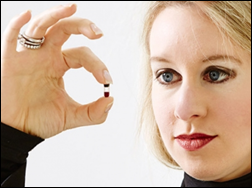
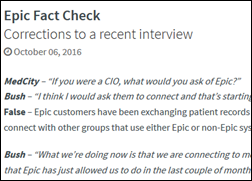


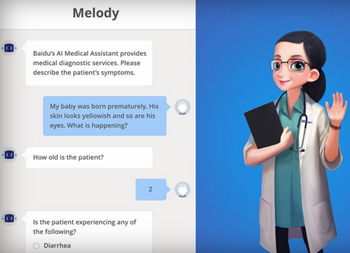
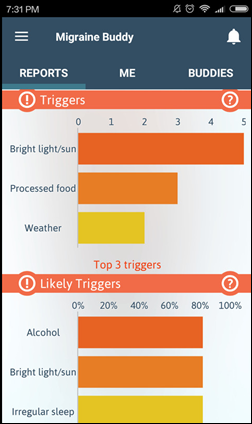
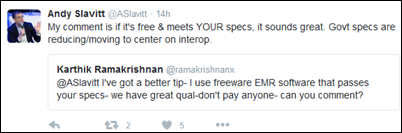
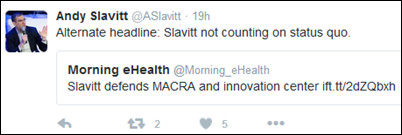

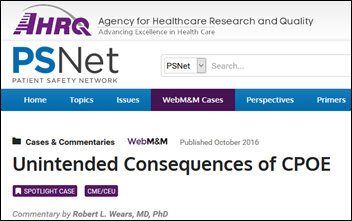
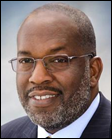


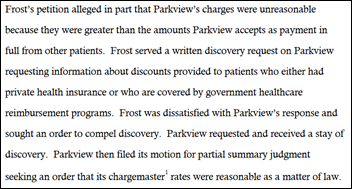
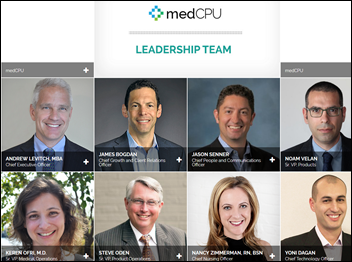















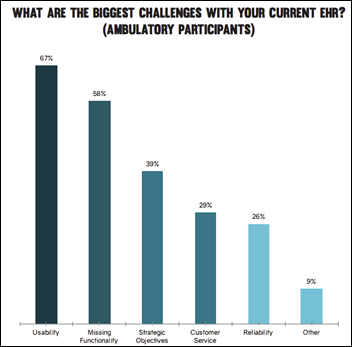
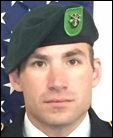
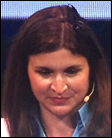
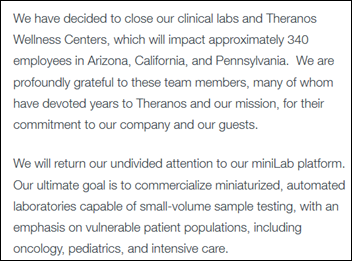




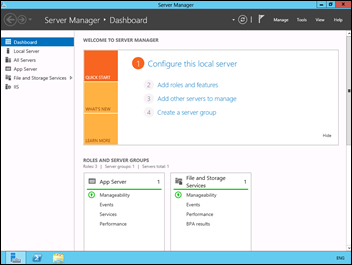


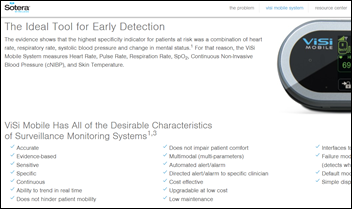







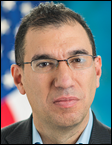
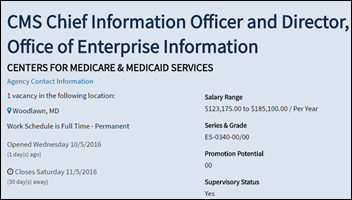
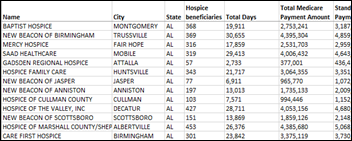
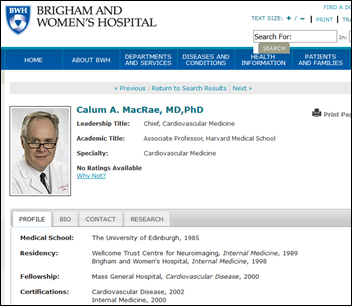
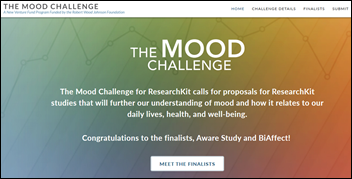


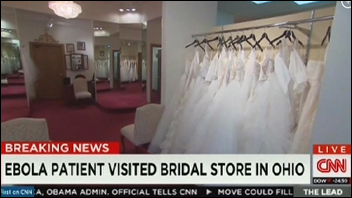
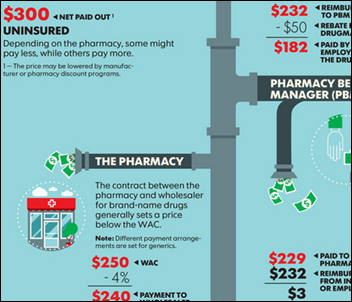






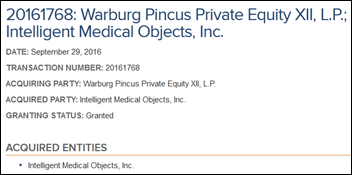
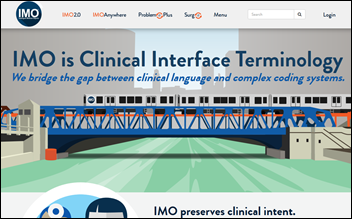
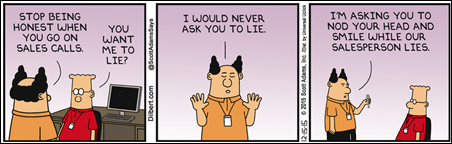







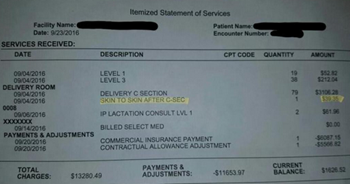

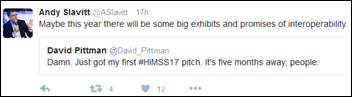
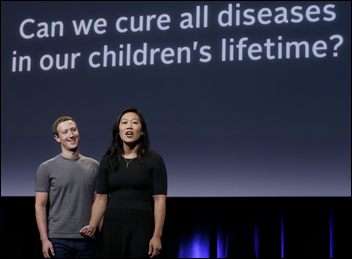

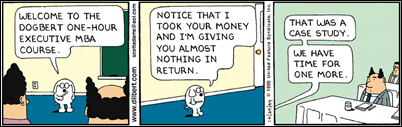






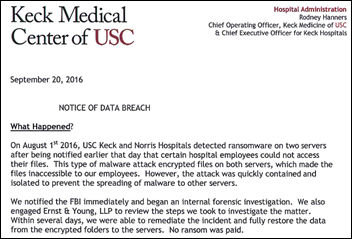
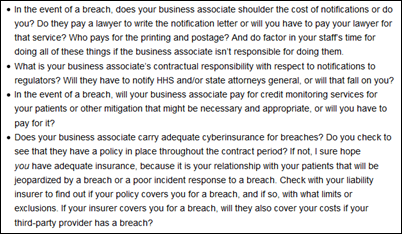


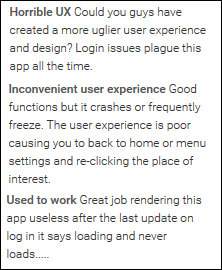
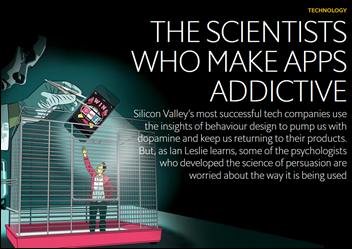












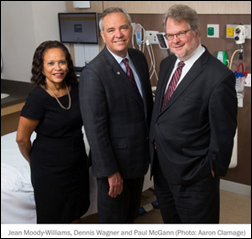
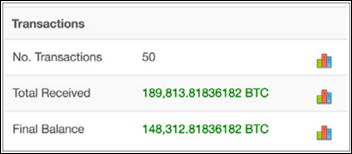

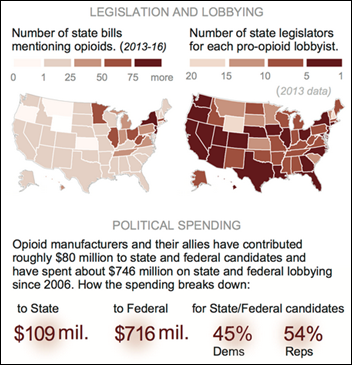





Re: Deliberately Faked Academic Papers in Nature See, this doesn't surprise me at all. Of course AI quotes these bogus…