March 1, 2017Readers WriteComments Off on Readers Write: Automate Infrastructure to Avoid HIPAA Violations
Automate Infrastructure to Avoid HIPAA Violations By Stephanie Tayengco
Every other week, news of HIPAA violations comes to light, bringing attention to the challenges of maintaining privacy in the ordinary course of doing business and providing care.
Take, for example, a recent HIPAA violation settlement. Illinois-based healthcare system Advocate Health Care agreed to pay a $5.5 million OCR HIPAA settlement in August after it was found that the company failed to conduct an accurate and thorough assessment of the potential risks and vulnerabilities to all of its ePHI. Earlier this summer, The Catholic Health Care Services of the Archdiocese of Philadelphia agreed to pay $650,000 for failing to implement appropriate security measures and address the integrity and availability of ePHI in its systems.
It is unclear in both cases whether infrastructure configurations were directly to blame. However, addressing the infrastructure-related elements of HIPAA and HITECH take considerable time and effort, time that could be spent addressing the critical application and mobile device-level security standards that result in the vast majority of violations. To refocus engineers away from time-consuming infrastructure compliance, the practices of infrastructure automation and continuous compliance are the key.
Reduce the chance for human error
The foundation for compliant IT infrastructure is implementing strong standards and having guardrails in place to protect against changes that are inconsistent with those standards at the server, operating system, and application level. This is the next evolution of compliance — building a system that can self-correct errors or malicious changes and maintain continuous compliance.
In a recent survey, IT decision-makers shared that 43 percent of their companies’ cloud applications and infrastructure are automated, highlighting that while companies already recognize the tremendous value of system automation, they can do even more.
The road to automation must begin with an IT-wide perception shift — that manual work introduces risk. Any time an engineer is going into a single piece of hardware to perform a custom change, error is possible and system-wide conformity is threatened. This does not mean replacing engineers with robots. It means tasking engineers with creating the control systems. This is an equally challenging (but far less boring) technical task for engineers, but it creates more value.
Part of this control system will be configuration management at the infrastructure level and for application deployment automation. Equally important is the operational shift to train engineers not to make isolated changes to individual machines and instead to use the control system in place and implement changes as code. Code can be easily changed and tested in non-production environments. Code can be versioned and rolled back. Software deployment tools provide an audit trail of changes and approvals that can be easily read by auditors.
Invest in transparency
One of the main causes that can lead to non-compliance is a lack of transparency, usually in one or both of two key areas:
Lack of transparency into where critical data resides
Lack of transparency into current state of system configurations (i.e., how/where data is encrypted, who has access to that data, how privileges are maintained, etc.)
Many companies rely on manual processes and spreadsheets to track the configuration of their systems. In a cloud environment that changes frequently, this can be a real headache.
The single biggest change to make today is to improve the visibility of data criticality and system configurations is to implement configuration management. Rather than rely on manual documentation after the fact when changes are made, configuration management tools allow describing a desired state and creating and enforcing it across the infrastructure. Ideal configurations are coded in a single place, providing the current state of all systems at any time. This is a huge leap forward and it is applicable for operating either on bare metal or in the public cloud. Making long-term investments in operational transparency can help avoid HIPAA headaches.
Focus on mission-critical apps, not infrastructure
As healthcare companies improve IT operations, they should be focused on developing or delivering great patient-centered applications and services, not infrastructure maintenance and compliance.
Migrating to the cloud is the first step. Migrating to a public cloud platform like Amazon Web Services (AWS) provides the benefits of a government-grade data center facility that has already been audited for HIPAA and HITECH compliance. Signing a BAA with Amazon means that a portion of the physical security standards is taken care of (note: regular assessments are still required). That is a huge reduction in risk and cost burden right off the bat.
In addition, the cost of change is significantly reduced in the cloud. Adding, removing, or changing infrastructure can mean a few days of work, not months. That means systems engineers can focus on improving software delivery and the configuration management system, not on manually configuring hardware.
Just one word of caution. Beware of any cloud vendor or service provider that describes the cloud as “no maintenance.” It is true that cloud systems are more efficient to maintain, but maintenance is still necessary. The IT team will focus more of their time on maintenance tasks that are more critical to the business, like building a new testing ground for an application development team or refining the code deployment process, not on undifferentiated data center tasks.
It is only a matter of time before the industry witnesses its next HIPAA violation. Automating infrastructure can significantly reduce the cost and effort of maintaining infrastructure compliance, and can refocus IT on higher-impact areas such as device security.
As health IT evolves, expect to see these two key of technologies — cloud and automation — driving the next wave of efficiencies in health IT.
Stephanie Tayengco is SVP of operations of Logicworks of New York, NY.
The views and opinions expressed are mine personally and are not necessarily representative of current or former employers.
Attitude, Not Aptitude, Determines Altitude
I have never been the smartest person in the workplace. I never will be. We all have talents, skills, and special gifts, but you won’t see my name on any Top 10 lists for brainiacs. Not even the Top 1,000.
I can’t blame genetics since my siblings are pretty dang smart. Each of my kids excelled academically as well. Our gifts are unique to each individual. I suspect what makes the difference is how we steward our gifts.
I was going through my school report cards with my youngest daughter recently. Not pretty. From first grade through high school, it was clear I was not the sharpest tool in the shed. College undergrad was the worst, starting with a wicked 1.6 GPA.
My lackluster grades made my Army Officer assignment of combat engineer all the more perplexing. I was the only non-engineer, non-math major accepted into our cohort. I barely graduated with a degree in psychology and there I was in engineering school! On our second day, we took math and engineering competency exams and I was immediately directed to the remedial section.
Out of desperation, I clung closely to the Zig Ziglar quote that, “Attitude, not aptitude, determines altitude.” I had no choice. Ziggy gave me hope that, despite my intelligence, I could still thrive by adopting a positive outlook.
As I entered the workforce and looked towards the ranks of management, I could not compete on sheer aptitude, but I could with attitude. I was astonished to surpass peers who were much smarter than I. While I worked on building my core business and technical smarts, I doubled down on ensuring an infectious attitude. I started to see that altitude was something I could control.
We all know people who are super smart, but who never realize their full potential. Clearly there are many reasons why this happens, but certainly a lackluster attitude robs many of the personal and professional heights they were destined for.
That said, it’s not only people of average intelligence that benefit from good attitudes. Everyone, regardless of aptitude, benefits from good attitudes.
I’ve shared previously my experiences of being part of strong teams that accomplished some pretty cool things. One common characteristic of each team member was attitude. I understand my success as a leader is predicated on having a good attitude, which ultimately separated me from many peers. I wasn’t better-looking or taller. I did not always dress the part. I was not the product of private schools, nor boosted by a familiar family name. I had few if any advantages.
As I said, I was not smarter. I was pretty much average, except for my attitude. Attitude is one key to a prosperous life. And you control it.
How can you change your level of attitude?
Admit you need to change your attitude.
Hold yourself accountable to people who will get in your face and tell you the truth when your attitude is poor.
Surround yourself with people who have infectious attitudes and soak it in.
Seek professional help if there are unhealed wounds that keep your attitude low.
Practice the art of smiling and don’t stop even on bad days.
Accept your shortcomings and move on.
Avoid negative self-talk or putting yourself down in front of others.
Be thankful daily for something. Anything.
Step outside of yourself and see a different perspective.
Remember the big picture.
Live a balanced life, routinely taking time for yourself to recharge.
Drop friends and colleagues who have bad attitudes.
Surprise someone every day with something that makes them laugh.
Pray for your haters.
Stop feeling guilty for things you have not done.
Address the gaps or barriers in your life that may be driving you down.
Don’t worry about things you can’t change.
Believe in something bigger than yourself.
Practice random acts of kindness.
Be the bigger person and mend broken fences.
I believe that because of a shift in my attitude, I was able to transform from college flunky to holder of multiple master’s degrees.
I believe that because of a shift in my attitude, I went from remedial Army Engineer student to graduating in the top 10 percent of my cohort.
I believe that because of a shift in my attitude, I went from average career to something beyond my dreams.
I believe that because of a shift in my attitude, I love life despite my wounds.
Simply put, not only do people with bad attitudes typically underperform, nobody wants to be with them. They are sad, mad, full of unconstructive criticism, and no fun. No wonder they are not getting promoted.
Attitude does determine altitude.
Ed encourages your interaction by clicking the comments link below. He can be followed on LinkedIn, Facebook, Twitter, or on his web page.
Mayo Clinic’s annual report says it will spend more than $1 billion for its five-year Epic implementation.
Reader Comments
From Craptastic: “Re: McKesson’s EIS division. The likely buyer is India-based Tata Consultancy Services. They are conducting web-based video sessions between Charlotte and Mumbai. The EIS division contains dead or dying products like Star, Series, and HealthQuest, so the main target is Paragon, which was hot in small hospitals years ago, chilled down by trying to replace Horizon, then cold as hell once the divestiture rumors started.” Unverified. Publicly traded Tata Consultancy Services, part of the Tata Group conglomerate that manufactures everything from Tetley tea to Jaguars, is perhaps best known in health IT circles for being hit with a $940 million judgment in a trade secrets lawsuit brought against it by Epic.
From Quirky Queen: “Re: HIMSS17. This website lists what people thought were the dominant themes.” The website asked a bunch of people, most of them vendors, which topics dominated the conference. Not surprisingly, vendors donned their tunnel vision glasses to declare that whatever they sell (cloud computing, cybersecurity, or population health management tools, for example) is the Next Big Thing that attracted massive HIMSS17 interest. Beyond the obviously self-serving answers, even the question itself encourages bias – what if there was no big thing, or what if that person missed it? I’ll go to with the former and I’m happy that nobody waved yet another shiny object that does little to improve outcomes or cost. Cybersecurity got more attention mostly because HIMSS pushed that topic as a business opportunity, but nobody I saw had a lot of big developments or compelling case studies for population health management technology, precision medicine, and analytics. The mode seems to be more optimization than acquisition. I consider that positive – hopefully we’ve outgrown the days of providers creating their IT strategies around vendor brochures.
From UMMC IT: “Re: University of Mississippi Medical Center. Looks like staff reductions will happen and IT may get hit hardest with the largest budget on campus and staff.” The hospital says that an unexpected $35 million Medicaid funding cut will require layoffs and elimination of programs.
From Salty Dog: “Re: marketing conference. I remember seeing that you had a discount registration code for John Lynn’s marketing conference. Do you still have that available? Also, thanks for HIStalkapalooza – I got my annual fix of dancing and enjoyable conversations with both acquaintances and strangers.” Registration for the Healthcare IT Marketing & PR Conference is open through March 6, for which using promo code “histalk” saves you $300 on the $1,395 general registration. Nearly all attendees of last year’s conference gave it at least an 8 on a 10-point scale. I’m glad you enjoyed HIStalkapalooza, where dancing is always a highlight thanks to the incredible Party on the Moon.
From WK Fan: “Re: HIStalkapalooza. I appreciate the broad coverage of HIStalk and thank you for hosting the event. Invitations and HOB being a pain to work with stinks, but the party and vibrations were positive. Band was upbeat, food not so much, but wait staff and bar was inviting. The negatives will sting and linger, but don’t forget to pat yourself and your party planners on the back since it delivered a great time.” Thanks. We did the best we could, anyway. I’m sorry the food didn’t live up to its price tag. I only had chicken, salad, and spinach-artichoke dip and it was pretty good for what it was.
From Darren Dworkin: “Re: HIMSS17. Many of us come back from HIMSS with all sorts of reflections on the industry, the show, the crowds, and of course our share of suggested improvements. But I thought I would take a minute to give a well-deserved shout-out to out going president of HIMSS, Steve Lieber. As you shared in HIStalk a while back, after almost 20 years and navigating some amazing growth, Steve is leaving an organization he did not create but that he certainly helped propel to be a foundational piece of our industry. A friend shared with me recently that building and running an organization can often look glamorous from the outside, but inside it is more akin to the work of picking up tin cans one at a time. Building and running big things is hard since everyone has an idea how to do it better. Steve, thank you for doing the hard things for our industry and growing HIMSS to what it is today.” I agree. I struggle with the unbridled, sometimes seemingly patient-indifferent ambition of HIMSS that is fueled by a business model of selling vendors access to providers, sometimes veering into purely commercial territory (HIMSS Media, HIMSS Analytics) and orchestrating self-serving advocacy efforts, but Steve skillfully moved the organization to where he thought it needed to go and sometimes dragged the industry along with it.
From Bonny Roberts: “Re: HIStalkapalooza red carpet. Your #1 fan was a retired woman who came to Orlando only to attend the event – she didn’t even register for the HIMSS conference.” That’s pretty cool. Hopefully she found it worth whatever degree of travel was required. Bonny, in the red dress above, was our red carpet host. I don’t know the identity of the person to whom she’s referring.
HIStalk Announcements and Requests
We readers funded Ms. A’s DonorsChoose grant request in buying 30 calculators for her sixth grade math class in South Carolina. She moved me with her report about the impact of the $5 calculators: “My classroom is a much better place because of your willingness to help them in a time of need. These calculators have enhanced our classroom and my students so much … The calculators prior to these new ones were very old, and honestly, they came from the local Dollar Tree store. In the school district that I am teaching at, our salaries are below average and we extend our finances to help our students as much as possible. The need for calculators was extreme, so I purchased my own class set. While they lasted for a short amount of time, they were great for my students … They deserve the best, and they definitely got that from your donation. Again, thank you so much for these beautiful calculators! They do not seem like much, but they will impact my students and classroom so much!”
Our post-HIMSS17 cupboard is a bit bare since everybody wrapped up most things before the conference, so potential new sponsors and webinar promoters can contact me for the specials I always trot out right about now.
I’ve heard from several folks that, like me, they are a bit under the weather post-HIMSS from some combination of stress; sore throats and runny noses (maybe from rebreathed air or exhibit hall glad-handing); and possibly some element of food poisoning.
As a healthcare guy, the first things I thought of upon reading about the Oscars “wrong envelope” fiasco were the following:
Surely just like in healthcare there was a Swiss cheese effect of multiple exceptions that lined up to allow the usually reliable system to fail. As it turns out, the PwC envelope guy above was screwing around on Twitter in a celebrity-fawning haze instead of paying attention to the job he was being paid to do. Then, a justifiably puzzled 79-year-old Warren Beatty showed Faye Dunaway the card he had been handed to see what she made of it, but then she misunderstood his intention and blurted out the name she saw. That’s pretty Swiss cheesy.
A human factors expert would have paid close attention to the envelope’s color and labeling, which is no different than redesigning an IV label or patient wristband to prevent mistakes.
Technology might have helped, such as discreetly barcode checking the envelope before handing it over. In fact, the entire process of relying on duplicate stacks of paper (one on each side of the stage) seems dramatic but ripe for technology improvements, such as having the complete narrative to be read – including the winner’s name – from a teleprompter whose contents are secured until the big reveal.
Bonnie and Clyde should have taken a time-out before forging ahead with a situation that was obviously puzzling to them.
The Oscar producers seemed afraid to speak up before the non-winners began their acceptance speeches. It was apparently a stagehand who figured out the problem and stepped in a couple of minutes later, no different than when a cranky surgeon forges ahead into blunder-dom because everybody is reluctant to challenge them.
The brand damage to PwC (which wags are calling “Probably Wrong Card”) is incalculable.
Unlike an actual healthcare snafu, nobody was harmed, social media were entertained, everybody was a good sport, and all who were involved lived to tell about it.
Notwithstanding proclamations of a non-punitive culture, the two on-stage consultants will be thrown under the bus and either demoted or fired and PwC will lose its most visible client.
I strung together a sampling of HIStalkapalooza photos into a YouTube video. This is the last party-related deliverable on my list, except I think the videographer has a final video cut on its way. Here’s a fun fashion footnote: three women told me they ordered fancy dresses from the once-fabulous Rent the Runway, but all three received garments that were obviously ripped. Two spent time trying to patch them up, while the other just gave up and went back to conference wear. Perhaps the company is a victim of its own success and is wearing out its means of production.
Webinars
March 9 (Thursday) 1:00 ET. “PAMA: The 2017 MPFS Final Rule.” Sponsored by National Decision Support Company. Presenter: Erin Lane, senior analyst, The Advisory Board Company. The Protecting Access to Medicare Act of 2014 instructed CMS to require physicians to consult with a qualified clinical decision support (CDS) mechanism that relies on established appropriate use criteria (AUC) when ordering certain imaging exams. Providers must report AUC interactions beginning January 1, 2018 to receive payment for Medicare Advanced Imaging studies, with the CDS recording a unique number. Outliers will be measured against a set of Priority Clinical Areas and interaction with the AUC. This webinar will review the requirements for Medicare Advanced Imaging compliance and will review how to ensure that CDS tools submit the information needed for reimbursement.
Previous webinars are on our YouTube channel. Contact Lorre for information on webinar services.
Sales
A cross-border radiotherapy project in Republic of Ireland and Northern Ireland chooses Agfa HealthCare’s health management platform, including its universal viewer.
People
Consumer health website Sharecare — founded by WebMD founder Jeff Arnold and TV huckster Dr. Oz — hires John Solomon (Apple) as strategic advisor and Dale Rayman (Zipongo) as SVP of actuarial consulting and business development.
CompuGroup Medical promotes Benedikt Brueckle to CEO of its US division. He replaces Werner Rodorff, who will return to his previous role as CTO.
Announcements and Implementations
For-profit, five-hospital Cancer Treatment Centers of America Global will integrate NantHealth’s oncology clinical decision support with Allscripts Sunrise.
MModal launches Scribing Services, which provides medical scribes who review audio from encounters – either in real time or afterward – and document directly into the EHR.
Government and Politics
VA Secretary David Shulkin, in his first public address, outlines his priorities, which include improving access to non-VA providers when a veteran can’t get a timely VA appointment, making it easier to fire bad employees, creating new suicide prevention programs, improving coordination with the DoD, and enhancing the VA’s IT.
Meanwhile, the VA says it will increase employee drug testing and drug inspections following government reports of sloppy drug tracking, large numbers of drug diversion investigations of which few resulted in disciplinary action, and lack of consistent drug testing of new hires.
An HHS GAO report recommends that HHS encourage improved information exchange as patients leave hospitals for post-acute care settings.
A Black Book survey of 35,000 consumers who are covered by exchange-sold health plans finds a strong drop in satisfaction in the past year, with the biggest gripes being poor customer service, premium hikes, narrowing networks, reduced benefits, and too-few participating insurers to choose from. Time to resolve member complaints jumped from 12.5 days to 31 days in 2016. Overall satisfaction dropped from 77 percent to 22 percent, wile 58 percent of those surveyed said plan services declined significantly. More than two-thirds of US counties had only one or two insurers to choose from.
HIMSS declares health IT to be “a bright spot for the US economy,” somehow missing the economic point that a swollen healthcare industry and its supporting services are mostly a drain on the economy and international competitiveness rather than something to brag about.
Privacy and Security
A patient sues New York Presbyterian / Columbia University Medical Center for charging her $1.50 per page plus an administrative fee to provide copies of her medical records, presenting her with a bill for $3,000. State law limits costs to 75 cents per page. Also named in the suit is IOD Inc., to which the hospital outsourced its release-of-information management.
The Equal Employment Opportunity Commission subpoenas TriHealth (OH), demanding that it turn over the medical records of the employees of an unnamed company that is being investigated for making unjustified disability-related medical inquiries. The company says TriHealth doesn’t give it access to the records, while TriHealth says it doesn’t own the records of the approximately 2,000 patients involved and thus can’t turn them over to EEOC.
Other
Amazon Web Services went down in the eastern US Tuesday afternoon, causing problems for websites, apps, and services that rely on its cloud computing services. Explaining to a hospital CEO that their outage was caused by someone else’s data center problems must be tough. I’m not sure which cloud-based vendors went down, but Practice Fusion was one of them.
Tech-powered home caregiver matching company HomeHero, the #1 home care provider in California, finally shuts down after an October 2015 Department of Labor ruling that home care workers must be hired as W-2 employees rather than 1099 contractors, a change advocated by labor unions and California $15 per hour minimum wage advocates. That ruling also required paying overtime rates that doubled the cost of live-in care that made it more expensive than sending a patient to a skilled nursing facility. The now-defunct company pivoted to an enterprise model to work with hospitals, signed up with the Cedars-Sinai digital health accelerator, and developed a CareKit-integrated health app, but then found that large health systems would launch pilot projects strictly for case studies with no intention of buying anything because they had no financial incentive to pay for home care (“being dragged out in the middle of an ocean and abandoned”).
In Australia, merged medical device manufacturers Medtronic and Covidien implement new supply chain systems, with conversion hiccups interrupting the flow of orders for surgical instruments, respiratory products, and sutures for six weeks, causing hospital surgery backlogs and apparently some incidents of patient harm from the use of replacement products.
Laid-off IT workers at UCSF were planning to demonstrate on campus Tuesday to protest the university’s decision to outsource their jobs to India.
A reader sent over an interesting 2015 Health Affairs article about healthcare costs that I had missed. It opines that conservatives blame patients for making bad health choices and paying too little of their healthcare costs to have adequate skin in the game; liberals blame doctors and hospitals for gaming the system to protect their incomes; while both sides ignore the comparative US under-investment in public health and social spending. It concludes, “Improving health requires changing the society itself, not merely changing individual behaviors.”
A study finds that even though EDs are the source of a lot of inappropriate antibiotic prescribing, most pediatric EDs say they aren’t invited to the table when antimicrobial stewardship programs are being created or managed.
Former CMS Acting Administrator Andy Slavitt notes that only 2.1 percent of HIMSS17 attendees were identified as non-management clinicians and 60 percent came from non-provider settings. That’s based on job title and employer, though, and sometimes clinicians still see patients while working in IT or at a C-level job. The other slice and dice I’d like to see is how many CIOs, IT directors, CMIOs, and VPs came from provider organizations since those are the decision-makers that vendors swear are in short supply in the exhibit hall.
Sponsor Updates
Medhost’s inpatient, ED, BI, and YourCareUniverse portal earn Meaningful Use Stage 3 certification.
AdvancedMD will introduce a new dermatology practice model, Practice 2.0, at the ADAM/AAD meetings in Orlando this week and next.
Sutherland Healthcare Solutions publishes a case study of its ICD-10 transition work with Palomar Health.
CommonWell TV interviews Aprima COO Neil Simon at HIMSS17.
The Breaking Health Podcast interviews Arcadia Healthcare Solutions CEO Sean Carroll.
CRISP publishes a case study about PROMPT, a care coordination platform developed by Audacious Inquiry.
Palmetto Health Quality Collaborative goes live on Caradigm’s population health management solutions.
Casenet integrates its TruCare population health and care management solutions with MCG Health’s evidence-based guidelines to improve the prior authorization process.
CoverMyMeds expands its RxChangeRequest Service at no cost and commits to interoperate with willing trade organizations.
Cumberland Consulting Group CEO Brian Cahill contributes to Consulting Magazine’s cover story on “The Trump Effect.”
Elsevier CMO Peter Edelstein shares precision medicine insights from the HIMSS17 show floor.
FormFast will provide forms automation and electronic signature technologies for the Meditech implementations of health IT service provider Engage.
Healthcare Growth Partners publishes “Health IT Valuation Trends by HIT Subsector.”
Two studies presented at ATTD 2017 showcase the dramatic improvements in diabetic control and patient outcomes enabled by Glytec’s personalized therapy management and clinical decision support.
Six-hospital Memorial Healthcare System (FL) pays $5.5 million to settle HIPAA charges after notifying HHS that two of its employees — as well as 12 employees of affiliated physician practices — inappropriately accessed patient information that was either sold or used to file fraudulent tax returns.
An investigation found that the health system failed to review audit logs and did not properly maintain access authorization despite having noted those deficiencies in its own risk analyses for several years before the incident occurred.
The information of 115,000 patients was exposed, most of it to someone using the login credentials of a former employee of an affiliated physician practice over a one-year period.
Reader Comments
From Pittsburgh HIT Minion: “Re: HIStalkapalooza. I just wanted to reach out and thank you for hosting a wonderful HIStalkapalooza at HIMSS. I’ve been honored to receive an invite for the past couple years, and it is without a doubt the highlight of my time at the conference. So many of us are faced daily with the challenges of delivering high-quality care to patients who are scared, confused, and just want our help navigating a difficult and expensive health system. The upbeat crowd, the humor of the awards, and the always incredible Party on the Moon are a welcome respite from the cares that our chosen career path brings. Again, thank you.” You are welcome. It’s a pain dealing with no-shows and an endless parade of self-entitled folks that drain our time and energy right when need it most (boy, could I tell you stories), but it’s nice that attendees enjoy the evening even if I don’t. The only way I would do it again is if I could figure out venue in which I’m not at financial risk (due to high buy-out costs) and if I could just open the doors to anyone with a HIMSS badge without dealing with the whole invitation process that brings out the worst in people. I will also say that I would never do another one at House of Blues Orlando – their only strong competency seems to be nickel-and-diming and saying “no” to even modest requests, which is especially galling given that I was about to write them a check for $99,000 and I couldn’t even get someone to bring me a plate of food backstage.
From Cathy’s Clown: “Re: HIMSS selling booths by volume instead of area. If that’s the case, can one company buy the space above its competitor and advertise against it?” HIMSS should sell the air rights competitively, encouraging companies to lock in the space above them to avoid being trumped by a competitor whose sign there contains a downward-pointing arrow with a legend of “I’m with stupid.” I don’t see a height surcharge listed on the price sheet, but it doesn’t contain a great deal of detail. Based on the information above, however, the largest booths such as those of Epic and Cerner cost in the $400,000 to $500,000 range for floor space alone.
From Dickie Doo: “Re: your HIMSS booth. What was the total cost for your tiny space?” Ouch, that “tiny” part stung a little, as the truth often does. I gulped hard in paying $5,300 for our booth, but I magnanimously sprang $130 for two chairs so Lorre and the 18th US Surgeon General Regina Benjamin wouldn’t have to stand all week. Then it was another $18 for a cardboard trash can, $182 for a standard conference table, and $167 for the cheapest available carpet (and if you noticed the hideous color, you’ll understand the low price, especially since I refused to pay Freeman to run the sweeper over it). We don’t ever even buy a power strip ($150 per day or something like that) or Internet access, so we’re as barebones as it gets. Our location for HIMS18 is horrible, down in the Siberian basement, so I’ll really question the value then. I should instead hit up a big-boothed vendor to donate a free corner of their space in return for a fairly regular inflow of the interesting characters we apparently draw (it’s hearsay to me since I’m not actually there to see it).
HIStalk Announcements and Requests
Three-fourths of poll respondents think the VA will replace VistA with a commercial solution, with Cerner edging Epic as the most likely product.
New poll to your right or here: For HIMSS attendees: did you discover a product or service that you will follow up on?
Ms. W checked in from her high-poverty South Carolina school to describe how funding her DonorsChoose grant request worked out: “Thank you so much for the STEM materials. When the package arrived, my students were so excited. They felt like it was Christmas all over again. My students love building and creating with the objects, not only for projects, but also during free time. My students will sometimes choose to read or work with a STEM bin once their station is completed. They love getting to use these new materials to help them stretch their minds and build with these materials. Their creativity is really growing. I love watching them love learning!”
Fun stuff from the back of the tee shirt that Eclipse gave me at their booth.
Thanks to Jenny and Valerie from Optimum Healthcare IT for spending at least an hour assembling our step-and-repeat background for the red carpet entrance. That’s another saga in itself. House of Blues wanted $1,250 plus labor to put up a step-and-repeat, so we bought one online for $250, hauled it over to HOB, and then had to figure out how to assemble it right before the doors opened. HOB did stick us for the red carpet itself since we didn’t have an alternative – that chunk of ratty red rug cost me $1,200 to use for the evening even though they surely didn’t pay more than $500 for it and it looked like it had been used at least 1,000 times since.
I’m running my annual post-HIMSS webinar special to rebuild the freshly eliminated backlog. Contact Lorre for a deal.
Webinars
None scheduled soon. Previous webinars are on our YouTube channel. Contact Lorre for information on webinar services.
Acquisitions, Funding, Business, and Stock
ConsejoSano, which offers digital health tools to help Spanish speakers navigate the US health system, raises $4.9 million in a Series A funding round.
Decisions
Watauga Medical Center (NC) and Soin Medical Center (OH) will switch from BD Pyxis MedStation to an Omnicell automated dispensing cabinet (ADC) system.
University of Maryland Rehabilitation and Orthopaedic Institute (MD) will replace its Omnicell ADC with BD Pyxis MedStation.
People
Lucia Savage, JD (ONC) joins Amada Health as chief privacy and regulatory officer.
Drug seekers are arriving — sometimes by the carload — in Missouri, the only US state that hasn’t implemented a prescription drug monitoring (doctor-shopper) database that would otherwise thwart their drug-seeking ambitions. Physician and Republican Senator Rob Schaaf, who has led opposition to the database and who says he will filibuster in trying to stop any new bills that would support its creation, explains, “I have always been opposed to having our private medical data on a government database.”
In Canada, Nanaimo Regional General Hospital temporarily shuts down CPOE and goes back to paper ordering as the latest in a series of problems in its IHealth rollout of Cerner.
Healthgrades names its best hospitals for 2017, with 22 states and DC having none of them.
A small observational study finds that ICU doctors and nurses spend an average of 49 percent of their time working on the computer, with some of them hitting 90 percent of their working hours at a keyboard. The authors warn that team communication and interaction with patients and family may suffer, adding, “The job really isn’t fixing bodies and interacting with them. It’s just managing streams of data.”
The Raleigh, NC newspaper profiles Woodrow Batten, MD, a hospital doctor who has retired just months after earning Epic certification. The 95-year-old doctor co-founded the hospital 60 years ago.
I have to say, after two days of walking the halls at HIMSS and attending social functions in the evening, my feet were tired this morning. Nevertheless, I took my cocktail of four ibuprofen, two Tylenol, and a Pepcid and headed back to do it all again.
I spotted this sweet ride in the parking lot behind the Hyatt.
Today’s schedule included a couple of meetings with vendors who attend HIMSS but don’t have booths. It’s always a challenge to find quiet meeting space. We used the meeting area outside the HIMSS Bistro, which was nearly empty at 11 a.m. Speaking of HIMSS Bistro, I can’t wait to hear Lorre’s recap of the CMIO luncheon yesterday. She always takes good notes on the discussion so we can share what CMIOs and clinical informatics folks are thinking as they attend HIMSS.
I noticed lots of vendors sporting their HIStalk sponsor signs today. Thanks to all of you, especially HBI Solutions, Harris Healthcare, Wellsoft, Nordic Consulting, Kyruus, Datica, and Medicity. DrFirst also had their sign out and I stopped in to see their secure texting solution, which is configured as a patient-centered chat.
My booth crawl BFF this afternoon said she thought this giveaway pen looked like me until I pointed out that the physician doesn’t appear to be wearing a shirt.
I took a deeper look at several vendors, including Jellyfish Health, which has solutions to make anywhere the waiting room. My urgent care practice has an online registration and queuing system, but it’s not entirely reliable. I was impressed by what I saw at Jellyfish Health, but we’ll have to see what the COO thinks.
LogicStream Health was showing demos and data from their solutions, which really caught my interest since driving clinician behavior is going to be a big part of organizational success under healthcare reform.
One of my booth crawling pals today is attending her first HIMSS, and was dedicated to seeking out the wildest swag to take home to her granddaughters. She scored at CompliancePoint, who was giving out flashing LED eyeglasses.
We were more impressed by the shirt that Bonny Roberts picked up at Banyan. I wish I had seen it before the hall closed so I could snag one myself.
I also spent a bit of time cruising the hall with @techguy John Lynn. I’m sorry I missed out on the salsa dancing at the New Media Meetup last night, but I learned he knows a thing or two about country western dancing, so I’m hoping a country-themed meetup is in the works. I’ll break out my boots for sure.
He was able to talk me off the ledge when I saw this rounding cart from Omnimed, which caused some bad flashbacks to medical school. I haven’t seen paper charts in a hospital in years, but the rep told us people are still buying them, although with a better top surface to hold a laptop. They also have an IV pole that holds an iPad.
We stopped to talk to Travis Good, MD at Datica, particularly about the company’s rebranding from Catalyze. It takes quite a bit of effort to research potential names, investigate securing web domains, and starting the process for trademark protection. Travis mentioned he thought warm cookies would be a great addition to the booth, and then the discussion turned to pizza. Vendors, take note for next year — you can’t underestimate the power of pizza.
As far as other booth draws, Mimecast had Nerf guns where you could take aim at ransomware, but the line to take a turn was long, which is an interesting commentary. SecureIdeas had a great tagline about being “professionally evil” to protect systems from real evil. Quite a few vendor people were heads-down on their phones and others were just throwing their giveaways at passersby so they didn’t have to ship it home. The rep at Retarus global messaging told us to take what we wanted because “everything must go” and didn’t even ask us what we do or what we’re looking for at the show.
I traded booth crawl partners and spotted some more people in white coats at Marco Inc. and Carepoynt. Why, oh why, does that continue? On the positive fashion side, booth staff at Cerner were wearing the most beautiful orchid-colored sweaters.
The interesting giveaway of the day was at MAD Security, whose offering was a bottle of Macallan 12 scotch. Several vendors were giving out insect repellent this year, including Healthcare Informatics (lemon/rosemary oil) and Battelle with what they were calling their “Zika Pen.” They engaged us by saying, “We’re the biggest company you’ve never heard of,” and after checking out their website, I have to say they’re quite the interesting vendor.
We spotted more funny name badge ribbons at AbbaDox and I snagged a couple for next year.
As the show wound down, many vendors began tearing down their booths while people were still walking through. I headed out for a quick drink with some old friends and we ran into Nick van Terheyden @drnic1, who asked if we were headed to the Harry Potter event. Although it was pouring rain at the time, he said he really wanted to go so he could get a wand – because that’s the only thing that will fix healthcare.
On that note, I closed out HIMSS17. Back to the hotel for packing, blogging, catching up on 200+ emails, and getting a little rest before Disney’s Magical Express whisks me back to the airport.
From Spitfire: “Re: being anonymous. Why would you want to be anonymous and miss the exposure and benefits?” Being anonymous means I can do exactly what I want. No boss, no ability to be threatened or bribed, and no having people bug me because they know who I am. I can roam the HIMSS floor just like anyone else since I always make up a non-descript employer and title. I don’t want attention and I’m more effective by far without it. More power to those folks who try to milk their tepid fame by taking speaking engagements, accepting vendor-written puff pieces for cash, or wangling invitations to parties or events, but that’s just not me. I’d rather work alone and without a master.
The final HIStalkapalooza count, at least what House of Blues billed me for, was 693. That’s pretty much perfect since it was right at the minimum headcount I had to pay for without going over. I broke even financially thanks to the participation of some last-minute sponsors, so I’m happy about that since it looked like I was going to lose dozens of thousands of dollars. We invited 1,576 people and got RSVPs back from 974. Even after letting in anyone with a HIMSS badge in later in the evening — once we realized that the usual no-shows would preclude us from hitting our HOB minimum, so we might as well at least get something for the money that was going to be spent no matter what — we only got to 693 attendees. You can see why trying to budget for an event this size is full of risk and uncertainty – the no-show rate is frustratingly massive. Everybody lusts to attend, but at least 70 percent of those we invited didn’t actually show up. Which is a good thing, because if they had, since we built in a big (but not big enough) no-show factor, I would be bankrupt right about now.
I’ll declare the most interesting product I saw at HIMSS as Salesforce. Here’s why I think so:
Existing EHRs and other healthcare software products are way behind the times in meeting new requirements for health systems to treat patients and doctors as customers and to build relationships with them, including patient engagement.
It lets health systems that are willing to change their relationships with patients and doctors to do so effectively, with strong analytics and communications.
It’s cloud-based and is purchased on a relatively inexpensive per-user, per-month price with no capital outlay.
It’s built on the standard Salesforce CRM that has been battle-tested for years, with just those customizations needed to make it work for healthcare.
It integrates with the EHR and other patient and provider data sources.
The Salesforce open ecosystem allows using third-party apps when needed.
It Includes tools that allow users to build their own rules and apps.
Salesforce is a juggernaut that can force EHR vendors to open up their systems to obtain the data it needs.
Salesforce isn’t Oracle or Microsoft – they didn’t create a healthcare-specific product from scratch or acquire a questionable one, so they have no incentive to rebalance their product portfolio and walk away from healthcare and leave users hanging as big healthcare toe-dippers tend to do.
Bistro HIMSS looks like this. It’s down on the 100 level on the end of the concourse. Anyone can wander in and buy a $25 lunch that includes one trip through the buffet (which includes a decent salad bar), fruit, desserts, and coffee and tea. You can buy a table for the price of 10 tickets and use it for the whole day, which is what we did for the CMIO lunch.
People on phones — at least those who are courteous enough to not stumble slowly through the main aisles and risk getting rear-ended while yapping publicly — love spots like this where they are shielded from passers-by. It’s like police officers trained to park their cars a couple of feet to the left of one they’ve stopped to give themselves a protected channel for walking to the driver’s-side window of the stopped car without getting mowed down by a careless driver.
Something was going on here, but I’m not sure what. Does anyone really listen to recorded audio like HIMSS radio and podcasts? I never have.
The concession stand’s Mexican food is apparently so authentic that the employees arriving for work placed their commuting sombreros right on the counter. I also saw attendees eating food from the “Asian” restaurant with chopsticks, which seems odd when the exotic cuisine of the Far East that required authentic tableware is Americanized crap that that no actual Asian would recognize, like orange chicken (Happy Meal-style fried chicken nuggets smothered in marmalade to deliver a megadose of fat, sugar, and salt).
I hope this ill yet resolutely attractive woman recovers to the point that she can be transferred from the HIMSS exhibit hall to Orlando Regional Medical Center. Perhaps someone should start an IV.
The non-profit WGU (Western Governors University) was boldly touting its low-priced yet accredited degrees vs. those of for-profit competitors like Capella, Kaplan, and University of Phoenix. They offer degrees like an RN-to-BSN, MSN, MBA in healthcare management, and MSN in nursing informatics.
I continue to seek examples where the word “currently” adds value.
Someone had an operation game going. Maybe these white-coated folks are actual surgeons to compete against.
This is one of the more elegant spreads offered. I’m not sure if the sparkling drink was real or fake champagne. I think the vendor was Mozaic Medical.
Random booth observations:
The magnificent magician / psychic / comedian Bob Garner made someone cry at every one of the several performances I watched at the NTT Data booth today. For example, he asked an attendee to write down the name of a deceased loved one, and with nothing more than that to go on than that, described her father in precise detail right down to his description, name, military service, cause of death, and the exact layout of the military group photo of him that she keeps. I can’t do it justice with any description that I can conjure, but it’s the most amazing thing I’ve ever seen no matter how skeptical I might be of the whole concept. He sought Lorre and me out as the show closed to say hello and to describe his message and purpose as one of hope. I’m jaded, cynical, and a scientifically driven debunker and yet I found myself feeling like I was watching something unknown and yet comforting. Bob has retired, but NTT Data convinced him to return to HIMSS17 and he seemed begrudgingly willing to consider returning to HIMSS18. He’s a nice guy besides.
First Databank offered a five-question patient safety quiz kiosk and donated $10 for each correct answer to the National Patient Safety Foundation.
I said hello to Teresa from Eclipse because she was fully alert and engaging passers-by from the company’s tiny and bare booth. They offer project management tools, and to me at least, a free tee shirt.
The trend I saw this year was tilted, large touch-screen monitors for doing demos without a mouse or keyboard, also playing video as needed. They are effective.
I remarked to one vendor that it seemed like there were fewer multi-level booths this year. He said HIMSS started charging by volume rather than just area, so taller booths now require paying more.
I proposed to one vendor that HIMSS fund a free B2B mixer Wednesday as the show closes to allow exhibitors to strike up conversations that could lead to partnerships or even acquisitions, but then when I saw the huge, snaking line of sales reps towing wheeled bags to the free HIMSS airport shuttle bus within minutes of the exhibit hall’s 4:00 closing, rethought whether anyone would bother sticking around.
Predictive analytics vendor Inovalon reports Q4 results: revenue down 20 percent, adjusted EPS $0.05 vs. $0.13, beating expectations for both.
EMDs hires Eric Weidmann, MD (South Austin Medical Clinic) as chief medical officer.
Arnot Health (NY) selects Harris Healthcare’s ED PulseCheck ED information system.
That’s all for me from HIMSS17. I’m spending a few more days in Florida, but will keep working from the beach.
February 22, 2017NewsComments Off on Dr. Jayne’s HIMSS Report – Tuesday
Today brought a less-stressful commute to HIMSS and easier parking. I started the day at Medicomp Systems (Booth 2303) playing their Quippe Virtual Experience game. Players use Quippe Clinical Solutions to solve a variety of problems. Responses are timed and high scorers receive prizes. They’re giving away Apple watches, so worth checking it out.
From there, it was over to CoverMyMeds (Booth 1214), whose business must be booming based on the size of their booth. They had mailed a scratch-off game card to my house and I left with a lovely parting gift – a beach ball, which was thankfully deflated. Normally I’m not into swag, but I’m thinking about bouncing it around the crowd at the next hospital medical staff meeting.
After that, I headed to the Interoperability Showcase, stopping by the MedData booth for a scone. Today’s flavors: lemon and blueberry. I spoke with a sales rep who was very engaging and it turns out he grew up just a few miles from where I live. We had a nice chat and I realized I’ve done some work for a couple of their clients, so it was nice to make a connection.
The Interoperability Showcase was buzzing with lots of demos. I spoke with Apex Data Solutions about some work they’re doing with the VA regarding data reconciliation. The reps were engaging and knowledgeable. The Showcase had some areas with clinical vignettes demonstrated by various vendor partners, so I checked out this one illustrating asthma care from telemedicine through hospitalization to discharge and outpatient management of complications. The reps did a great job, but I was a bit annoyed by the guy live-casting the entire thing, including the attendees. It’s one thing to catch people in the background of a photo, but it’s another thing to pan your phone around on a selfie stick getting close-ups of unwitting people who happen to be standing next to you and broadcasting them to the universe.
Jenn already scooped me with a picture of the giant Connect Four game at the PEPID booth, but I did stop by for a match. I liked this artwork at the Q-nomy booth.
I’m not sure what happened to the picture I took on the show floor, but I fell in love with the Ballo chair at Humanscale (Booth 1513). I’ve tried the exercise ball chairs and found them to be uncomfortable, but this one was very different. I’m seriously thinking about tracking one down when I get home. They also have wheeled workstations that adjust to a user’s height electronically, which makes users more likely to adjust them, therefore preventing ergonomic problems.
Vendors use a variety of gimmicks to get people into their booths – pens, stress balls, hot/cold packs, hand sanitizer, lip balm, candy, and more. DSS Document Storage Systems was screen-printing tee shirts in their booth, where eSolutions was holding a drawing for a Coach bag. NextGen has a giant Plinko game in their booth, while IBM Watson has live moss and some kind of fuzzy ground cover plants growing on displays in their booth. I haven’t seen too many people in costumes like we used to see on the show floor. Although it’s more professional now, I miss it.
I overheard two women speaking about the Disruptive Women luncheon, which they felt was well worth attending. I also overheard someone talking about vendor reps being rude on the shuttle bus, and naming them specifically. Apparently on yesterday’s morning shuttle, two of them refused to hold their laptop bags on their laps, placing them in seats next to them, which meant people who were trying to board the bus had to be turned away. If you’re wearing a vendor shirt and a name tag, don’t forget that makes you “on stage” in Disney terms. People notice when you’re doing things that aren’t courteous and kind and it might just cost your company business.
Liaison had some sweet badge ribbons at booth 5570. I’ll let you guess which one I chose.
Bottomline Technologies had their sponsor sign on display.
From the exhibit hall, I headed straight to Nordic’s HIMSS reception at Del Frisco’s Steak House. We had a lovely outdoor balcony and I made some new friends, including marketing guru John Pollard and data analytics expert Tim Grilley. They were great to talk with and Tim certainly impressed with the best bowtie and shoes of the day (although his wife apparently thinks the shoes would be more appropriate on a sixth grade girl with pigtails). His suit brought the accessories together nicely.
From there it was off to the New Media Meetup where I spied Jenn and some other social media glitterati. I always feel like the odd man out at events like that since I’m anonymous. I brought a friend with me who didn’t really understand the depth of what is going on with social media and healthcare IT, and by the end of the night, I think she was ready to start her own blog about dysfunctional vendors she works with.
After the Meetup, we headed to meet some friends for one last drink before crashing for the night. I’m averaging more than 10 miles of walking a day, so it’s definitely time for a break.
From Hooligan: “Re: hot Epic news. They just quietly brought their App Orchard live. It was announced years ago, but it really only applied to customers that wanted to build their own app. This is Epic’s latest thinking on allowing third parties.”
From Skippy Snodgrass: “Re: Epic. They’ve upped their claims about clients making more money and seem to have found a way to involve either Allscripts or Cerner in almost every piece of booth décor. It’s one thing to have some fun in your booth, but I was surprised to see that messaging show up in the Interoperability Showcase… After a great presentation on the VA’s joint viewer project, I visited a demo that featured Epic, Cerner, and Siemens Healthineers. The Epic presenter’s monitor was set to a slide show that replayed the same competitive messaging from their booth on a loop. Maybe I’m naive, but it seemed to be in poor taste given the showcase is built for vendors to demonstrate their collaboration and commitment to bettering our industry. For their end of it, the Cerner and Siemens reps were unarmed – no fancy screensavers – you only saw a HIE diagram and a patient portal UI.”
From Flinty White: “Re: HIMSS. Spotted today at 2:30 pm near the I Drive entrance. Sometimes those feet need a little rest and a post-lunch nap is in order!” I agree. It’s nice to get out in the sun and take a break from the noise, glad-handing, and merchandising.
From HIT Girl: “Re: Mt. Auburn Hospital satellite clinic. Makes EHR training look like a bumpin’ party.” To which I would also reply, in my best J. Walter Weatherman (“Arrested Development”) voice, “And THAT’s why you use punctuation, like hyphens.”
It was a beautiful sunrise over Orlando this morning, although I didn’t fully appreciate it after the two hours of sleep I got.
Edifecs had a “What I Run” campaign that supports women, including offering a female-only event going on tonight.
It is comforting to know that should one of us attendees or exhibitors be stricken, there’s a clinician-staffed hospital right there on the show floor. Either that or we could get a makeover while awaiting the arrival of actual clinicians.
Intelligent Medical Objects has this cool coding timeline thing going on, where visitors were invited to record a notable health IT event on a sticky note and place it in its proper time location. People were really getting into it.
Then there’s this, wherein I reward slightly off-color behavior by unavoidably providing a link to those exhibiting it (pun intended).
The HipLink people were fun, as evidenced by the one on the right who used a stack of flashing pens to create a runway-like arrow leading into their booth. Her self-satisfaction is evident.
The trouble with spell-check is that any version of a word’s correct spelling gets the green light, even when (as in this case) it is spelled very, very wrong for the context in which it was used. This is a big mistake (literally, since it is looming large over the exhibit hall floor).
This is a smart giveaway from PerfectServe.
I asked the personable Zebu rep if I could take a photo of his cool, color-coordinated shoes. He obliged by slipping one off to give me a better angle.
Industry long-timer and WebPT CEO Nancy Ham held court in our booth, offering advice to women interested in career development or mentoring.
Strata Decision Technology is giving away this book, which looks very good. I’ll read it after the conference,
I bought some extra tickets to Bistro HIMSS, so I had lunch there today. It was pretty good and it was nice to escape the chaos, choose fresh food from a decent buffet, and enjoy a semi-quiet moment at a table and chair without being stink-eyed by would-be diners who can’t find anywhere to sit and silently implore you to get up and eat your dessert on the way out the door so they can slide in. Today it was cowboy steak, yellow rice, fresh vegetables, tortellini, rolls, and a few dessert items. Even the iced tea was pretty good.
I should mention that my frequent gripes about HIMSS that usually involve their juggernaut-like domination, cozy vendor financial relationships, and vendor-shilling and questionably knowledgeable media group, they really know how to make a conference run like a Swiss watch.
Random booth observations:
I saw a quick, over-the-shoulder demo of Meditech’s Web EHR. Apparently they re-built the LSS ambulatory product into an entirely new Web Ambulatory, while other 6.1 modules got a high-tech facelift to give a consistent presentation. I had to circle their booth three times each during three separate visits to finally get someone to make eye contact, but the guy who finally greeted me was friendly even though my enthusiasm had diminished considerably by then.
I had a fun talk with someone at the InstaMed booth about patient payments in the era of high-deductible plans that push more of the payment burden on them (and more of the collection burden on providers).
Arcadia Healthcare Solutions gave me an overview of their data aggregation, transformation, and analytics.
I saw a demo of Spok Care Connect, which greatly broadens the old Amcom Smart Web paging console product into a complete solution for secure communications, alarm notifications, critical lab value alerts, etc.
I saw a short overview of the Qvera visual interface engine, which is free to use on a limited scale.
I talked to a rep who predicted that Wednesday morning will be quieter and more deliberate as decision-makers emerge from the shadows to take a deeper look into products that they or their underlings have seen. The rep also said that Wednesday afternoon will be crazy since that’s like a vendor version of “Supermarket Sweep” as they all run around chucking cards at each other in hoping to explore partnerships or other B2B opportunities.
Vince Ciotti chose an interesting HIMSS badge.
Epic will enhance its MASS patient scheduling system, being tested by the VA in a $624 million contract, to allow disabled veterans to schedule appointments using Nuance-powered speech instructions.
Salesforce will integrate patient-generated data into its CRM and Health Cloud using Validic-powered integration.
Jvion, which offers a predictive engine, acquires the healthcare practice of competitor Predixion.
HIStalkapalooza
I heard the event was pretty fun, although I didn’t see most of it other than the band (which was as amazing as I expected). I had a little plate of food and that was fine, especially since the HOB’s house salad is one of my favorite things ever. I enjoyed spending private time backstage with Judy Faulkner and Andy Slavitt.
The House of Blues people said they were getting calls all week from people hoping to score a ticket to the event, which is funny since HOB had nothing to do with ticketing. We also had a few folks (tourists, I assume) who heard Party on the Moon rocking it out and tried unsuccessfully to sweet talk their way in. HOB said it had to be the hottest ticket in Orlando this week based on the constant inquiries they were receiving.
I hope to have photos and videos from our photographers soon. Meanwhile, here are a few shots sent over by attendees.
Nordic quickly put together a great teaser video of the event, to be followed shortly by a longer and more fully edited one. This one is really good, and it’s fun to hear Party on the Moon playing live from last night. Note in the video the Nordic-emblazoned ties they had made for the House of Blues Servers. I talked to two of the females who were wearing jauntily them around their heads “Karate Kid” style as their own form of flair, while I overheard one of the guys telling his co-worker (not sarcastically) that he loves his tie and wishes he could wear it to work at HOB every day.
Here’s how the finale looked from the stage, as captured by the band at 11 p.m. I expect there were some aching heads and feet in the convention center today. A lot of the behind-the-scenes HIStalkapalooza work is frustrating, annoying, and demanding, but I absolutely love watching people dancing joyfully and interacting with the band. My view of HIStalk is sitting alone in an empty room filling up an empty screen every day, so seeing people come together is the best part of the year. I’m most overjoyed when I see someone who is tentatively lingering just off the dance floor for the first few songs trying to overcome their fears, then tentatively yielding to POTM’s exhortations to get out there with the group and move in whatever way feels good to them. I see that moment of child-like rapture and human connection from a normally restrained healthcare IT person and it is magical. It’s hokey, but I feel like I helped them, in some small way, regain the freedom and lack of self-consciousness that they might have otherwise forgotten they ever had. I was proud of every dancer out there.
These photos just started arriving from our photographer:
Thanks to our hosts Barry Wightman, Julie Yoo, and Bonny Roberts. A couple of folks from Optimum Health IT spent forever getting the red carpet background assembled, then joined their co-workers in managing the check-in process. Brianne, Aly, Heidi, and Camille were all over the venue putting out fires. Lorre arranged the entire event and managed a maddening onslaught of issues that didn’t stop until about the time Party on the Moon started playing – I could see her glazing over from mental and physical exhaustion as well as hypoglycemia after a super-long day in which she had eaten only one early-morning banana due to lack of time.
Thanks to our special guests Judy Faulkner, Andy Slavitt, and John Halamka.
And of course, thanks to the sponsors who made this tenth and final HIStalkapalooza possible. Some of them are pledging their support and encouraging me to do it again at HIMSS18, but I’m not enthusiastic about it. It’s a lot of work, involves huge financial risk, and carries high opportunity cost without any real benefit except to attendees. Maybe I will re-engineer it into a different format that I can manage more easily.
Here are the HISsies winners as shown on stage Monday evening. I was sorry that Neal Patterson of Cerner declined to attend, but he’s not big on lifetime achievement awards, he said, since his work is a long way from complete.
February 21, 2017NewsComments Off on Dr. Jayne’s HIMSS Report – Monday
Monday at HIMSS was a blur of activity – it’s a good thing I make notes as I go. Due to traffic and parking issues, I didn’t quite make it to the keynote, but all was not lost since it put me in the right place at the right time to spot these Valentino boots.
As the hall opened, I spotted Judy Faulkner in the Epic booth doing what looked like a final walk-through. The HIStalk crew hit the floor handing out sponsor signs. I spotted the team at Orchestrate Healthcare admiring theirs. Healthfinch also had their sign prominently on display, right next to the fascinator hat created by Karen Hitchcock to wear to HIStalkapalooza.
The morning’s booth crawl revealed several vendors with people in white coats – will they never learn? One group of booth attendants looked like they were ready to work the Clinique counter at Nordstrom as opposed to telling us about hot new healthcare technology. I met up with HIStalk reader Evan Frankel and we stopped by the Hyland OnBase booth to see their magician, who continues to impress. After the usual card tricks and coin tricks, he did one with books and having the audience pick words from the pages, that left me speechless. It was probably in the top 10 of magic tricks I have seen.
Several vendors have downsized their booths (or at least it feels that way), including Greenway and Athenahealth. Hopefully they’re spending more dollars on research and development instead because the industry certainly needs it. The industry might also want to take a cue from the AMIA meeting and offer HIMSS-related childcare. We came around a corner and saw a young boy sitting curled up under the counter of the Meehealth booth. Even more unnerving than that was the hospital beds with patients in them at Masimo and the woman on the table at Novarad. It might be good for building your performance art or modeling resume, but it just seems weird.
I had a nice chat with the gentlemen at Ascent Testing Group, which hails from Fort Worth. They offer assistance to physicians in brokering genetic testing and provide easily interpreted reports. They were also engaging, easy to talk to, and a great example of what booth staff should be. We also passed the HP Enterprise booth (1979) with its charity cash grab chamber, but I wasn’t lured into being blasted with swirling money, even for charity. As the day wore on, I was wishing I had a pair of these nifty shoes spotted in the healthfinch booth because my feet were getting tired.
The HIStalk booth is amazingly located this year. I had a chance to stop by to chat with former Surgeon General Regina Benjamin, MD.
I ran into lots of people I knew in the hall, including informaticist extraordinaire Bill Hersh, but missed some old friends that have moved on from the industry. The happy hour at Orion Health featured New Zealand wines, which gave us a boost to head back to get ready for HIStalkapalooza. The party had a bit of a slow start due to traffic, but once Party on the Moon hit the stage, things picked up. It’s always great seeing readers having a good time and catching up with the people who keep me sane in this topsy-turvy industry. Of course, no HIStalkapalooza would be complete without my annual Matthew Holt dance party. As things wound down I headed out to get some much-needed rest.
Happy Presidents’ Day (or “Not My President’s Day” for protestors in some cities). George Washington has to share his Monday-convenient birthday celebration with those who followed him, but then again he probably doesn’t care since he’s dead.
I’ll have HIStalkapalooza items and the HISsies slides up tomorrow. It’s a bit late to finish up tonight.
I feel like trying to read the educational session descriptions in the The HIMSS Resource Guide is an eye test that I failed. The font size is as tiny as the lengthy disclaimers at the end of a credit card pitch.
Stymied about which companies are doing something interesting? It’s not too late to check out my HIMSS guide of HIStalk sponsors.
I was skeptical when someone told me that I should apply the Band-Aid-like product called moleskin to the pressure points of my feet to prevent HIMSS-induced blisters and chafing (of special interest to me since I made the tactical error of bringing a new pair of shoes). Darned if it didn’t work like magic – I just cut it to fit a couple of potential trouble areas and today’s endless walking didn’t bother me at all.
MedData’s scones were outstanding as usual, both the pumpkin and cranberry-orange ones they baked today.
InTouch Health had an actual pastry case filled with stuff, although I didn’t sample any.
Cerner was doing a podcast with HL7’s Chuck Jaffe when I walked by. The studio was pretty cool, with what looked like live TV news streaming on the monitors (not that we need more of that).
Access brought a huge well to its book to show support for its project to provide drinking water for a Liberian village, which as it notes is a lot more directly life-saving than most of what we do in healthcare iT. Stop by Booth #1778 and you’ll be supporting their cause.
CMS had a big booth.
Epic’s art is always whimsical, but this piece had steps that I assume were for photo ops.
Lifepoint Informatics was giving away energy drinks that were lined up like hyper little soldiers right in front of their HIStalk sign.
The magnificent psychic, magician, and comic Bob Garner was as entertaining and amazing as always in the NTT Data both. I will definitely see him at least a couple of more times this week. His patter is a bit darker and more daring than that of his contemporaries – I thought the guy beside me was going to bust a gut laughing.
Dear HIMSS-owned publication, John Halamka is one of the most recognizable figures and names in the industry you cover. How did this misspelling not raise an alarm somewhere in the editorial food chain? Yours in news accuracy, Mr. H.
Every year I have to peeve out about this – if you don’t have a clinical degree and an active license, you have no business wearing scrubs in your booth. You’re just annoying people who earned the right to wear them.
I’ve noticed that companies increasing mistakenly refer to “digitize” by saying “digitalize.” While the former is specific to computers (finger jokes aside), the latter’s primary definition involves titrating a person on the heart drug digoxin, another of those things that passes marketing muster while eliciting clinician eye-rolling.
A fun part of the conference is watching the small-booth vendors getting to know their booth neighbors. Provider attendees don’t realize how actively some companies seek out partnerships during the conference. A vendor told me today that they miss the days when the exhibit hall closed for lunch since that’s when a lot of the vendor-vendor networking took place and now it happens in full view of attendees.
Some booth notes. Just to recap my method, I travel the hall alone and casually dressed, with a badge title that does not represent me a decision-maker. I also don’t usually engage booth reps since I want to see how they react when I stand expectantly and make eye contact (since not all prospects are going to make the first move).
IBM Watson Health had a huge booth and presence at the conference, including giving IBM’s CEO the opening keynote slot (which I refused to attend on principle – vendor executives, especially those with zero healthcare background, don’t inspire me). It must have caused some panicky huddles when the story broke hours before her keynote that MD Anderson’s ambitious and expensive Watson project is in the toilet, at least temporarily.
I was interested in Best Care, a Korea-based inpatient EHR whose monitors showed a cool-looking product that they are apparently trying to market to US hospitals. I tried to strike up a conversion with the stern guy standing there and he wouldn’t really talk to me. I tried again with another guy and all he said was that company is “from Korea, like K-pop” and then didn’t say anything else. I tried a third time in asking a different person on the other side of the booth if it was OK if a snapped a photo of the screen and they shooed me away. I think the company had best hire some US sales talent if they want to sell here.
Cerner had a monster of a booth.
I was thinking as I passed the Nuance booth that with all the hype about artificial intelligence, it’s now a given that computers can understand what we say with a high degree of accuracy. Imagine how Dragon would look to someone from the 1970s.
A vendor told me that just the light box for their modest-sized booth (the big rectangular sign that hangs above in their air space) costs $20,000. Their three-day exhibit expenses will be $200,000. They estimated that Cerner and the other big-booth vendors must be laying out $3-5 million to exhibit considering all the people they bring.
Georgia from Salesforce gave me a quick overview of the physician relationship part of Health Cloud.
I pledged to walk away from any vendor whose signs or patter include making a FHIR-related pun.
The exhibit hall appears to end in the 6700 block, but it actually keeps going into the 9000 range, with various non-vendor exhibits mixed in. HIMSS is so big that some exhibitors get stuck in no-man’s land where foot traffic is sparse and I’m afraid some of the vendors on that side are feeling left out of the action.
Some nice Healthwise folks said it’s different working with clients in Canada because they are more focused on social determinants of health and other factors that impact public health beyond just doctoring people up in the Jiffy Lube model of US healthcare.
February 19, 2017NewsComments Off on Dr. Jayne’s HIMSS Report – Sunday
I arrived in Orlando last night, allowing time to get together with some friends for a nice dinner before the craziness of HIMSS begins. We were happy to discover that we can walk back to our hotel from HIStalkapalooza Monday night, no designated driver or surge-priced Uber needed. After a nice walk around the Disney grounds this morning, we headed to the convention center for registration.
Most people enter the convention center from the International Drive side, which means they miss out on some of the things you can see coming in from the car park in back. The registration lines there were short (although the parking was pricey and hard to find – I hope it’s not a total gong show tomorrow.) In the registration lobby, they have a hydroponic garden growing a variety of lettuce, basil, kale, Swiss chard, and more.
From there, it’s up the escalators to the pedestrian bridge, where you can see the massive loading docks that facilitate arrival of the booths and equipment.
Parts of the exhibit hall were still wall-to-wall crates, even after 1 p.m. Sunday.
I’m traveling with a friend this year who has never been to a HIMSS in Orlando, so we went walkabout so she could get the overall layout of the convention center. It’s definitely got a more streamlined floor plan compared to Las Vegas with its basement booths. We came across the Wellness Pavilion, which consists of a handful of treadmills and elliptical machines. Because nothing says professional like hopping onto a piece of exercise equipment while you’re business casual with your HIMSS tote bag.
We came across this sculpture outside Hall F, right near the Wellness Pavilion. For those of you with clinical backgrounds, doesn’t it remind you of trabecular bone?
Just about the time I told my friend we’d have to lay bets on how long it would be before I ran into someone I knew, we ran across a friend of mine who built the first clinical data repository at the medical center where I did most of my training. It was good to catch up, but HIMSS is such a busy week that it’s difficult to get more than a couple of minutes with people sometimes.
From there, we headed up I-Drive to grab lunch at the Shake Shack, because sometimes you just need comfort food after you’ve already walked seven miles by mid-day. From there it was a quick swing over to the outlet malls, which were absolutely packed, then back for the HIMSS opening reception.
Usually the reception has some themed performers outside to welcome attendees – showgirls in Las Vegas, and last year flappers and gangsters in Chicago. This year there was a performer in the lobby that defies description – or at least defied description until we heard two attendees chatting on the way to the parking garage. One mentioned it was “A woman in a flowy dress on a stick flying through the air.” The other pondered, “Why am I not there?” I don’t know how else to describe it other than what they said, so I’ll let a picture be a thousand words.
The reception seemed to be a step up from previous years, with short drink lines and a good number of food stations. Choices included pad Thai, mini Caesar salads, antipasto cups, paella, and fish tacos. Dessert options included chocolate covered marshmallows and “Dragon’s Breath” popcorn chilled with liquid nitrogen and then served with your choice of toppings. Entertainment included a band with a woman playing some kind of virtual harp instrument that was strung from the stage above the audience, but I couldn’t get a good picture of it.
There were plenty of opportunities to catch up with old friends and meet new ones. The only downsides were the dimness of some parts of the room and there not being enough places to set your drink while you nibbled, but that’s par for the course for events like this. We did work our way into a table of clinical informaticists and met one who works at a hospital in Grand Cayman, so if you’re going to make new friends, that’s the kind of friend to make.
Over the course of the day I walked more than nine miles, so turning in relatively early seemed like a good idea. I definitely need to rest up for HIStalkapalooza.
It was pretty dead in the convention center today, which I assume means that those who paid for pre-conference sessions were dutifully and (hopefully enjoyably) attending them. Attire ranged from shorts to suits, reminding me that one of these days I’m going to show up wearing a tuxedo, which might be fun since I’ve never worn one (or perhaps the white dinner jacket variety would be cooler). I wasn’t interested enough to head back to the opening reception, so I have nothing to report about that. I’ve always found it to be a waste of time except as a convenient location to try to meet up with people for a dinner outing, which I’ve never done either.
There’s free WiFi in the convention center, named OCCC_Free or something like that. I Speedtested it and it was pretty good with low latency and a 5 mbps download speed, although that will likely degrade to a standstill when the place fills up.
This is Paul, the friendliest and most efficient registration person I’ve seen. I wish Paul could be cloned and assigned to moving people through lines everywhere (like in airports). He greeted me like a long-lost relative and steered me to the kiosk, where a quick barcode scan from my phone’s copy of the registration email triggered printing of my badge. Then all I needed to do was pick up the pre-loaded backpack and it was done – no longer do you have to slide through the line stuffing your new bag with various publications, handouts, and addenda. HIMSS improves the process every year. Paul was the first person I encountered and he made me feel valued and welcome. He was working the entrance by the parking lot.
Caradigm always does great backpacks and the one’s the best. I’ll actually take this home for later use instead of stuffing it into a trash can somewhere between leaving the hall for the last time Wednesday afternoon and arriving at the airport. I like everything about it, including the color.
The exhibit hall is shaping up, although it was hot as blazes in there Sunday afternoon when we were setting up our microscopic booth (#4845). Luckily, it took us about five minutes. The HIMSS exhibit person helped us choose a great location even though we don’t have any HIMSS points and we always get the smallest, cheapest available booth. We’re on a corner near some far more impressive neighbors, although I guess it really doesn’t matter since we’re not selling or demonstrating anything.
I see the exhibit hall opens at 10 Monday morning and at 9:30 the next two days. Is it my imagination that it gets earlier every year, not to mention that it now doesn’t close for lunch like it used to? I say HIMSS should just ring the cash registers even harder by running the exhibits 24×7 during conference week – they are almost there already. HIMSS18 would be ideal since it’s in Las Vegas, where the casinos never close so that neon-stupored gamblers irrationally feed the profit engine all night long.
Here is our magnificently furnished HIMSS edifice, a study in cost-effective restraint. The back banner cost $30. The two pull-up signs were $79 each. The table drape was $40. The smokin’ doc standee was $80. Total cost: around $300, and all of it is reusable if I decide it’s worth packing and shipping back home (it all fits into two fairly small and light boxes that we just carry into the exhibit hall). Recall the results of my just-completed reader survey, which found that the most important reason people stop at booths is because of friendly, alert reps. That was a relief since that’s all we really have. Still, it’s fun when executives timidly inquire if it’s OK to take a selfie with the smokin’ doc, then beam proudly with their arm slung over the standee’s shoulder as we snap a picture for them and wonder exactly what they’re going to do with it.
A great thing about our booth location is that we’re just down from NTT Data, which will apparently again feature the amazing magician-psychic Bob. I watched jaws drop, tears flow, and people abruptly walk away in confused disbelief as last year as Bob told attendees things there’s no way he should know, such as, “Your mother died recently and was buried in a purple choir robe.”
We’re giving away those fantastic conference first aid kits from Arcadia Healthcare Solutions again to help attendees deal with the inevitable aches, blisters, and gastric upset that the conference creates. The box of them was sitting on our little table with this cute note.
Thirst-slaking isn’t cheap at the Orange County Convention Center. At least it was a 20-ounce soda and it was ice cold.
Remember the old days when badge ribbons were rare and those who had them were envied as movers and shakers? No longer – HIMSS puts out a rack full of them for anyone who wants one and vendors give them away, too. I think HIStalk may have been an innovator since I think I did this in around 2006 with some kind of snarky, long-forgotten saying that I was afraid would get me in trouble. I think it was the same year I was snapping a photo in the exhibit hall and someone from HIMSS scolded me.
I’m puzzled by this restroom sign. Are there times when the floor is wet and yet it isn’t slippery?
A reader tipped me off to an Orlando tourist area scam that’s been written up in the local papers. You come back to your hotel room and find pizza delivery flyers that have been flung under the door. Hungry and tired, you call in your order, which never arrives. The reason: there’s no such place – it’s just a thief’s phone to which you’ve just provided your credit card number. Google the restaurant name before ordering, like the non-existent La Boheme Pizza above. The second clue is that the number is often a mobile voicemail box that’s full, probably with messages from angry customers demanding to know why their imaginary pizza is taking so long. The reader is staying in a HIMSS hotel and has received two fake ads so far, while I have received one. Perhaps they should have just replicated a Domino’s or Papa John’s flyer and used their own telephone number to suppress suspicion, although maybe those places aren’t as appealing. The flyer also offers dine-in and carry out where the fraud wouldn’t work, but without an address, those are probably seldom chosen by hotel guests with cranky children wearing Disney ears or who are happily shedding their HIMSS badges for the day.
Akron Children’s Hospital (OH) hires Harun Rashid (Children’s Hospital of Pittsburgh) as VP/CIO.
A reader tipped me off that five bidders are in the hunt to supply Nova Scotia with a provincial clinical information system: Allscripts, Evident, Meditech, Cerner, and Harris Healthcare.
A University of Texas System audit finds spending irregularities in the money-losing MD Anderson Cancer Center’s now-stalled $62 million IBM Watson-powered Expert Oncology Advisor project. The audit found that the system hasn’t even been piloted anywhere and contains outdated drug and clinical trials information, while on the financial side, MDACC didn’t run a competitive bidding process, paid fees that were set just below the amounts that would have required board-level approval, and spent donated funds before they were received.
We spent a chunk of time today hauling HIStalkapalooza stuff (banners,signs, etc.) to the House of Blues. It’s looking good for Monday evening. HOB is a pretty cheap Uber ride for those planning to imbibe. Doors open at 6:30, dinner and music start at 7:00, the HISsies will kick off at 7:45, and Party on the Moon will play from around 8:15 or 8:30 until 11:00. We usually don’t open the bar first thing because of the cost when most people are still filing in, but I’m going to bump up against the HOB minimum and figured I might as well start the drinks earlier and fancy up the menu at little. Please take a moment to thank the companies sponsoring the event – it’s pretty generous of them knowing they are funding the attendance of their competitors and non-decision-makers whose only common attribute is that they are fellow HIStalk readers.
Here’s an important note. As usual, we’ll lock the HIStalkapalooza doors no later than 8:30 and nobody (even invitees) will be allowed in afterward. Reason: each person who passes the HOB clicker guy costs me about $200, and I don’t like paying for someone to drop my for a quick drink on the way to somewhere else. I’ll be lucky to break even on the event and latecomers could push me into the red with little benefit to anyone.
I don’t have many Orlando recommendations, but I can say that I’ve been happy with these modestly priced restaurants where I had dinner the last three nights, all a short drive from the convention center: Delmonico’s Italian Steakhouse, Ciao Italia, and Bahama Breeze.
Orlando weather is perfect, with lots of 80-degree sunshine and comfortably cool mornings at around 60. I took a long walk today around the North, South, and West parts of the convention center. HIMSS is in the oldest (West) part on the other side of International Drive from the others, opposite the Hyatt (formerly known as the Peabody, where the first HIStalkapalooza was held in 2008). Every HIMSS conference that I’ve attended in Orlando was on the West side except one, which I seem to remember moved across the street for just that one time right after the new part opened.
A vendor reader sent me an email that HIMSS unintentionally sent him that apparently acknowledges that the entire HIMSS membership database – not just those who registered for HIMSS17 – is being spammed with conference-related, paid vendor promotional emails (do you see the theme with HIMSS misdirecting emails?) The reader’s concern is that potential prospects might get alienated right before the conference, while mine is that an adult would write the term “btdubs” in referring to the shorter and more obvious (but less cutesy) “BTW.”
The convention center was close to empty today, with just a few casually dressed boothers eating lunch in the vast open spaces they shared with setup people and equipment operators, the harmony of which for some reason made me happy.
You must arrive to the HIMSS conference days early if you want to spot this rare phenomenon – empty chairs and tables. These will soon be coveted by well-dressed IT nerds desperate to sit to gulp down their high-cost, low-quality, precariously-balanced salads or sandwiches, but who find themselves blocked by non-eaters camped out with their laptops, phones, and papers. I was speculating on this and arrived at the conclusion that conferences don’t want you sitting comfortably since that doesn’t pay the bills like forced marches through the exhibit hall.
Here’s what’s happening Sunday. The opening reception is right in the convention center this time instead of across the street at the Hyatt, which is nice because people were always getting lost trying to find it.
I don’t think the fire-breathing “Epic” on this convention center sign refers to the red-lettered one, but you never know given its penchant for whimsicality.
Perhaps it’s a testament to the inherent good-naturedness of humans that this unsecured but apparently important switch is placed right on the I-Drive sidewalk in front of the convention center. I pictured flipping it and watching the entire facility go dark.
Getting passers-by into your HIMSS booth requires having friendly, alert booth reps, according to the nearly half of poll respondents who said it’s the most important factor. You will see endless examples next week where companies have invested heavily in the low-percentage items, but failed to pay adequate attention to this most important one.
I always wonder what’s going on when I see an empty exhibit hall booth where a company didn’t show up. Did they change their mind, go out of business, get stuck somewhere snowy, or run out of money to send employees? Maybe I’ll keep a list and follow up afterward.
New poll to your right or here: what do you think the VA will do with regard to its EHR?
Welcome new HIStalk Platinum Sponsor Ilum Health Solutions. The company, just launched by drug maker Merck, helps hospital improve infectious disease outcomes and antimicrobial stewardship via technology that helps clinicians stay connected to real-time health system patient data. It offers clinical decision support to maintain treatment pathway adherence, a Command Center Dashboard for case browsing and prioritization, and automatic creation of CLSI-standard antibiograms. It reports key measures from cases to cohorts, giving hospital leaders the ability to track performance such as patient outcomes, clinical pathway adherence, prescriber-level resource utilization, clinical outcomes from stewardship programs, rates of disease, antibiotic use trends, and automated NHSN AUR reporting. Hospitals benefit from reduced inappropriate antibiotic use and and variability in care that can lead to sepsis. Thanks to Ilum Health Solutions for supporting HIStalk.
The Wall Street Journal says Theranos was down to $200 million in cash at the end of 2016, having burned through $700 million of investor money. The company had no revenue in 2015 or 2016, has no funds set aside for any lawsuit liability (at least $240 million in suits have been filed against it), and has yet to earn FDA approval to sell its only remaining product, the MiniLab testing machine. Imagine valuing a company with zero revenue at $9 billion before its bubble burst.
Connectivity vendor Ellkay acquires the assets of CareEvolve, which include its lab outreach portal and connectivity.
I will assume that Party on the Moon meant “can’t wait” in their Facebook update and are actually happy to see us all again. They’re going to be amazing.
February 17, 2017InterviewsComments Off on An HIT Moment With … Brandon Palermo, MD
An HIT Moment with … is a quick interview with someone we find interesting. Brandon Palermo, MD, MPH is executive director and chief medical officer, Healthcare Services and Solutions (HSS), Merck & Co. Ilum Health Solutions, which was launched this week, offers a technology-powered program that helps hospitals improve their infectious disease outcomes and supports antimicrobial stewardship programs.
What was Merck’s vision in creating Ilum Health Solutions?
Recognizing the critical role digital health can and should play in the fight against infectious diseases and antimicrobial resistance, we saw an opportunity to leverage Merck’s expertise and resources to create an innovative solution that truly addresses the needs of patients and hospital customers. And, we wanted to do it with the same evidence-based approach and rigor that Merck applies to all areas of innovation.
So, we created Ilum Health Solutions, which provides an array of tools and services to help hospitals and health systems improve outcomes for conditions like sepsis and pneumonia, and implement key components of their antimicrobial stewardship initiatives. As quality standards from CMS and The Joint Commission continue to evolve in the area of infectious diseases, Ilum is focused on partnering with health systems to help meet and exceed their quality goals.
Ilum is part of Merck’s Healthcare Services & Solutions group and operates independently from Merck’s pharmaceutical products business.
How important is early recognition and evidence-based treatment of sepsis in hospitals?
Very important. Sepsis results in 750,000 deaths in the United States every year and is a major cost driver in health systems.
We know that following evidence-based pathways for sepsis can save lives, but it’s not that simple. These pathways call for interventions where time is critical, and early recognition of sepsis is a challenge that continues to vex health systems. I can tell you from my own experience as a practicing physician that this can be a huge hurdle.
We’ve already seen where our technology can move the needle. Preliminary results of a pilot study at East Jefferson General Hospital, which we presented last December at the Institute for Healthcare Improvement’s Annual Forum, showed that our CDS product helped clinicians improve sepsis recognition and adherence to evidence-based care, leading to significantly improved outcomes and reduced resource utilization.
What is the best use of technology in supporting the responsible use of antibiotics?
Technology needs to give us antibiotic foresight, not just hindsight. A root cause of antibiotic resistance is the systemic overuse and inappropriate use of antibiotics. While many factors account for this, a key issue is the lack of timely clinical information at the point of care.
Many stewardship programs in hospitals today only provide feedback on antibiotic prescriptions one or more days after the patient has already been started on an antibiotic. But it’s important to use technology to engage and guide clinicians in real time from the beginning when an antibiotic is ordered and to continue tracking pathway adherence as additional microbiology data become available. And it’s important to be able to support this within their existing workflows.
Technology also needs to effectively connect everyone on the stewardship team – doctors, nurses, quality managers, pharmacists, and healthcare executives.
What technologies does the company offer and what integration with existing systems is required?
Hospitals and clinicians need help accessing important data that are often buried within complex EMRs. In addition to the CDS product I mentioned, we also have a Command Center, which is an intuitive data dashboard. Together, these tools help promote early recognition of infectious diseases, adherence to evidence-based clinical pathways and initiation of appropriate interventions. They enable case monitoring and prioritization on both an individual and aggregate level and they provide automated outcomes reporting configured to hospital-specific initiatives to track program performance and impact.
Our collaborations with partner hospitals launch with two parallel tracks — benchmarking and integration. We assist with benchmarking to establish baselines and identify quality goals for improvement. During this time, we integrate to existing data feeds – ADT, lab results, orders, and med admin feeds – which are widely available in most health systems. The addition of our CDS solution can then leverage the integration work already completed, ensuring a simplified upgrade process. So Ilum can help hospitals identify and target areas for quality improvement. For example, antibiotic prescribing variability and C. diff rates, and provide tools to help achieve the desired outcomes.
What will the company’s focus be for the next five years?
Our plan is to build out disease modules for various types of infections using a value- and data-driven approach. We plan to expand to hospitals and health systems across the country and continue to bring key industry players together.
We have to keep generating evidence to show the value of what we’re doing. We can’t just say it works. We have to continue to show it works.
February 16, 2017Dr. JayneComments Off on EPtalk by Dr. Jayne 2/16/17
One of my clients is going through some cultural change efforts and invited me to attend some of their management training sessions earlier this week. The first warning sign that things might not be as effective as anticipated was when I walked into the room and found the instructor arguing with some attendees, accusing them of being late. I thought it was odd because I was 20 minutes early. It turns out the calendar appointment was sent for the wrong time and the instructor was unaware. Once people showed her their calendars, she backed off, but that’s never a good way to start.
We had been told that we were expected to be “fully present” during the training sessions, to wear comfortable loose clothing for team-building exercises, and that we wouldn’t be able to use our laptops during the session, but that we’d be given frequent breaks to check in. What they didn’t tell us was that one of the facilitators would actually confiscate not only our laptops, but also our cell phones. Although I understood what they were trying to do, taking phones from a room full of physicians, some of whom were on call, isn’t a great plan. It also didn’t give a positive message about treating us like adults and trusting that we could avoid non-urgent texts and emails. What they didn’t realize is that half of the class was wearing smart watches, which still worked during the course. That was a good thing for a couple of the physicians, one of whom was called to surgery.
For the rest of us, though, we had to wait nearly three hours for a break, which I’d hardly call “frequent breaks.” Oddly enough, at the break I had a message from the CEO, who had forgotten my plan for the day and had been looking for me. He was extremely displeased at being unable to reach two of us that were in the training session. There must have been a phone call to the corporate training department after I checked in with him, because the “no devices” policy was relaxed after lunch. Guess what? Everyone acted like adults and there weren’t any more interruptions than there had been in the morning. We didn’t get out of our chairs the entire session, so I’m not sure what the request for loose clothing was all about, but I guess we’ll never know.
I’m a keen student of language, so enjoyed this Merriam-Webster announcement about the new words they’ve recently added to the dictionary. Healthcare and technology were well represented with additions such as: net neutrality; abandonware; EpiPen; and urgent care. The dictionary experts also remediated some items that I’d have thought were added long ago: ride shotgun, town hall, ping, and Seussian.
I’ve started getting some HIMSS-related marketing phone calls. Of course, they quickly turn into HIMSS-related voice mails because I don’t answer calls from weird area codes or people I don’t know. A couple of them have had people speaking so quickly I couldn’t figure out what they were saying or who they were working for without listening a couple of times – which is crazy, since I’m from a fast-talking part of the country and can usually keep up. I know exhibitors have access to our profiles, so it might be nice if you remotely coordinated your pitches with the interests of your target as well as making sure your callers can articulate so they are understandable.
The HIMSS-related mailing volume is down significantly this year. I’m sad to say I haven’t received anything truly eye-catching or even worth talking about. No poker chips, no oddly-shaped mailers to get my attention, no Orlando-themed marketing hooks. I suppose Las Vegas is an easier sell, but it would be easy to do a fun-in-the-sun theme. I’ve probably received less than a dozen pieces of mail total, but of course that doesn’t count the mailings that will arrive after I depart. It happens every year and you’d think they’d have figured out how to solve that problem by now.
HIMSS did send me an email with my “Corporate Member Focus Group Confirmation,” which was funny because I didn’t sign up for any focus groups. It just seemed like too much work this year, especially with their new policy around only allowing the first 12 arrivals to attend even though they may have extended more invitations than that. Planning to attend one takes a chunk of time out of your day. Although attendees receive a gift card for their participation, the invites I received weren’t compelling enough to make it worth the hassle.
I’ve also received some downright creepy emails from other HIMSS attendees, looking to build their networks or hawk their services. I don’t know what the exact agreements with HIMSS sharing data are, but one I received felt like an invasion of privacy. The sender must have had access to my mailing address as well as my email address because he made specific references to the part of the city I live in and how he would like to get together in town if I can’t meet with him at HIMSS. You can bet I’ll be paying better attention to any opt-out settings when I sign up for HIMSS next year.
What’s the creepiest marketing effort you’ve seen or experienced? Email me.
I’ve been in healthcare for my whole career, over 25 years at this point. Like many young people, I started my career in consulting, but the bulk of my career has been on the technology side. I’ve worked with government agencies, employers, payers, and mostly providers. I spent a big chunk of my career at McKesson.
I joined the Healthagen arm of Aetna about 18 months ago as president of HDMS, which is an analytics technology company that mostly works with payers and employers. I became CEO of Medicity in October of last year.
If you had asked me six months ago to describe what Medicity does, I probably would have said that Medicity is an HIE. But now that I know the business a little bit better, I think it’s probably more accurate to describe Medicity as an organization that helps its customers build and grow clinically connected communities.
I think of Medicity’s expertise as aggregating, cleaning, and normalizing clinical data. We do about six billion transactions a year, so we have a lot of experience with that. Those data serve as the foundation for a lot of interesting things that our customers do. But at our heart, we are a data company.
How would you describe the relationship among Medicity, Healthagen, and Aetna and how their respective strategies overlap or compliment each other?
The answer to that has evolved even over the 18 months that I’ve been here. Healthagen was created to become the technology and innovation arm of Aetna. Some of those technology businesses have become integral to the operations of Aetna’s strategy, which is designed towards accountable care, value-based care, and value-based reimbursement.
Some of the pieces of Healthagen are getting more integrated into the operations of Aetna. A few months ago, we announced that we were dissolving the Healthagen name. There’s a lot of work going on at Aetna around branding and that will be a big focus for 2017, but one of the things that I’ve been impressed by is how we are bringing these various technology companies into the operations and the strategy of what’s going on in Aetna’s core businesses.
Do providers have the information they need to do population health management?
It’s a journey. We’re at very baby steps in that process right now. Having access to that information, having access to it in a manner that is complementary to the provider’s workflow, and then having access to it in a manner that makes it easy to act on — those are stages of evolution. Where are we right now? Somewhere at the beginning.
I see a lot of interesting things happening in the industry. But they still seem to neglect the reality that if you don’t try to solve the problem within the existing provider workflow, it’s just not going to happen. The good news is that I see a lot of acknowledgement of that.
We work with some of the joint ventures that Aetna has put together with large health systems to drive value-based care. They’re focused on just this issue. How do we get access to the right information, but in the way in which we provide care, the way we do our business? How can you help us with that so that we can drive towards some of the priorities that we have? If it’s not in the workflow that we use today, it’s just not going to happen.
What’s the state of integration between provider EHR data and the broader information maintained by insurance companies from multiple providers?
I’ll give you a couple of examples of things that we’re working on. There’s value in the EHR data to payers like Aetna to drive more efficiency in certain processes. A great example is standard care management processes that happen inside a payer. How can you automate pre-certification by using secure messaging with the provider? How can you bring in ADT feeds to help care managers and case managers understand early that patients are being admitted or that people are being referred to certain providers? There’s value to the payer to get access to some of that EHR data, no doubt.
Then the flip side of it is, how can the payer then provide data back to the provider? Leakage is example. We’re working with one of Aetna’s joint venture partners right now to help bring in data from other providers who are outside of their network, but who are in our Medicity network, to show them where their patients are being referred out of network so that they can try to ratchet some of that down. There’s obviously a lack of care coordination if you’re having that happen.
I’d say we’re in pretty much the early stages of figuring out who’s going to get the biggest benefit from which data stream and for what use cases. We’re taking them one at a time. Once we get a couple of clear use cases where there’s benefit to both parties, then there’s an enormous amount of enthusiasm to continue down that path on the rest of them. But you want to have those first pilot use cases to show everybody that this is worth the hard work, because it is hard work.
Does the competition among providers and among insurers impede progress? Do you think intentional data blocking exists?
I think it definitely exists. It’s been fascinating for me being on the payer side. Early in my career, I swore I’d never work for an insurance company, but here I am. [laughs] One of the things I like about it is that I get to watch some of the stuff happen real time. The types of joint ventures that we’re putting together with these large health systems are predicated on trust.
It goes both ways. Aetna pulls out of these markets. It removes its brand and allows all of the insurance to be offered to by the health system. It’s good for us and it’s good for the health system. I think you’ve got to have some of these fundamental pieces to these ACO arrangements that are predicated on trust and on information sharing or they’re not going to work.
We’ve seen first hand what leads to failure. We know that what leads to success is complete data transparency, among other things. Is that going to become the norm in the industry? I don’t think so. It works best with large, enlightened health systems. It’s not going to work with everybody. I think we’ll always have some degree of data blocking and and we will always have to deal with that.
What has been the impact of uncertainty about the future of the Affordable Care Act on Medicity’s business?
What I hear from a lot of providers is they have already made these strategic decisions. They are heading down this path regardless of what the government does. That’s the message we heard when the Supreme Court was ruling on some of the ACA issues last year.There is a pretty firm belief that moving towards value-based care, moving towards things like interoperability, are the right things to do regardless of what the government may do about it.
That said, some of our public HIE customers are very concerned about funding. Are certain grants that they rely heavily on going to go away under this administration? There are lots of concerns around things like that.
I do expect there to be a certain degree of anxiety that leads to retrenching. But I think in general that the direction that we’re heading is going to continue regardless of what the administration does.
The data exchange issues are both financial and technical, as evidenced by the HIE challenges in California and the Carequality vs. CommonWell discussion. What’s the big picture in getting data exchanged and the underlying fabric that either allows or doesn’t allow it to happen?
First of all, I’m excited to see that Carequality and CommonWell are working together. That’s a really great move. There’s never going to be one specific solution for interoperability and data exchange in this country. It’s just not going to happen. We’re not going to have everybody on one or even three EHRs. We still need to cobble together multiple solutions to get to a place where there’s a complete liquidity of clinical information. There’s a place for everyone.
If you look at KLAS’s report that they did in 2016 on interoperability — the one that was focused on EHRs — it showed that the public HIEs are still by far the biggest source of data that providers are taking from external organizations. They complain about the data that comes from the public HIEs, but those remain the number one source of external clinical information.
We’re going to have a patchwork quilt of solutions for many years. The combination of CommonWell and Carequality may give us a really good footprint, but we’re never going to get all of the data from one source. We’re going to need to learn to co-exist in a way that works for the end user, who is the provider. Their use cases are the ones that matter. I don’t think there’s a single solution that’s going to solve things for them.
Is the underlying data exchange solid enough to move on to the next frontier, placing that data into the provider’s EHR so it’s not a separate system or a separate lookup?
I’d like to think that’s the case. We’re certainly spending our time now more on how we can create documents, CCDs, that are integrated, normalized, and offer great value to the provider, Any provider will tell you that going through a CCD is a nightmare. We’ve got to get to the next stage of providing information to folks in the workflow that they’re in, in a way that provides value to them rapidly.
We’ve hit a level of maturity in this industry where now we’re dealing with the nuances. But the nuances are what’s going to make this mission critical to how a provider manages their patients.
Where do you see the company in five years?
Where I see us going is continuing to view ourselves as clinical data experts. We will have more and more ways to use that data to drive different business uses for our customers. I see the variety of data getting more complex, moving away from some of the standard transactions that most interoperability vendors work with today. Moving into maybe more administrative types of data and other kinds of clinical information that come from providers that aren’t normally pulled into this process.
At the base of it, I believe what we do is foundational to a lot of what people today throw into that big category of population health. That foundation has to be there if you’re going to do more sophisticated things. Building that foundation is a journey. We’re never going to be done with it. Medicity is going to be part of that journey for a long time, building out the foundation that we need.
Do you have any final thoughts?
I love having the chance at HIMSS to walk around and see all the shiny new things that are out there. I’m looking forward to getting a feel for what the themes are that we’re going to take away from HIMSS this year. Last year it was like population health 2.0, getting beyond the theory of what population health means and getting into some of the practical applications.
Whatever the industry trends are, we need to constantly bounce them up against whether they support the existing workflow of those organizations that would be able to take advantage of these technologies. That’s a critical question we have to ask. We won’t get adoption if we don’t see that.
The VA will continue its planned tests of a homegrown patient scheduling system, but will hedge its bets by resuming testing of the Epic-developed, $624 million Medical Appointment Scheduling System (MASS) that had been put on hold in April 2016 pending a decision on which system to use.
The VA issued a scheduling system RFP in late 2014 following the wait time scandal that had nothing to do with technology. I wrote in mid-2015 in responding to a reader rumor that the Lockheed/Epic MASS project might be in jeopardy as a bolt-on solution,
The VA neatly sidestepped Congressional demands for firings, reorganization, and funding decreases by simply throwing its scheduling system under the bus and signing up for Epic. I don’t know what it will take to compartmentalize Cadence to run without any other Epic apps and then integrate it with the VA’s systems, but I do know that standalone healthcare scheduling systems have fallen by the wayside given the need for integration. It also seems that $624 million is a lot to spend for automating a single function, but then again both the VA and DoD are used to squandering mountains of taxpayer money on systems that are often failures in every way except as never-ending revenue streams for the chosen contractor.
A 2010 GAO report found that the VA had spent $127 million in trying to develop an outpatient scheduling system but hadn’t implemented anything, with the unnamed contractor that developed the defective system walking away with $65 million.
Reader Comments
From Tyga Choonz: “Re: Epic 2016 release. Being renamed to Epic 2017 after it was released in late November and no customers upgraded to it. The name change is to help ensure that ‘customers don’t feel behind.’” Unverified, but reported by several readers.
From Neon Cowboy: “Re: HIMSS. Will you be looking for booth reps on their phones again?” Of course, with my phone camera at the ready to document their inattentiveness for posterity (the above photo was posed by the Epic people at HIMSS14 as their homage to my never-ending phone rants). It’s moot, however, since past conferences have fulfilled my trifecta: (a) finding reps already staring at their phones within the first few seconds of the exhibit hall’s opening; (b) for booths that have at least three reps working, catching all of them immersed into their imaginary phone worlds simultaneously; and (c) watching a rep ignore someone standing right in front of him or her in favor of screwing around with their phone and then watching the potential prospect walk away in frustration. As I always say, vendors are spending fortunes to staff the world’s most expensive phone booths. Preliminary results in this week’s poll make “friendly, alert reps” easily the #1 draw for HIMSS attendees, with games, fancy booths, and refreshments finishing last in attracting passers-by into booths. Here’s the simple advice I gave to exhibitors back in 2015 to encourage their reps to seek out interaction with those whose appearance suggests at least mild interest:
Confiscate the phones of people assigned to booth duty.
Make it clear that booth reps shouldn’t be talking to each other unless they are with a booth visitor.
HIStalkapalooza Sponsor Profile
CareSync is the leading provider of software and services for chronic disease management, combining technology, data, and 24/7 nursing services to facilitate care coordination among patients, family and caregivers, and all healthcare providers. Founded in 2011, CareSync exceeds Medicare’s requirements for Chronic Care Management (CPT code 99490, 99487, 99489), and also offers care coordination services and technology for Annual Wellness Visits, Transitional Care Management, and CPC+. Additionally, CareSync clients are well positioned for positive payment adjustments with support for measures in all of the performance categories under the Merit-based Incentive Payment System (MIPS), and the CareSync consulting team helps healthcare organizations of all sizes prepare for the shift from fee-for-service to value-based healthcare. CareSync nurses serve as an advocate for the patient to turn doctor’s instructions into action, remove the barriers to care plan adherence, and ensure that information is shared with the right people at the right time. For more information about CareSync, visit www.caresync.com/ccm.
HIStalk Announcements and Requests
Here’s an interesting fact about upcoming HIMSS conferences. After HIMSS18 in Las Vegas, it’s then two straight years in Orlando for 2019/2020 since HIMSS pulled the 2019 conference from Chicago in a “two strikes and you’re out” hotel room pricing spat, with Chicago’s loss being Orlando’s gain. The Orlando dates are a bit screwy – February 11-15 in 2019 and March 9-13 in 2020, a full month’s difference.
We funded the DonorsChoose grant request of Ms. K in New York, who asked for SmartBoard replacement bulbs for her seventh grade special education and English language class since her school can no longer afford technology resources. She says the newly reactivated projectors have “awakened her students,” adding that they marveled that her project was chosen among all the others on DonorsChoose.
I have seats left for my CMIO lunch at the HIMSS conference next Tuesday at noon. It’s a no-agenda social get-together (provider CMIOs only). I’m buying a great buffet at a private table and it’s right off the exhibit hall, guaranteeing a return to the hubbub both physically and mentally nourished. Everybody seemed to enjoy it last time. Apparently the term “CMIO lunch” is confusing since vendor VPs keep signing up, but I will clarify by not sending them an invitation.
Webinars
None scheduled soon. Previous webinars are on our YouTube channel. Contact Lorre for information on webinar services.
Acquisitions, Funding, Business, and Stock
Aetna decides not to follow through on its vow to appeal a federal judge’s decision that blocked its $34 billion merger with Humana, instead opting to pay Humana the $1 billion breakup fee and move on. Humana also announces that it will exit the ACA insurance marketplace in 2018, the first insurer to pull out after President Trump’s first steps to repeal Obamacare.
In a related story, Cigna terminates its planned $54 billion merger with Anthem and sues Anthem for a $1.85 billion termination fee plus $13 billion in damages. Anthem, meanwhile, says Cigna doesn’t have the right to cancel the deal.
Hospital for Special Surgery (NY) will implement PerfectServe’s Synchrony care team collaboration platform.
In England, Great Ormond Street NHS Foundation Trust chooses Epic, the fourth UK trust to do so.
Novant Health selects Voalte Platform for care team collaboration in its 14 hospitals.
BJC Healthcare will deploy Oneview Healthcare’s interactive patient care solution at its Barnes-Jewish Hospital Tower and St. Louis Children’s Hospital, committing to 2,000 devices.
People
Chadron Community Hospital (NE) names CIO/COO Anna Turman as interim CEO, where she will transition to permanent CEO in six months.
Jennifer Haas (Aventura) joins TriNetX as marketing VP.
Skilled nursing facility operator National HealthCare Corporation hires Andy Flatt (Corizon Health) as SVP/CIO.
Healthwise Chief Science Officer Michael Barry, MD is appointed to the US Preventive Services Task Force.
Announcements and Implementations
First Databank launches its Prizm medical device knowledge platform that helps providers make supply chain and clinical decisions.
Government and Politics
The Senate confirms David Shulkin, MD as Veterans Affairs secretary in a rare 100-0 vote and as the first non-veteran to run the agency. Among other accomplishments, he founded DoctorQuality, a safety reporting vendor that was acquired by Quantros in 2004.
Politico reports that Congress originally considered shutting down ONC as part of 21st Century Cures to reduce EHR frustration, but ended up giving the office even more responsibility, although potentially with more focus on coordinating rather than administering.
The US Supreme Court pushes back its review of whether employee class action lawsuits are valid if the employees are covered by arbitration clauses — which includes Epic as one of three cases to be argued — until the fall term that begins in October 2017, presumably when all nine judges will be in place.
In England, Health Secretary Jeremy Hunt says his 2013 goal of a paperless NHS by 2018 won’t be achieved, with hospital IT systems being a weak link. He’s now hoping for 2022. He replied to a question about using patient data to drive NHS strategy:
This is an area in which we have been behind but we are hoping to leapfrog the rest of the world due to a very remarkable thing that our GPs did about 10 years ago. They decided to ignore the Government’s plans for a national IT program in the NHS and exercise their right to go their own way. The government program collapsed, but they set up fantastic electronic health records, some of the best primary health records anywhere in the world … they have digitized people’s lifetime records … What we do not do at the moment, but it is starting to happen, is allow those records to flow around the NHS … If you are trying to set up electronic health records in America, you simply do not have that asset to use, because they have very good electronic hospital records, but those are episodic records, not people’s lifetime records … next year we will go a step further and introduce what we are calling the Blue Button scheme.
Privacy and Security
The Protenus Breach Barometer lists 31 reported incidents for January, with 58 percent of them attributable to insiders. HHS wasn’t notified until an average of 174 days after the breach, exposing those organizations to heavy fines for missing the 60-day reporting window.
Other
A STAT investigation finds that billionaire doctor Patrick Soon-Shiong’s “Cancer Moonshot 2020” has made little scientific progress, proclaiming it to instead be an “elaborate marketing tool” for his money-bleeding publicly traded companies. An independent scientist reviewer described the progress as only “the most miniscule and vague findings,” with some of the claimed success involving old research done elsewhere. The article also quotes MD Anderson’s lawsuit over the “moonshot” name (which it trademarked for its fundraising projects) in which it describes Soon-Shiong as “a greedy, if not shady, billionaire businessman who oversells his ideas and falsely takes credit for other’s work.” HIMSS is giving him stage time, which he will use to pitch NantDaVinci, a medical reasoning engine. A snippet from the STAT article, of which NantHealth and NantKwest investors were apparently either indifferent or unaware based on minimal share price reaction:
Soon-Shiong’s moonshot initiative looks less like a diverse coalition than a roll call of his tangled web of business interests. For starters, it’s not a separate legal entity; it appears to be housed within Soon-Shiong’s cluster of companies. The five biotech companies that are participating in the moonshot are the only ones sponsoring registered QUILT trials. And they are all closely tied to Soon-Shiong: He is either the CEO, a board member, or the controlling owner in each of them. Though Soon-Shiong has talked for a year about bringing major drug companies into the coalition, so far, just two have joined: Amgen and Celgene. He is a shareholder in both. And both are investors in Soon-Shiong’s companies … The moonshot website also touts a “historic alliance” with companies … The role of both appears to be simply that they cover doctors’ use of the GPS Cancer diagnostic for patients on their insurance plans. (Other corporate partners, BlackBerry and Allscripts, have invested in Soon-Shiong’s NantHealth.)
Children’s Healthcare of Atlanta will spend more than $1 billion to build a new pediatric hospital at North Druid Hills Road and I-85.
Pope Francis says in an address that when healthcare delivery models emphasize money, “there can be a temptation to lose the protections to the right to healthcare” for the poor and elderly. He adds that communities should reach out to those who live alone and not just the tiny fraction of people who are hospital inpatients.
Researchers find that the number of Americans over age 65 who are prescribed at least three psychiatric drugs has tripled in the past 10 years, with nearly half of those patients having no recorded diagnosis of mood, chronic pain, or sleep problems. The paper observes that the jump was highest in rural areas, leading them to speculate that the lack of availability of talk therapy, massage, or relaxation techniques may cause excessive reliance on drugs (they didn’t note that much of rural America is zonked out on narcotics, which might cause an increased demand for other drugs).
A fascinating Wall Street Journal story describes Evan Morris, a drug company lobbyist who oversaw a $50 million budget in running a “black ops” program to influence lawmakers. He wined and dined elected officials in convincing the Bush administration to stockpile $1 billion worth of Roche’s Tamiflu to prepare for an bird flu/H5N1 outbreak that never happened. He then launched a grassroots campaign to promote the use of Avastatin — a $90,000-per-patient breast cancer drug whose use the FDA wanted to ban given low effectiveness and significant side effects – planting articles on conservative websites describing women who said it gave them their only chance, with the resulting consumer and political pressure buying the company another year of sales and another $1 billion in revenue before the FDA finally cracked down. He raised money for Hillary Clinton’s presidential campaign in hoping to land an ambassadorship. Upon hearing that his drug company employer was investigating his unusual expenses in suspecting embezzlement, he played a round of golf, ate a steak dinner while buying the whole restaurant a round of drinks, then took a $2,000 bottle of wine into the woods and killed himself.
Bizarre: in Ghana, a family reneges on paying an undertaker who had prepared the body of an elderly relative for burial and instead steals the body to bury it themselves. The undertaker crashes the funeral with an assistant, opens up the casket, and starts carrying the decedent away until the family hurriedly pays up. Some attendees ran away in horror, while others whipped out their phones to record video in making their own “Grim Repo Man.”
Sponsor Updates
Besler Consulting’s The Hospital Finance Podcast wins a Gold AVA Digital Award.
Carevive Systems publishes its poster presentation from ASCO’s Cancer Survivorship Symposium: “Survivorship Care Plans: Strategies to Enhance Patient Utility and Value.”
Consulting Magazine recognizes The HCI Group as the eleventh fastest-growing consulting form of 2016.
HealthCast will exhibit at the 2017 MUSE Executive Institute.







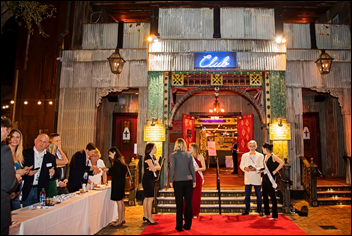

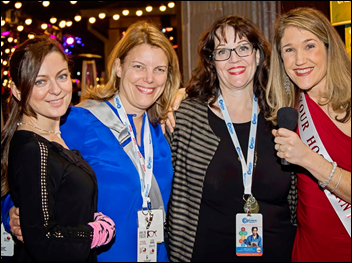
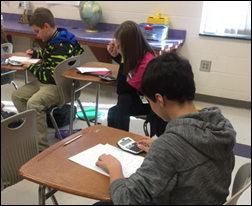
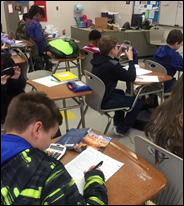
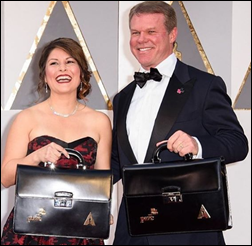




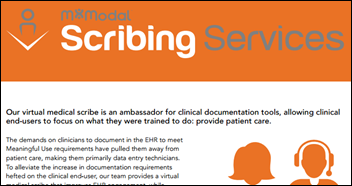
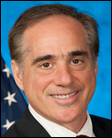
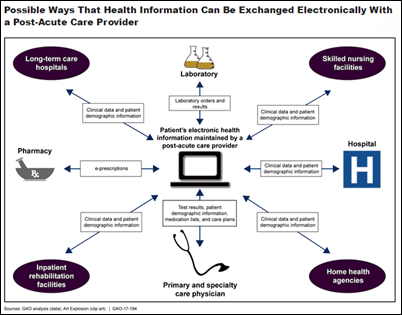
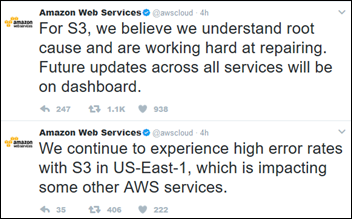
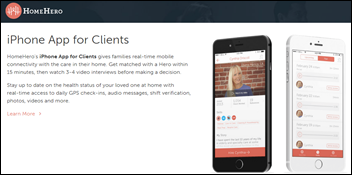

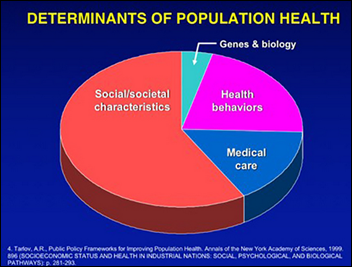
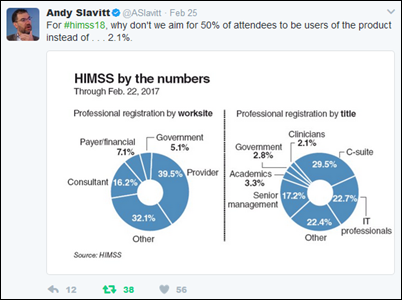

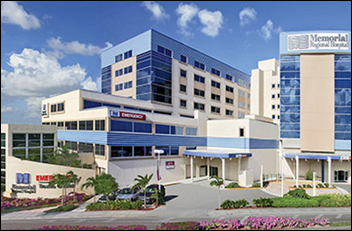
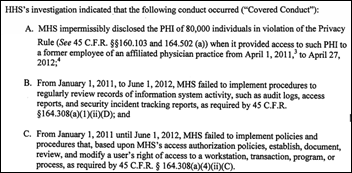

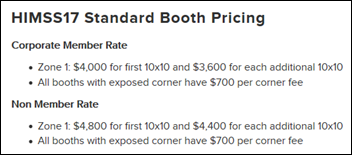
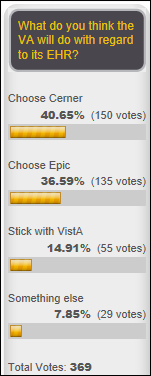
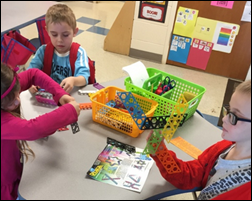
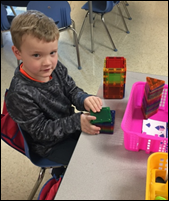
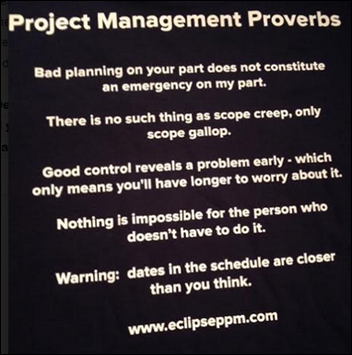
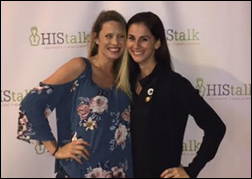
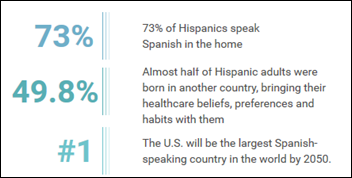
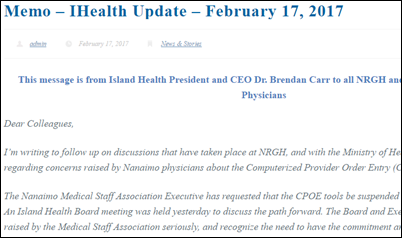

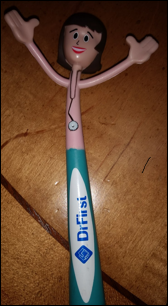
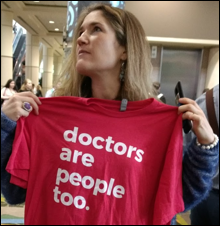
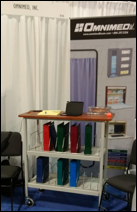
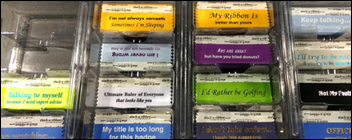
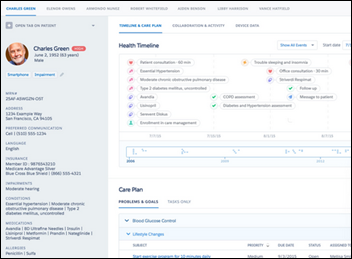
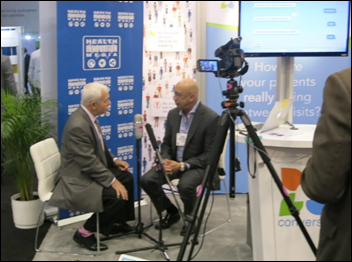
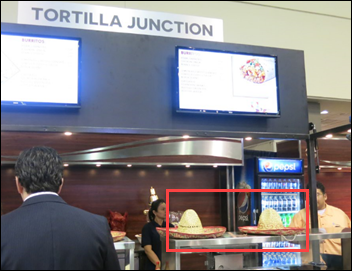
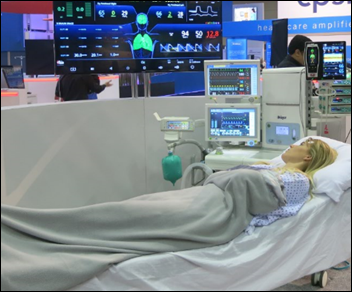
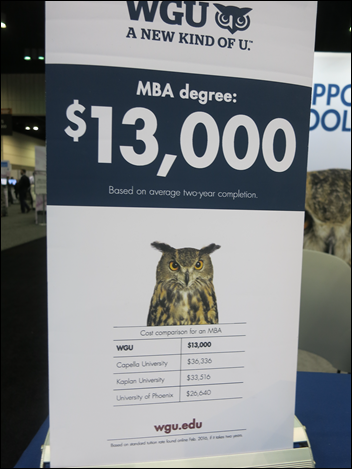
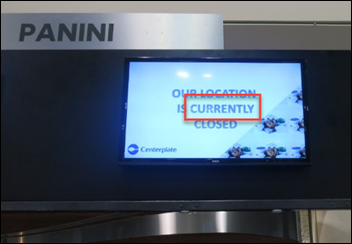
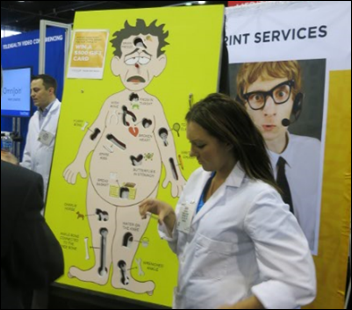
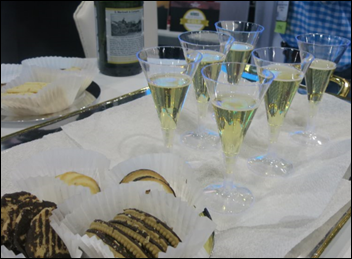
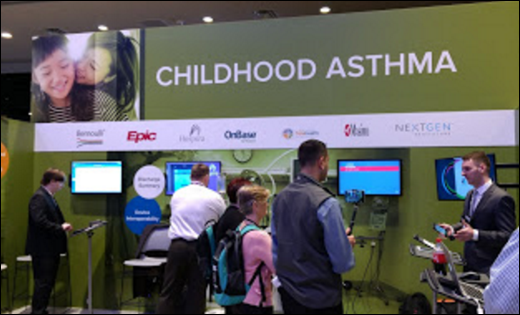
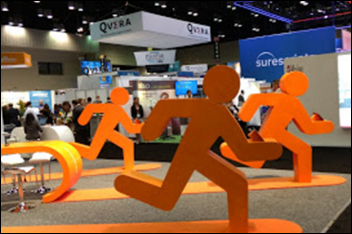
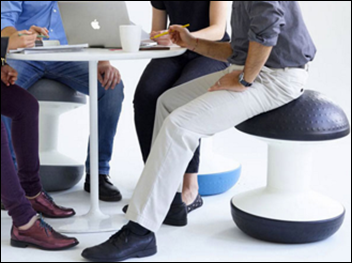
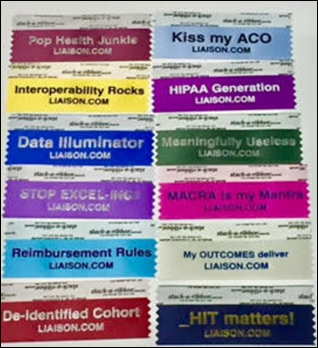
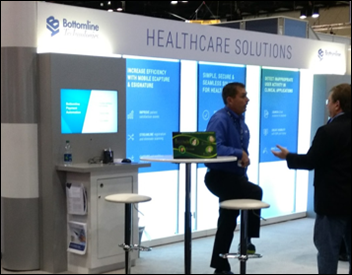
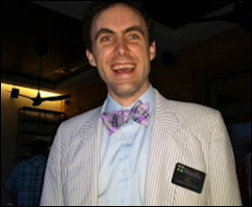
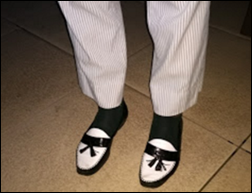
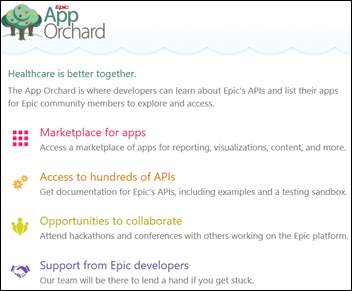
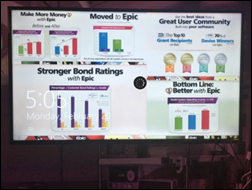
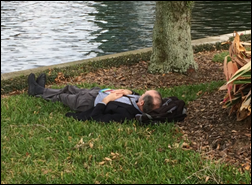
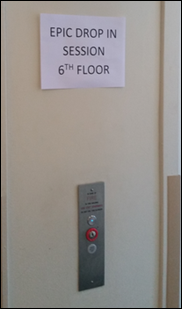

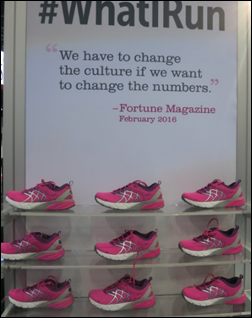
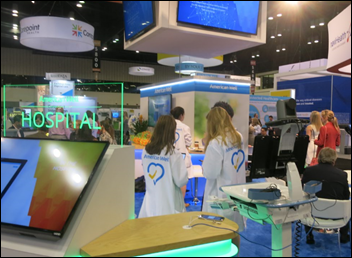
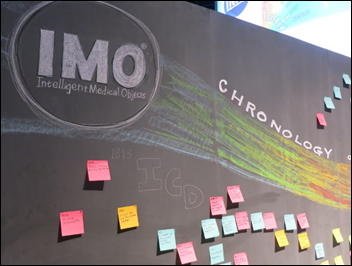
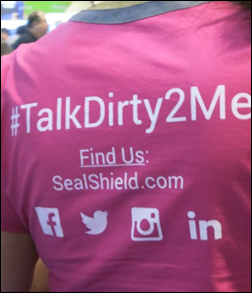
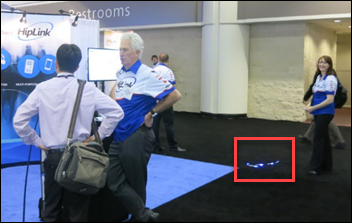
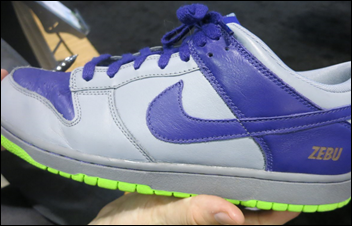
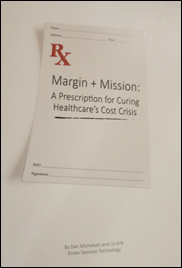
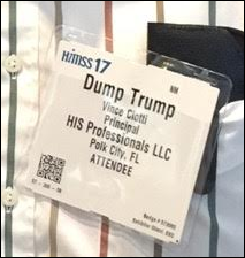
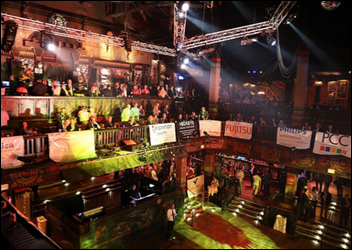
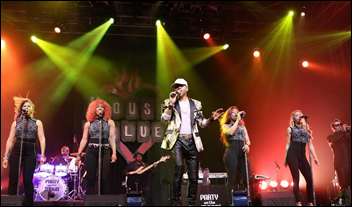
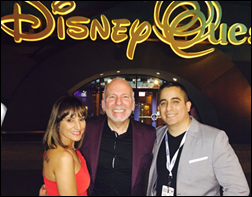



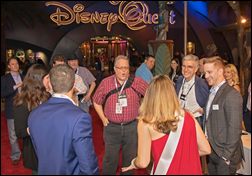
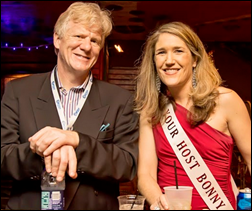
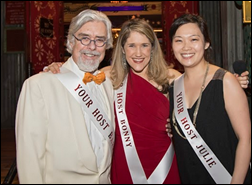

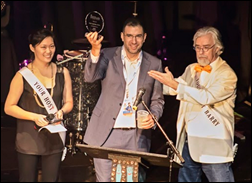
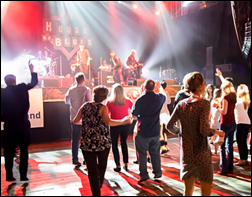
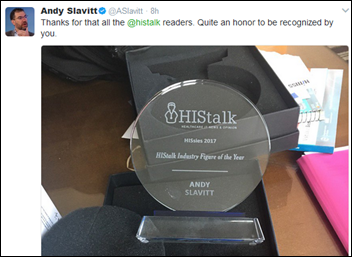
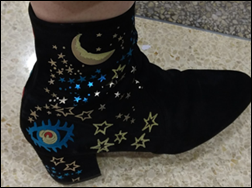
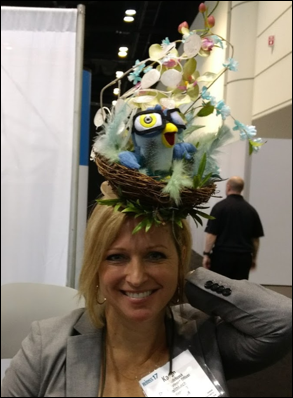
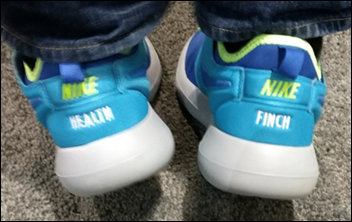
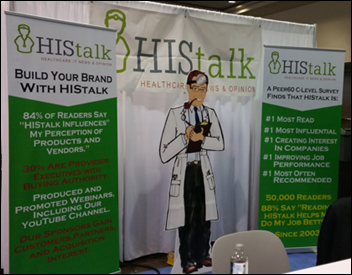
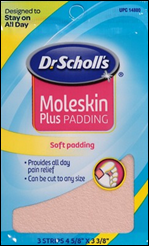
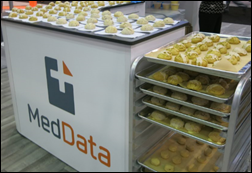
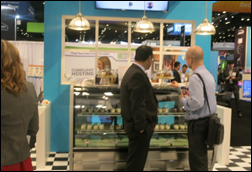
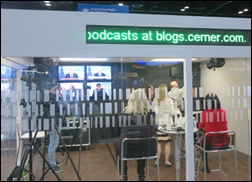
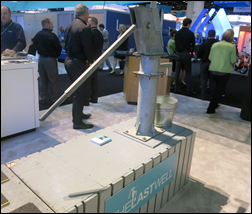
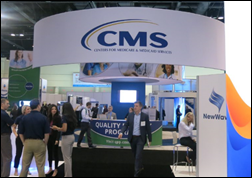
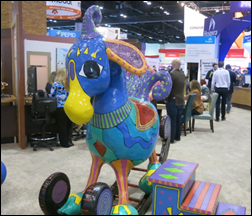
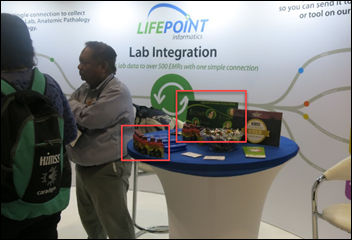
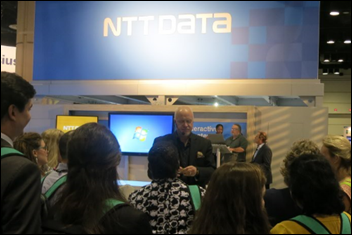
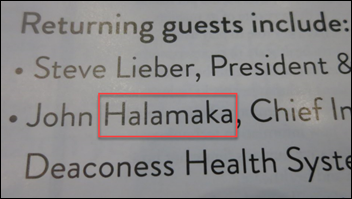




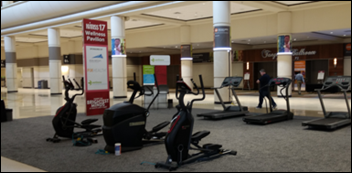
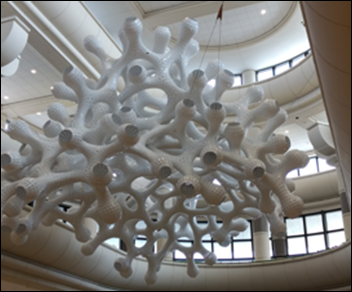
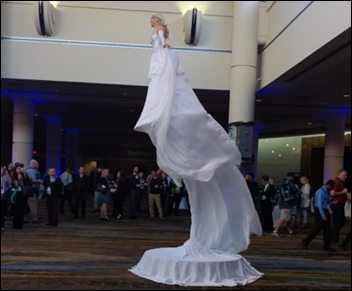
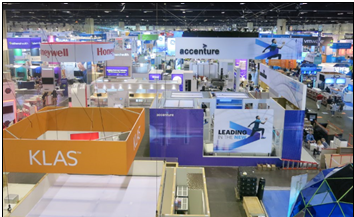
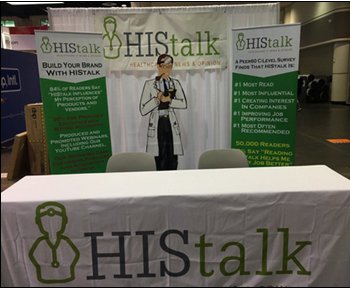

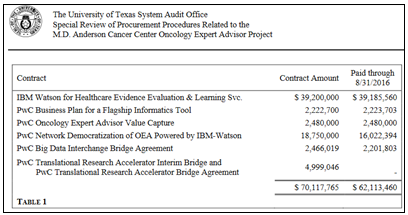

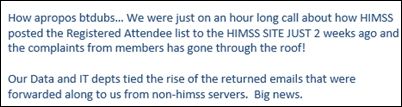
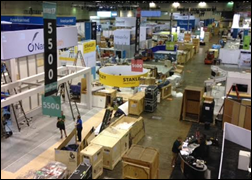
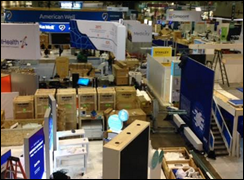
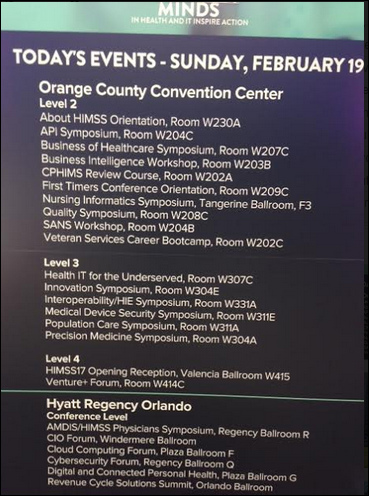
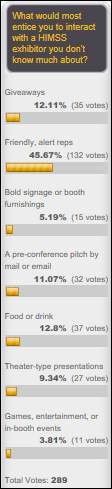



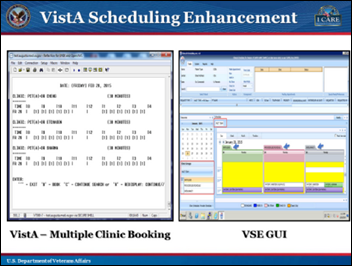

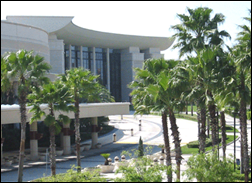






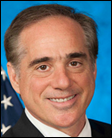

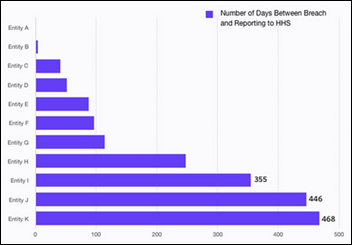
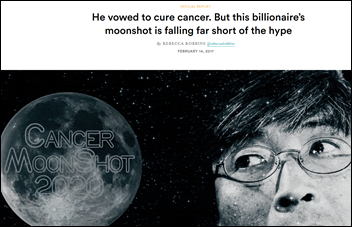


Re: Deliberately Faked Academic Papers in Nature See, this doesn't surprise me at all. Of course AI quotes these bogus…