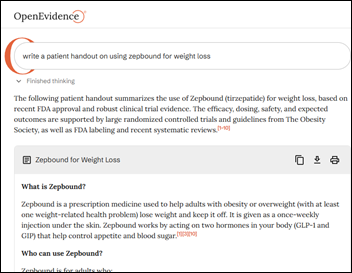
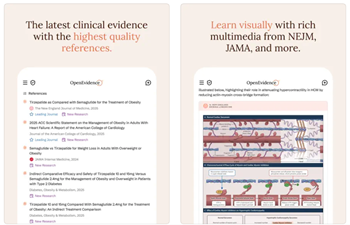
OpenEvidence, which offers an AI-powered clinical decision support search engine, raises $200 million in Series C funding just three months after a $210 million round, valuing the company at $6 billion.

The American Medical Association launches the Center for Digital Health and AI, which will promote physician participation in regulatory matters, clinical workflow integration, and education.

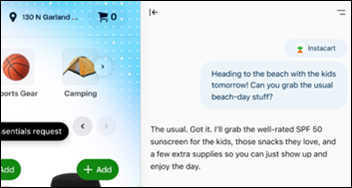
OpenAI launches ChatGPT Atlas, a web browser that includes a context-aware side panel chatbot and a web browsing agent. The initial version is Mac only.

Risk-based contract technology provider Arbital Health announces Merlin AI, an AI assistant that interprets contract data, explains performance drivers, and recommends next steps.
Cancer detection AI vendor Lunit acquires Prognosia, mammogram analysis software that was founded by researchers from Washington University School of Medical in St. Louis.
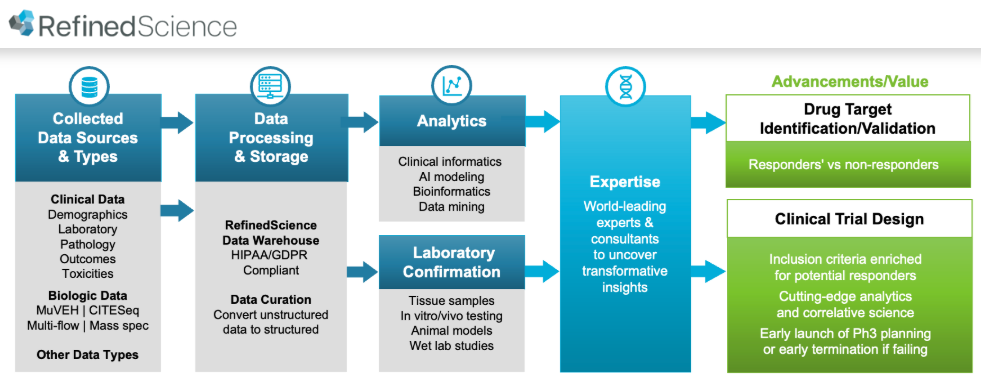
Verily will use AI to analyze biomedical data from UCHealth and CU Anschutz to find revenue opportunities. Also involved is RefinedScience, a tech-driven cancer drug discovery startup that is based on commercialized research from CU Anschutz.
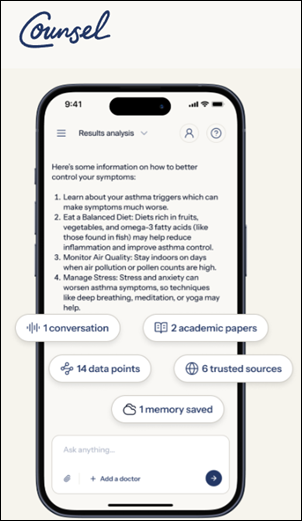
Virtual care operator Counsel Health raises a $25 million Series A funding round. The company offers an AI chatbot that answers health questions, then escalates the conversation as needed to a physician within its 50-state network. Bringing a doctor into the conversation costs $29 per use or a $199 annual fee that includes unlimited physician involvement.
Healthcare educator Adtalem Global Education and Google Cloud will offer role-specific AI certification training to its health professions students and healthcare system partners.

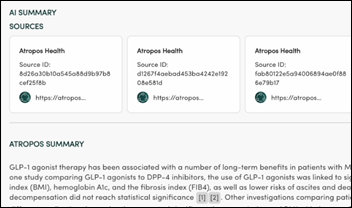
Real-world evidence technology vendor Atropos Health launches an expert agent that generates personalized real-world evidence from a patient’s EHR data to suggest treatment options. Stanford Health Care has integrated the technology with its internally developed ChatEHR system.

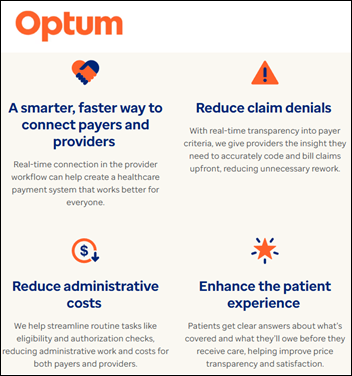
Allina Health is piloting Optum Real, a real-time, AI-powered claims system that provides instant insurance coverage checks and upfront claims validation via payer-provider interoperability.

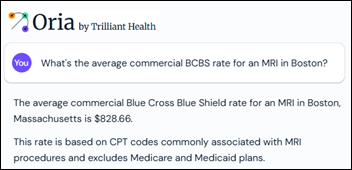
Trilliant Health releases Oria, a free AI chatbot for hospital price discovery.
Mr. H, Lorre, Jenn, Dr. Jayne.
Get HIStalk updates.
Send news or rumors.
Follow on X, Bluesky, and LinkedIn.
Sponsorship information.
Contact us.
Ascension Sacred Heart and Ascension St. Vincent’s launch a Telehealth Maternity Care Program with support from the Florida Department of Health.
AWS outage causes disruption to patient care across NHS sites
NHS facilities in England recover from temporary downtimes caused by Monday’s AWS outage, which also impacted numerous healthcare organizations in the US.
Optum reinvents claims and reimbursement process to eliminate complexity and administrative waste
Optum develops a multi-payer claims system that enables real-time data exchange between payers and providers for instant coverage validation and improved claims processing.
OpenEvidence raises $200 million in Series C funding, just three months after raising $210 million. Its valuation has jumped to $6 billion.
The company has developed an AI-based clinical decision support search engine for healthcare providers.
None scheduled soon. Contact Lorre to have your resource listed.
AI clinical summary startup Fourier Health raises $8.4 million in seed funding. Co-founder and CTO James Lloyd previously served as CTO at Redox, which he helped to launch in 2014.

DocGo, which offers remote patient monitoring, mobile urgent care, and medical transportation, acquires virtual care vendor SteadyMD.
Samsung Electronics wraps up its $115 million acquisition of Xealth, the digital health integration company that launched out of Providence Health & Services in 2017. Xealth CEO Mike McSherry will remain in that role as Samsung works to expand the Xealth team in Seattle and build out its consumer-facing health apps.
Dana-Farber Cancer Institute (MA) uses Health Data Analytics Institute’s HealthVision platform and large language models to develop its Better Real-time Information on Documentation of Goals of care for Engagement in Serious Illness Communication protocol.
York and Scarborough Teaching Hospitals NHS Foundation Trust in England implements Agfa HealthCare’s Xero Viewer imaging technology.

Hackensack Meridian Health (NJ) uses Cadence’s Proactive Care Engine as part of a new remote patient monitoring program for seniors.

HHS taps Palantir, Availity, Gainwell Technologies, and the Council for Affordable Healthcare to develop prototypes for a national provider directory. The CMS-led directory project will occur in several phases over the next year.

Mayo Clinic seems to be among the hundreds of organizations impacted by Monday’s Amazon Web Services outage. Its patient portal and phone lines were down for several hours. NHS facilities in England were also impacted, with one digital health chief anonymously commenting, “I think it’s worth knowing that if NHS services are dependent on cloud providers and they go down, then it’s probably more important than losing Snapchat.”
UC San Diego’s Center for Healthcare Cybersecurity develops Project CrashCart, a “hospital IT system in a box” that hospitals can quickly set up and use during downtimes caused by ransomware attacks or other cybersecurity incidents.
Developers at the UNC School of Medicine, UNC Health, and the North Carolina Translational and Clinical Sciences Institute develop the new Secure Health Informatics Research Environment for analytics projects that use data from UNC Health’s EHR. The SHIRE cloud-computing environment will go live November 3.
Ascension Sacred Heart and Ascension St. Vincent’s launch a Telehealth Maternity Care Program with support from the Florida Department of Health. The program offers pregnant and post-partum women dedicated patient navigators, help with referrals to wraparound services, and access to medical devices.
Blog Posts
Mr. H, Lorre, Jenn, Dr. Jayne.
Get HIStalk updates.
Send news or rumors.
Follow on X, Bluesky, and LinkedIn.
Sponsorship information.
Contact us.
![]()
OpenEvidence, the ChatGPT for doctors, raises $200M at $6B valuation
OpenEvidence is reportedly planning to announce $200 million in additional funding, just three months after raising $210 million in Series B funding.
Obesity Medicine Leader Knownwell Raises $25 Million in Strategic-Led Financing
Weight management-focused hybrid primary care provider Knownwell announces $25 million in new funding.
CMS signals interest in Palantir for national provider directory project
HHS taps Palantir, Availity, Gainwell Technologies, and the Council for Affordable Healthcare to develop prototypes for a national provider directory.
DocGo Acquires Virtual Care Platform SteadyMD, Expands Telehealth Services Across All 50 States
DocGo, which offers remote patient monitoring, mobile urgent care, and medical transportation, acquires virtual care vendor SteadyMD.
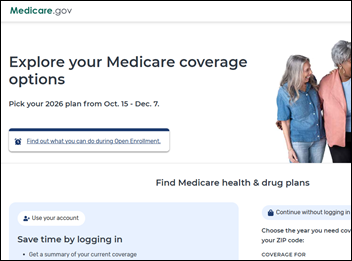
It’s open enrollment season for Medicare. Patients and their family members inundate physicians with questions about whether they should switch plans.
Most outpatient office visits are too short to have a meaningful conversation about the topic, especially when you’re trying to address a handful of chronic conditions and maybe a new problem, too. I refer people to the Medicare.gov. It contains solid resources, but does not explain that Medicare Advantage plans are generally for profit. They offer some extra bells and whistles such as vision and dental coverage, but they provide these by closely controlling costs in other areas.
I looked at health systems in neighboring states to see if they offer resources for educating patients and what they have available online. It’s a good reminder that health information technology isn’t just about helping clinicians document, but includes all of the digital assets that we use to engage patients as well.
I tried to put myself in the persona of someone who is new to Medicare and looking to understand their options. One system, which we’ll call The Sisters, appeared at the top of the sponsored listings when I searched for “Is Medicare Advantage for profit,” so I decided to start with them.
I went straight to a Medicare Readiness page, which offered a downloadable document. Once I entered my information, it said that the document would be emailed, but I could also click to access it right away. That is a nice feature for patients who may not be used to finding things in a download folder or having to go back to them later.
The download page also offered a physician search, links to Medicare.gov and other websites, and a list of plans for which the health system is considered in-network.
Out of fairness to the other systems in town that didn’t have sponsored search results, and for whom I’d be starting my exploration with a visit to their main website, I visited The Sisters’ home page. Although it had a reminder to get a mammogram and a headline about the system being the official provider of a local sports team, there was no mention of Medicare open enrollment, even in the “news” section. To my colleagues in marketing: this seems like a missed opportunity.
My next stop was Big Health System, which also didn’t have anything about Medicare open enrollment on their home page. I used the page’s search page to find “Medicare” topics and the top listing was for Annual Wellness Visits, followed by an entry for Medicare. Following that link took me to an extremely basic page that provided little information other than directing patients to call 1-800-MEDICARE. Given the government shutdown, that may not be the best resource for patients right now.
The page was full of acronyms. Although they were explained, it was a dense page that didn’t give anywhere near the clear information I had seen on the competitor’s site.
My third stop was University Health System, which also didn’t have anything about Medicare open enrollment on its main web page. I liked the fact that online scheduling and virtual care options were prominent, however.
One unique feature on the site was a mention of how and why the organization posts substitute breach notices for HIPAA issues and a link to their breach information site. There I was surprised to learn of an incident that I hadn’t seen mentioned in local media, and although it made me think about going down the rabbit hole to do a comparison of breach notification strategies for the different health systems, I was able to refrain.
A search for Medicare brought up a couple of screens of links. The only mention of Medicare was in the context of Accountable Care Organizations.
My last stop was at National Health System. Their home page caught my attention with a prominent link to “Price Transparency.” I couldn’t find a search box, so tried using the site’s chatbot. None of the options fit, so I chose “other.” That put me into a flow that was more about helping me find a location of care than providing general information.
I decided to go wild and request a live chat. I asked, “Do you have any information on Medicare Advantage versus traditional Medicare?” The agent said that they don’t provide insurance information and suggested reaching out to the insurance company directly.
As most readers have surmised based on my posts over the years, I’m a huge fan of patient engagement and patient empowerment. The lack of information across these sites represents a big gap, not only in helping patients advocate for themselves, but also in the health system’s ability to position itself as a partner with patients where they help them understand their options for coverage and the US’s healthcare economic realities in the US.
I don’t know whether that lack of information represents a local deficiency or a nationwide trend, but I’d be interested to hear from organizations that are doing a better job putting such information out there, as The Sisters website does.
Back on the system’s site, I found the document highly readable and well formatted, with pages that fit on a single screen and using a font that would be easily readable for older patients. It had good contrast, clear explanations, and some interesting historical facts about Medicare sprinkled throughout. It also included a couple of pages of general Medicare FAQs that made me think it would also be a good resource for younger folks who are helping their parents navigate the system.
I have quite a few years before I’m a Medicare beneficiary, but I hope resources like this are available to me when it’s time. In the interim, I will steer patients towards this resource, regardless of whether it’s related to the hospitals where I’m on staff.
Does your employer provide digital health resources to help patients understand insurance and other information about how care is delivered and funded in the US? Do you have something you’d like to showcase for our readers? Leave a comment or email me.
Email Dr. Jayne.
The Six Rights of Clinical Decision Support at the Dawn of the AI Era
By Steve Miller, MD
Steve Miller, MD, MBE is clinical solutions architect at FDB.
Clinical decision support (CDS) embedded in the electronic health record (EHR) has demonstrated impressive benefits for patient outcomes, particularly through medication alerts in Computerized Provider Order Entry. CDS helps prevent millions of medical errors per year. Yet the potential of CDS remains under-realized due to poor usability, misalignment with clinical and institutional goals, and its contribution to clinician burnout.
We are at the dawn of a new era in CDS, where we can realize the promise of enhanced care and financial outcomes simultaneously to the empowerment of clinicians.
Effective clinical decision support depends on meeting the Five Rights: delivering the right information, to the right person, in the right format, through the right channel, and at the right time.
Too often many CDS systems still fall short: interrupting workflows, triggering at the wrong moment, or lacking the specificity that is needed to earn clinician trust. High false-positive rates lead to reflexive overrides, eroding confidence and sometimes putting patients at risk. It’s time to evolve the framework.
I propose a sixth right: the right purpose: designing CDS with clearly defined, measurable benefits.
When interventions lack purpose or a defined return on investment, even well-built tools can fail to deliver value. As hospitals face tighter budgets and mounting pressure to improve outcomes, advances in interoperability and artificial intelligence (AI), including large language models (LLMs), offer a new path to achieving all Six Rights.
Workflow Integration: Right Person, Format, Channel, and Time
Consider a common scenario. Dr. Smith, on inpatient rounds, discusses starting spironolactone with 80-year-old Mr. Richards, who has heart failure. After researching the dose, she signs the order and is immediately interrupted by an alert flagging the drug as potentially unsafe for older adults. The decision has already been made. She is annoyed, overrides the alert, and moves on.
Now imagine a near-future alternative. An AI-powered ambient listening tool transcribes and interprets the conversation in real time. As spironolactone is mentioned, a message appears on screen with safety concerns specific to Mr. Richards in his current clinical context, a patient education prompt, alternative options, and a preselected dose. The information is timely and useful, supporting rather than disrupting shared decision-making.
Context-specific decision support could also surface during pharmacist verification, admission medication reconciliation, or through patient-facing bots. Interruptive alerts at order signature are fading. Smarter systems will deliver guidance at the right moment. They will also reduce the amount of time physicians would otherwise have to spend looking up information, such as lab values that are relevant for a specific drug.
Personalization: Right Information
Let’s revisit Mr. Richards. His heart failure has impaired his kidneys and his potassium is dangerously elevated. This places him at risk for arrhythmia if prescribed spironolactone, yet no alert fires. Dr. Smith misses this lab result, placing the patient in danger.
Now imagine a CDS module that detects elevated potassium and correlates it with spironolactone, firing only when truly relevant. Dr. Smith receives fewer alerts, but each one matters. This precision support, with both low false positives and false negatives, is achievable today using interoperable systems and standardized data.
Beyond labs, decision support can incorporate genetic tests, imaging, pathology, and patient-reported outcomes. AI can convert notes and conversations into structured insights that power a new generation of CDS that is accurate, timely, and personalized.
Return on Investment: Right Purpose
Right purpose means aligning CDS with institutional and societal goals. Tools that serve mission-critical needs, and the other five rights, drive adoption.
Back to our case. Budget cuts force the hospital to reassign pharmacists from the wards. Without human backup, prescribing errors could rise. But with AI-enhanced CDS, the computer system helps the clinical team catch errors and find opportunities to enhance care once identified by pharmacists. Rather than replacing clinicians, CDS amplifies their capabilities, delivering cost savings without compromising care.
AI could also accelerate this shift in two ways. First, AI-assisted development could speed the creation of CDS modules, enabling access to high quality and purpose-built decision support. Second, AI-powered analytics could allow hospitals to evaluate CDS performance in real time, measuring clinical and financial impact and refining systems.
A Pivotal Moment
The current moment in healthcare is one of great challenges and great possibilities. Advances in AI, data standards, and clinical messaging combine with economic pressures to fuel a necessary evolution. The future of CDS is personalized, context-aware, and results-driven. By honoring the original Five Rights, and adding a sixth of Right Purpose, we can ensure that CDS not only guides decisions, but also advances care, supports clinicians, and justifies itself in a resource-constrained world.
From Hype to Headache: The Truth About Ambient Listening
By Jay Anders, MD and Jeanne Armstrong, MD
Jay Anders, MD, MS is chief medical officer at Medicomp Systems. Jeanne Armstrong, MD is chief medical officer at TouchWorks, Altera Digital Health.
Like prospectors flocking to California in the mid-1800s, hospitals and health systems today are hitching their wagons to AI-powered ambient listening tools in hopes of making their documentation dreams come true.
The attraction is understandable: the power to automatically capture physician-patient conversations and turn them into clinical notes could significantly reduce documentation burden, let clinicians focus on patients, and create a better experience for everyone.
However, as with most gold mining and health tech fantasies, the reality is more complicated. Without the right safeguards, context, and clinical framework, ambient listening risks producing incomplete, inaccurate, or unusable notes. At best, that leaves physicians editing more than they save. At worst, it could compromise patient safety, billing, and care quality.
Transcript 2.0
Every clinician understands the appeal of eliminating clicks and keystrokes. Documentation has become an enormous burden, with 92% of physicians reporting that it negatively impacts care.
Ambient listening promises to capture everything that is said in the exam room, generate a structured note, and let the physician simply review and sign. But as many early adopters have discovered, the first pass is not always the last pass.
Even with high accuracy, the challenge lies in context. If a patient says, “I use my inhaler every morning,” is that a daily maintenance medication or a rescue treatment? If the system places a counseling conversation into the wrong section of the chart, the clinical meaning changes. Physicians cannot uncritically trust the transcript; they must still review and often edit.
Ambient listening certainly removes typing, but it does not solve the core problem of ensuring that documentation is clinically meaningful. This dilemma was echoed recently by the healthcare technology experts at KLAS, specifically:
Our findings show that free text alone will not deliver the outcomes providers expect,” said Mac Boyter, research director at KLAS Research. “For ambient listening to support quality measures, billing, and interoperability, it must generate discrete, structured data—not just nicely formatted notes.
Why context matters
Experienced clinicians know how to ask the right follow-up questions to surface information that patients may not volunteer. They also know which details belong in the history versus the plan and how to translate medical jargon into patient-friendly explanations. An ambient listening system, no matter how advanced, lacks that judgment unless it is anchored by a medical knowledge framework.
That framework provides the “dictionary” against which the AI can validate what it hears. Without it, the risk of hallucinations or misplaced details remains. With it, ambient listening can be constrained, guided, and made more reliable. Context is not a nice-to-have. It is essential to ensure that the note accurately reflects both the clinical encounter and the physician’s intent.
Structured data, not just free text
Another major limitation of most ambient listening solutions is that they generate free text. Even when formatted with section headers, free text is not structured, codified data. It cannot directly feed decision support systems, quality measure databases, or billing workflows.
For example, if a patient’s family history of diabetes is captured only as text, it does not generate a SNOMED code. Downstream systems cannot act on it. Clinicians end up with a nice-looking note that remains invisible to analytics, risk adjustment, and interoperability.
To avoid this pitfall, ambient listening must be paired with technology that converts narrative into discrete, computable data. This makes the output both readable and actionable, while supporting regulatory compliance, coding, and care coordination.
What to look for
Health systems evaluating ambient listening should demand more than transcription and data entry. They should ask:
The answers to these questions will determine whether ambient listening becomes a meaningful advance in healthcare IT or just another short-lived fad.
Help over hype
Ambient listening can make documentation more efficient, but it is not a panacea. Without the right foundation, it risks adding a new layer of complexity instead of solving the problem. To fulfill its promise, ambient listening must be paired with systems that provide medical context, structured data, and clinical relevance.
Again, KLAS’s Mac Boyter reported that its research shows that providers are “looking beyond convenience—they want ambient tools that deliver structured, codified output. Without discrete data, the note is unusable for billing, quality measures, and decision support. Ambient listening is most impactful when it produces information that downstream systems can act on.”
In other words: do not be distracted by the hype. Ambient listening alone is not enough.
Verily Launches a New Consumer Health App, Verily Me, at HLTH USA 2025
Verily launches a free consumer health app that lets users receive provider recommendations from their medical records from multiple sources, ask an AI companion questions about their records, analyze meal photos for nutrition, and join research studies.
Sage Care Emerges From Stealth with $20M in Funding for an AI-Powered Care Navigation System
Sage Care, which offers call triage, patient-provider matching, and scheduling tools, announces its launch and $20 million in funding.
AI clinical summary startup Fourier Health raises $8.4 million in seed funding.
Alphabet-owned Verily launches Verily Me, a free consumer health app.
Verily Me lets users receive provider recommendations from their medical records from multiple sources, ask an AI companion questions about their records, analyze meal photos for nutrition, and join research studies.
Opening remarks by Hal Wolf, president and CEO, HIMSS
Session on tech initiatives at Emory
Guru Patel, associate chief of clinical informatics, Emory Digital
Session on building resiliency for IT disasters
Stoddard Manikin, CISO, Children’s Healthcare of Atlanta
David Kotz, VP of Technology Services, Children’s Healthcare of Atlanta
Derek Spransy, CISO, Emory Hospital and University
Session on Grady Health’s adoption of AI
Wilhelmina Prinssen, Medical Director of Ambulatory Informatics
Kerem Eroglu, Director of Partner Success, Abridge
CIO Panel focused on AI
Geoff Brown, Piedmont (recently retired)
Chris Paravate, Northeast Georgia Health System
Jeff Buda, Atrium Health Floyd

Poll respondents say that technology investments are mostly driven, not shockingly, by the bottom line.
New poll to your right or here: Which social media platforms do you use regularly?

I’m offering a few sponsorship perks to help push interested companies across the finish line before December 31. Contact Lorre if you’re curious (or read this to see why you should be).
None scheduled soon. Contact Lorre to have your resource listed.

Virtual care operator Counsel Health raises a $25 million Series A funding round. The company offers an AI chatbot that answers health questions, then escalates the conversation as needed to a physician within its 50-state network. Bringing a doctor into the conversation costs $29 per use or a $199 annual fee that includes unlimited physician involvement.
Sage Care, which offers call triage, patient-provider matching, and scheduling tools, announces its launch and $20 million in funding.
Women’s health virtual and in-person clinic operator Tia lays off 72 employees, or 23% of its workforce, citing investor pressure to reach profitability.
Health smart ring company Oura raises $900 million, valuing its business at $11 billion.

Froedtert ThedaCare Health promotes Brian Sterns, MBA to SVP/CIO.
First Databank announces a Model Context Protocol servicer that connects AI systems and agents to its medication knowledge assets. The company is testing a prescription automation agent that can pre-populate medication orders by analyzing the ambient listening output from encounters.
Star Valley Health (WY) sues Change Healthcare, claiming that it failed to submit insurance claims on time after Change rolled out Epic’s billing software in mid-2023 without sufficient staffing.

Oracle co-CEO Mike Sicilia and healthcare and life sciences GM Seema Verma say in a shareholder call that the CEOs of Epic-using Mayo Clinic and Cleveland expressed “a lot of enthusiasm for what we’re building” at Oracle’s recent healthcare conference. They say that the customers of competitors “are starting to understand the power, the value of AI” in being able to build and buy AI agents. Sicilia also said:
We’ve got dozens of AI agents live across our health ecosystem today, with many more planned. We’re looking at chart review care navigation, clinical decision support, patient risk predictions, preventative care, and many more. In fact, our next-generation AI EHR is now generally available … we’ve got a lot of competition in that market, but … the one question I ask our competitors is, see how many fuel cell power plants are you building on site right now? Because if you’re not doing that, then you probably are not going to have as good of a chance to be closely provisioned to a large language model and apply reasoning models and all the things you actually need to work to make this work at scale to automate an entire hospital.
Epic’s latest “Hey Judy” column explains why everyone pays Epic’s list price: she once felt sorry for an early customer who had “such nice people, and they didn’t know how to negotiate.”
A tongue-in-cheek essay suggests that belief in AI “magic” isn’t due to impressive capabilities of these “giant calculators,” but rather the user’s “Edge of Stupidity,” where their limited understanding prevents them from explaining it rationally. The author extends the Dunning-Kruger effect (which says that people are ignorant of their own ignorance), arguing that smart people are especially prone because they assume that their intellect allows them to detect “authoritative-sounding bullshit” in fields they barely understand.
Blog Posts
Mr. H, Lorre, Jenn, Dr. Jayne.
Get HIStalk updates.
Send news or rumors.
Follow on X, Bluesky, and LinkedIn.
Sponsorship information.
Contact us.
![]()
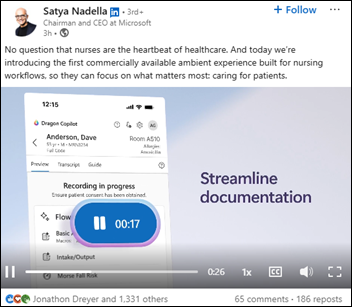
Microsoft extends AI advancements in Dragon Copilot to nurses and partners to enhance patient care
Microsoft extends its Dragon Copilot AI clinical assistant to nurses and adds an ecosystem for third-party extensions.
Remote care company Brook.ai raises $28 million in Series B funding.
Counsel Health Raises $25M to Launch Physician-Supervised AI Front Door for Healthcare
Counsel Health, an AI-powered virtual medical group, announces $25 million in Series A funding and the launch of its latest AI-based platform.
Digital health marketplace operator Avia acquires Panda Health, which offers digital health peer input and market intelligence services.
Microsoft extends its Dragon Copilot AI clinical assistant to nurses and adds an ecosystem for third-party extensions.
The nurse capabilities include ambient documentation, access to trusted medical content, and automating routine tasks.
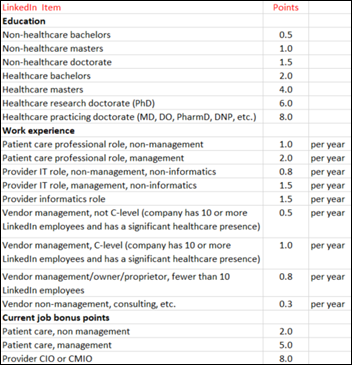
From Boysenberry: “Re: self-proclaimed industry experts. You proposed a scoring framework years ago that took into account clinical and IT experience from someone’s LinkedIn profile. Where is that?” I remember it, but I can’t find it despite many searches via Google and ChatGPT. I do recall that some of the folks who were dispensing unsolicited health tech advice scored low, having little actual experience other than in pontification. UPDATE: found it from 2017! See scoring grid above. I didn’t do much with it, and the low-scoring folks are still out there pontificating, so the effect was minimal. In fact, the vastly lowered barrier to entry for podcasts has probably given a whole new batch of industry lightweights a place to hear themselves talk.
From New Threads: “Re: corporate rebranding. Why do companies think anyone cares about why they chose a particular logo or website design?” I assume these “our redesigned website shows how we’ve evolved” posts exist mostly so the marketing folks who justified the project can get their ceremonial pat on the head. There’s always a tortured back story that someone has wasted time inventing about how the lowercase typeface represents empathy and the color gradient evokes innovation, when in reality, nobody outside the company cares. Announcing it just makes everyone else uncomfortable, like bragging about how great you look in your new suit while everyone’s politely trying not to roll their eyes because they are perfectly capable of forming an opinion without an announcement or editorializing. They also know that appearances aside, it’s still the same person underneath.
Investment panel
Vic Gatto, Jumpstart Health Investors
Tania Grant, Partner, Claritas Capital
Fireside chat with Chris McGhee, CEO and Co-Founder, Current Health
Panel on data utilities, policy, and regulation
Brenton Hill, Head of Operations and General Counsel, Coalition for Health AI
Brett Meeks, Vice President of Government Affairs for Health Technology and AI, Kimbell & Associates
Peter Embi, Department of Biomedical Informatics, Vanderbilt University Medical Center
Panel on innovation in cancer care
Lauren Connor, breast reconstructive surgeon, Vanderbilt University Medical Center
Jillian Wright, CEO, Onsite Women’s Health
Abbey Vandersall, Chief Clinical Officer, AMSURG
None scheduled soon. Contact Lorre to have your resource listed.
MD Integrations, which offers a white labeled telehealth service to digital health companies, raises a $77 million investment.
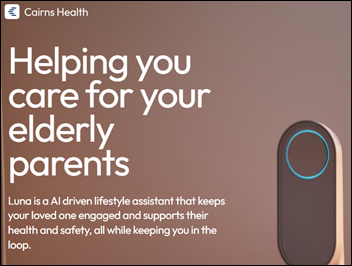
Senior platform vendor Cairns Health acquires Together by Renee, which offers a personal healthcare assistant.
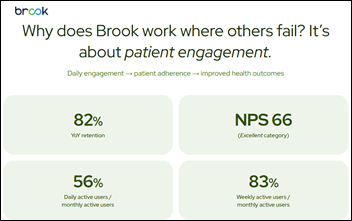
Remote care company Brook.ai raises $28 million in Series B funding.
Harmony Healthcare IT hires Sharon Cook (Inovalon) as chief revenue officer.
Redox and Kno2 partner to offer unified integration, data translation, and nationwide TEFCA connectivity.
Mount Sinai researchers develop InfEHR, which scours a patient’s EHR lab results, medications, and vital signs over time to create a personalized network that discovers hidden associations with disease state.
Altera Digital Health announces GA of Sunrise Axon, which was built in partnership with Health Gorilla to bring real-time clinical data into Sunrise EHR.
Wolters Kluwer Health releases UpToDate Connect, which offers developers API access to its evidence-based clinical content.
Surescripts introduces First-Fill Abandonment, which alerts care managers when patients fail to have a first-time prescription filled.
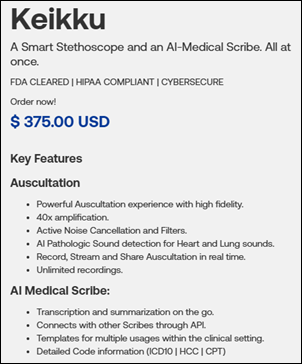
Lapsi Health launches Keikku 2.0, a $375 FDA-cleared digital stethoscope that uses AI to generate clinical notes that are integrated into the EHR.
Digital health marketplace operator Avia acquires Panda Health, which offers digital health peer input and market intelligence services.
HHS’s new Medicare Plan Finder provider directory, which was built by a vendor under the administration’s “Make Health Tech Great Again” program, is generating conflicting or inaccurate listings about whether providers are in-network for Medicare Advantage plans. The tool also limits searches to providers within 50 miles and excludes hospitals and skilled nursing facilities. Errors in the temporary open enrollment site, which was intended as a first step toward a national provider directory, could mislead seniors into choosing plans that their doctors don’t accept. A previous CMS announcement suggests that the directory’s developer is SunFire Matrix, a private equity-owned services platform vendor that sells similar tools to insurance brokers.
Integris Health pays $30 million to settle a class action lawsuit related to a 2023 data breach that impacted 2 million people.
In England, NHS administrator Sir Jim Mackey requires NHS England’s transformation directorate to personally sign off on readiness before electronic medical records are brought live during the busy winter period.
Keep scrolling if health tech history isn’t your thing (or if it is, go deep with Vince Ciotti’s magnificient HIS-tory). Industry veterans will appreciate John Gomez’s insider recap of what onetime frontrunner Eclipsys got wrong during his time as CTO (spoiler: dismissing Epic as being too small to threaten Sunrise Clinical Manager). He generously avoids blaming the unremarkable Eclipsys CEOs who followed founder and industry legend Harvey Wilson through the early 2000s, namely Paul Ruflin and Andy Eckert, neither of whom had recent relevant experience (they must have learned hard lessons since they’ve done fine since in other health tech leadership positions). Then came Phil Pead, who had the savvy to sell publicly traded Eclipsys to Allscripts for $1.2 billion in 2010, only to be fired in 2012 in a power struggle with Glen Tullman. Allscripts was a slow motion car crash under Tullman, but maybe it wasn’t his fault (ever-stumbling Misys was its majority owner) since after the company fired him, he became health tech investing’s golden boy by launching 7wireVentures and unloading Livongo on Teladoc for $18.5 billion in 2020.
Blog Posts
Sponsor Spotlight
Findhelp is powering a more connected and efficient social safety net. They’re replacing fragmented systems with a modern, digital infrastructure that streamlines social care delivery from start to finish, from identifying needs and authorizing services to tracking data and ensuring better outcomes. Findhelp’s solutions support the entire care journey, including state benefit eligibility workflows to drive successful redetermination and post-acute care and behavioral health networks to provide whole-person care. They now work with 157 payers, 217 hospitals and health systems, and 88 health centers (and growing). Connect with Findhelp on LinkedIn to stay up to date on their work. (Sponsor Spotlight is free for HIStalk Platinum sponsors).
Mr. H, Lorre, Jenn, Dr. Jayne.
Get HIStalk updates.
Send news or rumors.
Follow on X, Bluesky, and LinkedIn.
Sponsorship information.
Contact us.
![]()
As the US federal government shutdown continues, I’m encountering military members who are having difficulty filling prescriptions for long-term medications. I’m certainly not an expert in how federal appropriations work, but most people on the clinical side of healthcare policy would agree that having a system where people might have to skip important medications through no fault of their own is problematic.
Based on social media posts from several military installations, pharmacies are only dispensing 30-day supplies for prescriptions even if the prescriber had approved 90-day supplies. Reasons cited include “to best serve the maximum number of beneficiaries for what could be an extended period of time,” which suggests that pharmacies are unable to replenish their stocks. Some bases are redirecting members to Express Scripts or to retail pharmacies where others have messaging that isn’t more helpful than “thank you for your understanding.”
Plenty of evidence demonstrates the benefits of 90-day prescriptions, including improved patient adherence to the medication regimen, better clinical outcomes, and reduced complications. From a non-clinical perspective, it also saves money and time for both patients and pharmacies. I feel for those pharmacy technicians who are going to have to fill many more prescriptions than planned, most likely without additional staffing, because they can only dispense a 30-day supply at a time.
Shifting to non-military pharmacies isn’t necessarily the best answer either. Those pharmacies also are not likely able to increase staffing on short notice as they start receiving increased requests. Back-and-forth conversations sometimes need to happen between prescriber and pharmacy when prescriptions are transferred, and that particular game of phone tag is never fun.
The answer is having comprehensive health policy that is funded so that patients aren’t penalized every time Congress reaches an impasse. Once Congress gets its act together, ensuring continuity of care for our military patients and their families should be a priority.
From Telehealth Scramble: “Re: Medicare telehealth. Our place is trying to get people to switch to an in-person visit right away, but they are specifically saying that patient care has to come first if they can’t. For the telehealth visits that would be unpaid, they are holding off on submitting the charges hoping that this will end soon and the re-upping of telehealth will be retroactive. It’s been a particular challenge for mental health because about 80% of our patients are still telehealth. We have many providers who do telehealth from home several days a week, and some are contracted as full-time telehealth from home, so we don’t have offices for them and they live a significant distance away. We also have a reasonable number of patients who are in the state but a far drive away, including college students or patients who are older and don’t really want to drive an hour on the freeway. Fortunately the insurers that we contract with have specifically said they will continue telehealth coverage unchanged, so we just have to reschedule the patients with straight Medicare. Also, our mental health providers are having to check insurance status and reschedule appointments with patients themselves because we don’t have enough clerical support.” I suspect that many organizations are taking this kind of pragmatic approach. Still, I wonder how many members of Congress would be able to articulate these issues that are happening in their states or districts or would be able to provide advice to their constituents on how to navigate the healthcare system?

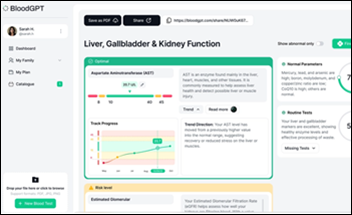
From Vampire Gal: “Re: BloodGPT. The name caught my attention as I perused my inbox, wading through all the spam emails that have resulted from my HLTH conference registration.” The headline on the website is, “Smarter blood test interpretation for everyone. ”it offers several sentence fragments indicating that it’s intended to address lab tests of varying complexity with a target audience of “individuals, doctors, and healthcare providers.”
Scrolling further, it offers patient-facing offerings for blood test interpretation, diet plans, and personalized recommendations. Clinicians can use the solution to deliver branded interpretation reports for patients. It also promises tracking for lab trends and “AI-powered chat for instant patient insights.” The company promises “medical-grade accuracy and zero hallucinations” even though it is powered by multiple LLMs. Having done a fair amount of AI work, I’m surprised at the claim of zero hallucinations, especially since none of the contributing LLMs (Claude, Gemini, OpenAI) report much higher hallucination rates when they’re talking about them.
I was considering digging deeper by downloading their sample report package until a clickbait type item caught my eye: “Always tired? These 3 Blood Markers Could Explain Everything.” Attention-grabbing statements like that always raise the hair on the back of my neck. When seeing patients, the number one reason most patients are tired is lack of sleep or lack of quality sleep, not lab values that you need to tinker with (after unnecessary spending to order the tests). This simple eye-catcher on the website makes me think that this vendor doesn’t appreciate the concept of evidence-based medicine.
The blog post that addresses this claim, which appears to be AI-written, cites other websites like the Cleveland Clinic and MedlinePlus, making it rather generic. After scrolling through a couple of pages of content, it closes out with, “Focus on evidence-based changes, balanced nutrition, regular sleep, stress management, and appropriate medical follow-up. With patience and proper guidance, your energy levels can improve and the fog of chronic tiredness may finally lift.” Unfortunately, that’s too little too late for my evidence-based medicine heart. My parting impression of this company is negative.
After some email correspondence, Vampire Gal shared some of the other companies that have been reaching out. One name that caught my attention was Eggmed, which is apparently an EHR/PM system designed for private practices. The website was a little vague in saying it was about “helping wellness professionals focus on their clients,” which makes me think it’s more for therapists and coaches and less for physicians. I also didn’t see anything about EHR certification, interoperability, or data sharing, which are becoming increasingly important for delivering comprehensive and coordinated care.
Kaiser Permanente workers began striking earlier this week, making the case for improved working conditions and greater pay. The healthcare giant has been negotiating with unions for several months and claims it has plans to continue operations without interruption. I reached out to a few colleagues in the field who confirmed reduced office hours, staffing challenges, and pharmacy closures. I guess the definition of “interruption” might be different for administrators than for patients or frontline physicians.

I spent more of the last few days than I wanted to performing Windows upgrades, moving multiple devices from the workhorse that is Windows 10 and onto Windows 11 now that the former has reached its end-of-support date. The latter is less awful than it was when it first came out, but it still lacks some of the niceties of its predecessor, such as the start menu.
The internet is full of articles that try to help users navigate the change. It also offers several third-party applications that allow bypassing the offending start menu. Those of us that feel Windows 11 is a bit of a backwards maneuver are just shaking our heads.
I have multiple laptops as well as a desktop PC. The laptops were easy, but the custom-built desktop posed a few challenges. I did get some laughs out of the process, though, because every time a Windows article told me to “consult your manufacturer’s documentation,” I fired off a text to the college kid who built it and asked where my documentation might be. I was offered an operating system with a tuxedo-wearing penguin in response, so I told him he was off the hook for documentation.
What’s the best operating system for a mid-career clinical informaticist living in a largely Windows world? Should I contemplate a switch? Leave a comment or email me.
![]()
Email Dr. Jayne.
White label telehealth platform vendor MD Integrations announces $77 million in new funding.
Imprivata acquires identity threat detection and response company Verosint.
AI, Health, and Health Care Today and Tomorrow: The JAMA Summit Report on Artificial Intelligence
A JAMA summit report says that healthcare AI needs coordinated frameworks for testing, monitoring, and incentivizing safe, effective use across clinical and operational settings.

Google backtracks on an internal health policy that required employees to allow a third-party AI tool from startup Nayya review their personal data when enrolling in health benefits. Nayya’s tool asks health and lifestyle questions to recommend benefit options. The company says, “Our intent was not reflected in the language on our HR site.”
OpenAI will enhance ChatGPT to allow Walmart customers to complete Instant Checkout purchases directly from the app. The partnership threatens traditional search engines by delivering predictive, contextual results from chats such as meal planning.

Duos, which offers an AI-driven platform that helps Medicare Advantage members manage social determinants of aging, raises $130 million in a strategic growth equity round. The system guides members through their plan benefits and services to ensure that they complete high-value actions that improve health plan revenue and member retention.
A JAMA summit report says that AI is rapidly spreading across healthcare but lacks consistent evaluation, oversight, and real-world outcome data. It calls for coordinated frameworks for testing, monitoring, and incentivizing safe, effective AI use across clinical and operational settings. The report also flags legal uncertainty, noting that failure to use AI could be seen as a breach of standard of care, yet malpractice liability may be difficult to assign among clinicians, health systems, and AI developers.
Researchers propose a framework of “confidence calibration and transparency” to improve clinician trust in AI by scoring its recommendations. Clinician override of AI recommendations dropped from 33% to less than 2% when the AI scored itself on its level of confidence, transparency, and semantic similarity to a clinician-verified diagnosis.

Researchers introduce an AI system that presents Grand Rounds-type medical case information and the logic its used to reach a diagnosis. The authors posted the AI’s output, which is generated in both written and narrated slide-based presentation form, alongside an expert clinician’s version. The AI-created video is startlingly insightful.

An AI engineer who probes AI tools for undocumented features finds references to a “clinician mode” within ChatGPT’s web app code.
Mr. H, Lorre, Jenn, Dr. Jayne.
Get HIStalk updates.
Send news or rumors.
Follow on X, Bluesky, and LinkedIn.
Sponsorship information.
Contact us.
David Bates, PhD is co-founder and CEO of Linus Health.

Tell me about yourself and the company.
I’m a scientist, engineer, and entrepreneur. I spent 16 years in venture capital. I’ve also started a few companies along the way. I’m passionate about brain health, its importance in the world, and how much suffering can be alleviated by preventative, proactive care, equipping people with agency over their brain health.
That speaks to the introduction of Linus Health. We have a brain health enablement and dementia prevention platform that spans the care continuum. It is clinically integrated, but it’s not just in the clinic. We want to care for people all the way through their life journey to optimize their brain health and prevent disability.
How does the diagnostic process differentiate between occasional forgetfulness versus true cognitive impairment?
The approach we take is unique, novel, and well validated. We mimic what specialists have done for decades by analyzing the process by which a person carries out a task. We leverage multiple sensors in a tablet, smartphone, or laptop to analyze the characteristics of their behavior.
Behavior is the primary observable output of the brain. We deconstruct that behavior to understand any kind of emergent brain dysfunction. There are many kinds of brain dysfunction, not just a catch-all memory. There is executive function, language, visuo spatial, and of course memory. For each of those, it’s important to understand the type of impairment and what is likely giving rise.
The treatment, the intervention, can then be specific to work on that particular aspect of brain function, and as much as possible, improve health, improve function in their daily life, and equip them with the tools and capabilities to compensate for whatever disability is emerging.
That’s really important. It’s not just a binary thing, impaired or not impaired. We need to understand what is actually going on with this individual and how we can help them optimize their daily life and promote health in their brain.
What is the trigger for performing the test? Is it a one-time diagnosis event, or does regular screening have value?
I’m a big believer in preventative health. We should not wait for disease. We should be proactive in our brain health. It’s important to have a baseline. Everyone should be their own metric of how they’re doing, especially when it comes to brain health, so you can catch things early.
I believe in doing a brain health screen wherever healthcare is delivered. Wherever you would check blood pressure, you should check brain health. It’s important because with these new tools, you can catch things years before they would show up as symptoms. When you catch it early like that, you can intervene early.
It’s akin to oncology. You don’t want to wait until you have a tumor bulging out of your neck or they’re all over your body. You want to find, as early as possible, any kind of emergent illness and then intervene during that window of intervention to preserve function and health. With the brain, it’s incredibly important, because neurons that are lost are not recoverable.
To your point of should we screen? Absolutely. We need to change the way that we think about brain health. We need to understand that there is something that can be done. There is incredible hope for people. Many of them don’t have to get dementia. Up to 45% or more of cases can be prevented through lifestyle modification. Treatments are coming to market and getting approved by the FDA, so the earlier the right people can get started on them, the better the prognosis.
I’ve talked to people with Alzheimer’s disease who are living, in their words, their best life. They have known they’ve had it for a number of years. They are on one of these disease-modifying therapies and are still living their life, traveling, doing things with their kids.
Alzheimer’s disease is not dementia. It can result in dementia, but it can also be slowed down. Not every person with Alzheimer’s disease will get dementia. It’s important that we have this education and understanding in the market so there’s not a fatalistic view.
People are proactive in assessing their brain health and proactive in doing the lifestyle modifications. Those who need it will seek treatment to preserve brain function. With dementia, every single person can benefit from brain health assessment, especially with good platforms, even if they have dementia. Equipping care partners with knowledge and resources, equipping the individual. It’s a dyad, the two together that the patient and the care partner know how to optimize health and quality of life. Not only the life of the afflicted person, the patient, but the life of the care partner. If they’re not equipped, informed, and supported, their health suffers tremendously in the majority of cases.
That’s on the dementia side. Back to Alzheimer’s, detecting it early, even so-called pre-symptomatic. Platforms like Linus Health can find them before symptoms are apparent. Intervening and preserving function is incredibly important. People can live a much higher quality life than if there’s not intervention.
Intervention is not just “take this medication.” It’s holistic, and they need to be engaged in many ways, including for some the disease-modifying therapies. For everyone, it’s a discussion among themselves, their doctor and the family, and figuring out what is the best treatment course for this individual. It stands and it is irrefutable that the sooner you engage, the better the outcomes, and the better the quality of life for the individual and for the family.
Can that diagnosis and management be scaled by using non-specialist clinicians instead of less-available specialists?
With the right tooling, primary care can handle the majority of cases. They’re rightly positioned to. It is similar to how they now manage diabetes when it used to be an endocrinologist. Managing hypertension used to be a cardiologist. Those specialties are still needed and are used on the more difficult cases as their training warrants.
It’s using the right resources for the right people. The majority can be managed in primary care. Platforms like ours provide those primary care physicians with the capabilities to diagnose and the decision support to triage, to guide them to care for those individuals right there in the primary care setting. Especially addressing their modifiable risks, addressing reversible causes. That can all be done in primary care.
For cases that need specialist care, they should be referred right away. This helps streamline referrals, reduce wait times, and get people to the right resource as expeditiously as possible. That optimizes healthcare.
What is the role of biomarkers, which are in essence a blood test for dementia? How does that fit with cognitive testing and could they be applied to a population?
The approval of Fujirebio’s blood test, Lumipulse, back in May was a huge step forward in Alzheimer’s care. You need to first establish a cognitive impairment. Some of the key opinion leaders in the field have shown that with these blood biomarkers, they need the establishment of some kind of functional impairment to make their predictive accuracy appropriate and meaningful.
It’s a great addition to what I would call the emerging service line for brain healthcare, especially cognitive care. The blood biomarker helps, once you’ve established that there’s a concern with memory or thinking, what is the likely etiology? What is causing that impairment? If the p-tau blood biomarker is positive, it is very likely that the individual has Alzheimer’s disease. They should be triaged, if appropriate, to disease-modifying therapy or one of the many drugs and intervention methods that are coming out that can deal with that etiology.
It’s equally important to know that it’s not Alzheimer’s disease, because you want to work on other contributed factors to find out what is giving rise. That could be a co-morbid condition like unmanaged hypertension, unmanaged diabetes, undiagnosed sleep apnea, and the many other things it could be. Get those things treated and then retest. For those who are appropriate, getting them to a neurospecialist since it could be Parkinson’s, Lewy bodies, or a variety of things.
That blood biomarker is incredibly important to know how to triage people following a cognitive assessment.
How do payers approach cognitive conditions?
Unfortunately, we’re seeing a number of payers that are not, in my opinion, assigning appropriate value to brain health. I don’t know if it’s broadly appreciated yet how important the brain is and how important it is to the quality of life and health of the individual. The brain is that organ that you can’t transplant. It’s important to who we are. I don’t know if the health system and the willingness of payers fully reflects the value of brain health and function.
Members should demand more brain health focused resources to preserve their quality of life. Dementia is the number one health fear of middle-aged and older people, yet it’s not standard to assess cognition to try to prevent dementia. CMS does reimburse. There are CPT codes for the digital cognitive assessment. There are CPT codes for brain health visits. There’s a reimbursable pathway.
With value-based care, CMS has done a great job, especially Medicare Advantage. They have risk adjustment factors. They have certain HEDIS exclusions. They have the incentives aligned with identifying and caring for cognitive issues and dementia care.
That’s at the CMS level. Different insurers take different stances on cognitive assessment. Maybe they don’t want to pay for the expensive disease-modifying therapies, so they don’t want to screen.They don’t see that the patient will be a member that long. Some of them don’t take an active role to support brain health care, and that’s really a shame. We need to do better than that.
You could say, “That’s because you have a company that is associated with finding emergent illness with the brain.” No, it’s because I’m a human being. I care a lot about brain health and I hate to see people suffering from it. If your primary goal is to insure people for health, you need to make sure that the things that are most important to their health are being looked after. If you do the right thing, everyone will win. It will pay off in the long run. The total cost of care will go down. People’s quality of life will go up, and there will be a lot less suffering.
Have studies looked at the age of onset and the insurer at the time of initial diagnosis? I’m wondering how much of that happens before people reach Medicare age.
The studies are emerging. It’s early days. There is the empirical evidence, which we need more of and I’m sure is underway. We are tracking people and we want to make sure that we have those cases.
There is precedent in all other chronic conditions that early intervention, early management, leads to reduce total cost of care. The best thing that we could do, and we need our system aligned, is to incentivize prevention. But our system is aligned to treat sickness, and so all of the incentives are around treating sickness. This is a policy matter, but how do we incentivize prevention? How do we enable people to take action over their brain health and reduce significantly the disease burden?
Neurological disorders are the number one disease burden in the world. Neurology in psychiatry is still an emerging area, especially with new tools and capabilities. But there’s a real opportunity here. Most health stems from the brain, and every other function is to support the brain. It’s good to start on first principles. How do we optimize brain health, and from that comes total health.
To your point on the insurers, I do appreciate that they have a business to run, and you can’t paint with broad brushes. Some of insurers are proactive in promoting brain health, even some of the largest ones. Some have taken a stance, while others have decided to put their head in the sand. That has never been a good strategy. You’re saving some dollars on the front end, but you’re causing irreparable harm to so many families.
How has last year’s acquisition of Together Senior Health changed your capabilities?
It has given us another step forward to enabling people to have a higher quality of life, even those who are living with disease, and their care partner. We’ve taken the RADAR tool (Risk of Alzheimer’s and Dementia Algorithm) to a validated capability that is now in production. We can risk stratify entire populations for the risk of undiagnosed disease. That enables insurers and health systems to know who is likely to be suffering from illness, the presence of emerging illness, and the risk of it. That’s where we should focus our care resources to minimize disease impact as much as possible.
You take it all the way through our platform and through the clinic. Then, back at home, how do we care for those individuals and optimize their brain health trajectory? The acquisition of Together Senior Health was a big step on those bookends, risk stratification on the front end and the engagement and care on the back end. That has helped complete our platform to span the continuum of care, all the way from identification, diagnosis, treatment planning, post-clinic engagement, and health coaching and monitoring.
How do you expect the company’s business to change over the next few years?
We are seeing the engagement of health systems across the country. They are leaning in increasingly. So I expect to see in the next two years that the standard of care will be set, and the service line will emerge for cognitive care. It will be such a good thing for the world, for the population. I see it spreading into Europe, the UK, throughout North America, Asia, and beyond. Get to Africa, get everywhere, and promote brain health.

We need to work on the stigma that is associated with dementia. We should not have a stigma. People should realize that it is a new day. There is incredible hope. The drugs that exist today on the market, and especially the ones that are coming, are tremendous. They are showing such benefit, and it’s still early. Everyone needs to know that there’s tremendous hope for the future.
We need to treasure the senior population. They are pillars of the community. They have so much life experience. We need to honor them by caring for their brain health and getting them the attention and resources that are needed to prevent dementia. That is super important.
Why does the displayed "exam room of the future" still have the classic "clinician has their back to the patient"…