


CIO Unplugged 1/13/11
The views and opinions expressed in this blog are mine personally and are not necessarily representative of current or former employers.
Crisis Reveals Leadership
I finished my first week as CIO exhilarated. I slipped out early and headed for a haircut (I had hair back then). The grating buzz of the “emergency broadcast system” disrupted WTAM’s sports update. A power outage that began in the Northeast had hit Ohio. This was not a test.
Out the window, I watched traffic come to a halt. Electricity stopped, rendering signals colorless. I called my family and staff, but cell networks were overwhelmed. I returned to the office.
They say nothing in life is certain except death and taxes. I differ. Crisis is a sure thing. By definition, life is a series of crises, and a showcase of our ability to react. Death, sickness, raising teenage daughters….
Life and career choices determine the number and severity of crises you might experience. But one thing remains true: you will have them. Great leadership will minimize the volume of crisis, but every leader will encounter one. Preparation and execution determines how healthily you emerge.
No course, audit, or survey can tell you as much about your leadership than a crisis. If you want a test that shows what you are made of, crisis will reveal your abilities. Those who aspire for greater responsibility must understand that to whom much is given, much is required. The higher your position — be it family, church, community, or work — the higher the probability that you will be leading in crisis. Be prepared.
I have mishandled some crises and led well through others. In each case, I came to terms with my abilities. Failures and successes totaled, here are things I learned. Master these so they become part of your core leadership abilities.
Take Responsibility Immediately
Do not blame a vendor or an employee. You are the CIO. Crisis happened on your watch. Take responsibility and focus on resolution.
Leadership
- Chain of Command. Ensure everyone knows chain of command, especially when multiple teams are involved working on solutions. Given sleep cycles, you do not want lack of clarity to slow progress.
- Battlefield Promotions. Expend your energy working with the motivated, not trying to motivate the worker. Make on-the-spot promotions as needed. Now is not the time for staff development.
- Fit Leader. Sometimes a crisis can span multiple days. You have to be fit to be effective. Don’t argue with me, argue with science. Most can perform well for 24 hours, but notable performance degradation begins thereafter.
- Visibility. You must be on site. Make a point to lead all customer calls (except on sleep rotation) and walk the floors of impacted hospitals. Walking floors is mandatory for all the command center commanders (my directs).
- Deploy Listening Posts. During a crisis, it may appear that the sky is falling. You’ll hear exaggerated reports. Your plans will be incongruent with reality and spread panic and fear. Having your own listening posts will help discern reality and lead to quicker resolution. Another reason why personally walking the floors is critical.
- Ask the Right Questions. We live in an instant society with on-demand entertainment and microwave food. We often don’t have all the pieces necessary to solve a problem that might arise. The delta between the immediate need for an answer and the time it takes to find the right solution frequently generates stress. In this scenario, stress begins to ebb when you finally start asking the right questions and start getting the right answers. And, like any good jigsaw puzzle, the pieces naturally begin to fit together… as they were intended to.
Processes
- Operations. I am most familiar with ITIL. The operational process you choose to leverage is immaterial, but having established and routine processes is a key success factor during a crisis. You do not have time to reinvent the wheel.
- Downtime Procedures. Again, establish and practice.
- Disaster Recovery/Business Continuity. Most organizations have a DR plan, but few have BC drills. Conduct BC drills quarterly. This enables you and your staff to better handle the stress and drama of an actual crisis before it happens.
- System Access. Avoid single points of failure. In an emerging world of ubiquitous electronic health records, you must have devices and systems pre-deployed to ensure access to data in a catastrophe.
- Business Resumption Plan. While key to focus on solutions, you must also direct your staff and customers on business resumption planning well before the solution is in place.
Practical Logistics
- Food. Assign someone to ensure a steady food and coffee supply. Let your key people focus on tasks, not noisy bellies.
- Sleep. Have a rotation for rest, like airline pilots on international flights. Have comfortable places for people to sleep and nap if staying on premise.
- Command Center. Stand up a center within one hour of calling a disaster and staff it 24/7. Should stay open 2x length of actual event. Do not shut down prematurely.
- Assist Customers Impacted. Constantly ask, “How can we serve you? What else can we do?” whether IT related or not. I deployed staff to delivering water supplies and purchasing fans. Double or triple the number of staff on site. Visibility in crisis is crucial. Keep high staffing levels until the customer signals enough. I saw firsthand how our clinicians reacted to seeing a significant presence on the floors with questions like "How is the system working? How can I help?" This reassured our clinicians that we were taking the crisis seriously.
- Communications Plan. Strong communication fills the void that otherwise gets populated with incorrect messages. Helps develop customer allies in solving crises, as opposed to antagonists. Publish your cell phone number. Start all communications by highlighting your organization’s mission. This serves as a common rally point for all involved. Be consistent in your messaging. Key messages might include accountability, transparency, action, calm, and hope. Execute your plan as published. Leverage multiple venues such as conference calls, e-mails, collaboration tools, portals, etc. Embrace corporate communications. They are experts in communications and can help you develop, adjust, and execute your communications plan.
Profit from Crisis
Document throughout, and take history of all actions and issues. This is critical in averting future crises. Resist the pressure to return an organization to status quo so you can profit from the crisis. Not seeking opportunities or pursuing the underlying cause of the crisis might leave your organization open for future conflict.
- Wiki. Open a wiki and encourage staff and customers to post notes real time. Use these for practical insights during the crisis to document key lessons learned.
- Document Lessons Learned. Encourage all customers to take notes during the crisis so they can make adjustments to the processes.
- Downtime Procedures. These may never have been exercised. The best time to make real world adjustments is while downtime procedures are active.
Engage Outside of IT
- External Expertise. It is a sign of strength to reach outside of your organization for help. If I sense the crisis is longer than two hours, I am on the phone calling peers and vendors.
- Guru Council. Set up a council of advisors to make sure your plans are logical and nothing is missing. Council members are not in the heat of the battle and can provide unstressed ideas.
- Vendor Management. Do not hesitate to escalate early and often. You have no time to dally. Let the level of severity determine when to go to the CEO.
- Engage Senior Leadership. Do not hide what is happening. Engage senior leadership immediately and keep them informed. Bring senior leadership directly into the loop with vendor senior management. This ensures your crisis will receive appropriate attention.
Internal
- Take care of your staff. Keep everyone focused on solutions not blame. Share all positive feedback as received.
- Have multiple teams working on multiple solutions. On two occasions, the primary plan failed to bring about resolution. Fortunately, secondary plans already underway saved the day.
- Ask for ideas from staff not associated with the crisis.
- Levity. Despite the crisis, you must work hard to ensure a calm atmosphere. Staff will think more clearly when you de-stress the environment. I recall Day Two of a crisis when someone began playing Christmas music and a sing-along started. It alleviated an otherwise tense situation.
Ending Well
When the crisis is over, the work begins.
- Send a Thank You. Personally acknowledge all those impacted, first your customers and then your staff. These might include nurses, medical staff, and practices.
- Root Cause Analysis (RCA). Figure out what happened and what can be done to avoid this same crisis. Do not skip this. Publish the RCA and include action and mitigation steps. Monitor for execution.
- Assimilate all lessons learned, downtime procedure modifications, etc, into enhanced processes.
We are all healthcare IT leaders, and my hope is that some might profit from the ideas posted. What ideas and tips do you have that I failed to cover? We will send a “crisis agenda” template to all those who post a new idea.

Ed Marx is a CIO currently working for a large integrated health system. Ed encourages your interaction through this blog. Add a comment by clicking the link at the bottom of this post. You can also connect with him directly through his profile pages on social networking sites LinkedIn and Facebook and you can follow him via Twitter — user name marxists.



















































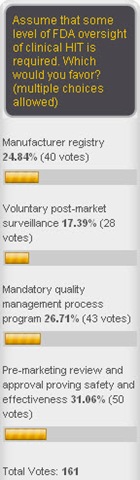









One solution would be federal (or state) requirements; but more ideally health systems would view their digital patient tools as…