Monday Morning Update 7/3/17

July 2, 2017 News 3 Comments

Top News

image

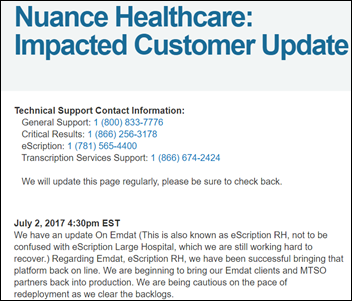
Nuance’s post-malware update says the company is bringing Emdat (aka eScription RH) clients and MTSO partners back online, but eScription Large Hospital remains down. 

Nuance advises transcription customers that use BeyondText or iChart Hosted Solutions to have their physicians re-dictate their documents going back to 48 hours before the incident that occurred this past Tuesday, June 27. 


Reader Comments
image

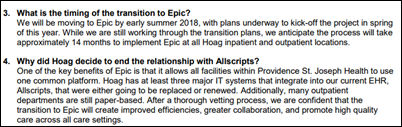
From Judy Fake-ner: “Re: Hoag Health (CA). Will be leaving Allscripts Sunrise to join Providence-St. Joseph Health’s Epic system. Heritage Medical group is also transitioning from Epic to Allscripts.” JF sent over an internal Hoag memo from February 2017 that explained why it’s moving away from Allscripts.

From Amphibious Assault: “Re: [company name omitted]. I asked the CEO what publications his team reads. He said that everybody just reads HIStalk.” Thanks. We have that in common, then.

From Gitche Gumee: “Re: EHR access rules. Why can’t EHRs include an alert notifying the privacy offer if staff look at information without need, such as someone accessing records from a patient last treated six months ago with no treatments scheduled? There’s a legal case pending where we found 252 breaches in confidentiality on 12 patients over a 12-month period, where we can’t determine why someone would need to access their clinical information.” 

From EMRDoc: “Re: Nuance outage. It is interesting and somewhat ironic how providers who were not previously interested in templates, smarttext, autotext, etc. are suddenly hungry for education about those tools for creation of documentation. This outage may be the best thing yet for user adoption! We also appreciate Nuance’s action to make voice recognition licenses and microphones available to assist with the outage. Ironically, this outage may inadvertently result in a decrease of our overall transcription volume in favor of front end voice recognition.”

From EHR Datahacking MIPS Solutions: “Re: MIPS data submission. Is it ethical to skim EHR database schema? This is being offered as a service and professional societies are lapping it up since it is cost effective (offshored). The database design allows intelligent guessing of which data fields house the patient-specific data needed for MIPS/PQRS quality submission, which appears unethical. Only Epic is smart enough to have controls in place to ward off unauthorized use of its databases. The accuracy of the data extracted and submitted to CMS is a different can of worms.”


HIStalk Announcements and Requests
image

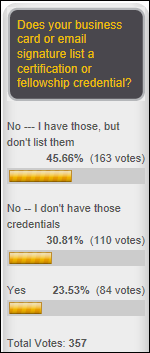
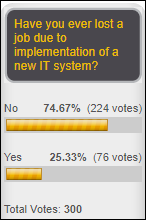
One-fourth of poll respondents say they’ve lost an IT job due to a new system’s implementation. Just a Nurse Analyst says she walked away from her job (and her five Epic certifications) after seeing the “creepy” situation in which Epic was directing hospital staffing decisions and pushing the CIO with threats to go to the CEO. Furydelabongo experienced poorly executed layoffs at a previous health system employer that was desperate to find operating dollars to support “an Epic project run amok with consultants” once requesting more capital dollars became distasteful. Greek CIO says he/she was displaced when Eclipsys convinced hospital management to outsource all of IT to the company at a 300 percent increase in staffing cost.

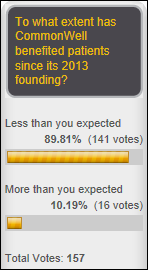
New poll to your right or here: For Nuance users: how much business will you give the company following its cloud services outage?

My “summer doldrums” special deal on newly booked webinars and sponsorships is winding down after a few companies jumped on board. Contact Lorre.

Thanks to the following companies that recently supported HIStalk. Click a logo for more information.


image
image
image
image
image
image
image
SNAGHTML22774468
image
image
image
image
image
image
image
SNAGHTML226df25c
image
image
image
image
image
image
image
image
image

Listening: new from Iowa’s Stone Sour, moving away from their last couple of progressive-type albums to pure alternative metal that invites vigorous, four-limbed desk-drumming (as I can attest). Also: Diablo Blvd, catchy hard rock from Belgium with a singer who – no joke – is a stand-up comedian. 


This Week in Health IT History
image

One year ago:

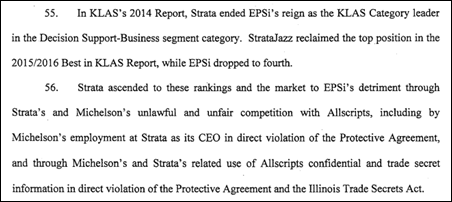
  • Allscripts sues former chief marketing and strategy officer Dan Michelson and his new employer, Strata Decision Technology, claiming that Michelson and the company used confidential information to displace Allscripts as the top-ranked product in KLAS’s “Decision Support – Business” category.
  • McKesson announces that it will spin off its Technology Solutions business into a new company that it will co-own with Change Healthcare.
  • Definitive Healthcare acquires Billian’s HealthData.
  • A study finds that PCs and servers that control hospital medical equipment are often running old versions of operating systems that make them vulnerable to malware attacks.

image

Five years ago:

  • MModal announces that it will be acquired by a private equity firm for $1.1 billion in cash.
  • The Supreme Court upholds the legality of the Affordable Care Act, including its requirement that every American carry medical insurance or pay a fine.
  • In England, Cerner complains to Cambridge University Hospitals Foundation Trust that its EHR bidding process was a sham and that it had already settled on Epic before launching it.
  • The government of Australia admits that the signup function of its just-launched personally controlled record system had to be taken offline when it was found to not support hyphenated patient names, with Accenture getting the blame.
image

Ten years ago:

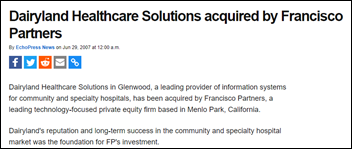
  • Francisco Partners acquires Dairyland Healthcare Solutions.
  • Mediware President and CEO James Burgess announces his resignation.
  • PSS World acquires a 5 percent stake in Athenahealth for $22.5 million.
  • Apple provides developer information for the just-released iPhone.

Weekly Anonymous Reader Question
image

Responses to last week’s question:

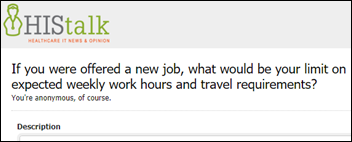
  • 50 hours, six days per month on the road.
  • I’m a woman who just hit child-rearing years, so now I’m down from 75 percent max to just above 0 percent. I like having a husband!
  • 45 hours, not counting time I spend reading industry, technology, or professional development articles and books. Travel approximately 5 percent or about 2.5 weeks a year
  • Work hours should be held around 50. As for travel maximum, it should be 1 1/2 weeks per month.
  • 45 hours and 10 percent travel.
  • 40-45 hours per week and 20 percent travel.
  • Work hours including time in the air? Does this include the number of days that require me to leave my family on a Sunday afternoon? Work hours range from 50-75 depending on where I am traveling. I typically travel 50-60 percent of the days during a month.
  • Three days, three nights. What’s that saying? “Fish and company start to stink after three days.”
  • 9-5, work from home option. 10 percent travel requirements.
  • After years of 80 hours per week and 75 percent travel, I’ve found balance and what’s important in my life. At this point, I wouldn’t do more than 50 hours per week and 25 percent travel.
  • 45 hours of work, per week. 10-15 percent travel (1x/month ish).
  • 40-45, one week up to a couple times a year.
  • In my line of work (consulting), job opening are pretty thin right now so my expectations have changed a bit. I would hope to limit travel to three days a week, and a corporate mindset that if travel isn’t necessary to move the project forward, we don’t travel. I’d hope to find a culture where weekend hours are not the norm.
  • About 45 hours per week. Special projects may require more occasionally, but if you need me more than that, then you have an issue with resource allocation. For a position which requires travel, every hour, from the arrival at the originating airport to the destination, should be counted as a work hour, especially since I am expected to be on calls or work while in transit. So, roughly the same hours, with some exceptions. And if traveling on a weekend or holiday—comp time.
  • Don’t recall going at it with that focus in mind. However, now that I’m away from the the travel jobs and requirements, I can share that, yes, it’s typically the case that you arrive at client’s site around 7:30-8:00 a.m., usually work through “breaks” and lunch so you can “answer client questions,” you leave around 5:30-6:00 p.m. (maybe later if you need to meet with the doctors after their workday is done). After grabbing some dinner back at the hotel, you go back to your room and start making edits to a template, writing up a report, answering emails, etc. and finally call it a day around midnight. And that is just the M-F schedule, not the catch-up on the weekend. If I added up all the hours, I’m guessing I earned $2.75/hour! I don’t honestly know how I would have limited the weekly work hours and travels requirements and still kept my job. Can’t say I miss it! Not that part anyway!
  • 50 percent.
  • 50 percent, less than 10 nights out per month.
  • 60 hours per week, no more than 75 percent travel.
  • Realistic expectation based on 25+ years in travel roles: M-F belongs to your work life. You’ll work as many hours as needed for whatever phase of the project, and travel however many hours are required to get to/from the client site(s) for the week of work. If you are lucky there will be slow-ish weeks where you can get out in the evening and sample the local culture. Be sure to protect your weekends/holidays else the lines will start to blur and you’ll find that your work IS your life.
  • 70 hours. What a blessing that would be after working conference meetings while carrying on numerous marketing functions, launching new campaigns, presenting annual budgets with their justification, training sales, producing new materials, securing new clients, and creating new products. During my 25+ years in the healthcare business, I’ve slept possibly three hours a night, missed my child growing up, and have lost more relationships than I can count – never mind the issues this took upon my health. I’m happy to travel at any level and take certain conference calls while on the road. However, when I am on the road and taking two conference calls in each ear while being asked to speak with a prospect or answer sales questions is unreasonable. I travel typically during the evening on my own time. However with time changes, conventions, conferences, prospect and customer meetings, as well as bosses’ schedules, the calls tend to eat up valuable face time with clients and prospects. Working from 5:00 a.m. to 2:00 a.m. simply to meet expectations is unreasonable, then add the travel to that schedule is not an acceptable demand. I don’t mind working a 70 hour week, but 126 hours a week is a two-person job. 70 hours per week, excluding evening travel, seems much more reasonable than 126.
  • A limit of 200 work hours per month and 15 days of travel, with the hours spent in transit counting against the work hours limit. If either limit is exceeded, travel in business or first class would be required. Expense limits on hotels, meals, and incidental expenses need to be realistic for the locations visited.
  • 50 hours, 50 percent.
  • Particularly in light of the efficiencies of teleconferencing , my limits would be no more than 50 hours weekly and 10 days of travel per month. Average should be 40 hours with seven or less days of travel.
  • 50 hours per week and travel only seven days out of the month.
image

This week’s question: for those who are allowed to work from home for at least one day per week, what restrictions or requirements does your employer impose? It would probably be informative to describe (in high-level terms) what your job involves since it’s likely to be a lot different for a software developer than an implementation consultant.


Last Week’s Most Interesting News

  • An apparent ransomware attack takes some of Nuance’s cloud-based services offline.
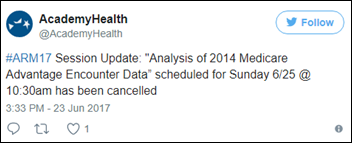
  • CMS cancels its scheduled release of Medicare Advantage data to researchers at the last minute, citing data quality concerns.
  • The chairs of the Senate Veterans Affairs and Armed Services committees urge the VA to seek the DoD’s advice in its Cerner contract negotiation and implementation.
  • Google offers consumers the ability to request that their exposed medical information be filtered from its search results.
  • Anthem agrees to pay $115 million to settle a class action lawsuit involving its 2016 hacker breach of 78 million records.

Webinars

July 11 (Tuesday) 1:00 ET.  “Your Data Migration Questions Answered: Ask the Expert Q&A Panel.” Sponsored by Galen Healthcare Solutions. Presenters: Julia Snapp, manager of professional services, Galen Healthcare Solutions; Tyler Suacci, principal technical consultant, Galen Healthcare Solutions. This webcast will give attendees who are considering or in the process of replacing and/or transitioning EHRs the ability to ask questions of our experts. Our moderators have extensive experience in data migration efforts, having supported over 250+ projects, and migration of 40MM+ patient records and 7K+ providers. They will be available to answer questions surrounding changes in workflows, items to consider when migrating data, knowing what to migrate vs. archive, etc.

Previous webinars are on our YouTube channel. Contact Lorre for information on webinar services.


Sales

Wisconsin’s Department of Health chooses Cerner for its seven care and treatment centers in a 10-year, $33 million contract. In-state competitor Epic did not submit a proposal for the project, which drew five bidders.


Decisions

image

  • Cedar County Memorial Hospital (MO) will replace NextGen Healthcare with Meditech in 2018.
  • Rankin County Hospital District (TX) will go live on Cerner by November 2017.
  • Christus Mother Frances Hospital – Sulphur Springs (TX) will replace Meditech with Epic in October 2017.
  • Teton Valley Hospital (ID) will move from Healthland to Athenahealth in September 2017.
  • Liberty – Dayton Community Hospital (TX) will go live on Cerner in March 2018.

These provider-reported updates are supplied by Definitive Healthcare, which offers a free trial of its powerful intelligence on hospitals, physicians, and healthcare providers.


People

SNAGHTML22cfc4b8

Sandy Rosenbaum, SVP of contracts at Iatric Systems, died June 21, 2017. The Alzheimer’s Association fundraiser launched in her honor by her husband — Iatric founder and CEO Joel Berman — has raised $223,000 vs. his goal of $10,000.

image

The family of former Sutter health CIO John Hummel launches a fundraiser looking for help covering his rehabilitation costs following a fall-related head injury that has depleted his insurance benefits and personal funds. His LinkedIn profile says he’s now director of IS at Taos Health System (NM).


Announcements and Implementations

image

Learn on Demand Systems adds an API-accessible instant notification engine to its training management and lab-on-demand learning systems, allowing instructors to send tips to particular students or to send commands that the student can play back in their lab console.
image

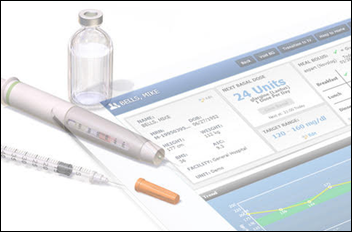
The patent office issues five new patent allowances to Glytec for its diabetes therapy management software, raising the company’s allowed/issued patent total for EGlycemic Management System to 11, with another 50 pending.
image

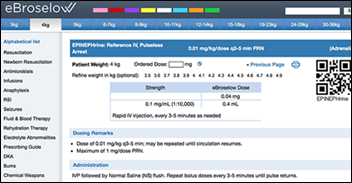
T-System integrates EBroselow’s SafeDose and SafeDose Scan medication calculations functionality into its T-System EV EDIS.

image

Sphere3 releases Aperum Enterprise, which allows health systems to analyze nurse call light data and patient feedback to set patient experience benchmarks.


Government and Politics
image

image

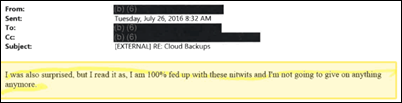
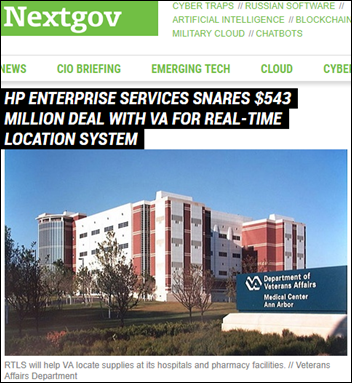
Austin, TX-based VA officials warn that the department’s $543 million real-time location (RTLS) system is in danger of “catastrophic failure” as the overdue system has failed operational tests and may not work on the the VA’s WiFi network. The VA pitched the system as the solution for managing inventory and ensuring equipment sterilization, but a DC hospital site visit found that the lack of a functional system has caused supply crises that have required cancelling surgeries and using expired surgical equipment. A VA employee’s email referred to the former HP Enterprise Services (now DXC Technology) as “nitwits” and refused to give the company access to its backup systems, while the company blamed VA incompetence. The company’s RTLS subcontractor is Intelligent InSites. Employees at the same DC medical center are refusing to use Catamaran, a $275 million predictive analytics supply chain system whose contract has since been terminated.


Privacy and Security
image

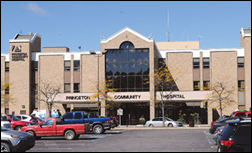
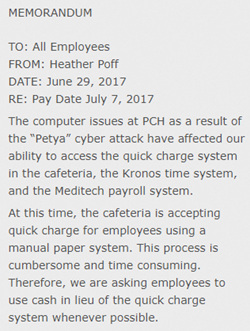
Princeton Community Hospital (WV) remains down as its IT department continues to “build an entirely new computer network and install new hard drives on all devices throughout the system” following last Tuesday’s ransomware attack. The hospital lost access to all systems, email, and the Internet but has since installed 53 new computers to provide access to Meditech.

A Connecticut hospital warns local residents that scammers are spoofing its caller ID to demand that they send payment for medical services.


Other
image

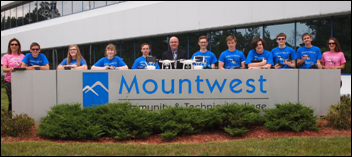
A West Virginia community college hosts a week-long Drone Camp for high school students, with funding for the 12 drones provided by Cabell Huntington Hospital (WV) via VP/CIO Dennis Lee, pictured above with the participants. 

The Boston Globe says consumers are losing patience with waiting room delays caused by intentional provider overbooking to maximize profit. The article observes that many hospitals don’t even monitor delays, possibly because despite alleged consumerism, their waiting rooms remain full. Possible solutions include hiring a patient flow coordinator to monitor delays, giving patients pagers so they aren’t tied to their chair waiting for their name to be called, posting notices on the board when doctors are running late, and tracking patient flow by RTLS.

image

An Oregon trauma surgeon designs and creates a $50 3D-printed hand and forearm for a six-year-old.


Sponsor Updates

  • ZirMed receives HFMA Peer Review Designation for its charge integrity and claims management solutions and also announces that its charge integrity solution has identified $7.5 million in recoverable net revenue for Novant Health.

Blog Posts


Contacts

Mr. H, Lorre, Jenn, Dr. Jayne, Lt. Dan.
More news: HIStalk Practice, HIStalk Connect.
Get HIStalk updates. Send news or rumors.
Contact us.


125x125_2nd_Circle

News 6/30/17

June 29, 2017 News 5 Comments

Top News

SNAGHTML8093226

Nuance’s most recent update from Wednesday afternoon says it is still recovering servers following Tuesday’s malware attack. The company has not provided an estimated time to resolution.

Affected cloud services include transcription, radiology critical test results, Assure, Dragon Medical Advisor, Cerner DQR, Computer-Assisted Coding, Computer-Assisted CDI, CLU software development kit, and all Quality Solutions products.

Nuance recommends that cloud transcription users move to Dragon Medical or use an alternative dictation service, which suggests lack of confidence that the systems will be restored soon. A few customers say they’ve been told not to expect restoration of services until next week or even longer, but I can’t verify that.

Patient care is surely being affected as hospitals and practices try to implement minimally-tested downtime procedures or switch to backup transcription providers with the inevitable delays in patient information flow.

image

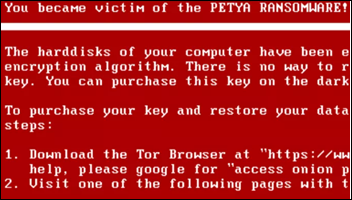
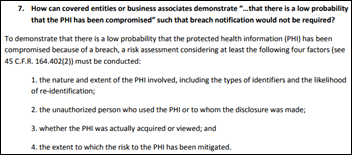
It will be interesting to see, once the smoke clears, how Nuance handles the HIPAA implications of the malware attack given its massive healthcare presence. HHS has advised that a ransomware attack is by definition a breach since an unauthorized party has acquired PHI, but adds that if the business associate (in this case since Nuance isn’t a covered entity) can argue that it is unlikely that the information was compromised, then breach notification is not required. The Petya malware – which arguably isn’t ransomware — does not send data anywhere but instead permanently encrypts it (in essence, destroying it), so assuming Nuance can restore the PHI from backups, it may be able to successfully argue that the information was never exposed or threatened.

NUAN share price has declined just 5 percent since its systems went down Tuesday.

image

Nuance seems to be understandably struggling with its public communication, same as any of us who would rather be fixing the problem than explaining it individually to every user affected by it. Some customers say the company is doing a great job of keeping them in the loop, which probably means that it’s doing the best it can given potentially outdated or incorrect contact information. The company:

  • Launched a communications page that was quickly taken down.
  • Announced in a press release that updates would be provided on a different page and via a Twitter account, neither of which contain any updates.
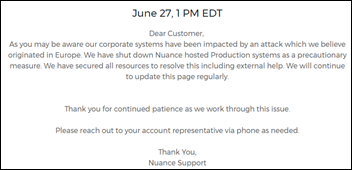
  • Hastily put up still another page (I’m inferring “hastily” given spelling and punctuation errors) and went silent on Twitter except for a single link to the newly created page.
  • Is taking heat from its transcriptionists who are questioning in the absence of definitive updates from Nuance whether they’ll be paid for being unable to work during the several days’ of downtime. However, a Nuance email to employees says they will be paid their normal rate for their scheduled hours and will be offered incentive pay to help clear the post-resolution reports backlog.

Reader Comments

image

From Gordon Gecko: “Re: my KLAS-corrected comments about Cerner. My math is right. I included ‘new’ customers, which are of more interest to the Street, and excluded add-on sales to existing customers. I also said ‘if you take away DoD and the 30 micro-hospitals,’ 85 total. I included all Cerner losses. Maybe the most relevant takeaway is that there have been more Millennium defections in the last two years than Soarian defections. Looks like for every Weirton and Pinnacle that sues Cerner to escape Soarian, there are dozens who don’t dare.”

image

From Yuge Surprise: “Re: DoD. The swam is not draining, but swirling.” Frank Kendall — the Pentagon’s recently retired undersecretary of acquisition, technology, and logistics — joins the board of Leidos. Kendall presided over the DoD’s selection of Leidos for its $4.3 billion EHR project.


HIStalk Announcements and Requests

image

HIStalk had 12,114 page views Wednesday, which I assume can be attributed to ransomware interest and the fact that – because of reader tips — I reported Nuance’s incident many hours before anyone else. It was the fourth-busiest day since I started the site in 2003.

This week on HIStalk Practice: HHS announces $195 million in HIT-related community health center funding. BCBS of Nebraska takes over Think Whole Person Healthcare. Rhode Island providers protest PDMP legislation.Independent Health forms Evolve Practice Partners. Physicians show a decided lack of interest in MACRA prep. PatientPoint raises $140 million.


Webinars

July 11 (Tuesday) 1:00 ET.  “Your Data Migration Questions Answered: Ask the Expert Q&A Panel.” Sponsored by Galen Healthcare Solutions. Presenters: Julia Snapp, manager of professional services, Galen Healthcare Solutions; Tyler Suacci, principal technical consultant, Galen Healthcare Solutions. This webcast will give attendees who are considering or in the process of replacing and/or transitioning EHRs the ability to ask questions of our experts. Our moderators have extensive experience in data migration efforts, having supported over 250+ projects, and migration of 40MM+ patient records and 7K+ providers. They will be available to answer questions surrounding changes in workflows, items to consider when migrating data, knowing what to migrate vs. archive, etc.

Previous webinars are on our YouTube channel. Contact Lorre for information on webinar services.


Acquisitions, Funding, Business, and Stock

image

Cincinnati-based physician office marketing technology vendor PatientPoint raises $140 million in financing from private investment firms.

image

Anti-trust concerns cause Walgreens and Rite Aid to cancel their planned $9.4 billion merger and instead strike a deal in which Walgreens will buy half of Rite Aid’s drugstores for $5.18 billion in cash. In other news, Walgreens apparently puts its much-regretted experience with Theranos behind it in that LabCorp will offer specimen collection services in some of its stores.

image

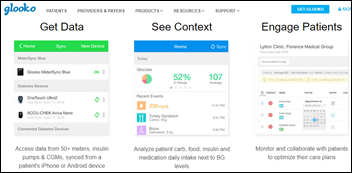
Diabetes management app and data analytics vendor Glooko raises $35 million in a Series C round, increasing its total to $71 million.


Sales

SNAGHTML113220d3

Henry County Health Center (IA) chooses FormFast’s FastPrint and FormFast Capture.


People

image

MedeAnalytics hires Paul Kaiser (TriZetto Provider Solutions) as CEO.

image

Anna Clark (Truven Health Analytics/IBM Watson Health) joins Medecision as SVP/chief revenue officer.

image

Greg Chittim (Arcadia Healthcare Solutions) joins Health Advances as VP/healthcare IT practice leader. 


Announcements and Implementations

SNAGHTML119acaf3

Ability Network adds physician scheduling to its ShiftHound workforce management product.

Novant Health (NC) and Carolinas HealthCare System (NC) begin exchanging patient information via an HIE.


Government and Politics

SNAGHTML112aee6a

An HHS/ONC bulletin warns of the most recent ransomware threat and provides recommended actions for affected sites.

image

CMS halts its planned release of Medicare Advantage of claims data at the last minute, cancelling a conference presentation at which it was to have been unveiled. CMS blames unresolved issues with the quality of the information, which immediately raises questions: (a) if CMS is using the information to pay providers, why isn’t it good enough for research purposes?, and (b) given lack of commitment to an updated release date, will the data ever see the light of day? 

The Senate considers legislation that would ban the Department of Defense from doing business with antivirus software firm Kaspersky Lab, citing intelligence agency concerns about the company’s close ties to the Kremlin. 

image

This headline and the threat it references say a lot.


Privacy and Security

image image

Heritage Valley Health System (PA) has brought its hospitals back online following its ransomware attack Tuesday, although its community locations remain closed. Princeton Community Hospital (WV) says it will “rebuild its computer network from scratch” following its Tuesday infection and it remains on diversion. 

SNAGHTML1176c6cc

An interesting analysis of the Petya malware concludes that it’s not technically ransomware since it has no ability to actually recover the drives it encrypts even if the victim pays. The author says Petya is instead a nation-state authored “wiper” that is intended to destroy systems, disguised as ransomware to influence media reports. The intended target may have been institutions in the Ukraine, with the malware’s global spread possibly being unintended. That would make Russia the obvious suspect.

In a bizarre incident highlighted by DataBreaches.net, a federal judge chastises California’s attorney general for harassing movie site IMDb.com, the subject of a California law that requires the site to remove the factual age of celebrities who want that information hidden. The Screen Actors Guild backed the law – now blocked by injunction — by saying it would reduce Hollywood age discrimination.


Other

image

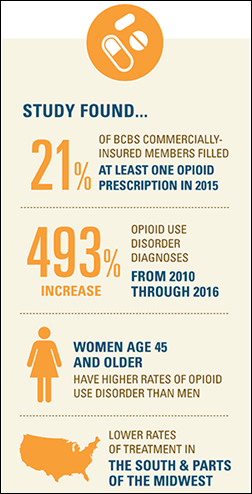
A BCBS analysis of insurance claims finds that opioid addiction diagnoses have increased 500 percent in the past seven years. Twenty-one percent of patients whose claims were reviewed filled at least one opioid prescription in 2015, while the study also found that short-term, high-dose therapy increases the chance of addiction by 40 times compared to lower doses. 

In Kenya, three men are charged with stealing the body of a four-year-old from a hospital morgue, apparently with the intention of burying it. The hospital wouldn’t release the body because his family hadn’t paid his bill.

image image

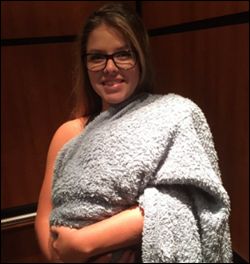
I love dogs, but this is as ridiculous as people scamming airlines into providing free main-cabin rides for their “emotional support animals.” A woman brags on Twitter that she snuck her grandmother’s dog into the hospital to see her, swaddling it to look like a baby. A fellow smuggler voiced support in providing a photo of the dog he brought in (or rode in) as a visitor. Apparently many folks believe that rules apply to them only when convenient.


Sponsor Updates

  • IDC Health Insights recognizes NTT Data as a Top 25 Enterprise.
  • Reaction Data publishes an industry brief on the Lexmark/Hyland acquisition.
  • Optimum Healthcare IT posts a video of the recent presentation of Dan Critchley, CEO of managed services, at UK eHealth Week.
  • ECG Management Consultants releases a new white paper, “ASCs at a Tipping Point: The New Reality of Surgical Services for Health Systems.”
  • Glytec publishes a new case study, “With Glytec, Hospital Moves to Basal-Bolus Insulin, Saves $9.7 Million.”
  • Imprivata will exhibit at the Patient Safety Congress July 4-5 in Manchester, England.
  • Twenty-seven Influence Health customers upgrade to its new Web CMS.

Blog Posts


Contacts

Mr. H, Lorre, Jenn, Dr. Jayne, Lt. Dan.
More news: HIStalk Practice, HIStalk Connect.
Get HIStalk updates. Send news or rumors.
Contact us.
125x125_2nd_Circle

EPtalk by Dr. Jayne 6/29/17

June 29, 2017 Dr. Jayne 1 Comment

Several readers who have ties to consulting or staffing firms have reached out to me regarding my recent Curbside Consult that covered a friend’s layoff following her employer’s migration to a new EHR platform. I am very appreciative of the gesture and it sounds like she has some promising leads.

The piece had several reader comments, with one calling me out for using a full consulting schedule as an excuse to not do business with her former employer rather than telling them I didn’t want to work with them because of how they treated their people.

Like so many large organizations, I suspect here that the proverbial right hand doesn’t know what the left hand is doing, and there is going to be some reorganization that takes place. Eventually someone with their head on straight will be in control and they’re going to need qualified help.

I recall a similar situation with another employer who downsized a division in a way that strongly smelled of age discrimination. Several team members took early retirement. One of the analysts had the last laugh when she came back as a consultant making double her salary while also collecting her pension. She continued working there for another four years. Had her new employer refused to work with them on principle, she might not have had that opportunity for payback.

It’s human to want to sock it to bad people on the way out, but it seldom works out well. I recently coached a former colleague on how to write his resignation letter. He wanted to tell the truth about how the employer was abusive, negligent, and reckless, spurring his decision to leave. I counseled that the standard “This letter serves as my notice, my last day of work will be X” approach would be a much better way to go. He went with the emotional response and ended up being perp-walked through the office without even a chance to pack his cardboard box of personal belongs. His former boss also immediately started attempts to sully his reputation. It’s not to say that the boss might have acted that way regardless, but I don’t think my friend having his say helped the situation.

Even when you’re leaving a job voluntarily, it’s often difficult. Depending on your role and the amount of privileged information you have access to, there are concerns as to whether your resignation will simply be accepted or whether you will be escorted from the premises.

When I left one hospital position, I was fairly confident they were going to do the latter since I had access to their recruiting and acquisition strategies and was going to a relative competitor. I prepared for the resignation for several weeks, slowly moving things out of my office, but keeping enough personal items for it to not appear suspicious. On the day I was planning to deliver my resignation letter, the file cabinets were empty and the medical texts in the book case had been replaced by random binders, coding books, and training manuals.

I had gotten myself to a place where I was mentally ready to be walked out, so it was surprising when they asked me to work through my entire four-week notice period. Several days later they told me that they were going to use my resignation as an opportunity to change the role to a part-time position that would only cover about 20 percent of my job duties. They didn’t plan to continue the kind of change leadership and process improvement work I had spent most of my time doing. They didn’t expect me to perform any knowledge transfer since they hadn’t identified anyone to take the remaining portion of the role.

I spent three weeks doing little to nothing, attending meetings like the walking dead just to have something to do. Finally, they identified someone to take the remaining part of the role and we had three days of frantic hand-offs and a request to extend my employment.

Now that I’m in consulting, I’m constantly in a state of either starting a new job or leaving one. When I really connect with a client, it’s hard to leave, even if we’ve accomplished the goals we set out to meet together. Sometimes, however, the leaving is pretty easy, as it was this week with a client I can only describe as extremely challenging.

They brought me in to do a stakeholder assessment and to look at why they are still struggling with EHR adoption six years after go-live. They’ve got some serious leadership deficits and don’t seem too keen on doing the work needed to move to a place where the physicians have buy-in on what the parent company wants them to do.

Even though I was supposed to be winding things down this week, they spent my last day on site arguing with me about when the physicians should complete their documentation. They allow 10 days for the physicians to finish ambulatory visit notes, which is absurd. They have all kinds of reasons why the physicians can’t complete their notes in a timely fashion and aren’t interested in learning strategies to remediate the situation.

It was like dealing with an argumentative teenager. I think they actually believed I would change my opinion if they continued to badger me. They never seemed to understand that it’s not my opinion that counts — it’s that of CMS, auditors, and their medical liability carrier. I wish them luck defending their policies when an audit or subpoena reveals charts completed more than a week after the fact.

We talk quite a bit about healthcare technology, but sometimes it’s the low-tech solutions that really matter to physicians. I experienced this first hand over the weekend when my stethoscope gave up the ghost. I should have known it was coming since I already had to replace the ear tips and diaphragm. Although I had some spare parts at home, I didn’t have the diaphragm retainer ring that had failed. According to the websites that usually carry spare parts, mine was so old they didn’t stock replacement kits.

I started to despair. I own half a dozen stethoscopes, some of them special purpose (from those neonatal ICU and pediatric rotations) and others that I’ve bought to have a spare or a less-expensive version to take on volunteer trips. But I’ve always been partial to my first stethoscope, my constant companion since the beginning of clinical rotations.

I made a last-ditch effort by emailing 3M about options and was pleasantly surprised to find out that a certain model repair kit would do the trick even though it isn’t officially listed as being compatible. They also sent the handy Amazon link to buy it, so I should be back in business in a couple of days.

What’s your favorite piece of healthcare technology, IT-wise or other? Email me.

Email Dr. Jayne.

Readers Write: Why Daily Clinical Analysis May Be A Game-changer In Patient Outcomes

June 28, 2017 Readers Write 3 Comments

Why Daily Clinical Analysis May Be A Game-changer In Patient Outcomes
By Benjamin Yu, MD, PhD

 image

Benjamin Yu, MD, PhD is vice president of medical informatics and genomics at Interpreta of San Diego, CA.

A missing piece in population health is real-time data and its real-time and continuous analysis. It’s a key ingredient that can help streamline health delivery, improve outcomes, and manage a dynamic patient population. Real-time interpretation is a keystone in many service industries, especially finance and e-commerce. However, its value is often overlooked in healthcare.

Instead, the health industry typically relies on monthly or quarterly business reports to spotlight health needs (e.g., gaps in care, medication management, etc.) and to find regional deficiencies. Using this information, groups plan and carry out campaigns to target and improve care through a variety of outreach mechanisms such as care managers, call centers, and provider network contacts.

However, during the laborious process of assessing static reports, millions of conditions change. It’s analogous to using turn-by-turn instructions for driving based on outdated information. Normally, turn-by-turn directions help the driver navigate through unknown roads and emerging traffic conditions in real time. However, if the system is not current, it might alert the driver long after he/she has missed a turn.

Similarly, in healthcare, by the time an outreach takes place, the member’s medications may have changed, a new refill may have been missed, a vaccine or screening may have been completed without the knowledge of the campaign, or a patient could have become ill or hospitalized before discovery of his/her risk. Thus, in addition to being expensive, the discover-and-campaign approach can be disjointed and too slow to adapt to the ever-changing landscape of a patient population.

Despite their potential benefits, real-time clinical solutions have been hampered in population health for several reasons. Many groups fear that real-time clinical data means too many alerts. While this may be true of some clinical information systems, it is not inherently true. In fact, the opposite may be true in that one of the major efficiencies provided by real-time data is reduced noise.

Because data is up to date, resolved issues should quickly disappear from the clinical workflow. For example, when a health plan calls a patient, instead of reviewing a long list of care initiatives — many of which are already complete — the clinician or plan can focus on future needs that are of the highest priority. Using up-to-date information ultimately can reduce alert fatigue and provide a more satisfying and impactful patient experience. In summary, real-time analysis is a noise reducer.

Indeed, the fear of ‘too much information’ often stems from the design of current health information systems, which rely heavily on clinicians and staff to sort through printouts, inboxes, notifications, and data reports to resolve issues in the clinic. Notably, real-time data should not be considered synonymous with an increase in graphs and decisions. Using the driving analogy, data is constantly changing in a turn-by-turn application. However, these applications natively interpret incoming data and only alert the user with upcoming turns or changes to the route. With respect to healthcare, real-time systems also need to be designed to interpret real-time data with actions and prioritizations of the clinician in mind.

The value of real-time data is underestimated. While some inherently accept that real-time clinical information is better than outdated information, real-time data and its immediate interpretation impacts far more than today’s era of business reports. Real-time data and analysis enables feedback interactions and behavioral modifications that cannot be derived from periodic reports.

In the consumer market, real-time responses enable end-to-end services such as ride share, routing, and many financial transactions. In healthcare, real-time clinical information enables better predictive technology and thus an ability to identify trends much earlier. In an increasingly connected world, new clinical services and technologies require instantaneous feedback and timely actions for members and users, enabled by real-time clinical information. If the rapid growth of consumer health devices like wearable monitors is an indicator of upcoming trends, real-time clinical data in population health is just around the corner. Leading healthcare institutions and technology providers need to make sure they don’t miss the turn.

Readers Write: Procuring Sustainable Success with Value-Based Care Models

June 28, 2017 Readers Write Comments Off on Readers Write: Procuring Sustainable Success with Value-Based Care Models

Procuring Sustainable Success with Value-Based Care Models
By Dustyn Williams, MD

image

Dustyn Williams, MD is a hospitalist at Baton Rouge General Medical Center (LA) and founder of DoseDr.

All healthcare providers want the same things: better health for their patients and lower costs. Conceptually, value-based care achieves this shared goal by creating the incentives for all involved to provide better care and secure improved outcomes. Yet this approach lacks the appropriate framework and tools that enable and equip clinicians to achieve value-based outcomes.

Adding to this dilemma is the lack of an appropriate definition of “value” that would enable healthcare organizations to truly comprehend what constitutes “value-based care” and how to implement a successful, sustainable value-based model. True value is realized when efforts are focused on reducing costs and achieving enhanced outcomes rather than simply on attaining quality metrics.

Although the utilization and achievement of these metrics is a step in the right direction to positively impact care quality and outcomes, it’s not enough. Checking off boxes indicating that best-practice protocols are being followed does not necessarily equate to better outcomes or improved financials. Closing this gap between incentives and outcomes requires clinical care to evolve to reflect proactive management of chronic disease and promotion of patient wellness. Incentives alone are not enough; clinicians must also have access to the appropriate tools to achieve those quality goals.

The good news is that value-based payment models are providing the necessary impetus for the creation of radical disruptive practice patterns and new models of care. For instance, uptake of Internet-based care delivery that enable more proactive treatments is on the rise, particularly with chronic illness.

Value-based care is also a significant catalyst of advancements in telehealth solutions. These interventions are effectively disrupting traditional care models by providing the necessary best-practice based infrastructures and tools needed to proactively and effectively address chronic health conditions while seamlessly integrating into provider workflows.

Consider diabetes management. Despite the challenges faced with self-management of their condition, diabetic patients spend an average of just two hours per year with their primary care provider. Further, while physicians strive to provide patients with best-practice knowledge for controlling A1c levels, poor retention of medical information and rapidly changing effects of diabetes put patients at risk for serious health conditions and preventable hospitalizations. Clinical and financial impacts stemming from uncontrolled diabetes greatly influences the steep costs of the condition, averaging $176 billion nationwide each year. Patients and providers must have access to tools that enable enhanced collaboration and ongoing care monitoring to improve outcomes and expenditures for diabetes, as well as other chronic conditions.

Telehealth solutions fill this gap. Features such as smartphone-enabled provider feedback loops can now rapidly deliver easily-understandable, actionable information to patients to facilitate engagement, compliance and sustainable improved outcomes. By empowering patients to effectively self-manage their chronic conditions, long-term care costs to health plans and risk based-entities are significantly reduced, along with the steep costs associated with emergency room visits and hospital admissions.

Improvements in the health management of high-risk patient populations secure enhanced Healthcare Effectiveness Data and Information Set (HEDIS) performance measures and Star ratings for health plans, along with improved Medicare Access and CHIP Reauthorization Act (MACRA) and Merit-Based Incentive Payment System (MIPS) outcomes for providers.

Additional issues impacting the efficiency and success of value-based care include resistance to change and slow adoption of innovative care models. Industry laggards continue to stunt the progress made by early adopters of value-based care as they consume more resources than are saved. Ultimately, payers and providers must be willing to accept and adhere to new models, which will be helped along by the evolution of technology and processes, such as telehealth, capable of truly impacting care quality, outcomes and expenditures.

When risk is shared and incentives are aligned, value-based care models can enable providers to ultimately reduce expenditures and enhance patient care. If healthcare facilities provide quality care and cost-effective treatments that yield optimal outcomes, both patients and the healthcare system, as a whole, will benefit. Conversely, if there is no alignment, value-based care will collapse under the weight of a reimbursement structure that continues rewarding utilization. For instance, hospitals may continue to benefit from prolonged lengths of stays, while patients are buried under a mountain of medical bills and struggle with uncontrolled chronic diseases.

By delivering proactive, trusted information directly to patients, disruptive technologies fill a critical gap in population health and care management. The key is ensuring that information has been carefully vetted by a physician capable of making necessary adjustments based on the monitoring of a patient’s health in real time along with additional environmental factors such as food intake. This ensures that these interventions enable improved patient care outcomes while strengthening revenues by avoiding penalties and increasing profitability through performance-based bonuses.

Readers Write: Why Online Provider Search and Referral Management Programs Demand High-Quality Provider Data

June 28, 2017 Readers Write 2 Comments

Why Online Provider Search and Referral Management Programs Demand High-Quality Provider Data
By Thomas White

image

Thomas White is CEO of Phynd Technologies of Dallas, TX.

Healthcare systems, like any business, are competing for customers (patients) and referrals. In many respects, this competition has increased as patients are either forced to, or opt to, take more control over their own healthcare. The rise of consumerism is pressing healthcare systems to improve their online presence. Physicians and healthcare systems must fully leverage web tools to grow their customer base by empowering patients with the high-quality information they need to make important healthcare decisions.

The Internet has made it much easier for patients to search beyond their local area for the most qualified providers who meet their needs, participate in their insurance plan, and offer the highest-quality services. As a result of this new paradigm, healthcare systems must prioritize the quality and ongoing maintenance of the provider data that feeds their online “Find A Doctor” search and referral tools. Simply put, a poor search experience is a major turn-off. Patients may go elsewhere, referrals (and revenue) are lost, and reputation is damaged.

Patients and referring physicians alike expect to have the same online experience they would with Google and other search engines: instantly and easily find what they are looking for. Healthcare consumers satisfaction grows (and referrals are gained) when they can quickly find a doctor via a simple process that gives them useful information in easily understood terms. Accuracy is assumed.

Patients expect to see provider demographic, practice, insurance, and contact information with a few keystrokes. That’s a given. And when they are presented with more data than expected — such as the provider’s availability, ratings, languages spoken, clinical focus, research interests, treatments provided, and travel directions — even better.

This search process can be further enhanced if the provider’s data includes videos and other multimedia information. Video profiles personalize information and instructional videos can simplify patient visits and improve customer satisfaction and engagement. It’s kind of like online dating and hoping for the perfect match. In both cases, as they say nowadays, a picture can be worth a thousand words, and a video is worth a thousand pictures.

Patients are more likely to book an appointment if their search results direct them to a provider who meets their needs. High-quality data can seal the deal.

Online providers search tools are not just for patients. Physicians use them to identify the most appropriate in-network referral options for their patients. If the information from a referral management website is inaccurate or out of date, it can result in referral leakage, lost revenue, and wasted time. If there’s a delay in the delivery of urgently-needed care, then patient well-being and satisfaction may suffer. This can hurt reimbursement, particularly in today’s value-based care environment. Value-based payments emphasize evidence-based medicine and efficient delivery of care. These basic tenets should be supported by the information from any “Find A Doctor” search tool by ensuring patients see the most appropriate care giver the first time.

None of this, however, can be achieved without a holistic approach spanning the enterprise (clinical, financial, and marketing systems) to capture, manage, and share high quality provider data. A unified approach to provider data management is critical to meet the rising tide of healthcare consumerism and value-base care initiatives, never mind remaining competitive. Providing effective online provider search tools to healthcare consumers and providers is an investment that can quickly pay for itself through referrals that keep patients in network and improve overall satisfaction.

While online provider search tools are certainly not new, they must serve the demands and expectations of increasingly savvy and demanding online healthcare consumers and harried referring physicians trying to balance conflicting demands on their time and attention. Healthcare system leaders should assess how well their organizations online physician referral and outreach programs are meeting these end-user needs and determine relevant ROI measures to improve their effectiveness with an enterprise provider data management approach.

News 6/28/17

June 27, 2017 News 14 Comments

Top News

image

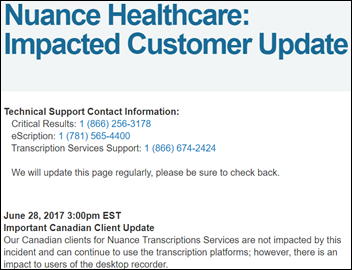
A cyberattack of an unspecified nature against Nuance takes all of its cloud services – including dictation and transcription – offline. UPDATE: Nuance has since listed those applications that were not affected and the company is providing service updates.

SNAGHTML8093226

One HIStalk reader reports that the culprit was ransomware. The company’s announcement says the attack originated in Europe.

I reached out to Nuance but my email couldn’t get through because of a Nuance mailserver error that was likely caused by powered-down servers.

Other newly reported ransomware attacks include drug maker Merck and Heritage Valley Health System (PA), which had to take all computers offline. A reader forwarded an email stating that a West Virginia hospital is also under attack.

Early reports suggest that Ukraine-based hackers used a tool developed by the National Security Agency to create the malware, which is also how the WannaCry ransomware was developed. A Ukrainian financial software firm that was infected then apparently inadvertently spread the malware widely via its software update.

image

Security firms believe the malware is a variant of Petya, which encrypts entire hard drives rather than just the files they contain. Like WannaCry before it, the malware can’t penetrate properly updated Windows computers. Microsoft released a patch MS17-010 in March that closed the exploit used by both WannaCry and Petya.

SNAGHTML902083d

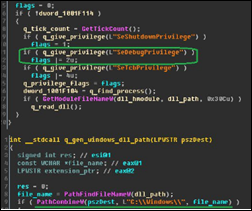
Preliminary hacker reports suggest that the a “kill switch” has been found that involves creating a file called C:\Windows\perfc. It has also been observed that the hacker message is displayed immediately as the hard drive encryption starts and CHKDSK is invoked, meaning the infected computer can be powered down immediately and left down and intact until the malware can be removed after booting from a Windows OS copy on disk or USB.


Reader Comments

image

From Meghan Roh: “Re: Epic App Orchard reader comment correction. We offer 50 percent off the first year’s fee, and if any member is dissatisfied in the first six months, we’ll refund the program fee. We have not reduced program benefits. For developers who don’t know what we offer, we provide a list of more than 300 APIs during the enrollment process to help them make their decision.” Meghan is director of public affairs for Epic.

image

From Established Relationship: “Re: health systems implementing Epic. Epic does not require hospitals to follow its hiring practices (tests, interviews, etc.) They recommend testing applicants, but it’s up to hospitals to say yes or no. If a hospital opts to set aside their usual hiring practice and follow one recommended by a software vendor, they have to accept responsibility for losing experienced resources and implementing a system with a high percentage of inexperienced resources.” I think most health systems follow Epic’s model of maddeningly SAT-like tests and competitive interviews for newly their newly created positions that follow Epic’s recommended job descriptions and titles. I’m mixed on the practice, as follows:

  • It seems to work in ensuring successful project outcomes, even though it was developed by Epic for hiring new college graduates into their first jobs.
  • It’s not really too much different from other IT migrations in which those who maintained the legacy system are seen as one-trick ponies who are put out to pasture once their single skill is no longer needed, marginalizing the value of their non-system skills, experience, and relationships.
  • It would be tough as a health system project executive to announce that you’ve decided to ignore Epic’s advice, whether it involves hiring, project reporting, or anything else. You don’t want to be the person identified as having gone rogue when the project stumbles.
  • The biggest unsettling fact is that Epic’s model places minimal (actually negative) value on experience with other IT systems, yet its rigid certification and project management requirements nearly always deliver the expected results. That’s threatening to those who equate broad, long experience with better project outcomes.

image

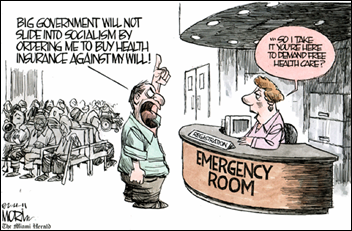
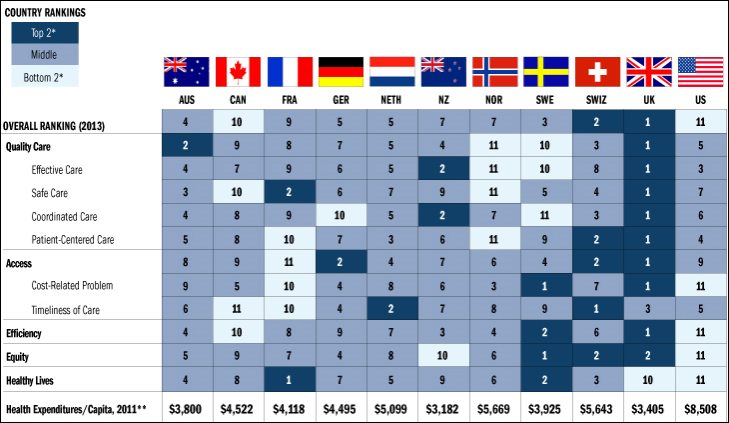
From Smuggler: “Re: health insurance. Why should the government be allowed to require consumers to buy insurance, or anything else for that matter?” I agree, as long as those invincibles who decide to roll the actuarial dice sign a legally binding waiver acknowledging that they won’t get a penny in benefits from Medicare, Medicaid, or hospitals when something unexpected happens. It’s like homeowner’s insurance, flood insurance, or car insurance – if you opt out of the system, you’re on your own. Whatever’s left of the ACA made insurance available and relatively affordable, so it’s hard to drum up a lot of sympathy for those who could have afforded coverage but chose not pay the taxpayer-subsidized price. All of this would be moot if US healthcare costs weren’t so ridiculously high compared to the rest of the world, the elephant in the room that politicians seem unwilling to address, leaving the only balloon-squeezing choices of covering fewer or healthier people, restricting access to care via ever-narrowing networks or uncovered services, or raising premiums and deductibles.

image

From KLAS: “Re: reader’s comment about market share. The correct information from the 2016 and 2017 KLAS market share reports is as follows.”

  • Acute wins for 2015-2016 for Cerner — 249 (includes one Soarian add-on in 2015).
  • Total Millennium losses for 2015 and 2016 – 53.
  • Cerner’s net growth — 196 acute hospitals for 2015 and 2016.

HIStalk Announcements and Requests

image image

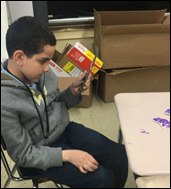
We provided an iPad Mini for Ms. N’s elementary school class in New York, which is using the tablet for self-assessing their art projects. She reports, “Students are able to take photos of their work give it a title and describe their art, including what materials they used and how they feel their worked turned out. The Mini allows students a sense of independence. Students are better able to share their work with family by using an art app that gives family an opportunity to comment on the artwork.”

Every year I offer a “Summer Doldrums” deal on newly signed sponsorships and webinars, because otherwise it’s pretty quiet and I get nervous that my industry irrelevancy has escalated. Contact Lorre.

Listening: new from San Antonio-based Nothing More, which plays a slick blend of prog rock, Muse-like soaring orchestration, and hook-laden alternative rock.


Webinars

June 29 (Thursday) 2:00 ET. “Be the First to See New Data on Why Patients Switch Healthcare Providers.” Sponsored by Solutionreach. As patients pay more for their care and have access to more data about cost and quality, their expectations for healthcare are changing. And as their expectations change, they are more likely to switch providers to get them met. In this free webinar, we’ll look at this new data on why patients switch and what makes them stay. Be one of the first to see the latest data on why patients leave and what you can do about it.

July 11 (Tuesday) 1:00 ET.  “Your Data Migration Questions Answered: Ask the Expert Q&A Panel.” Sponsored by Galen Healthcare Solutions. Presenters: Julia Snapp, manager of professional services, Galen Healthcare Solutions; Tyler Suacci, principal technical consultant, Galen Healthcare Solutions. This webcast will give attendees who are considering or in the process of replacing and/or transitioning EHRs the ability to ask questions of our experts. Our moderators have extensive experience in data migration efforts, having supported over 250+ projects, and migration of 40MM+ patient records and 7K+ providers. They will be available to answer questions surrounding changes in workflows, items to consider when migrating data, knowing what to migrate vs. archive, etc.

Previous webinars are on our YouTube channel. Contact Lorre for information on webinar services.


Sales

image

Women’s Care Florida chooses the Healow patient engagement mobile app from EClinicalWorks to help women manage their pregnancies, integrated with the OB/GYN group’s ECW EHR.


People

image

Kyruus hires Soojin Chung (Caradigm) as general counsel and chief administrative officer.

image

Jennifer Rouse (IBM) joins ClearData as VP of marketing.


Announcements and Implementations

A new TransUnion Healthcare survey finds that two-thirds of patients with hospital bills of under $500 don’t pay off the full balance, a big jump from 2014 as deductibles increased. The company projects that 95 percent of patients won’t pay their bills in full by 2020, noting also that the percentage of patients who pay nothing at all toward their balances is increasing.

image

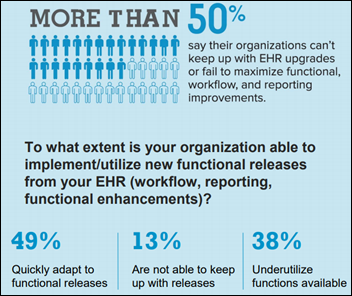
An HFMA/Navigant survey of 125 health system CFOs and revenue cycle management executives finds that 74 percent are increasing their revenue cycle technology budgets, but are struggling to keep up with EHR upgrades and optimization. Consumer-facing tools such online payment portals and cost-estimation tools are common, but few health systems run propensity-to-pay models for individual patients.

image

Long-term care software vendor Cantata Health chooses Ability Network as its preferred revenue cycle management software vendor.

image

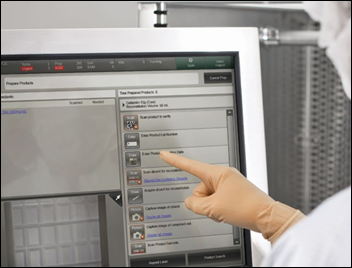
Baxter International integrates its DoseEdge Pharmacy Workflow Manager with Epic’s Willow pharmacy system to meet CMS requirements for documenting IV preparation accuracy. 

image

Craneware announces GA of Trisus Claims Informatics, which automates claims review for completeness, accuracy, and conformance to normal charging behavior.

image

St. Joseph Hospital (NH) goes live on the EarlySense continuous monitoring inpatient system that uses an under-mattress sensor to monitor heart rate, respiratory rate, and motion.

image

In Canada, Waypoint Centre for Mental Health Care goes live on Meditech 6.1.

The State of Connecticut and the Connecticut State Medical Society will launch competing HIEs the next few months, with both organizations hoping users will be willing to pay for their services.

An Advisory Board analysis finds that the average 350-bed hospital fails to capture $22 million in revenue.


Government and Politics

SNAGHTML70a6082

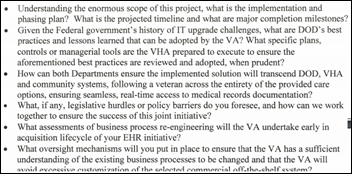
The chairs of the Senate Veterans Affairs and Armed Services committees urge the VA to ask the DoD about lessons learned in its EHR procurement and implementation, expressing concern about potential VA cost overruns, implementation delays, lack of standardized processes, and excessive customization. 

SNAGHTML70fd25e

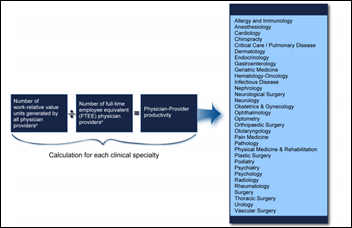
A GAO report says the VA’s clinical productivity metrics provide incomplete and possibly misleading information, noting that those metrics fail to capture information from contract physicians and advanced practice providers; don’t adequately incorporate clinical workload intensity; and are hampered by providers who don’t log their time and activities consistently. The lack of good data prevents the VA from identifying and promoting best practices, GAO concludes.


Other

image

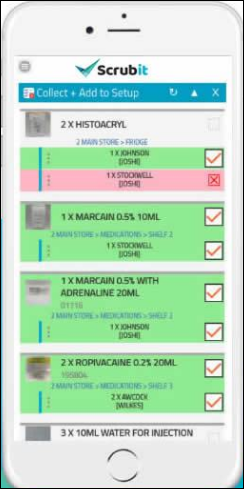
A hospital scrub nurse in Australia develops Scrubit, which improves OR setup by automating preference cards, setups, and lists of required equipment.

British military doctors blame the Ministry of Defence’s IT system for their mis-prescribing of antimalarial drugs for soldiers being shipped out to Afghanistan. They say the system is slow and can’t always bring up patient histories, meaning soldiers may be inappropriately prescribed mefloquine, which can cause depression and suicidal thoughts. The decade-old DMICP system is a customized version of EMIS PCS, provided by Canada-based vendor CGI, which has been the key player in quite a few IT screw-ups including Healthcare.gov.

image

MIT Technology Review says IBM is overhyping Watson, but the product still has the best chance among AI competitors of delivering healthcare value assuming that IBM can gain access to the data the system requires. The article says IBM has a leg up on startups because conservative large health systems trust it more than any other company. It notes that both IBM and MD Anderson raised expectations unreasonably before the organizations recently shuttered their joint $39 million project (budgeted for only $2.4 million). A snip:

To train Watson to go through giant pools of data and pull out the few pieces of information important to a single patient, someone has to do it by hand first, for thousands and thousands of cases. To recognize genes linked to disease, Watson needs thousands of records of patients who have specific diseases and whose DNA has been analyzed. But those gene-and-patient-record combinations can be hard to come by. In many cases, the data simply doesn’t exist in the right format—or in any form at all. Or the data may be scattered throughout dozens of different systems, and difficult to work with … To really help doctors get better outcomes for patients, however, Watson will need to find correlations between what it reads in health records and what Tang calls “all the social determinants of health.” Those factors include whether patients are drug-free, avoiding the wrong foods, breathing clean air, and on and on. But Tang concedes that today almost no hospitals or medical practices get that data reliably for a significant percentage of patients. Part of the problem is that hospitals have been slow to take up modern, data-driven practices. “Health care has been an embarrassingly late adopter of technology,” says Manish Kohli, a physician and health-care informatics expert with the Cleveland Clinic.

Researchers find that less than 1 percent of pathology specimens provide incorrect results due to mishandling (either switching samples between patients or “floater” cross-contamination), but DNA fingerprinting can eliminate those problems, albeit at a cost of $300 per test. Private insurance generally pays the cost to avoid higher bills for unnecessary or delayed treatment, but Medicare doesn’t. One urology practice starting using the error prevention system after being threatened by a lawsuit after it removed a man’s cancer-free prostate based on another patient’s specimen.

SNAGHTML82b39c2

A study finds that a combination of wireless smart pill bottles, lottery-based incentives, and social support did not improve medication adherence or readmissions for post-MI patients. 

image

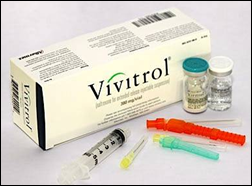
A drug company whose opiate addiction treatment drug was getting little market traction hires lobbyists and makes political contributions to influence drug court judges, who then order offenders to be treated with the product that is injected monthly. The resulting sales have increased the company’s market cap to $9 billion. On the positive side, the drug seems to work well in blocking the pleasurable effect of opiates, it’s not addicting, and it’s long lasting. The negatives are lack of proof of long-term efficacy and its $1,000 per month cost.


Sponsor Updates

  • The local paper recognizes AssessURhealth Director of Operations and veteran Kyle Mynatt for his community contributions.
  • Besler Consulting releases a new podcast previewing HFMA ANI 2017.
  • Glassdoor.com recognizes CoverMyMeds CEO Matt Scantland as a highest-rated CEO.
  • The General Services Administration (GSA) awards Audacious Inquiry (Ai) the 8(a) STARS II Governmentwide Acquisition Contract (GWAC).

Blog Posts


Contacts

Mr. H, Lorre, Jenn, Dr. Jayne, Lt. Dan.
More news: HIStalk Practice, HIStalk Connect.
Get HIStalk updates. Send news or rumors.
Contact us.
125x125_2nd_Circle

CIO Unplugged 6/26/17

June 26, 2017 Ed Marx 5 Comments

The views and opinions expressed are mine personally and are not necessarily representative of current or former employers.

Emotions and Motions

image

High off my first Duathlon World Championships (2014) as a member of TeamUSA, I posted “Data Driven Performance.” I shared how my athletic performance transformed as I applied healthcare lessons learned around big data and business intelligence.

Over the ensuing two years, I continued to refine and improve based on applied analytics until that fateful Manhattan morning last fall. Running around Battery Park, training for my first sub-90-minute half-marathon, I felt pain radiate in my left knee. Torn meniscus!

I was devastated. Being extremely physically active since my youth, I felt significant loss. Competing since I left the womb, I was no longer in the game. Incapable of walking without a crutch, I stumbled for blocks around the Hospital for Special Surgery where I completed my pre-surgical consult. While I was fortunate to have surgery under the knife of one of the world’s best orthopedic docs, I was going to have to start completely over. I dutifully checked into Professional Physical Therapy and pushed my handlers to the edge with my constant begging to let me run and help me get faster than before.

I decided to focus on 2017 as my recovery year and to come back strong in 2018. I set some motivational goals related to run-speed, so I was leveraging data a little, but not to the level of the past. I was hitting my time targets for 5K, 10K, and half-marathons. I was logging tons of hours on the bike, but not concerned with wattage or RPMs. I was throwing in some extra weights and cross training while focusing a little on core.

I wasn’t entering my data points, but just making sure I was hitting the gym with a good cadence. I stopped measuring precise portions and calories and mixes and potions. I ate when hungry and drank when thirsty. I know my first coach Amari was frowning, but I was putting all the other principles she taught me to work. Yep, I gained a little weight, but everything sure tasted good!

I began to enjoy the journey, have more fun and not take all the data too seriously. I began to listen more to my body than to the data points and daily outcome measurements. I started to look forward to my long runs along the Hudson and my four-hour extended indoor simulated cycling drills inside of EJ’s Euless garage. Waking up at four o’dark thirty was no longer a chore. In fact, the alarm merely became a backup to my natural cycle to wake early and enjoy the journey.

Almost as a dare from my therapist, I decided to prematurely enter the 2017 TeamUSA National Duathlon (Long Course) Championships in Cary, North Carolina. Just seven months post-op, I took the dive without requisite coaching and data-capturing electronic gizmos. I reasoned that I had little chance to make the team, so I should just race for the love of it. Not to make the team, but just to enjoy the fact that I could train enough to compete so soon after surgery.

I loved every minute. The bonus was that I had enough in me to make the team, qualifying to represent our country at the 2018 World Long-Course Duathlon Championships in Switzerland. Nothing like the Alps to test one’s stamina and spirit!

Emboldened by the Long-Course Duathlon results, I figured that I might as well take the same approach for the TeamUSA National Duathlon Championships in Bend, Oregon a few days ago. In addition to competing in the Standard-Course Duathlon Championship, I decided to compete the following day in the Sprint-Course Duathlon Championship. Again, I shrugged off the use of my arsenal of data-collecting devices for my body and bike and instead focused on enjoying the moment. I was free to just listen to my body and take in the scenery.

My performance was raw and painful, but I ended up securing the last available spots on both teams. In addition, one of my long-time teammates and I became the first athletes to make all three of the TeamUSA Duathlon squads in the same year. No data — just fun and gut.

In the final days of training, I thought about my minimalistic data approach and reliance on fun and gut and how that intersects with the workplace. Will we go so far out towards business intelligence, precision medicine, artificial intelligence, and machine learning that we lose emotion? Might we stop listening to our gut and miss an important determinant? Will we listen to feelings or lose empathy? Go through the motions at the cost of emotion? Lose a piece of ourselves and the value of human touch in the healing process?

I don’t know. Oh, but what I do know! What I do know is the joy I experienced crossing that finish line, giving all my heart and muscle. Oh, I will never forget the tears I shed embracing my wife when I learned I secured the last and final spot on those national teams! The floodgates opened! Oh, what I also know is the feeling I will have with “Marx” emblazoned below “USA” on my star-spangled uniform at the Standard and Sprint Duathlon World Championships starting gates in Denmark.

Would I feel the same high if my accomplishments were due to my obsession with data analytics and my nightly uploads and downloads of each day’s data? I don’t think so.

In the end, life requires that we make room for both the motion and the emotion. They aren’t mutually exclusive. What matters is striking the right balance between science and art. When I hit the 2018 World Championships representing our country’s colors, I will certainly be data-driven again, but I will also make plenty of room for the heart and the gut. At the end of the day, it is my soul that crosses the finish line, not a machine, and I will always remain emotional.

In our work, we must do the same. Balance the motion and emotion. Enjoy and embrace the intersection of art and science without being blinded solely by science and motion. Never, ever forget the emotion, for that is what makes us human.

edmarx

Ed encourages your interaction by clicking the comments link below. He can be followed on LinkedIn, Facebook, Twitter, or on his web page.

Curbside Consult with Dr. Jayne 6/26/17

June 26, 2017 Dr. Jayne 1 Comment

A reader recently reached out with some thoughts on life after a large go-live:

Our large academic medical center went live with ambulatory EHR several years ago. The clinicians and residents were used to many of the system features already from inpatient, but we still had a lot of configuration decisions, setup, training, reduced volumes, then a fair amount of post-live elbow-to-elbow support in decreasing amounts. Though there were a few frantic phone calls with crying and screaming clinicians or administrative staff at the time, it went fairly well all things considered.

However, many post-live optimizations were never completed and it was assumed that new hires could just be trained by existing staff. There is minimal formal training and no discussion of the individual configuration options that we helped people set up during rigorous pre-live training. We lack discussion of workflows and regulatory requirements that have shifted or are no longer tracked, and other changes have been made to the system that have broken prior customizations. Documentation of our individual decisions was by vendor consultants and I don’t think any coherent documentation was left behind at the end of the engagement. We aren’t even alerted to processes that have obviously become broken because the front-line clinicians and staff don’t know any different, assuming that it’s just the poorly designed software at fault. And the further we are from go-live, the worse it gets. It’s like throwing the frog in boiling water or turning the heat up gradually.

Do other systems or consultants do a better job of managing this as they find themselves several years post go-live?

At least in my experience, many organizations struggle with this. However, I see it more acutely in organizations that treated their EHR projects like IT projects instead of operational or clinical projects. The go-live itself is often seen as the endpoint, with little vision around the ongoing efforts needed to maintain a system and its users at a top tier level of performance. There is a lot of money spent to support the go-live, so groups tend to economize on ongoing support.

It sounds like your approach leading up to the migration was fairly tried and true, making the most of existing knowledge from the inpatient system while tending to the decisions that needed to be made specific to the ambulatory system. You had a good amount of elbow support, which many clinicians appreciate. Beyond that, many groups find a greater level of success spending more resources upfront to encourage (and/or force) providers to complete a set number of test patient scenarios prior to the go-live, which potentially makes for an easier go-live with less reductions to the schedule or less elbow-to-elbow support.

I personally like requiring physicians and their care teams to document a good number of patients with their most common chief complaints, along with documenting sample visits on some of their most complicated patients. That tends to prepare them a bit better and they have better mastery than if they try to learn during go-live. I’ve found the stress of the go-live itself tends to make learning difficult.

As you mentioned, post-live optimization is where things often fall apart. Some organizations don’t even budget a post-live optimization program into their implementation, which is a grave mistake. Budget permitting, I like to perform circle-back visits at two weeks, 30 days, 60 days, and 90 days after go-live. This allows the support or implementation team to see what processes are working well in the office and what processes have become ripe for bad habits. Even with the most rigorous training and practice, it’s hard to retain all the nuances of different EHR workflows, especially for patient care situations that you don’t see every day.

For those groups that did budget a post-live optimization program, I frequently see those resources shifted to other initiatives that have taken priority for one reason or another. Maybe the group shifted into acquisition mode, maybe they joined an ACO, but optimizing the EHR and practice operations seems to frequently fall by the wayside.

You mention shifting regulatory workflows and that is an issue I see frequently, especially with practices that participate in multiple grant programs. Once I worked with a group that was insistent that they needed to document the date of the last dental exam on all patients. I continued to ask “why” to every reason they gave until we distilled down to the fact that it was originally mandated for a grant in which they hadn’t participated in more than three years. They had been on the brink of customizing a template to capture that date, not knowing that it wasn’t important except for a sub-group of patients for whom that information was already captured in the system’s health promotion templates.

Institutional memory can be a blessing and a curse in situations like this, the latter when people remember things being one way but not the underlying reason and are so dedicated to keeping things the same that they lose sight of what they are doing. It can be a blessing when you have a stable workforce that can do things like train new workers, but that is certainly the exception in many ambulatory workplaces today.

The idea that workers will just train the new people as part of their ongoing daily duties doesn’t tend to produce desired outcomes. In practices where I’ve worked, on-the-job training has been a bust as trainers don’t have time to focus and trainees don’t understand what is best practice and what is their trainer just making it through the day. Fortunately, in my current practice situation, our version of on the job training actually has a rigorous schedule behind it with checklists and skill proficiency. The trainer and trainee are added to the office schedule on top of the normal staff, so that the training process can be focused. It costs more up front to take this approach, but it’s been more than worth it.

Training of new employees has to include training for user-level preferences and configurations because these are the things that make EHR workflows efficient and personal. When I perform EHR optimizations (or EHR clean-up missions, as the case may be), these are the first elements I emphasize. They’re often the proverbial low-hanging fruit that gets users into a more receptive state of mind for when you come back to cover more challenging workflows.

I cringed when I read the comment about the documentation of decisions being done by consultants who didn’t leave coherent documentation. That’s one of the things that pushes me over the edge. Documentation and hand-off should be part of every engagement, to ensure that your client hasn’t simply been handed a fish, but rather taught to tie his own flies, cast the line, reel it in, fillet it, and cook it over a fire that they have built.

In my consulting engagements, the decisions are documented not only in a spreadsheet-style matrix, but in a corresponding executive summary slide deck. It’s not enough to know that a customization was made, but you need to know why so that you can determine whether it needs to be maintained. Customizations should be reviewed with every major upgrade and evaluated to see if they need to be retained or if they can be retired in favor of new functionality. It’s also a great opportunity to make sure the physicians for whom they were built still work in the organization. Otherwise, as a general rule, the customizations can be put to rest as long as no one else has adopted them.

In those situations, I like to use database queries to determine if the customizations are even used. I once worked with a physician who was ready to fight tooth and nail to keep a customization until I showed her the queries that proved that out of every 100 times she used the template in question, she only used the “have-to-have-it” checkbox one time. In that situation, free-texting would not have killed her.

The comment that users assume the software is at fault rather than looking at the process also resonated. I’ve found that the organizations that handle long-term sustainable process improvements the best do so because they have dedicated teams that continue to work with practices to make sure changes are adopted and incorporated in an ongoing fashion. They make sure users have ready access to training in a variety of formats, whether written, recorded, live, or 1:1. They recognize that users have different learning styles and often crazy schedules and may need accommodation to become truly proficient with an application. And they’re willing to challenge whether it’s a problem with the user, the training, the content, or the technology. They’re not afraid to ruffle feathers getting to a root cause or trying to do the right thing for patient care and user satisfaction.

I work daily with clients who aren’t aware that their vendors have documentation around not only best-practice EHR workflows, but best practices for running the office in general. Several vendors have in-house consultants who are available to help clients with these issues, although I’ve seen come clients give them the cold shoulder because the feel the vendor-employed consultants are inherently biased. I’ve seen them argue with vendor educators who are trying to emphasize well-documented and published clinical best practices, belittling them and dismissing their wisdom just because their paycheck comes from a vendor.

The best example I’ve seen is a group that argued with the vendor about hanging signs to encourage diabetic patients to remove their shoes and socks for a foot exam. They told the vendor it was outside the vendor’s scope, despite the vendor rep being a registered nurse and having citations from articles proving the approach as effective in improving foot exam performance metrics.

The bottom line is that some groups do handle the ongoing maintenance of a system better than others. Those that have a plan accompanied by leadership buy-in and a corresponding budget do best. Others that don’t meet those criteria often become easy prey for vendors trying to sell replacement systems. It’s amazing to me when a client won’t sign a $50,000 proposal for optimization, but ends up paying millions for a new system when their previous system would have been just fine had they maintained it. It’s like never changing the oil in your car and then being surprised when the engine seizes.

How does your organization handle post-live support and optimization? Email me.

Email Dr. Jayne.

News 6/2/17

June 1, 2017 News 9 Comments

Top News

SNAGHTML88a4609

Doctor office advertising and patient education technology company Outcome Health raises $500 million in funding, valuing the Chicago-based company at $5 billion.

image

Forbes estimates that the 31-year-old co-founder Rishi Shah owns 80 percent of the company’s shares, giving him a paper net worth of $3.6 billion.

Forbes also estimates that the company’s annual revenue is $200 million and it’s growing 100 percent per year, with most of the money coming from drug companies anxious to get their message in front of patients at an opportune time.

image

Vivek Kundra, the first US CIO, is a company EVP.


HIStalk Announcements and Requests

Tuesday’s HIStalk page views exceeded 10,000, which isn’t a record or even all that much higher than the usual daily traffic, but it’s the highest count during a non-HIMSS week other than June 28, 2016 (when McKesson announced that it would divest its Technology Solutions business) and July 30, 2015 (when the DoD awarded Leidos/Cerner its EHR contract).

I thought it would be interesting to look at the percentage of females serving on the executive teams of the top five healthcare IT companies by revenue as listed on the new Healthcare Informatics 100, which might bring to mind the old Doors song “Five to One”:

  • Optum – 25 percent
  • Cerner – 18 percent
  • Cognizant – 16 percent
  • McKesson – 25 percent
  • Philips – 17 percent

This week on HIStalk Practice: Allergy Partners opts for Medfusion technology. Rhode Island practices unite as Brown Physicians Inc. Outcome Health raises $500 million in a quest to assist 70 percent of practices. Practice Fusion’s Matthew Douglass argues that America’s doctors need net neutrality. HealthTap expands to New Zealand, while Heal heads to Washington, DC. EVisit raises $2 million. US HealthWorks taps AmericanWell to power its new telemedicine service for employers.


Thoughts on the $155 Million DOJ Settlement of EClinicalWorks

image

I had these reactions when writing about the company’s settlement.

  • I was curious about how many EPs have attested to Meaningful Use using EClinicalWorks. ONC’s Health IT Dashboard shows around 25,000, making it the #3 EHR vendor (behind Epic and Allscripts).
  • The settlement amount represents 35 percent of the company’s annual revenue of $440 million.
  • The settlement could be only the beginning of ECW’s problems, as it now has to deal with potential customer defections, the inevitable drop-off in sales, and potential class action provider lawsuits. It could possibly be sued by its certifying body, Drummond Group, plus it is required by the settlement terms to implement internal and external review programs.
  • I assume the value of the settlement was based on the MU payments that were made to ECW-using EPs, which I’ll also assume means that HHS won’t go after the EPs individually. The complaint says the federal government is entitled to recover triple the value of fraudulent claims (presumably the MU incentives paid) plus a percentage of the company’s profits that represented “undue enrichment.” Still, as reader Debtor points out, ECW-using EPs could have been paid around $2 billion in Meaningful Use incentives, so as he or she says, “that the DOJ settling for pennies on the dollar and no criminal prosecution is unbelievable.”
  • Does Drummond Group, which certified ECW’s EHR, bear any responsibility (legal or otherwise) for failing to detect that ECW was – according to the complaint – rigging its test results? On the other hand, it could argued that since the certification testing scenarios are public and static, the certification body has no easy way to detect fraud in observing only the desired scenario outputs. Certification testing is not dynamic nor comprehensive – it’s following a script to see if the expected outputs are produced.
  • The $30 million whistleblower payment will surely encourage others to report any similar problems with other vendors.
  • Clearly DOJ was not happy that ECW apparently charged customers for software updates, made it hard and/or expensive for them to migrate from ECW to other EHRs, and did not make it easy for its customers to exchange information with other practices.
  • The kickback portion of the complaint arose from ECW giving users a $500 maintenance credit to refer a prospect who eventually signed on as a customer (those payments totaled $144,000), paying users to host site visits ($249,000), compensating customers to provide good product references, and providing consulting fees, honoraria, and gifts to influential users who pitched its product, with one unnamed doctor earning “tens of thousands of dollars in ‘consulting’ fees.” The complaint makes it clear that manufacturers can’t pay any kind of remuneration to encourage use of their products for which the federal government pays via Medicare and Medicaid. 
  • It’s not clear how the settlement affects ECW-using EPs who could continue attesting under the Medicaid part of Meaningful Use for several more years. Apparently not at all since the product’s certification remains intact.
  • Two ECW technical employees will pay relatively small settlement amounts over the product’s inability to process RxNorm terminology for e-prescribing. One of those employees was the developer in charge of the RxNorm software functionality and the other submitted ECW’s final certification application. The complaint says the certification body certified the product in 2013, heard afterward from ECW employees that the software didn’t really process RxNorm codes, and then re-tested the product with the same protocol in 2015, which ECW passed only because it hard-coded the expected 16 RxNorm codes.
  • The complaint says ECW’s EHR did not use LOINC or SNOMED CT terminology.
  • The complaint says ECW released software without adequate testing, relied on customers to report problems, allowed critical problems to remain unresolved for months or years, and reintroduced previously fixed bugs because its software version control was not reliable.
  • The company’s October 6-9 user group meeting should be interesting.

image

The whistleblower in the case was Brendan Delaney, who was a New York City employee implementing ECW at Rikers Island for prisoner healthcare when he noticed software problems. He has also worked on ECW projects for Arcadia Solutions, HSM Consulting, and as a self-employed contractor. His LinkedIn says he’s revenue cycle manager at NYU Langone Medical Center, or at least was before he learned he’ll be pocketing $30 million (but unfortunately for him, whistleblower windfalls are taxed as ordinary income).

image

Interesting points from the five-year Corporate Integrity Agreement the company signed with HHS OIG:

  • ECW is required to implement a quality assurance program to oversee software defects, usability problems, and any other issues that affect patient safety or product certification and to post known software problems on its portal.
  • The company is required to create usability and patient safety advisory teams, consisting of at least a doctor, pharmacist, and nurse.
  • ECW is prohibited from using contract language that prohibits customers from disclosing patient safety concerns and agrees that it won’t enforce that requirement in existing contracts.
  • The company must help customers who want to migrate to other EHRs and can’t charge them any fees, penalties, or service charges.
  • ECW is required to contact every customer with an email subject line of “Important information about your EHR software and services. You have new options free of charge to you.” The communication must start with a statement indicating that ECW has settled with HHS OIG to offer them free upgrades to the latest production version.
  • The company must track any payments made to existing customers for marketing purposes and must list all of payments it makes to providers on its website.

image

What other vendors should do based on the settlement:

  • Review the certification process to make sure nothing is being faked, talking to the technical people rather than managers anxious to avoid becoming the shot messenger.
  • Don’t provide any kind of incentives for customers or their employees to help make new sales.
  • Make sure customers are notified quickly of software problems that endanger patients or that can cause billing mistakes or certification shortcomings.

image

Meanwhile, the law firm that represented the whistleblower in the lawsuit adds a few points:

  • The firm filed Brandon Delaney’s lawsuit against ECW in 2015.
  • The firm’s website includes archived copies of advisories ECW sent to its customers that warned of software problems.
  • Brandon Delaney provided this statement: “I was profoundly saddened and disappointed by the indifference of senior health department officials and investigators for New York City when I provided detailed information about serious flaws in the EHR software that could endanger patients. I am grateful that Phillips & Cohen and federal government attorneys recognized the seriousness of my charges and dug into the matter quickly and thoroughly.”

The Letter EClinicalWorks Sent to its Customers Thursday

Dear Customer:

Yesterday we announced a settlement with the government. As part of the settlement, eClinicalWorks paid $155 million and agreed to bolster its compliance program. The inquiry leading to the settlement primarily centered on technical aspects of the Meaningful Use program and allegations that eClinicalWorks software had technical non-conformities related to some of the criteria, all of which have since been addressed.

eClinicalWorks cooperated fully with the government. We have not admitted any fault or wrongdoing, and our goal as a company is to always make sure we are doing the right thing. We have decided to put this matter behind us and concentrate all of our efforts on our customers and continued innovations to enhance patient care delivery. Importantly, our software remains fully certified under the Meaningful Use program.

One of the technical non-conformities alleged by the government involved the use of RxNorm codes in electronic prescriptions. From 2014 to August 2016, electronic prescriptions sent by eClinicalWorks users included NDC codes rather than RxNorm codes.  During this time period, more than 500 million prescriptions were successfully transmitted and filled, and most major pharmacies did not support RxNorm codes. The failure to include RxNorm codes in electronic prescriptions was completely inadvertent on the part of eClinicalWorks, as our software used RxNorm codes in other parts of the system, such as in C-CDAs. We gained nothing by not including the codes, which are available for free from the National Library of Medicine. We resolved this issue as soon as we learned of it.

Another technical non-conformity identified by the government involved data portability. The 2014 Edition certification criteria require EHR software to “batch export” patient records. There was confusion about the meaning of this requirement, however, prompting ONC in 2015 to issue a clarifying FAQ. When eClinicalWorks was tested for certification in 2013, its authorized certification body (ACB) at the time, CCHIT, determined that our software satisfied this requirement. In 2015, our new ACB, Drummond Group, disagreed and identified this as a non-conformity. eClinicalWorks resolved the non-conformity in 2015, and our software meets all MU Stage 2 data portability requirements.

Historically, technical non-conformities with the MU Program were addressed through an administrative rather than a legal process (visit the ONC’s Certified Health IT Product List (CHPL) website for a list of EHR vendors with non-conformities: https://chpl.healthit.gov/#/search). eClinicalWorks chose to settle this matter to avoid the uncertainty of a prolonged legal dispute which could have been disruptive to our customers, our employees and our company.     

The government also alleged that eClinicalWorks’ customer referral program violated the federal Anti-Kickback statute. Under this program, called “Refer a Friend.”eClinicalWorks granted a credit, typically in the amount of $500, against existing users’ support and maintenance fees. Between 2011 and 2016, eClinicalWorks paid $392,000 to users under this and related programs. While referral programs like this are common in the industry, and while HHS-OIG has provided no guidance regarding them, the government took the position that the payments were improper. We disagreed but have nevertheless discontinued the program.     

There is a silver lining to this settlement. Today, eClinicalWorks has a more robust compliance program, and we continue to invest our resources and energy into making sure the products and services we deliver serve our customers well in the long run. We paid the settlement amount using cash on hand and have the resources to continue to grow and innovate.

It is our privilege to serve you. I am committed to enhancing our products and services. We will be releasing V11 later this year as planned and seeking certification for Meaningful Use Stage 3.   

We founded this company 17 years ago with the mission of improving healthcare together. The settlement does not change that.

Sincerely,

Girish Navani, CEO


Webinars

June 22 (Thursday) 1:00 ET. “Social Determinants of Health.” Sponsored by Philips Wellcentive. Presenter: David Nash, MD, MBA, dean, Jefferson College of Population Health. One of the nation’s foremost experts on social determinants of health will explain the importance of these factors and how to make the best use of them.

June 29 (Thursday) 2:00 ET. “Be the First to See New Data on Why Patients Switch Healthcare Providers.” Sponsored by Solutionreach. As patients pay more for their care and have access to more data about cost and quality, their expectations for healthcare are changing. And as their expectations change, they are more likely to switch providers to get them met. In this free webinar, we’ll look at this new data on why patients switch and what makes them stay. Be one of the first to see the latest data on why patients leave and what you can do about it.

July 11 (Tuesday) 1:00 ET.  “Your Data Migration Questions Answered: Ask the Expert Q&A Panel.” Sponsored by Galen Healthcare Solutions. Presenters: Julia Snapp, manager of professional services, Galen Healthcare Solutions; Tyler Suacci, principal technical consultant, Galen Healthcare Solutions. This webcast will give attendees who are considering or in the process of replacing and/or transitioning EHRs the ability to ask questions of our experts. Our moderators have extensive experience in data migration efforts, having supported over 250+ projects, and migration of 40MM+ patient records and 7K+ providers. They will be available to answer questions surrounding changes in workflows, items to consider when migrating data, knowing what to migrate vs. archive, etc.

Previous webinars are on our YouTube channel. Contact Lorre for information on webinar services.


Acquisitions, Funding, Business, and Stock

image

Medical image viewing system vendor TeraRecon acquires machine learning vendor McCoy Medical Technologies and creates a new company that will distribute trained machine learning algorithms for clinical decision support, also offering researchers and hospitals an easy way to distribute their algorithms for research or commercialization.

image

Accenture will acquire 250-employee laboratory informatics consulting firm LabAnswer, which it will fold into the newly created Accenture Scientific Informatics Services. 


Sales

image

Carilion Clinic (VA) chooses Influence Health’s directory listings management system to monitor its online presence, provide accurate online location listings, and call out unofficial social media pages.

image

Memorial Sloan Kettering Cancer Center (NY) and Intermountain Healthcare (UT) will use the genomics platform of Philips for cancer research and treatment.


People

image

Children’s of Alabama (AL) hires Bob Sarnecki (ClearData) as interim CIO.

image

In England, Beverly Bryant (NHS Digital) will join System C as COO.

image

SurveyVitals, which offers digital patient experience surveys, hires Robert Harrington, Jr., MD (Reliant Post-Acute Care Solutions) as chief medical officer.

image

Rob Bart, MD (LA County Department of Health Services) joins UPMC as CMIO.


Announcements and Implementations

An Ellis and Adams research report reviewing the impact of hospital acquisitions on quality finds that the average quality score of an acquired hospital slipped 5 percentage points in the first year.

DrFirst launches new solutions for Meditech users – SmartSig to manage free text prescription instructions and integration with prescription drug monitoring program databases.


Privacy and Security

The medical records (including photos) of 15,000 patients of a Los Angeles plastic surgery clinic – some of them celebrities – have been stolen by a fired employee.

In India, the Mumbai health department’s online birth and death registry is taken offline following complaints that its lack of security was allowing anyone to look up random names and print their birth or death certificates. A government official complains that only the medical health officer is now allowed to use the system and “he cannot keep printing certificates for everyone” in keeping up with the city’s daily workload of 400 births and 200 deaths.

Australia’s health department decides that the records of people who opt out of its My Health Record system won’t be deleted, but rather hidden from providers, allowing those who opt out to change their minds later.


Other

image

Australia’s Digital Health Agency issues a request for tender for developing a plan to connect all health-related systems over 5-10 years.

image

A five-sentence letter published in NEJM in 1980 concluding – without much evidence – that opiates aren’t addicting when prescribed for chronic pain has been cited more than 600 times since, with references to the article spiking after OxyContin was brought to market in 1995. The authors note that most of the citations misinterpreted the information or mischaracterized the letter’s conclusions in encouraging doctors to use long-term opiate therapy that contributed heavily to today’s national addiction, leading to their recommendation that authors cite previous studies carefully.

image

Facebook is hosting an invitation-only meeting next week to court drug companies as advertisers.


Sponsor Updates

  • ECG Management Consultants publishes its “2017 Thought Leadership Compendium.”
  • EClinicalWorks will exhibit at the California Primary Care Association Region IX Clinical Excellence Conference June 4-6 in Lahaina, HI.
  • FormFast and Imprivata will exhibit at EHealth Canada June 4-7 in Toronto.
  • Aprima wins Frost & Sullivan’s product leadership award for its RCM platform.
  • HBI Solutions publishes a new white paper, “Turn Data Science into Value: The Four Key Requirements.”
  • The Atlanta Business Chronicle profiles CFO of the Year finalist and Ingenious Med Chief Compliance Officer and CFO David Lamm.
  • InterSystems’ TrakCare tops global EHR deployments, according to a new KLAS report.

Blog Posts

HIStalk sponsors were listed in the Healthcare Informatics 100 highest-revenue healthcare IT companies, representing 38 of the vendors named:


Contacts

Mr. H, Lorre, Jenn, Dr. Jayne, Lt. Dan.
More news: HIStalk Practice, HIStalk Connect.
Get HIStalk updates. Send news or rumors.
Contact us.

125x125_2nd_Circle

HIStalk Interviews Jason Krantz, CEO, Definitive Healthcare

June 1, 2017 Interviews Comments Off on HIStalk Interviews Jason Krantz, CEO, Definitive Healthcare

Jason Krantz, MBA is CEO of Definitive Healthcare.

image

Tell me about yourself and the company.

I’m the CEO of Definitive Healthcare. We started about six years ago. We provide detailed information and analytics on the healthcare provider market. We track data on everything from hospitals to physicians to imaging centers. Our goal is to have the best data on every facility and provider of healthcare in the US.

Does your business overlap with that of HIMSS Analytics?

HIMSS tracks a lot of data on technologies within hospitals. We do that as well. We’re much more broad. We tie the technology back to the analytics on what’s actually happening at the hospital. Things around readmission rates are very important to our clients. We track a lot of data on affiliations and how these organizations refer patients back and forth across the continuum of care.

How much of the information that you collect in having conversations with people in health systems hasn’t been publicly announced?

A lot of the really interesting stuff that we get is through conversations with IT directors and CIOs at hospitals, as well as people on the finance side. Probably 30 percent to 40 percent of our data is from a completely proprietary source that has not been announced anywhere else.

I assume a significant part of your market is vendors looking for marketing and sales data. What kind of information do they want?

The uses are changing over time. Six years ago, it was, do they have an EHR system? Which one? That is still a very important element of what they want to know, but it’s for a different reason. Oftentimes they’re trying to think about how to bolt on technology.

As the technology is becoming more sophisticated and EHR systems are becoming more ingrained with what they’re doing every day, a lot of our clients are interested in what the healthcare ecosystem looks like in a particular market. Who are the players, who owns who, who works with who and aligns with who. All of that is incredibly important to the technology players because the EHR system being at one hospital is interesting, but where it becomes really useful to healthcare is when everybody can talk to each other.

A lot of the vendors now are thinking about, how do I expand my reach beyond the hospital or the health system to link in all of the imaging centers and the most important physician groups and all of that? Our data helps paint a picture of what that ecosystem looks like and where the informal partnerships and alliances exist. That helps them think about, what is our go-to-market strategy? Who are the important players to get involved that are the influencers and can drive change within that market?

Other things they’ll think about is, depending on what their technology is, the revenue cycle guys will try to understand not only what’s in there today, but the collection process for that hospital and who the important people are for that collection process. The care coordination people want to understand the ACOs that are in partnership with the hospitals. All of that arms them with the information that they need to go have an intelligent conversation with a CIO or a CFO.

Does your conversation touch on user satisfaction with a given product or a potential system replacement?

We don’t go so far as to say somebody is unhappy. There’s some inferred satisfaction with the fact that they’re making a change or looking for a new technology, which is the type of things that our data will pick up. A lot of the people that we’re speaking to on a day-to-day basis are not going to go out on a limb and say, we’re flat-out unhappy with a vendor. Therefore, we don’t necessarily ask that question.

A lot of the product decisions must be driven by new affiliations, where a hospital or practice didn’t necessarily acquire or become acquired, but partnered with another organization in a non-ownership model.

There’s so much of that. Obviously mergers and acquisitions is a pretty tremendous trend within the market right now. We track something like one merger-related piece of news per day, a major piece of news.

Informal alliances are becoming increasingly important because there’s a limit to how far you can take the M&A game, especially as these markets become a bit more concentrated with ownership already. As everything moves to outpatient, it’s a lot less expensive to start this stuff up on your own.

Urgent care is a great example. You can have a couple of physicians who band together and create an urgent care clinic or two or three or four that can become extremely profitable very quickly. The hospitals may end up buying those up over time, but those are sprouting up so quickly that you need to create alliances with those organizations, even if you’re not in a direct ownership situation. The move to outpatient is spreading out the care so much that the need to have these informal alliances is becoming more and more important.

What other big trends are you seeing?

Something that comes up a lot that is nascent but that our clients are particularly interested in is the move towards mobile and telehealth. It’s almost like the Internet was in 2000. Telehealth is finally starting to come to its time in the spotlight. Telehealth has been around for a while and mobile health’s been around for a while, but the tools didn’t exist for it to get exciting — better phones, better cameras, and the ability of wearables that can collect information. All of a sudden all of these technologies can actually work, whereas with the Internet in 2000, it was Pets.com and in 2002, that company went out of business and everybody said, “That was the stupidest idea ever.” Now there’s Chewy, which is a billion-dollar company selling pet food online.

The mobile and telehealth stuff is finding its way now after trying to for many years. We’ve seen a lot of interest and a lot of questions around, what are people doing? What’s working? What’s not? A lot of that is just because it is still such a new market that there’s a lot of interest in how to make it work.

Are health systems forming relationships with turnkey companies like Teladoc that has their own doctors or are they more interesting in creating a service that features their own medical staff and brand identity?

Where we’re seeing health systems attacking is much more around chronic diseases. How do you manage that better? If you think about a capitated payment model where the health systems are taking some of the risk for things like diabetes care, if you can keep people out of the hospitals, obviously that’s a tremendous benefit to you. Things around wearables that can measure blood glucose and technologies like that are very interesting to them,  to be able to get that data in real time and essentially get in front of any issues before they become a big issue.

Along the same lines is medication adherence. That’s a little bit out of pure telehealth and more into apps. How do you engage that patient on a regular basis and ensure that they are taking their medications? Once you release somebody from your hospital, how do you make sure that they don’t come back in for the same reason? Payment structures are driving them to think about things like that.

The classic telehealth, the doctor on the phone, is still struggling. Where we’ve seen a lot of success is around more behavioral, psychology, and psychiatry.

Are you detecting budgetary caution around the possibility that many patients could become uninsured with Affordable Care Act changes?

There’s a lot of talk of it. We haven’t completely seen that come through. We haven’t really noticed our clients saying that budgets are getting cut or projects need to be pushed down the line. It is potentially coming. There’s just still so much unknown that nobody’s hit the panic button quite yet.

And, the need for change is so high within the healthcare system that there’s no stopping it. They need to drive down structural costs still applies, whether there’s uninsured or not. On the one hand, you don’t want to spend as much money. On the other hand, you need to change your system quickly enough to be able to deal with lower payments if that’s what’s going to happen in the future.

What’s it like running a research-based business?

The most important thing that we think about is innovation. It’s absolutely essential. How do you get information that nobody else has been able to find, do it in an efficient way, and present it in a way that people can take tomorrow and go utilize? Within healthcare specifically, there’s just so much data that’s out there that it can quickly become noise if you’re not innovating and showing clients, here’s what you should draw from the information. Here’s how you can go use it tomorrow. Here’s data that you just can’t find anywhere else.

It’s an extremely difficult business. It’s competitive. The way to stay in front of the competition is to continue to innovate and do things nobody else is doing. It changes so fast. Every day we’re rethinking about, how do we do this better? That’s essential to staying at the place that we’ve been able to get to.

EPtalk by Dr. Jayne 6/1/17

June 1, 2017 Dr. Jayne Comments Off on EPtalk by Dr. Jayne 6/1/17

I took a break from writing over the Memorial Day weekend due to having the privilege of participating in events honoring our nation’s veterans. On Saturday, I assisted with an Honor Flight, welcoming 22 veterans and their families back from a trip to Washington, DC, where they visited the monuments dedicated to their service.

Along with active duty service members, we lined the airport terminal to salute the veterans as they were transported from the gate to the baggage claim area. There they emerged from a tunnel of American flags to greet family and well-wishers in a celebration complete with a USO-style band. These gentlemen, most of whom are in their late 80s and early 90s, helped save the world. I am honored to have been able to work with them.

Three brothers were on the flight, having served in WWII, Korea, and Vietnam. They lifted a beer at the Vietnam Memorial to honor fallen friends. The picture of that moment shares more than a thousand words. WWII veterans are passing on at a rate of 640 per day, according to VA data. Most of the veterans I’ve worked with over the years don’t want to talk about their service, but saying thank you is always appreciated.

Sunday was a little more sobering when I volunteered with a group charged with placing flags at all graves in our National Cemetery as well as on the graves of veterans buried at a dozen Jewish cemeteries. Our local post of the Jewish War Veterans of the USA provided breakfast for over 500 of us before we set out on our task. After the flag is placed, it is saluted. Each veteran’s name is read and they are thanked for their service.

Our small group placed over 1,000 of the 200,000 flags that went out that day. A small commitment compared to what those we honored have given. If you’ve never done this and have the opportunity, I would strongly encourage you to take part. Every one of those flags has a story and it’s something to think about on days when we’re tempted to complain about spotty cell service and slow lines at Starbucks.

I saw patients on Memorial Day itself since many of my partners are former military officers and having the rest of us work allowed them to participate in local remembrances. It was a busy shift due to the three-day weekend.

I experienced something I haven’t seen before, which was having a parent drop off a 12-year-old at the urgent care and then leave him in the exam room to run errands. Of course, we can’t treat a child without a parent there to provide consent, so we had to wait. After an hour, I was wondering at what point it becomes child abandonment when the parent returned, acting like his actions were no big deal. I hope the patient wasn’t too scared about being left alone. We tried to check on him regularly while waiting for Dad to turn back up.

Tuesday sent me fully back into the healthcare IT fray, mopping up after a client who decided to try to install an upgrade over the weekend despite their vendor’s support desk being closed for the holiday. While I was re-running and monitoring the upgrade scripts, I had a chance to catch up on some articles that friends and readers had sent my way.

One caught my attention with its headline that “Patients Fare Worse with Older Doctors, Study Finds.” It cites research from Harvard Medical School looking at Medicare data for over 700,000 hospital admissions. The patient mortality rate rose for each decade of physician longevity, ranging from 10.8 percent for physicians under age 40 to above 12 percent for physicians over age 60. However, physicians who saw large volumes of patients didn’t seem to have a change in mortality rates due to age, rather those rates remained consistent for higher-volume physicians. Seeing more patients may force physicians to stay current, but it could also be that lower volume physicians see fewer patients because they are less knowledgeable.

The article offers some other interesting conclusions, but I’d be interested to hear what readers think. One 74-year-old physician keeps current by reading multiple medical journals each day. That kind of volume would be hard for me to do, so I applaud him for being what he describes as “addicted to keeping up to date.” He’s a medical school dean, so I’m not surprised.

Another piece from Boston’s NPR new station chronicled one burnt-out doctor’s decision to leave medicine. The author notes that while many people ask why she left, virtually no physicians ask her that question. They instead ask how the transition worked.

I’ve had numerous physicians approach me over the last few years asking about clinical informatics as a potential way to get out of clinical practice but still be able to positively impact patient care. I would be dishonest if I didn’t acknowledge that I leveraged the move to full-time informatics as a way to get out of paying for supplemental liability insurance (so-called “tail coverage”) as well as a way to get free of a restrictive non-compete clause. In my situation, those were beneficial side-effects of the move, however, rather than incentives.

The article was sent to me by a former residency colleague who is trying to formulate her own exit strategy. She was one year behind me in training and we caught up recently for drinks. Out of the 13 family medicine residents in our two classes who we’ve kept up with:

  1. Clinical informatics: 1
  2. Residency faculty: 1
  3. Retrained in another specialty: 1
  4. Cosmetic/age-reversing medicine: 2
  5. ER/urgent care: 2
  6. Concierge practice: 1
  7. Left medicine to care for family: 1
  8. Part-time practice: 1
  9. Incarcerated: 1
  10. Full-time primary care: 2

Those are some sobering statistics for physicians who aren’t even 20 years out of training. They also paint a different picture of the primary care shortage, one where lack of training slots are not the problem.

I hate to see my friend consider leaving medicine, as she practices in a relatively underserved area and also serves as the medical director for a home hospice organization. Those vital services aren’t easily replaced. She has already stopped delivering inpatient care and next week marks the end of her hospice practice. Her eight-year plan gets her children nearly through college while letting her only sit for Board recertification exams one more time. I’m glad that she’s designing a strategy that lets her keep seeing patients while trying to address potential burnout. I will be supportive no matter which way she decides to go.

Are you thinking about leaving healthcare or healthcare IT? Email me.

Email Dr. Jayne.

EClinicalWorks Will Pay $155 Million to Settle DOJ False Claims Act Allegations

May 31, 2017 News 31 Comments

image 

EClinicalWorks will pay $155 million to settle a federal False Claims lawsuit alleging that ECW misrepresented its EHR product and paid customers kickbacks for promoting it, the Department of Justice announced today.

image

The government claims that ECW fraudulently obtained certification for its EHR by hard coding some of the testing elements as provided to its certifying entity. It also says ECW’s software did not accurately maintain a user audit log, did not reliably record diagnostic imaging orders, failed to perform drug interaction checks, and failed to meet interoperability requirements, thus causing false claims for HITECH incentive payments to be paid by HHS.

According to ONC’s Certified Health IT Product List, ECW’s Authorized Certification Body is Drummond Group.

The company and three of its founders will pay the $155 million settlement.

ECW also entered into a five-year HHS OIG Corporate Integrity Agreement that requires the company to have its software quality control systems externally audited and reported to HHS OIG. The company also agreed to provide prompt notice to customers of any EHR-related safety issues, to make software updates available at no cost, and to assist customers in migrating to other EHRs without charging them. ECW is also required to hire an Independent Review Organization to certify that the company’s agreements with providers comply with anti-kickback laws.

The whistleblower lawsuit was filed by Brendan Delaney, a software technician with New York City Division of Health Care Access and Improvement, who will receive $30 million of the settlement.

I’ve run several reader-provided rumors about the Department of Justice investigation, going all the way back to late 2015.

Digital Health Trends – 2Q17

May 31, 2017 Digital Health Comments Off on Digital Health Trends – 2Q17

Digital health updates are written by LoneArranger, an anonymous industry insider.

Digital health capabilities are increasingly becoming more integrated with core healthcare platforms and provider workflows, leading to major changes in the way healthcare is being delivered. There have been several recent developments in the application of technologies such as artificial intelligence, virtual and augmented reality, and wearable devices that have been disruptive, have the potential to change the practice of medicine and transform population health management and precision medicine.

Innovations in areas such as mobile apps, the Internet of Things (IoT), machine learning, and artificial intelligence are being incorporated directly into healthcare applications. As the digital health industry moves into the next wave of innovation, the following areas are those that many healthcare providers, payers, vendors, and digital health startups are targeting for development.


Artificial Intelligence (AI)

AI capabilities will become increasingly accepted and used by healthcare professionals as a clinical decision support tool to identify potential risks, mitigate errors, recognize patterns, and improve disease diagnosis and treatment. AI and Machine Learning will increasingly drive population health analytics, clinical decision support, and scientific research.

Blockchain

This technology framework has the potential to allow hospitals, doctors, and insurance companies to share data more securely, assuming the role of a trusted gatekeeper. Using the concept of a shared ledger, it makes it possible to share information selectively with others. Digital records can be stored with variable access controls and digital assets can be exchanged with minimal friction. Organizations are expressing increased interest in the significant potential blockchain has for improving healthcare information management.

Genomics

A substantial amount of funding has gone into the study of genes as researchers and providers pursue new disease treatment options and patients seek more tailored and personalized healthcare plans. Pharmaceutical companies are leveraging genomics research to develop new medications for cancer and other serious conditions as well as other therapeutic compounds for advanced immunotherapy treatments. Many EMRs are now configured to maintain genomic data in the patient record, along with existing medical data, to provide a more complete picture for providers.

Internet of Things(IoT)

The use of data from portable devices and sensors has given providers more real-time information on patient health status and patients the ability to have tailor-made strategies to combat illnesses and to take a more proactive role in managing their health. The connectivity of healthcare solutions and devices improves patient management, disease management, and the outcome of treatments. Since patients and providers both benefit from IoT, it will have a bigger presence and impact within the healthcare sector over time.

Mobile Apps

The major shift in this area is the evolution from standalone applications to ones that are more tightly integrated with legacy healthcare platforms and the clinicians who use them. Apps that connect providers and patients are gaining traction. These are being used to help coordinate and manage patient care, increase patient engagement, and support more effective treatment of chronic disease conditions.

Telemedicine

As technology becomes more affordable, remote treatment options continue to grow in popularity for both doctors and patients. For the elderly and those living in rural areas, telemedicine provides increased access to healthcare services that otherwise might not be possible, from remote diagnostics and monitoring to medical education and outpatient services. Both public and private payers are also starting to provide increased reimbursement for telemedicine services and state laws are changing to remove restrictions and facilitate the provision of telemedicine services.

Virtual and Augmented Reality

The use of VR and AR technologies will expand in healthcare for medical education and training, surgical support, other types of decision support, and pain management. They can be used for simulation of scenarios, decision support for providers performing procedures, and distraction, education, and entertainment of patients.


These technologies are enabling a variety of new applications in areas such as:

Behavioral Health

Behavioral health conditions are increasingly prevalent and challenging to treat. The insurance industry and self-insured employers recognize that the costs of treating mental health conditions, including depression, are increasing. Although long-term efficacy has yet to be demonstrated for most digital solutions, insurers and employers are increasingly willing to pay for digital behavioral health pilots. It is increasingly reimbursed by Medicare and investors are beginning to fund this sector. The hope is that more engagement and interaction, facilitated by digital technologies, may help patients with depression, anxiety, substance abuse, PTSD, and other behavioral health conditions.

Chronic Disease Care Management

Chronic care interventions use a combination of health, behavioral, and contextual data – such as glucose levels, sleep patterns, weight, food consumption, activity, social factors, time of day, and weather — to improve patient treatment plans. Digital health tools can also be used to improve care team communication and coordination. These applications have demonstrated such compelling clinical efficacy that insurance companies are starting to pay for them because of improved patient outcomes at reduced cost. Pharmaceutical companies are also interested in integrating digital interventions with their drugs to improve outcomes, differentiate their products, and engage directly with patients.

Data Aggregation and Analytics

In the past few years, there has been a dramatic increase in the amount of digitized health data stored in EMRs and ancillary systems, fitness and health data captured from mobile devices and wearables, and genomic data. There are many potential uses for this explosion of new healthcare data. Insurance companies and companies that pay for employees’ health care directly can use additional data to help refine actuarial models. Physicians can use analysis of this data for diagnosis, quality improvement, and decision support. Patients may benefit from the mining of data for predictions of their propensity for acquiring certain health conditions. As a result, real-time alerts and guidance to patients and healthcare providers are becoming more feasible and useful.

New Payer Models

A recent and intriguing area of investment in digital health is in alternative insurance companies. These startups often compete directly with major industry players, which have also been exploring and deploying digital health solutions. However, these new insurance industry entrants have some advantages over the incumbents. These entrants are unencumbered by existing infrastructure and relationships and thus can establish tighter relationships with provider networks and provide more flexibility. They can also build their technology stack from the ground up which enables them to more effectively use digital health data and solutions to target specific, stratified patient groups. Their primary challenge is achieving sufficient scale and differentiation to compete effectively against the larger, more established payers.

Provider Workflow Enhancement

Digital technologies can help give time-constrained healthcare professionals the ability to see more patients in less time, while delivering a better patient experience, by using data analytics for decision support, more efficient workflow, and different forms of mobile communication and collaboration.

Additionally, the cost curve can be shifted by leveraging less expensive resources. Given decision support tools, artificial intelligence, and data analytics, primary care physicians should be able to do some of the work specialists currently do. Nurses and case managers will be able to reduce a physician’s workload, and increasingly, patients will be able to manage their own care at home with mobile devices.

Collectively, these new applications will dramatically transform the delivery of healthcare services.

Recent Investment Trends

According to a recent report from CB Insights, large technology companies are increasingly focusing on investing in new initiatives in the healthcare domain. Since 2012, the top 10 tech corporate players in the US invested $6.2B over 143 healthcare deals according to CB Insights. Deals and funding into the sector with participation from these corporate entities has increased every year since 2012 to hit a high of 41 deals last year and $2.7B in funding, triple the funding total in 2015. In their report, CB Insights summarized the healthcare activities of the major tech companies:


Google

Google is the most active tech corporate investing in healthcare in the United States. Virtually all of its activity has gone through GV. CapitalG, Google’s growth equity fund, has made investments into Oscar Health and Practo Technologies while Google itself has co-founded Calico Life Sciences and acquired Lift Labs. Lift Labs develops a swiveling spoon that makes eating easier for patients with neurodegenerative hand tremors.

Recent GV investments include everything from health insurance (Clover Health) to gene therapy (Fulcrum Therapeutics) to vaccine development (SpyBiotech).

Google has not been shy about investing in therapeutics. In addition to Fulcrum Therapeutics, GV has made deals to Magenta Therapeutics, Spero Therapeutics, Arcus Biosciences, and Forty Seven all in the last year. Magenta is working on stem cell transplantation, Spero is focused on bacterial infections, and Arcus Biosciences and Forty Seven develop cancer immunotherapies.

GE

Once focused on lighting and electricity, the modern GE is a multinational conglomerate operating across many sectors. It is also one of the most active healthcare investors among US-based tech corporates. Recently, the company has made deals to HealthReveal, which monitors and predicts adverse health events, EMR data analytics company Arcadia Healthcare Solutions, and primary care provider Iora Health. The largest deal with GE Ventures participation was the $220M Series B of genome sequencing company Human Longevity in 2016.

Apple

Apple has made very few investments in healthcare startups despite diving into the sector internally with services such as HealthKit, CareKit, and ResearchKit. Apple has made two recent acquisitions in the space, however. In August 2016, the company acquired Gliimpse, developers of a personal health data platform, and in May 2017 acquired Beddit, which developed a sleep monitor that tracks heart rate, breathing, snoring, and sleep quality.

IBM

IBM has invested through both its corporate entity and the IBM Watson Group. While IBM Watson is an natural language AI platform, the company has made deals to both pharmaceutical and genomics companies such as Pathway Genomics (2014, 2016), Lodo Therapeutics (2016), and Petra Pharma (2016), and ApoGen Biotechnologies (2016).

Amazon

Amazon’s only healthcare investments in the past four years have been cancer diagnostics company GRAIL and baby monitoring startup Owlet Baby Care, the latter being backed by the Amazon Alexa Fund. Steve Rabuchin, VP of Amazon Alexa, has stated that the company will integrate Owlet with Alexa. In March of this year, Bezos Expeditions and Amazon participated in GRAIL’s $914M Series B.

Intel

All of Intel’s investments in healthcare startups have gone through its venture arm, Intel Capital. The corporate entity has made two acquisitions in healthcare, Basis Science (2014) and IDesia (2012). Basis Science develops heart rate and activity monitors, while IDesia offers security identification technology based on a person’s unique heartbeat. Intel has participated in numerous rounds to both CareCloud and Sotera Wireless. CareCloud is a provider of cloud-based medical record and billing software, while Sotera Wireless develops wireless devices for in-patient monitoring of blood pressure, heart rate, oxygen saturation, and other biometrics.

Others

Facebook, Amazon, Microsoft, Cisco, and Oracle have all demonstrated limited private market activity in healthcare since 2012. Below are listed a few deals with participation from these corporate entities.

  • In 2014, Facebook acquired Finland-based Protogeo, a developer of fitness tracking apps.
  • Microsoft has made two healthcare deals since 2012, one from the corporate entity into Advanced Dental Cloud,and one through Microsoft Ventures to Livongo Health. Advanced Dental Cloud makes software for modeling dental implants and Livongo Health combines coaching and connected devices to improve diabetes management.
  • Oracle has made one acquisition and one equity investment into healthcare startups since 2012. It acquired clinical trial management software provider ClearTrial in 2012 and participated in Proteus Digital Health‘s $45M Series F in 2013. Proteus has raised on four other occasions since then, with no disclosed Oracle participation.
  • Cisco has made no equity investments in healthcare companies since 2012. The one deal shown on the social graph above refers to a grant made to Teslon in January 2017.

According to CB Insights, funding this year has already reached over $1.5B spread across 18 deals. That’s already more dollars to the sector so far this year than in 2015. At the current run rate, 2017 is on track to reach $4B across 48 deals, a five-year high for tech corporates participating in deals involving healthcare startups. The historical and current participation of these companies in healthcare industry investments is summarized below.

image


Conclusions

Healthcare is increasingly being impacted and disrupted by digital health innovations. The digital health sector has moved beyond the first wave of simple wellness devices and applications to integrated solutions from companies that are beginning to have a deeper understanding of how technology can be used to make healthcare more effective and efficient. Consumer companies such as Fitbit, Apple, and Samsung are beginning to partner with major payers, providers, and pharmaceutical companies. As shown above, major technology companies are also investing large sums in the healthcare sector to augment their existing products and support new strategic initiatives.

Despite this shift, many experts agree that there are too many companies targeting the same narrow problems. Many digital health founders have come from the technology industry and try to solve a problem that they have personally encountered within the imperfect healthcare system, whether it is truly widespread or not. Others may have just graduated from college and have limited business exposure, let alone any healthcare experience, and don’t understand the relevant use cases very well.

The entrepreneurs who research and fully understand the complexities of this industry — including the relevant use cases, current workflows, the needs of providers and patients, and who will ultimately pay for these innovations — will be far more successful. Regardless of what digital health product or services startups offer, they will need to demonstrate a real value proposition and generate some evidence that outcomes are improved, revenues are increased, or costs are reduced or no one will pay for their solution or expend time and effort trying to integrate it within their existing health IT infrastructure.

HIStalk Interviews Andrew Kanter, MD, Chief Medical Officer, Intelligent Medical Objects

May 31, 2017 Interviews 1 Comment

Andrew Kanter, MD, MPH is chief medical officer of Intelligent Medical Objects and assistant professor in clinical biomedical informatics and clinical epidemiology at Columbia University.

image

Tell me about yourself and the company.

I’m an internal medicine physician and a global health specialist. I’ve been  with IMO since its founding in 1994. I’m the chief medical officer. I’ve also spent time as president and chief operating officer and I’m a previous board member for the company. I’ve been full time with IMO since the onset of ICD-10-CM and Meaningful Use.

In 2008, I joined Columbia University and the Earth Institute to help Jeffrey Sachs bring health information technology to less-developed countries. We’re trying to achieve the Millennium Development Goals.

IMO started as a computer science department. We evolved electronic health records, which is now being sold as Allscripts Professional. We’ve taken the company from primarily being a consulting firm and a terminology product company to now a solutions company. We recently received a major investment from Warburg Pincus, which is the fifth-largest private equity firm.

My job as chief medical officer is to ensure that the content and lessons that we’ve learned over the last two decades at IMO transfer to our customers and to our vendor partners. IMO partners with most of the EHR vendors. Our installed base covers about three-quarters of the acute and primary care sites in the United States. Over a half-million doctors use us in the US alone.

Our primary mission is to improve care by helping the health information systems capture clinical intent in the most accurate, specific way possible. We’re about paving the semantic highway and driving downstream workflows and secondary use of data.

Coding and terminology drives billing, but what are the patient and societal benefits?

It’s very much about capturing that clinical intent for these downstream processes, including things like population health, risk management, and predictive modeling. We’re trying to improve care as well as bend the cost curve. It’s through capturing the clinical descriptions — what physicians actually think about in their heads – that is so essential to teasing out that value proposition.

Many people think of it in terms of the big chronic disease areas like diabetes, coronary artery disease, and so on, which certainly does have a reimbursement or billing implication. But for trying to improve care, we’re trying to identify exactly the patients who can most benefit from therapy and the most accurate treatment possible.

Using the high level of granularity that clinicians have to take care of their patients can be used probably even more for driving the identification of high-risk patient groups or specific patients who will benefit from treatment, therefore significantly improving the quality of care.

Assuming that providers are willing and able to physically exchange information, what terminology and semantic interoperability problems remain?

That’s one of the areas that people have often missed in the strive to develop the electronic data interchange part, but not necessarily the semantic interoperability part.

What we’ve seen is that as information tends to move around the health information system ecosystems across enterprises, a lot of that semantic fidelity gets lost. Systems have been designed primarily to support single-term, single-code relationships. With FHIR and CCDA, where more information is going to be transferred, if that fidelity is not maintained, there’s a lot of loss of good data and the ability to act on it.

One of the things that IMO has worked pretty hard on is to first initially capture that clinical intent, but then ensure that it’s maintained as information moves around the health ecosystems. As a matter of fact, IMO has been working with the Structured Documents Group of HL7 to ensure that there’s an approved method of sending the IMO lexical identifier within all of those interoperability messages — whether it’s CCDA or FHIR — to ensure that the full color is not lost.

IMO’s terminology frequently has more than one reference map, whether it’s SNOMED, ICD, or LOINC. We have about 80 maps that come off of our clinical interface terms that ensure that all of those terms are maintained as information moves through the ecosystem.

What’s the best solution for codifying information for specific purposes while retaining the patient narrative to avoid losing the underlying context?

Over the last 20 years, there’s been a lot of lessons learned about forcing physicians into structured data collection. We have the scars on our backs to remember those lessons.

There is a balance between structured and unstructured, although it’s a little bit of a false dichotomy. If you focus on capturing clinical intent and using interface terminology, it should be possible — through structured data and unstructured data — to capture the right content in a clinically granular way.

We work closely with many natural language processing companies to ensure that those engines are able to identify these pre-coordinated or highly physician-friendly terms within both narrative, unstructured text as well as structured text. It’s a key thing to remember that it’s not always in the places that we expect to find that information, where key information will be determined.

There has to be a balance between maintaining the full clinical story in the narrative text as well as the highly codified structured text.

Should clinicians have the ability to electronically highlight the structured or unstructured information that they find most useful so that a colleague covering that patient or receiving a referral could make quick sense of a patient’s chart?

That’s a difficult question. That assumes that the information that clinicians are dealing with within the health information systems is hard to decipher and that their information is not clearly available or can be recognized quickly.

This is something that we’ve been working on a lot. How to organize the data now that we’ve collected it in such a clinically-friendly, granular way. How to then semantically group that to drive various kinds of workloads. How to visualize the problems or the information in the record in a way that’s most relevant to me as a provider, based on my specialty and my experience with that patient. Trying to not lose information that may not be as relevant, but organize it in such a way that it doesn’t distract me, but it also doesn’t hide things that I might be interested in in the medical record.

That’s a real challenge. We don’t always know what is going to be the most relevant for you in the record.

Also, as you start to semantically organize and group things together, you’re going to use that information to drive all sorts of downstream workflows. Things like clinical decision support, which hopefully will help prompt providers for things that they shouldn’t overlook or that would be most relevant to them. As well as driving quality improvement programs, population health, clinical research, and so on.

IMO is spending a lot of time in developing those services. It’s not just about tagging things in the medical record, but about using those tags meaningfully to help organize the data in a better way.

Are patients receiving the expected benefits from the migration to ICD-10?

ICD-10 certainly was a huge burden in the transformation from ICD-9. The 80,000 or so codes added would have normally been a disaster for many providers to deal with.

Most people don’t have to deal directly with the ICD-10-CM codes, so it’s not so much those codes that are improving patients. It’s the clinical concepts and the clinical terminology that are really most relevant to providers and t patients.

There’s no question that the evolution to more granular coding systems will benefit both patients and providers by giving more specific care and being able to perhaps group or subset patients based on more granular concepts. ICD-11 and SNOMED CT are looking to be much more closely integrated so that those two use cases — the billing use case and the secondary use case — will overlap.

That’s going to take a long time, for us in the US in particular, to move to. In the interim, it’s up to vendors like ourselves to try to focus on the level of granularity and information that is most needed by the providers and for the patients. That will improve the quality of care.

You have a background in public health and global social causes, having served as president of Physicians for Social Responsibility. What optimism can you offer in looking at the US healthcare system and our social policy when it’s so easy to find negatives?

There’s an interesting parallel. For me, if we want to get the most value from data — whether it’s big data or small data — it’s about accurately capturing what’s happening with the patient. What we currently suffer from is a distorted view of that reality. Everything that we’ve been trying to do — whether it’s our clinical decision support dashboards or health information technology in general – it’s just not going to perform well if we can’t see the world clearly.

IMO and other organizations are trying to facilitate patient-doctor communication to accurately capture and see the world. It’s through that joint solution that we can transform healthcare.

For me, for someone who’s so active in trying to save the world from global poverty, climate change, and nuclear war, healthcare is actually the easy part. If we establish that pattern of behavior — the ability to share information clearly and focus on solving the problems — we could use that technology and the lessons we’ve learned from working together globally to solve these other grave threats to our society.

News 5/31/17

May 30, 2017 News 5 Comments

Top News

image11

An internal UCSF study finds that 82 percent of the text in a typical Epic progress note comes from copying/pasting or importing from other sources. Clinicians physically enter only 18 percent of the note.

Several hundred of the 24,000 notes reviewed contained no human-entered text at all.

The study is especially interesting because it used a new text analysis tool – apparently provided by Epic – to determine the source of every character of text in the note.


Reader Comments

image25

From Jack Fruit: “Re: CommonWell. Who were the original members?” CommonWell Health Alliance was founded in March 2013 by Cerner, McKesson, Athenahealth, Greenway, and RelayHealth (which is also owned by McKesson) as the Epic fears of the publicly traded competitors intensified to the point that they cooperated (and pony up a rumored $2 million each) to have something to announce at HIMSS13. Since then, McKesson has mostly pulled out of healthcare IT by spinning off Change Healthcare and looking for a buyer for its enterprise business and Greenway Medical Technologies was taken private by Vista Equity Partners a few months after the CommonWell announcement. Athenahealth shares are up 38 percent since the announcement, those of Allscripts are down 10 percent, and Cerner shares have risen 41 percent as all the founding companies have tried to diversify themselves out of a HITECH-free EHR market. CommonWell later added CPSI (now Evident) and Sunquest as founding members in mid-2013, but Sunquest is no longer listed as such on its site even though Sunquest’s site still says it’s a member.

image31

From Kathy: “Re: CommonWell survey. It would be most accurate for me to vote that it performed exactly as I expected – which was very little. CommonWell was never going to work. It was a political and business tactic.” Above are the early poll results.

From Tammy: “Re: CommonWell. I work for RelayHealth supporting the CommonWell network. CommonWell is not one EHR, it’s a network. It brings together multiple health IT systems and helps to solve the challenge of connecting disparate software run by different companies, using different technology. People’s definitions of numbers are different depending on what and how they count. What really is important is that we are all working towards helping providers and people get access to important health data that they previously couldn’t. CommonWell is definitely moving the meter in the right direction on this. What is different about what CommonWell is doing is that providers don’t have to search for records and guess where they might be located. They also don’t have to download and store every document for their patients – we’re about making it more efficient to get the data that is most valuable to the provider when they need it. Providers can query and view what documents are available, similar to a search engine, and only download those they need. I have seen 2x the volume of query and retrieval growth in the past year.”

From David McCallie (Cerner): “Re: CommonWell. It seems like a case of apples to oranges – it would be bad math to compare numbers that aren’t measuring the same thing. For Cerner, CommonWell queries are a small (but important) fraction of Cerner’s overall document exchange interoperability. We don’t know exactly what counts as a ‘record’ or gets included in Epic’s CareEverywhere statistics, but for Cerner, document exchange includes not only CommonWell, but also many existing point-to-point query interfaces (via Cerner Resonance, including many connections to Epic clients) as well as local HIE-based document queries, and data routed to providers through the ‘Cerner Hub’ services.  Cerner also supports a growing Direct-based document exchange.  To the clinician, these are all equally available sources for external documents and data. In general, the user interface does not distinguish the means of transport. CommonWell in many ways represents a national-scale ‘back stop’ for data that can’t be found via local queries. Now that CommonWell and Carequality have committed to mutual interchange, we expect that the number of CommonWell-mediated transactions will grow, since CommonWell will provide a common gateway to both its own network as well as any requested Carequality sites. CommonWell automatically bundles an MPI and a national Record Locator Service, so the clinician does not need to spend time deciding where to look for documents that aren’t local. Don’t count CW out … the network is growing, and any numbers they report represent a very high quality of interoperability use case.”

image_thumb10

From Spiker: “Re: health IT writing. Biggest problem is advertiser-friendly puffery. And mistakes like this one.” I disagree. The biggest problem is writer naiveté even in the absence of advertiser bias (unintentional or otherwise). Gushy, “world peace” kinds of health IT articles are always written by folks who have never actually worked in a health IT or clinical leadership role and thus have not learned from hard-won experience to distrust vendors, politicians, and health system executives until they provide a reason to believe otherwise. They’re also scared of being called out for lack of knowledge, so their writings tend to be harmless little bubbles floating aimlessly above the fierce, patient-impacting HIT battles being fought. The bar I set for everything I read regularly (especially if it expresses editorial opinion) is:

  • Does the writer enough knowledge and experience to be trusted?
  • Does the article tell me something I didn’t already know?
  • Can I really use the information?
  • Does the writer present the information clearly, concisely, and at my level, without time-wasting padding or distractingly unskilled writing?
  • Am I entertained, amused, or emotionally motivated in a positive way that makes me want to read more by the same writer?
  • And for the specific user-provided example above, make sure the author knows the difference between “pared down” and “parsed down” and doesn’t misstate “rev cycle” as “rest cycle.”

image15

From FlyOnTheWall: “Re: Mary Piepenbrink, RN. Joined a startup called Pieces Technologies as SVP of sales. What do you know about them?” I’ve heard of the Dallas predictive analytics company, but only barely. They’re a Parkland Health spinoff as I recall. Founder and CEO Ruben Amarashingham, MD, MBA has good credentials in informatics. The company raised $21.6 million in a single Series A round just over a year ago and apparently has earned a couple of customers.


HIStalk Announcements and Requests

The web hosting company is migrating the site to a bigger server, so let me know if you see anything weird, other than the fact that I’m posting this later than usual to accommodate the switch.

You’ll see some inarguably huge news related to a Meaningful Use-related EHR vendor settlement coming out, possibly as early as later today. The financial terms are mind-boggling. More to come once the Justice Department’s announcement is released.

Listening: The Stanfields, Nova Scotia-based hard-working rockers who wrap thoughtful, lyrically rich biographical stories with searing guitar (and mandolin) riffs. like AC/DC covering an Irish pub’s house band. It’s sonically spectacular poetry. You’re a poser rather a musician if you can’t play and sing acoustically in a bare room, to which I submit the amazing “Vermilion River.”


Webinars

June 22 (Thursday) 1:00 ET. “Social Determinants of Health.” Sponsored by Philips Wellcentive. Presenter: David Nash, MD, MBA, dean, Jefferson College of Population Health. One of the nation’s foremost experts on social determinants of health will explain the importance of these factors and how to make the best use of them.

June 29 (Thursday) 2:00 ET. “Be the First to See New Data on Why Patients Switch Healthcare Providers.” Sponsored by Solutionreach. As patients pay more for their care and have access to more data about cost and quality, their expectations for healthcare are changing. And as their expectations change, they are more likely to switch providers to get them met. In this free webinar, we’ll look at this new data on why patients switch and what makes them stay. Be one of the first to see the latest data on why patients leave and what you can do about it.

July 11 (Tuesday) 1:00 ET.  “Your Data Migration Questions Answered: Ask the Expert Q&A Panel.” Sponsored by Galen Healthcare Solutions. Presenters: Julia Snapp, manager of professional services, Galen Healthcare Solutions; Tyler Suacci, principal technical consultant, Galen Healthcare Solutions. This webcast will give attendees who are considering or in the process of replacing and/or transitioning EHRs the ability to ask questions of our experts. Our moderators have extensive experience in data migration efforts, having supported over 250+ projects, and migration of 40MM+ patient records and 7K+ providers. They will be available to answer questions surrounding changes in workflows, items to consider when migrating data, knowing what to migrate vs. archive, etc.

Previous webinars are on our YouTube channel. Contact Lorre for information on webinar services.


Acquisitions, Funding, Business, and Stock

image5[1]

Health management software vendor Mediware Information Systems acquires Kinnser Software, which offers home health and hospice systems.

image

Two former Theranos board members – former US Navy Admiral Gary Roughead and former US Secretary of State George Shultz – say they didn’t ask founder Elizabeth Holmes about media reports stating that the company wasn’t running many tests on its proprietary Nanotainer finger stick technology but instead was using commercially available analyzers. Legal experts question whether the company’s board failed to meet their responsibilities in providing checks and balances to Holmes, who controls 98.3 percent of voting shares. To paraphrase “Animal House” in work-friendly terms, “You messed up … you trusted us.”

image

Consumer health information site Sharecare, founded in 2010 by Dr. Oz and WebMD founder Jeff Arnold, receives an unspecified investment from Summit Partners, increasing its total to more than $300 million.


Announcements and Implementations

Google launches the free Data Gif Maker, a data illustration tool aimed primarily at journalists who need to tell data-driven stories but potentially useful to a wider social media audience. 

Medisolv chooses CloudWave’s OpSus Healthcare Cloud for making its quality management system available to customers as a SaaS offering.

Nordic announces that it has grown to 700 consultants serving 200 clients.

image37

Reaction Data publishes a new report on patient referrals and self-scheduling.


Government and Politics

The CEO of Blue Cross Blue Shield North Carolina says that the ACA marketplace is stabilizing in price, utilization, and risk to the point that an 8.8 percent premium hike would have sufficed for 2018, but instead the company has filed for a 22.9 percent increase because the White House keeps saying that it may not continue paying the premium subsidies that have been challenged legally. “The information we’ve seen coming from the administration actually creates more uncertainty,” the CEO says.


Privacy and Security

Ascension-owned Seton Healthcare (TX) says it has identified “suspicious activity within our network,” but provided no details, although it sounds like a ransomware attack. Meanwhile, patients report to the local TV station that the hospital has gone back to paper after warning employees to shut down the computers.

Other

A study finds that hospital EDs charge an average of 3.4 times the Medicare-paid rate for services they provide, providing as an example EKG interpretation, for which Medicare pays a median of $16 but for which hospital EDs charge other patients anywhere from $18 to $317, averaging $95. The highest-charging hospitals are for-profit, mostly in the South and Midwest, and serve more uninsured and minority patients.

USA-based Syria medical aid group UOSSM launches Syria Solar, a project to install solar power systems in the country’s hospitals, which run generators that use erratically available diesel fuel. Much of Syria’s electrical grid has been destroyed by bombing, leaving already struggling hospitals to deal with power outages for incubators, dialysis machines, and other vital equipment. 

image10

Rapidly rising drug prices are hitting seniors hard with higher co-pays even as Medicare’s share of the Part D cost has become its fastest-growing expense.  Novartis AG has raised the price of cancer drug Gleevec 77 percent in the past five years, increasing Medicare’s annual cost from $500 million to $1.23 billion and leaving the average Medicare patient paying $4,400 per year out of pocket.

I’ve read that Europe has become even more overrun with summer tourists in the past few years because huge-population countries like China and India are moving up the economic food chain and their now-wealthier citizens are joining the lines in Rome, Paris, and London. A New York Times article says that’s also true in healthcare, as frustrated, affluent citizens of China are bypassing the country’s overloaded hospital system and paying cash for care in the US and other countries despite the inevitable problems with transoceanic care coordination.

A Wall Street Journal article questions whether towns should continue operating tax-supported nursing homes, seven percent of which are government-owned. Their financial losses are increasing due to a glut of Baby Boomer residents, a high proportion of Medicaid residents as those with more assets seek out tonier facilities, and the White House’s proposal to cut Medicaid by nearly a trillion dollars. Cities are selling their nursing homes to private operators with mixed experience. The article profiles the city-owned, 45-bed nursing home in Cape Cod’s Nantucket, MA, which is losing $3 million per year, needs major repairs as the city grapples with other huge infrastructure upgrades, and attracts only the financially struggling year-round residents who would have to move out if the city’s only nursing home shuts down or raises rates.


Sponsor Updates

  • AdvancedMD publishes a MIPS Improvement Activities fact sheet.
  • Aprima will exhibit at the Associated Professional Sleep Societies Annual Meeting June 5-7 in Boston.
  • Audacious Inquiry publishes a series of white papers on what HIOs need to know about the 21st Century Cures Act.
  • Bernoulli publishes a new case study, “Achieving medical device connectivity across a multiple-hospital enterprise.”
  • Datica will present at the Wisconsin Entrepreneurs’ Conference June 6-7 in Madison.
  • Carevive Systems will exhibit at the ASCO Annual Meeting June 2-6 in Chicago.
  • Casenet will exhibit at AHIP Institute & Expo June 7-9 in Austin, TX.
  • Docent Health is featured in Redox’s “Digital Health Done Right” series.
  • The Jacksonville Business Journal includes CSI Healthcare IT in its list of “Best Places to Work 2017.”
  • Dimensional Insight will host its annual User Conference June 5-8 in Boston.

Blog Posts


Contacts

Mr. H, Lorre, Jenn, Dr. Jayne, Lt. Dan.
More news: HIStalk Practice, HIStalk Connect.
Get HIStalk updates. Send news or rumors.
Contact us.
125x125_2nd_Circle

Monday Morning Update 5/29/17

May 28, 2017 News 6 Comments

Top News

image

In Canada, a report by Alberta’s auditor general says the government’s $1.2 billion proposed project to replace the clinical and administrative systems of Alberta Health Services with a single system is not likely to generate the expected $900 million in cost savings because it doesn’t include primary care practices.

The project, announced a year ago, would replace 1,300 individual AHS systems.

image

The report notes that Albertans pay the highest healthcare costs of all provinces in Canada, yet the quality and integration recommendations of previous reports have been mostly ignored. It observes that despite claims of how good healthcare is in Canada, it’s almost as bad as in the US, which finishes dead last among 11 developed countries despite spending far more than any of them.

The Auditor General also notes that fee-for-service payments have hampered accountability and integration. It also says that health leader turnover is high due to political cycles, with the average AHS hospital CEO lasting just 1.2 years.

Province physicians use at least 12 incompatible EHRs. Canada-wide, 94 percent of hospitals use IT only for administrative tasks.

The report observes that if banks used IT like Alberta Health Services:

  • Each branch bank would have its own systems that can’t communicate with other branches.
  • Systems at some branches would be so prone to failure that paper files would be kept ready.
  • Tellers, mortgage officers, and investment specialists wouldn’t be able to access each other’s information.
  • The only access to banking information would be via faxing.
  • Customers would be required each time they visit a branch to fill out the same form asking for name, address, employment information, and financial history.
  • Traveling customers could not withdraw money without opening an account first because the branch would not know who they are.
  • Applying for a mortgage would require visiting each prospective lender individually and completing their proprietary application package.
  • Online banking would not exist.
  • Obtaining an account balance would require making a written request and waiting two weeks for the mailed information to arrive.
  • Bank managers would not have enough information to understand the performance of individual branches.
  • The banks would spend $600 million per year to maintain IT systems but without a plan to standardize them and keep them up to date.

Reader Comments

image

From More Math: “Re: CommonWell’s 60,000 documents downloaded. Looking at the latest from Epic’s website, it appears that Care Everywhere hits CommonWell’s lifetime exchange number every 15 minutes. Sounds like Epic is willing and able. Bigger question is whether the CommonWell is drying up.” CommonWell’s March 2017 fact sheet says that 5,100 provider sites have gone live and have generated 85 million queries, although I don’t know how “queries” translates into “documents.” The quoted figure of 60,000 documents retrieved doesn’t indicate the time frame involved, but if that’s all of them since CommonWell’s beginning in 2013, that’s a pretty anemic number. Cerner said in a HIMSS16 presentation that it had 4,000 providers live on CommonWell, which suggests that almost all live CommonWell members are Cerner users; that those providers enrolled only an average of 50 patients each; and that only eight documents per provider were actually retrieved. EHR vendors pay a per-transaction cost to CommonWell and providers don’t really like sharing their patient information with competitors, so there’s not a lot of economic incentive for anyone other than the patient to use CommonWell’s services.

image

From Laura Palmer: “Re: Cure Forward. Has shut down, according to its site.” The Boston startup offered a platform that matched patients with clinical trials, although previous announcements suggest that its system may never have graduated from beta testing status. The company raised $19 million in a June 2015 investment and nothing since. Sole investor Apple Tree Partners has expunged Cure Forward from its website, omitting the company from its “legacy investments” section and removing previous Cure Forward press releases (thereby practicing the investing world’s legendary 20-20 hindsight). Cure Forward founder Martin Naley, who launched the company as a entrepreneur in residence at Apple Tree Partners, says on his LinkedIn profile that the company “ceased operations at the end of May 2017 due to financing difficulty.”


HIStalk Announcements and Requests

image image

Readers funded the DonorsChoose grant request of Mrs. M in Ohio, who requested math fluency games and fitness-related “brain breaks.” 

image

Two-thirds of the 247 poll respondents who say they have certification or fellowship credentials don’t list them on their business cards or in their email signatures. KG says credentials should be listed only on CVs other than for practicing clinicians, while Sue says her earned credentials are important to her work and her clients use them as well. John opines that healthcare people deploy “a fruit salad of acronyms” such that the more of them someone lists, the less he believes what they say.

New poll to your right or here: to what extent has CommonWell benefited patients since its 2013 founding? I appreciate your vote and, even more so, your comments explaining it.

Gregg Allman died Saturday at 69, leaving zero of the two brothers who founded the Allman Brothers Band in 1969 still alive (also making Cher the ex-wife of two deceased celebrities). I’m not a fan at all of the retired band’s music since I really dislike Southern boogie and country music even when it’s bluesy (other than Lynyrd Skynyrd, anyway), but it’s apparent that hard living took its toll on the founding members — Duane Allman died at 24 in 1971 in a motorcycle accident, bass player Berry Oakley died a year later in the same manner and location, and drummer Butch Trucks killed himself earlier this year. That leaves guitarist Dickey Betts (73) and drummer Jaimoe Johanson (72).

I’ve had problems for years where I leave the laptop running and Firefox is open to pages that refresh (like Twitter or news sites) – Firefox gets sluggish and Windows Task Manager shows it eating up a huge amount of memory and CPU, requiring me to hard-cancel it. The solution – I finally switched to Chrome for everything browser related, which makes even more sense now that I’m using a Chromebook and an Android phone. My only non-Google technology is an iPad Mini and the Windows laptop, both of which will move to a Google platform when it’s time to replace them.


image

In Flanders Fields
By John McCrae, MD (1872-1918)

In Flanders fields the poppies blow
Between the crosses row on row
That mark our place; and in the sky
The larks, still bravely singing, fly
Scarce heard amid the guns below.

We are the Dead. Short days ago
We lived, felt dawn, saw sunset glow,
Loved and were loved, and now we lie
In Flanders fields.

Take up our quarrel with the foe:
To you from failing hands we throw
The torch; be yours to hold it high.
If ye break faith with us who die
We shall not sleep, though poppies grow
In Flanders fields.


This Week in Health IT History

image

One year ago:

  • Forbes revises its estimate of the net worth of Theranos founder Elizabeth Holmes from $4.5 billion to zero.
  • An ONC study finds that 84 percent of US hospitals are using at least a Basic EHR, a nine-fold increase since HITECH’s adoption in 2009.
  • DrFirst acquires Meditech-focused consulting firm The IN Group.
  • CHIME awards $30,000 each to the two finalists in the concept round of its national patient ID challenge, with those contestants moving to the final $1 million round.

SNAGHTML46f03fcd

Five years ago:

  • Allscripts caves in to a proxy fight and adds three new board members advocated by key shareholder HealthCor Partners, which had publicly called for Allscripts to fire CEO Glen Tullman.
  • Three-fourths of respondents to my poll disagree with Neal Patterson’s assertion that Cerner and Epic will end up being the only hospital EHR survivors.
  • Fired HCA doctors say the hospital chain hired huge numbers of physicians to prepare for an ACO environment, then terminated those whose practices weren’t profitable.

image

Ten years ago:

  • A research article finds that few hospitals are using bedside barcode-checking of medications and that nurses bypass those systems frequently.
  • An article describing problems with Kaiser Permanente’s shuttered kidney transplant program blames information management problems and its paper-based systems.
  • A rumor suggests that Misys is trying to sell its hospital systems.
  • Former National Coordinator David Brailer launches the $700 million private equity fund Health Evolution Partners.
  • MED3OOO takes a majority ownership position in InteGreat.

Weekly Anonymous Reader Question

image

Last week’s results: job promotion factors.

image

This week’s survey: what is the role of the person you most value as a mentor and/or professional peer, how did you connect with them, and how do you maintain the relationship?


Last Week’s Most Interesting News

  • The Wall Street Journal notes that uncertainty surrounding the Affordable Care Act has forced some health IT startups to change their strategies.
  • Five hospitals in Australia experience an IT incident cause by applying security patches to protect against WannaCry ransomware.
  • Apple acquires sleep monitoring sensor and app vendor Beddit.
  • The Congressional Budget Office estimates that the Affordable Health Care Act would increase the number of uninsured Americans by 23 million by 2026 in reducing the deficit by $119 billion.
  • The Bipartisan Policy Center calls for private-public efforts to improve health IT safety, but does not mention ONC’s proposed EHR safety center.
  • The director of Denmark’s equivalent of the FDA warns that big US tech companies like Google and Apple are rolling out health apps without demonstrating their efficacy and safety and that those companies are gaining permanent access to patient data.
  • The local paper says that Erie County Medical Center’s ransomware infection is still affecting the hospital six weeks after the hospital decided not to pay the demanded $44,000 ransom, also running a screenshot provided by a hospital employee that suggests that the culprit was Samas, the same malware that took down MedStar Health in 2016. 

Webinars

June 22 (Thursday) 1:00 ET. “Social Determinants of Health.” Sponsored by Philips Wellcentive. Presenter: David Nash, MD, MBA, dean, Jefferson College of Population Health. One of the nation’s foremost experts on social determinants of health will explain the importance of these factors and how to make the best use of them.

June 29 (Thursday) 2:00 ET. “Be the First to See New Data on Why Patients Switch Healthcare Providers.” Sponsored by Solutionreach. As patients pay more for their care and have access to more data about cost and quality, their expectations for healthcare are changing. And as their expectations change, they are more likely to switch providers to get them met. In this free webinar, we’ll look at this new data on why patients switch and what makes them stay. Be one of the first to see the latest data on why patients leave and what you can do about it.

July 11 (Tuesday) 1:00 ET.  “Your Data Migration Questions Answered: Ask the Expert Q&A Panel.” Sponsored by Galen Healthcare Solutions. Presenters: Julia Snapp, manager of professional services, Galen Healthcare Solutions; Tyler Suacci, principal technical consultant, Galen Healthcare Solutions. This webcast will give attendees who are considering or in the process of replacing and/or transitioning EHRs the ability to ask questions of our experts. Our moderators have extensive experience in data migration efforts, having supported over 250+ projects, and migration of 40MM+ patient records and 7K+ providers. They will be available to answer questions surrounding changes in workflows, items to consider when migrating data, knowing what to migrate vs. archive, etc.

Previous webinars are on our YouTube channel. Contact Lorre for information on webinar services.


Acquisitions, Funding, Business, and Stock

image

Debt-ridden Florida-based clinic operator 21st Century Oncology – which was breached by hackers in 2016 in exposing the records of 2.2 million patients and resulting in at least 13 federal class action lawsuits – files Chapter 11 bankruptcy. As companies tend to do, 21st Century calls the bankruptcy a “positive development,” brags that it is “fundamentally strong and profitable,” and claims that “very little, if anything, should change during the Chapter 11 process,” calling into question either the credibility of the company or of the US bankruptcy process that is often used as a shrewd corporate strategy to legally screw employees and creditors for the benefit of executives.


Decisions

  • Fitzgibbon Hospital (MO) will replace Meditech and GE Healthcare with Cerner in November 2017.
  • Pinnacle Hospital  (IN) will go live with Prognosis Innovation Healthcare in June 2017.
  • Illinois Valley Community Hospital (IL) will implement Athenahealth’s EHR in November 2017, replacing McKesson.
  • Pioneers Medical Center (CO) will go live with Athenahealth in 2017.
  • Riverside Tappahannock Hospital (VA) will replace Siemens with Epic in June 2017.

These provider-reported updates are supplied by Definitive Healthcare, which offers a free trial of its powerful intelligence on hospitals, physicians, and healthcare providers.


Announcements and Implementations

image

Vanderbilt LifeFlight develops an Uber-like app to allow first responders to request a helicopter, sending the service an the GPS coordinates and and requestor information while giving the emergency responder a real-time flight map and estimated arrival time.


Other

A co-founder of startup Iodine — which published patient-submitted experience with medications — says his company, as well as other digital health startups, were naive in thinking that their technology could create a healthcare revolution. Iodine quietly sold itself off to drug discount coupon publisher GoodRx a few months ago. Thomas Goetz says not only did disruption not happen, it probably never will, because:

  • Healthcare regulation hinders rapid transformation.
  • Entrenched players are huge and have their hands in multiple aspects of healthcare.
  • Nobody cares about better-faster-cheaper in healthcare.
  • There’s no ability to shop prices.
  • The government is the biggest customer.
  • Incentives are misaligned.

image

The Columbus, OH paper profiles prescription prior authorization system vendor CoverMyMeds, the first local startup to sell itself for at least $1 billion (to McKesson in January of this year for $1.1 billion, this case). CEO Matt Scantland says the company’s formula for success was, “Start with a big problem and solve it not by disrupting anything, but by finding a way that everyone wins,” adding that it wasn’t the first company to tackle the problem, but rather the first to develop a scalable solution. The article notes that CoverMyMeds has over 500 Columbus-based employees who get a free gourmet lunch each day and have a virtual reality room to play video games with peers in its Cleveland office. I interviewed Matt in September 2014 when the company had just 73 employees and $19 million in revenue, but he was predicting bigger things:

Prior authorization seems like a very niche thing. It kind of is, but at the same time, it’s also right at the intersection where a doctor is making a decision about the tradeoffs between the cost of a treatment and its efficacy. We think that that’s a fundamental problem in healthcare. We have built both the network and the connectivity and then also the relationships with pharma, payers, pharmacies, and providers. We think we can help doctors make more intelligent consumption decisions. We think is a very large opportunity, starting with drug, but helping to get to more personalized medicine in terms of prescribing, and then also other procedures as well. Because of the growth of the size now, we have a lot of interest from the financial and strategic partners. We’re always willing to listen. We think this is a very big standalone company on its own.

image

He went down, under. In Australia, a member of Parliament laughs so hard while watching the US TV show “Veep” that he chokes on his sushi, passes out, and stumbles through his house before falling face-down unconscious into his granite kitchen island, leaving him with a black eye, three stiches, and a get-well tweet from star Julia Louis-Dreyfus.


Sponsor Updates

  • Encore, A Quintiles Company publishes a white paper titled “Care Management Framework – The Critical Path to Implementing a Care Management Strategy.”
  • QuadraMed, a Harris Healthcare company, will exhibit at the NYHIMA Annual Conference June 4-7 in Rochester.
  • Salesforce announces strategic agreement with Dell Technologies.
  • Solutionreach expands leadership team with new promotions.
  • Summit Healthcare and Access will exhibit at the 2017 International MUSE Conference May 30-June 2 in Dallas.

Blog Posts


Contacts

Mr. H, Lorre, Jenn, Dr. Jayne, Lt. Dan.
More news: HIStalk Practice, HIStalk Connect.
Get HIStalk updates. Send news or rumors.
Contact us.
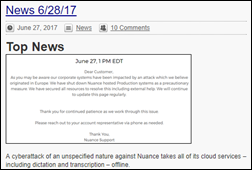
125x125_2nd_Circle

Text Ads


RECENT COMMENTS

  1. Challenger exploded on lift-off when the O-rings failed. Columbia disintegrated on reentry after one of the heat shield tiles were…

Founding Sponsors


Platinum Sponsors


Gold Sponsors


RSS Webinars

  • An error has occurred, which probably means the feed is down. Try again later.