Recent Articles:

Morning Headlines 6/29/23

June 28, 2023 Headlines Comments Off on Morning Headlines 6/29/23

Regulations to govern use of AI in health records could come later this year

ONC hopes to finalize a rule later this year that will require EHRs that use predictive solutions like AI and algorithms to provide end users with an explanation of how that technology works, as well as a description of the data used.

Blueprint Raises $9 Million Series A to Help Therapists Deliver Higher Quality Care in Less Time

Blueprint, which offers mental health providers patient tracking and outcomes assessment technologies, raises $9 million in a Series A funding round.

Cleveland Clinic to open first telehealth hub at new Mentor Hospital

Cleveland Clinic prepares to open a new hospital in Ohio that will offer patients in each of its 57 rooms the ability to access telehealth services from off-site specialists.

Comments Off on Morning Headlines 6/29/23

Healthcare AI News 6/28/23

June 28, 2023 News Comments Off on Healthcare AI News 6/28/23

News

image

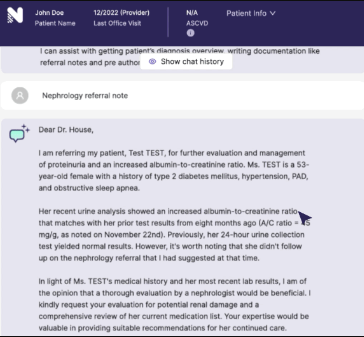
Navina develops a generative AI assistant to help improve the workflows of primary care physicians.

Ballad Health will use MedAware’s AI-powered medication safety monitoring platform to identify and prevent medication-related safety errors.

image

Former Optum Health Chief AI Officer Dennis Chornenky joins UC Davis Health as its first chief AI advisor, tasked with establishing an AI strategy for the health system.

Nuance will make its Dragon Ambient EXperience Express solution available to select Epic users this summer. The AI-powered tool can automatically generate draft clinical notes after a patient visit, as well as quickly generate notes from real-time recordings of physician/patient interactions.


Business

image

Medical imaging data and AI company Flywheel raises $54 million in a Series D investment round.

image

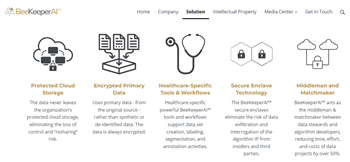
BeeKeeperAI, a San Francisco-based AI development and deployment support startup, announces $12 million in funding.


Research

image

In an effort to even out workloads for cancer patient navigators, researchers at OSF Healthcare develop a smart algorithm that predicts upcoming navigator workloads and then distributes new patients to navigators accordingly. The health system plans to incorporate the algorithm within its OSF Community Connect automated workflow platform and pilot it when its new OSF Cancer Institute opens next year.

image

A new report from the World Economic Forum highlights the challenges and promises of using AI in healthcare, noting that provider shortages, an exponential growth in health data, and increasingly swift advances in AI technology make its adoption and utilization an almost foregone conclusion in the areas of diagnosis and risk stratification, outbreak prediction, and clinical trial optimization.

Researchers determine that large language models like ChatGPT may potentially assist primary care providers in making clinical decisions, evaluating patients, and ordering appropriate imaging tests for breast cancer screenings and breast pain.


Other

image

FedScoop reviews an ONC proposed rule, released in April, that would require EHRs that use predictive solutions like AI and algorithms to provide end users with an explanation of how that technology works, as well as a description of the data it uses. ONC is reviewing comments now and hopes to have a final rule published later this year.

Senate Majority Leader Chuck Schumer (D-NY) pushes forward with potential legislation regulating AI, highlighting national security, misinformation and bias, and transparency from AI developers.


Contacts

Mr. H, Lorre, Jenn, Dr. Jayne.
Get HIStalk updates.
Send news or rumors.
Contact us.

Comments Off on Healthcare AI News 6/28/23

Morning Headlines 6/28/23

June 27, 2023 Headlines Comments Off on Morning Headlines 6/28/23

Revolutionizing Medical AI Development: Flywheel Announces $54 Million in Series D Funding led by Novalis LifeSciences and NVentures

Medical imaging and AI company Flywheel raises $54 million in a Series D investment round.

Riverside Partners’ Portfolio Company UnisLink Acquires HST

RCM and population health management company UnisLink acquires RCM vendor Healthcare Support Technologies.

BeeKeeperAI Raises $12.1 Million Series A to Accelerate AI Development on Privacy Protected Healthcare Data

BeeKeeperAI, a San Francisco-based AI development and deployment support startup, announces $12 million in new funding.

THL explores sale of healthcare IT firm Nextech

THL Partners considers selling specialty practice-focused health IT vendor Nextech in a deal that could be worth $1.5 billion.

Comments Off on Morning Headlines 6/28/23

News 6/28/23

June 27, 2023 News Comments Off on News 6/28/23

Top News

image

Amazon postpones the launch of its Amazon Clinic expansion by three weeks after lawmakers raise concerns about the company’s privacy practices, specifically its method of collecting and sharing customer health data.

Launched last November, Amazon Clinic offers a form-initiated, message-based telemedicine service in 33 states. Amazon had planned to expand it this week to all 50 states with the additional offering of video-based consults. 


Reader Comments

From NighttimeSleepAid: “Re: First-ever Meditech layoffs.” An internal email shared by NSA indicates the company has decided to “downsize the company by less than 2% of our staff” as it seeks ways to adjust expenses and compensate for overstaffing. Impacted roles will mainly include newer staff hired within the last year and niche roles that are no longer needed.


Webinars

July 12 (Wednesday) 2 ET. “101: National Network Data Exchanges.” Sponsor: Particle Health. Presenter: Troy Bannister, founder and CEO, Particle Health. It’s highly likely that your most recent medical records were indexed by a national Health Information Network (HIN). Network participants can submit basic demographic information into an API and receive full, longitudinal medical records sourced from HINs. Records come in a parsed, standardized format, on demand, with a success rate above 90%. There’s so much more to learn and discover, which is why Troy Bannister is going to provide a 101 on all things HIN. You will learn what HINs are, see how the major HINS compare, and learn how networks will evolve due to TEFCA.

July 27 (Thursday) noon ET. “Why You Shouldn’t Wait to Use Generative AI.” Sponsor: Orbita. Presenter: Bill Rogers, co-founder, president, and chairman, Orbita. The advent of generative AI tools truly represents a paradigm shift. And while some healthcare leaders embrace the transformation, others are hesitant. Invest 20 minutes to learn why you shouldn’t wait. When combined with natural language processing, workflow automation and conversational dialogs, generative AI can help leaders address a raft of challenges: from over-extended staff, to the rising demand for self-service tools, to delivering secure information to key stakeholders. You will learn where AI delivers the greatest value for providers and life sciences, how it can solve critical challenges faced by healthcare leaders, and how Orbita has integrated generative AI into its conversational platform so healthcare leaders can leverage its full capabilities safely and securely.

Previous webinars are on our YouTube channel. Contact Lorre to present or promote your own.


Acquisitions, Funding, Business, and Stock

UnitedHealth Group-owned Optum beats out Option Care Health in its bid to acquire home healthcare provider Amedisys in a deal valued at $3.3 billion. Amedisys will join home health and hospice provider LHC Group – acquired by UnitedHealth in February for $5.4 billion – under the Optum umbrella.

image

Home healthcare provider Signify Health, acquired by CVS Health earlier this year for $8 billion, opens a technology center in Galway, Ireland. It is the Dallas-based company’s first facility outside of the US.


Sales

  • Temple University Health System (PA) selects DrFirst’s AI-powered medication history and real-time prescription benefit check solutions.
  • The American Lung Association will leverage Azara Healthcare’s data reporting and analytics as a part of its Project Breathe NY asthma control program.
  • Amstelland Hospital in the Netherlands will implement Sectra’s enterprise imaging subscription service.

People

image

Evangelical Community Hospital (PA) promotes Elizabeth Price to VP of information systems and CIO.

image

Erica Franko (AGS Health) joins Ventra Health as chief transformation officer.

image

Loyal names Austin Pauls (Stord) as its first CFO.

image

NHS England promotes John Quinn to CIO.

image

Vanderbilt University Medical Center (TN) names Vanderbilt professor Paul Harris VP for research informatics.


Announcements and Implementations

The US Virgin Islands Office of Health Information Technology will work with CRISP Shared Services to launch a pilot interoperability program that will serve as the initial infrastructure for its first HIE CRISP supports HIEs in six states and Washington, DC.

image

Mass General Brigham’s Newton-Wellesley Hospital implements Smart Placement transitions-of-care decision support software from Radial Analytics.


Government and Politics

image

VA Assistant Secretary for Congressional and Legislative Affairs Patricia Ross assures Cathy McMorris Rodgers (R-WA) that the VA “will spare no expense” to maintain services and staff at its hospitals in Spokane and Walla Walla, where budget constraints caused by the troubled Oracle Cerner roll out have led to talk of layoffs.

In England, the NHS mandates that 90% of its nearly 225 trusts should have EHRs by December of this year, while 95% should have them by March 2025; and that 75% of adults should be registered on the NHS app by March 2024.


Other

El Camino Health (CA) launches a healthcare technology innovation fund, initially focusing on investing in projects related to remote patient monitoring, contactless patient check-in, and AI-powered diagnostic imaging, among several others.


Sponsor Updates

  • FQHC Mountain Park Health Center increases its number of available appointments using health IT solutions from EClinicalWorks.
  • Fakeeh Care Group integrates Wolters Kluwer Health’s UpToDate clinical decision support solution with its YASASII EHR.
  • Black Book survey-takers give AQuity top customer satisfaction marks for outsourced medical coding solutions.
  • CHIME issues a statement of support for the CONNECT for Health Act.
  • Arrive Health publishes a new whitepaper, “Technology’s Increasing Role in Unlocking Pharmacy Value.”
  • The Tech Trek Podcast features Artera CTO Ashu Agte, “Inheriting an organization and its transformation.”
  • Ernst & Young names Availity CEO Russ Thomas 2023 Florida Entrepreneur of the Year.
  • Baker Tilly co-authors a clinical study in the Journal of Comparative Effectiveness Research demonstrating the value of risk assessment tools in managing women at risk for ovarian cancer.
  • Bamboo Health names Jonathan Koenig (Numerated) implementation specialist and Sheila Sullivan (Humana) executive director.
  • Biofourmis becomes a new Switchboard Health network partner.
  • Nuance makes its Dragon Ambient EXperience Express solution available to Epic users.
  • Hebrew SeniorLife in Boston implements Meditech Expanse.

Blog Posts


Contacts

Mr. H, Lorre, Jenn, Dr. Jayne.
Get HIStalk updates.
Send news or rumors.
Contact us.

Comments Off on News 6/28/23

Morning Headlines 6/27/23

June 26, 2023 Headlines 1 Comment

Amazon delays virtual care service’s unveiling after senators raised privacy concerns

Amazon postpones the launch of its Amazon Clinic expansion by three weeks after lawmakers raised concerns about the company’s privacy practices.

Clarivate snaps up former Cerner employees, plans move into OP office

Clarivate, a global data, insights, analytics, and workflow solutions company, hires 40 former Cerner employees as it prepares to move into a new office in Overland Park, KS.

US Virgin Islands to test data interoperability program ahead of new health information exchange

The US Virgin Islands Office of Health Information Technology will work with CRISP Shared Services to launch a pilot interoperability program as it prepares to build out infrastructure for its first HIE

Curbside Consult with Dr. Jayne 6/26/23

June 26, 2023 Dr. Jayne 2 Comments

The clinical informatics community is buzzing with the news that ChatGPT was used to “pass” a simulated clinical informatics board exam. A recent article in the Journal of the American Medical Informatics Association describes the process used to evaluate the tool and goes further to question whether or not the general availability of AI tools is signaling the end of the “open book” maintenance of certification programs that many board certified physicians, including clinical informaticists, have come to enjoy.

Many of the medical specialty boards have moved to the ongoing maintenance of certification process, shifting away from the high-stakes exams that they used to require diplomates to take every seven to 10 years. My primary specialty board, the American Board of Family Medicine, began to pilot the maintenance of certification process in 2019. Since it had been a while since I practiced full-scope family medicine (which includes obstetrics), I was eager to try the new format, which delivered questions every quarter that could be answered using available resources such as textbooks, journal articles, or online references. This approach is a lot closer to how we actually practice medicine – which involves being able to investigate to find answers when we’re not able to pull the information from memory. High-stakes exams such as the ones we used to have aren’t reflective of our ability to deliver good care and such exams have been shown to negatively impact a variety of demographic groups.

The authors of the article tested ChatGPT 3.5 with more than 250 multiple choice questions drawn from a well-known clinical informatics board review book. ChatGPT correctly answered 74% of the questions, which leads to questions about whether or not it might be misused in the certification process. It was noted that ChatGPT performed differently across various areas within the clinical informatics curriculum, doing the best on fundamental knowledge, leadership and professionalism, and data governance. It did the worst on improving care delivery and outcomes, although statistical analysis didn’t find the differences across the categories to be statistically significant. The authors hypothesize that ChatGPT does better in areas where the questions are recall-based as opposed to those that emphasize application and reasoning.

They go on to propose that “since ChatGPT is able to answer multiple-choice questions accurately, permitting candidates to use artificial intelligence (AI) systems for exams will compromise the credibility and validity of at-home assessments and undermine public trust.” Based on some of the conversations I’ve had with patients over the last three years, I’m not sure patients are too impressed with the idea of board certification in the first place. It feels like some patients put more trust in what they see on TikTok and from various health influencers than in what I’ve learned over the last 25 years in family medicine. The phenomenon has definitely gotten worse since the COVID-19 pandemic turned healthcare delivery systems upside down.

The initial certification exams for specialties are still of the high-stakes format, and some specialties also require an oral examination. Those exams are proctored in order to ensure the integrity of the testing process. When I sat for the initial certification exam in Clinical Informatics nearly a decade ago, it was administered at a corporate testing center, and I took it alongside people taking the real estate licensing exam and other standardized tests. At least at the facility where I took it, I found the process to be nerve-wracking since there was a lot of waiting around and dealing with proctors who were trying to apply different standards to the different types of test takers. For example, my particular exam protocol required me to turn out my pockets and prove that there was nothing in them, but others didn’t have to go through the same steps. It created a feeling of overall uncertainty and was even worse when I needed a tissue due to a runny nose during the exam, when I was treated like I was trying to cheat somehow. Needless to say, I was happy when the maintenance of certification approach was brought to both of my specialty certifications.

One of my colleagues had asked why the use of ChatGPT was a problem since the process already allowed the use of external resources to answer the questions. (Examinees are prohibited from speaking with other people, however.) The authors addressed this in the article, noting that the current process requires examinees “to process and assimilate the information found online to determine the correct answer to the exam questions” where “when using LLMs like ChatGPT, exam takers can simply manually enter or automatically scrape the question into the freely available web interface and be given an instantaneous result. This transaction requires no prior knowledge of theory or application and eliminates the need for reflection, reasoning, and understanding but can still result in a passing score.”

The authors do note some limitations of their study, including the fact that they drew all the questions used from a single board review book. That approach may not be representative of the full range of questions used or content delivered on the actual board certification exam. Additionally, ChatGPT couldn’t be used to address questions that contained images. They go on to say that given the situation, certification bodies need “to explore new approaches to evaluating and measuring mastery.” They suggest that testing may need to include more complicated or novel question types, or may need to include images or graphics that can’t be easily interpreted by current AI technologies. They do suggest that “in some situations, there may be a need to consider reverting to proctored, in-person exams,” although I think there would be a general revolt of diplomates if the board actually considered this approach.

It should be noted that the maintenance of certification process currently includes an honor code attestation, where diplomates certify that they’re following the rules on the use of reference materials and that they aren’t consulting other people for help with the questions. It would be easy enough to broaden that statement and ask diplomates to agree to avoid using AI assistants or other similar technologies when completing their maintenance of certification processes. Personally, I’m glad to be at a point in my career where I might only have to recertify each of my specialty boards one more time. I don’t envy those in earlier phases of their careers who will have to tiptoe through the veritable minefields that new technologies are creating.

What do you think about ongoing proficiency exams, whether for physicians or other industry professionals? Are they useful for demonstrating competency and ability or just a way for certification bodies to generate cash? Leave a comment or email me.

Email Dr. Jayne.

HIStalk Interviews Bart Howe, CEO, HealthMark Group

June 26, 2023 Interviews Comments Off on HIStalk Interviews Bart Howe, CEO, HealthMark Group

Bart Howe, MBA is CEO of HealthMark Group of Dallas, TX. He is also president of the Association of Health Information Outsourcing Services (AHIOS).

image

Tell me about yourself and the company.

I’m a problem solver. I like to work on big projects. I started in finance and quickly determined that my entrepreneurial bug was a little too strong to stay put there, so I started a solar energy technology company and worked in molecular diagnostics before getting into my career in health information management.

I’m the CEO of HealthMark Group, which is a digital health information management solution provider that is most known for our work in the secure and digital exchange of medical records. Oftentimes that’s referred to as release-of-information. That function is perceived at times by the rest of the healthcare industry as a bit archaic, but it can, and has, benefited greatly from the evolution of technology and the way that we maintain records and transmit records. HealthMark is committed to changing that dynamic by providing technology that drives digital self-service and immediate access to patient health information.

I’m an unapologetic patient advocate, so I’m always trying to think from the patient’s perspective. I am a consumer of healthcare, as are all of the end users of the clients that we serve. I always try to have my patient perspective hat on when we’re looking at how we can do things different and better at HealthMark.

I am also, as of a few months ago, president of the national industry association that represents release-of-information vendors. It’s called AHIOS, the Association of Health Information Outsourcing Services. In that, I take a pretty active role in speaking with regulators and legislators around the evolution of the health information management industry from a regulatory perspective. There are tons of opportunities to work with ONC, OCR, and even FTC as we see them starting to regulate more in this space, to make sure that we are creating the right pathways and incentives for organizations, providers, and digital health app developers to engage more in the interoperability solutions of the future. I’m a believer, and I think that opportunities are on the horizon that people don’t even realize exist yet in terms of what can happen when information flows more freely.

How has technology changed the release-of-information process over the past five years?

It continues to change regularly, so it has changed quite a bit in the past five years. I’m sure the next five will as well. What drove me to the space was the rapid change in the way that health information is managed and being transmitted.

I had a personal challenge in one of my prior roles. I was at a molecular diagnostics company, and we were pushing the bounds of scientific discovery in some of the tools that we were using to do oncology diagnostics and provide therapeutic guidance. One of the challenges was getting access to the longitudinal patient information to demonstrate that our diagnostic tool was actually generating better outcomes for patients, and therefore should justify better reimbursement. I saw a need for a better solution for accessing and transmitting health records. When I came across HealthMark, it struck a nerve as an opportunity to jump into an industry that is changing quite a bit and that has a lot of opportunities for improvement.

But to answer your question more acutely, the way that it has changed over the past five years is that everything is going faster. Medical records requests take all sorts of shapes and sizes and they come from all sorts of different parties, such as patients, other physician practices, attorneys, and insurance companies. But expectations for turnaround time for delivery of those records have increased dramatically. They will continue to increase until we can truly hit that target that I’m shooting for with our organization, which is immediate. We want to be able to provide immediate access to that medical information for a variety of different purposes while maintaining the security and privacy of that information.

As EMRs have proliferated throughout the healthcare ecosystem, a lot of that information is now stored digitally instead of on paper, where it was copied or scanned and delivered via snail mail. Today, we try to digitize as much of that delivery as possible. You would be surprised how much of that information is still being requested via a snail mail pathway, but in every chance that we get, we’re pushing requesters towards receiving and ingesting that information in a digital form.

The molecular diagnostics example is a near real-time, business-to-business transaction. How you see the line drawn between release-of-information versus interoperability?

That line is blurring entirely, and that is a good thing. From my perspective, the release of information function, again, has historically been perceived as relatively archaic and lagging behind much of the rest of the industry in terms of moving towards interoperability. I would challenge you to look at HealthMark a little bit differently. We are definitely embracing interoperability as a tool to be able to help deliver digital self-service and immediate access to those records.

To your point, we deliver records for both B2B purposes as well as B2C purposes or B-2-patient purposes. It covers all aspects of what we do. I’m incredibly excited about the trajectory of the industry from an interoperability perspective, and I really want HealthMark to be a leader on the forefront of that push.

On the patient side, how has the Cures Act change how patients request and receive access to their medical records?

I don’t think we’ve seen yet the inflection point of adoption that I hope that we will see at some point, in terms of the adoption of FHIR endpoints and the delivery of information through API methods that will enable a digital healthcare app ecosystem that doesn’t yet exist. We certainly have elements of it and we’re starting to see more of it, but we haven’t hit the inflection point yet.

Do hospitals see release-of-information as a necessarily evil or as an opportunity and a touch point for patient engagement?

If they are not looking at it as an opportunity or as a necessary touch point for patient engagement, then they are looking at it the wrong way. It is absolutely one of the areas that can cause the most abrasion between patient and provider if they aren’t given timely access to their information. They certainly need to think about that as a core competency of either their organization or of a partner that they’re working with to help facilitate that information flow as easily and seamlessly as possible. Maybe it used to be viewed as a necessary evil, but certainly it is an opportunity today.

Much of the information requests that the release-of-information association or partners fulfill are still continuity-of-care requests, so a lot of that information used to treat patients is still flowing through those means. It is critical to the patient as well that they get access to that information for those purposes.

You offer services related to the Family and Medical Leave Act. What kind of information requests are involved?

It’s not just FMLA. There are disability requests and requests for other information that require the physician or physician practice to complete information related to that patient’s care or related to that patient’s treatment regimen. It’s not something that you can pull directly out of a discrete data field. It often takes physician know-how of the situation, or specifically what the request is about, to complete that information. We work on behalf of our healthcare provider partners to alleviate some of that administrative burden.

Ultimately, HealthMark is trying to alleviate, across the ecosystem of our clients, the administrative burdens that we see in our US healthcare ecosystem, which is two to three times the administrative burden that we see in other developed nations. We think there are opportunities to streamline a lot of that information flow, and FMLA paperwork is one of them.

There are requests for that paperwork on a regular basis, ranging from simple requests related to a pregnancy or a surgery all the way up to things that are much more complex. Provider practices are required to fulfill that information request on behalf of their patients because it’s necessary, often for the patient to get a paycheck, so it’s critical to that patient experience.

Everything that we work on ultimately drives back to that patient experience. We are completing that paperwork on in conjunction with the provider partners that we work with to make sure that information doesn’t get stuck with the front desk staff or stuck with an MA and ultimately fall to the bottom of the priority list because it doesn’t involve treating a patient right there in front of you. These things are still critically important to the patient. We are helping make sure that we can streamline the flow of that information.

It’s vexing as a patient to go to your regular medical practice that uses an EHR and having a clipboard full of empty forms immediately shoved at you every time, especially when you know that everything you are being asked to write is already on the computer screen five feet from the clipboard. Why does that happen?

Honestly, I ask myself why that is still so often the case. Filling out paper on a clipboard should be a thing of the past. There is virtually no other situation where we complete information on a clipboard. We provide a digital patient intake solution to help streamline the flow of that information. In this case, not out of the EMR or the practice management system, but into it. We are providing a digital experience for patients to be able to bring healthcare into the modern world, into the 21st century of technology adoption.

I understand why there is a laggard nature to the healthcare industry in terms of a adopting technology. It’s a heavily regulated environment where it is difficult to make changes overnight. That has created a situation where healthcare providers are slower to adopt technology than in other industries, but I think we see that changing as well. Certainly with the pandemic, we saw a rapid overnight need to adopt technology for solutions for things that didn’t exist previously. Telemedicine skyrocketed during that period, as did things like digital patient intake, pre-registration forms, and remote check-in opportunities. We are coming along and we are making progress, but it still baffles me when I walk into a healthcare facility and I’m handed the clipboard and a pen.

Where do you see the company in three or four years?

We are going to continue to lean into the interoperability landscape. I know that is a buzzword that has been around for decades, but I hope that we are reaching the inflection point for both technical and regulatory pathways to make true interoperability a reality. There is a ton of potential in things like the Cures Act and TEFCA. As we lean into that, it will open up downstream use cases for organizations like us, where we are a trusted partner of the healthcare providers that we work with and a steward of that most precious protected healthcare information that they hold on behalf of their patients.

As we sit in that position and start to facilitate better, cheaper, faster information flow, that opens up a ton of opportunities downstream for things like analytics and focusing on the potential for using things like AI to provide relevant insights from that data back to the provider and back to driving better treatment outcomes for the patient.

This is stuff that I care deeply about, and as I mentioned at the beginning, I am an unapologetic patient advocate who tries to think about things from the patient perspective and how to make their experience better. A better experience for them is a better outcome for our clients.

Comments Off on HIStalk Interviews Bart Howe, CEO, HealthMark Group

Morning Headlines 6/26/23

June 25, 2023 Headlines Comments Off on Morning Headlines 6/26/23

Babylon Announces Update on Take Private Proposal

UK-based digital health company Babylon will merge with brain technology vendor MindMaze in a take-private transaction.

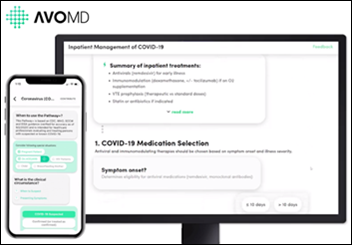
AvoMD Raises $5M to Combat Clinician Burnout With No-Code Clinical App Building Platform

AvoMD, developer of a no-code platform that allows clinicians and hospitals to turn existing and new clinical evidence into their own point-of-care clinical pathway apps, closes $5 million in seed funding.

UNC Health Piloting Secure Internal Generative AI Tool for Teammates with Microsoft Azure OpenAI Service

UNC Health will launch an internal chatbot next month, powered by Microsoft Azure OpenAI Service, that allows employees to access reference materials, documents, and training libraries by asking questions.

Comments Off on Morning Headlines 6/26/23

Monday Morning Update 6/26/23

June 24, 2023 News 2 Comments

Top News

image

Struggling UK-based digital health company Babylon will merge with brain technology vendor MindMaze in a take-private transaction.

The companies say that their combination will create a digital-first, AI-driven business that will transform healthcare in moving to predictive and preventative services.

Shares in Babylon, which went public via a SPAC merger in October 2021 at a valuation of $4 billion, have since shed 99.8% in valuing the company at $20 million.

MindMaze has raised $341 million, including a 2017 investment by Leonardo DiCaprio as the company sought to expand its technology from patients regaining movement to adding interactivity to movies.


HIStalk Announcements and Requests

image

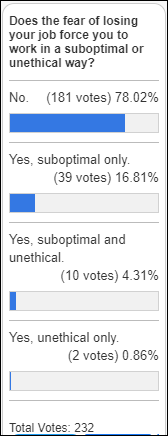
Most poll respondents don’t let a fear of getting fired compromise their work.

New poll to your right or here: In the 12 months, have you disagreed with a doctor who wouldn’t prescribe the drug or treatment you wanted? I’m fascinated by people who trust a doctor to guide their most important health decisions until that doctor’s well-considered logic conflicts with poorly sourced online advice or advertisements, which I’m sure annoys them to no end. On the other hand, I wouldn’t hesitate to choose a restaurant or movie that looks interesting despite critical disdain, so so if I’m paying and the risk is minimal (although neither are guaranteed in healthcare), I guess the customer gets to choose.

We have the usual summer-related travel and time off upcoming at HIStalk now that the longest day of the year is behind us, which fortunately coincides with the slowdown in industry news until Labor Day. We’ll be here as usual, but with less to write about, and that’s a nice break for writers and readers alike. As always, I guarantee that you won’t miss anything important even with skinnier updates.


Webinars

July 12 (Wednesday) 2 ET. “101: National Network Data Exchanges.” Sponsor: Particle Health. Presenter: Troy Bannister, founder and CEO, Particle Health. It’s highly likely that your most recent medical records were indexed by a national Health Information Network (HIN). Network participants can submit basic demographic information into an API and receive full, longitudinal medical records sourced from HINs. Records come in a parsed, standardized format, on demand, with a success rate above 90%. There’s so much more to learn and discover, which is why Troy Bannister is going to provide a 101 on all things HIN. You will learn what HINs are, see how the major HINS compare, and learn how networks will evolve due to TEFCA.

July 27 (Thursday) noon ET. “Why You Shouldn’t Wait to Use Generative AI.” Sponsor: Orbita. Presenter: Bill Rogers, co-founder, president, and chairman, Orbita. The advent of generative AI tools truly represents a paradigm shift. And while some healthcare leaders embrace the transformation, others are hesitant. Invest 20 minutes to learn why you shouldn’t wait. When combined with natural language processing, workflow automation and conversational dialogs, generative AI can help leaders address a raft of challenges: from over-extended staff, to the rising demand for self-service tools, to delivering secure information to key stakeholders. You will learn where AI delivers the greatest value for providers and life sciences, how it can solve critical challenges faced by healthcare leaders, and how Orbita has integrated generative AI into its conversational platform so healthcare leaders can leverage its full capabilities safely and securely.

Previous webinars are on our YouTube channel. Contact Lorre to present or promote your own.


Acquisitions, Funding, Business, and Stock

Group messaging app IRL, which has raised $200 million from investors, shuts down when a board investigation following the dismissal of its founder-CEO finds that 95% of its claimed 20 million active users are bots.
image

AvoMD, whose no-code platform allows clinicians and hospitals to turn existing and new clinical evidence into their own point-of-care clinical pathway apps, closes $5 million in seed funding. Co-founder and CEO Yair Saperstein, MD, MPH is double-boarded in internal medicine and clinical informatics.

Medicare Advantage insurer Clover Health settles several investor lawsuits involving failing to disclose that the company was the subject of a federal investigation when it went public via a SPAC merger in January 2021. CLOV share have since lost 94%, valuing the company at $425 million.


Announcements and Implementations

UNC Health will launch an internal chatbot next month, powered by Microsoft Azure OpenAI Service, that allows employees to access reference materials, documents, and training libraries by asking questions.


Government and Politics

Oklahoma’s governor rejects the formation of statewide HIE.

New York passes a bill that would prohibit any agreement that would prohibit or restrict an employee’s post-employment work, with language that goes further than the FTC’s proposed non-compete rule or California’s limitations. The bill has been submitted to the governor for signing.


Privacy and Security

The International Information System Security Certification Consortium will retire the HCISPP healthcare security certification credential as of December 1, 2026.


Contacts

Mr. H, Lorre, Jenn, Dr. Jayne.
Get HIStalk updates.
Send news or rumors.
Contact us.

Morning Headlines 6/23/23

June 22, 2023 Headlines Comments Off on Morning Headlines 6/23/23

Tennessee attorney general says seeking clinic’s transgender patient records part of fraud probe

Tennessee Attorney General Jonathan Skrmetti’s office, which compelled Vanderbilt University Medical Center to turn over the medical records of transgender patients to support its fraud investigation, has also demanded that VUMC provide copies of its physician contracts, their resumes, and their W2 and 1099 tax forms.

Jesse Jones: New charges for some MyChart messages

University of Washington Medicine will begin charging patients for answering MyChart messages that require more than 10 minutes  – including requests to complete medical forms or for referrals – at prices ranging from $7 for Medicaid patients to $98 for those without insurance.

VA official expects Oracle Cerner to deliver on $10B EHR contract despite layoffs

A VA EHR executive says that it continues to expect Oracle Cerner to deliver on newly strengthened contractual requirements even though the company’s recent significant layoffs reportedly include experienced members of its clinical teams.

ChatGPT and the clinical informatics board examination: the end of unproctored maintenance of certification?

ChatGPT passes the clinical informatics board exam, raising questions about how the unproctored, multiple-choice test will be used to evaluate proficiency.

Comments Off on Morning Headlines 6/23/23

News 6/23/23

June 22, 2023 News 1 Comment

Top News

image

Tennessee Attorney General Jonathan Skrmetti requests information from Vanderbilt University Medical Center that includes patient referrals, email records, and copies of W9 and 1099 forms that detail its payments to physicians. His office is investigating possible billing fraud related to VUMC providing gender-affirming services to people who are covered by state insurance.

Tennessee law does not require the attorney general to obtain a subpoena or court order to compel VUMC to provide the requested information, although HIPAA supersedes state law.

VUMC has already provided the medical records of a list of specific patients that the AG provided from unspecified sources. VUMC notified those patients months after the fact.

Skrmetti said last fall that he would investigate VUMC after a political commentator claimed on social media that the hospital had punished employees who don’t agree with its gender-related treatments, which VUMC denied. A new Tennessee law takes effect on July 1 that criminalizes the provision of gender-affirming services to minors.

An updated statement from the AG’s office says that it launched an investigation almost a year ago, when it says a VUMC doctor publicly stated that she was manipulating billing codes to bypass insurer coverage limitations on gender-related treatment.

The AG’s office says it was surprised that VUMC recently notified patients, adding that it has no desire to turn a fraud investigation into a “media circus.”


Reader Comments

From Sebum: “Re: NEJM article. Extraordinarily good piece.” A perspective article titled “Ellipsis” by CU Medicine hospitalist Samuel Porter, MD describes the disconnect of receiving texted questions and requests from other caregivers that he mostly doesn’t know, where pager messages that were a “faceless voice” have progressed to phone messages that are a “voiceless face” of avatars. He says, “My avatar stretches its influence across a vast complex of specialized structures to dictate care from its pixelated mouthpiece.” He says that hospital physical sprawl and time pressure don’t allow seeing the patient directly, so the only constant is his computer, and the measure of his day’s work is counting icons rather than seeing facial reactions. It’s interesting to think about practicing medicine without even the visual feedback of a video visit, and I’m picturing doctors sitting in dark rooms “processing” requests and orders like a video gamer shooting aliens for dopamine jolts.


HIStalk Announcements and Requests

image

Welcome to new HIStalk Platinum Sponsor Linus Health. The Boston-based digital health company is dedicated to transforming brain health for people across the world, with a focus on Alzheimer’s and other dementias. By advancing how we detect and address cognitive and brain disorders – leveraging cutting-edge neuroscience, clinical expertise, and artificial intelligence – the company’s goal is to enable a future where people can live longer, happier, and healthier lives with better brain health. Its digital cognitive assessment platform provides a proven, practical solution for early detection; empowers providers with actionable clinical insights; and supports individuals with personalized action plans. The company is proud to partner with leading healthcare delivery, life sciences, and research organizations to advance cognitive care. Visit its website to learn more about its practical solutions for proactive brain health. Thanks to Linus Health for supporting HIStalk.

Here’s a Linus Health explainer video that I found on YouTube.


Webinars

July 12 (Wednesday) 2 ET. “101: National Network Data Exchanges.” Sponsor: Particle Health. Presenter: Troy Bannister, founder and CEO, Particle Health. It’s highly likely that your most recent medical records were indexed by a national Health Information Network (HIN). Network participants can submit basic demographic information into an API and receive full, longitudinal medical records sourced from HINs. Records come in a parsed, standardized format, on demand, with a success rate above 90%. There’s so much more to learn and discover, which is why Troy Bannister is going to provide a 101 on all things HIN. You will learn what HINs are, see how the major HINS compare, and learn how networks will evolve due to TEFCA.

July 27 (Thursday) noon ET. “Why You Shouldn’t Wait to Use Generative AI.” Sponsor: Orbita. Presenter: Bill Rogers, co-founder, president, and chairman, Orbita. The advent of generative AI tools truly represents a paradigm shift. And while some healthcare leaders embrace the transformation, others are hesitant. Invest 20 minutes to learn why you shouldn’t wait. When combined with natural language processing, workflow automation and conversational dialogs, generative AI can help leaders address a raft of challenges: from over-extended staff, to the rising demand for self-service tools, to delivering secure information to key stakeholders. You will learn where AI delivers the greatest value for providers and life sciences, how it can solve critical challenges faved by healthcare leaders, and how Orbita has integrated generative AI into its conversational platform so healthcare leaders can leverage its full capabilities safely and securely.

Previous webinars are on our YouTube channel. Contact Lorre to present or promote your own.


Acquisitions, Funding, Business, and Stock

image

Outbound AI, which sells virtual agent technology for healthcare revenue cycle management, raises $16 million in a seed funding round.

Real-world data company Verana Health launches a subscription-based tool to help ophthalmology-related clinical trial sponsors and contract research organizations find potential trial sites.


Sales

  • University Hospitals will implement Nuance’s patient engagement solutions, including virtual agents and AI-powered call routing.

People

image

Chilmark Research founder and CEO John Moore died Wednesday after a long battle with cancer.


Government and Politics

VA officials say despite last week’s layoffs in Oracle’s Cerner business that may have been driven by the VA’s own stalled implementation, it expects the company to provide the talent and expertise that is needed to fulfill its contractual commitments.


Privacy and Security

UK physician groups urge NHS England to pause its tender for a $600 million contract for a federated data platform, predicting that nearly half of NHS patients will opt out if the government choose analytics firm Palantir – which has ties to US security agencies – as its vendor. They propose alternatives based around the open source platform Open Safely and OneLondon, which they say are more transparent. Meanwhile, Palantir – which the physician groups say spending big dollars on lobbying to win the bid – is awarded a 12-month, $32 million contract to transition existing NHS projects into the new platform, which critics say raises concerns about the procurement program’s transparency and scope.


Other

A NBC News investigation finds that publicly traded hospital operator HCA Healthcare used an algorithm to identify hospitalized inpatients who were likely to die, then pushed them into palliative or hospice care to improve hospital performance measures that are tied to executive bonuses.

ChatGPT passes a simulated clinical informatics board examination, raising questions about the future of unproctored, at-home certification testing.


Sponsor Updates

  • CereCore publishes an e-book titled “Technical Debt and the Patient.”
  • Nordic posts a podcast titled “Designing for Health: Interview with Denise Worrell.”
  • Roni Jamesmeyer, senior healthcare manager at Five9, authors an article titled “TLC, not A&E: Reducing Emergency Situations through Proactive Communications.”
  • Medhost’s Meadteam Solutions launches a security operations center for its community hospital customers.

Contacts

Mr. H, Lorre, Jenn, Dr. Jayne.
Get HIStalk updates.
Send news or rumors.
Contact us.

EPtalk by Dr. Jayne 6/22/23

June 22, 2023 Dr. Jayne 1 Comment

I continue to receive emails from multiple vendors addressing me as “Hey Jayne” and demanding that I schedule a call, or alternatively, respond to the email to tell the sender I’m not interested. I can guarantee I’m not going to respond to an email with that salutation, nor am I going to respond to bullying.

I keep trying to block the senders, but they’re somehow still getting through from at least two organizations. You might think that continued non-response would also be a ticket to be taken off of their marketing list. I’m also getting hit with solicitations for speaking engagements at dubious “conferences” that sound decidedly pay-to-play, but those seem to be a little easier to block.

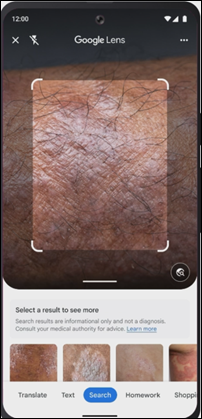
In his recent Healthcare AI News roundup, Mr. H mentioned the inclusion of skin conditions in the Google Lens visual search tool. I decided to give it a whirl and ran three pictures of known dermatological findings through it. The tool scored zero out of three, so I think there’s still some opportunity for improvement. Granted, one of the conditions isn’t super common and it suggested a condition that is often confused with the actual diagnosis, but the other two submissions were very common, and I was surprised it didn’t do a better job with those.

When technology companies are marketing directly to consumers, it’s hard for primary care physicians and others who have the patient’s interests at heart to get ahead of the messaging and explain how these tools might or might not be used. It’s one more thing that overburdened clinicians need to add to their list of anticipatory guidance for upcoming patient visits.

AI continues to be a hot topic both within the US and around the globe. Various European consumer protection organizations are calling for investigation of AI systems in the interim before European Union regulations on the systems go into effect. Concerns range from the risks involved when AI generates content that mimics human work to the risk that AI could manipulate humans into doing things that will harm them. The European Union is creating rules for technology use, but they won’t go into effect for a couple of years.

Other countries are addressing the issue on a case-by-case basis, with Italy ordering OpenAI to stop processing user information during the investigation of a data incident. Nations such as France, Spain, and Canada are also looking into the technology. The next few months will be interesting as far as the continued discussion of AI and how it can best be used for the greater good.

I started doing some clinical work with a new organization and they’re eager to get my informaticist opinion on their EHR and how they might improve it. The first thing I recommended was some optimization to improve usability by putting the most commonly selected items on various menus in positions where they will be the easiest to select for the greatest number of patient visits. The EHR analyst couldn’t figure out how to do it, so he had to open a ticket with their vendor. It turns out that the EHR doesn’t allow this level of configuration, but rather forces items on the menu to be displayed in the order in which the menu items were built in the system’s back-end utility.

I remember seeing that kind of nonsense on a system I implemented back in 2009, but I thought that vendors had moved beyond that. It’s no wonder that physicians are complaining about scrolling since they are having to do more of it than they should.

image

Registration is open for the LOINC conference being held October 17-20 in Atlanta. Sessions will focus on health data interoperability issues. Attendees include providers, patients, laboratory organizations, government entities, software vendors, device manufacturers, researchers, and students. The first day will be “devoted to LOINC learning,” with educational sessions to support newer users of LOINC and grow expertise in advanced users. Subsequent days will include public meetings of the LOINC committee as well as presentations from the LOINC community. Proposals are still being accepted, and for those unable to attend in person, there is an option for online participation.

image

Speaking of conferences, one of my favorite readers is attending a meeting this week and sent some musings about his experiences. The meeting is the Multidisciplinary Association for Psychedelic Studies annual Psychedelic Science conference,  being held in Denver. Organizers estimated the potential attendance at 10,000 and continuing medical education credits are being offered. The conference agenda is fascinating, and my reporter has found it to be “wildly informative” and full of information about topics he had not previously been aware of.

Based on his reports, it feels like the event was pretty mellow and lower key than some other conferences. There was at least one EHR vendor was exhibiting although I didn’t catch which one it was. I imagine the vendor has to have either some highly specialized content, or alternatively, a fairly significant ability for clients to customize to meet their needs.

Other interesting offerings included sessions on the convergence of wearables, neuroscience, and psychedelics; a history of the discipline; discussion of rituals; practical techniques for prayer practice; the use of psychedelics in alcohol use disorder; and a stomp class.

The use of drugs like ketamine and psilocybin also features prominently in the agenda. I have worked with a handful of patients who have had life-changing experiences with ketamine treatment, so I hope people are open minded when considering some of these non-mainstream treatments. The website’s chatbot told me the conference was sold out except for single-day passes for Friday, so it sounds like plenty of people are interested in learning more.

I don’t have any conference travel planned for a while, so I’ll just have to live vicariously through my readers. If you’re attending a meeting we haven’t historically reported on, feel free to send your thoughts and observations. Or if you have ideas of meetings that you think HIStalk should be covering, please pass those along as well. As I put together my conference plan for the rest of 2023 and the first half of 2024, nothing is off the table.

Do you have any work-related travel that you’re looking forward to? What makes it unique or appealing? Leave a comment or email me.

Email Dr. Jayne.

Morning Headlines 6/22/23

June 21, 2023 Headlines 2 Comments

AccurKardia Announces Final Closing of $2.7 Million Series Seed Round

AccurKardia, which sells AI-powered clinical-grade ECG interpretation software, completes a $2.7 million seed funding round.

AMA announces organizations selected for grants to research EHR use

The American Medical Association awards $589,000 in grants to nine organizations that will study EHR use for solutions that can prevent clinician burnout, enhance care, and improve workflows.

‘You’re not God’: Doctors and patient families say HCA hospitals push hospice care

An NBC News report says that publicly traded hospital operator HCA Healthcare used an algorithm to identify hospitalized inpatients who were likely to die, then pushed them into palliative or hospice care to improve hospital performance measures that are tied to executive bonuses.

Doctors urge ‘pause’ on Federated Data Platform bidding amid Palantir data security concerns

Doctors in England call for the government to pause the tender process for a new $600 million national federated data platform, saying that frontrunner Palantir is a private US company with ties to US security agencies that would discourage participation and that the procurement process favors the company because of its lobbying efforts and the waiving of procurement procedures during the pandemic.

DexCare Closes $75M in Series C Funding, Led by ICONIQ Growth, to Accelerate Market Expansion of its Care Access Platform

Providence spinout DexCare, which offers a customer acquisition and healthcare navigation system, raises $75 million.

Healthcare AI News 6/21/23

News

image

Google adds the ability to search for skin conditions to its Lens visual search tool. Users take or upload a photo of their skin condition and the system finds visual matches, which it says is easier than trying to describe the situation with words.

image

Startup Dandelion Health, which offers de-identified health system data for clinical research, launches a free public service that will evaluate the performance, fairness, and equity of health algorithms. It will initially focus on predictive algorithms for cardiology. The company’s pilot program – which uses data from Sharp HealthCare, Sanford Health, and Texas Health Resources – will evaluate if an algorithm trained on one area’s dataset performs equally well when applied to other populations and if it does so fairly for everyone.


Business

image

Korea-based AI medical solutions vendor SPASS receives FDA 510(k) clearance for its AI-based detection software for sepsis, anaphylaxis, and hypovolemic shock.

image

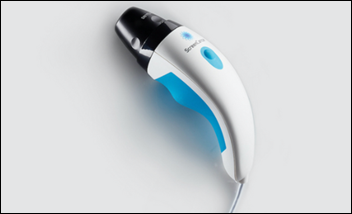
DeepX earns FDA clearance for its digital dermatoscope, which will acquire images for teledermatology review. The company is seeking FDA approval for integrating the images with an AI algorithm that will analyze lesions based on their light transferring properties to provide fast-track diagnosis of skin cancer.

A McKinsey report predicts that generative AI will add $4.4 trillion to the global economy, with leading use cases being in banking, technology, and life sciences.

ChatGPT creator OpenAI is reportedly planning to launch a marketplace for AI models that use its technology, which could raise competitive issues with its partners.  


Research

Researchers find that AI-powered analysis of EHR data can predict pancreatic cancer earlier, identifying heightened risk up to three years before diagnosis. Unexpected predictive symptoms include gallstones, Type 2 diabetes, anemia, and GI symptoms. The researchers believe that 320 of each 1,000 people the AI model identifies as high risk will develop cancer. The federal government doesn’t recommend screening symptom-free people for pancreatic cancer, but targeting AI-identified high-risk patients would make surveillance more affordable and improve long-term survival.

AI algorithms for predicting inflammatory bowel disease have been enhanced to offer personalized treatment recommendations and – by incorporating patient-reported outcomes, sensor data, and biomarkers – to detect early signs of worsening or to predict which treatments will be effective.


Other

image

Meredith Broussard, MFA, whose 2018 book “Artificial Unintelligence” coined the term “technochauvinism” in describing the belief that technology can solve any problem better than humans, describes her experience with running open-source AI models on her mammograms to see if it would detect the cancer that her doctor has already diagnosed:

The AI that I used did, in fact, work. But it doesn’t diagnose the way that a doctor does. It drew a circle around an “area of concern” on a single flat image and gave me a score between zero and one … I realized that I had expected more—not the Terminator, and not a Jetsons-style robot doctor, but at least a humanlike diagnosis based on my entire medical record. This is pretty typical. We often have imaginary expectations about AI, and the technology fails to live up to what we imagine it can do. It would be really great if we could diagnose more people earlier. It would be great if we could use technology to save more lives from cancer. We are absolutely all united in that goal. But the idea that AI is going to be our salvation for diagnosing all cancers in the next few years is a little bit overblown.


Contacts

Mr. H, Lorre, Jenn, Dr. Jayne.
Get HIStalk updates.
Send news or rumors.
Contact us.

Morning Headlines 6/21/23

June 20, 2023 Headlines Comments Off on Morning Headlines 6/21/23

Vanderbilt turns over transgender patient records to state in attorney general probe

VUMC notifies some of its patients that it has sent their medical records to the state’s attorney general, whose office is conducting an investigation into billing state-insured patients for transgender care services.

Creating the world’s largest medical imaging library – Gradient Health closes $2.75M round

Raleigh, NC-based Gradient Health, which offers developers a library of 350 million medical images for AI training, raises $2.75 million.

Caraway Secures $16.75M Series A Funding

Virtual care company Caraway – which offers mental, physical, and reproductive health services in six states, primarily to women aged 18-27 — raises $16.75 million in a Series A funding round.

Comments Off on Morning Headlines 6/21/23

News 6/21/23

June 20, 2023 News 4 Comments

Top News

image

Healthcare shift-bidding platform vendor CareRev will reportedly lay off one-third of its corporate workforce, about 100 employees, following the departure of founder and CEO Will Patterson, RN. He resigned after admitting to colleagues that he delivered an investor Zoom pitch – which resulted in a $50 million Series A round — while taking LSD.

Patterson announced in January 2023 that the company would focus on expanding its technology platform, which would require laying off an unstated number of employees. 


Reader Comments

From Amicus Briefly: “Re: Oracle Cerner layoff. A physician says in a private member group that its whole clinical team was eliminated, including nurse and physician executives.” Unverified since the company hasn’t said a word on that topic, but I haven’t seen that claim elsewhere. Layoffs in big, far-flung companies are often hard to quantify otherwise since those involved don’t have easy ways to compare information. It’s easier in a one-office business because you see the empty cubes or watch out the window to see who’s being marched out. Those who should eventually notice are the company’s customers, whose interests are not necessarily aligned with those of shareholders.

Webinars

June 22 (Thursday) 2 ET. “The End of COVID Public Health Emergency is Here. Is Your Rev Cycle Ready?” Sponsor: Waystar. Presenter: Vanessa L. Moldovan, commercial enablement + insights program manager, Waystar. This webinar will describe the proactive steps that are needed to avoid increased rejections and denials. It will cover regulatory waivers and flexibilities, major shifts in telehealth, changes to reimbursement, and the impact of the end of the PHE on Medicaid coverage.

July 12 (Wednesday) 2 ET. “101: National Network Data Exchanges.” Sponsor: Particle Health. Presenter: Troy Bannister, founder and CEO, Particle Health. It’s highly likely that your most recent medical records were indexed by a national Health Information Network (HIN). Network participants can submit basic demographic information into an API and receive full, longitudinal medical records sourced from HINs. Records come in a parsed, standardized format, on demand, with a success rate above 90%. There’s so much more to learn and discover, which is why Troy Bannister is going to provide a 101 on all things HIN. You will learn what HINs are, see how the major HINS compare, and learn how networks will evolve due to TEFCA.

Previous webinars are on our YouTube channel. Contact Lorre to present or promote your own.


Acquisitions, Funding, Business, and Stock

image

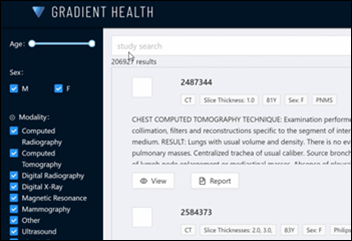
Gradient Health, which offers AI developers a library of 350 million raw and labeled medical images from 1,000 partner hospitals for system training, raises $2.75 million.

image

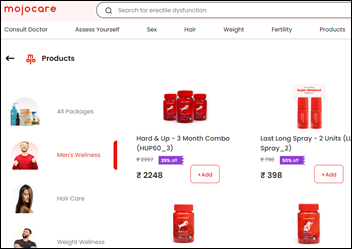
The founders of India-based vanity drug telehealth vendor Mojocare admit — following an investor-commissioned forensic audit after the company laid off 80% of its employees — that they were falsifying sales. A report says that the “judgment-free wellness platform” vendor was selling products to companies that were owned by the relatives of the founders, then restocking the delivered products, inflating its gross merchandise value. The money-losing company raised $21 million in a Series A funding round in August 2022 after reporting that its revenue had increased 38-fold. The two founders have no healthcare experience.


Sales

  • In England, Leeds Teach Hospitals NHS Trust will implement Flatiron Health’s real-world data for oncology research.

People

image

Evergreen Healthcare Partners promotes John Evans to SVP of operations.


Announcements and Implementations

Malaysia’s Health Ministry will implement an expanded, cloud-based EHR nationwide in 2026.

Silver Cross Hospital expands its use of Kyruus ProviderMatch to include scheduling of primary care, gastroenterology, and cardiology.

image

Microsoft opens a public preview of Azure OpenAI Service that allows running models on client-owned data, eliminating the need for training.


Government and Politics

image

A Tennessee news site reports that Vanderbilt University Medical Center has notified some of its patients that it has sent their medical records to the state’s attorney general, who it says is investigating VUMC’s billing for transgender care services for patients who are covered by state-sponsored insurance. Commenters question the legality of providing the records under HIPAA and how VUMC chose the patients whose records it sent. HHS advises under its HIPAA “Court Orders and Subpoenas” guidance that providers can share PHI under a court order, or in the case of a subpoena, if the patient has been notified in advance to give them the chance to object or seek a protective order. The cited VUMC communication refers to a “civil investigation” in which the patient records were “requested.” The AG’s chief of staff says that the office is “surprised that VUMC has deliberately chosen to frighten its patients like this,” adding that its billing investigation involves only VUMC and certain providers, not patients.


Contacts

Mr. H, Lorre, Jenn, Dr. Jayne.
Get HIStalk updates.
Send news or rumors.
Contact us.

Morning Headlines 6/20/23

June 19, 2023 Headlines Comments Off on Morning Headlines 6/20/23

How Palantir is helping hospitals with tasks that used to require spreadsheets and whiteboards

A CNBC report looks at Cleveland Clinic’s work with Palantir’s AI software to manage resource allocation.

CareRev Plans to Cut Roughly a Third of Staff

Healthcare shift-bidding platform vendor CareRev will reportedly lay off one-third of its corporate workforce, about 100 employees, following the departure of CEO Will Patterson over claimed conduct issues.

Biden picks North Carolina’s former health chief, Mandy Cohen, to run CDC

As previously speculated, the White House will name Aledade EVP Mandy Cohen, MD, MPH as new CDC director effective with the resignation of Rochelle Walensky, MD, MPH on June 30.

Comments Off on Morning Headlines 6/20/23

Text Ads


RECENT COMMENTS

  1. ... because it's a construction worksite. (It's a bit more evident from the second photo in the linked post.)

  2. I can't get past the helmets and safety vests. On everyone. Including the model patient. What, are they expecting the…

  3. I'm all for a startup mentality, but there really needs to be a net positive return for all that time,…

  4. Re: It would be interesting to compare after-hours use of generative AI solutions by patients who have access to after-hours…

  5. Would be interesting to see what Providence St. Joe's return has been on all their adventures. When I was on…

Founding Sponsors


Platinum Sponsors


Gold Sponsors


RSS Webinars

  • An error has occurred, which probably means the feed is down. Try again later.