Recent Articles:

Monday Morning Update 7/31/23

July 30, 2023 News Comments Off on Monday Morning Update 7/31/23

Top News

image

Surescripts settles Federal Trade Commission charges from 2019 that accused the company of anti-competitive practices in the electronic prescribing and eligibility markets.

FTC claimed that Surescripts maintained a 95% market share in both business lines by using “loyalty contracts” in which customers who did not use Surescripts exclusively would pay higher prices, preventing competitors from gaining enough business to become a viable competitor.

FTC also said that Surescripts executives used what they called “nuclear missiles” threats in 2014 against Allscripts, which was considering using Surescripts competitor Emdeon. FTC also claimed that Surescripts inserted a clause in its value-added reseller contract with McKesson’s RelayHealth that locked it out of the routing market for six years.

The company says that FTC’s case was based on significant factual errors.

The FTC’s proposed order would prohibit Surescripts from engaging in exclusionary conduct and from executing or enforcing non-compete agreements with current and former employees.


Reader Comments

From Hospital CIO: “Re: HIMSS. Got an invitation at 10:21 this past Friday morning for a noon Teams call from HIMSS (wonder what that could be about?) Most annoying is that they don’t know about BCC and blasted 600 email addresses to everybody. Probably time to tweak my mail filters.” Did they talk about the sale of the annual conference? Industry reaction has been minimal, so either folks are waiting to hear what HIMSS has to say or don’t really care.

From Mike Teavee: “Re: HIMSS. If they have not filed federal tax forms, is is possible that they have changed their incorporation or non-profit status?” I don’t know, but they also stopped filing Illinois corporate reports in 2020 along with the required IRS forms, at least under their original name as searched on the IRS and Illinois websites where their previous reports appear. It is curious that those reports stopped in the disastrous HIMSS year of 2020. I can’t find anyone listed on the HIMSS website or LinkedIn who serves as CFO, following the departure of the CFO and then the interim who followed. I would be interested in hearing from in-the-know readers since the current HIMSS regime doesn’t usually respond to my inquiries.


Selling the HIMSS Conference

HIMSS hasn’t said anything about the surprising note in Informa’s six-month financial report on Thursday in which the B2B media and events company says that it has obtained the exclusive right to buy the HIMSS Global Health Conference and Exhibition. Thoughts:

  • The “announcement of exclusivity” to buy the conference falls short of announcing an actual acquisition. Still, that mention from a huge, publicly traded company in its financial report suggests its confidence that the deal will go through.
  • The acquisition, at least as described minimally by Informa, involves only the HIMSS annual conference, not the other conferences HIMSS runs, its membership business, or any of its other offerings.
  • HIMSS hasn’t filed an IRS Form 990 for FY 2021 or 2022. The last full-year Form 990 before the 2020 conference’s cancellation showed conference revenue of $40 million, plus what is likely to have been considerably more from tie-in advertising and corporate sponsorships, so the conference was probably directly or indirectly generating close to half of the organization’s $112 million in annual revenue. 
  • Informa says is paid around nine times earnings for its four 2023 acquisitions, including the HIMSS conference (note that including this note suggests that the acquisition price has already been set). That might suggest a HIMSS selling price of around $150 million to $250 million based on pre-2020 conference margins, although the numbers since 2020 are less robust. That is my speculation since I haven’t seen its financial forms.
  • The sale would leave HIMSS as a membership organization that operates other conferences (such as those outside the US, assuming Informa doesn’t acquire those), its HIMSS Media arm that generates about $13 million in revenue, and a maturity model consulting firm. All might see reduced revenue when tie-ins to the annual conference are eliminated.
  • HIMSS has struggled with the last-minute cancellation of the 2020 conference and dissatisfaction with related refunds and communication. Competition from the HLTH and ViVE conferences, the latter of which involves CHIME and its strong CIO participation, is a threat.
  • The HIMSS name is on both the organization and the conference, so any separation of ways would need to iron that out, along with any ongoing involvement that HIMSS might have in the conference.

HIStalk Announcements and Requests

image

Most poll respondents think that patients should be able to ask providers to not share some of their EHR data elements, with most of those preferring that provider compliance with those wishes be mandatory. Readers provided some thoughtful comments about the issue, which is more complex than it might seem.

New poll to your right or here: How would HIMSS selling its annual conference affect the organization’s industry relevance?

Thanks to the following companies that recently supported HIStalk. Click a logo for more information.

image
image
image
image
image
image
image
image
image
image
image
image


Webinars

None scheduled soon. Previous webinars are on our YouTube channel. Contact Lorre to present or promote your own.


Acquisitions, Funding, Business, and Stock

Fairview Health Services and Sanford Health call off their planned merger, their second attempt in 10 years.


Sales

  • Memorial Sloan Kettering Cancer Center chooses Visage Imaging’s enterprise imaging system.

Announcements and Implementations

Salesforce, Oracle Health, and Epic will likely bid to provide Ireland’s proposed patient record system, whose cost could exceed $2 billion over 10 years.


Sponsor Updates

  • EClinicalWorks population health tools help HealthTexas Medical Group achieve a five-star customer rating.
  • Meditech announces that EVP and COO Helen Waters has been named an advisor to The Scottsdale Institute.
  • The Health is Hard Podcast features Nuance Chief Strategy Officer Peter Durlach.
  • Nordic releases a new Designing for Health Podcast, “Interview with Dr. A Jay Holmgren.”
  • West Monroe employees help with The Journey School’s Intro to Software Engineering Workshop.
  • Wolters Kluwer Health and Unbound Medicine release an updated mobile version of Lippincott’s Nursing Drug Handbook.

Blog Posts


Contacts

Mr. H, Lorre, Jenn, Dr. Jayne.
Get HIStalk updates.
Send news or rumors.
Contact us.

Comments Off on Monday Morning Update 7/31/23

Morning Headlines 7/28/23

July 27, 2023 Headlines Comments Off on Morning Headlines 7/28/23

Informa Reports Half-Year Revenue Surge and Accelerated Growth Through More Acquisitions and Investments

Informa Markets, a London-based B2B events and publishing company, announces via its six-month financial report that it will acquire the HIMSS Global Health Conference & Exhibition.

RapidAI Announces $75 Million Growth Investment Led by Vista Credit Partners

AI-powered clinical decision support and workflow startup RapidAI raises $75 million, bringing its total raised to $100 million.

Biofourmis Cuts 120 Jobs Worldwide, Including 48 in US

Remote monitoring and digital therapeutics technology vendor Biofourmis lays off 120 employees, 48 of them based in the US.

Comments Off on Morning Headlines 7/28/23

News 7/28/23

July 27, 2023 News 4 Comments

Top News

image

Informa Markets will acquire the HIMSS Global Health Conference & Exhibition, the London-based company announced in its six-month financial report.

Informa is a London-based B2B events and publishing company. Its shares are traded on the London Stock Exchange, valuing the company at $11 billion. Some of Informa’s many health-related conferences include Bio-Europe, Pharma Forum, Arab Health, Asia Health, Medlab Asia, Healthcare Innovation Show, and BioMedevice Boston.

HIMSS has not acknowledged the announcement or covered it on its Healthcare IT News site.

HIMSS announced last month that it will move its global headquarters to Rotterdam, the Netherlands.


Reader Comments

From Jordan: “Re: HIMSS Accelerate. Seems to be offline.” I tried logging in, resetting my password, and creating a new account over a couple of days, all with no result. I’ve emailed the HIMSS press contact.

From Bean Me Up: “Re: HIMSS. Why haven’t they filed their IRS Form 990 for non-profits? They aren’t saying anything about selling the annual conference despite the news, so their financials would certainly be interesting.” The most recent annual IRS Form 990 for HIMSS covered from July 1, 2020 through December 31, 2020, when it moved its fiscal year end to December 31. I have not seen the filings that were due on May 15, 2022 (for FY2021) and May 15, 2023 (for FY2022), although I seem to recall asking HIMSS for those forms a few months ago.


Webinars

None scheduled soon. Previous webinars are on our YouTube channel. Contact Lorre to present or promote your own.

Kettering Health’s CMIO and its oncology product owner did an outstanding webinar in which they described how the health system uses Volpara Health’s technology, seamlessly integrated with Epic, to perform cancer risk assessments and create personalized treatment plans. It held my attention throughout, and I enjoyed seeing screenshots of how it works for clinicians and patients. Nice job, Albert Bonnema, MD, MPH (who is a former US Air Force CMIO and USAF genomics research lab chief) and Chris Yuppa.


Acquisitions, Funding, Business, and Stock

Remote monitoring and digital therapeutics technology vendor Biofourmis lays off 120 employees, 48 of them based in the US.


Sales

  • Student health EHR vendor Medicat announces that an unnamed Major League Baseball team will implement its product to manage its mental health initiatives.

People

image

Divurgent hires Jeff Fuller, MS (CipherHealth) as VP of analytics delivery.

image

Recently retired Vanderbilt University Medical Center pediatric informaticist Stuart Weinberg, MD died July 18. He was 63.


Announcements and Implementations

Amazon Web Services announces AWS HealthScribe, an API-powered cloud service that allows developers to create applications that convert audio recordings of doctor-patient discussions into clinical documentation that can be entered into the EHR. The product will focus initially on general medicine and orthopedics. Amazon says that 3M’s MModal, Babylon Health, and ScribeEMR are already using the product.

AWS also announces the rollout of AWS HealthImaging, a developer’s API service for creating medical imaging applications.

Blue Shield of California will use Microsoft Azure to consolidate member, provider, and payer data into a near-real time view that will allow personalizing services and closing care gaps. Its first use case is creating an integrated digital health record of conditions, labs, medications, ED visits, utilization, and plan coverage, which will support care coordination, transitions of care, and connecting members to social services.

image

Essentia Health’s new St. Mary’s Medical Center in Duluth, MN will feature Sonifi Health’s engagement platform.

image

A new KLAS on patient privacy monitoring solutions finds that Protenus tops the four-product performance ranking among its user base of mostly large Epic sites that also report high impact from the company’s use of AI/ML capabilities. Imprivata’s scores initially dropped following acquisitions, but are improving.

image

I always await the always superbly written and surprisingly engrossing health IT market reports from Healthcare Growth Partners, fidgeting with impatience like a Netflix series viewer who can’t wait for a fresh season to drop. Here are some high points from its new Midyear Market Review:

  • HGP says the market is working through the five stages of grief related to inflation and interest rate hikes, noting the “loss” of a 10-year cycle of easy money that created ever-rising valuations and transaction volume that peaked with COVID euphoria.
  • Investors have reached the acceptance of the new normal and are anxious to get back in the game, as hope re-emerges.
  • Distressed companies are bringing assets to market via carve-outs and divestiture, in some cases involving underperforming acquisitions that were a mistake in the first place. Examples: Pear Therapeutics and Olive completing asset sales and Centene exiting Apixio.
  • The lower risk appetite has resulted in more structured deals instead of cash purchases, adding equity consideration and earn-outs.
  • Money-losing companies are out of favor, but not dead, even as the market shifts away from growth at all costs and demands a clear path to profitability.
  • No health IT companies have gone public via IPO or SPAC merger in 2023, with HGP also noting that none of the 16 health IT companies that took the SPAC route have increased share price and several have resorted to reverse stock splits after tanking share price threatened de-listing.
  • COVID euphoria ended in Q1 2022, and while the Nasdaq is a valid indicator of recovery, it is misleading because it is weighted by market cap, with just seven giant companies making up 50% of the index.
  • The market is ideal for buyers who are brave enough to acquire on the market’s reset, as even with the possibility of ongoing high interest rates, as “sitting on the sidelines is not an effective strategy.”

Government and Politics

image

Sen. Elizabeth Warren (D-MA) is investigating Google’s “aggressive” attempts to gain access to data from the military’s Joint Pathology Center for use in building healthcare AI. ProPublica previously reported that Google offered to digitize the military’s 55 million pathology slides in return for exclusive access to the archive.


Privacy and Security

Federal health services technology contractor Maximus confirms via an SEC filing that Russian hackers accessed the protected health information of up to 11 million people by using a known exploit in the MOVEit Transfer secure file transfer program. The MOVEit vulnerability resulted in Harris Health sending letters last week to 325,000 patients whose records were exposed.

Two Vanderbilt University Medical Center patients whose medical records were turned over to Attorney General Jonathan Skrmetti in an investigation of billing for services to transgender patients file a class action lawsuit against VUMC. The lawsuit claims that VUMC violated its own privacy policies and HIPAA in failing to push back on the state’s civil investigative demands.


Sponsor Updates

  • Wolters Kluwer Health’s Sentri7 clinical surveillance and Simplifi+ pharmacy compliance solutions receive a 2023 Black Book award for highest client satisfaction.
  • Netsmart integrates Rethink Behavioral Health’s autism care resources and applied behavior analysis clinical solution with its CareFabric platform.
  • Divurgent releases a new Vurge Podcast, “Bridging Healthcare Disparities Through Technology.”
  • First Databank names Derrick Oliphant cloud operations manager, Varun Reddy associate product manager, and Matt O’Connor regional manager.
  • Healthcare Triangle’s ransomware protection and prevention initiative draws initial support from multiple health system clients.
  • InterSystems releases a new Healthy Data Podcast, “Delegation in an Epic Conversion.”
  • Medicomp Systems releases a new “Tell Me Where It Hurts” podcast with Grace Cordovano of Unblock Health.

Blog Posts


Contacts

Mr. H, Lorre, Jenn, Dr. Jayne.
Get HIStalk updates.
Send news or rumors.
Contact us.

HIMSS Will Sell its Annual Conference

July 27, 2023 News 3 Comments

image

London-based B2B publishing and events firm Informa announces its exclusivity to acquire the HIMSS Global Health Exhibition and Conference in its six-month financial report.

HIMSS has not commented on the news.

EPtalk by Dr. Jayne 7/27/23

July 27, 2023 Dr. Jayne Comments Off on EPtalk by Dr. Jayne 7/27/23

Big tech companies — including Amazon, Google, Meta, and Microsoft — have signed on to a White House initiative to create AI safeguards. The companies have agreed to ensure safety in AI products prior to release, along with a yet-to-be-determined level of third-party review. In announcing the agreement, President Biden noted that “Social media has shown us the harm that powerful technology can do without the right safeguards in place.”

Although I agree with that statement, the numbers of people who believe social media has hurt society are about even with those that say social media makes their lives better. Having spent a good portion of my medical career caring for teenagers and treating plenty of individuals for anxiety and depression, I would bet that the average family physician doesn’t think social media is helping.

Speaking about generative AI with my non-informatics acquaintances, most of them think that the features are “cool” and are impressed by their ability to get AI-generated content delivered to them for a fraction of the cost of human-produced content. These are folks who are generally upper middle class and can afford luxury items, so it’s not like they’re choosing AI-generated content because it’s all they can afford. Everyone likes a bargain, apparently, not to mention the novelty of the technology. As an aside, many of these acquaintances are also consumers of so-called “fast fashion,” so I don’t think they’re paying a lot of attention to the sustainability element or the overall economic impact of employing artists, writers, photographers, and journalists.

Parts of the agreement include provisions to test AI systems for the potential to create harm, to identify situations where systems might try to access physical systems or try to copy themselves. Those that signed on also agreed to create pathways for reporting vulnerabilities and to use digital watermarking to differentiate AI-generated content. The agreements were constructed in closed-door sessions, leading to comments from critics that voluntary safeguards aren’t sufficient and that there needs to be more open public debate.

Members of Congress are also working on legislation to regulate AI solutions and other industry players are calling for standards that go beyond this week’s agreement. Various countries and the United Nations are also looking at regulations and standards to address AI. It will be interesting to follow the discussion in the coming months and to see where we land with this.

Meanwhile, the focus on AI has been decidedly greater than the focus on the potential for mind-reading machines, which I wasn’t even aware of until I came across this article in Nature. Earlier this month, a group of neuroscientists, ethicists, and governmental representatives met in Paris to discuss the potential for regulating brain-reading techniques and other neurotechnologies. The scope of such solutions is broad, and ranges from medical devices (such as brain implants designed to treat a medical condition) to consumer products such as virtual reality wearables that might collect users’ brain data. Investment in the field is growing at a rapid pace with neurotechnology now being a $33 billion industry. Ethics professionals at the meeting discussed concepts such as manipulating an individual’s thoughts, altering their behavior, or otherwise manipulating thoughts or behavior for financial or political gain.

Privacy advocates called out companies whose terms and conditions require users to cede ownership of their brain data. Columbia University neuroscientists Rafael Yuste and his colleagues proposed a slate of neuro rights that includes “the right to mental privacy; protection against personality-changing manipulations; protected free will and decision-making; fair access to mental augmentation; and protection from biases in the algorithms that are central to neurotechnology.” Nations including Spain, Slovenia, Saudi Arabia, and Chile are already addressing the issue with the later becoming the first to address neurotechnology in its constitution. More to come, I’m sure.

It was gratifying to see that Cigna is being sued over the algorithm it uses to deny coverage to patients. The system allows claims to be rejected in seconds without human oversight. The PxDx digital claims system is said to be an “improper scheme designed to systematically, wrongfully, and automatically deny its insureds medical payments owed to them under Cigna’s insurance policies.” Cigna fired back with a statement that the system “is a simple tool to accelerate physician payments that has been grossly mischaracterized in the press.” The issue isn’t entirely around the system, which spends an average of 1.2 seconds processing each claim, but rather that Cigna physicians are signing off on denials without reviewing medical records. I’ll definitely be following this one with my bowl of popcorn at the ready.

Gallup has released its 2023 State of the Global Workplace report that states the majority (59%) of the workforce is “quiet quitting” by subtly disengaging in the workplace, which isn’t surprising in this post-pandemic environment. The striking finding, though, is that 18% of the workforce is “loud quitting” or actively disengaging from work. Loud quitters may spread their feelings throughout the workplace and on social media. The combination of these two groups may have an impact on global productivity of over $8 trillion. The report also indicates that employee stress is increasing, which impacts productivity. Workers in the US and Canada reported stress at the 52% rate, where European workers were at 39%. More than 122,000 employed people contributed data to the report.

CMS recently released its proposed rule for the 2024 Medicare physician fee schedule and Quality Payment Program. It’s a mixed bag, but will require technology updates, so here’s the highlight reel for behind-the-scenes IT folks:

  • An overall decrease in physician payments of more than 3%, so prepare for grumpy physicians.
  • A supplemental billing code for office/outpatient evaluation and management (E/M) complexity.
  • Changes to telehealth reimbursement based on place of service (POS) codes.
  • New billing codes for behavioral health crisis services delivered in certain places of service.
  • Addition of an optional Social Determinants of Health risk assessment to the Medicare Annual Wellness Visit. Those performing this assessment must perform it the same day as the visit using a standardized instrument that takes the patient’s education, development, health literacy, culture, and language into account. A separate billing code will also be created to account for this effort.

That’s the update folks. Get your business analysts and requirements writers ready.

How does your organization incorporate CMS changes to your EHR, and how long does it typically take? Leave a comment or email me.

Email Dr. Jayne.

Comments Off on EPtalk by Dr. Jayne 7/27/23

Morning Headlines 7/27/23

July 26, 2023 Headlines Comments Off on Morning Headlines 7/27/23

AWS Announces AWS HealthScribe, a New Generative AI-Powered Service that Automatically Creates Clinical Documentation

Amazon Web Services launches AWS HealthScribe, which allows developers to create clinical documentation tools that use speech recognition and generative AI.

PaceMate Announces Strategic Investment from Lead Edge Capital

Cardiac data management software company PaceMate secures funding from Lead Edge Capital.

Oxford Finance Closes $105 Million Debt Facility with Headspace

After announcing a round of layoffs earlier this month, app developer Headspace Health announces $105 million in senior debt facility financing.

Comments Off on Morning Headlines 7/27/23

Healthcare AI News 7/26/23

July 26, 2023 Healthcare AI News Comments Off on Healthcare AI News 7/26/23

News

image

Amazon Web Services launches AWS HealthScribe, which allows developers to create clinical documentation tools that use speech recognition and generative AI. Software companies can use a single API to create transcripts, extract terms, and create summaries of doctor-patient conversations. The service will initially support applications for general medicine and orthopedics. AWS HealthScribe is priced per second of audio transcript, with the company estimating that processing 1,000 visit transcripts per month would cost $1,500. The company also says that the service is HIPAA-eligible and the company will not use its content for machine learning training.

ChatGPT developer OpenAI sunsets its tool that it hoped would be able to identify whether text was generated by AI or humans, citing the software’s low rate of accuracy.

image

Sen. Elizabeth Warren (D-MA) is investigating Google’s attempts to gain access to data from the military’s Joint Pathology Center for use in building healthcare AI tools, also accusing the Defense Department of showing favoritism toward Google. ProPublica previously reported that Google offered to digitize the military’s 55 million pathology slides in return for exclusive access to the archive.


Business

Safety-focused healthcare large language model developer Hippocratic AI raises another $15 million in its seed funding round, increasing its total to $65 million.

image

Vanderbilt University Medical Center will use Nference’s AI-powered federated clinical analytics platform to analyze combined de-identified data from EHRs, imaging systems, and digital pathology in biomedical research. VUMC will digitize its glass slide pathology using a digital pathology solution from Nference-owned Pramana.

image

Korea Exchange warns investors that share prices of some of the country’s medical AI companies show signs of manipulation, noting as an JLK, whose shares are up 1,000% so far this year.


Other

image

A hospital in Belgium is using a smartphone app called PMcardio that can analyze an ECG in five seconds to detect 38 cardiovascular conditions, either as a second opinion for cardiologists or as a primary diagnostic tool for ED doctors and GPs. Powerful Medical says its app is available for use in 15 European countries.

image

Researchers confirm that Prevencio’s AI-powered lab tests can accurately determine the risk of heart attack, stroke, and cardiac death, as validated by coronary or peripheral angiography. The company’s seven tests are AI-derived and algorithmically score multi-proteomic biomarkers. President, CEO, and board member Rhonda Rhyne is a pharmacist with life sciences leadership experience who joined the company in 2013.

The VP of data science at Unity Health, the first hospital in Canada to form a dedicated applied AI team, describes how AI might be used by hospitals:

  • AI will make sense of the data that is already stored in hospital systems.
  • It will get better at highlighting at-risk patients.
  • High quality, nationwide health data sets are needed to create algorithms for rare conditions.
  • AI should be trained on peer-reviewed publications rather than incomplete or low-quality data found on the Internet.
  • Unity Health will use generative AI to help generate admission notes, discharge notes, and progress notes that clinicians will review, edit, and approve.

Contacts

Mr. H, Lorre, Jenn, Dr. Jayne.
Get HIStalk updates.
Send news or rumors.
Contact us.

Comments Off on Healthcare AI News 7/26/23

HIStalk Interviews Ron Remy, CEO, Mobile Heartbeat

July 26, 2023 Interviews Comments Off on HIStalk Interviews Ron Remy, CEO, Mobile Heartbeat

Ron Remy, MBA is CEO of Mobile Heartbeat of Waltham, MA.

image

Tell me about yourself and the company.

Mobile Heartbeat is in the clinical communication and collaboration space, which is being renamed as care team collaboration as the market is changing. We’ve been in the business since 2011 with our existing product line. I’ve been the CEO since 2013 and been involved since 2011. We were acquired by a public company back in 2016 and have been a part of them for almost seven years now. We are fully deployed in the market with over 260,000 monthly users, predominantly clinicians in acute care facilities. We have been on premise and are in the process of coming out with our first cloud-based platform.

I have a background in electrical engineering, which is surprisingly pretty useful in the software space, and a minor in computer science, which back in the day was an interesting field that was relatively new.

How did the business change with the pandemic?

It was fascinating, particularly in the first six months. Clients that were fully deployed were really grateful that they had deployed communication capabilities in their facilities. Clients that had partially deployed were calling us and asking us to speed up the process of getting them fully deployed, which was challenging because getting on site in some of these facilities for our staff was not an easy task pre-vaccination. Those that were in the process of evaluating new technology acquisitions — not just us, but anything that was new technology — those opportunities just ground to a halt because there was so much they had to do. 

Our existing clients were extremely happy, and we made sure that we were there to support them to keep things running. It was a core to them being able to treat patients effectively. For those that were partially deployed, we sped up the deployments. They saw the value from the places that they had rolled out smartphones and our software, and they wanted it everywhere. Those that hadn’t made a decision to deploy this new technology just stopped. They couldn’t take on any new projects. That lasted until a year or 18 months ago and was a pretty consistent trend.

It works like this in our experience. A health system decides to deploy smartphones to its staff. They do analysis to determine how many smartphones to buy, how many units they have, and how many folks they want to give access to this technology. They put the phones in place and then look at one of the communication companies, Mobile Heartbeat being one of those, as a vendor of choice. They deploy, because the first tool that they need is a communication tool. That’s obvious. Immediately after the tool is deployed, they start seeing some pretty good return on their investment. Then they look at other capabilities that they can put on their smartphones to enhance the clinician experience, improve patient care, or decrease errors.

It’s fascinating how our clients have integrated different pieces of technology onto these smartphones, using Mobile Heartbeat software to glue them all together. That trend is accelerating, and we have clients that are making these integrations on their own. We don’t even know that they’ve integrated other products into our own because they have become so good at it. I’m excited about the trend of the in industry going forward because clients see this as a future-proof path to providing better care and providing a better experience for their clinicians. That’s what we set out to do back in 2011, and we are seeing that come to fruition. The pandemic accelerated how clients pushed their smartphones to their highest capability.

We saw during the pandemic that clinicians and then patients were untethered from traditional locations. How has that changed your strategy?

It changes it in one big aspect for us, which is that we’ve supported the telecare side of telehealth predominantly. For remote nursing or central monitoring, we’ve become the endpoint for those folks that are doing the remote monitoring to message and communicate with the actual point-of-care caregivers. 

Take a central monitoring scenario. You have a technician, nurse, or other clinician who is monitoring a number of patients. Suddenly, they notice something about a patient. They have to immediately get that information to the caregiver who is most likely to provide care for that specific patient. They need to communicate quickly and efficiently, and they can’t be searching around for the right person. 

In that scenario, the technology that Mobile Heartbeat produces has become a critical component of those systems. That has been the biggest change. The pandemic has sped up those telemonitoring scenarios. I believe that virtual nursing will be the next big trend, providing nursing care without being in the room all the time, but still with a presence in the room. 

What have you learned from analyzing how caregivers use messaging and mobile devices?

The first thing that you learn early on in deploying smartphones and communication capability is that you need to think of it as an enterprise product. Not just from a product standpoint, but from a value standpoint for an acute care hospital or system. Metcalfe’s Law was proposed in the early 1980s by Bob Metcalfe, one of the co-founders of 3Com. His law states that the value of your communication network is equal to the square of the number of endpoints on that network. It dates back to the days of fax machines being replaced by a 3Com network. The value of your network grows exponentially as more people can use it to communicate with one another.

A healthcare system’s investment in communication technology becomes exponentially more valuable, and your ROI increases, as you put more people on the network to communicate with one another. You‘ll see challenges if you only do one unit versus the entire hospital so that the whole hospital can communicate with one another. That’s the biggest lesson that we got from the earliest days of Mobile Heartbeat. We are seeing this come back 10 years later as we talk about new technologies going out into the hands of clinicians, making sure that that network grows and includes the entire continuum of care.

It’s not just those inside the hospital. Now it is the at-home capability of a physician who may be a referring physician and isn’t part of the hospital system. How do we bring them into the communication network? You’re going to make a big investment, so you want to make sure that the ROI is as high as possible for your system. You have to pick carefully which projects to fund, the ones that have real value to your patients and your staff.

When do collaborating caregivers prefer a synchronous voice call versus asynchronous texting?

That differentiation started immediately with our first customers. Our analytics tell us who is who is texting who, who is calling who. We can see it over time. Put an asynchronous communication system in place in a hospital, with smartphones and Mobile Heartbeat software, and the communication paths won’t be what you expect at all if you’ve enabled other parts of your facility. Those paths will be much broader than you expected. It’s not just physician to physician or nurse to nurse. There’s a lot more people involved, such as pharmacy, respiratory, and PT, that are key parts of the care of a patient.

The second thing you start seeing is that the trend to move to asynchronous happens immediately. People realize the value of sending you a message to read when you have time versus a phone call that interrupts whatever you’re doing. The value of asynchronous communication is immediately recognized, but it has a fascinating secondary effect, which is that once people are comfortable asynchronous communication — a phone call, a synchronous outreach via phone call — the recipient knows that that is valuable. They know that that’s important, because otherwise it would have been a text. The likelihood of the recipient picking up the call and actually starting a conversation is much higher because there’s a confidence level that you’re only calling me if you need me right now. 

That has an improvement on your overall communications capacity and the way people use the different tools and the best path. Asynchronous if you don’t meet need me immediately, synchronous if you need me immediately. Your chances of the communication being correct and actually occurring is much higher. I found that fascinating early on, watching the phone calls drop and the text messages grow. Then going back six months later and interviewing the clinicians, who say, those phone calls are still critical to us. When something is really needed, someone hops on the phone and I always answer, where before I would let things go to voicemail. That’s a fascinating change in human behavior based on new technology.

Are messages escalated or alerted if they aren’t delivered or answered?

The alerting capability is pretty much in place today. What will be fascinating in the future is the ability of AI tools to make sure that these orders workflows are done, they’re done in the right order, and that people are reminded if they’ve not completed.

The digital playbook for a stroke stroke patient is different from hospital to hospital. If everyone is in a channel that has access to the digital playbook, it will be followed. You’re making sure that everyone takes care of their steps in the playbook, and you’re using some assistive AI technology to predict what the next step should be. That’s a big plus and that is a big win for the patient, the hospital, and the healthcare system. It’s a really good use of new artificial intelligence technology. I think we will see that coming relatively soon. 

Alerting when things don’t happen properly, if messages don’t get sent, is already pretty much there. It’s the keeping track of what should be done in a playbook manner for each patient and for each condition that will be the future.

Are health systems doing anything to integrate messaging with the EHR?

Almost everyone stores the actual messages, archiving them or keeping them in a offsite facility. They choose how to long to hold this. But very few want this to be a part of the medical record, for good reason. In many cases, these are conversations happening between clinicians. It’s like a hallway conversation. Would you really want every hallway conversation written into the medical record?

There are places where you need to be written in, and other places where you need it to be accessed down the road, but you’re going to clutter up a medical record with an awful lot of chatter around a patient if you wrote every conversation into the record. That being said, you may want to access it at a future date, so you need it to be archived, but you don’t want to bring back hundreds of pages of conversation in the medical record around the patient. You’re asking people to search through a lot of data for limited value.

Phone use went from calls to texts and then to two-way video like FaceTime. Are you seeing health system demand for that video capability?

There is demand, and we are moving down that path. The big use case is, “I need to show you something, but you’re not with me at the moment.” That’s the use case of video. You and I are working together. We have a patient or something of interest in common. We are in different facilities across town, you need to show me something, and I can’t be there standing next to you.

The video will give that opportunity. You have a smartphone in your hands that has camera capability. I can receive it. I can look at something with you on using the voice side of it. I can illustrate what I am seeing, ask for an opinion, or let someone know of something that will interest them that they should be aware of.

The challenge is that video is bandwidth heavy, and wireless requirements in healthcare systems are growing exponentially. If you’re going to add a lot of video onto your network,you’ll have to do some physical infrastructure planning to support it.

You have an unusual perspective in being a vendor that is owned by hospital operator HCA. How is the business environment changing for digital health companies?

I’m fortunate, and our team here is fortunate, to see how our parent company operates and how they make decisions around not only acquiring technology, but also business decisions around staffing and growing the business into different areas. 

One trend that doesn’t seem to be going away, both in our world but also in that of our customers, is the pressure on staffing and cost. Staffing costs are going up, and you have a couple of choices to try to address that. One is to hire more staff, which is difficult because the people just aren’t there. If you look at the number of nurses entering and leaving the profession, you have a potential 10 to 20% staffing gap in five years in just that individual role alone. Roll that across your whole system and that’s a pretty big gap. 

You can’t hire your way out of the problem, so what can you do? You can decrease the quality of patient care by assigning more patients to each caregiver, but that’s not a very good thing when the quality of care begins to slip. Now you look at other ways of mitigating this issue, and technology plays a role. It’s not a panacea. It won’t solve every problem. But it certainly serves a role, along with making operational changes. 

If you can reduce operational challenges using technology — make the clinician available to the patient more frequently or cut down their non-productive time so that they are practicing medicine instead of standing in front of a workstation on wheels – you have a chance of solving this problem. We are  looking at the operational side of the clinician’s world and how our communication capabilities can improve it. How can we make them more efficient? How can we increase their job satisfaction? How can we increase their time spent with patients and decrease the time they spend on administrative tasks?

Everything we are working on is aimed at that. It’s a problem we see both in our parent company and across the industry. That problem of staff cost and shortages is just not going away.

Comments Off on HIStalk Interviews Ron Remy, CEO, Mobile Heartbeat

Morning Headlines 7/26/23

July 25, 2023 Headlines Comments Off on Morning Headlines 7/26/23

Combining Human Expertise with Artificial Intelligence: Experimental Evidence from Radiology

A study finds chest x-ray analysis didn’t improve when radiologists were assisted by AI tools that, on their own, outperformed two-thirds of the radiologists involved.

RetinAI and Retina Consultants of America Join Forces to build the Most Comprehensive U.S.-based Real World Evidence Database in Ophthalmology

Imaging analysis vendor RetinAI and retina care provider Retina Consultants of America will partner to develop a real-world evidence database in ophthalmology.

Teladoc Health shares rise 5% following improved outlook

Teladoc Health shares rise in after-market trading after reporting a Q2 revenue increase of 10%.

Comments Off on Morning Headlines 7/26/23

News 7/26/23

July 25, 2023 News Comments Off on News 7/26/23

Top News

image

A study finds chest x-ray analysis didn’t improve when radiologists were assisted by AI tools that, on their own, outperformed two-thirds of the radiologists involved.

The authors say that the radiologists did not correctly use the AI’s information and instead applied their own biases.

Using AI also increased the per-case time of radiologists, which the report speculates is due to radiologists digesting the information it provided.

The report concludes rather startlingly that “the majority of cases are optimally decided by either the radiologists or the AI alone, but not by the radiologists with access to AI.”


Reader Comments

image

From HISTalkFan: “Re: Cerner/Oracle Health hospital count gain in the past five years in the KLAS report. Surprising. Are they counting DoD/VA gains?” Yes. I found an old KLAS US hospital market share report that says Cerner added 167 hospitals in 2018 via its VA contract, but it lost 65 hospitals that year. The company had little change from 2019 through 2022, although it lost ground to Epic in the percentage of total hospital beds served (nearly 50% for Epic at the end of 2022 versus less than 30% for Oracle Health). Epic is the only vendor that gained both facilities and beds in 2022.


Webinars

July 26 (Wednesday) 1 ET. “Lessons We’ve Learned Since Launching our Cancer Prevention Program.” Sponsor: Volpara Health. Presenter: Albert Bonnema, MD, MPH chief medical information officer, Kettering Health System, and Chris Yuppa, product owner for oncology services and cancer prevention, Kettering Health System. Kettering’s IT department has played a critical role in providing an EHR-driven framework to bring cancer risk assessment and individual prevention plans to more than 90,000 patients. Primary care, OB/GYN, oncology, and imaging providers are now able to assess the hereditary, genetic, and lifestyle factors that affect the risk of developing lung, breast, ovarian, colon, and prostate cancer in any patient encounter. Learn how Kettering brings together people, processes, and technology to be more proactive in the fight against cancer and where its cancer prevention program is headed next.

July 27 (Thursday) noon ET. “Why You Shouldn’t Wait to Use Generative AI.” Sponsor: Orbita. Presenter: Bill Rogers, co-founder, president, and chairman, Orbita. The advent of generative AI tools truly represents a paradigm shift. And while some healthcare leaders embrace the transformation, others are hesitant. Invest 20 minutes to learn why you shouldn’t wait. When combined with natural language processing, workflow automation and conversational dialogs, generative AI can help leaders address a raft of challenges: from over-extended staff, to the rising demand for self-service tools, to delivering secure information to key stakeholders. You will learn where AI delivers the greatest value for providers and life sciences, how it can solve critical challenges faced by healthcare leaders, and how Orbita has integrated generative AI into its conversational platform so healthcare leaders can leverage its full capabilities safely and securely.

July 27 (Thursday) 2 ET. “Denial Prevention 101: How to stop denials from the start.” Sponsor: Waystar. Presenter: Crystal Ewing, director of product management, Waystar. There’s a reason denial prevention is prominent everywhere in healthcare RCM. Denials reduce cash flow, drive down revenue, and negatively impact the patient and staff experience. More than half of front-end denials don’t have to happen, but, once they do, that money is gone. It’s a pretty compelling reason to take some time now to do some preventative care on your revenue cycle. This webinar will help you optimize your front end to stop denials at the start. We’ll explore the importance of not only having the right data, but having it right where staff need it, when they need it.

Previous webinars are on our YouTube channel. Contact Lorre to present or promote your own.


Acquisitions, Funding, Business, and Stock

The US Air Force awards IncludeHealth a $1.5 million Tactical Funding Increase, which will enable the physical therapy provider to expand its virtual and in-person MSK care services to additional service members.

Imaging analysis vendor RetinAI and retina care provider Retina Consultants of America will partner to develop a real-world evidence database in ophthalmology.

HealthStream announces Q2 results: revenue up 5%, EPS $0.13 versus $0.10, beating expectations for both. HSTM shares have lost 2% in the past 12 months versus the Nasdaq’s 20% gain, valuing the company at $688 million.


Sales

  • Vanderbilt University Medical Center (TN) selects Nference’s federated clinical analytics software.

People

image

Amar Desai, MD, MPH (CVS Health) joins Optum Health as CEO.

image

Clarify Health names Terry Boch (Diameter Health) chief commercial officer.

image

UCI Health promotes Julie Eastman, RN, MBA to CIO.


Government and Politics

image

A federal judge sentences Vishal Vasanji, co-founder and CEO of bankrupt telehealth app vendor Relief Telemed, to 28 months in prison for wire fraud involving the embezzlement of $260,000 of investor funds that he used for personal expenses.

The Federal Trade Commission sues to block the acquisition of Propel Media by IQVIA, a Fortune 500 company that sells provider and prescription records databases to drug companies for marketing their drugs to professionals. FTC says that the acquisition would give IQVIA, which has annual revenue of $14 billion, a market-controlling advantage.


Privacy and Security

image

Fortified Health Security’s mid-year cybersecurity report finds that the number of breaches that were reported to HHS doubled versus the same period last year, affecting 40 million people. Breaches involving business associates jumped from 22 to 82. Most of the breaches originated from attacks on network servers rather than email. The report notes an uptick in hackers using file transfer tools such as FileZilla and Windows Secure Copy – some of which don’t require administrative privileges to install or to run from flash drives – to move PHI and other information to cloud storage sites such as Dropbox. The report indicates increased health system use of risk-based identity alerting, in which unexpected user activities trigger multi-factor authentication, system lockouts, or IT alerts.


Other

image

A new paper by researchers Dean Sittig, PhD and Adam Wright, PhD looks at the use of EHR audit logs in malpractice cases, listing best practices for healthcare organizations to minimize risk. Some of those include monitoring who is looking at VIP records, identifying those EHR elements that will be produced for a plaintiff’s attorney who asks for the “complete medical record,” and reviewing the EHR function to print a patient’s record to a file to make sure it matches the policy of what will be provided in response to a subpoena.

image

Don’t try this at home. Cricket fans – many of them from the US — who are finding that hotel rooms are expensive or fully booked for the India-Pakistan World Cup match in India on October 15 are instead scheduling overnight-stay checkups in Ahmedabad hospitals that are near Modi Stadium. A night in the hospital, which includes medical costs and meals, costs as little as $37 versus $900 in some hotels that have raised rates 20-fold for the match.


Sponsor Updates

  • Nordic releases a new Making Rounds Podcast, “The hopes and promises of AI.”
  • Biofourmis marks its one year post-Series D with major milestones and a focused go-forward growth strategy.
  • CHIME releases a new Trailblazers Podcast, “The Future of Data and Applications with Stacey Johnston.”
  • Visage Imaging publishes a new white paper, “Visage 7 CloudPACS Value Realization.”
  • Liverpool Women’s NHS Foundation Trust transitions to Meditech Expanse.

Blog Posts


Contacts

Mr. H, Lorre, Jenn, Dr. Jayne.
Get HIStalk updates.
Send news or rumors.
Contact us.

Comments Off on News 7/26/23

Morning Headlines 7/25/23

July 24, 2023 Headlines 3 Comments

NextGen Healthcare Reports Fiscal 2024 First Quarter Results

NextGen Healthcare reports a 16% uptick in Q1 revenue as well as an increase in earnings, beating analyst expectations for both.

Cigna Sued Over Algorithm Allegedly Used To Deny Coverage To Hundreds Of Thousands Of Patients

A pair of plaintiffs in California file a class-action lawsuit against Cigna over its alleged practice of wrongfully rejecting claims in mere seconds using an automated system.

Axxess Acquires Complia Health

Home healthcare technology company Axxess acquires competitor Complia Health for an undisclosed sum.

Collectly wants to make paying healthcare bills easier so medical providers don’t lose $200B

Patient billing startup Collectly raises $29 million in a Series A funding round.

Curbside Consult with Dr. Jayne 7/24/23

July 24, 2023 Dr. Jayne 3 Comments

I recently attended a gathering of physicians from across the US and was surprised by the overwhelmingly negative tone of most of the informal conversations. It seemed like the majority of attendees were exhibiting at least some level of burnout, ranging from frustration with daily processes to frank exhaustion from lack of organizational support for patient care.

During the pandemic, many of us were asked to do more with less. In many organizations, those work efforts have become part of day-to-day expectations. Just because physicians can work at that level doesn’t mean that they should, and when they have to do so, it should be the exception and not the rule.

I still remember those COVID-driven shifts when I was responsible for seeing over 100 patients. I would be deluding myself if I said they received the same level of care that they would have pre-pandemic, but we were all just doing what we could at the time. Pre-pandemic, a heavy shift would have been 60 patients, and that would have been with the support of a nurse practitioner or physician assistant. Now, my former employer expects providers (whether physician, nurse practitioner, or physician assistant) to all see upwards of 60 patients as part of a “normal” shift, reinforcing it with comments about how “at least it’s not as bad as it was during COVID.” Whether we like it or not, the baseline has shifted for many, and not in a good way.

I was deeply saddened to see so many of my colleagues sharing some fairly strong sentiments that were decidedly not pro-patient. Some were frankly anti-patient. I listened to a fair amount of victim-blaming, as physicians tried to rationalize broken elements of our healthcare system by shifting responsibility to the patients.

One of the strongest discussions was around the immediate release of laboratory and testing results to patients via patient portals. A physician discussed being contacted by one of their family members who wanted help understanding an imaging report. The write-up included a newly detected tumor as well as the possibility of advanced metastatic disease. Unfortunately, the reading of the study was completed at 2 a.m. on a Sunday, resulting in a “you have new results in your chart” text message that greeted the patient as they were getting ready for the day.

So much has changed about how health systems operate in the last few decades that have led us to situations like this. In my early days in practice, non-urgent studies weren’t read on weekends. They were typically read by the radiologists Monday through Friday from 7 a.m. to 4 p.m. The radiology group was often a small private group that was contracted with the hospital. I knew those radiologists at my various hospitals because we went to medical staff meetings together, saw each other at hospital auxiliary events, and communicated regularly about cases.

Hospital policies were in place that radiologists called the ordering physician for critical or unusual results or findings, such as a massive tumor with possible metastases. At that time, radiologists were relatively tethered to the hospital due to the limitations of imaging systems.

Fast forward to improvements in technology, where nearly all imaging is digital and hospitals looked to take advantage of outsourcing agreements and economies of scale in determining who interpreted radiological studies. Now our studies could be read by physicians in other time zones, with a larger window for results to be released. Unfortunately, the anonymity of those distant physicians made it less likely that hospital policies would be followed, and there certainly weren’t relationships in place that encouraged collegial discussion of our patients. The ability to work during non-traditional hours was also attractive to physicians, who might want to work overnight so that they were more available to their families or for other pursuits.

When taken by itself, each of these factors seems like a positive development until you realize that when combined, they have led to the current state where imaging tests are read 24×7, often by physicians who have no relationship with the ordering physicians. Add the 21st Century Cures Act and its information blocking provisions to the mix and it has the potential to become quite messy.

Some of the comments made by my physician peers included these: “Well, the patient didn’t have to look at it. They could have just stayed out of the portal until their physician called them.” I couldn’t believe what I was hearing. It was immediately followed by, “They should have changed their portal settings so they didn’t get a text.” Several people agreed.

I asked how many of them knew how to update those portal settings, if their practices offered educational materials to help patients through that process, and if they discussed that scenario with their patients when ordering high-stakes testing. They looked at me like I was speaking gibberish.

Another physician kept talking about the provisions of the CARES Act, which they had confused with the 21st Century Cures Act. None of them were aware that there are exceptions to the rules on information blocking in the 21st Century Cures Act.

In a nutshell, the Preventing Harm exception allows providers to block access to electronic health information if they believe the information will cause harm to a patient or another person, assuming certain conditions are met. I’ve seen health systems operationalize this in a variety of ways, most often allowing an ordering clinician to flag a diagnostic order so that the results will not be immediately released to the patient. This meets the conditions of the exception in that it can’t be broader than necessary – meaning that a physician can’t flag all of their orders – and it has to be done on an individualized patient basis.

I’ve seen templated phrases deployed to allow clinicians to document conversations with patients about whether to delay releasing test results. For example, “Discussed with patient that results may be available in the patient portal prior to my review. Patients may find this distressing and it may contribute to worsening of health conditions. Patient elects to proceed with immediate results.”

Or, “Discussed with patient that results may be available in the patient portal prior to my review. Patients may find this distressing and it may contribute to worsening of health conditions. Patient would like results held until the physician review and notification process occurs.”

I’ve also seen where ordering physicians can add additional detail on the kinds of harms that might happen, including worsening hypertension, worsening of anxiety or depression symptoms, etc. I don’t know if these are customizations done by individual hospitals or health systems or whether vendors are actually doing this.

Ultimately the results are indeed released to the patient, but they’re released in a way that meets the patient’s needs.

Most of the commentaries I’ve read say that emotional harm isn’t enough to block immediate release, that it has to be life-endangering or a risk of physical harm, but I think tying it in to potential physiologic changes for the patient makes sense. I would hope that federal regulators have enough to do without going after a physician who clearly documents why they delayed the release of a result after discussing it with a patient and clearly documents the conversation. I also suspect that patients who had their wishes honored would be less likely to file a complaint.

When I discussed these approaches with my colleagues, they stated unanimously that they were unaware of any way to block notification to a patient, even temporarily. They were all from different health systems, so I recommended checking with their IT teams to see if there’s functionality that they’re just not aware of.

Moving beyond the problem of patients seeing test results before their care team, the majority of the conversations fell into the theme of “medicine is going to hell in a handbasket.” Nearly all those present were exhibiting symptoms of compassion fatigue, including exhaustion and feelings of helplessness, anger, decreased professional respect, and powerlessness.

Technology seemed to take a lot of the blame, with plenty of focus on inboxes, patient messages, and EHR documentation, including prior authorizations and referrals. It should be noted the many of these existed in the paper world and technology has brought some efficiencies, but making that point didn’t seem to make a difference in the conversation.

Overall, the conference was a bit of a downer, and I left it feeling less than hopeful for the future of medicine. Regardless of how many healthcare resources each of us consumes now, as we age we’re going to need more resources, and I’m not sure we can get this system back on track. It’s tough to counter the forces that are causing people to burn out, and I’m not seeing a lot of organizations moving the needle in the right direction in this regard.

For patients who are on the downstream end of compassion fatigue, I feel for you. I’ve been there myself, and it’s not anywhere we want to find ourselves.

What steps is your organization taking to fight compassion fatigue? Are they allowing physicians to delay patient portal release on certain results? Leave a comment or email me.

Email Dr. Jayne.

Readers Write: From EHRs to EOM: Enhancing Oncology Model Highlights Limitations of Current Clinician-Facing Tech

July 24, 2023 Readers Write Comments Off on Readers Write: From EHRs to EOM: Enhancing Oncology Model Highlights Limitations of Current Clinician-Facing Tech

From EHRs to EOM: Enhancing Oncology Model Highlights Limitations of Current Clinician-Facing Tech
By Kathy Dalton Ford

Kathy Dalton Ford is chief product and strategy officer at Ronin of San Mateo, CA.

image

For years, healthcare leaders have prioritized improving patient access and care delivery through value-based care (VBC) initiatives. However, according to a 2022 report, value-based contracts only accounted for 7% of medical revenue among primary care specialties, 6% among surgical specialties, and 15% among non-surgical specialties. These percentages indicate that despite the efforts of healthcare leaders, there is still a long way to go to implement VBC programs fully.

To address this issue, the Centers for Medicare & Medicaid Services (CMS) introduced a range of value-based care models, including the Enhancing Oncology Model (EOM). EOM, a voluntary five-year model that commenced on July 1, 2023, aims to improve the quality of care while reducing costs through payment incentives and required participant redesign activities.

Provider organizations must use certified Electronic Health Record (EHR) technology as part of the required redesign activities. EHRs are ubiquitous, with nearly four in five office-based physicians (78%) and almost all non-federal acute care hospitals (96%) adopting a certified EHR as of 2021. However, EHRs facilitate billing rather than inform care decisions, lacking the all-important ePROs and daily insights into patient conditions to inform effective cancer care. 

While EHRs support billing and reimbursement, they present several challenges for physicians in delivering timely, quality patient care, resulting from time-consuming data entry, interoperability issues, un-optimized user interface design, and lack of standardization. These problems make it challenging to access vital patient information at the point of care, increasing the time required to document patient encounters and potentially leading to errors or missed details.

Many organizations don’t have the tools to implement VBC-based programs and payment models, making EOM’s implementation governance and reimbursement support critical in realizing these life-saving initiatives. Meeting EOM requirements cannot solely be fulfilled by care teams and EHRs alone. Health systems must adopt clinical decision-support technologies that consider the patient experience outside the hospital, connect patients to their care team, and integrate safe and ethical artificial intelligence (AI) to fill the gaps in existing capabilities and realize the benefits of value-based care.

Today’s AI technology can pull data from unstructured clinician notes, accelerate time-consuming chart reviews, and improve care by analyzing data to produce actionable predictive insights. By pairing AI with a robust decision support platform and ePROs, cancer centers can provide patients with 24/7 access to care teams, streamline patient-to-care team communications, engage patients, screen for social needs, deliver health education, and identify patients at risk for adverse events.

Health systems must adopt solutions incorporating safe and ethical AI tools that accelerate precise clinical care decisions and rise above the competition to leverage EOM and capture new revenue without the burden of adding more steps to their workflows. By doing so, healthcare leaders can improve patient access and care delivery while reducing clinical and administrative burdens and realizing the full benefits of VBC programs.

Ultimately, the goal of EOM is for patients to feel better supported in their care; have a clearer understanding of their diagnosis, prognosis, and outcomes; and adhere to their treatment plan. However, the tools and data to help clinicians meaningfully facilitate their job have yet to be available.

Hospitals now have an opportunity to leverage technology to help them realize the vision of comprehensive, coordinated cancer care.

Comments Off on Readers Write: From EHRs to EOM: Enhancing Oncology Model Highlights Limitations of Current Clinician-Facing Tech

Readers Write: Navigating the Future of Clinical Information Post-Public Health Emergency

July 24, 2023 Readers Write Comments Off on Readers Write: Navigating the Future of Clinical Information Post-Public Health Emergency

Navigating the Future of Clinical Information Post-Public Health Emergency
By Greg Samios

Greg Samios, MBA is president and CEO of the clinical effectiveness business of Wolters Kluwer Health.

image

The global health community has acknowledged the official end of the COVID-19 public health emergency (PHE). The impact of the PHE had both positives (telehealth) and negatives. Of the latter, there are many, but the rampant flow of inaccurate and misleading information, also known as the infodemic, is a key one because of its direct impact on patients.

This infodemic highlighted the important role clinical decision support (CDS) tools play in distributing a high volume of reliable, trustworthy, and ever-evolving information to clinicians around the world. As the global health community looks to the future, there are a few lessons from COVID-19 to consider about the power of CDS.

The PHE may have ended, but what about the Infodemic?

The end of the PHE offers a moment of reflection about where the industry goes next to ensure that CDS continues to support clinicians through distributing reliable, transparent, and consistent information across care teams. It also opens the possibility for a period of uncertainty and unpredictable increases in the variability of care.

Looking ahead – as healthcare leaders consider both ongoing threats of COVID-19 as well as the inevitable next pandemic – CDS resources could be leveraged to improve speed and transparency and more effectively reach public health goals during an infodemic. The industry needs to focus on how it can be agile in distributing continually emerging and changing information in the next PHE.

But there is another challenge looming to further deepen the entrenchment of the infodemic: the arrival of generative AI, including ChatGPT. While generative AI offers potential for healthcare, it may also present risks if not developed and applied responsibly. This could be particularly critical around its use in clinical care.

CDS everywhere, including virtual

The PHE helped deliver new avenues for patients to interact with healthcare providers, such as virtual visits. It also proved and elevated the important role that local retail pharmacists play as an extension of a patient’s care team – providing COVID tests, vaccines, treatment, and counsel to patients, among other key responsibilities. The challenge for the future will be to ensure that no matter where patients interact with their care team, they receive the most optimal and consistent care as possible.

In tandem with these shifts, it’s crucial that healthcare systems work together and provide smart, consistent, and accurate information. CDS resources offer a standard approach to align the thousands of micro-decisions clinicians make every day, from physicians in the emergency room to primary care doctors at urgent care to virtual care at home and pharmacists at the neighborhood pharmacy.

Closing the care variability gap

There is still a great deal of care variability, depending on which clinician a patient visits, where the patient lives, how much insurance and social support a patient has, and numerous other factors. Regardless of circumstances, clinicians should still have access to the most recent data and treatment recommendations. COVID-19 demonstrated that when information is widely shared, CDS resources can swiftly close the gap whether clinicians are eight or 8,000 miles apart.

More data, more insight

CDS is standard for clinicians to search data to diagnose patients. But the power of those searches can also create new data that can provide a broader set of insights. By analyzing clinician search queries, CDS enables providers to see around corners and proactively observe trends and understand usage patterns, such as which clinical questions are most important.

CDS resources can also share new medical updates with millions of providers and push notifications within the workflow of electronic medical record (EMR) systems to quickly educate clinicians with treatment recommendations that are trustworthy, verified, and improve patient outcomes, which can be incredibly valuable during a public health emergency.

Ultimately, it’s to everyone’s benefit to create an ecosystem where clinical knowledge systems and EMR vendors can work harmoniously to capture and inform point-of-care decisions.

During the PHE, global healthcare leaders learned how to adapt and make changes to everyday healthcare operations to improve patient outcomes. To make progress as an industry towards closing the care variability gap, and to ensure we are prepared for the next PHE, health organizations should seek a CDS partner that can provide both access to trustworthy and timely information, continuity to support patients no matter where they seek care, and provide insights to benefit the entire healthcare system.

Comments Off on Readers Write: Navigating the Future of Clinical Information Post-Public Health Emergency

Morning Headlines 7/24/23

July 23, 2023 Headlines Comments Off on Morning Headlines 7/24/23

‘Hi, Doc!’ DM’ing the doctor could cost you (or your insurance plan)

University of California San Francisco research finds that charging for patient portal messages hasn’t reduced email volume as hoped for, given that providers typically only charge for about 3% of messages.

CHC Consulting Group: Leading FQHC and Community Healthcare Consulting Firm Launches Two Subsidiaries, Turbo RCM and CHC Tech RX

FQHC-focused CHC Consulting Group launches new subsidiaries focused on RCM and healthcare technology.

MCI Onehealth Technologies Inc. Enters into Agreements with WELL Health Technologies Corp. to Sell Clinical Assets, Raise New Financing and Empower its AI-Focused Digital Healthcare Business

MCI Onehealth Technologies, which manages a Canadian primary care network and develops health IT, will sell its clinical assets to competitor Well Health Technologies, enabling it to focus solely on AI-powered health IT and clinical research.

Comments Off on Morning Headlines 7/24/23

Monday Morning Update 7/24/23

July 23, 2023 News 7 Comments

Top News

image

The Federal Trade Commission and HHS OCR send a joint letter to 130 health systems and telehealth providers, warning them that the use of online tracking technologies such as Meta Pixel and Google Analytics may create privacy and security issues that violate HIPAA, the FTC Act, or the FTC Health Breach Notification Rule.

FTC notes that companies that aren’t covered entities under HIPAA are still responsible for protecting against unauthorized disclosure of PHI, noting FTC’s recent enforcement actions against BetterHelp, GoodRx, and Premom.


HIStalk Announcements and Requests

image

Most poll respondents don’t think that DoD’s successful completion of MHS Genesis has predictive value for the VA’s implementation of the same Oracle Health system.

New poll to your right or here: How much control should patients have in the sharing of their EHR information? I’m also interested in what providers think about receiving what seems to be a complete medical record that may have had some information intentionally hidden by the patient.


Webinars

July 26 (Wednesday) 1 ET. “Lessons We’ve Learned Since Launching our Cancer Prevention Program.” Sponsor: Volpara Health. Presenter: Albert Bonnema, MD, MPH chief medical information officer, Kettering Health System, and Chris Yuppa, product owner for oncology services and cancer prevention, Kettering Health System. Kettering’s IT department has played a critical role in providing an EHR-driven framework to bring cancer risk assessment and individual prevention plans to more than 90,000 patients. Primary care, OB/GYN, oncology, and imaging providers are now able to assess the hereditary, genetic, and lifestyle factors that affect the risk of developing lung, breast, ovarian, colon, and prostate cancer in any patient encounter. Learn how Kettering brings together people, processes, and technology to be more proactive in the fight against cancer and where its cancer prevention program is headed next.

July 27 (Thursday) noon ET. “Why You Shouldn’t Wait to Use Generative AI.” Sponsor: Orbita. Presenter: Bill Rogers, co-founder, president, and chairman, Orbita. The advent of generative AI tools truly represents a paradigm shift. And while some healthcare leaders embrace the transformation, others are hesitant. Invest 20 minutes to learn why you shouldn’t wait. When combined with natural language processing, workflow automation and conversational dialogs, generative AI can help leaders address a raft of challenges: from over-extended staff, to the rising demand for self-service tools, to delivering secure information to key stakeholders. You will learn where AI delivers the greatest value for providers and life sciences, how it can solve critical challenges faced by healthcare leaders, and how Orbita has integrated generative AI into its conversational platform so healthcare leaders can leverage its full capabilities safely and securely.

July 27 (Thursday) 2 ET. “Denial Prevention 101: How to stop denials from the start.” Sponsor: Waystar. Presenter: Crystal Ewing, director of product management, Waystar. There’s a reason denial prevention is prominent everywhere in healthcare RCM. Denials reduce cash flow, drive down revenue, and negatively impact the patient and staff experience. More than half of front-end denials don’t have to happen, but, once they do, that money is gone. It’s a pretty compelling reason to take some time now to do some preventative care on your revenue cycle. This webinar will help you optimize your front end to stop denials at the start. We’ll explore the importance of not only having the right data, but having it right where staff need it, when they need it.

Previous webinars are on our YouTube channel. Contact Lorre to present or promote your own.


People

image

Tanya Townsend, MSMI (LCMC Health) joins Stanford Medicine Children’s Health as chief information and digital officer.


Announcements and Implementations

image

KLAS looks at the key performance grades of several EHRS and the change in their net number of hospital customers over five years:

Altera / Allscripts: D+, net loss of 143 hospitals.
Epic: A-, net gain of 434 hospitals.
Evident: D+, net loss of 91 hospitals.
Meditech: B, net gain of 14 hospitals.
Oracle Health: D+, net gain of 99 hospitals.

image

A Wall Street Journal report says that AI-powered medical scribe service DeepScribe employs a team of 200 contractors to fix mistakes made by its AI, noting that the level of inaccuracy is a reflection of AI’s limitations rather than product shortcomings. The contractors listen to the audio recordings, use Google searches to find billing codes, and catch errors. Current and former workers say the rare mistakes that slip through are always caught by the originating doctor. The co-founders say that the company’s software can create 80% of a given medical record without human help, and WSJ notes that they are transparent about that fact and the rigor of their review process in their sales presentations.


Government and Politics

ONC publishes Version 4 of the US Core Data for Interoperability (USCDI), which includes 20 new data elements and a new data class for describing the physical location of services provided.

Ashavan founder and CEO Cyrus Bahrassa urges the White House to add EHR vendor interoperability charges to its list of much-hated fees that most commonly include Ticketmaster, Airbnb, and banks. He cites the high fees associated with HL7v2 interfaces, FHIR API subscription fees, and the costs of listing and distributing apps via EHR vendor app marketplaces as “interoperability’s junk fees.”


Other

A Johns Hopkins study finds that use of hearing aids was associated with a 48% reduction in cognitive decline in high-risk people. The authors speculate that the benefit is created by a reduced need for the brain to interpret audio signals, the possible reduction in brain atrophy, and higher social activity when hearing problems are reduced.

image

AMA President Jesse Ehrenfeld, MD, MPH describes his view of using AI in medicine:

  • The probabilistic algorithms, they’re just too narrow. They can’t substitute for the judgment, the nuance, or the thought that a clinician brings. There’s a lot of opportunity to think about these tools as a co-pilot, but not an autopilot, particularly in the diagnostic realm. That’s why the FDA’s forthcoming regulatory framework for AI-enabled devices is proposing to be much more stringent on AI tools that make a diagnosis or recommend a treatment, especially if it’s an algorithm that continues to adapt or learn over time, these so-called continuous learning systems. Algorithms are great for solving a textbook patient or a very narrow clinical question … but patients, they’re not a standardized question stem. They’re humans with thoughts, with emotions, with complex medical, social, psychiatric backgrounds. And I’ll tell you, they rarely follow the textbooks … There is an active current federal proposal that would hold physicians solely liable for the harm resulting from an algorithm if I rely on the algorithm in my clinical decision making. We don’t think that’s the right approach. We think that the liability ought to be placed with the people who are best positioned to mitigate the harm. And that is likely going to be the developer, the implementer, whoever buys these things, often not the end user, the clinician.

image

Cancer survivor and Clearsense marketing director Kate-Madonna Hindes declines to serve as the human interoperability engine for Mayo Clinic in transcribing her Epic-stored information onto a clipboard form. Twitter comments suggest that many of us are tired of being asked to restate the same information and worrying how it will be reconciled on the back end, even if few of us have her nerve to just say no (Mayo folks are always bragging on their technology expertise and commercial tie-ins, so maybe they can explain the point of such redundant analog documentation and how they process the completed form):

  • “A good measure of a poorly run organization is how much of the admin work they pass on to the end user.”
  • “When I had PTSD I got so sick of introducing myself & my history for half the session. Like my records are there, please take some time.”
  • “I’ve started doing similar. No, I don’t need to write down each of my 20 meds on 3 tiny single spaced lines. Or my 45 years of surgical history. You have this.”
  • “What it is telling me is the process is broken. Kinda like complaining to your provider about issues and at the end of the day, they want you to fill out a form.”

Sponsor Updates

  • Encore Health Group and Affiliates sees success with its upgrade to EClinicalWorks V12, and Healow patient engagement solutions.
  • Meditech’s Surveillance predictive analytics solution helps Golden Valley Memorial Healthcare (MO) reduce maternal complications.
  • Mobile Heartbeat publishes a new e-book, “The Many Harms of Alarm Fatigue.”
  • The Heidrick & Struggles Leadership Podcast features Nuance EVP and GM Diana Nole.
  • Netsmart will integrate RethinkFirst’s ABA clinical solution with its suite of certified CareRecords software.
  • Nordic Consulting receives 12 of 13 validations in a recent KLAS report on EHR education software and services.
  • Tegria releases a new case study, “Outsourced Business Office Transforms Accounts Receivable, Increases Cash.”

Blog Posts


Contacts

Mr. H, Lorre, Jenn, Dr. Jayne.
Get HIStalk updates.
Send news or rumors.
Contact us.

Morning Headlines 7/21/23

July 20, 2023 Headlines Comments Off on Morning Headlines 7/21/23

Franciscan Health parent to shift 61 employees to outside firm

Franciscan Alliance will rebadge 61 IT employees of Franciscan Health Indianapolis to managed services provider R4 Solutions.
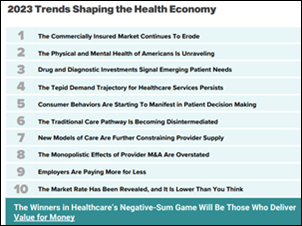
UpLift gets $11M Series A for insurance-based telemental health

Virtual mental healthcare company UpLift, which markets its services primarily to payers, raises $10.7 million in Series A funding.
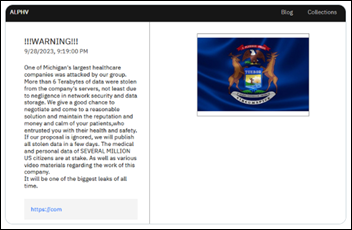
HHS Office for Civil Rights and the Federal Trade Commission Warn Hospital Systems and Telehealth Providers about Privacy and Security Risks from Online Tracking Technologies

The HHS Office for Civil Rights and the FTC warn 130 hospitals and telemedicine companies of the security and privacy risks related to the use of online tracking technologies within their websites or apps, which may be sharing the sensitive personal health data of consumers without their permission to third parties.

Comments Off on Morning Headlines 7/21/23

Text Ads


RECENT COMMENTS

  1. Why does the displayed "exam room of the future" still have the classic "clinician has their back to the patient"…

  2. Anything related to defense will need to go to Genesis.

  3. That, or we see if Judy will announce Epic's new Aviation module (probably called Kitty Hawk) that has integrated Cruise…

  4. The $50 billion Rural Health payout is welcome. In context, it's less than the total cost of the F22 raptor…

Founding Sponsors


Platinum Sponsors


Gold Sponsors


RSS Webinars

  • An error has occurred, which probably means the feed is down. Try again later.