Recent Articles:

EPtalk by Dr. Jayne 1/22/26

January 22, 2026 Dr. Jayne Comments Off on EPtalk by Dr. Jayne 1/22/26

image 

The American Board of Preventive Medicine is notifying candidates that they have successfully passed the Clinical Informatics board certification exam. The certifications are retroactive to January 1, 2026. Congratulations to all the new Diplomates, and welcome to yet another continuing certification process that will have you asking yourself why you decided to become double-boarded.

From Straight A Student: “Re: online registration form for a training course that I completed recently. Prompts were in a ‘are there any’ format that asked about mobility restrictions or food allergies. A dropdown choice list appeared to be pre-populated with ‘none.’ My answer was ‘none’ for all of them, so I tried to just submit the form, which popped me back to the top with no feedback. The course vendor responded to my help desk ticket to say that the dropdown requires choosing ‘none’ and people miss that all the time.”

These sorts of Process Improvement 101 issues drive end users batty. The time wasted by users and the help desk adds up.

I wonder if user acceptance testing was done, since it should have been caught. Sometimes teams give the users detailed testing instructions outside of the application, such as “click here, then choose that,” which makes it impossible to determine how they will interact with the workflow. I also wonder if they are analyzing call volume to to identify ongoing issues. Then, has the help desk team reported the issue to development and asked for an update?

It feels like it would be more efficient to change the default to “please select from the list” or “choose a response.” Or, to add a page instruction telling users what to do.

I have been in countless conversations about the safety of healthcare AI solutions. I’m always interested in how the risks and benefits are portrayed to patients and other non-clinical, non-tech individuals. Mr. H mentioned a preliminary report by the VA Office of Inspector General that found that the Veterans Health Administration had some gaps in AI chatbot oversight. The story was also picked up by military-focused Task & Purpose, which ran its own version

Risks that were highlighted for the general audience included “producing misinformation, privacy violations, and bias, and that the systems had been put in place without review by the VA’s own patient safety experts.” I didn’t see mention of concerns that were noted by other publications, such as whether lags exist in providing current information for the LLMs to use.

An article commenter shared their physician assistant’s thoughts that “the AI is egregiously wrong 90% of the time, so he doesn’t bother with it.” Based on my own experiences with clinical-focused and consumer-focused AI solutions, that’s probably a significant exaggeration. I wonder if the user would benefit from additional education on prompt construction or effective use of AI tools.

The VA providers who I’ve talked to locally are happy with the AI solutions that are available to them. They are looking forward to continued expansion of their capabilities, such as helping craft more readable medical information for patients. If you’re a VA user, feel free to chime in. We can keep your comments anonymous.

I’m still in my New Year’s inbox cleanup extravaganza, and found an article about Hackensack Meridian Health’s canine-powered cancer detection program. The health system partnered with startup SpotitEarly for a clinical trial that examines the ability of trained dogs to detect cancer via patients’ breath samples. The goal is to validate the technique as a noninvasive cancer detection approach that might be more attractive to patients who are unwilling or unable to complete traditional screening recommendations.

The test is conducted by having patients breathe into a mask-like device for several minutes, followed by the dogs sniffing the devices. The dogs are trained to recognize odor signatures in the exhaled volatile organic compounds that can be associated with cancer. The dogs indicate detection by sitting next to a sample.

We know AI has to be involved somehow, and indeed it is. The company is using AI tools to document and analyze the behaviors of the dogs based on behavioral and physiological data.

SpotitEarly has been in the US market since May 2025, although it was founded in 2020. Previous studies of the technique found that the test was 94% accurate for detecting lung, colorectal, breast, and prostate cancers. If any readers are involved in the study, I’d love to hear about the “best boys” and “good girls” that are doing the sniffing and whether they prefer belly scratches or having their ears rubbed. My medical school had some public-facing research animals and they were the most amazing companions when they retired, resulting in a years-long waitlist for adoption opportunities.

Based on some of the other email traffic in my inbox, quite a few physicians made a New Year’s resolution to look for different employment. Several of them seem to think that informatics is something that you can just jump into because you are “techy” without any formal training or experience.

Some startups will hire clinicians in this situation, but I always encourage people to consider formal coursework to better understand the informatics landscape. I’m a big fan of the courses offered by the American Medical Informatics Association. The virtual courses are convenient, and the in-person ones are great for networking with colleagues working in the field.

A number of highly qualified clinical informatics physicians have recently been displaced from EHR vendors and health systems, so it seems that as long as mergers continue, the job market will remain challenging.

Are you looking to make a career change in 2026, and if so, how are you approaching it? Leave a comment or email me.

Email Dr. Jayne.
Comments Off on EPtalk by Dr. Jayne 1/22/26

Morning Headlines 1/22/26

January 21, 2026 Headlines Comments Off on Morning Headlines 1/22/26

Harmony Healthcare IT Expands Meditech EHR Data Solutions Through Acquisition of Blue Elm

Health data services company Harmony Healthcare IT acquires Meditech-focused competitor Blue Elm.

Misuse of AI chatbots tops annual list of health technology hazards

Misuse of AI chatbots tops ECRI’s list of “Top 10 Technology Hazards for 2026.”

Epic fights lawsuit brought by Texas AG, says state can’t prove its claims

Epic refutes allegations brought forth in a lawsuit filed by Texas Attorney General Ken Paxton and requests that the suit be dismissed.

Health tech panel to reboot after a long break

The Health Information Technology Advisory Committee, which advises HHS on health data sharing, will reconvene on February 19 after a year-long hiatus.

Comments Off on Morning Headlines 1/22/26

Healthcare AI News 1/21/26

January 21, 2026 Healthcare AI News Comments Off on Healthcare AI News 1/21/26

News

image

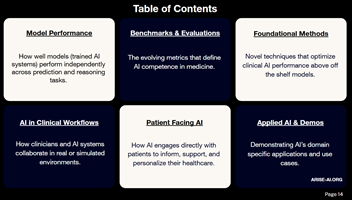
Authors from the ARISE academic medical center AI research network predict that 2026 will bring the first AI-related malpractice lawsuit, widespread rollout of urgent-care AI agents, and an escalating AI arms race between health systems and insurers that primarily benefits technology vendors. They expect that the FDA will make minimal progress on AI regulation, AI will deliver more counseling services than humans, and AI scribes will generate 90% of clinical documentation, which they predict will offer little insight into the clinician’s reasoning beyond what they explicitly say to the patient. Specific points:

  • Clinical AI capability is advancing faster than evidence that shows benefit to patient outcomes.
  • Benchmarks focus on answering medical licensing questions rather than real patient data and workflows.
  • LLMs tend to be overconfident and don’t know what they don’t know, leading to poor performance when uncertainty exists and a need to apply guardrails.
  • AI feels transformative, but documented productivity gains are limited.
  • FDA regulation lags frontline use.

image

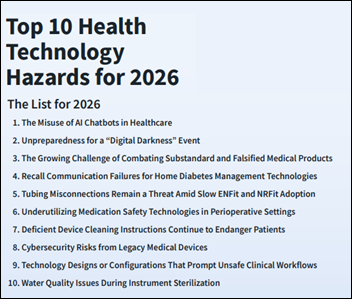
Misuse of AI chatbots tops ECRI’s “Top 10 Technology Hazards for 2026.” The group warns that widespread, unregulated use exposes patients to errors, bias, and hallucinations and requires professional medical oversight.

Conservative think tank Paragon Health Institute launches a healthcare AI initiative that will promote research and policies involving the use of AI to reduce healthcare costs and waste while improving patient outcomes.

image

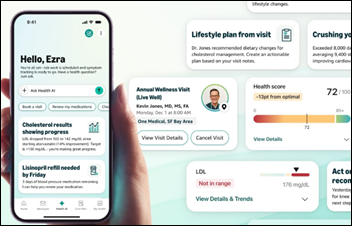
Amazon rolls out Health AI for members of its primary care chain One Medical, which uses Amazon’s Bedrock service to answer patient questions, provide advice based on medical information, and help members book appointments.


Business

Greenway Health launches Agentic AI Factory, which was developed with Amazon Web Services.

SAP and renal health provider Fresenius will partner to create AI-supported healthcare solutions for the European market, including a new solution for integrating hospital information systems using SAP’s AnyEMR strategy. Each company will invest “a mid three-digit million euro amount,” with some funding potentially directed to investment in startups.

image

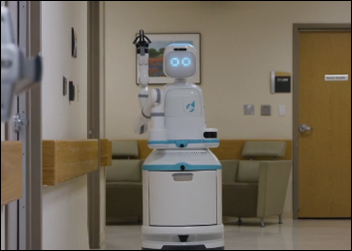
Food delivery robot company Serve Robotics will acquire Diligent Robotics, which sells the Moxi robot for in-hospital deliveries, for $29 million in shares. Diligent Robotics had raised $75 million in venture capital, including a $25 million round in September 2023 that it said would allow it to triple its customer base of 22 health systems.


Research

A University of Michigan study finds that heart failure can be predicted 10 years before diagnosis by studying combined genetic and EHR data with AI, which allows early intervention.


Other

image

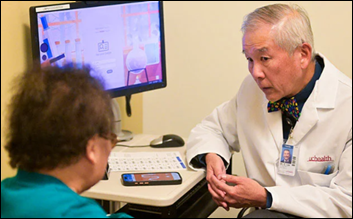
UCHealth profiles its use of Abridge for ambient documentation, which is being used by one-third of its 6,000 physicians, nurse practitioners, and physician assistants.

The Gates Foundation and OpenAI launch a $50 million partnership to help several African countries deploy AI tools as US foreign aid funding declines.

image

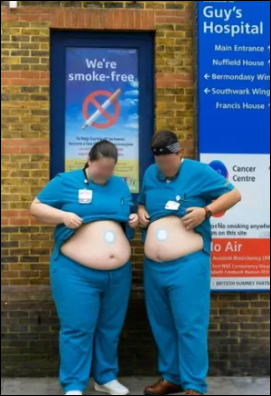
A London hospital trust warns the public that AI-generated videos are circulating on social media that falsely show its doctors endorsing weight-loss products, urging the public seek advice only from trusted sources.

In China, an influential infectious disease expert says that he won’t allow AI to be integrated into EHRs even as the country’s government pushes the use of AI and tech companies make bold claims about its potential. He worries that AI will cause young doctors to lose the ability to detect AI mistakes.

image

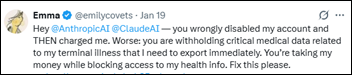
A leukemia patient says that Anthropic disabled her paid Claude account without explanation, cutting off access to years of AI-assisted medical records and correspondence that she relied on to manage her care. She summarizes:

I’m a 41-year-old woman with MDS (myelodysplastic syndrome) that has converted to leukemia. I’m facing a bone marrow transplant I may not survive. For months, Claude has been the only thing that actually helped me navigate a medical system that failed me for over a decade. It helped me organize 11 years of medical records, track my labs, draft insurance appeals, and write letters to doctors who wouldn’t listen. That work is what finally got someone to take me seriously. My last prompt before the ban was asking Claude to help me interpret my October bloodwork. That’s it. That’s the “violation.” That chat history is my medical documentation. I need it to continue advocating for my care when I’m too sick to remember what happened, what was said, what was missed. Without it, I lose years of work at the worst possible moment … I am asking for one of two things: 1. Restore my account 2. Export my complete chat history and send it to me. Anthropic talks constantly about building AI that helps people. Claude helped me. It helped me fight for my life. Now I can’t get a single human being at the company to look at my case.


Contacts

Mr. H, Lorre, Jenn, Dr. Jayne.
Get HIStalk updates.
Send news or rumors.
Follow on X, Bluesky, and LinkedIn.
Sponsorship information.
Contact us.

Comments Off on Healthcare AI News 1/21/26

This Week in Health Tech 1/21/26

January 21, 2026 This Week in Health Tech Comments Off on This Week in Health Tech 1/21/26
LinkedIn weekly 12126 - Copy
Comments Off on This Week in Health Tech 1/21/26

Morning Headlines 1/21/26

January 20, 2026 Headlines Comments Off on Morning Headlines 1/21/26

4DMedical Secures US$100+ Million Funding to Accelerate US Expansion and increase Technology Dominance in Software-Based Lung Imaging

Australia-based 4DMedical raises $100 million in funding, which it will use to accelerate US adoption of its FDA-cleared, software-based lung imaging system that is used by several major US health systems.

BioticsAI, gains FDA clearance for its AI-powered fetal ultrasound product

BioticsAI gains FDA clearance for its AI-driven fetal ultrasound product.

NHS delays launch of major £88m IT project

In England, three Norfolk hospitals will delay go-live of their $118 million Meditech Expanse project, citing factors that include the work that is required to adapt the system for the NHS.

Comments Off on Morning Headlines 1/21/26

News 1/21/26

January 20, 2026 News Comments Off on News 1/21/26

Top News

image

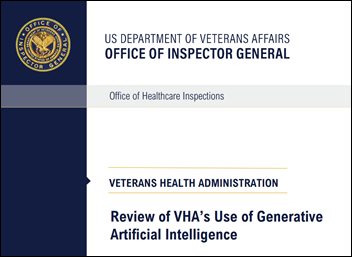
A preliminary VA Office of Inspector General report finds that the Veterans Health Administration doesn’t properly oversee its use of generative AI chatbots, potentially compromising patient safety. The report looked at the department’s use of its internally developed VA GPT and Microsoft 365 Copilot chat, both of which depend on clinical prompts. Neither tool has access to web searches, which means their knowledge bases are not current.


HIStalk Announcements and Requests

The preview of my ViVE Guide on what HIStalk sponsors will be doing at the conference is live. More companies will be added as they complete the information form, so check back for updates.


Sponsored Events and Resources

Publication: HIStalk’s Guide to ViVE 2026 lists the activities of sponsors at the conference.

Contact Lorre to have your resource listed.


Acquisitions, Funding, Business, and Stock

Australia-based 4DMedical raises $100 million in funding, which it will use to accelerate US adoption of its FDA-cleared, software-based lung imaging system that is used by several major US health systems.


People

image

Clearwater promotes David Bailey to VP, consulting solutions and strategy.

image

AdventHealth promotes Sarah Myers to regional CIO for AdventHealth Mid-America Region.

image

Sonney Sapra, MBA (Samaritan Health Services) joins UVA Health as CIO.

image

US Army veteran Elder Granger, MD joins MedSync as EVP for medical affairs and CMO.

image image image

Ovatient promotes Yasir Tarabichi, MD to head of digital; Jamie Carracher to head of growth and brand; and Amy Lukowski, PsyD to VP of operations and integration.


Announcements and Implementations

image

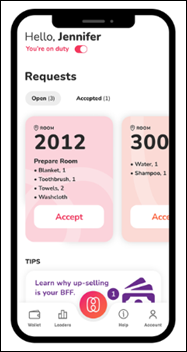
Nurses at Children’s Mercy (OH) use the Helen app to route non-clinical tasks to a dedicated concierge team.

BioticsAI gains FDA clearance for its AI-drive fetal ultrasound product.

Aultman Health System (OH) implements Nabla’s AI-based clinical documentation software.

In England, three Norfolk hospitals will delay go-live of their $118 million Meditech Expanse project, citing factors that include the work that is required to adapt the system for the NHS. 

image

A Baltimore theater will host a March 19 screening of “Suck it Up, Buttercup,” a documentary that calls out the dysfunctional US healthcare system that is driven by “corporate greed that’s filling coffers and coffins.” Both executive producers are physicians.


Other

image

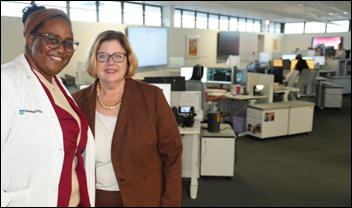
Cleveland Clinic opens the Rubinstein Family Hospital Care at Home Suite, which serves as a technology command center for its hospital-at-home programs in Florida and Ohio. The suite was developed using a grant from Jon Rubinstein, an investor and  technology executive who helped spearhead development of the iPod and iMac.

AdventHealth will enhance its virtual care capabilities by installing an additional 800 cameras in patient rooms at its hospitals and urgent care centers in Colorado over the next several months.

University of Nebraska Medical Center researchers determine that embedding a standardized glucose management protocol into its EHR helps perioperative care teams better control the blood sugar levels of diabetic patients.

image

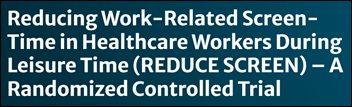
A Michigan Medicine study of 800 clinicians finds that those who disengage from work-related apps during non-working hours report feeling less stressed than those who don’t. Those who reported lower levels of stress were advised to turn on out-of-office replies to email and reduce screen time or delete work apps from their personal devices during their time away from work.


Sponsor Updates

  • AdvancedMD announces that Software Advice has listed its EHR technology in its “Best Ophthalmology EMR Software of 2025” report.
  • Linus Health reflects on its successes in advancing brain health in 2025.

Blog Posts


Contacts

Mr. H, Lorre, Jenn, Dr. Jayne.
Get HIStalk updates.
Send news or rumors.
Follow on X, Bluesky, and LinkedIn.
Sponsorship information.
Contact us.

Comments Off on News 1/21/26

Morning Headlines 1/20/26

January 19, 2026 Headlines 3 Comments

Ambulatory EHR Excellence 2026: Top Vendors Recognized for Breakthrough Innovation and Specialty User Satisfaction in Black Book 2026 Surveys

Black Book Research releases its 2026 list of top-ranked EHRs for ambulatory care, with ModMed, Epic, and NextGen Healthcare noted as leaders in multiple categories.

VHA lacks ‘formal mechanism’ for mitigating clinical AI chatbot risks, watchdog says

A VA Office of Inspector General report finds that the Veterans Health Administration doesn’t properly oversee its use of generative AI chatbots, potentially compromising patient safety.

Community Care of North Carolina Partners with Innovaccer to Advance Value-Based Care Delivery for Independent Primary Care Providers in North Carolina

Community Care of North Carolina selects Innovaccer’s Healthcare Intelligence Cloud for population health analytics.

Curbside Consult with Dr. Jayne 1/19/26

January 19, 2026 Dr. Jayne 6 Comments

image 

Based on the contents of my inbox, it feels like everyone is talking about recent research from Michigan Medicine on emoji use in the electronic health record. The research letter was published in JAMA Network Open last week. It examined 218 million notes belonging to 1.6 million patients. Researchers found that emoji use was higher than previous studies that looked at clinical texting tools. 

The authors identified 372 emojis within 4,162 notes that were created during the last five years. Of those, 35% were patient portal messages to patients, followed by telephone messages at 28%, encounter summaries at 15%, progress notes at 14%, and patient instructions at 6%. The University of Michigan patient portal doesn’t support patients adding emojis to communications.

The smiling face with smiling eyes was used 1,772 times, with communications emojis such as the telephone receiver and calendar appearing 544 and 429 times, respectively.

The article contains an illustration of the 50 most commonly used emojis along with their official names. Just skimming through them, I’m not sure that I would come up with names or descriptions that matched their official titles.

Take the “briefcase,” for example. Could people be using it because it looks like an old-timey doctor’s bag? I can’t remember the last time I saw someone carrying a briefcase that looked like the emoji. Even looking at the most used one, the smiling face with smiling eyes, I would describe that one more as blushing than having smiling eyes. I also would not have correctly described “beaming face with smiling eyes.”

Some of them were new to me, including “busts in silhouette” and “bar of soap.” The latter got me thinking about how many people actually see or use bar soap these days, given the popularity of liquid soap and body wash products. Similarly, how long will it be before people no longer identify a “telephone receiver” as such?

I wondered about the context for some of the emojis that were used, such as the “P button,” the “small blue diamond,” and the “round pushpin,” and how they might be used in medical communications. The most concerning to me was actually the least used, the “police car light.”

Researchers note the risk of confusion in using emoji to communicate, especially in older patients. While most emoji use occurred among tweens and teens, patients in their 70s had the second highest usage. The authors call for organizations to develop guidelines to promote clear communication and professionalism in clinical communications. I once encountered someone who used a particular emoji extensively before discovering that it wasn’t a Hershey’s Kiss, so I agree with the concern.

The authors go on to note that measuring emoji use is just the beginning, and that future investigation should look at how emoji “might affect patient understanding, trust, and outcomes – and explore whether these playful digital symbols offer new opportunities or pose unintended challenges in electronic health record communication.”

One of my close physician friends sent me a link to a Facebook post about the article. It had some pretty funny comments about which commonly used emojis were missing from the study, along with those questioning whether the AI tools clinicians are using to write messages were responsible for the addition of emojis. A couple of commenters thought the research was frivolous, but those sentiments were countered by others who were clearly concerned with the potential impact on patients.

Another colleague with ties to Michigan Medicine said that emoji use in the medical record was prohibited, although he wasn’t able to find the specific policy. He said that he remembered a conversation with risk management where it was discussed, however, and that there were significant concerns about the meaning of symbols within the context of the legal medical record. Although the policy could have been changed, I’m wondering whether some clinicians still haven’t fully internalized that the patient portal is part of the legal medical record.

He said he’s not opposed to their use, especially with pediatric or teen patients with whom clinicians are trying to build rapport. Still, he advises residents that if deleting the emoji changes the meaning of the message, either the emoji shouldn’t be used, or it should be supplemented by actual words.

I was curious about the previous research that looked at clinical text messages. In 2023, clinicians from Indiana University School of Medicine looked at the content of messages that were sent by hospitalists who used a secure messaging platform during 2020 and 2021. Messages with emojis were identified, as well as those with more old-school emoticons.

The authors found that the majority of the emojis and emoticons “functioned emotively, that is, conveyed the internal state of the sender” where others “served to open, maintain, or close communication.” The authors also noted that “no evidence was identified that they caused confusion or were seen as inappropriate.” They concluded that “these results suggest that concerns about the professionalism of emoji and emoticon use may be unwarranted.”

I believe that differences exist in how clinicians communicate with each other compared to how we communicate with patients. In the former, we are more likely to use medical abbreviations or jargon. With the latter, we should be using terms that are more clearly understood by patients. In my experience with peer review, communications with patients are typically held to a higher standard.

It will be interesting to see what kinds of guidelines or policies organizations come up with as far as regulating the use of emojis in patient communications and charting. I reached out to medical staff leadership at the facilities where I’m affiliated, and none of them recalled this topic coming previously.

I found citations for a half dozen other articles that looked at the content of clinical text messages among hospitalists and other members of the clinical team, as well as norms for emoji use. I didn’t have time to go down that particular rabbit hole this weekend, but I would be interested to hear from readers that have strong opinions on emoji use or those who have been involved in this type of research.

Do you use emojis in patient-facing communications? If so, how do you use them? If not, what do you think about the practice? Leave a comment or email me.

Email Dr. Jayne.
Readers Write: Early Warning System: How AI-Driven Near Miss Reporting Can Improve Patient Safety

January 19, 2026 Readers Write Comments Off on Readers Write: Early Warning System: How AI-Driven Near Miss Reporting Can Improve Patient Safety

Early Warning System: How AI-Driven Near Miss Reporting Can Improve Patient Safety
By Tim McDonald, MD, JD

Tim McDonald, MD, JD is chief patient safety and risk officer for RLDatix.

image

A nurse prepares to administer a medication to a patient, notices that it is the wrong medication, and corrects the order. A surgical assistant sees that a patient has been prepped for surgery on the wrong limb and corrects the error. A patient on a liquid diet receives a meal with solid food, but a vigilant nurse notices the mistake and substitutes an appropriate meal.

In hospitals and other healthcare facilities, near miss incidents are commonplace. Robust care protocols and training of clinicians, nurses, and other staff go a long way to reducing incidents and preventing patient harm.

But for a variety of reasons, near misses are underreported across healthcare, representing a multitude of lost opportunities.

The importance of understanding how many near misses occur

The World Health Organization defines a near miss as “an error that has the potential to cause an adverse event (patient harm), but fails to do so because of chance or because it is intercepted.”

Healthcare leaders recognize that a certain number of preventable errors are inevitable. Healthcare delivery is complex, emergency rooms are overcrowded, and staff who are dealing with higher patient volumes are understandably prone to error due to fatigue or burnout.

Hospital leaders want to take measures to reduce the number of preventable harm events and have an opportunity to use near misses as a way to prevent them from escalating into serious incidents. That said, having a large number of near miss reports can be beneficial to a hospital as it indicates that a strong safety culture exists and provides valuable learning opportunities for leadership. Hospitals that effectively encourage robust near miss reporting are better positioned to identify and solve problems before they lead to patient harm.

Heinrich’s safety triangle theory holds that 300 near misses occur for every severe accident that involves a serious injury or fatality. Once hospital leaders have a good idea of how many near misses are occurring, they can use AI tools to analyze their near miss data and predict their risk for more serious adverse events. But the real challenge is getting an accurate near miss number.

Most hospitals have voluntary event reporting systems that include reporting of near miss incidents. But the fact that they are voluntary means they likely underestimate the actual number of near misses occurring. A nurse who notices a patient recovering from surgery walking the hallways without non-slip socks may not report the incident for fear of blame or any consequences of reporting. They also may not report a near miss because they believe the event not to be severe enough to warrant it.

One of the biggest reasons for the underreporting of near-misses is that clinical staff lack the time to log an incident report. For many hospitals, event reporting is manual and time-consuming, often taking around 10 minutes per report. Unless healthcare leaders take steps to simplify and streamline incident reporting, including leveraging AI tools to significantly reduce reporting time, they will lack real visibility into how many near misses are occurring and fail to fully understand the threats to patient safety.

Automating event reporting with AI

Advancements in generative AI and large language models (LLMs) offer the opportunity for hospitals to not only improve the accuracy of near miss reporting, but reduce the amount of time needed to log a report. These reporting efficiencies give back valuable time to clinical staff to care for patients. LLMs can process unstructured data, such as text, audio, and video transcripts, and understand the context, which makes it possible to extract and organize insights for a report.

For busy clinical staff, using an AI tool to accurately create an incident report, rather than filling out a report manually, could save considerable time.

As an example, say a nurse realizes that a patient with a penicillin allergy has been prescribed amoxicillin. The nurse prevents the dose from being given to the patient and requests an alternative prescription, preventing harm to the patient. The nurse takes a few minutes to make a verbal report using an AI-based event reporting tool, and moves on to their next patient. From the nurse’s voice notes, the event reporting tool generates a complete incident report, giving hospital leaders valuable insights about what happened.

Leaders can use machine learning tools to analyze near miss reports over time and detect patterns and trends, as well as anticipate risks, in order to be able to prevent harm before it happens.

Automating incident reporting, including near misses, helps reduce barriers to reporting and gives clinical staff a more active role in reducing harm system wide. 

Better tracking of near-misses can serve as an early warning system

In a way, near miss incidents can indicate the diligence of clinical staff. An attentive nurse who notices an unsecured electrical cord and prevents a patient from tripping is obviously well trained.

Improved near miss reporting creates opportunities to improve processes and protocols, such as improved medication safety protocols, fall prevention measures, emergency department redesign, or training on safe injection methods.

When they are well understood and documented, near misses can act as an early warning system. When hospital leaders have a complete picture of incidents where a patient could have been harmed but wasn’t, only because of the timely intervention of a staff member or just plain luck, they can predict their risk of serious adverse events. They can understand their vulnerabilities and take corrective actions that prevent future incidents of harm.

Hospital leaders shouldn’t leave the future of patient safety to chance. Generative AI tools offer the opportunity for clinical staff to file incident reports seamlessly within their daily workflow, increasing the number of near miss reports received while decreasing the administrative burden that leads to clinician burnout and fatigue. AI and data analytics solutions give hospital leaders the ability to analyze trends over time and gain insights into how many near misses are actually occurring.

With effective use of AI-based tools, staff collaboration, and data-informed decision making, hospital leaders can raise standards of care and safety, reduce risk, and improve outcomes for all.

Comments Off on Readers Write: Early Warning System: How AI-Driven Near Miss Reporting Can Improve Patient Safety

Morning Headlines 1/19/26

January 18, 2026 Headlines Comments Off on Morning Headlines 1/19/26

What to expect in US healthcare in 2026 and beyond

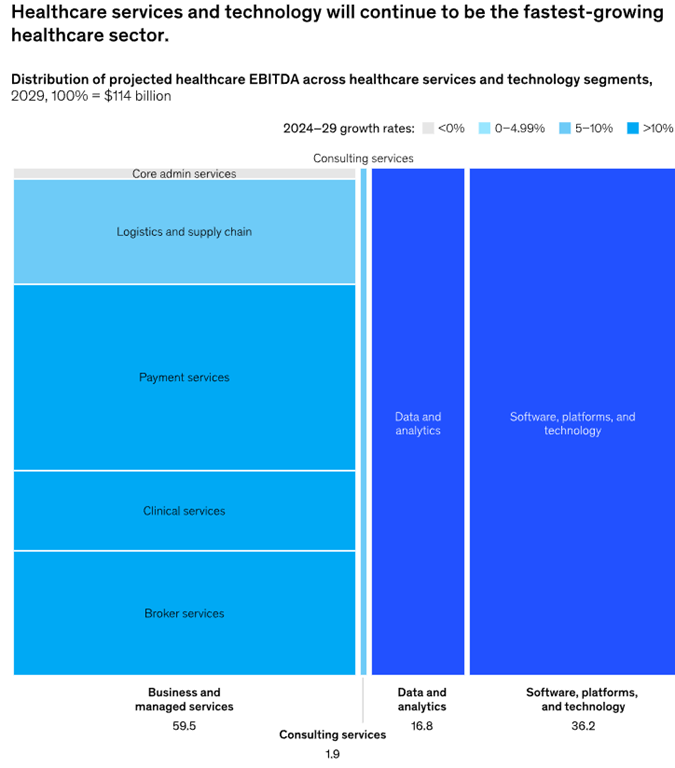
Healthcare services and technology will continue as the fastest-growing segment in healthcare, according to a new McKinsey report that predicts that providers and payers will increase outsourcing to tech and platform companies.

Multistate ‘hospital care at home’ command center opens in Vero

Cleveland Clinic opens the Rubinstein Family Hospital Care at Home Suite, which serves as a technology command center for its hospital-at-home programs in Florida and Ohio.

SmartSense by Digi Launches SmartSense ONE at NRF 2026

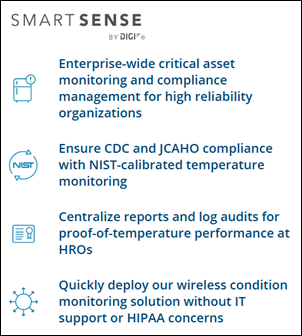
SmartSense by Digi launches SmartSense One, a modular, scalable IoT operations platform that merges the capabilities of SmartSense and its acquired Jolt for unified monitoring, compliance, safety, and workflow management.

Comments Off on Morning Headlines 1/19/26

Monday Morning Update 1/19/26

January 18, 2026 News Comments Off on Monday Morning Update 1/19/26

Top News

image

A McKinsey report predicts that healthcare services and technology will continue as the fastest-growing segment in healthcare. It expects providers and payers to increase outsourcing to tech and platform companies.

McKinsey projects that nearly half of healthcare profits by 2029 will come from software, platforms, data, and analytics, with traditional admin and consulting services growing slowly or shrinking. 

The authors expect federal funding for the Rural Health Transformation Program to drive adoption of telehealth and AI tools.

Payers that saw margins drop due to higher utilization and regulatory actions will face a decline of up to 30% in EBITDA from their ACA and Medicaid segments due to disenrollment driven by ACA subsidy expiration and impact of the One Big Beautiful Bill Act.


HIStalk Announcements and Requests

image

Poll respondents say that hospitals, like all other investors, put their money down primarily because they expect it to grow.

New poll to your right or here: What is the top industry takeaway from Kaiser Permanente’s settlement of Medicare Advantage overbilling allegations? These settlements always make me wonder whether a health system clearly violated the law, or whether vague coding rules come bundled with the unreasonable expectation that health systems will just forgo extra revenue to be responsibly nice. 

The paucity of recent health tech news suggests that everybody is on hold while they digest never-ending federal government changes that affect payments, a shifting regulatory environment, and having thunder stolen by AI froth. I’m not paid by the word or column-inch, so today’s short post gifts you free time.


image

HIStalk sponsors who are participating in the ViVE conference can send me your information to be included in my online guide. New this year: for more exposure and less work for me, I will post the guide immediately and update it as additional sponsors submit their details, which also creates an incentive to respond early.

image

Ms. G from Hope Mills, NC sent over this unpacking photo of the science kits that her fifth graders received courtesy of reader donations to her Donors Choose project. She reports, “We have officially received the science kits, and they have already made a huge impact in our classroom. The moment the boxes arrived, my students were buzzing with excitement and could not wait to explore what was inside. As they opened the kits, they eagerly examined the materials, asked questions, and started making connections to what they already know about science … Thank you for helping bring hands-on, joyful science learning into our classroom.”


Sponsored Events and Resources

None scheduled soon. Contact Lorre to have your resource listed.


People

image image

Linus Health promotes Curt Thornton, MBA, MHS to president, Connected Care and names Chief Customer and Administrative Officer Leah Ray to the additional role of president, US healthcare.


Announcements and Implementations

image

SmartSense by Digi launches SmartSense One, a modular, scalable IoT operations platform that merges the capabilities of SmartSense and its acquired Jolt for unified monitoring, compliance, safety, and workflow management.


Other

Cerner co-founder Cliff Illig and his family sell a majority stake in the Major League Soccer Sporting KC for a record valuation of $700 million. He bought the team in 2006 with a group of six local investors, which also included his Cerner co-founder Neal Patterson, for a reported $20 million.  

Two women who were fired by businesses owned by a Huntsville, AL doctor file a sexual harassment lawsuit, alleging that the doctor forced them on multiple occasions to shave his legs. One of the plaintiffs notes in the complaint that “he was wearing lime green underwear.”


Sponsor Updates

  • Altera Digital Health promotes Lindsey Honig to marketing communications manager.
  • Black Book Research releases its “2026 Physician Practice Management Solutions Report.”
  • Impact Advisors releases a new success story titled “Building a Scalable Quality Reporting Framework.”
  • Nordic releases a new “Designing for Health” podcast featuring Steve Peltzman and Tim Woodward.
  • ReferWell will exhibit at the Medicare Advantage Leadership Innovations conference January 21-22 in Buena Vista, FL.
  • Symplr releases a new case study titled “Health First & Nebraska Methodist: A Blueprint for Value Analysis Excellence.”
  • TruBridge will host its National Client Conference April 7-10 in Dallas.
  • Waystar will exhibit at EClinicalWorks Day January 21 in Houston.

Blog Posts


Contacts

Mr. H, Lorre, Jenn, Dr. Jayne.
Get HIStalk updates.
Send news or rumors.
Follow on X, Bluesky, and LinkedIn.
Sponsorship information.
Contact us.

Comments Off on Monday Morning Update 1/19/26

Morning Headlines 1/16/26

January 15, 2026 Headlines Comments Off on Morning Headlines 1/16/26

Kaiser Permanente Affiliates Pay $556M to Resolve False Claims Act Allegations

Kaiser Permanente affiliates will pay $556 million to settle False Claims Act allegations that they inflated Medicare Advantage risk scores.

US healthcare spending soars to over $5 trillion in 2024

US healthcare spending rose 7.2% to $5.3 trillion in 2024, with $1.6 trillion spent on hospital services.

President Trump Unveils The Great Healthcare Plan to Lower Costs and Deliver Money Directly to the People

The White House unveils “The Great Healthcare Plan,” which would send federal funds directly to citizens to purchase their own health insurance, while asking insurers to lower premiums.

Comments Off on Morning Headlines 1/16/26

News 1/16/26

January 15, 2026 News 2 Comments

Top News

image

Kaiser Permanente affiliates will pay $556 million to settle False Claims Act allegations that they inflated Medicare Advantage risk scores.

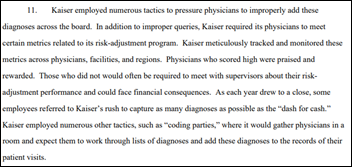
Federal investigators say that Kaiser electronically searched patient histories for diagnoses that had not been reported to CMS for risk adjustment, then pushed clinicians months later to add those conditions to patient charts as medical record addenda.


Reader Comments

From Data Diver: “Re: Kaiser coding settlement. MA risk adjustment has become the national sport, where everyone claims innocence while quietly hiring more coders and consultants. A half-billion dollar settlement suggests that the line between legitimate documentation improvement and outright upcoding is not a faint one. If this is what gets caught, I can only imagine what stays below the waterline.”


HIStalk Announcements and Requests

image

image

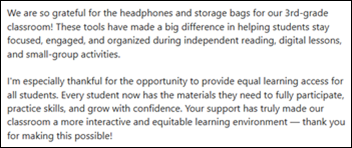
Ms. S of Burlington, NC provides an update about HIStalk reader donations that fully funded, with matching money applied from third parties as well as my Anonymous Vendor Executive, her Donors Choose teacher grant request for headphones.


Sponsored Events and Resources

None scheduled soon. Contact Lorre to have your resource listed.


Acquisitions, Funding, Business, and Stock

Vista AI, which offers automated MRI scanning software, raises a $29.5 million Series B round, with several health systems joining other investors.


Sales

  • Advanced Health chooses 1upHealth’s data interoperability platform.

People

image

The Stowers Institute for Medical Research names Dan Devers, JD (Cerner) as general counsel.

image

Steve LeBlond, MBA (Sutter Health) joins Prisma Health as CIO/CDO.

image

RLDatix hires Richard Jarvis, MSChE (OptumUK) as CTO.

image

Komodo Health names Amit Sangani (Meta) as CTO.

image

AMIA names Philip Payne, PhD (WashU Medicine, BJC Healthcare, and Washington University School of Medicine in St. Louis) as president and board chair.


Announcements and Implementations

image

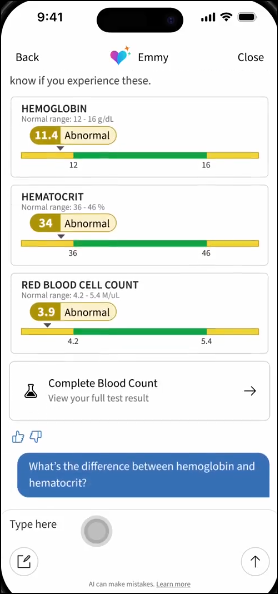
Epic posts social media videos of Emmie, its MyChart AI assistant for patients that includes a chatbot for inquiries.

image

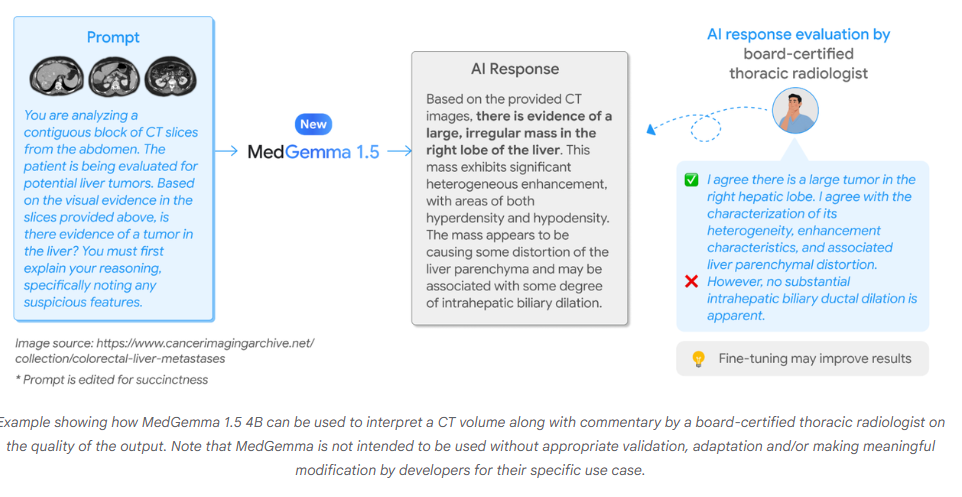
Google Research updates its open MedGemma model with improved medical imaging support and a speech to text model that is fine tuned for medical dictation.

Hospitals list their top RCM priorities as improving patient experience, boosting revenue, and cutting costs, according to a new FinThrive survey. Executives cite prior authorization, denials, and clinical documentation and coding as their main AI targets, and nearly 60% expect to consolidate RCM vendors within three years.

A Black Book survey finds that for behavioral health, post-acute care, public health, and community-based organizations, the “last mile” of health data interoperability still relies on manual work and fragmented systems because of cost, immature APIs, and slow vendor onboarding.

US healthcare spending rose 7.2% to $5.3 trillion in 2024, with $1.6 trillion spent on hospital services. CMS says that healthcare spending accounted for 18% of US gross domestic product.


Government and Politics

image

The White House unveils “The Great Healthcare Plan,” which would send federal funds directly to citizens to purchase their own health insurance, while asking insurers to lower premiums. The proposal also seeks to require drug makers to match US prices to those charged overseas and to shift more prescription drugs to over the counter status. The administration will ask Congress to approve the plan, which does not restore federal ACA premium subsidies or address the significant cost driver of provider pricing.

Researchers question a bill that would require Medicare to cover every FDA-designated “breakthrough” device, warning that it would sidestep CMS’s evidence-based review, expose patients to unsafe or unproven products, and hamstring CMS from reversing coverage if unfavorable evidence arises.


Privacy and Security

A Fortified Health Security report finds that total reported healthcare breaches doubled in 2025, as did the number of email-based breaches.


Sponsor Updates

  • Medicomp Systems releases a new episode of its “Tell Me Where IT Hurts” podcast featuring Acting Administrator of DOGE and CMS Strategic Advisor Amy Gleason.
  • Health Data Movers releases a new episode of its “Quick HITs” podcast titled “Turning Healthcare Data Strategy into Execution with Mohammed Abdelaziz.”
  • Five9 expands its partnership with Google Cloud and announces a new joint Enterprise CX AI solution.
  • Healthmonix rebrands its MIPS Cost Analytics product to Healthmonix Cost and its MIPS Analytics product to Healthmonix Analytics.
  • The “Walk-Ins Welcome” podcast features Inbox Health Enterprise Sales Lead Guy Bergman and SVP of Sales Edward Sherlock.
  • The University of Southern California presents its Distinguished Alumni Award to Infinx co-founder Sandeep Tandon.

Blog Posts


Contacts

Mr. H, Lorre, Jenn, Dr. Jayne.
Get HIStalk updates.
Send news or rumors.
Follow on X, Bluesky, and LinkedIn.
Sponsorship information.
Contact us.

EPtalk by Dr. Jayne 1/15/26

January 15, 2026 Dr. Jayne 2 Comments

Plenty of people have been asking me for my thoughts about last week’s announcement of OpenAI for Healthcare.

Models that are tuned to physician needs and that have been through robust clinical testing certainly offer advantages. The incorporation of the organization’s internal documents via SharePoint and other platforms is also attractive.

I recently chatted with a friend who is both a physician and an attorney about the impacts of such integrated solutions on the medicolegal landscape.

In the current state, with many physicians playing the “bring your own AI” game and using various solutions on their phones, no connection exists between those queries and the legal medical record. However, an enterprise platform that ties it all together and specifically encourages the use of patient data and PHI adds an additional layer of complexity to medicolegal investigations.

It won’t just be about the EHR and its audit log. It will involve all the potentially related queries that may have been entered and acted upon by the care team. We’re starting to see some legal activity around physicians who based their decisions on inappropriate AI-generated information. This is an area to watch.

I also wonder about the ability for hospital policies to negatively influence access to information by clinicians. For example, if you work in a hospital that restricts certain procedures or medications for religious reasons, how will those limitations shape the responses when those prohibited treatments might be the right answer for a patient?

This could evolve to include a bedside component for patients. They could ask questions about their care plan while hospitalized. However, they might learn that their care is limited by their choice of facility.

My conference BFF Craig Joseph, MD recently wrote that healthcare is betting on the wrong AI instead of looking at solutions that actually improve clinical outcomes. He cites a study from the University of Southern California that found that physical robots outperformed chatbots in reducing psychiatric distress. He goes on to talk about how the brain perceives interactions when there is a physical presence compared to a virtual one and about the benefits of emotional experience in delivering care.

It made me think of my own experiences with physical therapy. It’s an advantage having your friendly (or not so friendly) physical therapist right there urging you to push yourself compared to a therapy bot at home that is less perceptive when you’re slacking off.

The robots used in the study looked fairly low-tech and had crochet covers, reminding me a bit of the cats in Disney’s “Lady and the Tramp.” For a tech industry that focuses on flashy products, these wouldn’t even be on the radar. I agree with Dr. Joseph that sometimes low tech is best. Maybe we’ll have to make that the focus of our next conference booth crawl.

Speaking of low tech, I was talking with a couple of physician friends recently about the Oura ring as a potential adjunct to addressing sleep issues. One colleague swears by his, although the actions that he has taken based on the ring’s sleep data are the things that every family physician recommends for sleep issues: consistent routine around and time for sleep, adjusting environmental conditions, appropriate timing of meals, and keeping a basic sleep diary to identify triggers.

My other colleague proposed a decidedly low-tech approach: sleeping with a stuffed animal. He pulled out his phone to share a Wirecutter blog from last year that addressed the tactic. It cites several scholars and their comments on the practice, including notes on how it might help adults shift from a state of cognitive arousal to the more relaxed mindset required for sleep.

The blog notes the lack of literature on adults sleeping with stuffed animals, but I bet if we threw some AI into the mix, people would be eager to study it. Maybe those crochet cats can work the night shift as well as having a day job.

image

From Night Nurse: “Re: my annual refresher training. Passing pre-tests exempted us from that section. This was one of the questions. What kind of world are we in where this is considered an appropriate question?”

I have unfortunately seen some bad behavior from healthcare providers during my career, so I agree that we should be screening for people who have thoughts like this. I don’t think a bold annual training question is the way to pick them up. Even in a written survey, I would probably recommend a more subtle approach to identify those who have such sentiments. I’ve done a fair amount of work writing test questions and I wonder what the hospital’s item writers were thinking with this one.

From Tech Traveler: “Re: swearing. I’m a medical device representative and read your blog to keep up with healthcare tech topics so I can commiserate with the physicians I call on. I’m in and out of operating rooms and physician lounges all day and notice that there’s a certain amount of swearing that goes on among physicians, but it seems to vary by specialty and age as well as by topic. I’ve joked about doing a research project to explain the phenomenon, but it looks like researchers beat me to the punch.”

The article notes that although swearing is “often dismissed as socially inappropriate,” it has been linked to increased physical performance through state disinhibition. That is a psychological state in which individuals are less likely to restrain their behavior. The authors propose that this leads to flow, confidence, and focus, with those who swear being able to perform better on strength and endurance tasks than those who used neutral words.

They note that “these effects have potential implications for athletic performance, rehabilitation, and contexts requiring courage or assertiveness. As such, swearing may represent a low-cost, widely accessible psychological intervention to help individuals “not hold back” when peak performance is needed.”

Another one of the practices where I receive care has finally given in to the private equity company that has been pursuing it for the past couple of years. The physician mentioned this at a recent visit and shared the behind-the-scenes story. She has been struggling since she opened a second location, but has been keeping her head above water through the availability of same-day dermatology appointments, which turned local primary care doctors into a loyal referral base.

We’ve all been impressed by her ability to fit people in. Who doesn’t love being able to have a patient’s suspicious lesion removed in a timely fashion? Before she opened, patients often waited months for appointments.

Although she offers some cosmetic dermatology services, the practice is heavily skewed towards medical dermatology. She shared that automatic payer downcoding has been financially devastating. Her attempts to promote the more lucrative cosmetic treatments, which are typically cash pay, couldn’t compete with local med spas that run coupon specials. She decided to give in with five years to retirement. We’ll see how well that same-day availability holds up with private equity operations leaders at the helm.

If your care providers have been acquired by private equity, what changes have you noticed? Leave a comment or email me.

Email Dr. Jayne.
Morning Headlines 1/15/26

January 14, 2026 Headlines Comments Off on Morning Headlines 1/15/26

Vista AI Secures $29.5M in Series B Funding as Health Systems Back Automated MRI Scanning

Automated MRI scanning software developer Vista AI raises nearly $30 million in Series B funding.

Zelis Acquires Rivet

Healthcare payments company Zelis acquires revenue cycle analytics vendor Rivet.

Kaiser Permanente reaches $46M settlement over data sharing; 13 million people could get a payout

Kaiser Permanente will pay $46 million to settle a class action lawsuit pertaining to third-party tracking tools on its website and apps that class members say allegedly shared user data without their consent.

CVS Health Foundation grants the American Diabetes Association $2.6 Million to Expand Maternal Diabetes Program Across Two Additional NYC Communities

A CVS Health Foundation grant to the American Diabetes Association will enable two hospitals in New York to expand their maternal diabetes programs, including the enhancement of EHR dashboards for more streamlined referrals between obstetricians, primary care physicians, and endocrinologists.

Comments Off on Morning Headlines 1/15/26

Healthcare AI News 1/14/26

January 14, 2026 Healthcare AI News Comments Off on Healthcare AI News 1/14/26

News

Anthropic announces Claude for Healthcare, a HIPAA-ready set of AI tools that can support prior authorizations, claims processing, care coordination, and medical data interpretation by connecting to data sources such as the CMS Coverage Database, ICD-10, and the National Provider Identifier Registry. The company also added new Agent Skills for FHIR development and prior authorization.

OpenAI announces ChatGPT Health, which supports health conversations with encryption, isolation from model training, and connectivity to wellness and medical records applications such as Apple Health and MyFitnessPal.The company also acquires the year-old, four-employee medical records startup Torch Health, which was working on AI tools to summarize health data, for a reported $100 million.

image

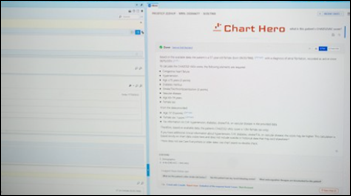
Penn Medicine develops Chart Hero, an AI-powered sidebar in Epic that summarizes chart information and can suggest next steps to physicians. The health system plans to expand it so that patients can enter their concerns and goals ahead of visits.

Kaiser Permanente develops TimEHR, and EHR-embedded AI tool that predicts the optimal length of appointment for a patient’s pre-op visit. The system, which uses Epic’s audit log as a data source, also suggests whether their appointment should be in-person or virtual.

image

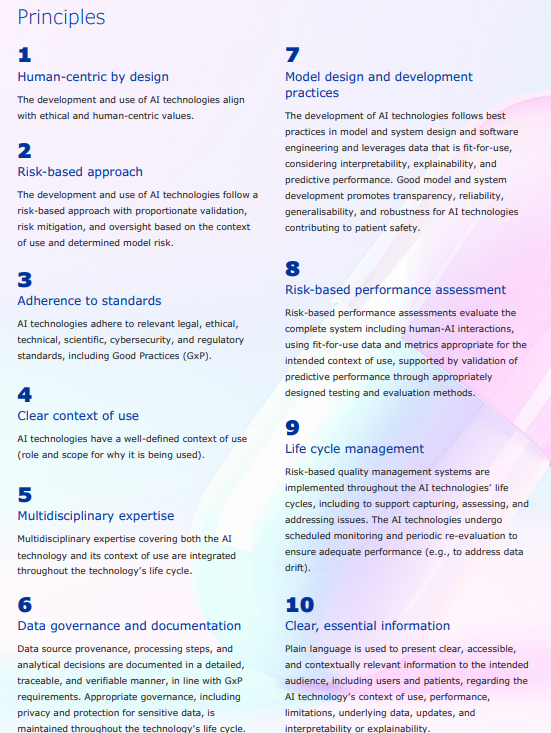
The FDA and European Medicines Agency issue a set of 10 common principles for using AI to generate and monitor evidence in drug development.


Research

Cedars-Sinai will use up to $5 million from HHS’s ARPA-H to build KronosRx, an AI platform that uses stem-cell-based patient avatars and electronic health records to predict drug toxicity before trials.


Other

image

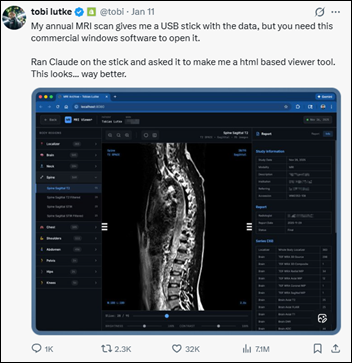
The CEO of Shopify uses Claude to create an HTML-based viewer of the exported data from his annual MRI scan. Healthcare followers pondered why he bothered to write an application rather than use a free DICOM viewer.


Contacts

Mr. H, Lorre, Jenn, Dr. Jayne.
Get HIStalk updates.
Send news or rumors.
Follow on X, Bluesky, and LinkedIn.
Sponsorship information.
Contact us.

Comments Off on Healthcare AI News 1/14/26

This Week in Health Tech 1/14/26

January 14, 2026 This Week in Health Tech Comments Off on This Week in Health Tech 1/14/26
LinkedIn weekly 11426 - Copy
Comments Off on This Week in Health Tech 1/14/26

Text Ads


RECENT COMMENTS

  1. Today's post contains the phoenixes rising from the ashes of the post COVID telehealth era. There's two things that destroy…

  2. "Block [...] will lay off nearly half of its workforce [...citing...] AI". Here's an alternative interpretation. AI has become an…

  3. A Week in the Life of Clinical Informatics: Sunday: patient care. Monday: system design. Tuesday: iterate on feedback. Wednesday: governance…
Founding Sponsors


Platinum Sponsors


Gold Sponsors


RSS Webinars

  • An error has occurred, which probably means the feed is down. Try again later.