
Recent Articles:

Curbside Consult with Dr. Jayne 8/12/24

August 12, 2024 Dr. Jayne Comments Off on Curbside Consult with Dr. Jayne 8/12/24

I’ve spent my entire career in healthcare and healthcare IT. I have worked in a number of settings, from small private practices to large health systems, and from startup technology organizations to major EHR vendors. In every one of those settings, the need for teamwork has been emphasized. When you work in a patient care organization, you learn that there are dozens of teams that support patient care, whether directly or indirectly. There are the frontline clinicians, but there are also people in engineering, environmental / housekeeping, supply chain, finance, and more. When you’re working a clinical shift in the hospital, how those teams function can be highly variable.

Where I trained as an intern, we were assigned to teams that rotated the responsibilities for accepting admissions and working up patients who were newly admitted to the hospital. However, we really didn’t function as a team. Each intern was assigned individual patients to care for, and a supervising resident oversaw the activities of the interns on the team. We were only a team in as much as we had similar working schedules for the days we took call. The work was much more individual, even down to the fact that when one intern finished they could go home, while other interns might be knee deep caring for extremely ill patients. In hindsight, after going through formal education on team dynamics, it would have been more accurate to refer to us as an “on-call cohort” rather than an “on-call team.”

I’ve seen that cohort concept play out among nurses who are working a shift on the same unit, where one member of the “team” might be assigned a disproportionate share of the work for a variety of reasons. One of my favorite nurses texted recently about a shift where there was a need to pull nurses away from nursing tasks to serve as sitters for patients that had been identified as having a high risk of falls, disorientation, or self-injury. Instead of figuring out a way to divide the work throughout the 12-hour shift, one nurse was assigned all of the nursing patients for the entire shift, and other nurses were assigned to be sitters for the entirety of the shift.

Since being a sitter is perceived as being an easier job by many, there wasn’t any incentive for people to volunteer to divide the work any other way, such as creating two six-hour nursing blocks and two six-hour sitting blocks, so that the work could be more evenly distributed. It’s difficult to feel like you’re a member of a team when you also feel like you’re the one that has been left holding the proverbial bag for all the patients on the unit, all by yourself.

I experienced a lot of non-team “teamwork” during the height of the pandemic when working in emergency and urgent care settings. Sometimes it just happens because of the varying levels of acuity of patients as they come through the doors, and chance determines whether you wind up with a patient who is relatively straightforward or whether you wind up with one who is extremely ill. While some facilities have algorithms to try to even out those patient loads, others work on a strict rotation that determines who is responsible to pick up the next patient that arrives. The combination of different types of patients you are responsible for often determines whether a shift is perceived as easy or hard, as does the makeup of your support team. When you have a team that clicks, it can make things seem much more tolerable, and it’s that feeling of teamwork that can get you through.

Unfortunately, that feeling of teamwork was also exploited during the busiest parts of the pandemic, as workers were forced to work while sick and when they were at the point of exhaustion. They were pushed to their breaking points and felt like they had to keep going because there was no one else to take their place, and that’s not a situation that anyone wants to be placed in again. That negative application of teamwork – the pressure that you have to do something because “you can’t let the team down” – led to many of my colleagues leaving direct patient care roles as the pandemic’s demands began to decrease. Unfortunately, I continue to see people who are asked to work under poor conditions with “the good of the team” being cited as a reason.

I recently had the chance to observe a technology team where members were not only cross trained, but were intentionally grouped to ensure redundancy. In the event of illness or competing priorities, the team was resourced so that responsibilities could be shifted to multiple other team members, reducing the risk that any one member would feel that work was being dumped on them should someone need to step back due to illness or personal conflicts. Part of the need for redundancy was inherent in the kind of work being done, which involved life support for individuals working in a hazardous environment. But it got me thinking about why we don’t take more of that kind of approach in healthcare. Certainly our patients, who are someone’s mothers, brothers, sisters, fathers, or other loved ones, deserve to have care delivered via processes that don’t allow them to fall through the cracks.

Why do so many care delivery organizations still use what could be described as single-threaded staffing models? For example, one physician, or one nurse, or one patient care technician is assigned to a certain number of patients. What would it be like if we cared for patients in groups, with backup and redundancy? Would we benefit from having more immediate collaboration around how we approach a patient in front of us? You see this in academic centers, where you may have physicians at different levels caring for a patient, such as an intern, a resident, a fellow, and an attending physician. Sometimes one will see something that another didn’t, which can lead to better outcomes for the patient.

I know some organizations are trying to do this in the nursing realm, using new models such as virtual nursing to provide additional layers of support for nurses working on hospital inpatient units. Sometimes the virtual nursing model carves out certain care tasks — such as intake and discharge functions that can be appropriately delivered via virtual modalities — and sometimes it’s more of a virtual mentor model to provide an extra set of eyes for nurses who may have recently completed their training and orientation. Although these models were originally designed to help solve nursing shortages by tapping available nurses who might not be able to work in person, there are additional less tangible benefits, such as improved collaboration and a feeling of collegiality.

The same thing holds for technology teams. I know everyone is trying to run as lean as possible, but there’s a cost to doing so. Running an engineering team ragged because it’s not staffed appropriately generally does not lead to strong performance in the long term. It does, however, lead to resentment, lack of focus, lack of buy-in, and often to employee turnover. Cutting corners may lead to short term savings, but ultimately there are long-term consequences that will need to be addressed.

I never thought I’d reach a point in my career where I would be excited to see organizations that were admittedly playing the long game and that were unashamed about putting people over profits. These are certainly the exception in our industry rather than the norm, but I’ll be keeping my eye out for other examples and following them over the coming months.

Do you work at a place that is willing to pay more to ensure higher quality outcomes? Are they focused on balancing work so that everyone can succeed? Leave a comment or email me.

Email Dr. Jayne.

Comments Off on Curbside Consult with Dr. Jayne 8/12/24

Readers Write: What Separates Winners from Losers in Population Health Management? Three Lessons

August 12, 2024 Readers Write Comments Off on Readers Write: What Separates Winners from Losers in Population Health Management? Three Lessons

What Separates Winners from Losers in Population Health Management? Three Lessons
By Billie Jo Nutter

Billie Jo Nutter is CEO of Chordline Health.

image

There’s an alarming range of success and failure in population health management initiatives, with an ROI that spans from -$244.65 to $1,592.48 per year. As healthcare providers and health plans accelerate investments, ensuring organizations have the right data, tools, and processes to improve risk identification, care management, and value will be vital.

One area of untapped opportunity, according to pwc: driving payer-provider collaboration with a single care plan that is customized to each patient’s needs.

To get there, health plans and health systems must understand where breakdowns in population health management typically occur, how to evaluate their approach, and ways to drive better results.

Breaking Down Population Health Pain Points

Lack of trust and cynicism are two of the biggest factors that get in the way of payer-provider collaboration around population health, according to healthcare C-suite leaders who attended an HFMA population health colloquium last fall. Transparency  around population health data, analytics, outreach, and referrals can help unlock collaboration, but only if the data used to inform population health analyses and care management response are credible and actionable.

One way to build trust in population health data is by aggregating data from multiple sources, including community service organizations, to gain a whole-picture view of the patient, including the patient’s health-related social needs. Another is to tap into another organization’s data to compare a population against a similar population. This process can help uncover best practices in care management for a specific group. In instances where providers and payers are collaborating around population health management, it can also help to:

  • Align resources for more effective care management.
  • Point to opportunities to better manage multiple chronic conditions.
  • Uncover instances where medication management could be streamlined, avoiding adverse effects and unnecessary costs.

Trust also comes down to the ability to use the data at the point of care to improve patient outcomes and to demonstrate the impact that was made in ways that all key stakeholders can understand. This is an area where the data must not only be credible, but also be delivered in such a way that clinicians can determine, at a glance, the health risks that a patient faces and the interventions that offer the best chance to improve health.

In addition, clinicians and value partners, like health plans, need to see the impact that they have made, such as the number of people for whom they have helped to avoid hospital readmissions or progression of disease. This level of clarity reinforces professional satisfaction. It also motivates all stakeholders to do more to strengthen the health of a population.

How can healthcare providers and health plans collaboratively develop a population health management approach that delivers clear wins for both stakeholders and their patients?

  • Use shared data to develop a single care plan. Just as some providers leverage data from academic medical centers to better understand what works and what doesn’t in strengthening the health of specific populations, access to health plan data gives providers a more complete view of a patient’s healthcare utilization and care costs. From there, data scientists can not only analyze and forecast a population’s health needs, but also strengthen patient engagement in ways that improve overall health. That’s especially important for adults with chronic conditions, whose risk of hospitalization is two to eight times higher than that of adults without chronic disease.
  • Explore innovative approaches to managing chronic conditions, especially within managed Medicare populations. When high-risk patients are identified, bring care managers from the health plan and the health system together to design and implement strategies for care coordination. Then, leverage technology for remote monitoring and support. One essential element for success: a population health analytics platform that can integrate with any data system. This ensures that no matter where a care manager or clinician works, that person has the same data view to make care decisions and view progress.
  • Make it easy for clinicians to view population health data directly within their workflows. Intuitive patient dashboards can put population health data at clinicians’ fingertips, empowering them to understand the top factors that influence the patient’s health and population health. Such dashboards can also point to opportunities to reduce care costs, such as by highlighting medication prescribing trends for a particular population and ways to bring these patterns in line with evidence-based practices. One tip for success: make sure the dashboard offers flexible data filtering options to support the clinical team’s needs and enable the team to report on progress and opportunities in a variety of ways.

By taking a collaborative approach to population health management, health systems and health plans can more effectively improve the health of target populations while enhancing clinical workflows, patient outcomes and professional satisfaction.

Comments Off on Readers Write: What Separates Winners from Losers in Population Health Management? Three Lessons

Morning Headlines 8/12/24

August 11, 2024 Headlines Comments Off on Morning Headlines 8/12/24

Five9 to Acquire Acqueon to Expand its Industry-Leading Omnichannel Outreach and Journey Orchestration for the Enterprise

AI-powered customer service technology vendor Five9 acquires Acqueon, which offers a revenue execution platform.

TrueClaim: The world’s first transparent, AI-enabled healthcare TPA (that doesn’t suck)

Former executives from Hinge Health, PMD, and Walgreens launch TrueClaim, an AI-enabled third-party administrator for self-insured companies that says it can save 7% of costs with no changes in benefits.

Massachusetts, California Weigh New Curbs on Private-Equity Medical Acquisitions

Massachusetts and California consider limiting private equity acquisitions of healthcare businesses, with the former proposing leverage limits and the latter considering mandatory state approval.

Comments Off on Morning Headlines 8/12/24

Monday Morning Update 8/12/24

August 11, 2024 News 3 Comments

Top News

image

Walgreens Boots Alliance may sell its majority stake in VillageMD primary care clinics business as it streamlines its business to focus on retail pharmacies, according to SEC filings.

The company invested $6 billion in VillageMD in 2020 with plans to open hundreds of locations, but it says that the clinics haven’t attracted enough patients.

Walgreens also disclosed that $2.25 billion in loans that it provided to VillageMD are in default, but Walgreens will not exercise remedies while it is seeking a change in its investment.


HIStalk Announcements and Requests

image

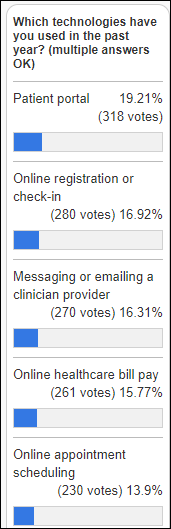
Technologies most used are above, with those finishing lower on the list being telehealth, health tracking or self-management, and virtual health assistants.

New poll to your right or here: Which factor was most responsible for your getting your current job?


image

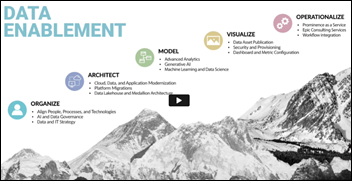
Welcome to new HIStalk Platinum Sponsor Prominence Advisors. Prominence Advisors is the healthcare data enablement company. The Prominence team helps healthcare organizations do more with their data to make healthcare smarter. Founded by former Epic leaders, Prominence works with more than 100 healthcare organizations across the nation, including seven of the top 10 hospitals in US News and World Report. Prominence is a winner of 2023 Best in KLAS Technical Services and 2024 Best in KLAS HIT Staffing, offering award-winning data enablement services to healthcare organizations. Thanks to Prominence Advisors for supporting HIStalk.

image

I found an explainer video for Prominence Advisors on its website.


Webinars

None scheduled soon. Previous webinars are on our YouTube channel. Contact Lorre to present or promote your own.


Acquisitions, Funding, Business, and Stock

TruBridge announces Q2 results: revenue flat, adjusted EPS $0.16 versus $0.40. TBRG shares rose 25% on Friday following the announcement but are down 52% over the past 12 months, valuing the company at $189 million.

AI-powered customer service technology vendor Five9 acquires Acqueon, which offers a revenue execution platform.

image

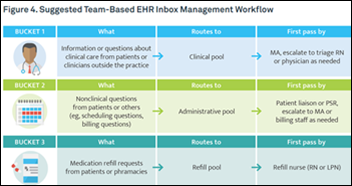
AMA’s Steps Forward program updates its detailed toolkit for reducing EHR inbox burden.

image

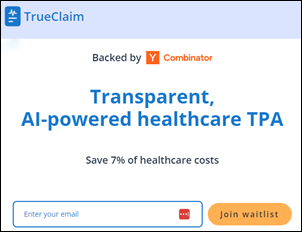
Former executives from Hinge Health, PMD, and Walgreens launch TrueClaim, an AI-enabled third-party administrator for self-insured companies that says it can save 7% of costs with no changes in benefits.


Announcements and Implementations

image

The local paper covers the virtual nurse program of HCA’s TriStar Skyline Medical Center in Nashville, which uses 100 cameras that are installed in the med-surg  and progressive care units. Contracted virtual nurses who work from home perform all admission and discharge paperwork for each patient from 6 a.m. until 2 a.m. seven days per week. HCA says it implemented the program to overcome nurse shortages and keep older nurses working without the physical workload of 12-hour and weekend shifts. I was interested that the nurse politely first says “knock, knock” over the speaker before asking permission to turn the TV and cameras on. 


Government and Politics

Massachusetts and California consider limiting private equity acquisitions of healthcare businesses, with the former proposing leverage limits and the latter considering mandatory state approval.

The government of Denmark, whose socialized health system was financially threatened by the cost of weight loss drugs, pressures Denmark-based Novo Nordisk to reduce the price to $130 per month versus the US price of $1,350 per month. The KFF Health News article notes that the drug companies are lobbying Congress to force Medicare to cover their drugs, which even with hefty discounts would cost $107 billion per year, which is just a bit less than the government’s entire Medicare Part D spending. It also observes that Wegovy, which costs $365 in Denmark and $1,400 in the US, sells for $92 in the UK. The GLP-1 companies use high US prices to convince other countries that they’re getting a deal.

Texas Governor Greg Abbott issues an executive order that requires hospitals to obtain the immigration status of patients, which the state will use to bill the federal government for the cost of treating undocumented migrants.


Sponsor Updates

clip_image001

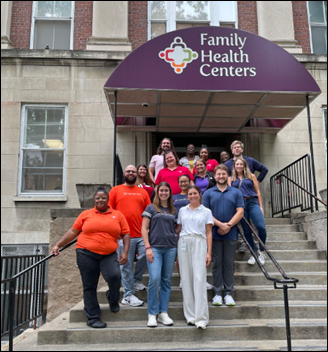
  • Waystar staff visit Family Health Centers of Louisville to distribute 250 bags of school supplies and care items to patients.
  • Healthcare IT Leaders releases a new “Leader to Leader” podcast, “IT Strategy at an Urban Teaching Hospital.”
  • Clinical Architecture announces that it has been selected by AWS as an Amazon HealthLake Partner.
  • Everest Group recognizes Nordic Consulting as a Major Contender in its Healthcare Industry Services PEAK Matrix Assessment 2024.
  • Nordic releases a new “Designing for Health” podcast, “Interview with David Berger, MD.”
  • Verato will exhibit at ESolutions Xchange August 25-28 on Amelia Island, GA.

Blog Posts

Sponsor Spotlight

image

FinThrive is advancing the healthcare economy by rethinking RCM to pave the way for a healthcare system that ensures every transaction and patient experience is addressed holistically. We stand at the forefront of healthcare excellence, dedicated to transforming financial operations for customers across the ecosystem with cutting-edge technology and strategic insights. FinThrive delivers a smarter, smoother healthcare finance experience that increases revenue, reduces costs, expands cash collections and ensures regulatory compliance. To date, we’ve recovered over $10 billion in net revenue and cash to more than 4,000 customers worldwide.


Contacts

Mr. H, Lorre, Jenn, Dr. Jayne.
Get HIStalk updates.
Send news or rumors.
Contact us.

Morning Headlines 8/9/24

August 8, 2024 Headlines Comments Off on Morning Headlines 8/9/24

Health Catalyst Reports Second Quarter 2024 Results

Health Catalyst shares jump on the news of the company’s Q2 results, which beat analyst expectations, and its acquisition of care orchestration platform vendor Lumeon.

Walgreens May Sell Off Entire Stake In Clinic Operator VillageMD

Walgreens considers selling off all or part of its VillageMD primary care business, which it acquired in 2021 with an investment of $5.2 billion.

TruBridge Announces Second Quarter 2024 Results

Health IT company TruBridge reports a small uptick in Q2 revenue to $84.7 million, with revenue from its RCM solutions making up 64% of that total.

Rhysida Ransomware group claims to have breached Bayhealth Hospital in Delaware

The Rhysida ransomware group threatens to sell data stolen from Bayhealth (DE) unless the health system pays a ransom by August 14.

Comments Off on Morning Headlines 8/9/24

News 8/9/24

August 8, 2024 News 1 Comment

Top News

image

Health Catalyst reports Q2 results: revenue up 4%, EPS $0.12 versus $0.05, beating analyst expectations.

HCAT shares jumped 38% on the news, but are still down 44% over the past 12 months, valuing the company at $446 million.

Meanwhile, the company closes its acquisition of care orchestration platform vendor Lumeon. SEC filings indicate that the acquisition price was $37.5 million in cash, $2.5 million in HCAT shares, and a potential earn-out of up to $25 million.


Reader Comments

image

From Mighty Have Fallen: “Re: Avera Health. Ending a long partnership with Meditech. Epic’s monopoly continues to grow.” Verified, at least to the extent that Avera shows up on the UserWeb login and the health system’s job openings include three Epic project managers.


HIStalk Announcements and Requests

I was happy to see a new “Hey Judy” story on Epic after a two-month lapse. She says that Epic has three former rocket scientists as employees who agree that health IT is more complex. She gives a pretty fascinating look at how she programmed the first release of what became EpicCare as a computer science graduate student:

At first, I did some easy stuff, like call schedules. Then I was given a much bigger assignment. They wanted me to keep track of patient clinical information, whether the patient was seen once or hundreds of times, wherever the patient was, inpatient or outpatient. And they wanted the users to be able to define the data elements and design the screens, rather than hiring a programmer to do that … When I wrote the code for the underlying infrastructure of the clinical system that became known as EpicCare, I put the patient at the center and all the data around the patient. That philosophy has stayed with Epic over the years

image

A couple of nostalgic readers sent Internet photos of the Cerner logo being removed from the former Innovations campus, apparently to be replaced with that of Oracle.


Webinars

None scheduled soon. Previous webinars are on our YouTube channel. Contact Lorre to present or promote your own.


Acquisitions, Funding, Business, and Stock

image

CVS reports Q2 results: revenue up 2%, adjusted EPS $1.83 versus $2.21, beating earnings expectations and falling just short on revenue. CVS shares have dropped 24% in the past 12 months. From the earnings call:

  • The company lowered guidance because it expects Aetna’s Medicare Advantage medical utilization to accelerate.
  • CEO Karen Lynch will take over day-to-day management of the company’s Aetna business, which is performing poorly. Aetna President Brian Kane has been let go.
  • The company will cut costs by $2 billion over several years.
  • It will further integrate its Signify home care and Oak Street Health Medicare primary care businesses to Aetna, MinuteClinic, and CVS Pharmacy. CVS Health acquired those businesses in 2023 for a combined $19 billion.

Roche is reportedly considering a sale of its Flatiron Health cancer data business, which it acquired for $1.9 billion in 2018. Analysts speculate that Flatiron’s sales have been constrained due to the reluctance of Roche’s pharma competitors to use its services.

Texas Children’s Hospital will lay off 5% of its 20,000 employees. The hospital did not provide specifics, but some IT employees have said on LinkedIn that they were affected.

image

23andMe reports Q results: revenue down 34%, EPS –$0.14 versus –$0.23, beating revenue expectations but falling short on earnings. ME shares are down 79% in the past 12 months, valuing the company at $189 million. 23andMe went public via a SPAC merger in 2021, when its valuation reached $6 billion.


Sales

  • Nebraska Methodist Health System will implement QGenda ProviderCloud for scheduling and time and attendance for all employees in all locations.
  • Reid Health choses Abridge for ambient documentation.
  • Brattleboro Retreat will implement Meditech Expanse under the Meditech as a Service cloud-hosted model.
  • LSU Athletics will use smart stethoscopes and AI algorithms from Eko Health and assessment from Our Lady of the Lake Health for physical exams.

People

image

Michael Campana (Healthcare Triangle) joins Amitech Solutions as VP of marketing.


Announcements and Implementations

In England, Alder Hey Children’s NHS Foundation Trust goes live on Meditech Expanse.

image

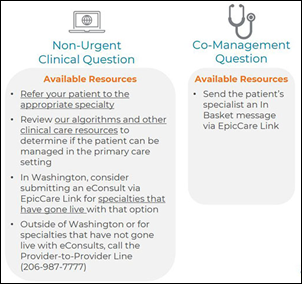
Seattle Children’s has rolled out EConsults for 11 service lines, where a community provider uses EpicCare Link to request care guidance from a specialist. The hospital has completed 234 requests.

Meditech launches Traverse Exchange, an advanced, FHIR-first HIE network for its US customers.


Privacy and Security

image

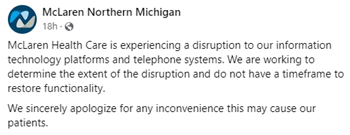
The system disruption at McLaren Health Care was caused by a ransomware attack, according to a ransom note that was shared by an employee. The health system was also attacked by ransomware in October 2023, with the ALPHV/BlackCat group claiming responsibility. That attack exposed the information of 2.2 million patients.

England’s computer watchdog will fine IT provider Advanced Computer Software Group $8 million for failing to prevent a 2022 ransomware attack. Hackers used a stolen password and systems were not secured using multi-factor authentication.


Sponsor Updates

  • Inovalon launches Converged Stars Health Equity Analytics to help Medicare Advantage plans address healthcare disparities and improve performance.
  • Revuud reports strong growth in the first half of 2024 with a 100% increase in engagement revenue and a 40% year-over-year growth in customers.
  • Wolters Kluwer Health publishes a new whitepaper, “Bridging the value gap: Aligning medical and drug benefits for health insurers.”
  • Healthcare Growth Partners publishes a new whitepaper, “Prepare and Prevent Common Due Diligence Issues in Health IT Transactions.”
  • Laudio publishes a new case study, “MemorialCare Enhances Support for Nurse Managers, Boosts Nurse Engagement and Retention.”
  • Medhost publishes a new case study, “Blue Ridge Revival: Transitioning to Rural Emergency Hospital Designation.”
  • Optimum Healthcare IT publishes a new ebook titled “Securing LLMs: Essential Guide for Safe AI Integration and Implementation.”
  • Medicomp Systems releases a new Tell Me Where It Hurts Podcast featuring Kat McDavitt, president and founding partner of Innsena, and CEO and founder of Zorya Foundation.
  • NeuroFlow publishes a new case study, “The Villages Health Expands Access to Innovative Behavioral Health Programs Using NeuroFlow.”

Blog Posts


Contacts

Mr. H, Lorre, Jenn, Dr. Jayne.
Get HIStalk updates.
Send news or rumors.
Contact us.

EPtalk by Dr. Jayne 8/8/24

August 8, 2024 Dr. Jayne 4 Comments

I like to stay close to my family medicine roots, so was excited to provide some local locum tenens coverage for a friend who was taking a much-anticipated vacation. Her practice uses an EHR that I’ve used to deliver patient care in the past, so I was confident in my ability to step in without a lot of retraining. Since I’m a new user on this particular system, I expected it would be a bit slow, especially since I wouldn’t have any medication favorites built and wouldn’t be terribly familiar with documentation templates in her particular system.

What I didn’t expect, however, was finding a defect that was recently injected into the system as part of an upgrade. In the prescribing system, the pick list that would normally be used to select how many times per day a medication should be taken had been morphed into something virtually unusable.

For an ambulatory medical practice, one would expect all of the “by mouth” options to be at the top of the list for easy selection. Instead, I was greeted by all the intravenous selections, followed by rectal and other options. The list also wasn’t responding correctly to keyboard inputs if I tried to do a type-ahead search, which meant that I had to scroll (and scroll and scroll) to write prescriptions. Needless to say, it was less than optimal for patient care.

I mentioned it to the office manager and she gave me explanation of it being upgrade related, so I can only hazard a guess at how many thousands of users are having their time wasted by this bug. It doesn’t impact physicians who primarily prescribe using a favorites list, so I guess I know what I’ll be doing this evening to make tomorrow less painful. Many newly trained physicians enter practice in July and August, so I bet I’m not the only one.

I also had the opportunity to attend a continuing education webinar this week. I was particularly excited about the session because one of my former medical students was presenting on an important clinical topic. I’ve presented on hundreds of webinars over the last decade, hosted by major academic institutions, medical societies, technology vendors, state health departments, and volunteer organizations. The best ones conduct a practice session or at least distribute a set of ground rules to explain how presenters should interact with each other and with the audience. When organizations don’t do this, sometimes they get lucky and everything goes well. In this situation they didn’t get lucky, however, as one of my friend’s co-presenters apparently didn’t get the memo to turn her camera off when she was not presenting.

Since there were only three panelists, their camera feeds were front and center. I’m assuming that her co-presenter was multitasking and looking at something humorous based on her facial expressions. Unfortunately, those expressions were occurring at a particularly sensitive point in the discussion that made it appear that she was laughing while serious patient harms were being reviewed. I’d like to assume that this was just an oversight on her part, and that she didn’t mean to be disrespectful, but either way it’s bad form. I hope someone at her organization recommends that she review the recording so she can see how she was projecting herself to the world.

image

I wish I would have run across this article earlier in the Summer Olympics hype cycle. Some of the parents of competitors were outfitted with heart rate monitors to see how their anxiety manifested as their athletes competed. NBC displayed data from the father of one of the US gymnasts during one of her routines. One would think that it would be enough to just display the facial expressions of loved ones since you can see every second of anxiety or amazement broadcast to the world already. Commenters on the article felt that displaying heart rate data was a bad idea, using words such as invasive, creepy, and unsportsmanlike to describe the practice.

Another article that I ran across this week detailed a physician who is accused of behaving badly by making over $1.5 million in personal charges on his business-issued credit card. The physician pleaded not guilty to the charges, with his attorney stating that “the funds he used were not stolen funds.” The card was used for $115,000 in cash advances, $176,000 in pet care, $348,000 in personal travel, $109,000 in gym memberships and personal training, $52,000 in catering, and $46,000 in tuition payments for his family. A savvy commenter called out the fact that he spent more on pet care than he did on his children.

The amazing thing about the situation is that the charges occurred over a seven-year period before being caught in an audit. According to the article, his institution is the only state-run hospital in New York City. One would think that being a public institution would make for stronger accounting controls. The physician is scheduled to appear in court again at the end of September.

Speaking of September: I discovered this week that the spelling and grammar checks in Microsoft Word will not catch “September 31” as something you shouldn’t type. It’s something I’ll be manually watching for in the future.

I wrote earlier in the week about the evolution of language and how that might impact large language models. I was excited to see this article about the forces changing language on a daily basis and that teenage girls are a major driver. It should be noted that the article is from Australia, which has its own unique linguistic offerings. Some of the experts interviewed in the article note that young women drive changes faster than young men and that this isn’t a new phenomenon – it has been studied extensively, including reviews of letters written from the 1400s to the 1600s. The fact that social media connects people from different regions and countries is also driving rapid change. One expert encourages people to place themselves close to a group of teenage girls to listen to how they communicate as a representation of where language is headed. I’ll be looking at my interactions with various community youth groups differently moving forward.

What do you think about changes in language and how they might be driven by social media or other societal forces? Leave a comment or email me.

Email Dr. Jayne.
Morning Headlines 8/8/24

August 7, 2024 Headlines Comments Off on Morning Headlines 8/8/24

CVS’s stock drops as the healthcare-benefits business continues to hurt profits

CVS Health shares drop on the news of disappointing Q2 results, largely stemming from its lackluster Aetna health benefits business, and the ouster of Aetna EVP and President Brian Kane.

Roche considering divesting $1.9 bln cancer data startup, FT reports

Pharmaceutical company Roche is reportedly considering selling Flatiron Health, the oncology software and research company it acquired in 2018 for $1.9 billion.

McLaren hospitals disruption linked to INC ransomware attack

McLaren Health Care (MI) confirms that the recent disruption to its IT systems was caused by a ransomware attack led by the INC ransomware gang.

Comments Off on Morning Headlines 8/8/24

Healthcare AI News 8/7/24

August 7, 2024 Healthcare AI News Comments Off on Healthcare AI News 8/7/24

News

image

CHIME publishes a report of 10 principles, with detailed recommendations for each, that will ensure the ethical and effective implementation of AI in healthcare.

Amazon’s One Medical team is reportedly considering developing an AI agent called DoctorAI that would optimize clinician tasks, make product and service recommendations, and manage customer service requests.

image

In England, NHS trusts are using patient engagement prediction software from Deep Medical to identify patients who are likely to no-show or cancel their appointments with short notice. Volunteers reach out to the patients who are identified by the system three weeks ahead of time to see if they need assistance – such as with transport, translation, or parking fees – and to reschedule their appointments in the event of conflicts. NHS England says that patients don’t show up for 6.4% of its 125 million outpatient appoints each year at a cost of nearly $2 billion.

FDA announces the members of its newly formed Digital Health Advisory Committee, which will hold its first meeting in November to discuss total product life cycle considerations for AI-enabled devices.

image

Switzerland-based Sonova introduces the first hearing aid that uses real-time AI to improve speech clarify from background noise.


Business

image

CMS approves separate Medicare payment for Annalise.ai’s obstructive hydrocephalus portion of its critical care platform. The company says the solution, which triages non-contrast brain CT scans, is the only radiology triage device that can be billed for additional hospital payment.


Research

Researchers find that ChatGPT isn’t good at diagnosing patient conditions. It incorrectly analyzed half of a set of the 150 case challenges it was given, where it struggled with interpreting lab values and imaging results and failed to use complete information that was relevant to the diagnosis. They found that it works well as an educational tool, did a good job with differential diagnosis, and accurately suggested next diagnostic steps.


Other

image

In England, nine hospital trusts are using Ufonia’s Dora conversational clinical assistant to call patients three weeks after their cataract surgery and alert clinicians if they need further care. Two-thirds patients who undergo cataract surgery, which is performed 500,000 times per year, do not require an in-person appointment. The company is a spin-off of Oxford Unversity.

A pain patient’s op-ed piece expresses skepticism about AI in healthcare:

  • Hospitals could have already solved the same patient problems if they really wanted to.
  • The real motivation for health systems to use AI is to make more money rather than to lower patient bills.
  • AI-drafted responses and emails to patients are easy to spot, and many of the initial patient emails were generated because of inefficient policies, such as requiring patients who have incurable conditions to contact their doctor every month to have their pain medication refill approved.

Contacts

Mr. H, Lorre, Jenn, Dr. Jayne.
Get HIStalk updates.
Send news or rumors.
Contact us.

Comments Off on Healthcare AI News 8/7/24

HIStalk Interviews Ajay Kapare, President, Ellkay

August 7, 2024 Interviews Comments Off on HIStalk Interviews Ajay Kapare, President, Ellkay

Ajay Kapare, MBA is president and chief strategy officer of Ellkay.

image

Tell me about yourself and the company.

I’ve been with Ellkay for six and a half years. Ellkay is an interoperability solution provider company. We are in five segments of healthcare.

We are in ambulatory, where we do data migration, conversion, and clinical and financial archiving. We are also in hospitals, where we are an enterprise data management partner. We primarily decommission legacy applications. We provide an archive solution. We offer an interoperability solution called LKOpera to health systems. We are also in the lab segment, which is where we started our business, where we primarily do LIS to EMR integration and also order and result portals. LKOrbit is our lab platform. Close to 700 clinical labs use Ellkay.  Our fourth segment is providing interoperability for vendors. We do any integration that is needed with an EMR, getting the data out of the EMR or pushing the data into the EMR. We’ve been growing in this segment strongly. Finally, we offer an interoperability solution and clinical data exchange solution for the payer market.

We have been growing consistently the last six years and we have nearly 700 employees globally. In today’s market, few companies can say that they have been growing consistently year over year. Our customers and employees are our biggest assets. Customer-first and employee-first have always been our focus.

What business impact have you seen from TEFCA and QHINs?

We are proud to be participating in TEFCA through our work with CommonWell and achieving QHIN designation for the CommonWell 2.0 platform. TEFCA provides guidance for the secure exchange of health information regardless of the location of care. While organizations have been working to achieve this mission independently of each other for quite some time, this framework gives us all a goal to strive for. CommonWell, with Ellkay’s technology, is one of the seven QHINs.

What interoperability requests do you get most often?

More than 70% of hospitals are struggling financially. We are working with those that want to improve their efficiency and reduce costs, working with our interop solutions, LKOpera, or even decommissioning legacy applications that are sitting out there. We give them great ROI in having all that data for the informatics people and clinicians to use through LKArchive.

We see a lot of interest in FHIR. Hospitals, health plans, and vendors are all adopting FHIR within their interoperability arms. With this adoption, we also see the ease of data connectivity and exchange based on standards-based formats that allow the organization to communicate more efficiently and effectively. At Ellkay, we are continually evolving ahead of the industry to be able to accommodate all these standard methodologies and to integrate systems. We are assisting many organizations with transforming data to FHIR resources if that is not configured within their own system.

We feel strongly about our work with CommonWell and implementing the core functionality to their new platform, which is in production, including TEFCA, and all the work around that.

Has AI changed the demand for interoperability or given the company more capability?

The term AI is used everywhere. In the last few years, almost $5 billion in funding has been given to digital startups that are mostly focused on AI. There has been some confusion around exactly what AI is. Even someone who is doing screen scraping will call that AI.

As things have changed for us at Ellkay, we have been working as a true data management partner. Our experience of 20-plus years with healthcare data and data sources is unparalleled. We have almost 60,000 interfaces with different systems throughout the healthcare IT ecosystem.

As healthcare AI initiatives rely heavily on quality data, Ellkay has been laying this foundation for years. You can’t offer new AI technology without good access to quality data. We provide data integrity and data quality expertise to our client partners. We’re also helping them identify the best value-add use cases for the data and guiding them through the noise as they embark on their AI/ML journeys.

How does Ellkay address marketing differently given your strong background in it?

Marketing has always been my first love. Ellkay does strategic marketing. We truly believe that passion, action, and noble intention creates progress. We have never been a very aggressive marketer. We have always been a strategic marketer.

Our virtual user group meeting is August 13 to August 15. Last year we had more than 1,000 attendees — our strategic partners, people from the industry, and prospects. We opened it up to everyone. We had more than 50 speakers. The focus wasn’t Ellkay products, but rather what the trends are in the industry and what changes are happening. Post Meaningful Use and post COVID, what new challenges are health systems, the clinical lab, the ambulatory market, health plans, and payers going through? What challenges are vendors or vendor partners going through? We bring speakers who focus on those areas. When we’re at trade shows, you will see in our booth that our people are always happy. They smile and genuinely want to help.

We can do a great job if there is a market problem that we can solve as a true strategic partner, as we listen more and do focus groups. Our marketing is our voice. It tells the world who we are and what we believe in. It works well and resonates with people. We are true to the core, and whatever we say, we actually mean it.

How do you value collaboration and personal industry relationships?

Our core competencies as a company have always been innovation, execution, agility, and relationships. Relationships play an important role for us. You have to listen to your customers. You have to understand their needs and challenges. When I’m meeting a CIO, a lab director, or even a vendor CTO, I listen to understand their challenges. As a company, we take a customer-first approach and help solve their problems.

We like to keep our head down, ignore the noise around us, stay focused, and keep on doing the same things again and again, repeating the same formula. It’s a process. It’s a journey. Focusing on the things that we can do well has always paid off for us.

What are the most important factors for the company over the next few years?

We want to be a trusted enterprise data partner. We want to be the true partner who can help organizations with their problems, whether it’s a new EMR journey, challenges within their interop needs, or challenges within their lab network. We want to be that true partner, and I’m going to keep repeating this, true enterprise data management partner.

Our future has always been meeting our clients where they are, but also going where they want us to go with them. We will continue to support our client partners by helping them manage their data needs and interop needs, but also by being a thought leader and consultative partner.

A lot of health systems want to do a rationalization exercise around applications that are sitting out there on vulnerable servers. We can do the entire process: true archiving data integrity and analytics based on the type of data and what operational, financial, or clinical needs make sense. Healthcare data is powerful and we should be doing more with it as an industry.

We have some good partners helping us. We are also working towards different growth. We’re looking at international growth. We are looking at what we can do on the data and life sciences side. It’s an exciting time to be at Ellkay.

Comments Off on HIStalk Interviews Ajay Kapare, President, Ellkay

Morning Headlines 8/7/24

August 6, 2024 Headlines 1 Comment

OneBlood’s Critical Software Systems Back Online Following Ransomware Event

OneBlood, a blood center that serves 250 hospitals in the Southeast, restores its critical software systems after a July 29 ransomware attack forced them offline.

Guidehealth Closes $14 Million Seed Round With Strategic Investment from Memorial Hermann Health System

Guidehealth, which specializes in value-based care programs that incorporate AI-enhanced technology and clinical services, announces $14 million in seed funding.

Epic Wins Motion for Attorneys’ Fees Against Patent Troll

A federal court orders a patent troll to pay the attorney fees of Epic, whose customers it had sued claiming patent infringement.

News 8/7/24

August 6, 2024 News Comments Off on News 8/7/24

Top News

image

OneBlood, a blood center that serves 250 hospitals in the Southeast, restores its critical software systems after a July 29 ransomware attack forced them offline.

The organization says that its processing and distribution of blood products has returned to nearly normal levels.


Webinars

None scheduled soon. Previous webinars are on our YouTube channel. Contact Lorre to present or promote your own.


Acquisitions, Funding, Business, and Stock

image

Guidehealth announces $14 million in seed funding. The company specializes in value-based care programs that incorporate AI-enhanced technology and clinical services. It acquired Arcadia’s managed services organization and value-based care business last year.

Orlando Health will acquire Tenet Healthcare’s Brookwood Baptist Health system (AL) for $910 million, and will enter into a 10-year contract with Tenet-owned Conifer Health Solutions for revenue cycle services for the newly acquired system.

image

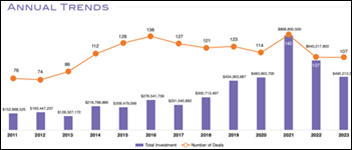
Startup investment in Wisconsin dropped significantly last year after the boom years of 2021 and 2022, but healthcare accounted for half the dollar total.

Definitive Healthcare reports Q2 results: revenue up 5%, EPS $0.09 versus $0.08, meeting analyst expectations. DEFN shares have lost 68% in the past 12 months, valuing the company at $433 million.


Sales

  • Samaritan Medical Center (NY) selects Loyal’s directory listings management software.

People

image

Prashant Thumma (Teladoc Health) joins 3Aware as CTO.

image

Josh Hoders, MBA (SteadyMD) joins WellSync as SVP of growth.

image

Jocelyn Keegam (Health Level Seven International) joins Aetna, A CVS Health Company as VP of Aetna interoperability.


Announcements and Implementations

Baptist Anderson Regional Medical Center (MS) rolls out Epic as part of a system-wide implementation.


Government and Politics

image

A US Government Accountability Office review of the Veterans Health Administration’s Accessing Telehealth at Local Area Stations (ATLAS) Pilot Program determines that the agency needs to develop performance goals and measures so that it can assess the effectiveness of the program on a regular basis. Established in 2019, the program offers veterans access to telemedicine services at 24 non-VA locations in rural areas. Over the last two years, however, veterans had only visited 10 of those ATLAS sites.

image

A federal court orders a patent troll to pay the attorney fees of Epic, whose customers it had sued claiming patent infringement. “We will not back down to patent trolls looking to shake down Epic or our customers,” says Epic SVP Stirling Martin. Two dozen other entities, including EHR vendors, paid to settle the lawsuits that were brought by Decapolis Systems, whose claims the court assessed as “if not fully spurious, was dilatory at best.”


Privacy and Security

image

McLaren Health Care (MI) announces that an unspecified IT issue has taken down computers and phone lines across all of its facilities. Its websites are also down, and several of its facilities have enacted ambulance diversions. It has not yet offered updates on restoring functionality.

HHS OCR fines emergency medical services provider American Medical Response $115,200 for failing to provide a patient with their requested medical records in a timely manner.


Other

image

The New York Times documents New York City’s “zombie pharmacies,” vacated buildings that previously held now-closed chain pharmacies that are stuck with unbreakable, long-term leases at above-market rates. More than a million square feet of prime real estate serve empty eyesores as 222 chain pharmacies have closed since the pandemic started. The overall pharmacy count has remained the same, however, as independent drug stores have opened near the vacant buildings.

image

The US Navy profiles Lieutenant J.G. David Tegtmeyer, a US Naval Academy graduate who decided to pursue Navy Medicine instead of flight school. He is deputy CIO and operations manager at the Navy’s training center in Bremerton, WA, which went live in the first wave of MHS Genesis deployments.


Sponsor Updates

  • CereCore releases a new podcast, “Behind the Scenes: Mayo Clinic’s Data Strategy for Transforming Patient Care.”
  • AvaSure publishes a case study, “How the North Texas VA Improved Patient Safety and Reduced Costs with Virtual Sitters.”
  • Capital Rx releases a new episode of The Astonishing Healthcare podcast, “Selling Pharmacy Benefits: Building Relationships & Meeting Clients’ Needs, with Nick Van Hook.”
  • The Driving the Deal Podcast features Clearwater CFO Baxter Lee, “Safeguarding Healthcare – Cybersecurity Insights with Baxter Lee from Clearwater Security.”
  • Revuud, which operates a healthcare IT talent marketplace, reports a 100% increase in engagement and 40% in client count in the first half of this year compared to last year.
  • EClinicalWorks releases a new podcast, “Know Your No-Shows and Optimize Your Schedule.”
  • Clinical Architecture publishes its “2024 Healthcare Data Quality Report.”
  • Consensus Cloud Solutions celebrates its 25th anniversary and the evolution of its e-fax solution.
  • CloudWave publishes a new whitepaper, “Patient-Centric Incident Response in Healthcare – A New Approach: What You Need to Know.”
  • Wrightington, Wigan and Leigh Teaching Hospitals NHS Foundation Trust adds Altera Digital Health’s patient flow solution to its Altera Sunrise system.

Blog Posts


Contacts

Mr. H, Lorre, Jenn, Dr. Jayne.
Get HIStalk updates.
Send news or rumors.
Contact us.

Comments Off on News 8/7/24

Morning Headlines 8/6/24

August 5, 2024 Headlines Comments Off on Morning Headlines 8/6/24

Tenet Healthcare to Sell Five Birmingham Hospitals to Orlando Health

Orlando Health will acquire Tenet Healthcare’s Brookwood Baptist Health (AL) for $910 million and will enter into a 10-year contract with Tenet’s RCM vendor, Conifer Health Solutions, for revenue cycle services for the newly acquired system.

OneBlood software partially restored after ransomware attack

OneBlood’s software systems begin operating at a reduced capacity after a July 29 ransomware attack forced them offline.

Technical issue disrupts computers, phones for McLaren Health Care system

McLaren Health Care (MI) announces an unspecified IT issue has taken down its computers and phone lines.

Comments Off on Morning Headlines 8/6/24

Curbside Consult with Dr. Jayne 8/5/24

August 5, 2024 Dr. Jayne Comments Off on Curbside Consult with Dr. Jayne 8/5/24

Throughout my career in healthcare IT, I’ve seen the unintended consequences that can be found with the implementation of new technologies. As an example, we can look at EHRs and how they made it easier for physicians to capture the details of the care they were providing and to bill accordingly for it. As a result, previously bell-shaped distributions of billing codes started skewing towards more complex (and therefore higher revenue) codes, leading to increased audits and insurer crackdowns. The additional documentation that was generated by EHRs was treated with more scrutiny, and some physicians became reluctant to use the solutions that were supposed to make things better, manually lowering calculated billing codes to avoid the hassle of audits.

As clinicians begin to incorporate technologies such as generative AI into daily practice, it’s important for researchers to diligently assess the solutions to ensure that they are enabling safe care and to monitor for unintended consequences. Every time I see a real-world study addressing this issue, it reminds me how rewarding it can be to practice clinical informatics. A study was published last week in JAMA Network Open that looked at the issue of using large language models to generate responses to the communications that patients send to their care teams through EHR patient portals.

The first thing that I noticed about the article were the listed author affiliations. Although they were all from New York University, they represented not only the NYU Grossman School of Medicine, but also the NYU Stern School of Business and the NYU Tandon School of Engineering. The specific question the authors were investigating was this: can generative artificial intelligence (GenAI) chatbots aid patient-health care professional (HCP) communication by creating high-quality draft responses to patient requests?

The study was conducted at NYU Langone Health, specifically using responses that were created in three internal medicine practices that were piloting a generative AI solution. Sixteen primary care physicians were then asked to evaluate messages but were blinded to whether the messages were drafted by GenAI or by human healthcare professionals.

The primary care physicians who were evaluating the messages were recruited from the organization’s internal medicine listserv, with only 16 of 1,189 physicians volunteering. That’s barely more than 1%, which although surprising at face value, really isn’t that surprising, given the stresses that many primary care physicians face on a daily basis. The sample was 50% female, with practice locations split between NYU Langone Health, Bellevue Hospital, and the Manhattan Veteran’s Affairs hospitals. They rated the messages on content quality, communication quality, and whether the reviewer felt a draft was usable or whether they’d prefer to start over with their own response.

During an initial survey, reviewers received five to eight pairs of responses without any follow-up questions. A subsequent survey contained 15 to 20 pairs of responses with additional follow up questions to assess characteristics such as empathy, personalization, and professionalism. The response pairs for the first survey were drawn from 200 random in-basket messages that were extracted from the organization’s EHR in September 2023. Messages that required outside context, such as laboratory results or medications, were excluded. Those from the second survey were pulled a couple of weeks later, with an initial sample size of 500 messages. The same exclusions were applied.

The study corroborated one finding that we’ve seen before, that GenAI responses may demonstrate greater empathy than human-crafted messages. However, I was surprised by some of the other findings. AI-generated responses tended to be “longer, more linguistically complex, and less readable” than those that were created by human respondents. The authors concluded that these could be problematic for patients with lower health literacy, or those for whom English is not their primary language.

The authors also found that certain types of messages, including those involving laboratory results, may need enhanced prompt engineering to be useful. They noted some limitations to the study, including the fact that it was conducted at a single facility and that the sample size was small. It would be interesting to see how physicians at community hospitals or community health clinics would rate the responses in comparison to colleagues who are practicing at larger medical centers or hospital-affiliated clinics. They also noted that they didn’t assess whether templates were used for those extracted messages that were drafted by healthcare providers and recommended that templated responses should be treated as a separate comparison group in future studies.

It will be interesting to see how similar responses might be graded over time, as people become more used to seeing AI-generated responses. Similarly, technologies may evolve to include more human or colloquial speech patterns in AI-generated drafts. For those of us who have moved from region of the country to another, or who have transitioned from academic medical center environments to community health centers, we could also see our own speech and writing patterns change accordingly. This may also vary generationally depending on when physicians completed their residency training and by specialty.

For example, some specialty training programs, including primary care, give more attention to health literacy and communication topics than do others, such as the procedural subspecialties. As a primary care physician, when I’m graded on how well I can use words to convince my patients to receive a vaccine or to go for a colonoscopy, I think much more carefully about what I’m saying and how I say it than others who are not scored in such a manner. As large language models evolve and appropriate feedback is applied, we should see responses that grow closer to what we need to provide the best care for our patients.

I’ll be on the lookout for additional studies that look at these topics, but I know my limits as far as being able to see everything that turns up in the literature. Here’s to hoping that my colleagues clue me in when they see one of these topics, and I always appreciate it when our readers give us a heads up that something interesting is available for our perusal.

What do you think about using AI-generated drafts to help clinicians respond to patient messages? Are you using it in your organization and how is it going? Leave a comment or email me.

Email Dr. Jayne.
Comments Off on Curbside Consult with Dr. Jayne 8/5/24

Readers Write: Six Foundations of Highly Productive Technology Teams: How to Handle System and Talent Transitions

August 5, 2024 Readers Write Comments Off on Readers Write: Six Foundations of Highly Productive Technology Teams: How to Handle System and Talent Transitions

Six Foundations of Highly Productive Technology Teams: How to Handle System and Talent Transitions
By  Mark Thomas

Mark Thomas, MS, MBA is CTO of MRO.

image

There is one certainty in healthcare IT. Teams, tasks, and technology will always change. Maintaining a productive and efficient team culture during these transitions is essential to keep up with today’s fast-paced and connected health IT ecosystem.

A well-developed technology culture ensures optimal outcomes through months of high-volume activity, such as EHR conversions, and during regular day-to-day operations. And by focusing on high productivity, health system CIOs build a solid foundation to weather our industry’s inevitable shifts in strategic initiatives and organizational leadership.

This article explores six principles of developing a technology team culture for high production and resilience in healthcare. The leadership journey begins with flexibility and the willingness to accept change.

Embrace change and inspire flexibility

One of the most important qualities of a high-production culture is the ability to evolve. Effective technology leaders exhibit flexibility and welcome changes that drive positive outcomes for the team. This involves personal accountability at all levels to challenge barriers and work toward common goals.

A recent example is our company’s deliberate decision to rebrand the “IT” team to the “Technology” team. Rebranding the name of the department was a simple, yet effective way to help the team transition away from IT ticket-takers to strategic business outcome thinkers.

By fostering an environment where change is accepted and encouraged, CIOs ensure their systems and processes remain adaptable and responsive to advancing business needs.

Use data-driven decision-making

Predictability is important for sustaining high productivity. But predictability is often elusive during times of dramatic change and system transition. Savvy healthcare CIOs use data to build a bridge between opposing forces — doubt and certainty.

Whether with clients, partners, or internal stakeholders, data is a proven guide to effective technology leadership decisions. Teams make more informed decisions and remain focused on outcomes when performance can be tracked against data-driven commitments.

A variety of metrics can be used to measure the impact of team culture. This includes use of the Westrum culture survey, delivery predictability, and alignment of talent with skills and interests. By continuously monitoring these metrics, organizations can ensure teams are performing well and remain engaged and motivated. This data-driven approach enables the organization to make informed adjustments and sustain high productivity over time.

Finally, rewarding transparency when teams go off track further reinforces a culture of honest and continuous improvement.

Build composable and collaborative teams

Organizing teams around domains that require cohesive changes fosters a composable culture. This means aligning teams with a common backlog and driving toward shared outcomes.

This approach, coupled with a systems-thinking mindset, ensures that each team understands its role within the broader system and takes personal accountability for its contributions. By empowering teams to self-regulate, technology leaders also quickly identify necessary shifts and improvements to maintain high productivity.

Encourage extreme ownership for optimal availability

In today’s 24/7 plugged-in healthcare environment, system availability is non-negotiable. The concept of extreme ownership holds teams accountable for their systems end to end, from implementation to bringing disabled systems back online.

Eliminating handoffs and ensuring continuous monitoring helps teams proactively address issues before clients are affected. This cultural shift drives significant technological progress and ensures systems experience upmost reliability.

This type of accountability model eliminates reliance on project managers. Teams and individuals are directly responsible for their outcomes, fostering a sense of pride and ownership while delivering remarkable improvements in release frequency and quality.

Use telemetry and feature flags to support scalability

All systems must be scalable to enable future growth. Build telemetry into every step of the development life cycle, providing visibility into system performance and identifying bottlenecks.

Feature flags are another proven tool for health IT leaders. With these flags, technology teams release features at a controlled pace that enables organizations to scale effectively. This continuous improvement mindset should be ingrained in the team culture to ensure the organization is able to grow alongside new technological capabilities and industry demands.

Gather direct feedback from end users

A user-focused culture is essential for delivering valuable products. Routine inspections and direct feedback from end users are integral to the development process.

Teach your technology teams to speak the language of the business for each department or service line they support. Knowing the proper vernacular (e.g., nursing, laboratory, revenue cycle) helps teams effectively communicate with stakeholders and translate technical requirements into business value.

Frequent feedback loops with end users are also encouraged to ensure constant refinement and alignment with departmental needs.

With these six principles in mind, CIOs turn their leadership focus to individuals within and across their teams, ensuring the right people are in the right roles to drive technical excellence.

Translate Culture into Sustained Productivity

A new talent management strategy is the final cornerstone of its high-production culture. Instead of traditional promotion paths that elevate individuals based on technical skills, consider identifying specific strengths, interests, and weaknesses that suggest positions as individual contributors or talent managers.

By embedding these principles into your team’s culture, organizations create an environment where high productivity is both achievable and sustainable. Hospitals and health systems looking to embark on a similar journey should apply these strategies to transform their technology culture and achieve exceptional results.

Comments Off on Readers Write: Six Foundations of Highly Productive Technology Teams: How to Handle System and Talent Transitions

Readers Write: The Future of Healthcare Data: Unveiling the Potential of Vector Databases

August 5, 2024 Readers Write 1 Comment

The Future of Healthcare Data: Unveiling the Potential of Vector Databases
By Faiyaz Shikari

Faiyaz Shikari is CTO of HHS Tech Group.

image

Healthcare information technology (HIT) leaders are the last people who need to be convinced of the transformative power of data in healthcare. However, many leaders may have given little thought to a pervasive industry problem that limits the potential of HIT to fully deliver the value that it is capable of — the traditional relational databases that have served the industry well for decades are reaching their limits when it comes to managing the ever-growing complexity and volume of healthcare data.

This is where vector databases emerge as a game-changer, offering a paradigm shift in how we store, analyze, and leverage healthcare information.

Traditional databases excel at storing structured data, neatly organized in rows and columns. But healthcare data is a different beast. It encompasses a rich tapestry of patient demographics, medical history, lab results, imaging data – often in diverse formats and constantly evolving. Vector databases tackle this challenge head-on by representing these diverse data as “vectors,” mathematical entities with magnitude and direction. This allows for efficient storage and retrieval of complex information, particularly for tasks like patient similarity analysis and drug discovery.

Imagine a scenario where a physician is treating a patient with a rare disease. With traditional databases, pinpointing similar cases might involve laborious manual searches. Vector databases, however, can analyze a patient’s unique medical profile and identify others with similar vector representations, potentially leading to faster diagnoses and treatment options. This personalized approach empowers physicians to move beyond a one-size-fits-all model and tailor care to everyone’s needs.

The potential of vector databases in healthcare extends far beyond patient similarity analysis. Consider the realm of drug discovery, a notoriously time-consuming and expensive process. Vector databases can store and analyze vast datasets of molecular structures, accelerating the identification of potential drug candidates. By comparing the vector representation of a disease target with potential drug molecules, researchers can prioritize promising avenues for further investigation.

Furthermore, vector databases play a crucial role in unlocking the potential of artificial intelligence (AI) in healthcare. AI algorithms thrive on large amounts of diverse data, and vector databases can provide the efficient foundation for their operation. Imagine AI-powered systems that can analyze medical images with unprecedented accuracy or predict potential health risks based on a patient’s unique profile. Vector databases can empower these powerful tools, paving the way for a future of data-driven precision medicine.

The new AI algorithms use two main components. Sparse vectors handle exact word matching, like traditional keyword search, such as identifying specific symptoms in a patient. Dense vectors capture overall meaning and context, like how our brains understand language, such as grasping the overall health profile of a patient. These algorithms employ a method called Reciprocal Rank Fusion to blend results from both approaches, ensuring precise matching and contextual understanding.

The impact is evident in several practical scenarios. For customer support, AI-powered chatbots can find relevant information from knowledge bases, providing faster, more accurate responses. In legal research, lawyers can quickly locate relevant case law and legal documents, understanding both terminology and legal concepts. In medical diagnosis, healthcare systems can search medical literature for studies and case reports matching symptoms and patient context. For content recommendation, streaming services and online retailers can offer more accurate recommendations, understanding user preferences and broader trends.

Integrating any new technology requires careful consideration. Security and privacy remain paramount in healthcare. Vector databases must be designed with robust security measures to ensure patient data remains confidential. Additionally, establishing clear guidelines for data governance and ownership will be crucial for fostering trust and promoting responsible use of this powerful technology.

In conclusion, vector databases hold immense potential to revolutionize healthcare. From enabling personalized medicine to accelerating drug discovery, these innovative databases offer a future where data truly empowers better patient care. As we navigate this exciting landscape, collaboration between healthcare professionals, data scientists, and cloud computing companies will be essential to unlocking the full potential of vector databases and ushering in a new era of data-driven healthcare.

Readers Write: A New Industry Standard: How the VBPR IG Is Advancing Value-Based Care

August 5, 2024 Readers Write Comments Off on Readers Write: A New Industry Standard: How the VBPR IG Is Advancing Value-Based Care

A New Industry Standard: How the VBPR IG Is Advancing Value-Based Care
By Michael Pattwell

Michael Pattwell is principal business advisor for value-based contracting at Edifecs.

image

The introduction and adoption of the HIPAA transaction standard X12 837 for electronic claim submission revolutionized the way providers were reimbursed in the early 2000s. This standard eliminated administrative overhead for both payers and providers by shifting from paper-based claim submission to electronic submission, reducing claims processing time, errors, and reimbursement turnaround. The standardized structure allowed healthcare providers and payers to communicate efficiently and accurately in a universal format while maintaining security and privacy standards.

Fast forward two decades and the transition from fee-for-service to value-based care has necessitated a new shift. To address this challenge, a new open industry standard has been published to facilitate this transition to value-based care. This standard was designed and developed by the HL7 Da Vinci Project.

The Da Vinci Project is a private sector initiative that addresses the needs of the value-based care community by leveraging the HL7 Fast Healthcare Interoperability Resource (FHIR) platform. The HL7 FHIR platform enables payers, health systems, and other industry participants to identify and enumerate healthcare business use cases that involve managing and sharing clinical and administrative data between industry partners.

On June 17, 2024, The Da Vinci Project published its newest business use case called the “Value-Based Performance Reporting (VBPR) Implementation Guide (IG).” The VBPR IG is designed to support a standards-based exchange of financial and quality performance data based on contractual performance measurements agreed to by payers and providers. The VBPR IG is designed to leverage the existing FHIR resources created for other business use cases. The VBPR IG profiles the “measure report” resource. This existing FHIR resource is profiled by the VBPR IG as is and consumed using the FHIR framework that facilitates this interoperability standard.

This new VBPR IG interoperability standard is designed to solve many of the challenges payers and providers have faced implementing value-based care contracts over the past decade. Some of the challenges that can be solved by implementing the VBPR IG include:

  • The timely tracking of performance across contractual measures. It is difficult, if not impossible, for providers to understand how well they are performing prior to various settlement dates.
  • Lack of a standard format for value-based care contract performance reporting. There is variation in metrics and methodologies used across payers including financial terms, quality measures, attribution, and reconciliation periods. Reconciling the numerous reports providers receive from multiple payers in unstructured formats. This process is time intensive because reports come from various portals.

The immediate goal of the VBPR IG standard is to enable payers to summarize provider performance across different categories, including lines of business, contracts, populations, quality measures, financial metrics, and reporting periods on a scheduled and ad-hoc basis. Based on the calculated performance scores, incentives are calculated and distributed to providers as rewards or penalties, encouraging continuous improvement in care quality and efficiency.

Solving these critical business problems with value-based care contract transparency and standardization will accelerate the transition away from a fee-for-service reimbursement model to the value-based care model. This will lead to the ultimate goals and objectives to encourage superior care, enhance patient outcomes, and lower costs by compensating providers according to their quality performance, as opposed to the quantity of services provided.

So, what is next for the multi-stakeholder VBPR IG Team at The Da Vinci Project? The next release is is in development. Future releases will continue to extend the VBPR IG and include consuming and leveraging additional FHIR resources. These additional resources include, but are not limited to, CRD IG – Coverage Requirement Discovery and DTR IG – Document Templates and Rules.

Members of HL7’s Da Vinci Project will continue to advance the HL7 FHIR standards and collaborate with all industry stakeholders to accelerate the adoption of a digital future across healthcare. The Da Vinci Project founders and private sector partners are supporting the implementation of the VBPR IG and looking forward to seeing it in action across the industry.

Comments Off on Readers Write: A New Industry Standard: How the VBPR IG Is Advancing Value-Based Care

Text Ads


RECENT COMMENTS

  1. RE NEJM piece: He shouldn’t future-conditional with “they can retreat, which might mean abdicating medicine’s broad public role, perhaps in…

  2. The sentence was "most people just go to Epic UGM" - that's people going to Epic's annual user conference and…

  3. Merry Christmas and a Happy New Year to the HIStalk crowd. I wish you the joys of the season!

  4. "most people just go to Epic" that's a problem because then EPIC becomes a monopoly in healthcare, if it isn't…

Founding Sponsors


Platinum Sponsors


Gold Sponsors


RSS Webinars

  • An error has occurred, which probably means the feed is down. Try again later.