


Monday Morning Update 4/23/12
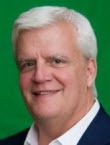
From Radar Love: “Re: Todd Cozzens. Leaving Optum after the company’s Picis acquisition in 2010 and his role change to running its Accountable Care Solutions business.” Verified. Todd confirms that he’s moving to Sequoia Capital this week, although he will continue to service in an advisory role with Optum. Sequoia is a legendary Silicon Valley VC investor that was Apple’s first backer and a player in household names like Oracle, Google, LinkedIn, and YouTube. I checked the company’s site and they have healthcare IT investments as well, most of which are in fact HIStalk sponsors even though I hadn’t previously noticed the connection (AirStrip, Healthcare Quality Catalyst, and ZirMed). At Sequoia, Todd will work with some of its portfolio companies as a board member and mentor, as well as a deal scout. Todd and I have penciled in time for a chat once he’s gotten his feet wet there since I’m interested in their view of the healthcare IT world. Trivia I learned from checking Wikipedia: the company estimates that 19% of Nasdaq’s value is made up of companies Sequoia funded. Todd’s HIStalk history is almost as long as mine – he was my second interview way back in 2005 (everybody was turning me down back then as a waste of time and Todd had to pull rank on his marketing people, who were appalled at the idea) and as one of HIStalk’s first sponsors.

From Recovering Physician: “Re: Lynn Vogel, MD Anderson Cancer Center. He has left. No word on whether he has accepted a new CIO role.” I received this over the weekend and wasn’t able to check with Lynn, but his LinkedIn profile sees to indicate that his employment at MDA ended this month. I’m sure I’ll have an update, possibly by Monday. UPDATE: Lynn confirms that he has stepped down, but isn’t quite ready to announce what he’s doing next.
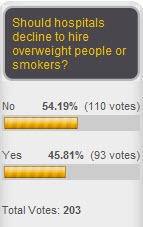
Respondents were almost evenly split on the subject of hospitals choosing not to hire people who smoke or who are overweight. New poll to your right: how has HITECH affected patient outcomes?
Listening: reader-recommended Of Monsters and Men, super-catchy and creative alt-folk (think Mumford & Sons) from some cheery young folks from Iceland. Lead singer Nanna Bryndís Hilmarsdóttir sounds a bit like Dolores O’Riordan of The Cranberries, right down to the enchanting lilt in her accent when she sings. They’re so cute and fun that not only do you want to give them a group hug and carry them around in a handbag like a Shih Tzu, they may end up being Iceland’s ABBA. Their small US tour starts in May, and if they only sound half as good as they did recorded all-acoustic live in their living room, they’re going to kill.
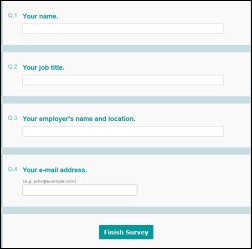
An item that’s been on my to-do list forever is to enlist volunteers for what I’m grandly calling the HIStalk Advisory Board. What that means: I will e-mail you every 1-2 months with just 3-4 questions about what’s going on in your world – interesting product issues or needs, rumors heard, important issues I’m not writing about, etc. You do a quick reply and let me know what’s up, which will help me keep focus on what’s important to readers. I will not spam you, identify you in any way, or otherwise bug you. If you work for a hospital, clinic, or physician practice and can spare a couple of minutes every few weeks to help me out, plop your information here and accept my thanks. I may sweeten the pot with random prize drawings or something like that if it works out.

Welcome to new HIStalk Platinum Sponsor OTTR Chronic Care Solutions. I just ran my interview with CEO Lou Halperin, in which you may notice that I was fascinated with the company’s focus on transplant centers since I know next to nothing about transplants (I also learned that the company pronounces its name as “otter,” so there you go.) OTTR is the dominant player in supporting the clinical and administrative software needs of solid organ transplant centers, which as Lou points out are really like ACOs in that they’re paid a flat fee for their services, they follow patients indefinitely, and they need to assemble clinical information from a variety of providers and care venues to make clinical decisions. With new investment and leadership (not to mention a name change for the former HKS Medical Information Systems), OTTR is widening its sphere of influence into logical adjacent sectors such as bone marrow transplant and ventricular assist devices. The company has over 70 customers, manages 300,000 patients, supports 250 interfaces, and offers 24×7 technical support. They just announced that Porter Adventist is implementing its system in a cloud environment integrated with CORHIO, with employees using iPads to track patients, manage donor calls, make rounds, and to complete the forms that CMS requires. Thanks to OTTR Chronic Care Solutions for supporting what I do here.

Vitalize is celebrating its tenth year with a Disneyworld event. Founders Mary Pat Fralick (left) and Danny Arnold (right), along with Employee #3 Wendy Kadner (middle), were surprised with a cool-looking cake. The mouse ears brought back bad memories of my work trips involving MCO, the worst airport in the world for business travelers. Inbound planes were always crammed full of obnoxious kids jacked up on sugar and Mickey Mouse adrenaline, bouncing off the cabin walls with minimal supervision from their vacation-dreamy parents, any of whom might at any given moment be wearing those ears to demonstrate their temporary free-spirited insouciance. Outbound, they clogged up MCO security lines with inexpert procedure (what, we have to take our shoes off and put our carry-on bags through the metal detector?) and an abundance of backpacks and souvenir crap, but at least were quiet, newly morose at the prospect of leaving their corporately crafted fantasy land and heading back to reality.
Weird News Andy finds it ironic that pathologist blames the death of a New Zealand woman on her two-gallon-per-day Coca Cola habit despite the company’s historical use of ad slogans that suggest Coke makes you healthy and happy (“Coke adds life, “Life tastes good,” “The Coke side of life,” and “Life begins here.”)
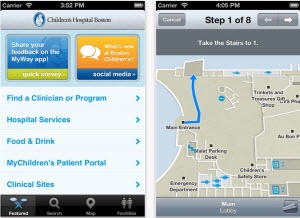
Boston Children’s Hospital releases its iPhone/Android app, which include wayfinding, a physician directory, appointment setting, and a patient portal with access to the patient’s medical records.
Liverpool Heart and Chest Hospital chooses Allscripts Sunrise, the company’s first sale to a UK trust. Two other trusts choose this week from finalists Allscripts, Cerner, and Epic. The company hasn’t confirmed, no doubt saving the news for its May 7 earnings announcement.
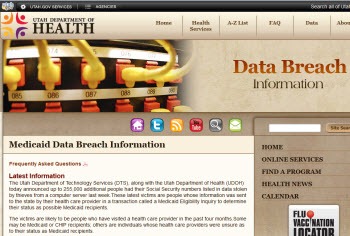
A project manager of South Carolina’s HHS is arrested for downloading the personal information of 228,000 Medicaid recipients. He won’t say what he planned to do with the information, which involves a fourth of the state’s Medicaid population. He got caught only because of his poor work performance reviews. The incident has become a political football as the Republican Party was quick to point out that he is (or was in the past – accounts vary) a member of the Democratic Party’s county executive committee. Screen captures of the Democratic Party’s site show that his name was quick removed after his arrest. All of that is irrelevant unless he was planning to use the information for campaign purposes.
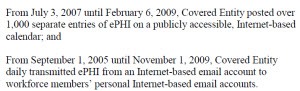
University of Arkansas for Medical Sciences announces that the information of 7,000 patients was improperly handled when a physician e-mailed a worksheet of patients to an non-employee analyst for billing purposes.

I’m both encouraged and puzzled that the embarrassing alpha pagers we use in healthcare are such a hot topic all of a sudden. Coincidentally, I watched one of the great “Beeper King” episodes of 30 Rock last night, where Dennis tries to convince Jack that technology is cyclical and beepers will eventually stage a comeback over cell phones (best lines, both from Jack: “Gosh, I hope you got a picture of that with a camera on your beeper.” and “I’m expecting a call from 1983.”) John from EMR and HIPAA sent info on docBeat, a new iPhone app in beta that provides two telephone numbers on one device, voice to text, secure text messaging (including future dating for non-urgent messages), and a directory service. I’m sure there are other products as well, and I’ll defer to Travis of HIStalk Mobile, who is checking them out. The main problem I see is poor cell coverage inside hospitals, where somehow crappy technical dinosaurs like pagers seem to work more reliably (or at least more predictably). The issue of user-to-user critical messaging is becoming important, not only because pagers are dying, but because so is BlackBerry and its BBM capability.
GE Healthcare announces Q1 numbers: revenue up 5%, net income up 10% to $585 million. Overall, GE reported revenue that was down 8% and EPS of $0.34 vs. $0.33 excluding one-time costs.
Microsoft’s Q4 numbers: revenue up 6%, EPS $0.60 vs. $0.61. Windows revenue was up a little despite flat or declining PC sales, as were sales to businesses, but Windows Phone didn’t do much and MSFT’s videogame-related sales dropped 16%.
Vince has a fascinating personal story to tell about his days at MedTake in this week’s HIS-tory. Like he says in it, it’s vendor insider stuff that should be interesting to providers they’re trying to sell to.
I’m trying to decide if the weekly review I’ve done the last couple of Mondays is worth the couple of hours it takes me to write it. I’m not feeling ambitious at the moment, so I’m going to take a break from it. I have a lot of great ideas if I ever quit my hospital job, but in the mean time, I’m finding it really hard to keep all of life’s plates spinning.



























































































Anything related to defense will need to go to Genesis.