
Recent Articles:

EPtalk by Dr. Jayne 5/1/25

May 1, 2025 Dr. Jayne 2 Comments

A hot topic around the virtual physician lounge this week was the potential for an impending staffing crisis. It’s not the nursing crisis that everyone talks about, however. Instead, it is the risk that we’ll see a bulk retirement of physicians in their late 50s and early 60s who are tired of fighting the system.

These are the folks who have watched medicine completely transform. They’ve witnessed the rise of Health Maintenance Organizations in the 1990s, the creation of Evaluation and Management codes, HIPAA, and more. They bore the brunt of early EHR transitions that may not have been smooth or well orchestrated, and some of them may have gone through two or three EHRs before arriving where they are today. They’ve dealt with increasing prior authorization requirements, aggressive case management and utilization review, and patients who are constantly challenging their knowledge.

With their departure goes quite a bit of collective knowledge, along with many years of learning related to the art of practicing medicine. These physicians are of the generation that were trained that touching the patient is essential and that it can perform a healing function as well as a diagnostic one. Many of them have diagnostic skills far beyond that of newly minted physicians. They also have a “Spidey sense” that they’ve honed over decades of practice. Some organizations have recognized this and put together plans that allow physicians to retire gradually so that the impacts of their departures are more subtle.

One of my favorite colleagues has a desire to retire early. She approached her health system with a plan to transition out of full-time primary care over the next two years. It can take a while to recruit a new primary care physician, and although she is only legally required to give them a 90-day notice, the lengthier notice was intended as a bargaining chip. In exchange for that, she requested the ability to continue to purchase health insurance coverage through the health system while working half time during the latter part of her proposed transition. They typically only allow workers to participate in the plan if they work at least 36 hours per week.

Although the physician leaders of her medical group were supportive, the plan was immediately scuttled by attorneys who were unwilling to even consider evaluating the modifications that would be needed to meet her requirements. 

Her practice is already understaffed by at least one, possibly two, full-time physicians. Recruiting has been difficult because of its location and challenging payer mix. The idea that the organization would risk her walking away rather than taking a structured approach to a long goodbye seems short sighted. There has been an open posting for a primary care physician for over 18 months, which is evidence of the challenge they’re going to face should she decide to leave.

During our quarterly physician lunch today, she confirmed her decision. She will be putting in her notice to depart the organization in August. It will be interesting to see if they counter with a retention offer or if they just let her go. We all agreed that it’s something that health systems need to start figuring out, because none of us is getting any younger and AI solutions aren’t going to replace us anytime soon.

image

The American Telemedicine Association is holding its annual Nexus conference in New Orleans this year, running from May 3-6. ATA is showcasing its Center of Digital Excellence (CODE) that includes provider-side member organizations such as Mayo Clinic, Stanford Health Care, UPMC, Sanford Health, MedStar Health, Ochsner, Intermountain Health, OSF HealthCare, and WVU Medicine Children’s. Solution-side members include AvaSure and Access TeleCare.

For those of us who were working in the telehealth space before COVID, it felt like we were making things up as we went along because there were no solid playbooks for various telehealth use cases. CODE pulls together organizations that are willing to share their successes, create implementation toolkits, and lobby together to promote the value of telehealth in the overall healthcare ecosystem. I’ve attended the conference in the past and found it valuable as far as bringing back a number of practical insights. Unfortunately, this year’s schedule puts it on top of a graduation weekend for one of my favorite students, so I’ll have to miss it.

I was interested to see this article in JAMA Network Open, “Cumulative Burden of Digital Health Technologies for Patients With Multimorbidity.” The authors specifically set out to answer the question, “What digital health technologies (DHTs) are available for patients with multimorbidity and how many individual DHTs would a hypothetical patient need to benefit?” They defined multimorbidity as a patient with five chronic conditions — type 2 diabetes, hypertension, chronic obstructive pulmonary disease, osteoporosis, and osteoarthritis.

They looked at 148 DHTs that had been approved by the US Food and Drug Administration or that had been vetted by the Organization for the Review of Care and Health Apps. They found that only five of the DHTs were intended to help monitor, treat, and/or manage two or more conditions. Some only offered a subset of features, such as recording or tracking health data, where others offered information or real-time interventions. Given the tools on the market, the patient in the hypothetical scenario would need prescriptions for as many as 13 apps and seven devices to provide the benefits that at least three of five clinicians felt were important. 

When I was in a traditional primary care practice, many of the patients I saw had multiple chronic conditions, with the most common combination being hypertension, obesity, and hyperlipidemia. A subset of those patients also had diabetes. All of those can benefit from lifestyle changes and several of them impact each other, so it would make sense to create one app to rule them all as it were.

I’m sure there are challenges with the FDA approval process in trying to get a submission approved for multiple health conditions, but I wonder if it is easier in other countries that have a more holistic approach to health. I’d be interested to hear from readers who may be more involved in the creation and use of DHTs.

Would you use a DHT that was proven to improve your own health condition? Leave a comment or email me.

Email Dr. Jayne.
Morning Headlines 5/1/25

April 30, 2025 Headlines 1 Comment

Plenful Raises $50M Series B to Expand AI-Powered Healthcare Automation Platform

Healthcare AI workflow automation platform vendor Plenful raises $50 million in a Series B funding round.

Teladoc Health Acquires UpLift, Expanding Consumer Access to Mental Health Care Services Through Covered Benefits

Teladoc Health will integrate virtual mental healthcare provider and medication management services company UpLift, which it has acquired for $30 million, with its BetterHelp virtual therapy business.

Epic Systems expands EHR market share lead over Oracle Health

A new report from KLAS Research finds that Epic saw its largest ever gain in hospital market share last year, while competitor Oracle Health lost a significant number of care sites and beds.

Healthcare AI News 4/30/25

News

image

Meta rolls out Meta AI, featuring voice chat, a Discover feed that shows how others use AI, optional personalization that draws from the user’s Facebook and Instagram accounts, and support for Meta’s AI glasses.

Google’s NotebookLM can now create its podcast-like Audio Overviews in 50 languages.

image

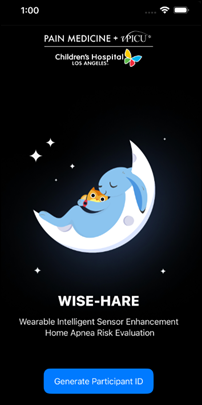
Children’s Hospital Los Angeles launches a sensor-based home apnea risk evaluation that uses a newly created data collection app and Apple Watch algorithms. 

AI company Infinitus Systems releases patient- and provider-facing voice AI agents that automate outbound phone calls.

In the UK, Great Ormond Street Hospital for Children evaluates ambient documentation systems in an NHS-funded project.


Business

image

Healthcare AI workflow automation platform vendor Plenful raises $50 million in a Series B funding round.

Cleveland Clinic will use coding assistant and CDI AI tools from Akasa.

Ambulatory health IT vendor CareCloud launches a domestic and offshore AI Center of Excellence to further integrate AI across its technologies and processes. The company says the 50-member team will have 500 employees by the end of 2025.

A drug company and biotech firm will pay precision medicine technology vendor Tempus $200 million in data licensing and model development fees to create a cancer drug development model. Tempus says it has spent billions of dollars over the past decade to develop a database of the de-identified clinical data of cancer patients.


Research

UCSD researchers determine that a gene that was thought to be a biomarker for Alzheimer’s disease may actually cause the condition, which they determined using AI to analyze protein structures.

University of Zurich researchers secretly tested the persuasiveness of AI-generated Reddit comments, some of them falsely claiming to be from rape victims or a trauma counselor. Their 1,700 bot-written posts were 3–6 times more effective at changing user opinions than human ones, raising concerns about AI-created disinformation.


Other

A 19-year-old Case Western pre-law student and a law journal editor write a 50-page paper on the need for healthcare-specific AI regulations in Ohio, after which they were invited by lawmakers to help draft a bill on the topic.

image

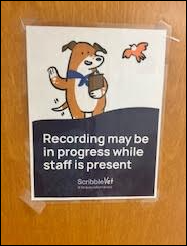
Today I learned from a sign that veterinarians are using AI-powered ambient documentation. ScribbleVet’s digital scribe generates SOAP notes in real time, which the company says reduces end-of-day charting from two hours to 20 minutes. Pricing starts at $40 per user per month, while the full-featured plan offers unlimited SOAP notes, dental charts, callback summaries, customizable templates, and a medical record summary for $150 per full-time vet.

image

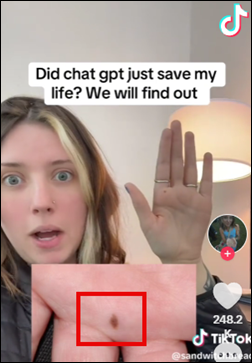
A woman who asked ChatGPT for a palm reading was surprised when it instead flagged a mole on her hand as potentially acral lentiginous melanoma, a rare skin cancer, and recommended that she see a dermatologist. She hasn’t yet posted the result.


Contacts

Mr. H, Lorre, Jenn, Dr. Jayne.
Get HIStalk updates.
Send news or rumors.
Follow on X, Bluesky, and LinkedIn.
Sponsorship information.
Contact us.

This Week in Health Tech 4/30/25

April 30, 2025 This Week in Health Tech Comments Off on This Week in Health Tech 4/30/25
1746020133066
Comments Off on This Week in Health Tech 4/30/25

Morning Headlines 4/30/25

April 29, 2025 Headlines Comments Off on Morning Headlines 4/30/25

South Bend Medical Foundation expands with acquisition of medical records business

Blood bank and pathology services company South Bend Medical Foundation acquires release-of-information vendor ChartPro.

Netsmart Ranked #1 in Physical Therapy and Outpatient Rehabilitation EMR & Practice Management: Black Book Survey Highlights Critical Tech Trends in 2025

Black Book Research names Netsmart as the top-rated provider of EMR/PM solutions for physical therapy, outpatient rehabilitation, and speech therapy.

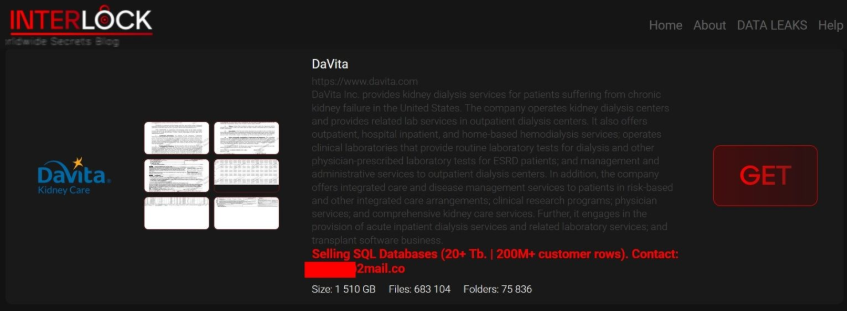
Interlock Ransomware Say It Stole 20TB of DaVita Healthcare Data

The Interlock ransomware group claims to have stolen data from outpatient dialysis company DaVita, which announced it was the victim of a ransomware attack several weeks ago.

Comments Off on Morning Headlines 4/30/25

News 4/30/25

April 29, 2025 News Comments Off on News 4/30/25

Top News

image

Community Health Systems (TN) restores computer systems at a reported 45 hospitals after several days of downtime that was caused by an Oracle Health engineer who mistakenly deleted critical storage during routine maintenance.


Sponsored Events and Resources

None scheduled soon. Contact Lorre to have your resource listed.


Acquisitions, Funding, Business, and Stock

image

Private equity firm GTCR is reportedly looking to sell value-based healthcare technology vendor Cedar Gate Technologies at a $1 billion valuation. GTCR launched the company in 2014.


People

image

Direct Recruiters promotes Ben Shamis, MBA to managing partner.

image

DexCare promotes Matthew Blosl to CEO.

image

Pothik Chatterjee, MA, MBA joins Rice University as executive director of Digital Health Institute, which was formed with Houston Methodist.


Announcements and Implementations

image

Houston Methodist implements Ambience Healthcare’s new ambient AI documentation technology for emergency department and inpatient settings.

Black Book Research names Netsmart as the top-rated provided of EMR/PM solutions for physical therapy, outpatient rehabilitation, and speech therapy.

CliniComp adds enterprise PACS to its New Era EHR.

Abbott integrates its FreeStyle Libre continuous glucose monitoring system with Epic.

image

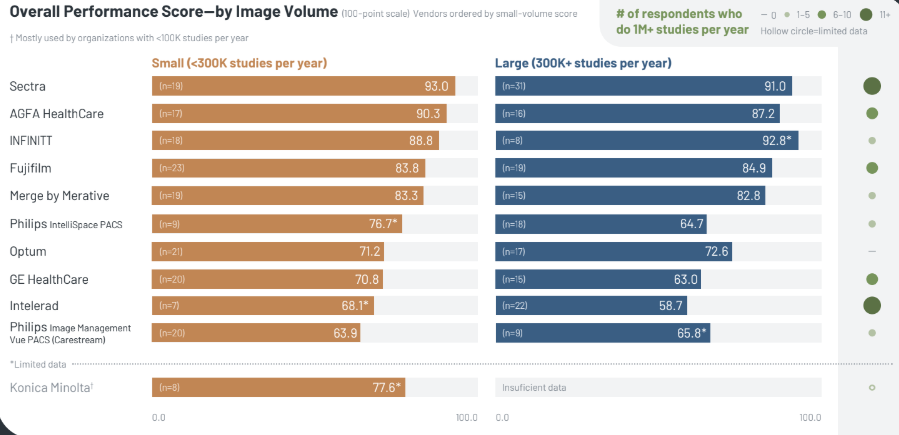
A new KLAS report on PACS finds that customers are expecting technology changes to accommodate AI and cloud. Sectra and Agfa Healthcare earn high marks overall, while GE HealthCare and Optum have lost significant ground due to lack of innovation. Intelerad users complain about poor Tier 1 support and being charged for services that were once free, while users of both systems from Philips — IntelliSpace PACS and Image Management Vue PACS — report deep dissatisfaction because of weak product development and poor support.


Government and Politics

Stat profiles Chris Klomp, the founder and CEO of Collective Medical (sold to PointClickCare in late 2020) who is now director of the Center for Medicare.


Privacy and Security

image

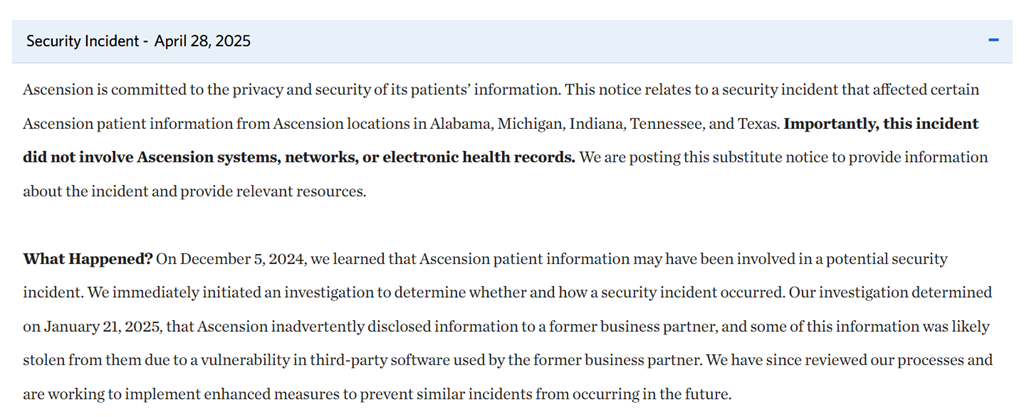
Ascension reports that patient data from care sites in five states may have been compromised during a December cybersecurity incident. It also states that it mistakenly shared some of the information with its third-party partner, which later experienced the software breach.

image

The Interlock ransomware group claims to have stolen data from outpatient dialysis company DaVita, which announced it was the victim of a ransomware attack several weeks ago. The group has posted data screenshots on the dark web, though no public mention of a specific ransom amount has been made.


Sponsor Updates

  • CliniComp adds enterprise PACS to its New Era EHR with Intrinsic AI Solution Suite.
  • Black Book Market Research announces Netsmart as the top-ranked IT vendor in its “2025 Post-Acute Technology Market Report.”
  • Clearsense earns NCQA’s Validated Data Stream Status for the second year in a row.
  • Wolters Kluwer Health announces that select UpToDate Enterprise Edition customers can now access UpToDate patient education content directly within their Epic EHR and MyChart patient portal.
  • AdvancedMD partners with Moyae as an integration partner to boost efficiencies for ophthalmology and optometry practices.
  • Agfa HealthCare will exhibit at SIIM 2025 May 21-23 in Portland, OR.
  • AvaSure, InterSystems, and Philips Capsule will sponsor and exhibit at ATA’s Nexus 2025 May 3-5 in New Orleans.
  • The “Ascendle Unscripted” podcast features Cardamom Health VP of Business Development Bridget Bell in an episode titled “Preparing your healthtech organization for AI.”
  • Censinet releases a new “Risk Never Sleeps” podcast featuring Genesis Medical Associates Director of IT Bill Laukaitis.
  • Consensus Cloud Solutions announces its e-fax cloud fax platform has placed twelfth on G2’s Best Healthcare Software Products list.

Blog Posts


Contacts

Mr. H, Lorre, Jenn, Dr. Jayne.
Get HIStalk updates.
Send news or rumors.
Follow on X, Bluesky, and LinkedIn.
Sponsorship information.
Contact us.

Comments Off on News 4/30/25

Morning Headlines 4/29/25

April 28, 2025 Headlines Comments Off on Morning Headlines 4/29/25

Ascension reports patient data security incident affecting care sites in five states 

Ascension announces that patient data from care sites in five states was likely stolen in a December cybersecurity incident involving an unnamed business partner.

CareCloud Launches Healthcare AI Center Set to Become World’s Largest with 500 AI Professionals

Ambulatory health IT vendor CareCloud launches a domestic and off-shore AI Center of Excellence to further integrate AI across its technologies and processes.

Oracle engineers caused days-long software outage at US hospitals

Community Health Systems (TN) restores computer systems at a reported 45 hospitals after several days of downtime caused by an Oracle Health engineer who mistakenly deleted critical storage during routine maintenance.

LifeMD Acquires Women’s Health Provider Optimal Human Health MD to Accelerate Entry into the Women’s Health Market

Virtual primary care company LifeMD will use newly acquired assets from Optimal Human Health MD to launch women’s healthcare services this summer.

Comments Off on Morning Headlines 4/29/25

Curbside Consult with Dr. Jayne 4/28/25

April 28, 2025 Dr. Jayne Comments Off on Curbside Consult with Dr. Jayne 4/28/25

Even though I’m a contributor, I rely on HIStalk as much as the next healthcare IT person to keep me up to date on what’s going on in the industry. It’s challenging to sort through all the noise out there and the number of podcasts, newsletters, and emails that are trying to get the attention of leaders in our industry. The newsy tidbits are great for conversation openers when talking to my peers. I would much rather ask someone what they think about an industry happening rather than making small talk about someone’s boat or what they did over the weekend.

This week’s tidbit was the item that Mr. H picked up about virtual EHR education and how it has moved from being an uncommon training tactic to being one on which organizations now depend.

I remember my first experiences with virtual training, which were VHS recordings of my organization’s HIPAA training. It included a Roaring 20s gangster theme and questionable production values. From there, things evolved to recorded voiceovers with multiple choice questions that required clicking through to get to the next part of training. By the time I left my first EHR leadership role, we were starting to get modularized training that lived within a learning management system. Users could move through courses with some level of choice rather than having to follow a rigidly prescribed path.

Modern EHR training and education strategies are much more capable of meeting users where they are, rather than assuming that everyone needs the same type or level of training. There’s a difference between training a newly-hired physician who has never embraced computers and merely tolerates them versus training someone who is straight out of residency and who has used computers since they were toddlers. A recent KLAS Arch Collaborative survey shows that almost 70% of clinicians surveyed found it helpful that self-directed learning can be done at the time of their choosing. Most of the organizations that I work with use a blended training approach that includes asynchronous learning, interactive online learning, and in-person learning for those who want or need it.

The last organization where I worked as an in-person physician employed this approach, though it was less than ideal. The initial asynchronous content represented out-of-the-box functionality from the EHR vendor. When I reached the second phase, I realized that the organization had heavily customized its system. In fact, they had customized it in a bad way, taking away the ability for users to personalize their workflows and forcing everyone into the same cookie cutter approach.

There were some online sessions that covered the organization’s customized content, but I didn’t feel that the trainer was terribly capable. Some of the ways that she presented the material created confusion. We had five people in my training cohort, ranging from medical assistants to physicians, and some were directly out of their school-based training with minimal clinical experience in the field.

That probably wasn’t the trainer’s fault, but rather the organization’s shortsightedness at realizing the value of separate role-based training as well as integrated training. Still, she didn’t do much to try to pull it all together so that half of the class didn’t feel like their time was being wasted at any given time.

Personally, I like being able to go back to training that I’ve done in the past when I need a refresher. It’s similar to the concept of circle-back training at 30, 60, and 90 days post-implementation, but it allows people to do so at their own pace. When you’re seeing 40 patients a day, workflows get baked in pretty quickly. You often wind up so focused on getting through them that you don’t have time to appreciate the bells and whistles that might be in your EHR that you aren’t using.

Being able to go back to the training syllabus might be enough to remind you that maybe you should customize or personalize a particular part of a workflow. Or, you could revisit the content for the details if you couldn’t figure out how to do it in a less-than-intuitive EHR.

Embracing virtual training also means that organizations are showing that they value the learning experience of newer members of the workforce. Most of the high school students I know have been using online learning since their early grade school days, so the idea of old-fashioned classroom training may not resonate with them at all.

Many of this decade’s medical graduates were plunged into virtual learning due to the pandemic and had a front row seat to its quick evolution. The medical students who I talk to often don’t attend lectures, but consume the content by watching recordings at high speed and supplementing the school-provided lectures with online flashcards, videos, and tutorials. They’re not going to be excited to sit in a computer lab and be forced to try to learn at a pace that doesn’t match what they’re used to.

I’ve trained on most of the major EHRs at one point or another in my career. The biggest advantage that I see for recorded or asynchronous virtual training is the standardization factor. Variation between trainers doesn’t exist because everyone is presented the same material in the same way.

I’ve had some pretty bad trainers along the way, as well as a handful of truly outstanding ones. I have felt acutely how someone’s methodology or comments or anecdotal stories can have a negative impact on users’ ability to learn. I worked with one trainer who had some unique personal mannerisms and it made me wonder if his supervisor had ever watched him in the virtual classroom. It was clear by the facial expressions of others in my Zoom window that they weren’t a fan of his teaching style either.

Despite the effectiveness of virtual teaching and learning, it’s important for people to be able to access not only in-person support session,s but one-on-one support sessions if needed. Some learners are reluctant to ask questions in front of others for a variety of reasons, such as not feeling like they are looking bad to their peers or to subordinates. Others just need that individual touch to feel like they have reached the point where they can be confident using the system. That’s a corner that shouldn’t be cut, although the costs can be reduced by employing effective virtual learning strategies upstream.

What do you think about the evolution of virtual learning? How is your organization using it? Leave a comment or email me.

Email Dr. Jayne.
Comments Off on Curbside Consult with Dr. Jayne 4/28/25

Readers Write: Early Innovation Matters: What I Learned Building a Glucose Sensor in High School

April 28, 2025 Readers Write Comments Off on Readers Write: Early Innovation Matters: What I Learned Building a Glucose Sensor in High School

Early Innovation Matters: What I Learned Building a Glucose Sensor in High School
By Max Kopp

Max Kopp is a high school researcher who is focused on biomedical engineering and non-invasive sensing systems. He is also the founder and CEO of VitaSense.

image

Diabetes is one of the most widespread chronic diseases in the world. But continuous glucose monitoring remains inaccessible to many patients due to pain, cost, and complexity. While various needle-based solutions exist, they present a barrier to consistent use and adherence, particularly for people with type 2 diabetes who are less likely to be prescribed real-time monitors.

In high school, I began exploring whether a painless and affordable alternative could be possible using light and advanced nanomaterials. What started as a science fair project evolved into a deep investigation into photoplethysmography (PPG) and the semiconductor properties of Germanium Selenide (GeSe) as a potential medium for glucose sensing.

This work eventually became the foundation of a novel approach to non-invasive glucose monitoring that combines flexible, inkjet-printable electronics with wavelength-specific light analysis to estimate glucose concentration in the interstitial fluid beneath the skin. Because the design avoids the need for subdermal sensors or adhesives, it offers potential for broader, long-term adoption.

During the process, I encountered a range of challenges, both scientific and practical. Signal noise, calibration variability, and the need for robust motion filtering were early hurdles. Overcoming them required collaboration with academic mentors, iterative prototyping, and long nights debugging sensor arrays that were built on flexible polymers.

The research was eventually peer-reviewed and published in a scientific journal. It has also earned recognition from national youth science competitions that are focused on applied physics and health innovation. More importantly, it showed that with the right support, young researchers can meaningfully contribute to solving real healthcare problems.

This experience reinforced something critical: the innovation pipeline needs to start much earlier. Most efforts in health technology originate in universities or corporate R&D labs. But students, when given access to tools and mentorship, can identify overlooked patient needs and generate fresh ideas with remarkable speed.

Healthcare leaders should consider how to foster those early-stage ideas. Partnering with student-led projects or offering access to clinical mentors, sensor labs, or data modeling tools can help cultivate innovation from new angles. The barriers to entry are high in regulated health environments, but creating more low-risk educational bridges could lead to high-reward outcomes.

Innovation in chronic disease care will only accelerate if the ecosystem welcomes bold questions from unexpected places. Investing in curiosity, even from classrooms, might help us solve the next billion-dollar problem before it costs patients another dollar.

Comments Off on Readers Write: Early Innovation Matters: What I Learned Building a Glucose Sensor in High School

Morning Headlines 4/28/25

April 27, 2025 Headlines Comments Off on Morning Headlines 4/28/25

GTCR looks to exit health tech firm as bumper sales spree continues

Private equity firm GTCR is reportedly looking to sell value-based healthcare technology vendor Cedar Gate Technologies at a $1 billion valuation.

EyeMD EMR Healthcare Systems Inc., a Leading Healthcare Technology Provider for Ophthalmologists, Announces Significant Growth Investment from Performant Capital

Florida-based EyeMD EMR Healthcare Systems secures an undisclosed amount of funding from Performant Capital.

HHS Office for Civil Rights Settles HIPAA Ransomware Cybersecurity Investigation with Neurology Practice

Comprehensive Neurology (NY), which experienced a ransomware attack in 2020, will take corrective action and pay $25,000 to settle a potential HIPAA violation related to its failure to meet HIPAA’s Security Rule risk analysis requirement.

Comments Off on Morning Headlines 4/28/25

Monday Morning Update 4/28/25

April 27, 2025 News 8 Comments

Top News

image

An anonymous HHS official says that despite last week’s announcement, it will not create a registry of people with autism. NIH will continue with plans to build a $50 million repository of de-identified data that will be available to selected researchers.

NIH Director Jay Bhattacharya, MD, PhD said last week that NIH would be “developing national disease registries, including a new one for autism,” raising concerns about patient privacy and the use of private data sources such as insurance claims and pharmacies.

CBS News reports that doctors who treat autism are being overwhelmed by patients who are asking that their data be deleted and their appointments cancelled.

HHS Secretary Robert F. Kennedy Jr. has described autism as a “preventable disease.” He has stated that HHS will determine its cause by September, although Bhattacharya has since said that the research grants won’t be issued until then.


HIStalk Announcements and Requests

image

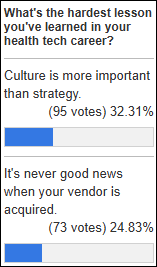
Respondent choices were decisive in last week’s poll. I’m curious to know if your satisfaction with a vendor has ever improved with its acquisition?

New poll to your right or here: Do you trust government-led health data initiatives to handle your personal health information securely and responsibly?

Listening: Viagra Boys, raw post-punk with a saxophone kicker from Sweden, although the singer was born and raised in California. I’m not sure I love it yet, but it got my attention. They are probably best enjoyed in cramped, sweaty club where the lead singer’s stomach-leading slouch and sometimes non-musical growling shows his indifference to what we non-creatives think.

Today I learned (courtesy of ChatGPT) the term “zero complementizer” versus “explicit complementizer,” the latter of which makes a sentence easier to read. I change this constantly when editing someone else’s writing, but I didn’t know what to call it. Examples:

  • The singer says that she won’t appear. The word “that” is an explicit complementizer. It is more formal and also easier to read.
  • The singer says she won’t appear. This word “that” is implied but omitted.

image

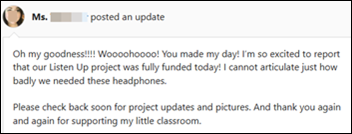
The generous annual donation of long-time reader Mike funded these DonorsChoose teach grant requests, which also benefitted from matching funds from third party organizations and my Anonymous Vendor Executive:

  • Headphones for Ms. T’s elementary school class in Fayette, MS.
  • Tablets for Ms. E’s elementary school class in Tarzana, CA.
  • Math learning games and centers for Ms. H’s elementary school class in Naples, FL.
  • Lego kits for the elementary school robotics club of Ms. M in Dawson, GA.
  • Research center furniture for Ms. C’s elementary school class in Dundee, MS.
  • STEM centers for Ms. H’s elementary school class in Montgomery, AL.
  • Coding robots for Ms. U’s elementary school class in Miami, FL.
  • Uniform shirts for Mr. P’s high school class in Camden, NJ.
  • Scientific calculators for Dr. W’s middle school class in Camden, NJ.

Sponsored Events and Resources

None scheduled soon. Contact Lorre to have your resource listed.


Acquisitions, Funding, Business, and Stock

image

Business Insider publishes the pitch deck of Doctronic, which just raised $5 million in seed funding. The company’s website offers a symptom-checker that suggests possible diagnoses, then prompts the user to book a telehealth visit from its site. The deck says revenue will also eventually come from referrals and medication orders.

North York General Hospital becomes the first Cerner client in Canada to migrate to Oracle Cloud Infrastructure, after which it reported improved EHR response times.


Sales

  • KONZA National Network will participate in Phase 2 of the Missouri Department of Mental Health’s Electronic Long-Term Services and Supports (eLTSS) Data Exchange Project.

People

image

NYC Health + Hospitals promotes Divya Pathhak, MS, MBA to VP/chief data and artificial intelligence officer.

image

Suzanne Cogan, MBA (Aspirion) joins WebPT as chief customer officer.


Announcements and Implementations

image

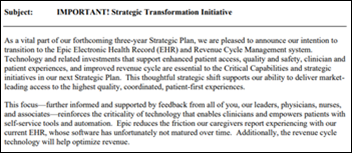
MedStar Health will replace Oracle Health with Epic, targeting a fall 2027 go-live. A reader-shared internal memo says that Oracle Health’s software “has unfortunately not matured over time” and that MedStar has “evolved beyond the capabilities of our current technology.” Leadership also expects Epic’s RCM system to boost revenue. All other tech projects for FY2026 and beyond are paused unless individually approved by the executive team. MedStar, a Cerner customer since 1999, has 10 hospitals, 35,000 employees, and $8.3 billion in annual revenue.


Government and Politics

The DoD hires telehealth founder Justin Fulcher as a senior DoD advisor. Fulcher co-founded Singapore-based RingMD, which went bankrupt, and worked with the DOGE team  at the VA.


Privacy and Security

Yale New Haven Health notifies 5.5 million people that their data was exposed in a March 2025 cyberattack, according to a breach notice filed with HHS OCR.


Other

A Reddit post from a current Epic employee shows retrospective insight about losing the VA contract:

Looking back, we weren’t really ready for what implementing and supporting the VA meant in terms of complexity, red tape, rigidity …  Our philosophy is that your organization will change to effectively use the software, while Oracle’s philosophy is that they will tailor the software to work for your organization. Every core competency and technical or functional advantage Epic has today originates from the advantage of that fundamental difference in approach to software in an industry as complex as this … We have more than 450 … organizations live on Epic and making each one change to match how the other 449 orgs do something in the system is significantly easier than making the system different for each of those 450 orgs. It makes implementation, long term support, and development of new features infinitely easier. It also makes it easier on the actual users.


Sponsor Updates

  • Altera Digital Health publishes a new client story titled “Systems up at Hendrick Health: How Altera streamlined a major upgrade.”
  • Black Book Research ranks the digital interoperability performance of healthcare systems across 18 high-income countries.
  • StoneGate Senior Living implements WellSky’s EHR and RCM technologies.
  • Optimum Healthcare IT achieves AWS Premier Tier Services Partner status.
  • Redox releases a new episode of its “Shut the Back Door” podcast titled “The lost and found files – Data Loss Prevention with guest Zak Cowan.”
  • RLDatix will exhibit at HSPA’s annual conference April 27-29 in Louisville, KY.
  • SmarterDx will present at ACDIS 2025 May 6 in Kissimmee, FL.

Blog Posts


Contacts

Mr. H, Lorre, Jenn, Dr. Jayne.
Get HIStalk updates.
Send news or rumors.
Follow on X, Bluesky, and LinkedIn.
Sponsorship information.
Contact us.

Morning Headlines 4/25/25

April 24, 2025 Headlines Comments Off on Morning Headlines 4/25/25

Centauri Health Solutions Acquires MedAllies, Broadens Health Data Network to Support Mission Critical Use Cases

Healthcare technology vendor Centauri Health Solutions acquires MedAllies, a New York-based Qualified Health Information Network and Health Information Service Provider.

No new autism registry, HHS says, walking back NIH director’s claim

An HHS official clarifies that NIH will not create an autism registry; instead, it will develop a real-world data platform as part of its $50 million autism research initiative.

Advancing Healthcare Information Sharing with Computable Consent

The Sequoia Project’s Interoperability Matters Privacy and Consent Workgroup publishes the final draft of its report on interoperable and standardized consent management and considers forming a coalition to further the workgroup’s findings.

VA watchdog found improper sharing of sensitive information on cloud apps

The VA Office of Inspector General determines that VA staff have been improperly sharing data on internal cloud-based apps, including the personally identifiable information of veterans scheduled for surgery.

Comments Off on Morning Headlines 4/25/25

News 4/25/25

April 24, 2025 News 1 Comment

Top News

image

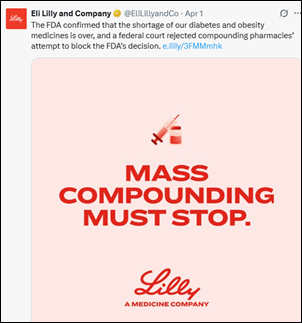
Eli Lilly sues four telehealth startups — Mochi Health, Willow Health, Fella & Delilah Health, and Henry Meds — for selling compounded versions of its $1,000-per-month GLP-1 weight loss drug Zepbound.

The FDA has reminded compounders that the practice is allowed only while a drug appears on its shortage list. FDA declared the Zepbound shortage over on December 19, 2024. It gave compounders 90 days to comply during the enforcement discretion period that ended on March 19, 2025.

Lilly says that the companies are sidestepping its patents by offering customized or vitamin-fortified doses, a tactic that has been used with other compounded products. It seems to be focusing on companies that are manufacturing such products on a large scale.

Lilly sold $16 billion worth of Zepbound and its diabetes twin Mounjaro last year.


HIStalk Announcements and Requests

I paid a Fiverr freelancer $10 to throw together a one-page sponsorship flyer that uses my survey data and a new batch from Black Book Research. I’m squirmy about the “’buy now, operators are standing by” vibe it throws off, but I’m all about getting to the point and it’s factual, if a bit immodest.


Sponsored Events and Resources

None scheduled soon. Contact Lorre to have your resource listed.


Acquisitions, Funding, Business, and Stock

Kansas City-based HEI Global Health, a provider of revenue cycle solutions for healthcare systems, will open its first international branch office in Dubai. CEO Aaron Habben founded the company 20 years ago after spending several years at Cerner.

image

Pennsylvania high school student Max Kopp, who turned a science fair project on needle-free glucose monitoring into his startup VitaSense, launches a website to share his lessons learned and to mentor students in science and entrepreneurship.


Sales

  • Valley View (CO) will implement Epic under UCHealth’s Community Connect program, apparently replacing Meditech.

Announcements and Implementations

AdvaMed, a non-profit medical technology trade association, publishes an AI roadmap that includes these recommendations, and others, for HHS:

  • Ensure data protection without stifling innovation.
  • Evaluate whether HIPAA needs to be updated to reflect AI.
  • Develop guidelines for patient notice and authorization when their data is used to develop AI.
  • FDA should continue to be the lead regulator for safety and effectiveness.
  • FDA should implement Predetermined Change Control Plans for Medical Devices (PCCP) for AI devices to enhance pre-market efficiency.
  • FDA should promote standards and issue guidance to promote common understanding between FDA and manufacturers.
  • Congress should consider legislative solutions to address the budget neutrality requirements for Medicare.
  • CMS should develop a payment pathway for algorithm-based healthcare services.
  • CMS Innovation Center should test alternative payment models for AI technologies.

image

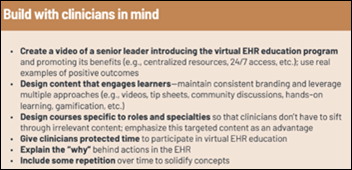
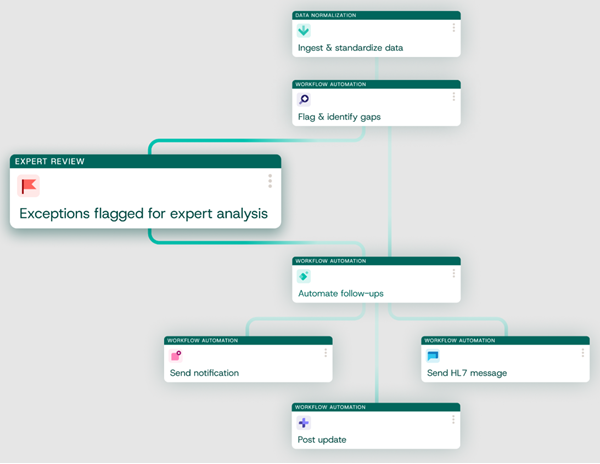
A new KLAS Arch Collaborative report finds that virtual EHR training now matches in-person methods as measured by Net EHR Experience Scores for both physicians and nurses, while cutting costs and scaling more effectively.


Government and Politics

A New York assemblyman who is also a pharmacist proposes a bill that would require hospitals to send a patient’s full electronic medical records to their insurers for pre-authorization, replacing faxes and mailed forms. Insurance companies and employers support the move, while hospitals worry that payers would use the more comprehensive information to deny more claims.

Axios reports that DOGE-directed layoffs at FDA have left it unable to keep its drug databases and NDC directory updated as affected employees are using their remaining government time to hunt for jobs. A significant HHS layoff is set for June 2. FDA drug reviewers have also reported that their work is on hold because they no longer have access to academic journals.

image

A Kansas anesthesiologist pleads guilty to healthcare fraud for exploiting his role as a telehealth contract doctor to mine company portals for patient information that he then used to submit fraudulent orders for DME, pain creams, and genetic tests. Scott Roethle, MD made $674,000 from five companies that paid him $30 per order, which cost cost Medicare $1.5 million.

In Canada, medical researchers and lawyers urge strengthening privacy laws and consider moving EHR data in-country to protect it from US-based AI training, saying that the data is housed on American cloud services that could be vulnerable if the Trump administration wants to access the information.


Other

Tennova Healthcare’s six Tennessee hospitals go offline when Oracle Health engineers accidentally delete a critical database storage component of its Cerner system.


Sponsor Updates

  • Black Book Research uncovers nine under-the-radar AI innovations set to transform healthcare revenue cycle management.
  • Capital Rx releases a new episode of “The Astonishing Healthcare Podcast” titled “Judi Health: Going Beyond Pharmacy and into Medical Claims, with AJ Loiacono and Dr. Sunil Budhrani.”
  • Altera Digital Health’s Sunrise Suite earns ISO 9001 recertification for 2025-2028.
  • Ellkay will exhibit at the American Alliance of Orthopaedic Executives Annual Conference May 2-5 in Atlanta.
  • Health Data Movers and Symplr will sponsor the CHIME Innovation Summit Southeast April 30-May 2 in Jacksonville, FL.
  • Healthmonix names Marina Verdara (Tebra) account manager.
  • Impact Advisors releases a new episode of its “Impactful AI” podcast titled “Clinicians Take the Lead!”
  • Infinx CMO Radhika Tandon will speak at the HFMA Nor Cal Chapter Women’s Event April 25 in Pleasanton, CA.
  • Lincata announces that its LincTV plug-in device designed for Epic’s MyChartBedside is now available in Epic Toolbox and will showcase it at XGM.
  • Optimum Healthcare IT publishes a white paper titled “Transforming Operations and Care with the Cloud.”
  • Linus Health will present at the virtual League Connect Digital Summit May 7.
  • Med Tech Solutions publishes a new white paper titled “Proven IT Strategies Improve Care Delivery and Build a Foundation for Growth.”
  • First Databank and Surescripts will present at the NCPDP 2025 Annual Technology & Business Conference May 5-7 in Scottsdale, AZ.

Blog Posts


Contacts

Mr. H, Lorre, Jenn, Dr. Jayne.
Get HIStalk updates.
Send news or rumors.
Follow on X, Bluesky, and LinkedIn.
Sponsorship information.
Contact us.

EPtalk by Dr. Jayne 4/24/25

April 24, 2025 Dr. Jayne Comments Off on EPtalk by Dr. Jayne 4/24/25

I enjoy reading research articles that confirm what many of us have long suspected. It increases the ammunition that we need when we are trying to convince people to make changes.

A recent Research Letter in JAMA Internal Medicine looked at what happens when the EHR was changed to default to a 90-day supply of a particular medication that is used to treat a chronic condition. In the literature, previous studies show that 90-day prescriptions are linked to greater medication adherence and reduced mortality, so getting an adequate supply to patients is a significant benefit.

To no one’s surprise, the change in the default led to an increase in the number of patients who were prescribed a 90-day supply. The authors noted that before the intervention, the patient groups that were least likely to receive a 90-day supply included Hispanic patients, non-Hispanic black patients, those on Medicaid, and those with ZIP codes whose median household incomes is lower than $50,000.

After the change, all of those groups were equally likely to receive the recommended 90-day prescription except for Hispanic patients, and even then the gap for those patients decreased. The recommendation to prescribe 90-day supplies with a year’s worth of refills to patients who have stable, chronic conditions has been there for decades, but a lot of prescribers still don’t do it. I’m glad to have one more tool in my belt when I try to convince people to do the right thing.

image

I recently started studying French. As part of that, I’m making a point to read articles from European sources. I was excited to learn about Robeauté, which is creating microrobots to aid in neurosurgery. The devices are the size of a large grain of rice and are shaped a bit like protozoa. The company’s goal is to use them for minimally invasive brain surgery procedures.

The company has only raised $29 million, so my guess would be that they aren’t as far along as others might expect them to be given the typical trajectory for and cost of development of a new medical device. One of the sources that I saw mentioned the potential for a clinical trial in 2026 with a focus on brain tumors, using the devices to take micro biopsy samples. Thus far, they have been using sheep for preclinical trials as they measure the safety and effectiveness of the devices.

I spent the majority of my clinical time in emergency and urgent care, so I’ve experienced the phenomenon of emergency department boarding first hand. It’s a problem that hospital executives work diligently to solve, although the causes are multifactorial and you often have to make many adjustments to see improvement. It’s exacerbated by nursing shortages, housekeeping shortages, physical plant issues, and a host of other factors, including the number and types of patients arriving at the emergency department for care.

A recent article in Louisville Public Media caught my eye. It mentioned the rising numbers of older patients who have dementia, noting that 50% of patients who are boarded in the emergency department are age 65 and older. As the US population ages, this is going to be a greater issue. Organizations should be looking at their patient demographics and forecasting how their population will age in order to begin solving the future version of this problem, which is likely to be much worse than the current state.

Virtual nursing, home-based care, quicker discharges, improved staffing, streamlined discharge processes, internal float pools, telehealth, and improved advance care planning all play a role. From the healthcare IT perspective, all of them have technology components, so it’s good to learn about potential solutions if you want to expand your ability to jump into different work streams.

We’ve all heard the old adage that “time is money,” but apparently the marketing folks at my preferred parking vendor don’t value my time as much as I do. They sent an email about updates to the Parking Spot App that are “available now in the App Store and coming later this month to Google Play.” They went on to recommend that users “download these updates when available.”

I guess Android users just have to keep checking back to see when the new app is available? Would it have been too much to consider sending another email when the Android version is available? Some days when you’re exhausted from travel that serves up a host of tiny annoyances, it really is the little things that matter. This detail tells me that the folks who are in charge of customer communications don’t put themselves in the customer’s shoes anywhere near what they should. 

I got tapped to present at a residency program’s “procedure night” event this week. My particular area of expertise is how to do procedures in environments where you don’t have the resources you woud typically have at a tertiary medical center’s emergency department. Depending on their career choices, the adjustment can be pretty significant when you move from being at a facility that has everything you need at your fingertips to one where you have to get creative to just do the basics.

I’ve done a bit of wilderness first aid. I have also practiced medicine in a tent, cleaning, and stitching wounds by light of a hand-held shop light, so I’m definitely qualified to present the topic. I think some of my stories were a bit eye-opening, but hopefully will serve as inspiration to residents who are feeling a little stuck and overwhelmed as they approach the end of their training year.

We were doing some joking about practicing in alternate environments. I said that maybe I should come back and do a class on paper charting. Since the program’s faculty members are young, I’m betting that I have significantly more experience on paper charts than some of them added together. It’s a skill, and if you ever have to make your way in a downtime situation for more than a couple of hours, you might wish you had a few more skills. It’s something to consider.

Does your hospital teach about paper-based charting as part of its downtime plans, or do you just hope for the best? Leave a comment or email me.

Email Dr. Jayne.
Comments Off on EPtalk by Dr. Jayne 4/24/25

Morning Headlines 4/24/25

April 23, 2025 Headlines Comments Off on Morning Headlines 4/24/25

HHS Office for Civil Rights Settles Phishing Attack Breach with Health Care Network for $600,000

PIH Health, a network of providers in California, will pay $600,000 to settle potential HIPAA violations related to a 2019 employee email phishing attack that wound up exposing the data of 190,000 patients.

Computer system goes out at Tennova hospital system after database deleted

Tennova Healthcare (TN) attributes the need to revert to downtime procedures to an Oracle Health engineer who mistakenly deleted storage connected to a key database, resulting in a systems outage.

Promptly Acquires the Software Solutions of MDprospects and Patient Spectrum, Significantly Expanding Its All-in-One Practice Management Platform and Revolutionizing Patient Experience

Patient experience software vendor Promptly acquires medical practice CRM software from MDprospects and Patient Spectrum.

Comments Off on Morning Headlines 4/24/25

This Week in Health Tech 4/23/25

April 23, 2025 This Week in Health Tech Comments Off on This Week in Health Tech 4/23/25
LinkedIn weekly 042325 - Copy
Comments Off on This Week in Health Tech 4/23/25

Healthcare AI News 4/23/25

April 23, 2025 Healthcare AI News Comments Off on Healthcare AI News 4/23/25

News

image

The UK’s health secretary says that AI-driven health checks – called MOTs for measurements, observations, and tests — could transform care for frail patients who are over 65 by using machine learning and genomics to speed diagnosis, guide treatment, and predict illness. Japan offers a similar early detection program called Ningen Dock, a cash-only program that uses imaging, endoscopy, and lab work to generate personalized risk assessments. That service is also offered to foreign residents in a medical tourism package that is covered by some US insurers, such as Aetna (above).

image

Google DeepMind CEO Sir Demis Hassabis – who won a Novel Prize in chemistry last year after starting his career as a designer of widely popular video games — predicts in a “60 Minutes” interview that AI will reduce drug development time from years to weeks, making all diseases curable within 10 years.

image

Agentic coding platform Cursor draws online scorn and customer cancellations after its AI support agent incorrectly blames a user’s inability to run multiple sessions as company policy rather than a software bug. Cursor says that it will start labeling AI-generated responses after users questioned whether it was trying to pass off its “Sam” assistant as human. It also fixed the bug that the user had reported.


Business

image

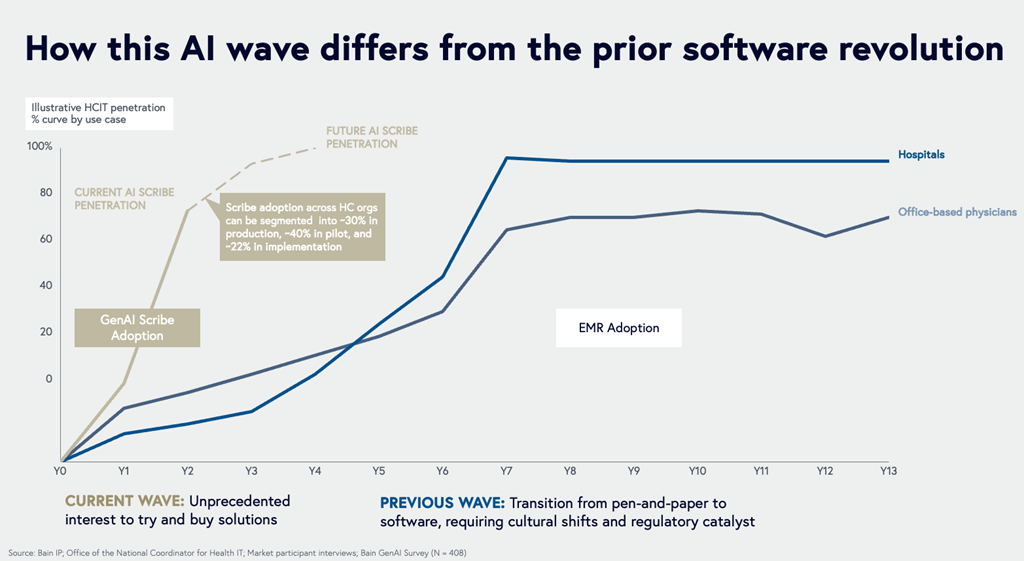
Just 30% of healthcare AI pilot projects reach production, a new study finds, most often stalled by security concerns. Providers are much more interested in trying and buying AI solutions than they were with EMRs.

Middle East specialty provider Burjeel Holdings will use Hippocratic AI’s agents for patient-facing, non-diagnostic clinical tasks that will be delivered in multiple languages.


Research

image

A new study finds that AI models beat PhD-level virologists in solving complex wet lab problems, scoring 44% versus the experts’ 22%. While the findings offer hope for advancing infectious disease control, they also raise alarms about AI’s potential use to develop bioweapons.

Stanford Health Care researchers find that endocrinologists view AI-generated draft responses to patient portal messages as helpful, but see tools that use patient data, such as for triage, as risky. AI was rated most useful for administrative tasks like writing authorization letters and patient education, with the greatest potential use being the management of patient scheduling.


Other

image

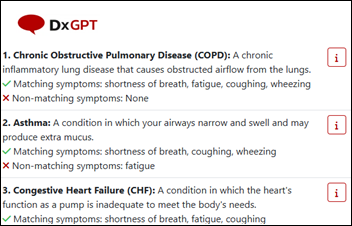
A Spain-based Microsoft engineer who was frustrated by repeated misdiagnoses of his son’s rare condition develops DxGPT, an AI tool that analyzes user-reported symptoms to suggest possible diagnoses. Access is free.


Contacts

Mr. H, Lorre, Jenn, Dr. Jayne.

Get HIStalk updates.
Send news or rumors.
Follow on X, Bluesky, and LinkedIn.
Contact us.

Comments Off on Healthcare AI News 4/23/25

Text Ads


RECENT COMMENTS

  1. That, or we see if Judy will announce Epic's new Aviation module (probably called Kitty Hawk) that has integrated Cruise…

  2. The $50 billion Rural Health payout is welcome. In context, it's less than the total cost of the F22 raptor…

  3. RE NEJM piece: He shouldn’t future-conditional with “they can retreat, which might mean abdicating medicine’s broad public role, perhaps in…

  4. The sentence was "most people just go to Epic UGM" - that's people going to Epic's annual user conference and…

Founding Sponsors


Platinum Sponsors


Gold Sponsors


RSS Webinars

  • An error has occurred, which probably means the feed is down. Try again later.