Recent Articles:

Healthcare AI News 12/3/25

December 3, 2025 Healthcare AI News No Comments

News

image

Surveyed provider executives expect the chief AI innovation officer to become the most important new C-suite role, and most say that the chief AI officer and the CIO / CTO positions are rising fastest in strategic importance.

The American Hospital Association asks the FDA to adopt flexible, risk-based methods to measure and evaluate AI-enabled medical device performance, align new standards with existing frameworks, and minimize burden while protecting privacy and patient safety. It also requests that FDA streamline the 510k clearance process that has been used by 96% of AI-enabled medical devices to earn its clearance. It recommends developing post-market evaluation standards to help vendors identify accuracy and validity issues.

 image

CogStack, an open-source AI tool that was created by King’s College London, UCL, and several NHS trusts, extracts meaning from structured and unstructured health-record data to improve patient care, safety, and population health research. Providers recouped their investment within two years by using the open-source system for trial recruitment, faster medication reviews, better coding, and identifying missing records.

LCMC Health will implement Nabla’s ambient documentation technology.

Google.org donates $5 million to launch an EU health initiative that will allow frontline clinicians to build and test their own AI solutions.


Business

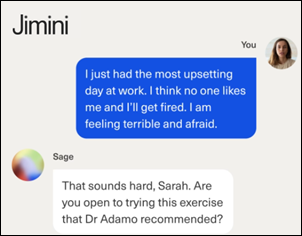
The founder of Yara AI and his clinical psychologist co-founder shut down their mental health chatbot after concluding that AI poses unacceptable risks for vulnerable users, citing unclear safety boundaries, mounting evidence of harmful behavior in large language models, new legal restrictions, and the inability of small startups to manage crisis-level interactions responsibly. Joe Braidwood says the team struggled to distinguish routine stress from trauma or serious mental illness, making it difficult to know when to support users and when to direct them to a professional, especially since many people are unaware of their own mental state and can become emotionally fragile at any time.

image

Healthcare AI agent developer Artera raises a $65 million growth investment and expects to reach $100 million in contracted annual recurring revenue by the end of the year.


Research

image

A study finds that the Queen of Hearts AI-based ECG platform outperformed standard ED triage in identifying ST-elevation myocardial infarction.


Other

image

The New York Times reports that people are downloading their medical records from provider patient portals and then uploading them to ChatGPT and other online AI tools seeking medical advice and interpretation. Experts warn of unreliable results and the possibility that  ongoing AI training might allow a chatbot to leak sensitive information.

image

A hospital in Canada says that the widely reported heartwarming story of one of its parking attendant volunteers reserving parking spaces for families in need is not factual. The post appeared on a Facebook page called Astonishing, which freely admits that it makes up stories for inspiration and entertainment and enhances them with AI-generated photos.


Contacts

Mr. H, Lorre, Jenn, Dr. Jayne.
Get HIStalk updates.
Send news or rumors.
Follow on X, Bluesky, and LinkedIn.
Sponsorship information.
Contact us.

Readers Write: Igniting Smart Strategy: Rationalizing Your Application Portfolio

December 3, 2025 Readers Write No Comments

Igniting Smart Strategy: Rationalizing Your Application Portfolio
By Amy Penning

Amy Penning is senior application analyst with CereCore.

image

The complexity of managing clinical, administrative, and operational applications in healthcare organizations continues to grow. While many large hospital systems have invested in robust programs to streamline their application portfolios, any health system that has undergone ownership changes, faced prolonged under resourcing, or shifted priorities grapples with technical debt and legacy systems that quietly drain resources and introduce risk.

Application rationalization is not just a cleanup task. It’s a strategy that can yield measurable operational and financial benefits, even without a large team to execute it.

Application portfolios in healthcare environments tend to grow over time as new needs emerge and priorities shift. Legacy systems, departmental tools, and redundant applications can quietly accumulate, while consolidation becomes more complex from mergers and acquisitions, creating technical debt and operational inefficiencies.

One regional health system uncovered over 700 applications, nearly triple their initial estimate, after a thorough inventory. The result? $17 million in savings in the first year and $72 million over five years, all without a massive team or predefined playbook.

While cost reduction is a compelling driver, the return on investment from AppRat extends far beyond the balance sheet. Healthcare leaders often delay AppRat due to competing priorities, perceived disruption, or lack of internal expertise, including rationalizing legacy systems that aren’t understood by anyone on the current team.

Rationalization efforts have led to a 30% reduction in IT support tickets, 20–25% improvements in clinical workflow efficiency, and enhanced data interoperability. These operational gains translate into better clinician experiences, faster decision-making, and ultimately, improved patient care.
The challenge often lies in knowing where to begin. Many organizations believe that they have a handle on their application inventory until they start digging and discover hidden redundancies, unsupported systems, data silos, and cybersecurity risks. Begin with a simple inventory and build from there, tailoring the approach to each organization’s unique bandwidth and priorities.

A phased assessment approach, starting with inventory validation and business function mapping, can uncover opportunities to reduce licensing costs, simplify workflows, and improve data governance.

Decommissioning a single application can bring significant savings and risk reduction. But application rationalization isn’t just an IT exercise; it supports the most strategic organizational goals. By consolidating systems and eliminating outdated platforms, healthcare providers can improve clinician experience, reduce login fatigue, and streamline training. Standardization enhances interoperability, supports regulatory compliance, and strengthens cybersecurity posture by reducing exposure to vulnerabilities in legacy systems. These improvements contribute to better patient care and operational resilience.

Importantly, the return on investment extends beyond direct cost savings. Rationalization efforts often lead to reductions in IT support tickets, improved onboarding processes, and enhanced clinical workflow efficiency. These outcomes translate into cost avoidance and increased capacity for innovation. Organizations can redirect resources toward strategic initiatives such as AI adoption, cloud migration, or digital transformation.

Success does not require an army. It requires a thoughtful, repeatable process. Engaging stakeholders across IT, clinical, finance, and compliance teams ensures that decisions are informed and aligned with organizational priorities. Leveraging existing tools and frameworks can accelerate progress and reduce the burden on internal staff. Whether starting with a simple assessment or building a full application lifecycle management program, the key is to embed rationalization into the fabric of IT operations.

For organizations without the bandwidth or specialized expertise to manage this work, partnering with a team that can both assess and execute is critical. That team can help health systems identify opportunities through structured assessments and then manage the legacy turndown process,  reducing risk, freeing resources, and creating a faster path to ROI so that teams can focus on strategic priorities like digital transformation and innovation.

Morning Headlines 12/3/25

December 2, 2025 Headlines No Comments

ACCESS Model expands access to technology-supported care in Original Medicare

A new, 10-year CMS model called ACCESS will test whether an outcome-aligned payment approach can expand access to technology-enabled chronic care management in Original Medicare starting in July 2026.

Avandra Acquires DatCard Systems and Sorna Corporation to Create World’s Largest Medical Imaging Platform to Support Patient Care and Breakthrough Medical Research

Avandra, which is developing a federated network for medical imaging and clinical data for pharma and AI innovation, acquires DatCard Systems, which offers DICOM distribution solutions, and Sorna Corporation, whose technology supports automated medical data distribution.

Uptiv Health Secures Strategic Investment from The 81 Collection to Redefine Infusion Care Across Select Geographies

Tech-enabled infusion therapy provider Uptiv Health will use new funding to enhance its digital platform, incorporate AI into its workflows, and expand into new markets.

News 12/3/25

December 2, 2025 News 1 Comment

Top News

A new, 10-year CMS model called ACCESS will test whether an outcome-aligned payment approach can expand access to technology-enabled chronic care management in Original Medicare starting in July 2026.

CMS says that telehealth, wearables, lifestyle coaching apps, and FDA-authorized devices can support clinical consultations, lifestyle support, counseling, patient education, medication management, ordering and interpreting tests and imaging.

The program will focus on four tracks:

  • Early cardio-kidney-metabolic conditions such as hypertension, dyslipidemia, obesity, and prediabetes.
  • Cardio-kidney-metabolic conditions such as diabetes, chronic kidney disease, and heart disease.
  • Chronic musculoskeletal pain.
  • Depression and anxiety.

image

Some LinkedIn comments from Christian Pean, MD, MS, executive director of AI and IT innovation at Duke Orthopedic Surgery:

Value-based care just got more real for orthopedics. I’ve sat through countless meetings about the shift from volume to value. It often feels abstract. But the CMS ACCESS Model (launching July 2026) is one of the most tangible signals I’ve seen that the ground is shifting below our feet. For those of us in orthopedic surgery and health tech, CMS says this is a playbook for the next decade. Instead of just paying us to intervene, CMS wants to pay us to manage patients longitudinally. The model introduces Outcome-Aligned Payments, recurring revenue that is contingent on the patient actually getting better … You cannot succeed in this model with a clipboard and a phone call. To manage outcomes at scale, we need AI-enabled Integrated Practice Units (IPUs). We need remote monitoring that feels invisible to the patient but gives the clinical team actionable data.


Reader Comments

From Nasty Parts: “Re: Accuity. I’m hearing that it was acquired by [publicly traded vendor name omitted]. Not announced, but integration is underway.” Unverified. I’ve omitted the rumored acquirer’s name since they are publicly traded.

image

From Ray: “Re: TEFCA. I agree that comparisons between TEFCA and CMS Aligned Networks is confusing. This document may help clarify.” Thanks to Ray Duncan, MD, who has more experience in interoperability and technology than just about anybody, for creating and sending this document.


HIStalk Announcements and Requests

image

A reader’s generous donation, matched with funds from organizations and my Anonymous Vendor Executive, fully funded these Donors Choose teacher grant requests from historically underfunded schools:

  • STEM activities and sensory toys for Ms. A’s elementary school class in Paterson, NJ.
  • Geometric line design tools for Mr. N’s elementary school class in Starkville, MS.
  • Headphones for Ms. Z’s middle school science academy class in Youngstown, OH.
  • Apple pen and accessories for Mr. W’s middle school science academy class in Youngstown, OH.
  • Structural design toys for Ms. S’s middle school class in Jonesboro, GA.
  • Educational marble construction sets for Ms. O’s kindergarten class in Hayward, CA.
  • Literary center shelving units for Mr. V’s elementary school class in Paterson, NJ.
  • Agriculture microbit coding kits for Ms. M’s elementary magnet school class in Pasadena, CA.
  • Equipment for the student-led news project of Ms. M’s elementary school class in Charlotte, NC.
  • Headphones for Ms. M’s elementary school class in Oklahoma City, OK.
  • Graphic design certification peripherals for Mr. W’s high school class in Port Saint Lucie, FL.
  • STEAM supplies for Dr. K’s elementary school class in Port Saint Lucie, FL.
  • STEM activities for Ms. H’s elementary school class in Hemet, CA.
  • English and Spanish books for Mr. H’s elementary school class in Los Angeles, CA.
  • Science experiment kits for Ms. M’s elementary school class in Philadelphia, MS.
  • Jump ropes and hula hoops for recess activities for Ms. C’s elementary school class in Port Saint Lucie, FL.
  • STEM supplies for Ms. H’s elementary school class in Bowen, IL

Sponsored Events and Resources

None scheduled soon. Contact Lorre to have your resource listed.


Acquisitions, Funding, Business, and Stock

image

Hospital-at-home company Inbound Health shuts down, citing regulatory uncertainty around reimbursement for its services. It was spun out of Allina Health in 2022 to help health systems develop tech-enabled, home-based care programs and had raised $50 million.

West Virginia University Health System will spend $80 million to roll out Epic across Independence Health System (PA) facilities, which will become a part of WVU’s system next fall.

Avandra, which is developing a federated network for medical imaging and clinical data for pharma and AI innovation, acquires DatCard Systems, which offers DICOM distribution solutions, and Sorna Corporation, whose technology supports automated medical data distribution.


Sales

  • Sauk Prairie Healthcare (WI) will implement Jorie AI’s automated RCM technology.
  • UnityPoint Health (IA) selects Mayo Clinic Platform_Insights to enhance its clinical and operational workflows.
  • Children’s of Alabama, Roswell Park Comprehensive Cancer Center (NY), and Vancouver Clinic (WA) select Visage Imaging’s enterprise imaging software.
  • Inova Health selects Signal 1’s AI Management Platform for AI tool visibility, monitoring, prompt improvement, and ROI tracking.

People

imagee

Owensboro Health (KY) promotes Bridget Burshears, MD to CMIO.

image

Darrell Keeling, PhD, MBA (Parkview Health) joins Bronson Healthcare as CTO and VP of IT infrastructure and cybersecurity operations.

image

HealthEx promotes Jeremy Schwarz to chief commercial officer.


Announcements and Implementations

Queen Victoria Hospital NHS Foundation Trust launches Altera Digital Health’s Sunrise EHR.

Tampa General Hospital (FL) implements Hyro’s voice AI agents within its call center workflows.

image

In Kansas, Gove County Medical Center will transition to Meditech through a new affiliation with HaysMed.

The New York State Nurses Association accuses hospitals of deploying AI without their involvement, specifically the Sofiya AI assistant that is being used in Mount Sinai’s cardiac catheterization lab.

CGH Medical Center (IL) goes live on Epic.

image

KLAS finds that despite better access to external records due to EHR vendor improvements, clinicians remain frustrated because duplicate data, inconsistent formats, and weak mapping limit actionability. The report notes that more APIs do not translate to more data or value, and that mistrust among providers and payers is a bigger barrier to sharing than the technology itself.


Government and Politics

image

House lawmakers pass the Hospital Inpatient Services Modernization Act, which if signed into law, would extend federal reimbursement for hospital-at-home programs through 2030. Funding for such programs was cut off during the federal government shutdown.


Sponsor Updates

  • Altera Digital Health will present at HCTC 2025 December 2-4 in Chula Vista, CA.
  • Black Book Research announces the 2025 rankings for outsourced RCM solutions in laboratory and ancillary healthcare sectors, with XiFin taking top marks.
  • Milliman CareFlowIQ announces expanded medication reconciliation capabilities from Surescripts.
  • AdvancedCare integrates Inbox Health’s automated billing communication and payment technology with its clinical and RCM platform.
  • CereCore releases a new podcast titled “Why Tech Makes Care More Human: Sir David Sloman’s Lessons from the NHS.”
  • Findhelp announces a data-sharing partnership with Manifest MedEx.

Blog Posts


Contacts

Mr. H, Lorre, Jenn, Dr. Jayne.
Get HIStalk updates.
Send news or rumors.
Follow on X, Bluesky, and LinkedIn.
Sponsorship information.
Contact us.

Morning Headlines 12/2/25

December 1, 2025 Headlines No Comments

MiCare Path Closes Fourth Funding Round and Acquires Compwell, LLC to Accelerate National Expansion and AI-Powered Virtual Care

Virtual care company MiCare Path announces new funding and the acquisition of Compwell, which offers care management and virtual assessment services.

Inside Inbound Health’s sudden shutdown

Hospital-at-home company Inbound Health, which was spun out of Allina Health three years ago, shuts down amidst regulatory uncertainty.

Aledade Secures $500 Million Credit Facility from Ares to Support Growth

Value-based primary care management company Aledade announces a $500 million credit facility to support its continued growth.

LA-based medical billing company to relocate HQ to CT, add 150 jobs; gets tax rebate deal

Gebbs Healthcare Solutions will relocate its headquarters to Connecticut and hire 150 additional employees over the next seven years.

Curbside Consult with Dr. Jayne 12/1/25

December 1, 2025 Dr. Jayne 2 Comments

image

It’s been a bumpy couple of weeks. I have spent more time than I generally prefer in the patient, family, and caregiver role.

I hate to say that I saw mostly the bad and the ugly of the processes I have encountered, with barely any of the good. A solution is available for each of these issues, but when organizations fail to see problems with their processes, it’s unlikely that patients will see any change.

The first situation I ran into was with an elderly family member who was having an upcoming procedure. I’m essentially her healthcare proxy and receive her written communications. I also manage her phone calls because of her hearing impairment.

I received a voice mail a week prior to her procedure. It said that they had sent a financial responsibility letter and just wanted to make sure that I received it. The message went on to say that if I had indeed received it and didn’t have any questions, I didn’t need to call the office.

Although I hadn’t seen the letter yet, I looked at my Informed Delivery digest from the US Postal Service and saw that it would be in that day’s mail. I read the letter and had no questions, so I did as instructed and didn’t call back. I thought that was the end of it.

I had received written materials about the procedure six weeks before it was scheduled. They stated that I would receive a pre-registration call three days before the procedure. The call arrived as scheduled, but I was seeing patients, so I called back as soon as possible. I then learned that the department manages pre-registrations only between 1:00 p.m. and 4:00 p.m. and was now closed.

I called back the next day at 1:00 p.m. I was given the option to leave a voice mail, which wasn’t going to work because I was again seeing patients. I dutifully hit 0 to speak to an operator, who told me that the nurses are “still tied up with today’s patients because we’re running behind” and to “call back in a half hour or so.”

I gave it a full hour just to be safe. I was directed to voice mail again and was asked to leave a number where I could be reached from 1:00  to 3:00 p.m. I did so and didn’t hear back, so I called back at 3:45 since I knew that they close at 4:00. I was told “If they don’t reach you, they will just do her pre-registration when she gets here. But that’s not ideal, so we really need a number where we can reach you and have you answer.”

I received a call at 4:15 p.m. I just about broke my ankle trying to answer it, only to find that it was the financial office calling to see if I had any questions about the financial letter since they hadn’t heard from me. I let them know that the original message said not to call unless I had questions. The representative acted like she had no idea why the original message contained that information.

By this point, my read on the procedure center was that they have zero respect for people who have work or life situations where they can’t just drop everything and take a phone call during a narrow window of time. Also, that they don’t have their act together in making sure that the messages they leave are accurate. It didn’t make me feel respected as a potential patient or a caregiver.

I wasn’t seeing patients the day before the procedure, so I called in at 1:30 p.m. and finally reached a nurse. She went down a list of questions asking for information that was already on the chart. None of the questions was a curveball or tricky, so all of them could have been managed through an electronic check-in via the patient portal or through a secure messaging platform.

The nurse then read me all the pre-procedure instructions that had been mailed. That explains why the registration process takes so long and why the nurses aren’t easily available when patients call in as instructed.

In addition, the nurse paused periodically during our conversation to say goodbye to people in the office who were leaving. That seems unprofessional.

On procedure day, we arrived to find that the guarantor name on the insurance that was correct in the pre-registration conversation was now wrong. The check-in person also failed to collect the patient co-pay, which meant having an elderly person with a walker get up and down a couple of times rather than just once. The check-in desk was tall and didn’t have the option for a patient to sit, which was also a negative in my book.

The nurse was trying to ask rooming questions while we were walking to the dressing room. That isn’t ideal for an elderly person who is hard of hearing and who is focused on using her walker. I had to ask the nurse to stop asking questions until we were in a situation where she could directly address the patient without distractions.

Fortunately, the procedure went without a hitch. I returned her to her home and another family member tagged in.

Meanwhile, the second situation found me waiting for my own important test results. Their arrival was dragging into the holiday weekend. Physicians don’t always make the best patients, We are as anxious as anyone when we’re waiting to learn what is going on with our health.

I had been waiting a couple of days when I received a text telling me that a message was available in the patient portal. I was driving at the time, so I psyched myself up as I returned home and woke up my laptop so I could learn my fate.

It was a blast message from the surgeon’s office to let me know their office hours for the Thanksgiving holiday. Also, to remind me to call 911 if I had an immediate medical emergency.

I initially questioned whether this is a limitation of the patient portal. A quick chat with one of my favorite experts reassured me that the practice isn’t using the tool as designed. They could have used other options to convey the information that wouldn’t potentially trigger the hundreds of patients who are awaiting pathology results.

I know the EHR leaders at the institution in question. I wonder if they are aware how various departments are using the available tools and how deviation from published best practices can have a negative impact on their patients. This is the same practice that failed to notify patients that the office had moved, which caused quite a bit of hardship for patients. This workflow adds insult to injury.

Does your organization consider patient preferences and impact when creating patient-facing workflows? Do you leverage patient and family advisors to help you review new features? Leave a comment or email me.

Email Dr. Jayne.

Morning Headlines 12/1/25

November 30, 2025 Headlines No Comments

Best Buy (BBY) Q3 2026 Earnings Call Transcript

Best Buy blames Medicaid and Medicare Advantage payments for exiting Best Buy Health with a $192 million impairment charge.

Accelerating Science with Human+AI Review

NEJM AI tests a fast-track manuscript review process that involves both AI and humans.

RI Doctor Claims AI Medical Firm Fired Him After Raising Concerns About FDA and HIPAA Compliance

A Brown University Health doctor sues Sully.AI, claiming that the company failed to pay him and terminated him for warning about making unsupported claims about HIPAA and FDA compliance.

NSW’ $969m single digital patient record at risk of cost overruns

An auditor’s report finds that New South Wales left key costs out of its $650 million USD Epic project.

Monday Morning Update 12/1/25

November 30, 2025 News 2 Comments

Top News

image

Best Buy’s CFO says in the company’s Q3 earnings call that it record a $192 million asset impairment charge for exiting Best Buy Health, which it says was caused by pressure in Medicaid and Medicare Advantage.

Best Buy paid $400 million for the Scotland-based hospital-at-home technology vendor Current Health in October 2021. It sold the business back to its co-founder Christopher McGee in June 2025 for an unstated price.


HIStalk Announcements and Requests

image

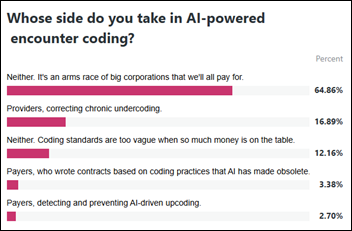
Poll respondents mostly blame Done for its Adderall mess, but plenty join me in faulting the clinicians who eagerly stepped into the company’s marionette strings seeking patient cash rather than patient care.

New poll to your right or here, for providers, as requested by a reader: Which research-only firm do you use most often when buying IT products and services?

I spent dozens of weekend hours watching “Cunk on Earth” and related episodes on Netflix and YouTube. I will proclaim it as the second-funniest series I’ve ever seen, trailing only “Arrested Development” for the number of laughs out loud. I can’t get enough, especially of the truly baffled expressions of the high-profile British academics who ponder Philomena Cunk’s interview questions such as, “When the human body dies, what hole do ghosts come out of, north or south?” Or in her narration, “With its cowboys, guns, and steam train rides, America became known as the land of the free, which must have come as a surprise to all the slaves.” Any of her musings that begin with “My mate Paul” are guaranteed gold.


A Reader’s Notes from the EHealth Exchange and Sequoia Project + Carequality Annual Meetings in Nashville

EHealth Exchange

Statistics

  • 25 billion exchange transactions in 2025, supporting 300+ million patients.
  • Vast majority of transactions are for treatment purposes. A key goal for the future is to encourage more non-treatment exchange.
  • 132.5 million electronic case reporting transactions to APHL AIMS (this number is the total done on behalf of eHealth Exchange, TEFCA, and Carequality, since all of those eCR transactions go through eHealth Exchange)
  • 1.7 billion patient histories retrieved by VA and DoD. 149 million shared back with community providers.
  • 2026 roadmap: heavy focus on FHIR, the CMS Health Tech Ecosystem, and TEFCA

Kim Brandt, CMS Deputy Administrator and COO

  • Key focus area is rooting out fraud, waste, and abuse.
  • Medicare spending on skin substitutes went from $256 million in 2019 to $10 billion in 2024. Unclear how much of this was a volume increase in skin substitutes versus an increase in prices.
  • $17.2 billion in estimated overpayments to Medicare Advantage plans for 2022. Stepping up oversight of risk adjustment process.
  • $1.9 billion in estimated improper payments for durable medical equipment in fiscal year 2024.
  • 1.8 million Medicare beneficiaries enrolled in hospice care, which is a 12% increase from 2020. Brandt says this is “inconsistent with demographics.”
  • CMS conducted Enhanced Site Visits for hospices and DME suppliers; 60% of the ESVs Nov 24 – Jul 25 resulted in revocations of Medicare enrollment.

Breakout Session on FHIR

  • eHealth Exchange has been investing in FHIR infrastructure. Most of their FHIR-based exchange (which is not much) is for public health purposes.
  • They have a SMART on FHIR app that serves a proxy for other SMART on FHIR apps, basically a container app that allows other apps to run inside of it. Unclear why providers would want to allow this app in their environments, given that the true consumer of the data would be obfuscated.

Panel on Health Data Utilities

  • Craig Behm, President and CEO of CRISP. Numerous state borders in their coverage area means patients are crossing borders often for healthcare. This makes governance the greater challenge, rather than technology. They have to account for all the variation in state laws around privacy, AI, and more.
  • Erica Galvez, CEO of Manifest MedEx. Manifest MedEx powers the infrastructure for electronic lab reporting and electronic case reporting for the entire state of California. Not seeing demand for data through TEFCA. They are participating in TEFCA through the eHealth Exchange QHIN and yet they have practically zero TEFCA exchange.
  • Amy Gleason, Acting DOGE Administrator. She was disappointed to find that rules she helped craft during the first Trump administration won’t come into effect until 2027 (I believe she was alluding to CMS 0057 that introduces API requirements for prior auth and payer-to-payer exchange). Goals of the CMS Health Tech Ecosystem are to promote innovation, build partnerships among participants, experiment, and move faster than government can. Her daughter was diagnosed at age 12 with an autoimmune disease, after 15 months of numerous concerning symptoms, doctor visits, and misdiagnoses. Gleason shared that the final diagnosis was a bit lucky: a provider wanted to do light therapy and the payer said they needed to get a biopsy first, which led to the ultimate diagnosis. “Only time prior authorization ever helped us.” Over the course of her life, her daughter has acquired 47 patient portal accounts. Some are from one-and-done sites of care, like an urgent care, but some are for providers she regularly sees. Gleason is bullish on the potential of AI. She says her daughter was rejected for a clinical trial, so her daughter uploaded her medical records to ChatGPT and asked for any trials she is eligible for. ChatGPT found that she actually was eligible for the original trial. Also cited an instance where her daughter was having side effects and her doctor recommended going to the ED. Daughter consulted ChatGPT and it pointed out she forgot to taper down from steroids, leading her to develop a taper-down plan and avoid an ED visit. A sandbox/proof-of-concept for the proposed national provider directory has been developed and testing is starting. Sounds like initial testing is happening in Oklahoma.

Sequoia Project/Carequality

Amy Gleason and Tom Keane, Assistant Secretary for Technology Policy

  • Gleason gave the same presentation from the eHealth Exchange meeting, so nothing new.
  • ASTP priorities: patient control of their data, data liquidity, and deregulation.
  • ASTP is revisiting all EHR certification criteria, with the goal of eliminating some of them, and is planning to revise/reduce info blocking exceptions.
  • No specifics provided, however the currently regulatory agenda hints that ASTP will codify several enforcement discretions previously announced.
  • Dr. Keane said HIPAA (or the interpretation of it) is creating info blocking; they are looking at how to address that.
  • To increase enforcement of info blocking, ASTP is consulting with states for anti-competitive law enforcement and with the FTC.
  • A priority for TEFCA is building out support for research-based exchange.
  • Oracle becomes the 11th designated QHIN under TEFCA

Other Tidbits

  • Clinical Architecture and NCQA are working on a rubric for assessing the quality of FHIR payloads, with the goal of reducing the burden of Data Aggregator Validation/Primary Source Verification.
  • CMS is working on a proposed rule (CMS 0062) to streamline prior authorization of drugs. CMS 0057 covered prior auth interoperability for procedures/services only, not drugs.
  • Sequoia Project and Carequality have worked on aligning and refining definitions and practices to encourage greater transparency. Principals (entities who have signed the framework agreement) must identify all of their authorized delegates in the directory, and delegates must identify the Principal they are requesting data on behalf of.

Reader’s Takeaways

  • Plenty of confusion on how the CMS Health Tech Ecosystem is different from TEFCA. Those who have pledged to the HTE seem convinced they are complementary; those on the outside are less clear/more skeptical.
  • There was at times a level of frustration that bubbled up among attendees. Folks seem to recognize that a lot of spaghetti has been thrown at the wall, and some has stuck, but interoperability is still a struggle and outcomes still aren’t good.
  • HIPAA is becoming a dirty word, viewed as an outdated law that doesn’t fit with the technologies and landscape we have in 2025 and that is misused as an obstacle to data exchange.
  • Payer-provider exchange through the national networks seems unlikely. Not enough trust between the parties, and providers want to get paid for the data they’re sharing.
  • Note that the HTE specifies that payers should be able to query for data related to recent claims and quality measures. Also, currently under the TEFCA SOP for Operations, TEFAC participants must respond to queries for data related to HEDIS, quality measures, and care coordination starting 2/16/26. Whether these actually come to fruition is TBD.

Sponsored Events and Resources

None scheduled soon. Contact Lorre to have your resource listed.


Acquisitions, Funding, Business, and Stock

image

Brown University Health psychiatry fellow Bhargav Patel, MD, MBA sues health AI company Sully.AI and several of its executives for firing him as chief medical officer. His lawsuit says that the company didn’t pay him, classified him as an independent contractor, and fired him for raising concerns about its lack of compliance with HIPAA and FDA requirements. The lawsuit claims:

Plaintiff joined a call with Defendant Nasser and a prospective hospital customer to whom Defendants were attempting to sell an AI radiologist. Patel was told that the product was basically a ChatGPT wrapper, but on the call, Defendant Nasser claimed Defendants were utilizing an FDA approved AI model. When the hospital’s representative responded that their own research failed to discover the existence of an FDA approved AI radiologist model, Defendant Nasser became upset and abruptly ended the call … Patel also expressed the same concerns to co-founder Henry Duong (“Duong”), stating, “I think we should be a little more careful with those things. Don’t want to expose ourselves to legal liability when it comes to compliance/FDA approval type things.”

I’m enjoying the latest HealthVC newsletter from European fund partner Martyn Eeles, who explains to startups how to keep pilot projects from becoming a slow death sentence:

  • Buyers will commit only to those metrics that they already track, not to ones invented by their vendors.
  • Harmless-looking discounts become psychological anchors that block a clean path to commercial pricing.
  • The most valuable part of a pilot is the evidence, which lives in operational data that buyers control unless founders negotiate data rights upfront.
  • Strong pilots often fail to expand because missing renewal language forces the entire negotiation process to restart.
  • Founders expect product performance to speak for itself, which it never does. Enterprise relationships are built on cadence, visibility, and trust, not performance alone.


Announcements and Implementations

An auditor’s report finds that New South Wales left key costs out of its $650 million USD Epic-powered Single Digital Patient Record project, such as integration work.


Government and Politics

Three big insurers ask the federal government to limit their liability for potentially catastrophic claims that involve AI.

Digital health executive Tarun Kapoor, MD, MBA says that health tech conferences are failing – and he skips the presentations anyway – because panels can’t touch podcasts that dive deeper while costing zero in time and money. He adds that health system leaders who participate in the panels upend the conference “ladies drink free” business model by dodging vendors to head home at first opportunity.

image[10]

Chillicothe VA Medical Center (OH) introduces EHRnie the Eagle, who accompanies its Change Leadership Team to talk with staff and veterans about the VA’s EHR deployment.


Other

Advocate Health paid its CEO $26 million in 2024, up 49% from the previous year.

image[6]

NEJM AI describes a fast track manuscript review process that combines AI and human reviews to accelerate acceptance within seven days of submission, conditional on making requested revisions.


Contacts

Mr. H, Lorre, Jenn, Dr. Jayne.
Get HIStalk updates.
Send news or rumors.
Follow on X, Bluesky, and LinkedIn.
Sponsorship information.
Contact us.

Morning Headlines 11/26/25

November 25, 2025 Headlines Comments Off on Morning Headlines 11/26/25

Hospitals to move away from paper records to new digital systems

New Zealand’s health minister announces a 10-year investment plan to convert the 65% of hospitals that use paper records to digital systems.

Medical software provider Well Health under investigation by Competition Bureau

Canada’s competition bureau is investigating whether recent acquisitions by Well Health Technologies have reduced competition in the AI transcription market.

Fact Sheet: President Donald J. Trump Unveils the Genesis Mission to Accelerate AI for Scientific Discovery

The White House launches the Genesis Mission, a national effort to use AI to transform scientific research.

Comments Off on Morning Headlines 11/26/25

News 11/26/25

November 25, 2025 News 7 Comments

Top News

image

New Zealand’s health minister announces a 10-year investment plan to convert the 65% of hospitals that use paper records to digital systems.

The plan calls for a single national digital medical records system, remote patient monitoring, a national radiology system, and stronger cybersecurity.


Reader Comments

From GoBeyond: “Re: HIMSS. Please investigate whether HIMSS was technically insolvent when it sold the global conference to Informa. Also, who does it count as a ‘member’ in announcing a big increase?” On the latter issue, only HIMSS can answer how it counted its announced 75% membership increase over the past eight years. I wonder about HIMSS organizational affiliate memberships, the all-you-can-eat plan where an organization pays one price for unlimited individual members. For example, health systems can sign up unlimited individual members for a total annual cost of just $5,000. On the first issue, a non-profit’s financial health can be ascertained only from its 990 tax forms or audited financials and I haven’t seen those. Here’s some background:

  • A 501(c)(6) trade association like HIMSS is required to file a Form 990 every year, although IRS backlogs (which IRS has confirmed) can affect the visibility of those filings.
  • IRS records show no timely HIMSS Form 990 filings for fiscal years 2022, 2023, and 2024. HIMSS has also not provided recent returns upon my multiple requests as required by federal disclosure rules.
  • The organization’s fiscal year change to a December year-end for 2021 explains a one-time shift in timing, but not a multi-year absence of posted filings.
  • HIMSS announced a global headquarters in the Netherlands in 2023 and sold its conference operations to Informa in the same year. The global headquarters change does not relieve HIMSS of the obligation to file 990s for its US operation.
  • I don’t know who HIMSS uses as an external auditor in the absence of 990 filings. HIMSS CFO Annemarie Tuzik left the organization in October 2025 after two years and an interim is in place. She was hired at the same time as its general counsel, who left after just over one year and does not appear to have been replaced.
  • Without 990s or audited financials, an organization’s financial health can be assessed only through observable behaviors such as persistent late filings, refusing to provide disclosure, downsizings, executive or board turnover, selling core revenue-generating assets, a reduction in membership or sponsorship levels, office relocations, program cancellations, and major operational shifts.

HIStalk Announcements and Requests

My aggravation of the day: news websites that force me to turn off my ad blocker, then dump me off to paywall anyway.

It’s nearly Thanksgiving, which means that tens of thousands of people will pack their heavy coats and turkey sandwiches for Chicago and RSNA, where the already cold weather will worsen under a forecast winter storm. Exhibitors love adverse weather that keeps attendees in the exhibit hall.

image

Subject-verb agreement matters, at least to me. Removing those first three words fixes the problem and shortens the headline as a bonus.


Sponsored Events and Resources

None scheduled soon. Contact Lorre to have your resource listed.


Acquisitions, Funding, Business, and Stock

image

Canada’s competition bureau is investigating Well Health Technologies over concerns that its recent acquisitions, including Healwell AI and Orion Health Holdings, are reducing competition in the AI transcription market. The former yoga studio operator now operates 227 medical clinics and has announced plans to take its software subsidiary Wellstar public next year.


Sales


Announcements and Implementations

RapidAI obtains FDA clearance for five new imaging modules in its Rapid Enterprise Platform.


Government and Politics

The White House launches the Genesis Mission, a national effort to use AI to transform scientific research.


Sponsor Updates

  • Health Gorilla’s Chief Medical Officer Steven Lane, MD, MPH and Altera Digital Health Chief Medical Officer Laura Kohlhagen, MD, MBA will co-present at the Harris Customer Training Conference in San Diego on “A New Dawn: Data Exchange in Sunrise via TEFCA” December 3 in San Diego.
  • Wolters Kluwer Health adds Lexidrug to its UpToDate Expert AI.

Sponsor Spotlight

image

AGFA HealthCare returns to RSNA 2025 with fresh insights, cloud-powered innovation, and a “Clinician-First” approach to transforming the imaging experience. Attendees can explore interactive demos, join expert-led Lunch & Learn sessions, and participate in peer-to-peer conversations with AGFA HealthCare’s imaging leaders who are shaping what’s next in radiology. From streaming workflows to smart reporting and deep integrations, AGFA HealthCare’s RSNA lineup offers a first look at how enterprise imaging is evolving. Discover the full schedule and reserve your spot. (Sponsor Spotlight is free for HIStalk Platinum sponsors).


Contacts

Mr. H, Lorre, Jenn, Dr. Jayne.
Get HIStalk updates.
Send news or rumors.
Follow on X, Bluesky, and LinkedIn.
Sponsorship information.
Contact us.

HIStalk Interviews Kevin Phillips, Business Category Leader, Philips Capsule

November 25, 2025 Interviews Comments Off on HIStalk Interviews Kevin Phillips, Business Category Leader, Philips Capsule

Kevin Phillips, MBA is business category leader of acute care informatics with Philips Capsule.

image

Tell me about yourself and the company.

I joined Philips in 2021 through the acquisition of Capsule. I’ve been with the company for 16 years.

Now more than ever, we have an opportunity to make an impact on improving how clinicians can more effectively care for their patients and reduce the tedious elements of documentation, the steps to find information, and the need to react to details, all to allow making faster and more informed decisions.

How does the former Capsule Technologie business fit into the healthcare strategy of Philips?

It’s clear for us that to support the move toward virtual care, to remove some of the manual repetitive tasks for the frontline care team, we need to find ways to arm clinicians remotely to support and assist that frontline care team. It all starts with how we harness the live data that is connected to all of those devices around that patient bedside,

We started, decades ago, with how we automate data for use in medical device integration to the EMR. That has now expanded to, how do we leverage that same data and transform that into actionable insights in a host of different locations? It could be within the central station at the nursing center station. It could be at centralized virtual care centers. It could even be at the mobile handset of that care team. They can now start to manage their patients really anywhere.

It started with the observation that live streaming data is a critical resource for moving from reactive to proactive care.

Once all of that data became available and the opportunities to analyze it became obvious, how did it shake out whether that would be done a company like yours or the EHR vendors themselves?

If we look back over the past 25 years, medical device integration was once a Class Two medical device. Most EMR companies have historically shied away from moving into the medical device realm. Also, connecting to these devices requires at times hardware connectivity such as hubs and unique cabling that gets deployed in the room.

For those two reasons, while a few EMRs have moved in that direction, it was a logical place for a dedicated entity to focus. Philips, as a leader in patient monitoring, said, we have the capabilities to connect to all these devices in the room. Not just manage them for getting data into the EMR, because less than 1% of that data makes its way into that patient record, but to leverage all of that data for more proactive use cases as well. Other use cases around full disclosure databases, where you can dive into risk initiatives or leverage things for alarming and alerting as well.

Moving more and more into this regulated space is why EMRs haven’t dipped their toes fully into the space today.

What is the value of that other 99% of data that EHR vendors don’t use?

In most charting systems, you’ll typically chart every one to 15 minutes. The key element is that there needs to be a clinical validation step. That’s why they’re not doing it in more routine fashion.

What is missed when you capture only a snapshot of that data is alarms, waveforms, and device settings that provide comprehensive but subtle insights in patient care, such as the physiology of that patient and the status of devices. If you start to understand those subtleties, can new insights be brought? How can we, through partnerships where these same questions are being asked, better leverage all of that data to leverage some insights as well?

What kind of device monitoring do you do?

One example is the different modes of a ventilator. The data is critical for a respiratory therapist to understand the state of the respiratory care for that patient.  Those sorts of elements give additional context to not just the device, such as ventilators, but if we look at all the devices that are surrounding that patient and capture all of that together, you can have a richer view of that patient.

There are also scenarios of failure modes for devices or sensors falling off. Understanding those alarms or states can give additional clues around how somebody who responds to those alerts remotely, or who provides secondary oversight, can tell the bedside care team or the remote care technician how to effectively manage that patient and how to manage the devices in that room. That’s why even the device settings are of critical importance in many situations.

How much of the company’s strategy is driven by data needs that didn’t exist or weren’t possible a few years ago, such as clinical surveillance, virtual care, and real-time analytics?

Most of our investments are toward moving us into that direction. We’ve invested significantly in the data model of all the drivers that are communicating to each of these medical devices to truly support this semantic interoperability where waveforms, alarms, and device settings can be liberated and ubiquitously understood by all endpoints.

Secondly, we are seeing this move towards flexible, centralized monitoring units. Remote virtualization, where patients may not move from one care setting to another, but the technology does and the care team moves and adjusts with them. To do that, we needed to find ways that we deploy this data management backbone so that data can be leveraged. But also tools, applications, holistic viewers, and the ability to alert assigned care teams to changes in that status.

The technology now supports these new care models. But there’s also this collaboration with our clinical services team and clients that help understand their objectives are and how we can help them change how care is delivered from that in-person to remote virtual care location as well.

Is the level of EHR integration as deep as you need? Does the EHR need to follow you along as you come up with new concepts of how the data you capture can be used on their side?

Yes, but I would say that sometimes the EHRs get maligned with “they’re not interoperable” and “they won’t share data.” We share a lot of the data that we capture from devices. The context around the ADT, labs, and patient history is fairly easily obtained from the EMR. 

This relevant context, when paired with live data, that deliver this additional insight. A lot of the research and partnerships that we have with key academic hospitals like MGB are allowing us to identify these observations and then deliver those insights back into production.

I find the EMRs to be actually quite collaborative in this. For the clinicians, these are contextually launched within EMRs. It’s actually a quite collaborative process across the board.

What opportunities does AI present?

We have used machine learning techniques to help us build a variety of our algorithms that are deployed in our solutions today. We’re also seeing that new agentic AI helps us streamline mapping that we use within our drivers, obviously with human validation at the back end.

We also have many different reporting, retrospective reporting solutions. We have surveillance tools where you can see alarm events trends, but sometimes you just want to ask a simple question about what has happened. These are areas where generative AI and assistants can be deployed in these tools. We are continuing to explore that area and drive it into the solutions moving forward.

Agentic AI will allow us to reason with the data and eventually  integrate video over time. We can reduce and streamline unnecessary workflow steps. That is just fascinating. In all aspects of our life, we are evaluating how AI can reduce the number of steps to get certain activities completed. That’s no different than what we are trying to accomplish within Philips as well.

What factors will be most important to your business strategy over the next few years?

We have seen tremendous advancements in technology. But we have to co-create with hospitals to identify how we can support clinical adoption and change workflows. Activating virtual nursing, virtual observation, and virtual surveillance use cases requires a shift in the activities that are done at the bedside, which activities are done virtually, and how that collaboration occurs. There is certainly a big push and a need to move towards that. But we have to figure out how we continue to collaborate with our health systems to maximize and streamline that workforce.

There is also the reimbursement landscape and the regulatory landscape around deploying AI into solutions and medical devices. We expect to see additional guidance from the FDA. How can we identify the best pathway to introduce this new technology in a safe and effective way? That’s always our core focus.

We could focus on a million different use cases. Our focus is to co-create with specific leading health systems and work backwards from highly impactful use cases. 

If we do these things, our investments will have a global impact with the clients who use our solutions.

Comments Off on HIStalk Interviews Kevin Phillips, Business Category Leader, Philips Capsule

Morning Headlines 11/25/25

November 24, 2025 Headlines Comments Off on Morning Headlines 11/25/25

Geisinger Health, Nuance reach $5M settlement over data breach

Geisinger Health and Nuance propose to pay $5 million to settle a class action lawsuit that stems from a 1 million person data breach by a Nuance employee who had been fired two days earlier.

Catalyzing Health AI by Fixing Payment Systems

The authors argue that misaligned payment models are the primary barrier to broad healthcare AI adoption, suggesting that CPT adoption bottlenecks be resolved, integration overhead addressed, and pricing models aligned with AI cost structures.

Exclusive: DOGE ‘doesn’t exist’ with eight months left on its charter

Reuters reports that DOGE disbanded eight months ahead of its scheduled end, also noting that Acting DOGE Administrator and former health tech executive Amy Gleason is now an advisor to HHS Secretary Robert F. Kennedy, Jr.

Comments Off on Morning Headlines 11/25/25

HIStalk Interviews James Lakes, President, Mednition

November 24, 2025 Interviews Comments Off on HIStalk Interviews James Lakes, President, Mednition

James Lakes, MSc is president of Mednition.

image

Tell me about yourself and the company.

Mednition works with healthcare leaders and providers who are looking to improve the clinical, financial, and operational performance of their emergency departments. The ED is the front door for about 40% and up to 60% of all their inpatient volume.

We believe in the concept of catching things early, whether that be high-risk conditions or sepsis. Catching the problem early, putting people on the right care track, and then leading to better outcomes from clinical, operational, and financial standpoints.

I spent almost 30 years of my career working in health IT, primarily at big platform companies like Microsoft, VMware, and Salesforce. Over the last four or five years, I’ve focused more on startups, which led me to Mednition.

How is AI for nurses and operations philosophically different from physician-focused AI?

No ill intent towards any of our clinical leaders, but when we’re investing in innovation, in the provider space in particular, the focus is typically physicians. These are your highest-cost employees. They have high benefit, whether that be thoracic surgeons or orthopedic surgeons.

We often see that because EDs have traditionally been considered a loss or cost center for most providers, there hasn’t been a lot of investment in innovation for ED nurses and ED departments in general. The nurses in triage ED are the first people to meet and assess the patient. Helping them get more accurate within their acuity setting to send them on a path with providers leads to better outcomes across the board.

Upwards of 55% to 60% of clinical staff are nurses. We believe that helping them is just as important as helping physicians.

How do nurses choose that path or make triage decisions?

We based our software on the ESI model, the Emergency Severity Index, which is sponsored and built by the Emergency Nurses Association. This is a scale from one to five, five being the least sensitive or least urgent, with one being the most urgent. About 85% of all ED nurses in the country are trained on that model. We based our model on that, and we have a deep research partnership with ENA to improve our model to make sure that we’re taking best practice into consideration.

Nurses spend more time with patients and have intuition about outcomes that aren’t found in charts. How do you incorporate that?

A nurse has two to four minutes in that triage moment with the patient. They are interviewing, getting their primary complaint, taking their vitals, and observing that patient to make a decision on what care path this individual should be on. In that time, they interview you and observe you, but they really don’t have time to check all of your clinical history, the accuracy of what you tell them about the medications you take, or what conditions you have had previously.

Our product is called Kate, which is the name of the daughter of one of our co-founders. She showed up in ED with an inaccurate acuity setting and was in serious condition. She survived and is now a young adult. The founders wanted to prevent other families from going through that.

Kate  goes to work in the background. The nurse does their observation. They set their acuity setting. Kate looks at the patient’s health, their history, their medication lists, all those things. She compares that to millions of cases in our model and comes back with an acuity setting only if she differs with the nurse. If not, she doesn’t send anything, which means that she’s not disturbing the nurse unnecessarily.

The only time the acuity does not matter is when Kate suspects sepsis. Then she will automatically send an alert regardless of the acuity setting of the nurse. Sepsis is the biggest killer in hospital settings and testing, getting antibiotics in them, and acting quickly, leads to better outcomes. That time to action is important.

Executives in some health systems influence software decisions more than frontline clinicians. How do you sell the product?

Like any startup, you work early on product-market fit. Next you figure out what your target audience is.

We know, and can see in our engagements, that ED nurses who are on the front line, their managers, and their directors are our biggest champions. However, often they are not the ones who make the final decision or have the budget. We understand the nurses deeply and work with them collaboratively to take that to their leadership. We highlight the issues, how Kate addresses them, and then build the case for the ROI from a clinical, operations, and finance perspective to justify the investment.

We’re getting better and better at it. The nurses are getting better and better at advocating for themselves with our support. But we do see that it’s a broad stakeholder sales engagement. It requires having champions at the front lines, but then making sure that the leaders at the top who are making the decisions where those critical investments go are aware of the impact of Kate.

What is the value proposition that you present to the CEO, CFO, or CIO?

I’ll use an example of a provider that we worked with recently. Within six months of going live, Kate actually paid for herself. They tracked  a number of metrics. One was left without being seen. Patients who show up in the ED will leave if they wait too long, and that can lead to worse outcomes. The might have to come back, or it could be lost revenue because they go someplace else.

Length of stay is also a big issue. This organization was able to not only lower their left without being seen rate by 1%, but also lowered their length of stay by 23 minutes in less than six months.

On the financial side, because they had better accuracy and better documentation, they saw $400,000 of additional financial revenue because they had fewer down charges and fewer denials from payers.

How well do health systems integrate what happens in the ED with opportunities for long-term patient engagement or revenue generation?

The market is getting better at recognizing the value of getting things right at your front door and the downstream impact of that. It’s definitely a shift in mindset and a shift in focus.

How does Kate integrate with other health system platforms?

We integrate with the EHR, specifically Epic and Cerner. We are working on a couple of others, such as Meditech and Medhost.

The good thing about Kate is that she’s working in the background. She alerts or notifies nurses only when she has to. It’s  not obtrusive to them. We talk a lot about alert fatigue for clinicians. We have made it a distinct focus of our company to not be a notification alert problem for our clinicians.

How much evidence or background do you provide along with the recommendation?

Kate provides a message. The nurse says it’s a three, Kate thinks it’s a two, and she delivers why she believes it’s a two. The nurse then has the option. We don’t make the decision for the nurses. They have the option to change the acuity setting to a two.

Typically when they do that, it’s because Kate has identified something they may have missed, or they may have made an error. Then they correct that error or they improve the documentation when they do the up-triage, as we call it, that then drives the decision, which leads to better outcomes downstream.

When they don’t act, they typically document why, which leads to feedback to us. We have a clinical team of physicians and nurses, some of the top in the space, who review those cases and feedback from the nurses. We use that to generate cases and continuously improve our model.

Having come from big tech companies, what are their advantages and disadvantages in their involvement with health technology?

Those companies have incredible R&D teams, incredible market reach, and incredible flexibility in those platforms that provide a tremendous amount of value. But when you start to get down into deeply research-oriented, specific use cases, the specific clinical decision support, they will struggle, because they are trying to build a big platform to then fit into various scenarios in healthcare. Whereas when you’re a startup and you’re focused on that specific problem, you can get very, very good at it.

I’m a former athlete. It’s like thinking about Steph Curry. He’s a marksman, maybe the best marksman we’ve ever seen. He’s a specialist. He’s deeply talented at that one thing. If I tried to make him an all-around player where he was going to be the best defender, the best rebounder, the best passer, and all those other things, he may not be able to be world class across all them all. I might dilute his talent. It doesn’t mean that there aren’t any players that can do that, Michael Jordan being one of them, but there aren’t many, and that’s why they stand out.

If I have a person, system, or solution that is really targeted and can be world class at that, that is the benefit of the startups. The platform companies can bring broader value across broader spectrums, but they may not be as specific as you need for things like sepsis identification or triage acuity.

What is the present state of the healthcare buying market from the viewpoint of a startup that is trying to scale, and how will it look in a year or two?

We’re all concerned about what will happen with changes in Medicaid and any reductions in Medicare expenditures. What does it mean? In our particular space of EDs, a recent Vizient report says that they anticipate higher volumes in the ED because more and more people who lose coverage will use the ED as a form of primary care. When they use that as primary care, they typically wait until their state is dire or even worse. Acuity and severity will become more difficult and intense for our EDs.

If you have increasing volume and increasingly complex cases, it becomes a recipe for potential chaos in our EDs. We are hoping to help them alleviate some of that by being proactive with something like Kate.

What is the company’s strategy over the next three or four years?

We will have a sepsis breakthrough designation for our Kate sepsis model in early 2026. We are submitting for final approval from the FDA. We hope to have that by the end of Q1. I think we will be the only software product with FDA approval for sepsis early detection.

We are including more and more models. We have a partnership with a leading children’s hospital and research center for building triage models for people under one year old. We are working all the way down to infants, both for triage and sepsis.

Another model that we’re working on is continuous monitoring for sepsis post-triage. You’ll see some of that come out in early 2026.

We will continue to add models. Our focus will primarily be early detection of any high-risk patient condition.

The biggest thing is being an advocate for our ED departments and the ED leaders out there, They are sometimes not the first line of thought for for our healthcare leaders. If you talk to a CEO of the health system, they can often tell you who all the cardiac thoracic surgeons are and who their family members are, because that’s a high revenue focus area for them. But if you bring that attention to their ED leaders or ED departments, that’s not their focus and they don’t have that same familiarity. We  try to be an advocate for that space because that front line sometimes gets forgotten.

Comments Off on HIStalk Interviews James Lakes, President, Mednition

Curbside Consult with Dr. Jayne 11/24/25

November 24, 2025 Dr. Jayne 2 Comments

I wrote earlier this month about an article that examined whether physicians think their peers who use AI are less competent. I brought this up in a recent conversation with other clinical informaticists to see what they had to say.

The responses were interesting. Although the general answer was “it depends,” opinions differed depending on the type of AI.

Many of the individuals who were part of the conversation are knee-deep in AI solutions as part of their work. They have a different level of understanding of exactly what constitutes AI compared to others who aren’t as engaged with the technology.

For most non-generative AI solutions, the group had a level of comfort that was commensurate with the time that the solutions have been in use. No one questioned the utility of AI in situations where pattern recognition is key, such as in the review of cervical cytology specimens or in diagnostic imaging. No concerns were voiced about AI-powered search tools that help clinicians dig into large data sets and provide verbatim answers.

Peers also raised no concerns about AI being used for natural language processing tasks, as long as the systems are non-generative. These can be used for analyzing the output of interviews or feedback sessions and have been used for years. One colleague specifically called out spam filters, challenging people who are afraid of AI to go a couple of days without one to see how they like it.

Another colleague mentioned a “smart buoy” that is located on a lake near his home. It determines if it’s safe to swim by monitoring temperature, wind, water pH, and turbidity while analyzing the correlation of those elements to bacterial counts.

As far as generative AI, people were generally positive about AI-assisted responses to patient portal messages, as long as the system requires a clinician to click the send button to indicate that they read the response and agree with it.

They were less confident about AI-assisted chart summarization tools because of the potential liability if data elements are missing or incorrect.

Some good discussion arose around the fact that it’s a trade-off since humans might miss or misinterpret something when reviewing bulky charts. Studies of this are not widely known in some clinician circles. Everyone agreed that we need better data that compares the performance of AI versus humans for specific tasks to better understand the risk-benefit equation.

The conversation drifted away from patient-facing generative AI to the tools that clinicians are using as they complete their Maintenance of Certification (MOC) activities. In response to the question of whether peers perceive physicians who use AI tools as less competent, one person noted, “If you’re not using AI to do your MOC, you’re crazy.” Maintenance of Certification questions often take the form of a block of questions that must be answered quarterly, or annually in some circumstances, and many physicians feel that it’s a make-work activity that doesn’t necessarily reflect the realities of their practice or expertise.

For example, in family medicine, the questions cover the whole scope of the specialty, even though most family physicians tailor their practices to include or exclude certain procedures or populations. The majority of us don’t provide obstetric care. Those who practice in student health clinics likely don’t see patients in the geriatric demographic. Some don’t see infants and young children. Some practice exclusively in emergency or urgent care settings.

Some who are in full-time clinical informatics had to give up clinical care due to lack of access to appropriate part-time opportunities. They are required to maintain their primary certification to retain board certification in clinical Informatics. That creates a significant burden for those who aren’t still seeing patients.

For those who have stopped seeing patients, MOC is a “check the box” activity. Most boards allow users to answer the questions in an open-book format, so using AI tools is a natural evolution. They help physicians get to their answers faster, just like they would in the clinical world, although in this case they’re helping reduce an administrative burden.

No one in the conversation had seen any specific prohibition on using AI tools to answer the questions. The only limitations are that you can’t discuss the questions with another person and you must answer them within the provided time limit.

All agreed that a pathway is needed for those who boarded in clinical informatics to allow their primary board certification to lapse after some amount of time. However, they also agreed such a change is unlikely before their anticipated retirement.

When asked specifically about using AI to create notes, such as with an ambient documentation solution, no one admitted to thinking badly about clinicians who do so. There was a general consensus that ambient documentation solutions are one of the few things that CMIOs have rolled out that generate thank you notes rather than emails of complaint and that the technology isn’t going away anytime soon. The concerns were more about the cost of the solution.

Some spirited discussion was raised about whether they will have a negative impact on physicians in training. Some firmly asserted that learning to write a good note is essential for physicians and that the note-writing process serves as a reasoning exercise. One residency program director noted that several applicants have asked him if residents are allowed to use the technology, so it may become a differentiator as candidates assess potential programs.

Anecdotally, I don’t think patients think worse of physicians who use AI solutions. A friend recently reached out with his experience. “I just got back from my annual visit with my PCP.  He’s using some new AI tool that transcribes the entire conversation during the visit, then cobbles the important parts together in the after-visit summary.  It was done cranking that out in the time it took him to listen to my lungs and look in my ears and down my throat, and everything was correct.  It even transcribed non-traditional words like ‘voluntold’ correctly.”

As a patient who has had inaccurate notes created by physicians who were in a hurry while charting, I would prefer AI if it meant not having imaginary exam elements added to my chart.

It’s always gratifying to meet with others who are doing work in my field and to learn how those from different institutions approach a problem differently or have different outcomes. I wish I could have those kinds of robust conversations more often, but I’ll have to settle for only having the opportunity a couple of times a year.

If you had a group of clinical informaticists captive for an hour, what topic would you want to see them discuss? Leave a comment or email me.

Email Dr. Jayne.

Morning Headlines 11/24/25

November 23, 2025 Headlines Comments Off on Morning Headlines 11/24/25

Vohra Wound Physicians and its Owner Agree to Pay $45M to Settle Fraud Allegations of Overbilling for Wound Care Services

The company pushed its doctors to perform surgeries, also altering its EHR to bill Medicare for the higher-paying procedure and to generate false supporting documentation.

Accuracy of Smartwatches in the Detection of Atrial Fibrillation: A Systematic Review and Diagnostic Meta-Analysis

Researchers find that all smartwatches except for Google’s Fitbit do a good job of detecting atrial fibrillation.

Memorial Sloan Kettering posts $62M loss as Epic system costs mount

The health system has spent $169 million, which it says was a planned expense, implementing Epic in the first three quarters of the year.

Eli Lilly Reaches $1 Trillion in Value, Buoyed by Demand for Its Weight Loss Drugs

The drug maker becomes the first healthcare company to be valued at $1 trillion.

Comments Off on Morning Headlines 11/24/25

Monday Morning Update 11/24/25

November 23, 2025 News Comments Off on Monday Morning Update 11/24/25

Top News

image

GE HealthCare will acquire medical imaging company Intelerad for $2.3 billion in cash.

London-based private equity firm Hg Capital, whose healthcare portfolio also includes HHAeXchange and Rhapsody, acquired intelerad in 2020 for a reported $500 million. It then made several acquisitions and increased the company’s revenue by 3.5 times.


Reader Comments

From Former HIMSS Manager: “Re: HIMSS. Hal Wolf held a five-minute call to announce layoffs, ended with ‘be well,’ and hung up. The entire membership team was eliminated. Factors were that HIMSS has missed financial targets for years, doesn’t have much to show from selling the annual conference to Informa, and has experienced constant executive turnover. I can confirm that Hal hired Deloitte to restructure and push analytics. Coincidentally, we were recently ranked among the lowest by the Global Digital Health Partnership. HIStalk, please investigate and share what is happening. Your reporting is one of the few independent voices.” Unverified, except to note that HIMSS indeed didn’t perform well in the September 2025 report that the reader cites. I received an unsigned response to my inquiries from HIMSS, which I greatly appreciate even though I don’t know who sent it from their generic press email address. They (someone) said, and I quote:

  • The number of team members impacted was much less than stated. HIMSS is making changes based on the evolving needs of our 125,000+ members, including the growing demand for our thought leadership and expertise in the areas of analytics solutions, professional development, and media offerings. In response to those needs, we have made thoughtful adjustments to our organization, including the redesign or elimination of certain roles. These decisions were made with the utmost care and respect for the talented colleagues who have contributed to the HIMSS mission.
  • HIMSS does not provide public comment on internal financial matters.
  • HIMSS follows the IRS process and timing for completing and submitting HIMSS 990 forms. We will continue to abide by IRS policy for public disclosure as more recent 990s are completed and filed.

The response confirms that HIMSS hasn’t filed recent 990 forms, but doesn’t say why. It also confirms the reader’s report that analytics will be a focus, although it doesn’t say what kind. HIMSS sold the data portion of the provider analytics business of HIMSS Analytics to Definitive Healthcare in early 2019 while keeping the Adoption Model part of the business.

From Former HIMSS Employee: “Re: HIMSS. I left voluntarily a while back. Here’s what I learned from several people who were terminated this week.” This reader entrusted me with their identity, so I can confirm that this came from a former employee.

  • Deloitte advised on layoffs and reorganizations, resulting in the termination of 40 staff members last week. 
  • Middle management is gone across analytics, media, marketing, engagement, and membership.
  • Marketing and HIMSS Media were significantly downsized.
  • Engagement strategies and membership teams were eliminated.  
  • The 2025 goal was to increase membership, and that was accomplished. Now the membership team has been eliminated. Corporate membership went down after Informa bought the conference since it sells booth space directly to vendors, which was previously available as HIMSS corporate membership perk.
  • HIMSS seems interested in trying to become a consulting firm since it is charging for previously free consulting for the maturity models they sell.
  • A meeting with chapter leaders on Monday confirmed that the focus will be on content, professional development, and the HIMSS Analytics maturity models, advisory services, and validations.

From Sepulchre: “Re: survey. You did a weekly survey in 2019 about which services such as KLAS and Black Book provider decision-makers use when making a buying decision. It’s budget time for 2026 and I’m looking for input on planned investments.” I will run that as next week’s poll.


HIStalk Announcements and Requests

image

Most poll respondents haven’t experienced a provider’s AI chatbot, and three-fourths of those who have say it wasn’t useful.

New poll to your right or here: Who is most responsible for Done’s online Adderall prescribing misconduct? I acknowledge the easy out that an “all of the above” option would offer, but think harder.


Sponsored Events and Resources

None scheduled soon. Contact Lorre to have your resource listed.


Acquisitions, Funding, Business, and Stock

Drug maker Eli Lilly becomes the first healthcare company to be valued at $1 trillion, buoyed by sales of its blockbuster weight loss drug that it sells as Zepbound and Mounjaro. That injection is expected to be the top-selling drug of 2025 as it constantly erodes the market share of Novo Nordisk’s less-effective Ozempic and Wegovy. Lilly is working on an oral version of its products and is testing another possibly better GLP-1. A $10,000 investment in LLY shares when current CEO Dave Ricks took over in early 2017 would be worth $144,000 today.

Memorial Sloan Kettering reports a $62 million loss on $1.2 billion in Q3 operating revenue, which a spokesperson attributes to the budgeted cost of implementing Epic. The hospital spent $169 million on the project in the year’s first three quarters. It began the implementation in 2022 and went live in February 2025.


People

image

Vermont Health Information Exchange, VITL, hires Randy Farmer, MS, MEd (Delaware Health Information Network) as president and CEO.


Announcements and Implementations

Penn Medicine authors describe the organization’s self-developed tool that automates integrating data from inbound faxes into the EHR. They report that it has saved significant staff time and improved staff satisfaction since its rollout in 2002.

image

AMA profiles and interviews Elise Boventer, MD, MPH, medical informatics strategist for Northwell Health. Her comments cover the need for physician informaticists, the importance of female representation in the field, and the value of mentorship. She finishes up with an insightful comment about AI:

It’s been surprising how often I’ll see an idea or an algorithm, either from industry or research, where there clearly wasn’t much thought about how to integrate it into the workflow or the impact it has on physicians. For example, if there is a new generative AI tool that summarizes data, I’d ask: How many pages long is the output that the physicians are now expected to read? When in the care process are they expected to read it and what is the liability if something is missed? And how does reading the output change management?

A Navina study finds that using ambient AI alone to generate clinical documentation for chronic disease management performs poorly compared to approaches that integrate patient-clinician conversations with the patient’s medical history.

Findhelp launches a solution that allows states, payers, and providers to manage new work requirements for Medicaid eligibility within a single workflow.

A study of 26 cancer clinics finds that 88% believe that team-based supportive care model will improve care, versus 25% who favor a technology-first model.

A meta-analysis concludes that most smart watches perform well at detecting atrial fibrillation, with sensitivity and specificity in the 96-99% range, but Google’s Fitbit performed poorly at 66% and 79%. The top performer was Amazfit, model unspecified, with 99% on both. The $65 Amazfit Bip 6 watch provides fitness tracking, AI coaching, 14-day battery life, GPS navigation, and real-time monitoring of heart rate, sleep, blood oxygen, and stress. Amazfit is owned by China-based health technology Zepp Health. Thanks to Paulius Mui, MD for mentioning the article on LinkedIn.


Government and Politics

Vohra Wound Physicians Management will pay $45 million to settle False Claims Act allegations that it billed Medicare for unnecessary surgeries, overtreated patients to increase procedure volume, and submitted claims for non-billable services. Federal investigators say the company pushed physicians to perform debridement at as many visits as possible, then altered its EHR to automatically bill Medicare for higher-paying surgical excisions and generate false supporting documentation. The settlement also requires an independent review of its EHR. Founder Ameet Vohra, MD said recently that the company has 300 physicians and 50 nurse practitioners serving 3,000 skilled nursing facilities.

The VA will implement ambient AI in all of its medical centers in 2026 following a 10-VAMC pilot that started last month. The pilot project vendors are Knowtex and Abridge.

Cancer registries that receive funding from the CDC or the National Cancer Institute will be required by a White House directive to record patient sex only as male, female, or unknown.


Other

image

A Tucson woman who was scheduled to have her tongue and larynx removed because of mouth cancer uses AI to preserve her commonly used phrases for use after she permanently loses her voice. She recorded “Happy birthday,” “I’m proud of you,” and a string of essential curse words. She also recorded a dozen children’s books for future grandchildren. She types messages into the free, open source text-to-speech app Whisper, which speaks them aloud using her AI-generated voice. When insurance refused to cover the $3,000 cost, she said through the app, “Apparently, having a voice is not considered a medical necessity.” Her daughter summarizes, “She got her sass back. When we heard her AI voice, we all cried, my sister, my dad, and I. It’s crazy similar.”


Sponsor Updates

  • Vyne Medical offers a new guide titled “Machine Learning vs. RPA in Healthcare: Finding the Right Automation for Intelligent Data Processing.”
  • Praia Health releases a new case study titled “Platform Results: 3 Years of Impact at Providence.”
  • SmarterDx publishes a new white paper titled “Metrics that matter for AI in RCM.”
  • TrustCommerce, a Sphere company, collaborates with Complete Clinic Software to bring clinics a smarter, more seamless way to manage payments.
  • Waystar offers a new e-book titled “The ROI of AI in healthcare payments: Which metrics matter?”

Blog Posts


Contacts

Mr. H, Lorre, Jenn, Dr. Jayne.
Get HIStalk updates.
Send news or rumors.
Follow on X, Bluesky, and LinkedIn.
Sponsorship information.
Contact us.

Comments Off on Monday Morning Update 11/24/25

Text Ads


RECENT COMMENTS

  1. I'll bite on the disagreement side. 25+ years in EHR implementation, sales, and support. First, regarding the decision effect. Sure,…

  2. And which "political exercise[s]" by a private entity are appropriate for state governments in this country to punish with a…

  3. What do you mean? What was the "political exercise" that prompted this response?

  4. Many, yourself included, chose to make healthcare and Healthcare IT a political exercise. Shouldn't be shocked when the other side…

  5. I see a lot of people dislike what I said. I assume some don't like it because what I said…

Founding Sponsors


Platinum Sponsors


Gold Sponsors


RSS Webinars

  • An error has occurred, which probably means the feed is down. Try again later.