Home » Dr. Jayne » Recent Articles:

Curbside Consult with Dr. Jayne 4/6/26

April 6, 2026 Dr. Jayne No Comments

image

All eyes are on the moon this week. The hot topic around the virtual water cooler after the launch involved the issues that Artemis II commander Reid Wiseman had with Microsoft Outlook.

Apparently one astronaut had two instances of the software, and neither was working. NASA had to access the system remotely to fix the glitch, which took about an hour. The capsule communicator at Mission Control said, “It will show offline, which is expected,” which had me chuckling since my Outlook frequently shows as disconnected despite my laptop being on a wired connection.

It was interesting to hear launch-related reactions from different generations of friends, family, and co-workers. Those who felt a close connection to the Apollo launches have a pragmatic take on the event, anchoring on earlier memories of our travel to the moon. Many in younger generations who have seen numerous International Space Station launches wonder why everyone thinks it is such a big deal. And some of us who were real-time witnesses to the loss of Space Shuttle Challenger remembered sitting in a classroom watching the events of that day unfold.

I admit that I was one of the people who held their breath until Artemis II crossed the Karman line and achieved main engine cutoff. Hopefully the Outlook glitches and a temperamental toilet will be the biggest of the issues the crew faces.

This is the farthest that we have traveled from Earth in a long time. We remember the loss of Space Shuttle Columbia on its return, so I am sure that the crew’s loved ones will be coping with anxiety until they are safely back on Earth.

Many parallels exist between the work that NASA does and what we do in healthcare. A commitment to a safety culture is required to achieve success. People may not realize that the surgical safety checklists that operating rooms around the world use every day were inspired by aerospace protocols, since that industry realized that human memory isn’t enough when you are dealing with life and death situations.

Side note: if you haven’t read “The Checklist Manifesto” by Atul Gawande, I recommend it.

Like space flight, medicine requires backup systems, whether it’s EHRs or generators that keep critical equipment functioning during a power loss. I’ve been in the middle of doing a procedure on a patient when the power went out, and it wasn’t pretty. It was in an ambulatory office in an office building that wasn’t exclusively medical, so we didn’t have a generator. I have never been so grateful to have a laptop in the exam room with me. The light from the screen allowed me to safely halt the procedure, ensure that the patient was safely positioned, and open the door to the hallway where emergency lights had come on. You can bet that every exam room had a flashlight in it after that event.

Watching the closeout crew help the astronauts get situated inside the launch vehicle reminded me of being in the operating room. The crew had rehearsed the boarding procedure many times. They know exactly where they can and can’t place their feet or hands, and they know how to move so that the team that is assisting them can get the job done.

The people who were performing the tasks need to know exactly what they are doing and to execute flawlessly. Those who observe the process need to be able to identify if something deviates from the expected sequence and to feel empowered to call out those deviations. If you’ve ever been told by an OR nurse that you have somehow violated the sterile field, you know what that feels like.

Deviations occurred, and I was impressed listening to the NASA livestream by how they handled warning lights or other alerts. One of my colleagues likened it to caring for an extremely sick patient who is at a hospital that doesn’t have advanced services, where you rely on the tele-ICU team to help you talk through the situation and determine the best course of action.

It is reassuring have remote experts available to analyze problems as a team. Having been in situations where I was operating at the edge of my scope of practice, I know what it feels like when the experts arrive to help you through what you are doing or to take the handoff so that you can focus on other priorities.

I enjoyed listening to pre-launch media reports that described how NASA optimizes the human performance elements of the mission. Whether it’s designing the crew’s day, including sleep and activity periods, or determining what foods will be included on the mission, every decision is worked through carefully. Space is an unforgiving environment, and they want to ensure that the crew has what they need to be at their best without introducing unnecessary variables that could compromise the mission.  After launch, the crew reviewed the first aid kit and some clinical procedures.

My favorite orbital mechanics engineer explained that the planned mission is on a free-return trajectory. It will use the moon’s gravity to slingshot it back to Earth, which reduces additional points of potential failure. It’s nice to have an in-house expert at times like these.

Although following a NASA-style approach can improve safety in healthcare, it can’t account for every variable that happens in hospitals every day. Unless they are coming in for preventive services, patients are already in a suboptimal state of health. The teams that are caring for them are working with resource constraints that are driven by economic, cultural, and regulatory factors.

Sometimes we have to make split-second decisions without a backup team to advise us or to make sure that we have considered all options. Even when we do our best, every procedure has a set of possible complications, which negatively impact both the patient and the care team.

I hope this trip to the moon inspires the next generation of scientists, engineers, and dreamers, and that they will come up with technologies along the way that can benefit all of humanity. If nothing else, a fresh set of photos from a quarter of a million miles away might remind people that we are all in this together, and at least for now, Earth is the only home we have.

How has the current lunar mission impacted you? Were you among those holding your breath during the launch, or did you learn about it after the fact? Leave a comment or email me.

Email Dr. Jayne.

EPtalk by Dr. Jayne 4/2/26

April 2, 2026 Dr. Jayne 2 Comments

image 

Epic once again understood the April Fools’ Day assignment. They shared a trio of tricks this year.

The first was the addition of “introvert mode” for AI-powered charting, which is designed for physicians “who would really rather not have to narrate everything out loud.” It promises to convert “pauses, sighs, key taps, and meaningful silence to generate complete documentation of the conversation that almost happened.” I’ve helped train a number of physicians that fit the introvert profile, so this definitely generated a chuckle.

The second joke involved the remaining of Epic’s AI assistant Penny to Nickel in recognition of the US Mint halting production of the one-cent coin. Epic poked fun at itself. An FAQ published for affected hospitals reportedly includes the question, “Will Nickel cost five times as much?” followed by the single word, “No.”

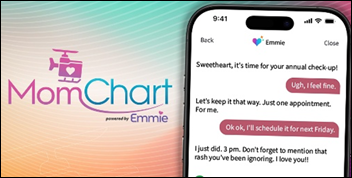
The one that had me rolling the most though was “MomChart” powered by Epic’s new patient-facing AI assistant, Emmie. The spoof logo included a helicopter and the sample conversations incorporated typical mom-style guilt, including preventive care reminders such as “You know I don’t ask for much. Just One Screening. For me.” Describing the new persona as “warm, persistent, and just wants what’s best for you” had me laughing out loud, which fortunately was not while multitasking on a call involving video.

I cackled at the mention of MomChart combining “evidence-based clinical guidance with the unconditional love of someone who has been worried about you since the day you were born.” Future personas were proposed including “The Friend Who Happens to Know a Lot About Medicine,” which should resonate with every physician who has been on the receiving end of questions from well-meaning friends and family. “Dad Mode” was also mentioned as being in development, including daily weather updates, oil change reminders, and random news articles under the header “Thought you should see this.” Well played, Epic, well played.

I spent a big chunk of today playing phone tag with a physician who doesn’t seem to understand basic workplace courtesies. He emailed me asking for the opportunity to chat about a recent change to the EHR, and when I offered times, he countered with a request to “send me a secure chat at 8 a.m. and we’ll see what my day looks like.” We are all about serving our internal customers, so I did as he asked.

He then texted me multiple times over a 10-minute period, telling me he was free at the moment, He then escalated to tell me that he only had a few minutes and then that he could no longer wait for me. I guess I didn’t understand that I was supposed to text him to see what his day looked like and then sit staring at my phone just in case he was free. 

I replied again and outlined my schedule, letting him know what blocks of time I had available. He then called in the middle of two meetings in a row. When I was finally able to reach him, he asked if I had any training materials for the new feature that explained why his department should use it, and if so, could I send them.

I’m still baffled why that request couldn’t have been included in the original email or why it required several rounds of phone and chat tag between two physicians who have plenty of other things demanding their time.

image

An Original Investigation in the Journal of the American Medical Association this week looks at the impact of AI-powered scribe tools on clinician visit quantity and time expenditure. Across five academic medical centers, they examined the metrics of 8,581 clinicians, including 1,809 who were using AI-powered scribe tools. The locations were diverse, including Mass General Brigham, Emory Healthcare, University of California San Francisco, Yale New Haven Health, and the University of California Davis.

The sites used three AI scribe tools, Ambience, Nuance DAX Copilot, and Abridge, either individually or in combination. The institutions provided data on clinicians over at least a 12-week period, including six weeks pre-adoption and six weeks post-adoption for those using the tools.

Using data from Epic’s Signal database, the authors found decreases in total EHR time and documentation time, and an increase of approximately one half patient visit per week. They felt that due to the multisite nature of the sample, they were able to identify the characteristics of clinicians who benefitted most from using the tools, namely female clinicians and those practicing in primary care and medical subspecialties.

I didn’t see specific mention of results for surgical subspecialists, but based on my own experience, a recent office visit with a surgical subspecialist probably contained fewer than 100 words, and was largely procedure focused. From experience with their EHR in a past life, I suspect that the visit could have been documented in fewer than five clicks, so I can’t imagine that having a scribe, whether human or AI, would have been helpful.

I would say that I can’t wait to see the visit summary from that one, but I guess I’ll be waiting a long time because they didn’t offer me access to their patient portal or even mention having one. I was so glad to be in and out quickly that I didn’t think to ask.

The biggest limitation of study in my mind was the fact that the study focused on academic practices where the average weekly visit volume was 20. Most of the clinicians I work with see more than 20 visits per day, so it’s likely that they would demonstrate different results than were seen in the study.

A corresponding Editorial notes that “what is known today about the effectiveness of ambient AI scribes reflects outcomes that are easiest to count: electronic health record (EHR) time, documentation minutes, visit volume, and billing.” It goes on to question whether the time saved “is reinvested in ways that measurably improve outcome and equity for patients.”

I would go farther to ask whether the use of AI-powered scribes impacts clinical outcomes on a per-encounter basis, such as by helping clinicians better organize their thoughts or better focus on their patients and therefore arrive at different recommendations than they might have had they not used scribe technology.

The editorial calls the relationship of productivity to value: “If health systems rely on increasing visit volume to justify the cost of ambient AI adoption, they risk squandering the benefits of time savings if that time is simply converted into more visits per clinician, rather than investments in higher-quality care.”

Based on my interactions with hospital leaders for a few decades now, I’d bet the farm that a large number of hospital executives are looking strictly at the cost/benefit analysis and how they can use the technology to trigger more visit revenue. The editorial specifically calls on organizations to evaluate how AI scribe use impacts chronic disease management, preventive care, and delivery of unnecessary services.

Is your organization looking at how AI tools can improve care quality as well as how they can reduce documentation burden? Or is the focus on improving coding and billing? Leave a comment or email me.

Email Dr. Jayne.

Curbside Consult with Dr. Jayne 3/30/26

March 30, 2026 Dr. Jayne No Comments

One of my colleagues from medical school is a residency program director. He was having a virtual conversation with his fellow faculty members about the program’s plans for technology and AI-related education in the coming year. He mentioned that he has a friend who practices clinical informatics and has some experience with AI and asked if it was OK to pull me into the chat.

The topics that they had been discussing were basic, including EHR efficiency, inbox management, and accessing the program’s online educational tools. One faculty member had suggested a lecture about AI, but that was the limit of the discussion.

The program is affiliated with a major health system. I was surprised to learn that none of the program’s faculty members are involved with any of the system’s informatics committees. No faculty member has been identified as a physician superuser for the EHR. Faculty members have had no involvement in the development of order sets or other tools, where their input might result in adjustments that would make them more useful for trainees or students.

I quickly figured out that my colleague’s invitation was not only a request for subject matter expertise, but also a cry for help. Because of the time commitments of being program director, he doesn’t feel like he has the bandwidth to lead technology initiatives, so he was looking for assistance with convincing his faculty that stepping up would be beneficial.

We all agreed that an asynchronous chat wasn’t the best venue to discuss the issues. They agreed to extend an upcoming faculty meeting so that I could attend and give some advice. 

In the meantime, I asked them to brainstorm tech-related topics about which they wish they knew more, tech they’ve seen residents and students use but not faculty, understanding of organizational governance and technology policies, and articles they have seen in their specialty literature that address tech-related or educational issues.

I asked them to send those to me in real time so that I could start to put together an agenda for the meeting. I assured them that I would keep their submissions confidential so that they wouldn’t have to worry about what their peers thought about their technology knowledge or lack thereof.

I also asked my colleague to reach out to his health system to ask if they had specific resources that are targeted towards trainees and learners. His program is the only one in his area, but the health system is a multistate organization and has other residency training programs.

With that in mind, I suggested that he reach out to the chairs of graduate medical education at the other sites to see if they had any recommendations. Nothing is worse than reinventing the wheel, but sometimes solving your own problem, you forget about resources that might be available. He agreed to do that before our meeting.

I did some quick web searching and found a number of resources that are available through the specialty’s faculty development organization, including a telemedicine curriculum. I also found a digital health curriculum that had been shared by a residency program at a similarly sized hospital, which seemed like a good start.

I also found some conferences that are related to technology in academic medicine. They are targeted toward staff and faculty from medical schools, but they looked like they would also be useful for residency faculty.

I also investigated the residency program itself. I discovered that it had only a few full-time faculty members, but a greater number of part-time or voluntary community faculty who are involved in precepting the residents. I suggested that those physicians might also be good resources to consult about their use of technology in the real world of private practice as well as their interest in AI and other related topics.

While I was searching for resources, I ran across some curricular areas that weren’t covered during my time in residency and was glad that they are now part of training. During my early career, medical aid in dying consisted of a single headline-worthy practitioner. It’s now available in multiple states.

I also ran across a free curriculum for managing personal finances, to which all medical students and residents should be exposed. Personal finance is required for high school graduation in a number of states, but I still encounter students, residents, and even young attending physicians who don’t understand the basics of managing their debt and resources.

The curriculum element that most warmed my heart covered using evidence-based resources in clinical practice. It’s one thing to talk about evidence-based medicine, but another to actually incorporate recommendations into patient care, particularly given challenges with insurance coverage of services and the rise in patients who are skeptical about medical recommendations.

The curriculum also includes surveys that assess the effectiveness of the learning module, which included a pre-test to uncover what residents already knew and a post-test to evaluate whether they felt the module made them better prepared for the realities of practice.

In the ultimate “copy off the student next to you” move, I found a program in the same specialty that listed its entire technology curriculum on its website, likely as part of their residency recruiting strategy. The program emphasizes that it strives to “foster an environment where technology enables and enhances patient care.” I did a quick comparison with my own residency program as well as one for which I serve as a preceptor and I didn’t see anything like that on their websites. I wonder if this is a new trend for programs to specifically call that out or whether that program is ahead of the game for technology enablement.

After a couple of days, I began receiving emails from the faculty members with their ideas and questions. One noted that he was glad that I had offered a confidential option to submit his thoughts since he really doesn’t understand “all the fuss about AI” and felt that he must be missing something but didn’t want to seem “like a fossil” by asking.

Another mentioned that she has a particular interest in technology because her husband works for a company that handles a lot of process automation. She didn’t feel like she knew the avenues for participating at the hospital level and was too overwhelmed with other duties to ask.

The faculty meeting occurred last week, and I thought it went well. I think that they appreciated having a relative outsider who they could bounce ideas off of. They were interested in the program that I had found that listed its technology curriculum online and were also excited about some learning modules that had been created by programs elsewhere in the health system.

I had to do very little during the call. They seemed motivated by the fact that other programs offer specific technology features to residents. I’m not sure how this program fared in the recent residency match, but if they didn’t match their ideal candidates, it might be a big motivation.

This started as a favor for a friend, but it made me wonder if there is some room for consulting efforts around this topic. I’m not looking to take on new work, but I would imagine that if one program is struggling in this regard, others are likely in the same position. I will be asking about that at my next informatics conference.

Do residency programs at your institution use technology as a recruiting tool, or are they just trying to keep up? Leave a comment or email me.

Email Dr. Jayne.
EPtalk by Dr. Jayne 3/26/26

March 26, 2026 Dr. Jayne 2 Comments

I was excited to learn about Perplexity Health. It gave me the idea of how to potentially solve the nightly “what should we have for dinner” question.

The announcement mentions that the tool can link to health records, fitness app data, blood pressure tracking, and weight data. It can couple fitness, activity, and vital sign data with lab results, which allows it to identify the time periods in which patients had a certain state of health. If people track their dietary information, they can track what they are eating each day.

Assuming that people log meals that they enjoyed, I would love to be able to tell my patients to ask, ”AI tool, look at that time in 2023 when I lost 20 pounds and my cholesterol was great. Then make me a meal plan that will replicate those conditions so that I can do it again.” Now THAT would be a good use of AI. I don’t have a paid subscription to Perplexity, but I might try this with other AI tools. More to come.

The National Resident Matching Program, also known as “The Match,” occurred last week. I was heartened to see that family medicine recruited another record-breaking class. Eight hundred family medicine residency programs offered 5,512 positions, which is the largest number ever. Of those, 4,613 positions were filled in the main match. Unmatched residents are still trying to link with open positions, so that number is likely to climb over the next week. Official numbers typically aren’t published until May.

Family medicine residency programs have offered an increasing number of positions for 17 years and the number of programs is also increasing. However, a forecast predicts that we will have a 40,000-physician deficit in primary care by 2036. As one might anticipate given recent changes in immigration policies, match rates declined for non-US citizens who attended medical school outside the US, with the lowest match rate seen in five years.

From Borderless Doctor: “Re: travel-related illness. I work at an emergency department that’s closest to a major international airport. I have seen some interesting travel-related illnesses, including plenty of patients who have infections that are not typically seen in the US and can spread quickly where hygiene might be poor. This article about Kansas health workers gearing up for the World Cup makes me wonder whether surrounding institutions will make EHR changes to encourage providers to consider different clinical possibilities.” I hadn’t seen anything about this, so I appreciate the share.

The Kansas Department of Health and Environment is preparing for the potential influx of 650,000 visitors by educating physicians and public health workers. Although most clinicians might think of respiratory and gastrointestinal illnesses first, a state epidemiologist who was quoted in the article also mentions an increase in sexually transmitted infections.

The department plans to publish weekly reports to educate health workers on the current status of outbreaks, especially given that visitors from the southern hemisphere may be bringing illnesses that aren’t typically seen at that time of year in North America.

The article mentions that Missouri is a little behind Kansas in preparing and is still planning its website, but Kansas has its site live. I’m sure that interagency coordination will occur, but this is a situation where a national focus on health and preparedness could shine.

Clinicians are encouraged to think about travel histories. As an informaticist, I can imagine some temporary popups in the EHR, especially for urgent care and other acute settings, that remind staff to ask specific questions similar to what they did when we last saw Ebola virus in the US.

If you work in a facility in the Kansas City area, I would be interested to hear about your plans. Otherwise, everyone should wash their hands, cover their coughs, and stay home if they are ill.

My healthcare tech worker friends are always having heated discussions about remote versus hybrid versus in-office work, and also the tools that organizations use to monitor employee productivity. One colleague shared this article about JP Morgan Chase’s use of technology to monitor junior members of their workforce. They compare self-reported work habits with the data that their IT systems capture.

Company spokespeople say that the effort is intended to increase awareness and to promote wellbeing among staffers who are working excessive hours. The bank limits junior staff to 80-hour workweeks.

It would be interesting to use similar tracking for medical residents to see how their actual hours worked stack up against their work hour limits. I suspect that a fair amount of work goes on behind the scenes after residents are required to leave the hospital, but I haven’t seen any articles about this kind of research.

OpenEvidence announces, in conjunction with Rare Disease Month, new features for engaging with content around rare conditions. The company has partnered with the National Organization for Rare Disorders (NORD). I was surprised to see Wilson’s disease as the example that they used to showcase the new rare disease summaries. I saw several cases of it in medical school and didn’t realize that it was truly that rare.

That’s the kind of bias that you can develop when training at a tertiary center. You are exposed to cases at different rates than they present in the actual population.

The partnership also supports the development of patient-friendly content that will be surfaced within the tool and distributed through the NORD Rare Disease Database.

In using AI tools, I’ve recently become a big fan of Claude for tone, content production, and overall usability. The company has opened access to some features that were previously available only to paid users to those with free plans, which was a nice surprise.

Anthropic says that Claude will remain ad-free, in response to OpenAI’s plan to display advertising for users who aren’t paying for a subscription. Claude’s free features include file creation, skills, and connectors, which I’m eager to try. I don’t use non-work AI tools as much as some people, so the conversation limits for free accounts haven’t been a barrier.

Even though I think it’s a great tool, it wasn’t able to help me track down the name of a book that I couldn’t remember. It had a complex plot involving a woman who committed a crime, became a detective, and later was called to investigate that same crime. I don’t remember finishing the book and searched in several ways to find it. The human brain finally remembered that it was a “plot within a plot” kind of book, where the protagonist was a crime writer and the plot I was thinking of was the one in her current novel.

I went back to Claude with the answer in hopes of better training the tool. The response was interesting. Claude said that it was essentially unsearchable because “no plot summary would mention it, because it’s a subplot within a completely different genre of book … It’s a genuinely tricky one that I don’t think I could have ever found through searching alone, and it’s a lovely example of how a book-within-a-book can stick in your memory as vividly as the main story itself!”

Are you a voracious reader? How do you track what you’ve read? Leave a comment or email me.

Email Dr. Jayne.

Curbside Consult with Dr. Jayne 3/23/26

March 23, 2026 Dr. Jayne Comments Off on Curbside Consult with Dr. Jayne 3/23/26

I’ve been playing catch-up this weekend on journal articles, continuing medical education requirements, and maintenance of certification activities. It’s not exactly what I would describe as a good time, but it seemed like the thing to do since I’m approaching deadlines on some of it.

From the journal stack, I was most taken with this article from the Journal of the American Medical Informatics Association that summarized a randomized crossover clinical trial that looked at the impact of two ambient scribe solutions on physician burnout.

The authors are from Duke University, its medical school, and affiliated practices. It’s a safe bet that the research was performed there, although the study describes it as an open-label randomized crossover trial that involved 160 ambulatory clinicians at a tertiary academic medical center in the southeast US.

The clinicians were randomized to two groups with two crossover periods. They were assessed on workflow satisfaction and efficiency measures, such as work outside of office hours and length of documentation time. Some participants were excluded, leading the team to analyze survey results from 136 respondents.

They found notable improvements in satisfaction and note time for one of the products compared to the other. However, differences between the tools were not meaningful with respect to burnout scores or after-hours documentation.

The study involved an open-label randomized crossover. Each phase lasted about a month, separated by a 10-day period when users trained on the next tool while still using the current one.

Users received a baseline survey prior to the trial and a follow-up survey after each of the interventions. They were asked to use the ambient documentation solutions as much as possible. Those who showed low adoption  were offered additional training or were asked if they wanted to withdraw from the trial.

The team based the sample size on the number of software licenses that were available. I wonder if the vendors were aware that their products were part of this project, whether they would have provided additional licenses to enrich the pool of participants, or if they were concerned about the trial at all.

Participants were selected on somewhat of a first-come, first-served timeline, with the first 160 users who submitted the baseline study being chosen. That may have biased the sample toward those who kept up with whatever method of communication the researchers used. It also would have favored those who were interested in adopting new technologies.

Participants were assessed by clinic time, gender, and prior experience with ambient documentation tools. The participants knew which tool they were using, which potentially introduced bias.

Five participants reported moderate safety concerns such as challenges with speaker attribution, over-summarization, and omissions in the assessment and plan sections of the note. Concerns were more common in subspecialty notes, although the authors acknowledge that sample sizes in some specialties were small, which might increase the likelihood that the findings weren’t representative of the specialties as a whole.

The authors also noted that the study period included holidays, which may have impacted documentation patterns. They suggest that a longer observation period with a larger user pool would be beneficial for future research.

The authors also wondered if future studies will find a greater improvement in users who have a longer baseline documentation time. The early adopters who were selected for the study might have been using efficiency mechanisms that would not have been influenced by the documentation tool. They also note that the lack of a true washout period in which users didn’t use an AI-powered scribe between reporting periods may have impacted the results.

I would be interested to hear from readers who may have participated in the study as users, IT support team members, or authors. I’m happy to keep your comments anonymous.

I am also interested in which tools were used for the study. A quick search found that Duke is using Abridge in a number of locations, so I assume it was one of the players. I also found a couple of articles that describe how Duke researchers created a framework to evaluate AI-powered scribe tools. I didn’t find anything published after last summer, when researchers found that using such a framework could be challenging since human reviewers didn’t always agree on how to score the AI tool’s output. That led them to use LLMs to score the output of other LLMs, which is an interesting detail.

One write-up of that work used a scribe tool that was developed in house. It noted that the evaluation tool was able to find problems with AI scribes. AI tools failed 60% of the time to detect nonsensical information that was included in the conversation. Sometimes the tools changed the nonsensical values to make sense, but failed to notify the user. The documentation tool identified nonsensical values only 4% of the time. Results like that illustrate the value of evaluating the performance of AI-powered scribes.

I worked with human scribes for years, and the quality varied. Most of our scribes were premedical students who were committed to doing a great job to earn positive letters of reference, and their work was excellent. However, others were not similarly motivated, such as scribes who hadn’t been admitted to medical school and stayed on the job while they figured out what they wanted to do with the rest of their lives.

The clinician who signs the chart is responsible for ensuring the accuracy of the scribe they use, whether human or AI. I still see too many people who obviously aren’t proofreading their charts, although I have no way of knowing whether that phenomenon is worse with AI scribes than it was with human scribes or even back in the days of dictation and transcription. Most of my physician colleagues agree that it’s only a matter of time before significant legal judgment is entered against someone who failed to properly read or edit a note, regardless of how it was created.

If you’ve used multiple ambient documentation tools, what are your thoughts on the differences? Is one a clear standout? Leave a comment or email me.

Email Dr. Jayne.
EPtalk by Dr. Jayne 3/19/26

March 19, 2026 Dr. Jayne 1 Comment

Mr. H asked earlier this week, “If medical practices really care about patient health and access, why are their offices closed 75% of the time?” Several readers added comments, so I thought I would share.

A member of our hospital medical staff wanted to experiment with evening hours for patients who couldn’t leave work during normal office hours. The plan was to staff the clinic from noon to 7 p.m. one day each week.

The first roadblock was the building management team. They were unwilling to leave the front doors of the medical office building open after its published 6 p.m. closing time. Concerns were also expressed about how the extended hours would negatively impact janitorial contracts.

The staff was split 50/50 about the idea. Those who didn’t have children at home were excited to have a morning free to run errands. Parents who had to arrange childcare noted a lack of flexibility with care providers and the extra charges assessed for extended care, even if children arrived later in the morning. Needless to say, the plan was dead on arrival.

In contrast, the majority of the local Direct Primary Care practices offer non-traditional hours, either scheduled or on demand. They are typically located in a freestanding building or a strip mall rather than a medical office building, which makes it easier for after-hours access.

They don’t bill insurance, so they have smaller staffs. They usually need just one person to support the physician who is seeing patients. Smaller patient panels allow the physicians to cover their own their own call  without an exchange or call group. They are more likely to be able to help patients resolve issues outside of traditional office hours.

The practice modality continues to grow in our area. Spending $70 per month to cover all your primary care needs starts to look like a great deal when you’re in a high-deductible health plan.

I worked in the emergency and urgent care space for a while. I have been surprised in recent years not only by how early some primary care offices close, but also by the difficulty in getting in contact with a physician once the phones switch into after-hours mode.

Back in the day, we had a Rolodex at the ED charge nurse desk that had so-called back-line telephone numbers. These bypassed voicemail at most of the local practices, which made it easy to reach people until about 5:30 p.m. Those cards also had the numbers for the exchange services that were used for after-hours calls. Sometimes they included the physician’s pager number, and when physicians received pages to call the ED, they typically did so promptly. There was a level of trust that we wouldn’t abuse the phone numbers, and in return, they would be accessible to us.

These compendia may not exist in the era of for-profit urgent care centers. Physicians end up asking staff to look up a provider on the web, call their office, and listen to the voicemail to get the exchange number.

Physicians may or may not respond to text messages. I used to deal with a couple of physicians who wouldn’t call back until they were texted three or four times. Sometimes that would occur after the patient had already left the building. If physicians won’t respond to other physicians who are calling about patients in an emergent or urgent situation, they probably won’t consider adding non-traditional office hours.

From Edward Louis: “Re: vendors behaving badly. This one should go in the hall of shame. Our organization started receiving responses back for a Request for Information (RFI) that we issued for a major operations refresh involving one of our largest business units. One of the vendors reached out to a current supplier to ask about integration with them for the conversion. If they’re willing to violate our non-disclosure agreement during the RFI process, they’re certainly not going to get our business.”

That’s not only an integrity issue. It also illustrates a lack of experience with that particular integration. I agree with excluding them, but I would also be breathing a sigh of relief at having dodged other potential issues.

An Associated Press article that hit the wires yesterday trended on Facebook after it was picked up by local news organizations across the country. Tallahassee Memorial Hospital has filed a lawsuit trying to evict a patient who refuses to leave the hospital even though she was discharged in October 2025. The article was light on the details given patient privacy concerns, which made people scratch their heads.

Unfortunately, this situation happens and usually involves medical complexity, lack of qualification for skilled nursing care, lack of family or friend caregivers, refusal to go to a nursing facility, or a combination of these.

I’ve seen pediatric patients who can’t go home due to living conditions, so they stay in the hospital until the case works its way through the family court system. One of my patients in residency had resided at the local hospital for 18 months. If you’re looking to see what’s in the medical literature on the topic, “nonmedical discharge barriers” as a keyword search will provide some interesting case studies.

Several people forwarded me an article about Pope Leo’s comments that access to healthcare is a “moral imperative” and that nations should provide universal healthcare. The speech was given at a conference that was organized by both religious and healthcare groups.

The Pope commented on the release of the second “World Health Organization European Health Equity Status Report,” His speech included comments on the need to address mental health issues, specifically for the young. I don’t think we will see universal healthcare in the US any time soon, but calls for it certainly aren’t going away.

This Friday is Match Day, when most US medical school seniors learn where they will spend the next several years completing residency training. Unfortunately, the number of graduating seniors and recently-graduated physicians exceeds the available training spots. Competition for the most lucrative specialties is always fierce.

Students found out Monday if they matched. Those who didn’t can enter a secondary pathway to try to obtain a position at a program that might have unfilled spots. Back in my day, it was called the Scramble. People literally got on the phone and called across the US to see what was open. Now the process is slightly more humane.

If you have people in your life who are part of the process, be kind to them this week. Many lives will be altered on Friday. The Match and its aftermath are ridiculously stressful.

If you are a physician, what’s your Match Day memory, good or bad? Leave a comment or email me.

Email Dr. Jayne.
Curbside Consult with Dr. Jayne 3/16/26

March 16, 2026 Dr. Jayne 1 Comment

Mr. H recently mentioned the ECRI “Top 10 Patient Safety Concerns” list. It highlights this year’s 10 “most critical patient safety challenges anticipated to impact the healthcare industry.”

I appreciated one of the particular call to action paragraphs in the report:

For decades, safety advocates have made the case for patient safety on moral grounds. That foundation remains unshakable, but there’s an equally compelling financial argument that’s impossible to ignore. Unsafe care isn’t just dangerous; it’s expensive.

The report goes on to highlight the $17 billion annual cost of preventable adverse events in US hospitals. More than 12% of health-related spending in high-income countries involves managing the downstream effects of safety issues.

I’ve tried to make that point to organizational leaders countless times over the last two decades. Sometimes it’s difficult to convince them that the math works. Despite growing financial penalties for quality mishaps, organizations still put themselves at risk because they can’t find the budget to do more than pay lip service to risk mitigation.

Not all remedies are expensive. Some are as straightforward as revisiting roles and responsibilities documents to make sure that processes are clearly assigned and managed. It could also involve taking advantage of new technology features that the organization is paying for but hasn’t yet implemented, resulting in waste. It’s foolish as well as dangerous to fail to embrace revenue-neutral process changes.

The report notes that patient safety concerns are systemic, and that addressing them requires work in four categories: culture, leadership and governance; patient and family caregiver engagement; workforce safety and wellbeing; and learning systems.

Topics nominated for the list were reviewed by experts in medicine, nursing, pharmacy, human factors engineering, quality, risk management, patient safety, and technology. They were ranked by severity, frequency, breadth of patient impact, insidiousness, and visibility. The report notes that organizations can’t address every concern, but should use available tools to identify their risk scores and perform a gap analysis against the recommendations.

Concerns with AI-powered diagnostic tools made the top of the list. One that caught my eye was that some models are more accurate when prompts are created using textbook-style descriptions instead of being formulated based on conversations with standardized patients.

The authors noted challenges with AI detection of certain types of cancers or rare diseases, even in areas where AI has a long track record of helpfulness, such as supporting diagnostic radiology.

Those of us working on AI projects deal every day with bias, lack of transparency, challenges with users being able to identify hallucinations, and erosion of clinicians’ critical thinking skills.

Solid action recommendations include AI usage policies, governance, appropriate training, documentation of when and where AI is being used, disclosure of such to patients, usage of human factors assessments and engineering tools, processes to document concerns, and ensuring that critical thinking skills are emphasized in staff training.

These are processes that organizations typically have in their toolkit for other technologies or interventions. Leaders shouldn’t have to reinvent the wheel to begin to take action just because it’s a new technology.

Number two on the list is increasing health risks and disparities caused by reduced access to rural healthcare. Rural hospitals have been at risk of closure for years, and more and more patients are finding themselves living in healthcare deserts. Private equity firms swooped in to buy hospitals and then saddled them with debt, sometimes destroying the community’s healthcare ecosystem.

Rural hospitals can’t achieve the economies of scale that larger organizations might, which increases the cost of care. Rural areas also may have higher percentages of Medicare and Medicaid patients, which tips the equation even more to the negative.

The report calls for expanding telehealth and telepharmacy services, creating mobile health clinics for primary care and preventive services, and partnering with community organizations to educate patients. It also recommends looking at transportation programs to improve patient access and partnering with educational and government organizations to improve recruitment and retention of rural health workers. There are certainly costs for programs like those, which will make this issue challenging to solve. 

I wasn’t surprised by the third item on the list, the increasing rates of diseases that are preventable, especially those for which effective vaccines exist. I never thought that I would see myself practicing in the middle of a measles epidemic, especially since until last year I was one of few clinicians in my area who had actually seen the disease.  I wish that club was still exclusive, but now many of my colleagues have seen the disease in the community. The report also calls out pertussis (whooping cough) as well as dysentery as re-emerging diseases in the US. 

Item number four is the impact on healthcare operations and patient safety of federal funding cuts to Medicaid, Medicare, and grants to educational and care delivery organizations. 

Item five is the lack of recognition and reporting of harm events. That surprises me given the push for reporting in organizations that I’ve worked in. It saddens me to think of institutions that don’t have a strong safety culture, but based on some of the lawsuits that I see filed, they are out there.

Sixth on the list is inequitable pain management that is received by women due to implicit bias and inconsistent guidelines. The report notes the frequency with which women’s pain is thought to be psychological or hormonal rather than being driven physical causes. Evidence also exists that women of color are more likely to have their reports of pain underestimated or dismissed compared to white patients. I’ve certainly seen this in practice more than I would like, so I’m glad it made the list.

Number seven should be no surprise to anyone: workforce shortages with resulting staff burden and decreased access to care.

Eighth on the list is the negative impact of a “culture of blame” on learning and system improvement, which is also not shocking.

The contribution of emergency department boarding to worse patient outcomes made the list at number nine. I’ve worked in a busy emergency department and had to manage patients well outside my scope of practice. Let me tell you that can be terrifying, especially if you are in a community or rural facility with no backup. I did that kind of work in the days before telemedicine, which supposedly that helps to some degree, but it’s still ultimately on the shoulders of the physician in the room. I hope that the boarding problem continues to receive attention.

Rounding out the list at number 10: medication safety issues due to gaps in manufacturer packaging and labeling design. I’m familiar with medication-related confusion with patients, but those of us outside the inpatient realm might not think about clinician confusion involving injectable medications and infusions. The report notes that confusion is most common when manufacturer package branding makes medications look similar when they are in fact quite different.

The report notes that barcode scanning could be helpful, and I agree, although I had my own medication safety issue during a hospital stay when the nurse scanned the package after she had already administered it. Needless to say, a sternly worded letter was crafted, and I hope the situation was addressed.

I encourage readers, even those who aren’t in a patient safety-related role, to download the report and take a look. Most of us are patients to some degree, and all of us will be patients at some time in the future. It’s important to understand these risks so you can have a plan if you or a loved one has to seek care, particularly in a hospital or emergency department.

What patient safety risks didn’t make the list? Would you have ranked them differently? Leave a comment or email me.

Email Dr. Jayne.
EPtalk by Dr. Jayne 3/12/26

March 12, 2026 Dr. Jayne 2 Comments

Dr. Jayne Goes to Las Vegas

image

I’ve always taken a taxi when visiting Las Vegas. It has been years since I had to stand in a crazy long line, and today I figured out why. It’s because everyone is packed into the Uber/Lyft pickup area.

The kitschy neon artwork was the only good thing about the experience, which is in desperate need of a process improvement project. I was only there because I had an Uber voucher that was about to expire. I’ll be back in the taxi line next time for a cheaper and less stressful experience.

I spent some time Monday catching up with old friends at the HIMSS Native American & Indigenous Health Symposium. The clinicians in this space care deeply about their patients and the populations they serve, and are often working with minimal resources.

One session featured representatives from GDIT and Oracle Health. An attendee pointedly asked how the company will ensure that facilities that serve this population won’t experience the issues that some of the Veterans Administration hospitals have had. The answer was not reassuring. 

From there, I headed to the exhibit hall for a sneak peek at the setup process. I didn’t have an exhibitor badge, but no one challenged my entry. That was a big change from the recent ViVE conference where the door teams checked every badge at some entrances. 

image
 
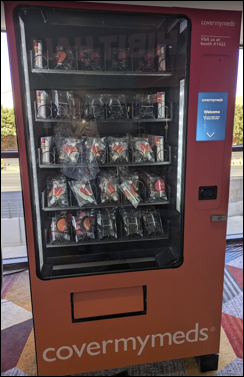
CoverMyMeds has a swag machine in the lobby, and I received a pouch with some nail clippers that I’ll be donating when I get home. I was actually hoping for the hand sanitizer since I had forgotten to replenish my supply, but I was confident that I could find some in the exhibit hall when it opened.

I put my feet up for a bit and then was off to the opening reception. It was held once again at Caesar’s Forum, which is across the street from Caesar’s Palace. That created confusion among attendees and taxi drivers alike. 

image

It was a target-rich environment from a footwear perspective. I found myself also eyeing these embroidery and pearl-embellished jeans. I’m not sure who the team was with the matching Nikes, but they looked sharp. 

I had a chance to catch up with the incomparable Ross Martin, MD, who shared a great story about performing as Elvis for HIStalkapalooza 2013. He was even able to produce the highlight reel from the event on his phone, which was a nice treat. 

On the way back, I did a detour to the Bellagio Fountains. I was lucky enough to catch my favorite song, which made for a perfect cap to the evening.

image

The next couple of days were a whirlwind, with plenty of sessions and laps around the exhibit hall. It felt a lot like the old days of HIMSS. I saw fewer influencers and more people ready to do business than I did at ViVE. 

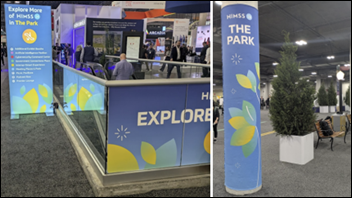
Some complained that HIMSS doesn’t include meals with registration, but those who ventured down to the Hall G lower level were rewarded with cookies, fruit, brownies, blondies, and the elusive Kouign Amann pastry. The lower level was dubbed “The Park” and also included the odd tree here and there, as well as a food court and a place to pet kittens.

image

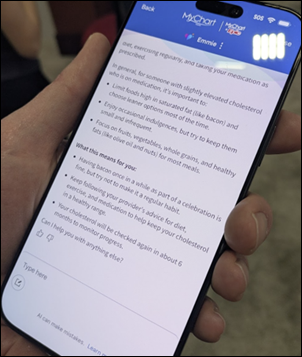
At the Epic booth. I was pleased to see that their new AI solution offers sensible patient-facing information for a scenario where a patient asks if they can celebrate with bacon while in Las Vegas even though they have high cholesterol. As usual, the Epic booth had the most plush carpet in the exhibit hall. I didn’t know that I needed a coffee table that was embellished like the painting “The Starry Night” before I went there, but apparently, I need that in my life.

image

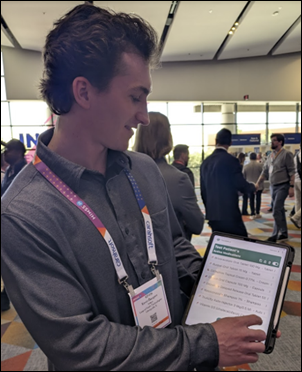
It’s great to see the next generation of healthcare tech professionals coming to see the big show. I enjoyed an impromptu demo from graduate student who was working on the TheraCare.ai platform.

It seemed like everyone was talking about AI or SaaS solutions, but I always enjoy visiting vendors that offer physical technology, such as waterproof keyboards, innovative crash carts and workstations, and communications devices.

During my booth crawl with Dr. Craig Joseph from Nordic Global, we scoped out Athena Security’s hospital visitor management system technology, which includes AI-powered concealed weapons detection. Having worked at hospitals that have had serious security incidents and even injury to staff, such solutions are unfortunately necessary, and it’s nice to see innovation.

image

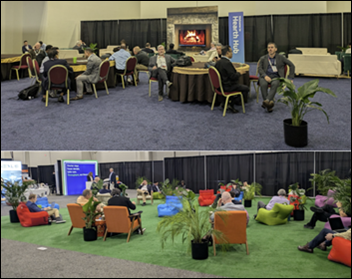
The show floor had a couple of themed seating areas, one of them complete with a digital fireplace. For the zone that had the bean bag chairs, they were less occupied than the more traditional chairs, which might say something about the agility of the average HIMSS attendee and our willingness to risk being unable to arise from a soft surface. The main floor also included a puppy park, although I didn’t see any dogs during the times I passed by.

image

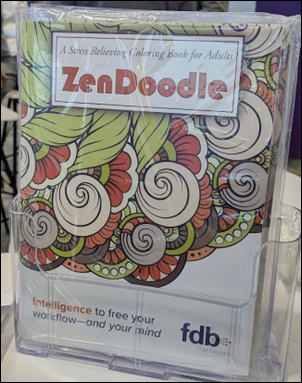
First Databank had a cool giveaway with its adult coloring book. 

The best booth slogan goes to connectivity vendor Digi International, which promised “The Ultimate Hookup.” CognomIQ was close behind with their offer of a chance to “win a prize that doesn’t suck,” which was funny since it was a Dyson vacuum.

image

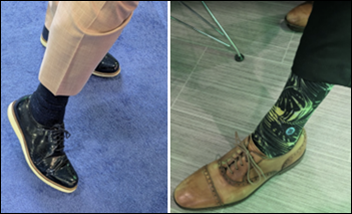
The footwear game was strong this year. IMO Health brought their shoe and sock A-game as usual. I’m sure they are looking forward to next year, when HIMSS returns to their hometown of Chicago. 

image

American Messaging had light up shoes for the whole team.

image

The ever-dapper Jonathan Shivers of Relatient married form and function with oxfords and argyle. 

My spotters were calling in outstanding outfits from across the show, but I wasn’t fast enough to catch the woman in the hot-pink suit with matching shoes or the pair of gents who were wearing matching brocade dinner jackets.

Wednesday afternoon featured a number of in-booth happy hour events. Drinks were flowing as long as you were willing to have your badge scanned. I always wonder about the return on investment for those events, since a good number of the attendees aren’t decision makers or budget owners. I’m sure it falls into the category of all publicity being good publicity, but I can only imagine what the event services vendors charge for a happy hour service.

I had to head for the airport due to some obligations at home, so I’ll be missing Thursday morning’s session covering the future roadmap for the Centers for Medicare & Medicaid Services featuring Dr. Mehmet Oz. I’ll be interested to hear from those who attended and whether you found the content inspiring. There is much work to be done in the US healthcare space.

If you attended HIMSS, what was the highlight of the event? If you didn’t attend, why not, and where are you spending your budget instead? Leave a comment or email me.

Email Dr. Jayne.
Curbside Consult with Dr. Jayne 3/9/26

March 9, 2026 Dr. Jayne Comments Off on Curbside Consult with Dr. Jayne 3/9/26

I enjoy working with students and residents, so I was excited to be asked to present on the topic of virtual nursing. I asked who would be co-presenting from the nursing side, and I was met with a blank stare.

I have experience with virtual nursing technology and implementation, but I’m not seeing hospitalized patients at the moment. I haven’t seen it through that particular lens. I also can’t provide the nursing point of view. I was eager to bring one of my nursing colleagues on board.

As with any presentation, we wanted to come up with a catchy title that would make people want to attend, especially given the scheduling constraints for our anticipated audience. My proposed title of “Virtual Nursing: A Promising Fix or an Expensive Band-Aid” was probably sassier than the organization would have liked, so we toned it down a bit. After creating just enough of an abstract to be able to start advertising the talk, we split up to start creating content.

If you have recently spent time scrolling through healthcare tech sites, you probably noticed that virtual nursing is having a moment. Every few weeks, a new health system announces a pilot program, a vendor rolls out a freshly branded platform, and a press release lands in my inbox proclaiming that the future of inpatient care has arrived.

I understand the appeal, given the genuine staffing crisis that continues to grind down nurses across this country. However, the literature is starting to show that virtual nursing isn’t going to be the ultimate solution to a problem that has been building for decades. A recent study published in JAMA Network Open might give hospital leaders a reason to pump the brakes.

Before we dive into the data, we need to note that “virtual nursing” has become one of those terms that gets used in so many different ways that it risks losing all meaning.

At its core, virtual nursing refers to registered nurses who deliver care to hospitalized patients remotely, using video and/or messaging platforms instead of being physically present on the unit. The virtual nurse is stationed offsite, sometimes in a central hub within the same health system, sometimes even at home. They interact with patients and bedside staff through a screen.

Workflows might be active, such as assisting in tasks related to patient admissions. This could include reconciling medication lists, performing screening instruments, and helping educate the patient and family about what to expect. Similar tasks might be performed before or during discharge.

Another common use case involves virtual nursing teams that function as high-tech sitters. Sometimes they monitor multiple patients on a split screen, while at other times they might use AI-powered tools to determine whether a patient is at risk of fall or injury.

Less common but growing applications include triage support, documentation assistance, mentoring of newer bedside nurses, specialty consultations, preoperative screenings, interpreter services, and even serving as a second witness for high-alert medication administration.

Intensive care units have historically been early adopters of using virtual nursing for rapid response oversight. What is newer is the expansion of virtual nursing onto medical / surgical floors of the hospital. Most of the current conversation and controversy is playing out there.

Virtual nursing is often seen as the solution for nursing shortages. Some quick web searches reveal turnover rates of registered nurses to be greater than 15%, with large numbers of nurses leaving the workforce or planning to do so within the next five years.

One of my best friends is a nurse. She is constantly being floated to other units in the hospital that are outside of her specialty. She is sometimes assigned to be a sitter, which although important for patient safety, is a misuse of her time and skills since she is 1:1 in a lower-skill environment rather than performing her usual duties with multiple patients. For her, it’s not an easy shift, but is professionally unsatisfying.

Her particular specialty is hands-on. We haven’t really talked about virtual nursing, but I will get her thoughts as I pull this presentation together.

Virtual nursing is also touted as a way to retain nurses who have musculoskeletal issues or other reasons to move away from bedside nursing. Moving to virtual lets them bring their clinical judgment to the game in new ways, including the uncanny ability of seasoned nurses to spot the patient who is about to go sideways before the numbers change.

Virtual nursing can also free up time and attention for nurses who are physically at the bedside. It distributes some of the administrative burdens to a remote nurse.

This brings us back to the study, which was a cross-sectional, mixed-methods study drawing on the 2024 Nurses4All survey. The final analytic sample included 880 registered nurses working on medical, surgical, and intermediate care units across 418 hospitals in 10 states. These nurses had reported that virtual nursing was being used by their hospital, which made them well positioned to comment on whether it was actually helping.

In addition to answering questions about virtual nursing’s impact, respondents were also invited to provide a free text response to the question, “Please share any positive or negative experiences you have had working with virtual nurses.”

The short version of the findings is that virtual nursing is producing mixed results, and the mixed results lean toward unimpressive.

The majority of nurses in the study (57%) reported that the use of virtual nurses did not reduce their workload at all. Of that group, 10% said that virtual nursing actually increased their workload. Of the 43% who reported workload reduction, only 8% said the reduction was meaningful.

The quality-of-care findings were more favorable, but still underwhelming. A little over half of respondents cited a positive impact on care quality, but only 11% said that the improvement was substantial. Nearly half of the nurses reported no impact on quality, and 4% said that virtual nursing negatively impacted quality. As the authors said in their conclusions, these are decidedly mixed findings.

The free text responses fell into six themes: virtual nursing as a staffing workaround, virtual nursing as an extra pair of eyes, safety risks and time delays, added work, patient distrust, and administrative help or hindrance.

The staffing workaround theme is the one that should give hospital leaders the most pause. Nurses described a pattern in which virtual nursing was being used not as a supplement to adequate bedside staffing, but as a substitute for it. Multiple respondents noted that management was counting virtual nurses in the staffing ratio, which effectively reduced the number of physical bodies on the floor.

One nurse made the point as directly as possible. She would rather give up the virtual nurse entirely in exchange for having another person on the unit who could physically intervene when a patient needs it. That is not a ringing endorsement.

Nurses described the added work component through examples, such as having to correct documentation errors introduced by virtual nurses who lacked familiarity with the specific patient or the unit’s workflow. Others noted that by the time they had exchanged messages back and forth with a virtual nurse to address a concern, they could have simply handled it themselves in the first place. The overhead of coordination was, in some cases, consuming more time than the task being delegated.

The patient distrust findings deserve particular attention, because they highlight a reality that technology enthusiasts often underestimate. The patients who populate medical and surgical units are not usually digitally engaged, younger adults who are comfortable navigating a video interface while also managing acute illness, pain, and anxiety. They are frequently elderly, cognitively impaired, hard of hearing, or simply overwhelmed.

One nurse commented that patients treat virtual nurses like a commercial during their favorite show, ignoring them or trying to fast-forward them. That is blunt, but probably accurate in a meaningful subset of cases.

Another noted that virtual nursing only works well for patients who are cooperative, not in pain, and have all of their immediate needs met. That is a fairly narrow slice of the typical med-surg census.

To be fair to the technology, the study also identifies areas where virtual nursing provides genuine value, such as when a virtual nurse acts as a scribe for a bedside nurse who is performing physical tasks.

The authors ultimately concluded that virtual nursing might not be as much of a big win as hospitals expect, and using it to subvert staffing requirements is likely to create more problems than it solves. Virtual nursing is most beneficial when it is implemented purposefully with clear workflow definitions and adequate training for all involved.

I also see potential for work on the technology side. Nurses reported delays in messaging between virtual and bedside nurses, equipment failures, and camera  and sound issues. These are examples of failures in workflow design, equipment selection, and testing. Vendors in this space should be doubling down on creating tools that actually fit into the hospital unit rather than those that look great in a demo.

As all good study authors do, the team noted the need for additional research, including analysis of the technology in units that were not part of the study, or analysis of variation across hospitals.

For hospitals that are deploying virtual nursing, it’s a prime opportunity to involve nursing informatics and clinical informatics experts to ensure that solutions drive value through improved outcomes and staff satisfaction. If implemented thoughtfully, virtual nursing has real promise. But gaps exist between the promise and reality. Closing them will require more than buying a platform and pointing a camera at the patient’s hospital bed.

Is your organization using virtual nursing? Has it lived up to the sales pitch or caused more problems than it has solved? Leave a comment or email me.

Email Dr. Jayne.
EPtalk by Dr. Jayne 3/5/26

March 5, 2026 Dr. Jayne 1 Comment

A health system that went live on a system-wide EHR five years ago with promises to upend its best-of-breed strategy is sending notices that it is finally migrating its laboratory systems. The lab migration project has been underway for quite a while, although it seems like communication to end users is just beginning.

The first communication explained the what and why of the project. It also outlined the communication cadence, so that people can be on the lookout for more information as the go-live gets closer.

I suspect that the team is planning to over-communicate for two main reasons. First, no one likes surprises. Second, many physicians, especially those who are community-based rather than being employed by one of the health system’s entities, likely assume that the project has already been completed and aren’t anticipating changes.

We will see how the communications unfold as go-live approaches. I’m sure that the finance folks will be glad to stop paying maintenance to multiple vendors.

The hot topic around the virtual physician lounge this week was an article in Nature Medicine that looks at how ChatGPT Health performed at triaging medical emergencies. ChatGPT Health, which launched in January of this year, was designed specifically to handle consumer-driven, health-related queries.

The authors submitted a set of 60 clinical vignettes across multiple clinical domains and conditions to the chatbot and to a panel of three physicians. The physicians triaged them based on clinical guidelines and their own expertise.

The tool underperformed. It failed to correctly identify one-third of non-urgent cases and nearly half of emergency cases. It recognized stroke and anaphylaxis as emergencies, but failed to refer the user to the emergency department for the life-threatening conditions of diabetic ketoacidosis and impending respiratory failure.

Other scenarios tested biases, such as when family or friends minimize a patient’s symptoms.

The ability to appropriately generate crisis intervention messages was unpredictable. Interventions appeared more often when cases discussed suicide generally than when the discussion included a description of a specific method of self-harm.

The authors conclude, “Our findings reveal missed high-risk emergencies and inconsistent activation of crisis safeguards, raising safety concerns that warrant prospective validation before consumer-scale deployment of artificial intelligence triage systems.”

User access to ChatGPT Health is limited by waitlist. Parent company OpenAI says it will make it widely available when it has finished validating its safety and reliability.

I’m surprised by the tool’s poor performance. Triage protocols have been available for many years and are commonly used by nursing staff in primary care offices. I wonder if the model was trained using any of those references or if those weren’t included because of intellectual property concerns.

We’re partway through the spring conference season, with ViVE in the rearview mirror and HIMSS on the horizon. A fair amount of alcohol flows at health tech conferences and it’s not just during the after-hours parties. It seems like happy hour events on the show floor are an expectation rather than an exception. A timely piece in The Harvard Gazette examines the effects of binge drinking on the digestive system.

Authors of the study, which was published in November, found that a single episode of binge drinking, which they defined as four drinks in a two-hour period for women or five for men, can make it harder for the small intestine to keep bacteria from entering the bloodstream. The research was performed in mice with the alcohol administered by gavage, which is the research equivalent of a beer funnel. I’m going to have a hard time keeping that imagery out of my mind next week when I see people hitting the cocktail circuit at HIMSS.

A fair amount of literature shows that younger generations are consuming less alcohol than older groups such as Gen X and Baby Boomers. Given the amount of alcohol-fueled bad behavior that I’ve seen during my time in the industry, that’s probably a good thing.

image

Speaking of HIMSS, I’ve got my trusty sneakers packed so I can stroll the exhibit hall in comfort, but I’m also taking my dancing shoes for after-hours sparkle. I’ll be making at least one trip to the Bellagio to catch the fountains after dark, since they are my favorite of the excesses found on the Las Vegas Strip.

I will be stopping by the booths of our sponsors (anonymously, of course) and looking for the best booth décor and of course footwear. Stay sharp during those booth shifts and save your cell phones for scanning badges, sharing party invitations, and emailing me your cute shoe pictures.

From Jimmy the Greek: “Re: AI tools in remote meeting platforms. My organization allows us to use them to create transcripts and summaries. It’s been helpful, but I literally laughed out loud when this turned up in a recent recap of a section that the AI tool titled ‘Product Staffing Woes and Teen Sleep’”: 

Robert and Susan discussed Susan’s staffing challenges, with Susan noting she was down to 1 3/4 of her intended six developers. Robert offered to support, but explained he couldn’t help directly. Robert then shared his personal experience with his teenage son‘s morning routine difficulties, leading to a discussion about teenage sleep patterns and morning habits. The conversation concluded with Robert introducing the topic of the next big project.

Pre-meeting small talk is common, especially in organizations where meetings don’t start on time. Seeing it memorialized highlights how much time is actually spent talking about topics that aren’t moving the organization forward. If you’re seeing a lot of these types of items in your summaries, it might make sense to disable the feature that automatically starts recording and transcription, and instead, manually start the process when you are ready to begin the meeting.

What’s the most amusing thing you’ve seen in an AI-generated meeting transcript? Leave a comment or email me.

Email Dr. Jayne.
Curbside Consult with Dr. Jayne 3/2/26

March 2, 2026 Dr. Jayne 3 Comments

Clinical informatics is a broad subspecialty. Board certification requires being knowledgeable across a broad range of domains. The American Board of Preventive Medicine, which along with the American Board of Pathology can grant certification, distills it for its website:

Physicians who practice Clinical Informatics collaborate with other health care and information technology professionals to analyze, design, implement and evaluate information and communication systems that enhance individual and population health outcomes, improve patient care, and strengthen the clinician-patient relationship. Clinical Informaticians use their knowledge of patient care combined with their understanding of informatics concepts, methods, and tools to: assess information and knowledge needs of healthcare professionals and patients; characterize, evaluate, and refine clinical processes; develop, implement, and refine clinical decision support systems; and lead or participate in the procurement, customization, development, implementation, management, evaluation, and continuous improvement of clinical information systems.

The description doesn’t specifically describe patient-facing tools, but it does cover individual health outcomes, improving patient care, and building the patient-physician relationship. These goals are easier to accomplish when clinicians have tools at our disposal that help patients understand their own health situation and provide education and information.

Plenty of other entities are trying to grab our patients’ attention, which can lead to interesting conversations in the exam room as we work to counter medical misinformation or try to lead patients to consider evidence-based care plans.

I was surprised to see a study in Communications Biology this week that looked at direct-to-consumer testing. The results of tests that look at the microbiome of the digestive system varied dramatically among laboratory providers. The authors sent identical stool samples to the vendors, but each identified different bacterial levels, and only three of more than 1,200 bacteria were consistently identified across all the reports.

It wasn’t just variability between single samples that were sent to multiple facilities, but also among identical samples that were sent to the same facility. For one set of samples, the lab identified one submission as “unhealthy,” while two identical submissions were “healthy.”

The authors hoped to better understand the consistency and reliability of direct-to-consumer testing, which is not required to comply with the same level of regulations that traditional clinical laboratories must meet. Many of these tests fall under the category of “wellness” rather than being designed to diagnose a specific condition. Many physicians find the term “wellness” irritating because it has been used to hawk everything from unregulated botanical substances to jade eggs that are to be placed in the vagina to enhance sensuality (they are also an infection risk and may cause pelvic floor dysfunction, so those are a “no” when patients ask.) 

The authors found that bacteria in the genus Clostridium had the most variability in the reports. Three labs failed to detect it in one or more samples, and one reported it at five times the expected level.

The authors attribute the variability to different reference databases, reporting cutoffs, sample processing protocols, testing methods, and quality control standards. One of their goals was to make a point that just because a direct-to-consumer test is popular doesn’t mean that it is accurate, and that patients should understand the limited evidence that is behind such tests.

As a middle school science fair judge, it is an issue when three identical runs of the same experiment give different outcomes. For those who are curious, the paper details how exactly they prepared the identical specimens, all of which were obtained from a single donor.

Some direct-to-consumer tests get a lot of attention and often lead to patients arriving at the office of their primary care physician, asking us to treat something that isn’t actually a problem. I’ve seen multiple people bring in salivary hormone test panels that aren’t evidence-based and also allergy testing results that can be downright dangerous if not handled appropriately.

I enjoy working with patients who are engaged and want to take action, but these visits often lead to lengthy conversations that may not fit in the typical busy primary care schedule. Also, patients are almost universally unaware that at-home tests are not of the same level and quality as those that we would order in the office or during a virtual visit.

The authors call on the industry to take concrete steps to improve the transparency and interpretation of gut microbiome testing. These could also be applied to other types of testing. Specifically, they call on labs to address the idea of clinical validity and whether testing yields data showing correlation or causation with respect to a given health factor.

They also call for improved analytical performance in the testing process, maximizing both accuracy and precision. They go further to recommend that the industry work with testing companies and other stakeholders to create guidelines for testing, which would improve the validity of testing as well as the confidence of consumers who seek it.

Although patient-directed stool testing isn’t something you typically hear much about, research like this highlights some of the opportunities for clinical informatics experts to lend their knowledge to the task. We can help identify if a population-level issue  needs to be investigated, perform qualitative and quantitative research to understand the scope of the problem, support researchers as they seek data and information around the topic, and identify how the findings might be used to improve patient care.

We can also configure the tools at our disposal to help identify which patients would benefit from such testing, configure clinical decision support systems based on new evidence, and automate the creation of treatment plans based on the results while delivering effective patient education along the way.

Many of my colleagues think that clinical informatics team members just build order sets and flowsheets in the EHR all day. They don’t necessarily have exposure to all the different types of healthcare technology we can employ and how it can have an impact on the patients and communities that we serve.

As more of us enter the field, we should be able to provide that kind of education and exposure to our specialty. Our colleagues should know what we can do, just as they know how a cardiologist or pulmonologist can contribute to the care team.

What’s the most interesting clinical informatics project your team has done? Has your group built any tools that address direct-to-consumer testing or management of those results? Leave a comment or email me.

Email Dr. Jayne.
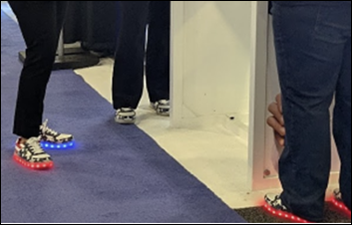
EPtalk by Dr. Jayne 2/26/26

February 26, 2026 Dr. Jayne 4 Comments

image 

I appreciated Mr. H’s comments earlier in the week about the challenges that companies encounter when trying to justify the cost of ViVE and HIMSS exhibits via booked revenue.

As a CMIO, I am unlikely to do business with someone just because I saw their booth at a conference. In fact, having a poorly prepared or apathetic booth staff is probably worse than having no booth at all.

Years ago, my CIO had recommended that I follow up with a vendor whose rep he had spoken to at a high level. I arrived at the booth, identified myself, and said that my CIO had referred me to take a look. I received the conversational equivalent of a pat on the head, with an instruction to come back when my CIO could also participate. I guess they missed the title on my badge and didn’t understand that I was the one with the actual decision-making authority for clinical applications.

In preparing to attend ViVE, I spent too much time deciding what to wear given temperatures ranging from 50 to 80 degrees. And of course, figuring out which shoes to pack. I was grateful to have HIStalk’s Guide to ViVE document to help me scope out some visits with vendors that weren’t on my list.

I noticed that some savvy vendors didn’t list booth numbers, but instead provided a list of their executives who would be on site and instructions on how to book a meeting. I also appreciated those who highlighted members of their company who would be speaking, the planned topics, and where to find them. Those kinds of listings are more likely to catch my attention than a boring blurb about being a cloud-hosted SaaS platform just like everyone else.

In traveling to ViVE on Sunday morning, I was caught in the gap between the Department of Homeland Security saying that they would be suspending TSA PreCheck security lines and the subsequent reversal of the decision. I travel often and at generally the same time, so I recognize a lot of the TSA staffers that typically work PreCheck at my airport. They’re usually pretty chill, even during busy Monday rushes.

Going through the “regular” security line on Sunday, the agents seemed more stressed. Travelers were also certainly stressed. Many who usually go through PreCheck didn’t seem to know how to put their items in a bin or get through quickly. Fortunately, I had seen the announcement of closures before I went to bed on Saturday night and left early. Even so, the security line was extremely long. About an hour later, the PreCheck line was back open, providing relief to the chaotic main screening line.

I’ve been part of several startup companies, so I understand what it’s like to have to show up and work without pay while you’re waiting for your next funding check to clear. Several members of my family were without pay during the last government shutdown. It can be devastating for the average US family that isn’t positioned to absorb that financial challenge.

When traveling, remember that kindness costs nothing. If you have friends or neighbors who are being impacted by government shutdowns that seem to be our new normal, consider offering whatever support you can.

ViVE is an interesting conference due to its co-location with CHIME events. These tend to draw more CIOs, which can make for a higher proportion of conversations with attendees who not only have a budget for solutions, but also the authority to spend it. Still, a “see and be seen” element exists. 

I overheard a couple of folks talking about how they didn’t really have a plan for the conference. They weren’t sure why they were there, or how their attendance was adding value. They were, however, happy to have gotten away from the northeastern US before winter storms hit, and seemed to appreciate the California sunshine.

I also overheard someone who said that he was prospecting for his company that was less than a week old. As a seasoned buyer, I hope he’s not leading with that tidbit.

ViVE provides meal service for a portion of the conference. They had a large seating area, but it was crowded. Outside food truck options were available and popular, but my schedule sent me to the grab-and-go option more than I would have liked.

It was great to see old friends and meet new people. Monday was my busy night attending vendor events. The Healio AI launch party was seafood forward and seemed to have a good turnout. From there, I was off to the Supreme Communications event, which was casual but fun, and then to the Abridge soiree at the Ritz Carlton. I spotted quite a few CMIOs from top 20 health systems at that one.

The best party of the night by far was hosted by Evergreen Healthcare Partners and Fortified Health Security at the Grammy Museum. Attendees had access to an exhibit featuring Tejano music queen Selena. The menu choices were on point, particularly the mini salted caramel chocolate tarts. I had an early morning of work waiting for me in the Eastern time zone, so I was back at my hotel early.

Following my calls, I made my way to the convention center and attended a few sessions that seemed meatier than those that I encountered at HLTH in the fall.

I noticed several people who were wearing microphones even though they weren’t speaking. I wonder how much of their day they record, or maybe they just aren’t taking their microphone off between times they need it. It reminded me of the early days of Google Glass, when people had to wonder if they were being recorded. If you are one of those folks who always has a microphone at the ready, feel free to weigh in with your strategy.

image

The most eye-catching booth backdrop that I saw was this one from the Berwyn Group. It drew me into stopping in to hear their pitch, where I learned about how they support organizational population health efforts by ensuring the accuracy of information when patients are deceased. I hadn’t thought about that in detail, other than how it impacts me in primary care. The team was great to talk to and explained their business well, so if you’re in the market for a solution to support death audits, give them a look.

 image

As always, IMO Health brought their footwear A game to the conference. On the last day of the show, I saw a woman who was walking to the show floor wearing flip flops at 8 a.m. I don’t know if that was her first choice, or whether it was need-based following less than stellar footwear selections earlier in the week, but kudos to her for sporting them proudly.

image

I have enjoyed my time in the industry and in seeing tools evolve. I had a chance to chat with the folks at Medicomp Systems, who showed me their generative AI capabilities and how new elements are working seamlessly with the Medicomp Quippe tool. I was glad to see that one of their demo personas named “Seymour Patients” continues to be alive and well, or at least as much as one can be in the virtual world.

Overall, it was a more productive week than I anticipated, which is always a nice surprise. Now I’m hoping for the best for my trip back to the East given the number of canceled and delayed flights and the amount of snow on the ground.

If you attended ViVE, how was it? What were your biggest takeaways? Leave a comment or email me.

Email Dr. Jayne.
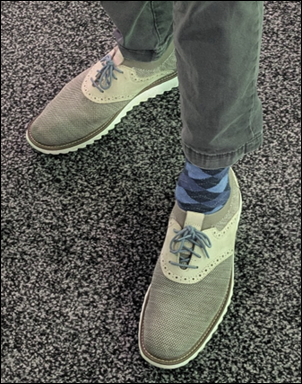
Curbside Consult with Dr. Jayne 2/23/26

February 23, 2026 Dr. Jayne Comments Off on Curbside Consult with Dr. Jayne 2/23/26

It’s clear that AI is here to stay. I’ve spent quite a bit of time looking at studies that seem to be either proving its value or dismissing it on the basis of inaccuracy and risk.

Healthcare people tend to look at it with a specific lens. I reached out to contacts in other industries to better understand how they are approaching it, and whether their professional organizations have produced policies or recommendations around its use.

The first person who responded to my query is in the field of law. The initial portion of his response addressed the high-profile problems with AI that have surfaced in the legal world. A number of cases involved attorneys who used AI to construct briefs, but failed to catch that the AI fabricated citations for cases that didn’t exist.

Similar to what we encounter in healthcare, issues exist with the content on which AI systems are trained. Attorney-client confidentiality must not be compromised by becoming part of a data set. Similar risks involve algorithmic bias and discrimination. Attorneys have been sanctioned for misusing AI, with some being fined for fictitious citations.

The legal community is discussing accountability for the use of AI. Ethics experts agree that attorneys are ultimately responsible for the accuracy of matters that are being handled in their name.

My attorney friend shared his opinion that even the best AI isn’t as good as some of his most seasoned paralegals and researchers. His firm tends to proceed with caution, although it does not have a formal policy on the use of the technology. He thinks about about using AI to create documents similarly to having a summer legal intern do it. He reads everything with a critical eye in case it misses the mark, just like interns sometimes do.

We chatted a bit about the idea that AI probably isn’t as good as a law student at the top of their class, but might be better than a student at the bottom of their class. This has parallels with medical education. It is different asking a fourth-year sub-intern to present a case than to ask a third-year student who is on their first clinical rotation to do the same.

We agreed that the idea of blind trust in AI is risky, especially when professional licensure is on the line.

The American Bar Association issued its first guidance on the ethics of AI use in 2024. It specifically noted the need to ensure that legal billings are appropriate for tasks that are conducted using generative AI tools.

The attorney in question is also a commercial pilot. He had a few things to say about the use of AI in the aviation space. Airlines have been using it for operations functions, including maintenance optimization and the modeling of passenger behaviors such as their likelihood to check bags or buy additional services and amenities. Consumer-facing AI includes support chatbots and booking and ticketing systems.

On the maintenance side, AI can help with troubleshooting complex airframes that generate sensor data. Mechanics also use it for maintenance documentation.

He mentioned incorporating AI into flight simulator systems. It uses real-world cases and events to create realistic emergency scenarios that might go beyond the experience of a human simulator operator or operational handbooks.

I must have posed my question at just the right time, because he mentioned a recent announcement about the US Air Force’s Flying Training Center of Excellence. It is developing an AI-based “Instructor Pilot GPT” that is designed to interact with students who are undergoing pilot training. The tool will be trained on flight manuals and aviation documentation. It will help student pilots assess their performance and will provide rapid access to reference procedures. Similar to the commercial side, they hope to use the technology in flight simulators.

The Air Force uses a closed training environment that contains documents such as military protocols, federal guidance, and flight-related publications. I chuckled when I read a quote from one of the people who is involved with the project, who referred to the subset of information as a “data pond.”

Another comment in the article sounded a lot like the conversations that we are having regularly in medical education. Students are on their phones using LLMs every day, so they will expect it as they move forward in training.

The article also notes important concerns that I hadn’t considered in healthcare, such as cybersecurity risks. What happens when your fighter jet GPT gets hacked and harmful information is injected? The same thing could happen to a healthcare system, which would provide the ultimate example of medical misinformation.

As far as professional organizations or regulations, the Federal Aviation Administration issued a formal notice on the use of generative AI tools and services in March 2025. The first page of the document highlights the need to ensure that generative AI use “is conducted in an ethical and responsible manner.”

The notice applies only to FAA’s employees and contractors, but it includes policy elements that are similar to what I see in hospitals and care delivery organizations. These include a requirement to request approval for using generative AI software, the ability to request support for specific use cases that have already been identified, and the need to ensure that AI tools that are found on the internet have been approved by the organization.

The FAA also cautions about the risks of AI infringing on intellectual property, the need to review AI-generated content for accuracy, the need to be transparent about where AI tools are being used, and the principle that it shouldn’t be used to “perform or facilitate illegal or malicious activities.”

I am waiting to hear back from contacts in other industries and will share if I receive compelling insights. If you or your organization does crossover work in areas other than healthcare, how are those industries tackling the use of generative AI? Leave a comment or email me.

Email Dr. Jayne.

EPtalk by Dr. Jayne 2/19/26

February 19, 2026 Dr. Jayne 4 Comments

Clinical Informatics is a broad specialty. But depending on our job roles, we sometimes only get to work in a handful of its domains.

I’ve always enjoyed public health informatics work and being able to identify opportunities where we can make changes that help thousands of patients and families. Pregnancy continues to carry higher risks in the US than in other developed countries. I recently ran across the Baby2Home app that is designed as “a one-stop platform supporting perinatal families through an evidence-based collaborative care model.”

The tool includes mental health screening, access to stress management resources, and connectivity to care managers for support. It also offers the ability to track infant-related parameters such as feeding, sleeping, diaper changes, growth, and vaccinations.

Researchers tested the tool during a multi-year study that ended in 2025, with 642 first-time parents randomized to receive either typical postpartum care or typical care plus the app. Members of the intervention group had improved mental and physical health scores and were more confident in their parenting skills compared to those in the control group. The data was presented at the Society for Maternal-Fetal Medicine meeting on February 11. Although the tool is currently investigational, I found it compelling and will be watching to see what happens next.

Speaking of companies I’m following, I was delighted to see a recent LinkedIn post containing a video from the folks at CognomIQ. The peppy beat perfectly channels their call for organizations to “Drain that stagnant swamp of a 1990s data lake.” The post says, “We’re not mincing words or hiding behind flowery rhetoric.” They weren’t kidding, since they call out several prominent vendors by name.

The snappy chorus of “Healthcare data sucks, you can’t dress it up” had me rolling. So did, “We build the board a house of glass and pray the question’s never asked.” All of us have been there, but few are willing to become a lightning rod by saying it out loud. Props to the team that created this campaign. I’ll see you on the dance floor.

From Captain Incredulous: “Re: LinkedIn. In a moment of weakness, I accepted a LinkedIn request from a friend of a friend. Within 24 hours, my new connection emailed me at my work address. He asked me to introduce him to a well-known CEO in my network and advocate for a partnership meeting. He even went as far as to suggest a draft email for me to use. He has now sent three emails about this issue.”

The reader shared the email thread, and it is certainly presumptuous. Additionally, I found some irony that the reader failed to notice: the draft email included mentions of how the author’s company could help the CEO at his previous employer rather than his current one. Putting myself in the reader’s shoes and knowing the CEO in question, I would definitely mention it to him, if only for a chuckle.

My inbox is bursting with cold email outreach efforts asking to connect at ViVE next week. Colleagues are receiving similar messages from startups that are desperate to meet. Most use words like synergy, partnership, and collaboration. Of those in my inbox, many include the salutation “Hey.” I know ViVE is the hip cool cousin of the conference scene, but it still feels unprofessional to me.

My favorite request just said, “I will be attending VIBE and connecting with people across the healthcare space” without stating the requester’s company or why it might be relevant to me. The misspelling of the conference name captured my attention, but I’m still not going to book a meeting.

image  

From Jimmy the Greek: “Re: AI answers that are obviously incorrect. Check out this thread, where I asked whether I should walk or drive to the car wash.” AI recommended walking if the user didn’t mind exercise and if the weather was decent. It suggested driving if short on time or if the route isn’t pedestrian friendly. It completely missed out on the fact that the car would not be at the car wash if the user walked. It confidently stated that “walking is the more elegant move,” unless the car wash was of a certain configuration. It concluded by asking the user to specify what kind of car wash was involved so it could “pick the smoothest plan.”

image

The average healthcare IT team consumes a large volume of caffeinated beverages, so this article in the Journal of the American Medical Association caught my eye. The authors investigated whether long-term consumption of coffee and tea is associated with dementia risk and cognitive function. The study was large, with 132,000 participants and up to 43 years of follow up. The findings showed that, “Greater consumption of caffeinated coffee and tea was associated with lower risk of dementia and modestly better cognitive function, with the most pronounced association at moderate intake levels.” No similar association was observed with decaffeinated coffee.

Study participants were healthcare workers. Females were drawn from the Nurses’ Health Study and males from the Health Professionals Follow-up Study. Data was collected every two to four years using a food frequency questionnaire.

As we all know, correlation does not imply causation. One should also be cautious about extrapolating these findings to non-healthcare workers since many of us have other behaviors that might not be typical. A shout-out to all the emergency department workers out there who have disordered eating habits, disrupted sleep, and fond memories of colleagues sneaking out through the ED doors to smoke cigarettes before returning upstairs to counsel patients about smoking cessation.

I’m a stickler for starting meetings on time to be respectful of those who are punctual. I’ve been fortunate to work in organizations that use the 25/55 meeting scheduling paradigm, which gives people five minutes to transition between calls or meetings. I’ve seen how it can help more meetings start on time.

Even without a back-to-back meeting schedule, some people are habitually late. During a recent discussion on meeting management, a colleague shared an article about people who arrive late and the causes. Although some people may be overscheduled or previous meetings might end late, there is also the phenomenon of “time blindness,” in which people are unable to identify how long an activity might take or to understand how much time has passed.

People might also arrive late if they don’t want to engage in pre-meeting banter. I’ll admit that I haven’t thought much about that. Starting on time reduces the available time for small talk, but it’s something to think about the next time I’m on someone else’s meeting and they’re “just waiting a few more minutes for people to arrive.”

How does your organization support on-time meetings? Are agendas and timekeepers a must or something only found on the wish list? Leave a comment or email me.

Email Dr. Jayne.

Curbside Consult with Dr. Jayne 2/16/26

February 16, 2026 Dr. Jayne 3 Comments

I met up with some clinical informatics friends over the weekend. Our conversations focused on a few key themes. One was how much time we’ve spent in the field, as we realized that the most junior member of the group just hit the 20-year mark.

None of us set out to specifically look for technology-related roles, but each of us found our way to the field as we identified gaps in what was happening around us and stepped in. The most senior of the group got involved because he had an engineering background and saw what was going on elsewhere in the country with respect to electronic charting. He wanted to see his institution be a leader in the field rather than a follower, and worked with a big tech company to build a clinical repository for the organization.

It initially compiled data from just one hospital, but as more hospitals joined the system through mergers and acquisitions, the repository became more complex. The team that supported it needed clinical expertise to handle issues like normalization of laboratory values and standardization of test orders. He had some great stories about how the repository grew and became integrated with electronic medical records. It lasted for more than two decades before being retired in favor of a half-billion-dollar investment to move everyone to a single platform.

My colleague still refers to the systems clinicians use as EMRs. That led to a discussion of EMR versus EHR. One member admitted that he uses the terms EMR and EHR interchangeably because he keeps getting loaner computers from his IT department and hates having to go into all the different dictionaries to prevent the system from autocorrecting EHR to HER.

That admission led to a discussion about how the Microsoft Office suite and Office 365 applications handle such things, which bafflingly makes the setting device-specific rather than defaulting from the user profile. I’m no expert, but I know that it’s annoying every time I get a new laptop. I usually end up consulting Google because finding it in the application settings isn’t intuitive.

Quite a bit of back and forth ensued around the merits of EMR versus EHR. I was surprised by how passionate some of the people are about one or the other. We all agreed that “health record” is more comprehensive than “medical record.” One of the group felt that the latter sounded more serious since “health” is often linked with “wellness,” which often includes non-evidence-based and consumer-oriented services.

People pulled out their phones to look for articles for and against each term. I was surprised that the first response that popped up in my EMR versus EHR query was that “EMRs are mainly used by clinicians for diagnosis and treatment, while EHRs are designed to be shared and accessed by the patient. EMRs are less susceptible to cybersecurity issues, since they are not being shared with patients, but are securely managed by the practice.”

That got us rolling, since none of us has encountered a cybersecurity issue related to patient use, but we’ve seen plenty of times where trained employees and hospital medical staff fell victim to phishing schemes. An ASTP/ONC blog addresses the topic, but it’s from 2011. Some of its language is identical to what I found in that first response, which leads me to suspect that the vendor had done some copying and paraphrasing from ASTP.

Most of us agreed that now it’s kind of a stylistic thing and we aren’t bothered when vendor folks use the words interchangeably. I’ve worked with vendor organizations whose style guide spells out which term to use when referring to their products, but not everyone has one of those. I remember reaching out to Epic a few years ago to ask if it had an official position one way or the other and was told that it doesn’t. If that has changed, feel free to drop a comment and let me know the current state.

That conversation led us into a whole “words have meaning” discussion. That immediately drew me in because the industry is plagued by people who use words that don’t make sense. Maybe it’s a phrase they learned during a corporate training class, or perhaps they saw it in an article. When they come to me as a CMIO and start spouting words that don’t completely work together, it makes my attention go zinging off elsewhere.

One colleague, who is a doctor of osteopathic medicine, noted that nothing turns him off more than using “MD” as shorthand for “doctor.” Both have the same number of syllables, so it’s not like saying MD is faster or easier. It’s not worth it to use it in a way that alienates a subset of physicians.

One of the group brought up a recent position paper in Annals of Internal Medicine that addresses “The Ethical Significance of Names in Health Care.” It’s an analysis of the physician versus provider debate, referring to the latter term as contributing to “deprofessionalization.” The authors felt that their examination was unique because it looks at the situation from an ethics perspective.

I popped up the article while we were talking and was excited to see a Shakespeare quote in the first screenful of text. The article includes a review of the origins of care-related words, including patient, physician, doctor, and compassion.

One might have expected that the article would recommend simply not lumping physicians in with other kinds of heath care providers, but it went further to suggest that we get rid of the word “provider” entirely: “Language in health care has ethical and practical implications. Physicians should be referred to as physicians, not providers. Also, when describing professionals with varied credentials who care for patients, the terms clinicians or health care professionals, should be used.”

I’ve been a fan of the word clinician for a long time. It’s shorter than the recommended alternative. I plan to stick with it.

Not surprisingly, we stumbled into a discussion of clinical informatics versus medical informatics, and even a debate about informaticist versus informatician. There’s actually a paper from 2024 called “Informaticist or Informatician? A Literary Perspective”  that goes deep into the history of the two. My colleague quickly sent me a link.

It is a fascinating read. The authors close with a clinical informatics spin on a classic Shakespeare quote, which made me smile. They also received a chuckle with their line, “Whether you are an informaticist or an informatician, may you collaborate better than the Montagues and Capulets.”

Even though the conversation was all over the place, it’s always good to catch up with colleagues who have fought the same battles and who have made it through the same topsy-turvy changes within the industry. They are not only knowledgeable, but are generally a fun bunch. I feel privileged to have them on my phone-a-friend list when times get tough.

Is your company in EMR or EHR mode? What phrases, taglines, or buzzwords make you cringe? Leave a comment or email me.

Email Dr. Jayne.
EPtalk by Dr. Jayne 2/12/26

February 12, 2026 Dr. Jayne Comments Off on EPtalk by Dr. Jayne 2/12/26

JAMA Network Open published an interesting Original Investigation last month that set out to answer the question: “Are greater levels of generative artificial intelligence (AI) use by US adults associated with greater levels of depressive symptoms?”

The authors surveyed 20,000 adults. Of those, 10% reported daily use of generative AI tools and 5% said they use it multiple times per day. Higher levels of AI use were linked to increased depressive symptoms, especially in certain age brackets. The authors note that additional research is needed to understand the nature of the association and differences in impact.

image

AI truly is everywhere, but I was surprised to see it on the new RealFood.gov website that replaced MyPlate.gov. Users who post a question are redirected to the Grok AI tool.

I took advantage of a preloaded sample question that addresses the challenges of eating non-processed foods when the closest food source is a gas station and an individual is on a fixed income. The answer also recommends that users consider food stamps, food pantries, and other community-based options.

Some of our government health leaders are promoting animal fats as healthier options so I decided to poke the AI bear and asked whether animal fats cause heart disease. Grok sided with existing data that suggests that higher consumption of meat, dairy, and eggs is associated with increased risk of cardiovascular disease. Score one for Grok in keeping with established mainstream science.

I asked Grok what happened to MyPlate. I was impressed that it clearly identified those who are responsible for the new approach, none of whom are physicians, nutritionists, or dietitians. Grok noted criticisms of the “return to a pyramid format that was abandoned partly because it was harder for people to interpret compared to the simple plate model.”

It also offered a follow-up question that compared the old guidelines to the new. It also identified critics, including Harvard Nutrition Source, Stanford, and public health groups, and their concerns, such as the scientific process that was employed.

As a family physician with a keen interest in the literature, I’m concerned at how this paradigm minimizes fiber. If flipping the guidelines were a scientific study, I’m not sure it would make it past Institutional Review Board approval. So many of us feel like we’re living in an unregulated science experiment.

I asked Grok its thoughts on the links between red meat, fiber, and colon cancer. It gave me a deep dive into exactly how red meat contributes to colorectal cancer risk and the protective nature of fiber. At least I have some facts in my head for the next patient who comes in asking about their diet, because I won’t be recommending the new guidelines without extensive discussion of context and validation.

Amazon One Medical has introduced a new beta feature to help patients navigate their lab results. The Health Insights functionality, which is included in the One Medical membership, provides commentary on 50 standard blood work results while grouping tests together by health domains such as cardiovascular and immune function. Users complete a questionnaire, then the tool generates a wellness score and offers evidence-based lifestyle recommendations with scientific references. I’m not a subscriber, but I would be interested in hearing from anyone who has had a chance to check it out.

Given the number of health systems and care delivery organizations in the US, it seems like someone is always merging, acquiring, or separating. The M Health Fairview brand will be retired from a subset of hospitals in 2027 as part of a new agreement between the University of Minnesota and Fairview Health Services. The deal, which was approved by the university’ board of regents on January 30, shifts the partnership from a joint clinical enterprise to an academic affiliation.

Healthcare administrative types may be familiar with the nuances of those structures, but I doubt that the majority of patients who live in the communities that the organizations serve will understand what the shift means.

The groups will still work together with regard to the University of Minnesota Medical Center. However, details of the agreements that impact the respective physician groups are not yet public. In short, the university will maintain control of academic and research functions, while Fairview will be responsible for hospital operations.

Relations between the two organizations have been strained for a number of years. The university opposed a merger between Fairview and Sanford Health, after which Fairview opposed the university’s push to merge with Essentia Health. The Minnesota Attorney General became involved, triggering facilitation and mediation efforts. The new agreement will be in force for 10 years compared previous partnership’s 30 years.

Speaking of branding, Texas Health Resources has inked a deal to buy naming rights to Texas Health Mansfield Stadium. It includes “prominent branding throughout the stadium, a refreshed logo and a new digital presence… while also laying the foundation for a wide-ranging collaboration focused on community health initiatives.”

The hospital president and CEO indicated that the facility “will serve as the central wellness hub for the entire Mansfield community.” Given the fact that stadiums are typically closed and locked when teams are not in play, it will be interesting to see how it becomes a wellness hub. 

The article mentioned that Texas Health will be the facility’s “Official Health Partner” and “will collaborate on initiatives designed to promote healthier lifestyles, including community programming and enhanced food and beverage offerings that emphasize more nutritious options.” Hide the jumbo nachos and the foot-long corn dog, y’all.

image

The ASTP meeting kicked off earlier this week, with a focus on the intersection of health IT and the priorities of the US Department of Health and Human Services. Main stage sessions include titles such as “Health Technology for Transparency and Affordability” and “Making America Healthy Again through Technology + Care.” Breakouts covered standards, data exchange, and of course information blocking.

I’m interested to hear from anyone who attended, and in particular, from people who attended previous meetings. How was the attendee mix compared to the past? Were topics handled similarly? What was the overall mood? Leave a comment or email me.

Email Dr. Jayne.
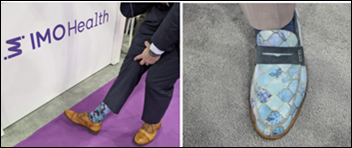
Curbside Consult with Dr. Jayne 2/9/26

February 9, 2026 Dr. Jayne Comments Off on Curbside Consult with Dr. Jayne 2/9/26

image 

Most of us have figured out by now that it’s difficult to spend a day without using some kind of AI-powered tool. I was a fairly early adopter of the Amazon Echo devices after receiving one for a gift. I used them until recently to control some of the lighting in my home. (RIP, Wemo smart home devices.)

I mostly use the Alexa assistant to get quick answers to straightforward questions, such as “What is the temperature?” and “What is the forecast?” so I can do a little planning before I drag myself out of bed in the morning. In the kitchen, I primarily use it for timers or to play music while cooking. I haven’t been impressed by the “skills” that it offers, however.

A couple of weeks ago, I started receiving teasers to upgrade my device to new voices and personas. I held out since I didn’t want to be a beta user. Ultimately, I gave in and was pleased to find a somewhat sassy voice that is officially described as “grounded” or “easygoing.” It reminded me of one of my favorite audiobook narrators, so I decided to give it a try.

Over the last few days, I’ve noticed some quirks. I’m not sure if it’s specific to the voice I selected or if something is going on with the cloud services, but Alexa started giving me more information than I was asking for. Instead of simply giving me the current temperature and the forecast high, it added commentary like “it’s going to be a great day” or something similar.

Then I noticed it providing information that seemed disordered. For example, telling me that the current temperature was 38F with a forecast high of 47F, but that it currently feels like 44F, which just doesn’t make sense. It also tells me that tomorrow’s forecast high will be in the 40s when the Weather Channel thinks it will be a dozen degrees higher.

Tonight, I was thinking about some travel plans and asked Alexa what the correct time zone is for Nashville since I can never remember and was multitasking. Alexa confidently told me that “Nashville is in the Central Time Zone,” but went on to offer information that I didn’t ask for and told me the time. Since I’m on Central time, I was surprised that it was wrong.

I was curious to see what Alexa would say if I called out an incorrect answer. It replied, “You’re right, I should have been more specific. Nashville, Tennessee is indeed in the Central Time Zone.” I had to specifically ask the time and it finally answered correctly.

It’s one thing for a system to provide inaccurate information in response to a question, but it’s another to offer incorrect information that wasn’t even asked for.

I’ve seen some positioning for virtual assistants, including Amazon Alexa and Google Assistant, as general purpose tools that can help the elderly age in place and manage daily routines. They are also supposed to be helpful for reducing social isolation and providing voice-activated medication reminders. What happens, however, when those tools don’t do the right thing? What happens when the tools are confused about what time zone they’re in and it leads to a patient taking medications more than once? In that situation, a simple non-AI alarm app might be more reliable and provide greater safety for patients.

Later in the day, I found an email from Amazon listing how “Early Access” customers made Alexa+ better, including such items as being more responsive during chats, a better sense of when you want to engage, and that it “adapts to your vibe” by learning and adjusting to the user’s communication style.

Honestly, I’m not impressed. As soon as I get some free time, I’m going to experiment with some of the other voices to see if they’re as problematic as the one I selected or if the entire system is just not meeting my needs any more.

Meanwhile, I’m starting to make a list of all the grossly inaccurate responses that I receive from AI tools. I recently read a novel that was based on a true story and asked an AI-powered search tool what happened to some of the main characters later in their lives. The answers should have been straightforward, since the characters I asked about were part of a World War II effort to project works from the National Gallery of Art by storing them at the Biltmore Estate in Asheville, North Carolina.

Instead of providing facts, I got some wild speculation about the Gallery’s director, David Finley, which required visits to a couple of primary sources to fact check. As an upside for the next time I need a random nugget of obscure information, I now know that 40 cubic feet of Finley’s personal papers and artifacts now reside in the Gallery archives, including dried flowers, a cigarette case and lighter, and postcards from a honeymoon in Greece.

image

The Super Bowl is a big deal in the US. A lot of watercooler conversations happened at the end of the week around whether people had plans for the big event and which team they might be supporting. I was one of the people who don’t really have a connection to either team, but was really rooting for the combined squad of US Air Force and US Navy pilots who were slated to perform the pre-game flyover.

I have to say it did not disappoint. The seven-ship formation led by the B-1 was on point. Those of us with aviation geek tendencies knew there was more to come, and the US Navy livestream made our day as the camera panned back to catch the second B-1 approaching in full afterburner.

Having spent my career in medicine, I appreciate the fact that a seemingly short display like this is actually the end result of hundreds of hours of research, planning, and practice. It’s like one of those domino transplant surgeries where all the organs have to make it to the right patients in the right city at the right time with all the associated facilities and staff preparation.

The flyover planes originated in South Dakota and California. They were supported by refueling aircraft from Ohio, with everyone gathering nearby for the final maneuver. Each aircraft is supported by teams of maintainers who are in turn supported by other disciplines. Everyone is essential, much like in a hospital. Thousands of hours of training and education are behind each person’s ability to do their job when called upon. The pilots’ fist bump in the cockpit following the flyover was charming and I can only imagine how excited their families were to see that. (Photo taken from US Navy livestream).

If you partied for the Super Bowl, what was your favorite snack? Did your event include any heart healthy options, or was it all about Buffalo wings and pizza? Leave a comment or email me.

Email Dr. Jayne.
Text Ads


RECENT COMMENTS

  1. RE the AI GLP1 company, Washington Post has an article today by someone who used one of those compounded products,…

  2. Re: A chief health AI transformation officer (CHAITO) I predict a position evolution along the following lines. "We have too…

  3. To take the counterpoint to the "don't just schedule more visits" argument - it depends on if you're looking at…

  4. Aaand, 4th to last graf, 1st sentence, not a distance, so you would go further, not farther.

Founding Sponsors


Platinum Sponsors


Gold Sponsors


RSS Webinars

  • An error has occurred, which probably means the feed is down. Try again later.